
Your Quick Start Guide to Delicious Quick Breads

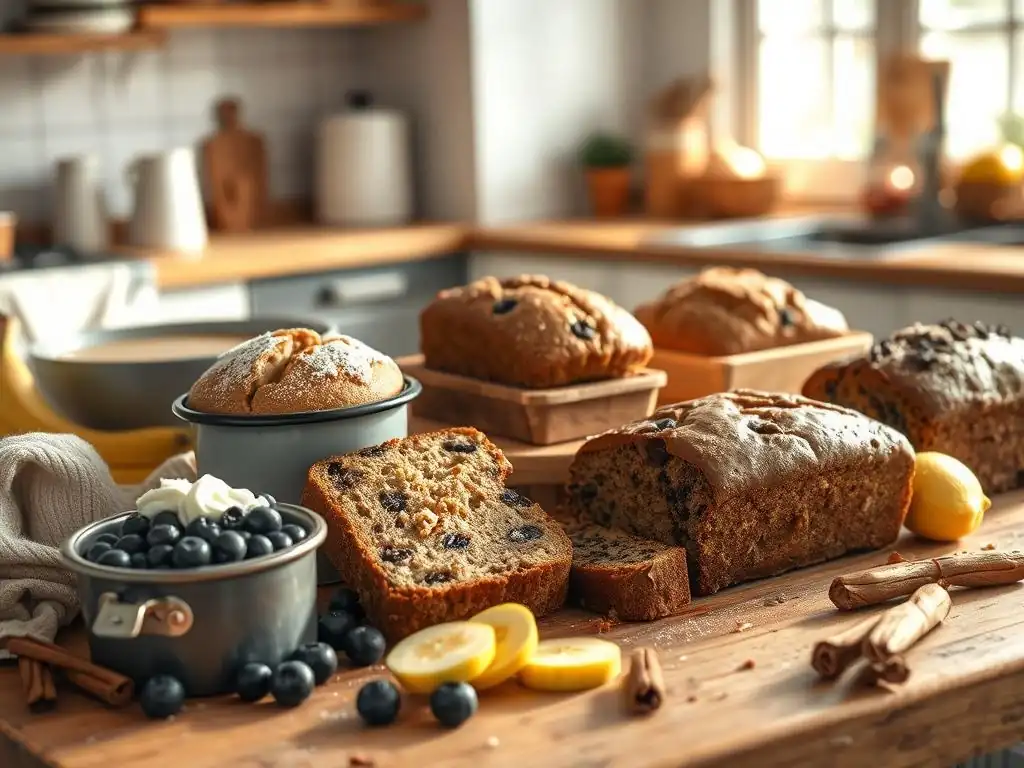
Welcome to BakeWithEase, your partner in creating delectable delights! Ever dreamed of warm, freshly baked bread without the fuss and hours of proofing? Dive into our world of easy quick bread recipes and discover how simple it is to whip up mouthwatering loaves in no time. Intrigued? Keep reading to unlock the secrets to baking success and start enjoying delicious homemade bread today!
- Your Quick Start Guide to Delicious Quick Breads: Easy Recipes for Beginners
- BakeWithEase Presents: Mastering Quick Breads
- What are Quick Breads and Why Bake Them?
- Essential Ingredients for Simple Quick Breads
- Must-Have Equipment for Baking Quick Breads
- Step-by-Step Guide to Baking Your First Quick Bread
- Beyond Banana Bread: Exploring Other Easy Quick Bread Recipes
- Troubleshooting Common Quick Bread Baking Problems
- Tips and Tricks for Baking the Best Easy Quick Breads
- Quick Bread Recipe Variations and Flavor Ideas
- Enjoy the Journey: Becoming a Quick Bread Baking Pro
- Frequently Asked Questions
- Final Reflection: The Enduring Appeal of Simple Baking
- Unleash Your Inner Baker: Delicious Quick Breads Await!
Your Quick Start Guide to Delicious Quick Breads: Easy Recipes for Beginners
BakeWithEase Presents: Mastering Quick Breads
Welcome to the wonderful world of quick breads! At BakeWithEase, we believe baking should be fun and accessible to everyone, especially beginners. Quick breads are the perfect starting point for your baking journey. Unlike yeast breads that require kneading and long proofing times, quick breads rely on chemical leaveners like baking powder and baking soda, meaning you can mix, bake, and enjoy them in a fraction of the time. They are incredibly versatile, ranging from sweet treats like banana bread and muffins to savory options like cornbread. Get ready to discover how simple and rewarding baking can be!
What are Quick Breads and Why Bake Them?
Quick breads are a category of baked goods that don't use yeast as a leavening agent. Instead, they rise using leaveners that react quickly when mixed with wet ingredients and exposed to heat. Think muffins, scones, pancakes, waffles, and yes, loaves like banana bread and zucchini bread. This makes them significantly faster to prepare than traditional yeast-leavened breads, which often require hours for rising. They are a fantastic way to get fresh, homemade baked goods on the table quickly.
Understanding the Basics of Quick Bread Baking
The fundamental principle behind quick bread baking is the chemical reaction of leavening agents. Baking powder, a common leavener, contains both an acid and a base and is activated by moisture and heat, producing carbon dioxide gas bubbles that make the batter rise. Baking soda, on the other hand, is just a base and needs an acid (like buttermilk, yogurt, or vinegar) in the recipe to react and create gas. The key is often to mix the wet and dry ingredients separately first, then combine them just until moistened. Overmixing develops gluten, which can make quick breads tough.
A typical quick bread recipe follows a simple structure: dry ingredients (flour, sugar, leavening, salt) are whisked together, and wet ingredients (eggs, milk, oil or melted butter, flavorings) are whisked together separately. The wet ingredients are then added to the dry, and the mixture is gently combined. This minimal mixing is crucial.
For example, in a standard muffin recipe using baking powder, about 1-2 teaspoons of baking powder per cup of flour is common to ensure adequate lift. Adding acidic ingredients like buttermilk, which is approximately pH 4.5, activates baking soda quickly, providing an initial burst of rise before the heat of the oven takes over.
The Appeal of Easy Quick Bread Recipes
The primary appeal of easy quick bread recipes lies in their speed and simplicity. For busy individuals or novice bakers, the ability to go from zero to warm, delicious bread in about an hour is incredibly enticing. There's no waiting around for dough to double in size, which can be intimidating or inconvenient. These recipes are also very forgiving; minor inaccuracies in measurement or mixing are less likely to result in a complete failure compared to delicate pastry or yeast bread.
Furthermore, easy quick bread recipes are wonderfully adaptable. Have overripe bananas? Make banana bread. Need a simple side for chili? Cornbread is perfect.
Want a quick breakfast? Muffins are your friend. Many variations allow you to use pantry staples and common ingredients, making them economical. For instance, a basic muffin batter using 1 ½ cups of flour, ½ cup sugar, 2 teaspoons baking powder, a pinch of salt, 1 egg, 1 cup milk, and ¼ cup oil can be transformed with just the addition of berries, chocolate chips, or spices. This makes them a fantastic entry point for learning basic baking techniques and building confidence in the kitchen.
Essential Ingredients for Simple Quick Breads
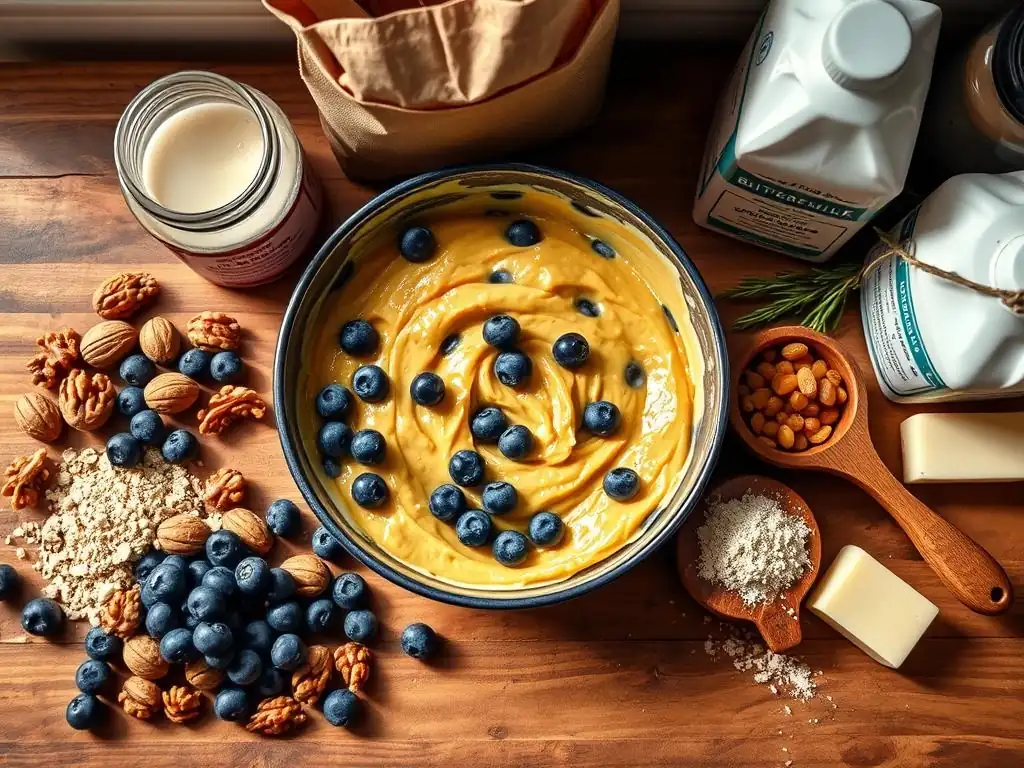
Successful quick bread baking starts with understanding the role of a few key ingredients. Getting these basics right sets the stage for delicious results. You likely have most of these items in your pantry already, which is another reason why easy quick bread recipes are so accessible.
Flour Power: Choosing the Right Flour for Quick Breads
All-purpose flour is the workhorse of most easy quick bread recipes. It has a moderate protein content (typically 10-12%), which provides enough structure to hold the bread together without making it excessively tough, provided you don't overmix.
For a slightly more tender crumb, you could use cake flour (around 8% protein), but this is rarely necessary for standard quick breads and can sometimes make them too delicate. Whole wheat flour can also be used, often substituted for a portion of the all-purpose flour (e.g., substituting 1/2 cup whole wheat for 1/2 cup all-purpose in a 2-cup flour recipe) to add fiber and a nuttier flavor, but using 100% whole wheat can result in a denser texture.
When measuring flour, it's crucial to do so accurately. Scooping flour directly from the bag with your measuring cup can compact it, resulting in using too much flour, which leads to a dry, dense quick bread. A better method is to lightly spoon the flour into your measuring cup and then level off the excess with a straight edge, like the back of a knife.
This technique ensures you use closer to the intended amount, leading to a more tender and moist final product. For example, a cup of spooned and leveled all-purpose flour typically weighs around 120-130 grams, while scooped flour can weigh significantly more, sometimes up to 150 grams or more.
Leavening Agents: Baking Powder vs. Baking Soda in Quick Breads
Baking powder and baking soda are the primary leaveners in quick breads, responsible for creating the gas that makes them rise. Baking soda (sodium bicarbonate) is a single-acting leavener; it requires an acid to react and produce carbon dioxide. Recipes using baking soda often include acidic ingredients like buttermilk, sour cream, yogurt, molasses, honey, or brown sugar. The reaction happens quickly once wet and dry ingredients are combined, so it's important to get the batter into the oven relatively soon after mixing.
Baking powder is typically double-acting. It contains an acid and a base and reacts in two stages: once when it comes into contact with liquid (the first "action") and again when it is heated in the oven (the second "action"). This double action provides a more sustained lift throughout the baking process.
Many quick bread recipes use baking powder alone, or a combination of both baking powder and baking soda, especially if the recipe contains acidic ingredients. For instance, a banana bread recipe might use both baking soda (activated by the acidic bananas and brown sugar) and baking powder for extra lift and a tender crumb.
Checking the expiration date of your leaveners is vital, as old leavening agents lose their potency, resulting in flat, heavy quick breads. You can test baking soda by adding a pinch to vinegar (it should fizz vigorously) and baking powder by adding a pinch to hot water (it should bubble).
Sweeteners and Fats: Adding Flavor and Moisture
Sweeteners in quick breads, most commonly granulated sugar, brown sugar, honey, or maple syrup, do more than just add sweetness. They also contribute to the browning of the crust through caramelization and help retain moisture, resulting in a softer, more tender crumb. Brown sugar, with its molasses content, adds moisture and a richer flavor compared to granulated sugar. Using too little sugar can result in a pale, dry quick bread, while too much can make it excessively moist and potentially cause it to sink in the middle.
Fats, such as vegetable oil, melted butter, or sometimes shortening, play a critical role in quick bread texture and moisture. Oil tends to produce a very moist and tender crumb because it remains liquid at room temperature, coating flour particles more effectively and inhibiting gluten development. Melted butter adds a richer flavor but can sometimes result in a slightly less moist texture once cooled compared to oil, as it solidifies at room temperature.
Many easy quick bread recipes use oil for simplicity and guaranteed moisture. For example, a standard oil-based muffin recipe using ½ cup of oil will typically be significantly more moist and stay fresh longer than one using the same weight of melted butter. The fat also helps carry flavors throughout the batter.
Must-Have Equipment for Baking Quick Breads
You don't need a fancy bakery setup to make delicious quick breads. Many essential tools are likely already in your kitchen. Having the right equipment ready before you start is part of the "mise en place" (everything in its place) principle, which makes the baking process smoother and more enjoyable.
Basic Tools for Quick Bread Success
At a minimum, you'll need a few standard kitchen items. Mixing bowls are essential – having at least two allows you to mix dry and wet ingredients separately, as is common in quick bread methods. A whisk is necessary for combining dry ingredients and sometimes for whisking wet ingredients like eggs.
Measuring cups (for dry ingredients) and measuring spoons (for smaller amounts like leavening, salt, and extracts) are absolutely critical for accuracy in easy quick bread recipes. Liquid measuring cups, which have a spout and are designed to be read at eye level on a flat surface, are best for liquids like milk, oil, or water.
For baking the quick bread itself, you'll need the appropriate pan. A standard 9x5-inch loaf pan is typical for loaf-style quick breads like banana or zucchini bread. Muffin tins (standard 12-cup size) are needed for muffins. Greasing and flouring the pan, or using parchment paper or paper liners, is important to prevent sticking.
A rubber spatula or wooden spoon is useful for gently mixing the batter – remember, we want to avoid overmixing. Lastly, an oven is non-negotiable! Ensure your oven is preheated correctly; an oven thermometer can help verify its accuracy, as oven temperatures can vary by as much as 25-50°F (15-30°C).
Optional Equipment to Elevate Your Quick Bread Baking
While not strictly necessary, a few extra tools can make quick bread baking even easier or yield slightly better results. An electric mixer (handheld or stand mixer) can be used for creaming butter and sugar in some recipes, though many easy quick bread recipes rely on oil or melted butter and can be mixed entirely by hand. A kitchen scale is excellent for accuracy, allowing you to measure ingredients by weight rather than volume, which is often more precise, especially for flour. For instance, weighing 130g of flour per cup is far more consistent than using volume measurements.
Other helpful tools include a cooling rack, which allows air to circulate around the baked quick bread as it cools, preventing a soggy bottom. A pastry blender or fork can be useful for cutting in cold butter if you're making scones or biscuits (which are technically a type of quick bread). A large scoop (like an ice cream scoop) is perfect for portioning muffin batter evenly into cups, ensuring uniform size and baking time. While these items aren't required to get started with easy quick bread recipes, they can certainly enhance the baking experience and consistency of your results.
Step-by-Step Guide to Baking Your First Quick Bread
Ready to bake? We'll walk you through a classic, foolproof recipe: Beginner's Banana Bread. This is one of the most popular easy quick bread recipes because it's simple, uses readily available ingredients (especially those overripe bananas! ), and is incredibly delicious. Follow these steps, and you'll have a warm, comforting loaf in no time.
Recipe: Classic Beginner's Banana Bread
This recipe yields one standard 9x5-inch loaf.
Ingredients:
- 2 to 3 very ripe bananas, mashed (about 1 to 1.5 cups)
- 1/3 cup melted butter or vegetable oil
- 1/2 cup granulated sugar
- 1 egg, lightly beaten
- 1 teaspoon vanilla extract
- 1 1/2 cups all-purpose flour
- 1 teaspoon baking soda
- 1/4 teaspoon salt
Instructions:
- Preheat oven to 350°F (175°C). Grease and flour a 9x5-inch loaf pan.
- In a medium bowl, mash the ripe bananas with a fork.
- Stir in the melted butter or oil, sugar, beaten egg, and vanilla extract until well combined.
- In a separate large bowl, whisk together the flour, baking soda, and salt.
- Pour the wet ingredients into the dry ingredients.
- Stir just until combined. A few lumps are okay; do not overmix.
- Pour batter into the prepared loaf pan.
- Bake for 50-65 minutes, or until a wooden skewer inserted into the center comes out clean.
- Let cool in the pan for 10 minutes before transferring to a wire rack to cool completely.
Preparing Your Ingredients: Mise en Place for Banana Bread
Before you even turn on your oven, the first crucial step is preparing all your ingredients. This is known as "mise en place" in French, meaning "everything in its place." For our Beginner's Banana Bread, this involves preheating your oven to 350°F (175°C) and preparing your loaf pan by greasing and flouring it to prevent the bread from sticking. You can use butter or non-stick cooking spray for greasing, then add a tablespoon or two of flour, tilting the pan to coat all sides before tapping out the excess.
Next, measure out all your ingredients accurately. Mash your very ripe bananas in a bowl until they are mostly smooth with a few small lumps remaining; aim for about 1 to 1.5 cups of mashed banana. Melt your butter or measure your oil (1/3 cup). Measure the sugar (1/2 cup), beat the egg lightly in a small bowl, and measure the vanilla extract (1 teaspoon).
In a separate, larger bowl, measure your dry ingredients: 1 ½ cups of all-purpose flour (remember to spoon and level! ), 1 teaspoon of baking soda, and ¼ teaspoon of salt. Having everything measured and ready before you start mixing ensures you can work efficiently and avoid forgetting an ingredient or overmixing the batter while you scramble to find something.
Mixing the Batter: Achieving the Perfect Consistency
Mixing quick bread batter is different from mixing cake batter or cookie dough. The goal is minimal mixing once the wet and dry ingredients are combined. For our banana bread, first, combine the wet ingredients: add the melted butter or oil, sugar, beaten egg, and vanilla extract to the bowl with the mashed bananas. Stir these together until they are well incorporated.
In the separate bowl with the dry ingredients (flour, baking soda, salt), give them a good whisk to distribute the leavening and salt evenly throughout the flour. This prevents pockets of leavener and ensures an even rise. Now, add the wet ingredients to the dry ingredients. Use a spatula or wooden spoon to gently fold the mixture together.
Mix just until there are no streaks of dry flour visible. The batter will be lumpy, and that's perfectly fine – it's actually desirable! Overmixing develops gluten, which makes the bread tough and can lead to tunneling (large holes) inside the loaf. A few seconds of gentle folding is usually sufficient.
Baking to Perfection: Temperature and Timing for Banana Bread
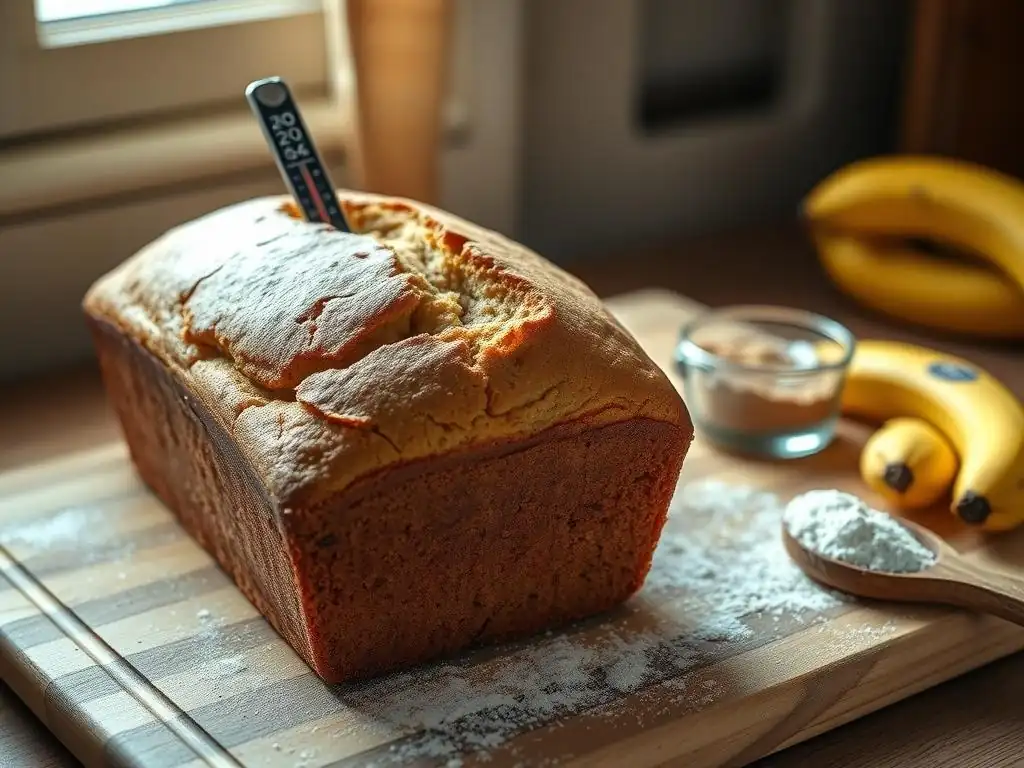
Getting the baking temperature and time right is key to a perfectly baked quick bread. For our Beginner's Banana Bread, we preheat the oven to 350°F (175°C). This moderate temperature allows the loaf to rise evenly and cook through without burning the crust before the center is done. Pour the gently mixed batter into your prepared 9x5-inch loaf pan and spread it evenly.
Place the pan in the center of your preheated oven. The baking time will typically range from 50 to 65 minutes. Several factors can influence this, including the accuracy of your oven temperature, the moisture content of your bananas, and the material of your loaf pan. To test for doneness, insert a wooden skewer, toothpick, or thin knife into the very center of the loaf.
It should come out clean or with just a few moist crumbs attached, but no wet batter. If it comes out with wet batter, continue baking for another 5-10 minutes and test again. The top should be a deep golden brown. If the top starts browning too quickly before the center is done, you can loosely tent the pan with aluminum foil for the remaining baking time.
Cooling and Enjoying Your Homemade Banana Bread
Patience is a virtue, especially after your quick bread comes out of the oven! Once the banana bread is baked and passes the skewer test, remove the pan from the oven. It's important to let it cool slightly in the pan before attempting to remove it. This allows the structure to set fully. Let the loaf cool in the pan on a wire rack for about 10 minutes. Trying to remove it too soon might cause it to break apart.
After 10 minutes, carefully invert the pan onto the wire rack and lift the pan off. The banana bread should slide out easily if the pan was properly prepared. Allow the loaf to cool completely on the wire rack before slicing. Slicing a warm quick bread can be difficult; it tends to be crumbly and may tear. Cooling allows the internal structure to firm up and the flavors to meld. Once fully cooled, slice with a serrated knife and enjoy your delicious, homemade quick bread! It's perfect on its own, with butter, or even a dollop of cream cheese.
Beyond Banana Bread: Exploring Other Easy Quick Bread Recipes
While banana bread is a fantastic starting point, the world of quick breads is vast and exciting! Once you've mastered one or two easy quick bread recipes, you'll find it's simple to branch out and try other delicious variations. Many follow the same basic wet-ingredients-into-dry-ingredients method, just with different star ingredients.
Zucchini Bread: A Savory Quick Bread Option
Zucchini bread is a wonderful example of how easy quick bread recipes can incorporate vegetables, making them a great way to use up garden bounty or sneak some extra nutrients into a tasty treat. Despite containing zucchini, it's typically a sweet quick bread, often spiced with cinnamon and nutmeg, similar to carrot cake. The shredded zucchini adds incredible moisture to the loaf, resulting in a super tender crumb. You don't need to peel the zucchini before shredding; the skin softens during baking and is barely noticeable.
When making zucchini bread, the key is often dealing with the moisture from the zucchini. Some recipes instruct you to squeeze excess water from the shredded zucchini before adding it to the batter, while others rely on adding enough flour or other dry ingredients to absorb the moisture.
For example, a recipe might call for 2 cups of shredded zucchini (which is roughly 1 medium-large zucchini) and suggest patting it dry with paper towels if it seems excessively wet. The baking time for zucchini bread is often similar to banana bread, around 50-65 minutes for a standard loaf at 350°F (175°C), but the higher moisture content can sometimes require a slightly longer bake.
Simple Cornbread: A Southern Baking Staple
Cornbread is a classic savory quick bread that serves as a perfect accompaniment to soups, stews, chili, or BBQ. It's typically made with cornmeal in addition to flour, giving it a distinct texture and flavor. Easy quick bread recipes for cornbread often use buttermilk as the liquid, which reacts with baking soda to create a tender crumb with a slight tang. There are variations: some prefer a sweeter cornbread (often found in the North), while others prefer it less sweet or even savory (more common in the South).
A basic cornbread recipe might use about 1 cup of cornmeal and 1 cup of all-purpose flour, combined with baking powder and/or baking soda, salt, an egg, melted butter or oil, and buttermilk. It's often baked in a hot oven (sometimes 400-425°F or 200-220°C) in a cast-iron skillet, which gives it a wonderfully crispy crust. Baking time is usually shorter than loaf breads, often just 20-25 minutes for a skillet or square pan. The simplicity and speed make it one of the easiest quick bread recipes to whip up for dinner.
Muffins: Individual Quick Bread Portions
Muffins are essentially quick bread batter baked in individual portions. They are incredibly versatile and can be sweet (blueberry, chocolate chip, bran) or savory (corn and cheese, herb). The basic muffin method is a prime example of easy quick bread recipes: combine dry ingredients in one bowl, wet ingredients in another, pour wet into dry, and mix just until combined.
Baking muffins is generally faster than baking loaves due to their smaller size. A standard muffin tin typically holds 12 muffins, and they usually bake at around 375-400°F (190-200°C) for 20-25 minutes. Fill the muffin cups about two-thirds full for standard-sized muffins, or all the way to the top for bakery-style muffins with a larger dome. Using paper liners makes cleanup easier, but you can also grease and flour the muffin tin itself. Like other quick breads, avoiding overmixing is crucial for tender muffins; the batter should still look a bit lumpy.
Troubleshooting Common Quick Bread Baking Problems
Even with easy quick bread recipes, things can occasionally go wrong. Don't be discouraged! Understanding common issues and how to fix them will make you a more confident baker. Most problems stem from ingredient measurement, mixing technique, or oven temperature.
Dense or Heavy Quick Breads: Identifying the Cause
One of the most common complaints about quick breads is that they turn out dense or heavy instead of light and tender. The primary culprit for this is almost always overmixing the batter. When you combine wet and dry ingredients and continue to stir or beat past the point where the flour is just moistened, you develop gluten. Gluten is desirable in yeast breads for structure and chewiness, but in quick breads, it leads to a tough, heavy texture. The goal is a tender, cake-like crumb, not a chewy bread.
Another reason for density can be inactive leavening agents. If your baking powder or baking soda is old or stored improperly (like in a humid environment), it may not produce enough carbon dioxide gas to make the bread rise properly. As mentioned earlier, test your leaveners periodically. Using too much flour (often due to scooping directly from the bag instead of spooning and leveling) can also result in a dry, dense loaf because there isn't enough liquid to hydrate the excess flour and allow the leaveners to work effectively.
Dry Quick Breads: Moisture Management Tips
If your quick bread turns out dry and crumbly, several factors could be at play. Again, using too much flour is a frequent cause; excess dry ingredients absorb moisture from the liquid and fat, leaving the final product parched. Ensure you are measuring flour correctly, preferably by spooning it into the cup and leveling it off.
Baking for too long or at too high a temperature can also dry out quick breads. Overbaking evaporates moisture from the loaf. Always check for doneness using the skewer test and start checking a few minutes before the minimum time specified in the recipe.
If the top is browning too fast, cover it loosely with foil. Using too little fat (oil or butter) or sweetener (sugar, honey) can also lead to dryness, as these ingredients contribute moisture and tenderness. For example, reducing the sugar in a banana bread recipe by half might seem healthy, but it can significantly impact the final texture, making it less moist.
Over-Browning: Preventing Burnt Quick Breads
Quick breads that brown too quickly on the outside while remaining undercooked in the center are frustrating. This is usually a sign that your oven temperature is too high, or the bread is positioned too close to a heating element. First, verify your oven's temperature with an oven thermometer; it might be running hotter than the dial indicates.
If the temperature is accurate, the issue might be placement. Try baking the quick bread on the middle rack of the oven. If the top starts to get too dark before the internal temperature reaches doneness (around 200-210°F or 93-99°C for loaf centers), loosely tent the loaf with aluminum foil. This reflects heat away from the top, allowing the inside to finish baking without the crust burning. For muffins, if the tops are browning too fast, you can also loosely cover the entire muffin tin with foil.
Tips and Tricks for Baking the Best Easy Quick Breads
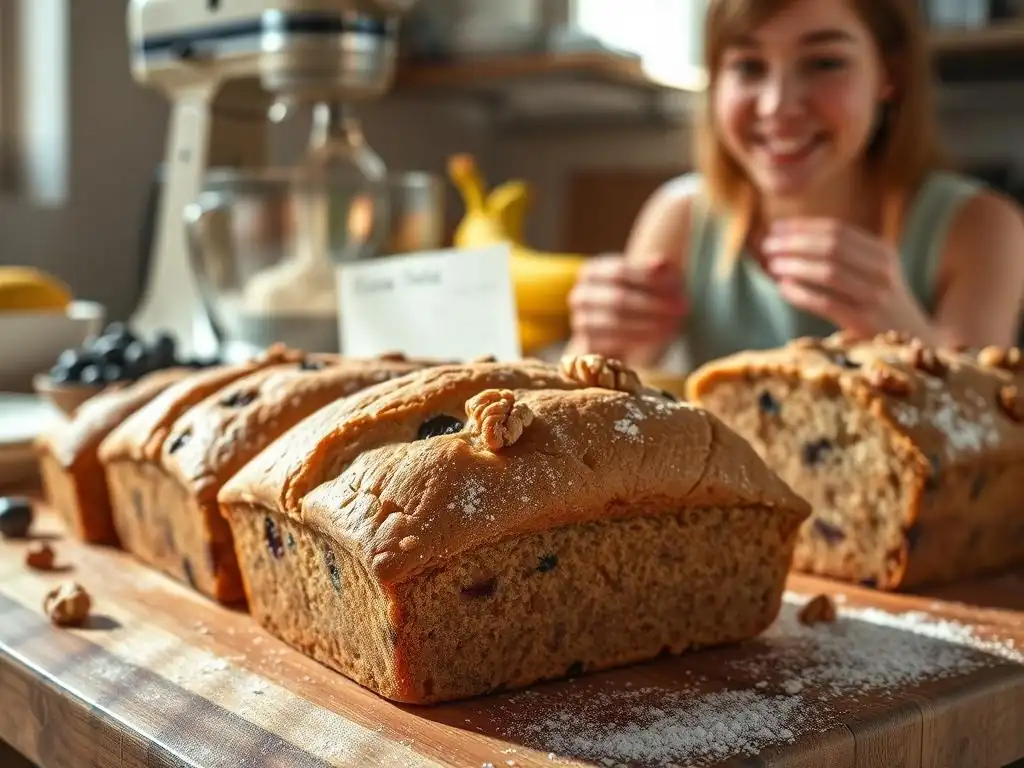
Baking quick breads is relatively straightforward, but a few simple tips can elevate your results from good to great. These small adjustments can make a big difference in the texture, moisture, and overall appeal of your homemade treats. Mastering these techniques will boost your confidence with any easy quick bread recipes you try.
Measuring Ingredients Accurately for Consistent Results
Accuracy in measuring ingredients is perhaps the single most important factor for consistent quick bread success. As discussed earlier, proper flour measurement is key. Never scoop flour directly from the bag; spoon it lightly into your dry measuring cup and level it off. For liquids, use a liquid measuring cup placed on a flat surface and read at eye level.
Using a kitchen scale to weigh ingredients, especially flour, is even more accurate than volume measurements. Most baking recipes, particularly from professional sources, provide weights (grams or ounces) alongside volume measurements. For example, instead of "1 ½ cups all-purpose flour," a recipe might specify "195 grams all-purpose flour." This eliminates variability caused by how flour is packed into a cup. While not strictly necessary for all easy quick bread recipes, it's a simple way to ensure reliability every time you bake.
Avoiding Overmixing: The Key to Tender Quick Breads
We've mentioned it before, but it bears repeating: avoid overmixing your quick bread batter! This is the most common mistake beginners make and the leading cause of tough, dense quick breads. Once you add the wet ingredients to the dry, mix just until the dry ingredients are incorporated and no streaks of flour remain. The batter will look lumpy and imperfect, and that is exactly what you want.
Use a gentle hand and a spatula or wooden spoon rather than an electric mixer at high speed for the final mix. Overmixing develops gluten, which gives structure but also toughness. Think of it like mixing pancake batter; the best pancakes come from lumpy batter mixed minimally. This rule applies to most easy quick bread recipes, whether you're making a loaf, muffins, or scones.
Storing Quick Breads to Maintain Freshness
Proper storage is essential to keep your delicious quick breads fresh and moist. Once your quick bread has cooled completely on a wire rack, store it at room temperature. Wrapping the cooled loaf or muffins tightly in plastic wrap or placing them in an airtight container is the best way to prevent them from drying out. Stored this way, most quick breads will stay fresh for 2-3 days at room temperature.
For longer storage, quick breads freeze exceptionally well. Once completely cooled, wrap the loaf or individual muffins tightly in plastic wrap, then wrap again in aluminum foil or place in a freezer-safe bag. Label with the date. Frozen quick bread can last for up to 2-3 months. To thaw, simply unwrap and let it sit at room temperature, or you can gently warm slices in a toaster or oven. Avoid storing quick breads in the refrigerator, as this can actually cause them to dry out faster due to the circulating cold air.
Quick Bread Recipe Variations and Flavor Ideas
Once you're comfortable with the basic methods for easy quick bread recipes, you can start experimenting with add-ins and flavorings. This is where you can really make these recipes your own and get creative in the kitchen. The possibilities are nearly endless!
Adding Nuts and Seeds for Texture
Incorporating nuts and seeds is a popular way to add crunch and a nutty flavor to quick breads. Chopped walnuts and pecans are classic additions to banana bread and zucchini bread. For muffins, poppy seeds, sesame seeds, or sunflower seeds can add interesting texture and visual appeal. You can add nuts and seeds directly to the batter during the final mixing step. A common ratio is adding about ½ cup to 1 cup of chopped nuts or seeds per standard loaf or batch of 12 muffins.
Toasting nuts lightly before adding them to the batter can enhance their flavor. Spread the chopped nuts on a baking sheet and bake at a low temperature (around 300°F or 150°C) for 5-10 minutes until fragrant. Let them cool completely before adding to the batter. This simple step brings out their oils and deepens their taste. Be mindful of any nut allergies if you plan to share your baked goods.
Incorporating Chocolate Chips and Other Sweet Treats
For those with a sweet tooth, adding chocolate chips, dried fruit, or other sweet morsels is a fantastic option. Chocolate chips (milk, dark, or white) are a perennial favorite in muffins and banana bread. Dried cranberries, raisins, chopped dates, or dried blueberries add bursts of chewy sweetness. You can add these directly to the batter along with the nuts or seeds.
To prevent heavier add-ins like chocolate chips or dried fruit from sinking to the bottom of the loaf or muffins, you can toss them with a tablespoon or two of the dry flour mixture before adding them to the batter. This light coating helps suspend them more evenly throughout the batter. Aim for about ½ cup to 1 cup of chocolate chips or dried fruit per loaf or batch of 12 muffins, adjusting to your preference.
Experimenting with Spices and Extracts
Spices and extracts are powerful tools for adding depth and complexity to easy quick bread recipes. Cinnamon, nutmeg, and allspice are classic in banana bread, zucchini bread, and pumpkin bread. Cardamom can add a warm, exotic note to fruit-based quick breads. For savory quick breads like cornbread, consider adding black pepper, cayenne, or dried herbs like chives or rosemary.
Vanilla extract is a staple in many sweet quick breads, enhancing the overall flavor profile. Almond extract pairs well with fruit flavors like cherry or blueberry. Citrus zest (lemon, orange, lime) adds a bright, fresh aroma and taste. Start with small amounts, typically ½ teaspoon to 1 teaspoon of extracts per loaf or batch of muffins, and adjust in future bakes based on your preference. For ground spices, ½ teaspoon to 1 teaspoon total is a good starting point for a loaf, depending on the intensity desired.
Enjoy the Journey: Becoming a Quick Bread Baking Pro
You've taken the first step towards becoming a quick bread pro! Starting with easy quick bread recipes like banana bread or simple muffins builds a strong foundation of basic baking skills. You've learned about the role of ingredients, the importance of gentle mixing, and how to bake and store your creations.
Mastering Easy Quick Bread Recipes: The Start of Your Baking Adventure
Baking quick breads is not just about following a recipe; it's about understanding the simple science behind it and developing your intuition. Each time you bake, you learn a little more about how ingredients interact and how your oven performs. Don't be afraid to try variations, adjust flavors, or even slightly tweak recipes once you feel confident.
The skills you gain from mastering easy quick bread recipes are transferable to many other areas of baking. The principles of accurate measurement, understanding leavening, and proper mixing technique are fundamental. As you continue to bake, you might find yourself exploring more complex quick breads like scones or biscuits, or even venturing into the world of yeast breads. Every successful quick bread you bake is a delicious milestone in your baking adventure. Keep baking, keep experimenting, and most importantly, keep enjoying the process and the delicious results!
Frequently Asked Questions
What are quick breads?
Quick breads are leavened with baking powder or soda instead of yeast, allowing for faster preparation. They include a variety of baked goods like muffins, pancakes, and some loaves.
How can I make my quick bread more flavorful?
To enhance the flavor of your quick bread, consider adding spices, nuts, or fruits. Experimenting with different extracts such as vanilla or almond can also elevate the taste.
Are there gluten-free options for quick breads?
Yes, there are many gluten-free quick bread recipes available. You can use almond flour, coconut flour, or gluten-free all-purpose flour as substitutes for wheat flour.
What are some easy quick bread recipes for beginners?
Beginners can start with banana bread, zucchini bread, or cornbread. These recipes typically require simple ingredients and are straightforward to follow.
How can I ensure my quick bread rises properly?
To achieve a good rise, ensure your leavening agents are fresh and combine wet and dry ingredients just until moistened. Overmixing can lead to dense bread, so be gentle!
Final Reflection: The Enduring Appeal of Simple Baking
The ease and satisfaction of whipping up a delicious quick bread remain surprisingly relevant in our fast-paced world. In a time dominated by convenience foods and complicated culinary trends, the simple joy of creating something warm, comforting, and utterly delicious from a handful of ingredients holds a powerful appeal. It's a testament to the enduring human need for connection through shared meals and the satisfaction of creating something beautiful with our own hands.
The influence of quick breads extends far beyond the kitchen table; they represent a cornerstone of home baking, a tradition passed down through generations. They are the embodiment of comfort food, a nostalgic link to childhood memories and family gatherings. Baking is at once child's play and adult joy. And love, of course.
This quote perfectly encapsulates the magic of quick bread baking – it's accessible to all, yet deeply rewarding. The simple act of sharing a warm loaf with friends or family fosters connection and creates lasting memories.
Now, I invite you to embrace the simplicity and joy of quick bread baking. Don't be intimidated by the seemingly endless possibilities; start with one recipe, experiment with flavors, and most importantly, share your creations with those you love. The warmth of a freshly baked loaf, the aroma filling your kitchen, and the smiles on the faces of those you share it with – these are the true rewards of this timeless culinary tradition. Let the simple act of baking bring you joy, connection, and a taste of home.
Unleash Your Inner Baker: Delicious Quick Breads Await!
Thanks for joining us on this quick bread adventure! We hope you've discovered some new recipes and baking inspiration. Ready to transform your kitchen into a bakery?
- Bake your favorite quick bread today! Use the recipes and tips we shared to create a delicious treat for yourself or loved ones. Picture the warm, comforting aroma filling your home.
- Share your baking triumphs (or funny fails!) with us on social media! Use #BakeWithEase to connect with other baking enthusiasts.
- Explore our website for more delicious recipes and baking techniques. You might discover your new signature loaf!
What incredible quick bread will you bake first?