
Beyond the Mixer: Hand Tools Artisan Bakers Can't Live Without

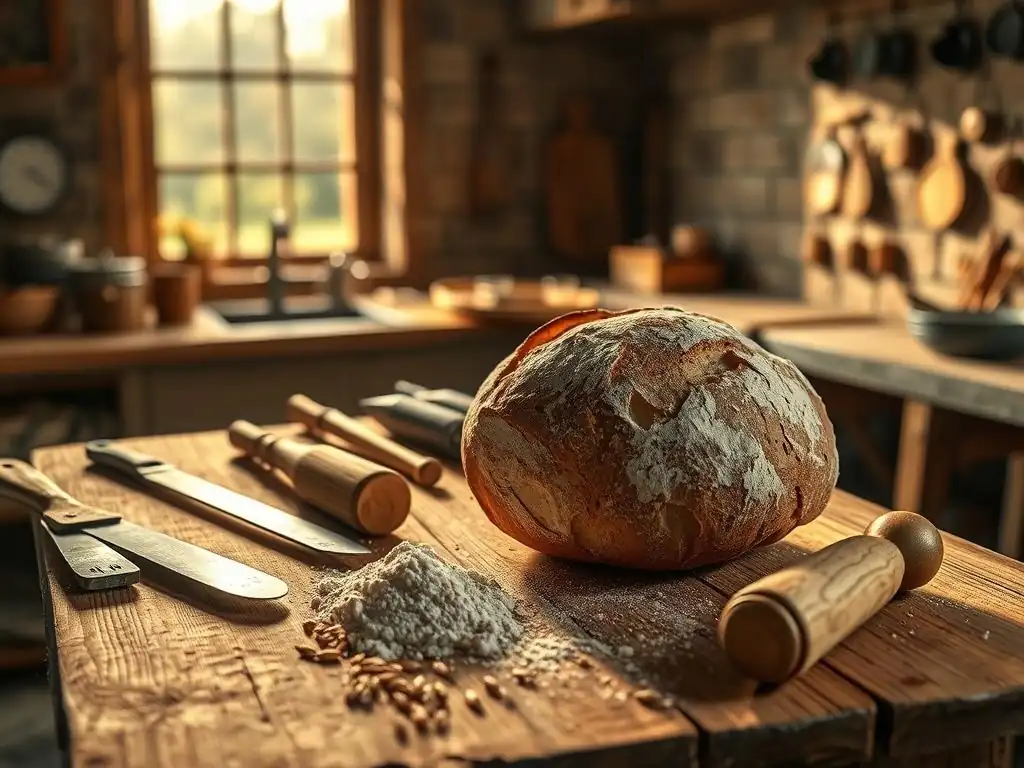
Welcome to BakeWithEase, where the magic of baking comes alive! Ever wondered how artisan bakers achieve such incredible results without relying solely on electric mixers? This time, we will be delving into the world of hand tool baking techniques and exploring the essential implements that empower bakers to create extraordinary breads, pastries, and more. Prepare to discover the secrets behind traditional methods and elevate your baking skills to new heights!
- Mastering Hand Tool Baking Techniques: Essential Equipment for Artisan Bread
- The Baker's Blade: Lame & Bread Scoring Tools for Perfect Crusts
- Dough Handling Essentials: Scrapers and Bench Knives
- Proofing Perfection: Banneton Baskets for Shape and Structure
- Temperature Control: Thermometers for Dough and Oven
- Conclusion: Equipping Your Artisan Bakery with Essential Hand Tools
-
Frequently Asked Questions
- What are some essential hand tools for artisan baking, according to BakeWithEase?
- Why might a baker choose hand tools over a stand mixer?
- How does a bench scraper aid in hand tool baking techniques?
- Can using hand tools improve the quality of my sourdough bread?
- Where can I find recipes and tutorials that incorporate hand tool baking techniques on BakeWithEase?
- Final Reflection: The Enduring Allure of Hand-Crafted Bread
- Unleash Your Inner Artisan: Craft Bread Like a Pro!
Mastering Hand Tool Baking Techniques: Essential Equipment for Artisan Bread
Artisan bread making is a craft that often emphasizes the connection between the baker, the dough, and the process. While modern mixers certainly have their place, many of the most crucial steps in creating exceptional loaves rely on skillful application of hand tool baking techniques. These manual methods allow for a nuanced feel of the dough's development, its hydration level, and its readiness at various stages, from mixing and kneading to shaping and scoring. Mastering these techniques with the right tools is fundamental to achieving the desired structure, texture, and appearance in artisan bread.
The beauty of relying on baking hand tools lies in their simplicity and effectiveness. Unlike complex machinery, these tools provide direct feedback, enabling bakers to make subtle adjustments based on touch and observation. For instance, using a bench scraper isn't just about portioning dough; it's also about feeling its consistency and tension.
Similarly, scoring a loaf with a sharp lame is a precise action that dictates how the bread will expand in the oven, directly impacting the final crumb structure and crust development. Embracing these manual baking techniques cultivates intuition and a deeper understanding of the bread-making process, ultimately leading to more consistent and higher-quality results.
Elevating Your Bake: Why Hand Tools Matter in Artisan Bread Making
In the world of artisan bread, precision and control are paramount, and this is where handheld baking tools truly shine. Unlike the consistent, sometimes forceful action of a mixer, hand tools allow bakers to apply variable pressure and finesse exactly where needed. This is particularly vital during delicate stages like shaping a high-hydration dough or gently degassing a proofed loaf.
The baker's hands, guided by simple tools, can feel the dough's resistance and make real-time decisions that preserve the delicate gluten structure built during fermentation. This tactile feedback loop is something no automated machine can replicate, making manual tools indispensable for achieving that signature artisan crumb and airy texture.
Beyond tactile control, using essential baking tools manually encourages a slower, more deliberate process. This aligns perfectly with the philosophy of artisan baking, which often prioritizes long fermentation periods and careful handling. Consider the process of folding dough during bulk fermentation; a gentle series of folds performed by hand helps build strength without tearing the delicate network.
A bench knife allows for clean division of dough without crushing it, preserving the internal structure. These seemingly small actions, facilitated by simple tools, contribute significantly to the final rise, oven spring, and overall quality of the bread. It's this attention to detail, guided by effective manual baking techniques, that separates a good loaf from a truly exceptional one.
The Baker's Blade: Lame & Bread Scoring Tools for Perfect Crusts
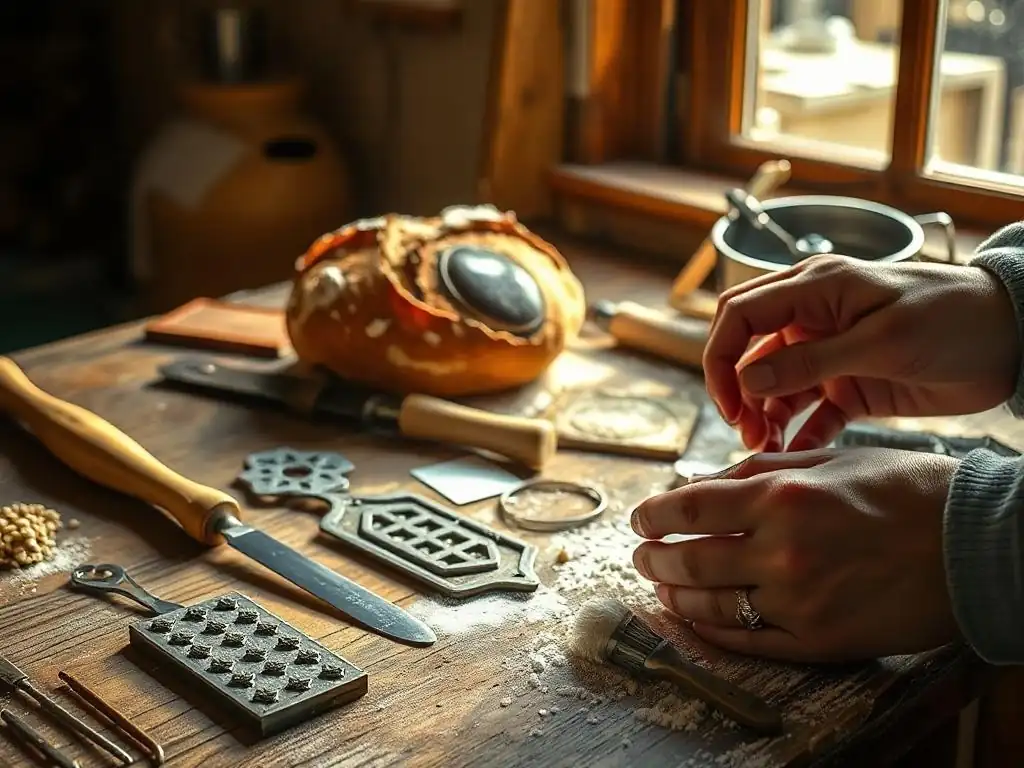
The Razor's Edge: Understanding the Importance of Scoring Tools in Hand Tool Baking
Scoring, also known as slashing, is a critical step performed just before a loaf is placed in a hot oven. Using a sharp blade, or lame (pronounced "lahm"), allows the baker to control exactly where the bread will expand during the intense heat of oven spring. Without scoring, the crust would likely rupture unpredictably, leading to a less attractive loaf and potentially restricting optimal expansion. This application of hand tool baking techniques directly influences the bread's volume, shape, and the development of a beautiful, open crumb structure.
Moreover, scoring serves an aesthetic purpose, allowing bakers to create intricate patterns on the crust. These patterns aren't just for show; they guide the expansion symmetrically, ensuring an even rise. A deep, clean cut encourages a significant "ear" or flap to form, a hallmark of many artisan loaves like baguettes and sourdoughs. Mastering the angle, depth, and placement of these scores using a sharp lame is a fundamental artisan baking technique that requires practice but yields dramatic improvements in the final baked bread.
Best Lame Options for Hand Tool Bread Making:
Here are a few popular lame options favored by bakers for their hand tool baking techniques:
- Wire Monkey U.F.O. Lame:
- Known for its unique, ergonomic circular design that fits comfortably in the palm.
- Offers excellent control for detailed scoring patterns.
- Uses standard double-edged razor blades, which are easily replaceable.
- Mure & Peyrot Lame:
- A classic choice, often featuring a straight or curved handle.
- Highly regarded for its sharp, replaceable blades and durable construction.
- Favored by professional bakers for its reliability and ease of use in creating long, sweeping cuts.
- Breadtopia Basic Lame:
- An accessible and budget-friendly option, often with a simple plastic or wooden handle.
- A great starting point for beginners learning hand tool baking techniques.
- Typically includes a few starter blades and a cover for safety.
Dough Handling Essentials: Scrapers and Bench Knives
Hand Tool Baking Techniques: The Role of Dough Scrapers and Bench Knives
Dough scrapers and bench knives are arguably the most versatile and indispensable handheld baking tools in an artisan baker's kit. A bench scraper, typically a flat piece of metal or plastic with a handle, is used for everything from portioning dough cleanly on a work surface to scooping up ingredients, cleaning the counter, and even shaping dough.
The rigidity of a metal bench knife allows for precise cuts through dough without tearing, essential when dividing a large batch into individual loaves or rolls. This simple tool facilitates efficient and tidy workflow, crucial for handling sticky, high-hydration doughs common in artisan baking.
Beyond portioning and cleanup, the bench scraper is a key tool for developing tension during shaping, a vital hand tool baking technique. By using the scraper to gently nudge and tuck the dough against the work surface, bakers can create a tight skin on the outside of the loaf while preserving the airy interior. This surface tension helps the loaf hold its shape during proofing and contributes to a strong oven spring.
Similarly, a bowl scraper, often a flexible plastic tool, is essential for gathering every last bit of dough from a mixing bowl, minimizing waste and ensuring accurate hydration levels. These basic tools, when used skillfully, significantly improve efficiency and dough handling in the pursuit of perfect bread.
Top Dough Scraper & Bench Knife Picks for Artisan Bakers:
Consider these reliable options for your manual baking techniques:
- Ateco Bench Scraper:
- Often made of durable stainless steel with a comfortable handle.
- Provides a clean, straight edge ideal for scraping and dividing dough.
- A standard size, typically around 6 inches wide, offers good control.
- Winco Blade Dough Scraper:
- A very affordable and functional choice, commonly found in professional kitchens.
- Usually features a stainless steel blade and a simple wooden handle.
- Excellent for basic scraping and dividing tasks, offering good value for learning hand tool baking techniques.
- Lamson Walnut Handled Dough Scraper:
- Combines functionality with aesthetics, featuring a beautiful walnut handle.
- Made with high-quality stainless steel for durability and performance.
- A pleasure to hold and use, reflecting an appreciation for well-crafted essential baking tools.
Proofing Perfection: Banneton Baskets for Shape and Structure
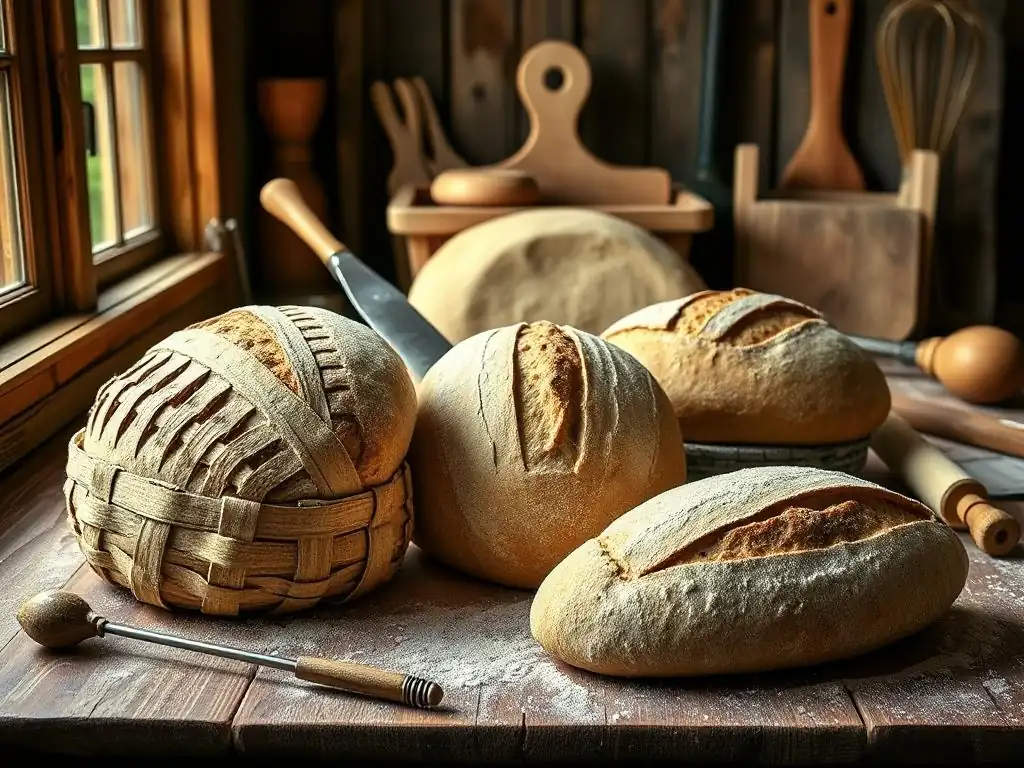
Achieving Optimal Shape: The Importance of Banneton Baskets in Hand Tool Baking
Banneton baskets, also known as proofing baskets or brotforms, are specialized containers used during the final rise (proofing) of bread dough. Typically made from rattan, cane, or wood pulp, these baskets are dusted with flour and the shaped dough is placed inside. As the dough proofs, it expands and conforms to the shape of the basket, providing crucial support, especially for wetter doughs that might otherwise spread out flat.
This support helps the dough maintain its structure and build tension, which is vital for achieving good oven spring and a well-shaped loaf. Using a banneton is a key hand tool baking technique for achieving consistently round or oval loaves with a defined shape.
The material of the banneton also plays a role in managing the dough's hydration. Rattan and cane baskets, being natural materials, wick away a small amount of moisture from the surface of the dough. This slightly dries the exterior, making it easier to score cleanly just before baking and contributing to a crispier crust.
The spiral patterns left by the basket's weave or the smooth surface provided by a linen liner also add a rustic, professional look to the finished loaf. Incorporating banneton baskets into your manual baking techniques is a simple yet effective way to elevate the appearance and structure of your artisan bread.
Best Banneton Basket Options for Hand Tool Baking:
Here are common types of banneton baskets used in hand tool baking techniques:
- Brotform Banneton Basket:
- Often refers to the traditional round or oval baskets made from coiled rattan cane.
- Creates the classic spiral ring pattern on the dough's surface.
- Available in various sizes to accommodate different loaf weights, commonly fitting doughs from 500g to 1kg.
- Oval Banneton Basket:
- Specifically designed for shaping elongated loaves like bâtards.
- Provides consistent support along the length of the dough.
- Ideal for achieving a uniform oval shape that slices well for sandwiches or toast.
- Saint Germain Bakery Linen Liner for Banneton Baskets:
- A smooth linen cloth designed to line banneton baskets.
- Prevents dough from sticking to the basket walls, making it easier to invert.
- Results in a smooth crust surface rather than the spiral pattern, offering a different aesthetic.
Temperature Control: Thermometers for Dough and Oven
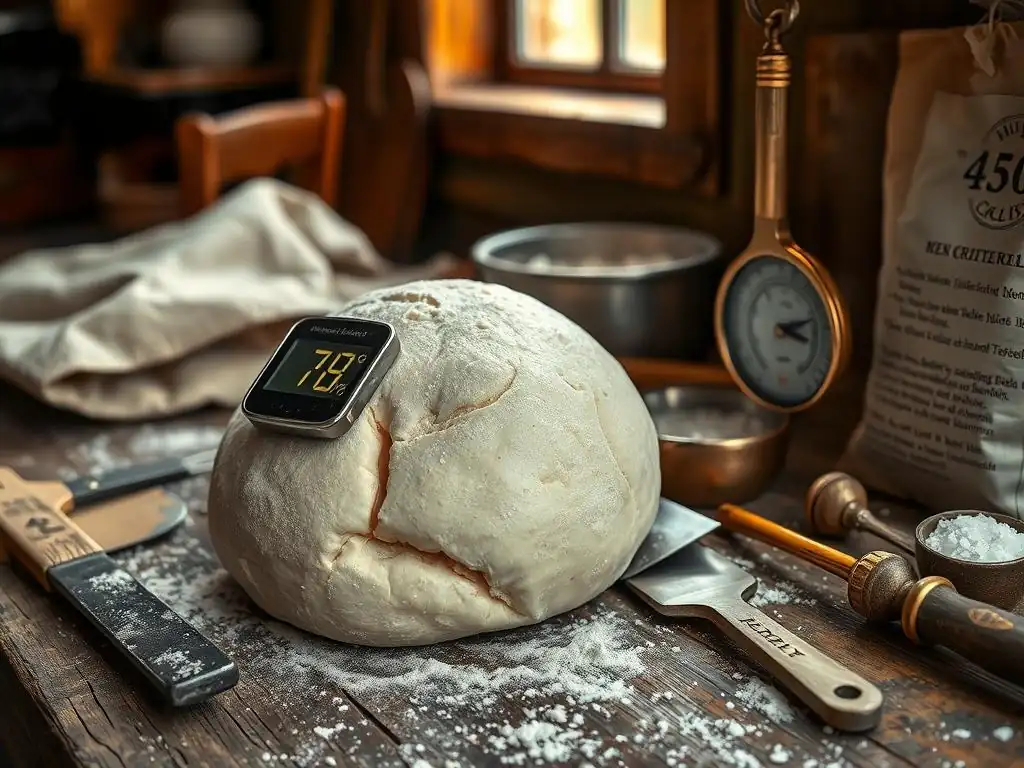
Mastering Temperature: A Key Element in Hand Tool Baking Techniques
While hand tool baking techniques emphasize feel and intuition, precision in temperature is non-negotiable for consistent results. Dough temperature significantly impacts fermentation rate; a difference of just a few degrees can drastically alter how quickly yeast is active. Knowing the dough's temperature throughout mixing, bulk fermentation, and proofing allows bakers to control the process rather than being controlled by ambient conditions. For instance, many sourdough recipes target a final dough temperature between 24°C and 26°C (75°F-79°F) after mixing to ensure optimal yeast and bacterial activity. Monitoring this with a reliable thermometer is crucial.
Equally important is oven temperature. Despite the setting on your oven's dial, actual internal temperatures can fluctuate significantly, sometimes by as much as 20-30 degrees Celsius (50-75 degrees Fahrenheit). Baking bread requires specific, often high, temperatures to achieve proper oven spring and crust development. If the oven is too cool, the loaf may spread instead of rising; if too hot, the crust can burn before the interior is cooked. Using an oven thermometer provides an accurate reading of the baking environment, allowing bakers to adjust settings and ensure consistent heat, a vital component of successful artisan baking techniques.
Recommended Thermometers for Artisan Bakers Using Hand Tools:
Essential thermometers to complement your hand tool baking techniques:
- Thermapen Mk4:
- A high-quality, instant-read digital thermometer.
- Provides incredibly fast and accurate temperature readings, typically within 1-2 seconds.
- Ideal for checking the internal temperature of baked bread (aiming for around 93-99°C or 200-210°F for most loaves) or the dough temperature during fermentation.
- Oven Thermometer:
- A simple, inexpensive thermometer designed to hang or stand inside the oven.
- Continuously displays the internal oven temperature.
- Essential for verifying the accuracy of your oven's thermostat and ensuring your baking environment is correct, especially when using hand tool baking techniques that rely on precise timing.
Conclusion: Equipping Your Artisan Bakery with Essential Hand Tools
Elevating Your Hand Tool Baking Techniques: A Recap of Essential Equipment.
Mastering hand tool baking techniques is a rewarding journey that connects you more intimately with the bread-making process. We've explored several fundamental tools that are indispensable for the artisan baker working beyond the confines of automated mixers. From the sharp control of a lame for perfect scoring and oven spring to the versatile utility of dough scrapers and bench knives for handling and shaping, each tool plays a specific, vital role.
Banneton baskets provide essential support and structure during proofing, ensuring your loaves achieve their intended shape and rise beautifully. Finally, reliable thermometers for both dough and oven temperatures provide the crucial precision needed to guide fermentation and achieve consistent, well-baked results.
Equipping yourself with these essential baking tools empowers you to execute traditional and modern manual baking techniques with confidence and skill. While simple in design, their impact on the final quality of artisan bread is profound. They allow for the nuanced adjustments that only a baker's hands can make, fostering intuition and a deeper understanding of dough dynamics.
Investing in these quality handheld baking tools is investing in your craft, enabling you to consistently produce delicious, beautifully structured loaves that are a testament to the art of artisan bread making. Embrace these tools, refine your techniques, and enjoy the satisfying process of creating exceptional bread by hand.
Frequently Asked Questions
What are some essential hand tools for artisan baking, according to BakeWithEase?
BakeWithEase highlights several key tools, including a bench scraper for dough handling, a dough whisk for initial mixing, and a lame for scoring bread. These tools offer more control and precision than a mixer.
Why might a baker choose hand tools over a stand mixer?
Hand tools often provide greater tactile feedback and control over the dough's development. They allow for more gentle handling, which can be crucial for certain types of dough, especially when aiming for a specific texture.
How does a bench scraper aid in hand tool baking techniques?
A bench scraper is invaluable for dividing dough, cleaning work surfaces, and lifting sticky dough without tearing it. It's a versatile tool that minimizes handling and helps maintain a clean workspace.
Can using hand tools improve the quality of my sourdough bread?
Yes, absolutely! Hand tools like a dough whisk and a lame are particularly helpful. The dough whisk ensures even hydration, while the lame allows for precise scoring, influencing the bread's rise and final crust.
Where can I find recipes and tutorials that incorporate hand tool baking techniques on BakeWithEase?
BakeWithEase features numerous recipes and guides focusing on hand tool techniques. Look for articles specifically mentioning "hand tool baking techniques", or explore sections dedicated to sourdough bread and artisan pastries for detailed instructions.
Final Reflection: The Enduring Allure of Hand-Crafted Bread
The resurgence of hand tool baking techniques isn't just a trend; it's a reclaiming of connection—a connection to the process, the ingredients, and ultimately, ourselves. In a world increasingly dominated by automation and instant gratification, the deliberate, tactile nature of shaping dough with one's own hands offers a powerful antidote to the frenetic pace of modern life. This article explored the essential tools that empower artisan bakers to create truly exceptional loaves, highlighting the subtle nuances and superior results achievable through these time-honored methods.
The shift towards hand tool baking speaks volumes about our evolving relationship with food. It's a movement away from mass-produced uniformity and towards a deeper appreciation for the artistry and skill involved in creating something from scratch. This mindful approach resonates deeply with me, reminding me of the simple satisfaction derived from creating something beautiful and nourishing with my own two hands. Bread is the staff of life,
they say, and perhaps this renewed focus on traditional techniques is a testament to our inherent need for sustenance, both physical and spiritual.
Consider the impact of your next loaf. Will it be a product of hurried convenience, or a testament to patience and skill? I urge you to explore the world of hand tool baking. Embrace the mess, the rhythm, the quiet satisfaction of working with your hands. Discover the joy of connecting with a process that has nourished humanity for millennia. The journey may be challenging, but the rewards—a crusty, aromatic loaf born of your own dedication—are immeasurable.
Unleash Your Inner Artisan: Craft Bread Like a Pro!
Thanks for joining us on this journey into the world of hand tools for baking! We hope you discovered some new techniques and found inspiration to elevate your bread-making. Ready to take your skills to the next level?
- Master a new technique: Try your hand at shaping a boule using only your hands and a bench scraper – the results are incredibly rewarding!
- Share your baking journey: Post a picture of your latest creation on social media using #BakeWithEaseHandTools and tag us – we’d love to see it!
- Experiment with different flours: Explore the unique textures and flavors that different flours bring to your bread. This is the perfect opportunity to find your new favorite!
What unique bread-making technique are you excited to try out today?