
From Dough to Delicious: Baking Classic Cookies for Beginners

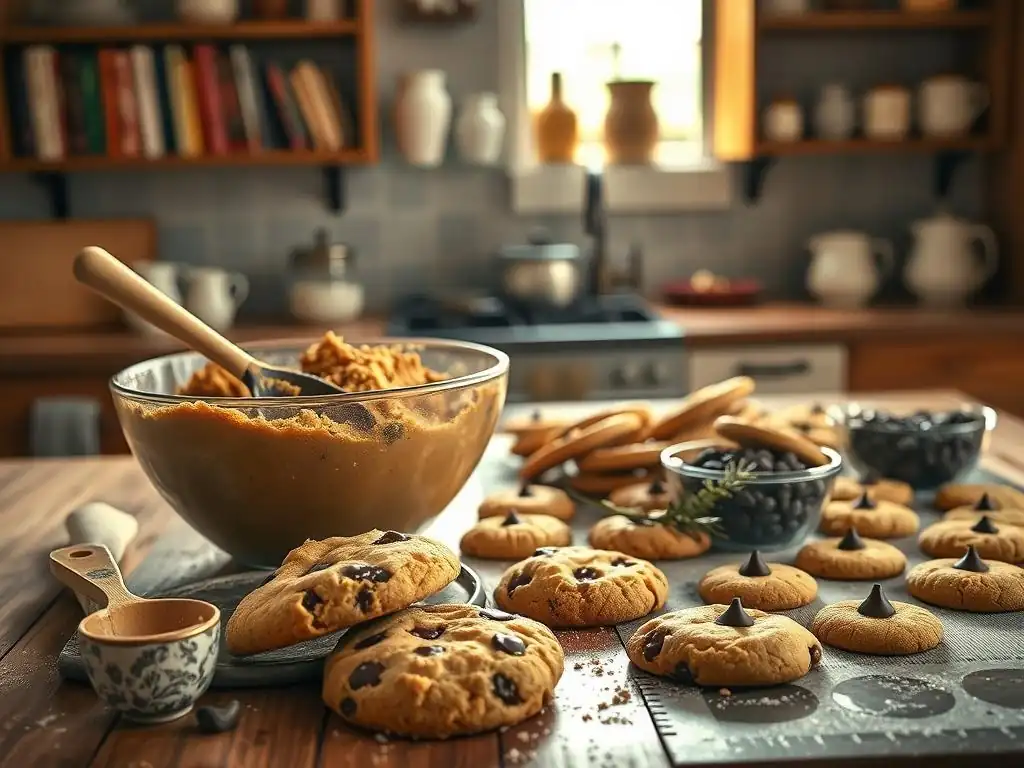
Welcome to BakeWithEase, your trusted guide to unlocking the joy of baking! Ever dreamt of creating perfect, melt-in-your-mouth cookies without the stress? You're in the right place. Dive in and discover our collection of easy classic cookie recipes for beginners – we'll guide you through every step, turning baking novices into confident cookie creators. Ready to transform simple ingredients into sweet masterpieces? Let's get baking!
- From Dough to Delicious: Baking Classic Cookies for Beginners - BakeWithEase
- Introduction: Welcome to Easy Cookie Baking with BakeWithEase
- Essential Tools and Ingredients for Easy Cookie Recipes
- Mastering the Basics: Essential Techniques for Classic Cookies
- Easy Classic Cookie Recipes for Beginners: Step-by-Step Guides
- Baking Tips and Troubleshooting for Classic Cookies
- Storing and Enjoying Your Homemade Cookies
- Conclusion: You've Mastermed Easy Classic Cookie Recipes!
-
Frequently Asked Questions
- What makes a cookie recipe "easy" for beginners according to BakeWithEase?
- What are some classic cookie types featured in "From Dough to Delicious: Baking Classic Cookies for Beginners"?
- Where can I find the ingredients needed for these "easy classic cookie recipes beginners"?
- Does BakeWithEase offer guidance on common baking mistakes that beginners might encounter when making cookies?
- Are the cookie recipes on BakeWithEase suitable for those with dietary restrictions or allergies?
- Final Reflection: The Enduring Magic of a Simple Cookie
- Unlock Your Inner Baker: Start Baking Today!
Welcome to BakeWithEase, your friendly guide to the wonderful world of baking! If you've always wanted to bake delicious cookies but felt intimidated, you're in the right place. This article is designed specifically for beginners, focusing on easy classic cookie recipes that build confidence and deliver fantastic results. We'll walk you through the fundamentals, from understanding basic ingredients to mastering simple techniques, so you can turn simple dough into delightful treats. Our goal is to make your first cookie-baking experiences enjoyable and successful, setting you up for a lifetime of baking pleasure.
Embarking on your baking journey with easy classic cookie recipes for beginners is a fantastic starting point. These recipes are forgiving, use readily available ingredients, and the steps are straightforward. Think of classic sugar cookies, chewy chocolate chip cookies, or simple peanut butter cookies – these are the foundations upon which many other baking skills are built. By starting here, you'll learn essential skills like creaming butter and sugar, measuring dry ingredients accurately, and understanding baking times and temperatures, all crucial for future baking adventures.
Classic cookies are an ideal starting point for anyone new to baking for several key reasons. Firstly, the ingredient lists are typically short and common – flour, sugar, butter, eggs, vanilla extract, baking soda, and maybe chocolate chips or peanut butter. You likely have most of these items in your pantry already. This simplicity reduces the barrier to entry and makes stocking up easy. Furthermore, the steps involved in most classic cookie recipes are fundamental baking techniques, providing a solid foundation without being overly complex.
Secondly, the baking time for cookies is relatively short, usually between 8 to 15 minutes per batch. This means you get results quickly, offering instant gratification and allowing you to learn from each batch. Unlike a complex cake or bread that might take hours, cookies provide rapid feedback on your technique. If one batch isn't perfect, you can often adjust for the next.
This iterative process is excellent for learning. Plus, the sheer joy of pulling warm, freshly baked cookies from the oven is incredibly rewarding and motivating for beginners. Learning easy classic cookie recipes for beginners truly sets the stage for baking success.
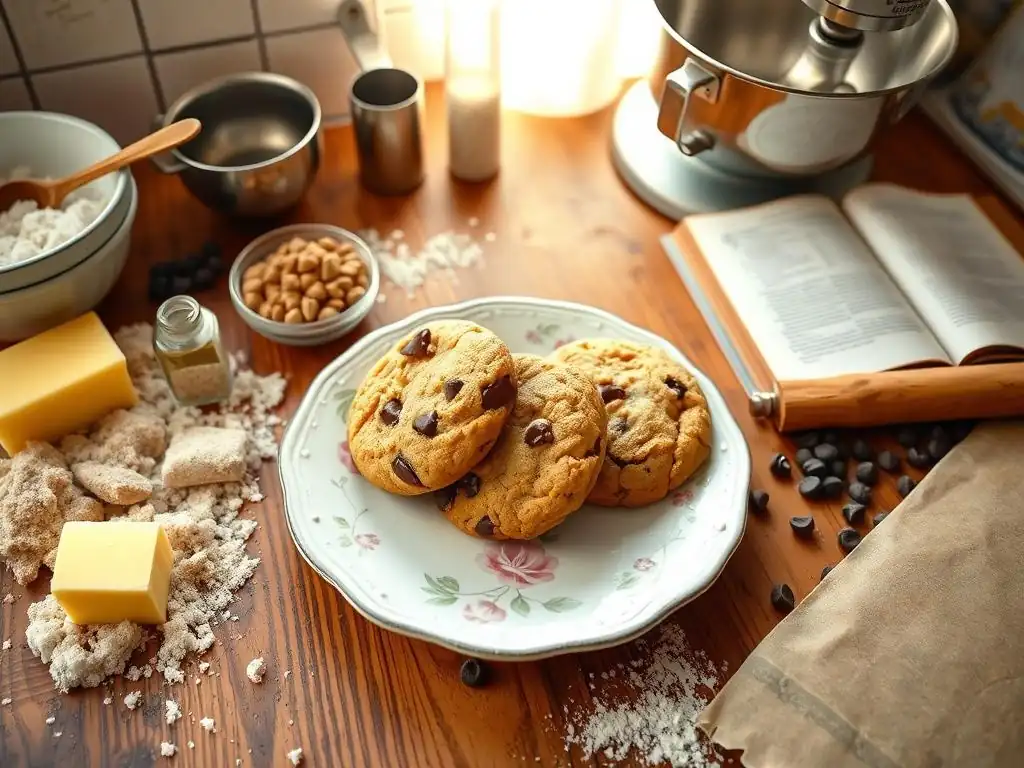
To get started with easy classic cookie recipes, you don't need a professional kitchen full of gadgets. A few basic tools will suffice. Essential items include measuring cups (both dry and liquid) and measuring spoons for accurate ingredient amounts – precision is quite important in baking, especially when starting out. You'll also need a set of mixing bowls, ideally in a couple of different sizes. A sturdy whisk is useful for combining dry ingredients, and a rubber spatula or wooden spoon is necessary for mixing dough.
For the actual baking part, parchment paper is a game-changer; it prevents sticking and makes cleanup a breeze. Baking sheets (standard half-sheet size, roughly 18x13 inches, is versatile) are obviously required. An electric mixer, either hand-held or stand, is highly recommended for creaming butter and sugar effectively, though you can manage with a sturdy whisk and some elbow grease for smaller batches. Finally, a cooling rack is crucial for allowing cookies to cool properly and prevent them from becoming soggy underneath. Having these basic tools makes following easy classic cookie recipes for beginners much smoother.
Understanding your core ingredients is vital for successful easy classic cookie recipes. All-purpose flour is the standard for most cookie recipes; ensure you measure it correctly (spooning it lightly into the measuring cup and leveling off, rather than scooping directly from the bag). Granulated sugar provides sweetness and helps with structure and spread, while brown sugar (light or dark) adds moisture, chewiness, and a hint of molasses flavor, particularly in recipes like chocolate chip cookies.
Butter is fundamental, contributing flavor, tenderness, and helping with leavening when creamed with sugar. Most recipes call for unsalted butter, allowing you to control the salt level. Ensure your butter is at room temperature (softened but not melted) for optimal creaming. Eggs bind ingredients together and add richness.
Baking soda and/or baking powder are chemical leaveners that help cookies rise and spread; make sure yours aren't expired (you can test baking soda by mixing a pinch with vinegar; it should fizz). Vanilla extract adds crucial flavor. Using quality ingredients, even for easy classic cookie recipes beginners, makes a noticeable difference in the final taste.
Creaming butter and sugar is arguably the most critical first step in many easy classic cookie recipes. This process involves beating softened butter and sugar together until the mixture is light and fluffy, and its color has lightened from yellow to pale yellow or almost white. This technique doesn't just dissolve the sugar; it incorporates tiny air pockets into the butter.
These air pockets expand in the oven, contributing to the cookie's rise and texture. Using room temperature butter (around 65-70°F or 18-21°C) is key; it should be pliable enough to indent easily with your finger but not melted or greasy.
Typically, you'll start by beating the softened butter alone for about 30 seconds to ensure it's smooth. Then, gradually add the sugar while mixing. Continue beating on medium speed for 2 to 5 minutes, scraping down the sides of the bowl occasionally. The mixture should significantly increase in volume and become airy. This vigorous beating is what creates the necessary structure for a tender, well-risen cookie. Skipping or rushing this step will result in denser, flatter cookies. Mastering this technique is fundamental for successful easy classic cookie recipes beginners.
Mixing Dry Ingredients: Preventing Over-Mixing
After creaming the butter and sugar and adding wet ingredients like eggs and vanilla, you'll incorporate the dry ingredients (flour, baking soda/powder, salt). It's common practice in easy classic cookie recipes to whisk the dry ingredients together in a separate bowl first. This step ensures that the leaveners and salt are evenly distributed throughout the flour, preventing pockets of unmixed ingredients and ensuring consistent results in every cookie. A quick whisk for about 15-30 seconds is usually sufficient.
When adding the dry ingredients to the wet mixture, the goal is to mix just until everything is combined. Over-mixing develops the gluten in the flour, leading to tough, dense cookies instead of tender ones. Once you add the flour mixture, mix on low speed or by hand with a spatula until no dry streaks of flour are visible.
It's okay if there are still a few small lumps; they will disappear during baking. For instance, in a standard chocolate chip cookie recipe using 2 ¼ cups of flour, mixing for more than 60-90 seconds after adding the flour can start to develop gluten significantly. Gentle mixing is key for perfect easy classic cookie recipes beginners.
Consistent cookie size is important for two main reasons: even baking and presentation. Cookies of different sizes on the same baking sheet will bake at different rates, leading to some being overdone while others are undercooked. For aesthetic purposes, uniform cookies look much more professional and appealing, whether you're serving them to guests or packing them as gifts. Achieving uniformity is simple with the right tools and technique, making your easy classic cookie recipes look as good as they taste.
The easiest way to ensure consistent size is to use a cookie scoop. Standard cookie scoops come in various sizes; a 1.5 or 2-tablespoon scoop is common for average-sized cookies. Simply scoop the dough and release it onto the baking sheet. If you don't have a scoop, you can use measuring spoons (a level tablespoon or two) and roll the dough into balls.
Try to make each ball roughly the same diameter. For example, aiming for dough balls approximately 1 inch (2.5 cm) in diameter will yield consistently sized cookies. Evenly spacing the dough balls on the baking sheet (allowing about 2 inches or 5 cm between them) is also crucial for proper spread and even baking.
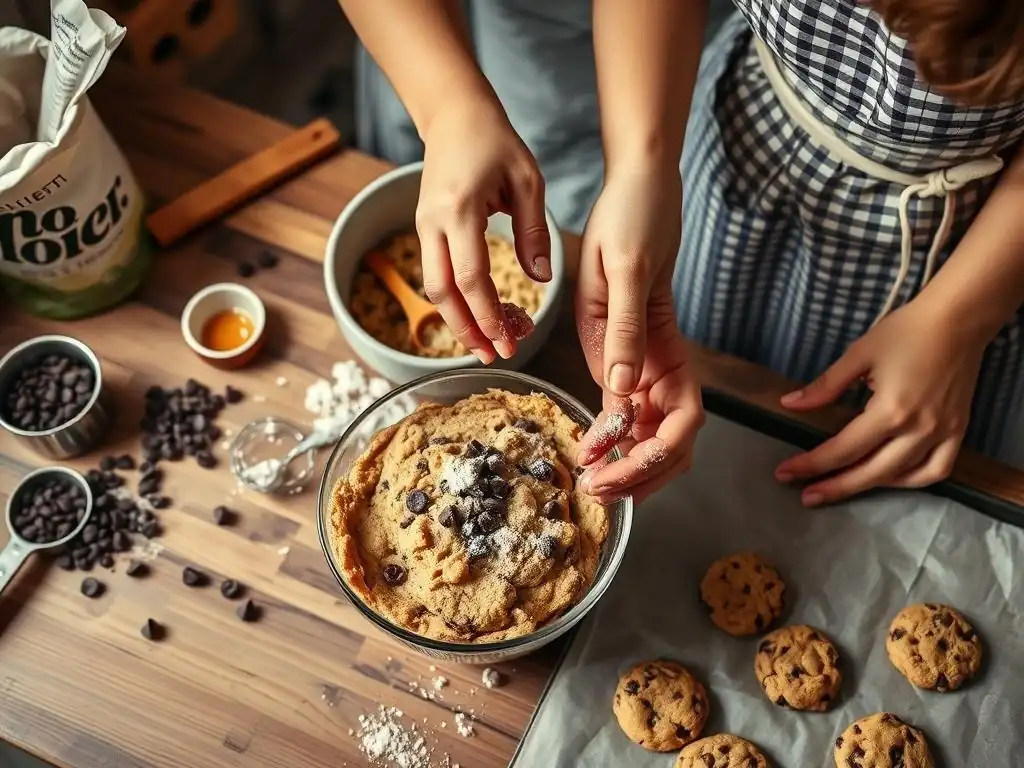
Sugar cookies are a fantastic starting point for easy classic cookie recipes beginners. They are simple, versatile, and a great way to practice fundamental techniques like creaming and rolling dough. This basic recipe yields a tender, slightly crisp cookie that holds its shape well, making it perfect for cutting out shapes. It typically involves just butter, sugar, egg, vanilla, flour, baking powder, and salt. The minimal ingredients allow you to focus on the process without being overwhelmed.
A standard batch of sugar cookies using about 3 cups of flour can yield roughly 24-36 cookies, depending on size. The preparation time is usually around 20-30 minutes, plus chilling time, and baking time is 8-11 minutes per batch. This relatively quick turnaround allows for multiple attempts or variations in a single baking session. The simplicity of this recipe makes it one of the best easy classic cookie recipes beginners can tackle right away, building confidence with each successful batch.
Ingredients for Easy Sugar Cookies
- 1 cup (2 sticks or 226g) unsalted butter, softened
- 1 ½ cups (300g) granulated sugar
- 2 large eggs
- 1 teaspoon vanilla extract
- 3 cups (360g) all-purpose flour
- 1 teaspoon baking powder
- ½ teaspoon salt
Step-by-Step Sugar Cookie Baking Instructions
- In a large bowl, cream together the softened butter and granulated sugar using an electric mixer on medium speed until light and fluffy, about 3-5 minutes.
- Beat in the eggs one at a time, mixing until just combined after each addition. Stir in the vanilla extract.
- In a separate medium bowl, whisk together the flour, baking powder, and salt.
- Gradually add the dry ingredients to the wet ingredients, mixing on low speed or with a spatula until just combined and no dry streaks remain. Do not over-mix.
- Divide the dough in half, flatten each half into a disk, wrap tightly in plastic wrap, and chill in the refrigerator for at least 1-2 hours, or up to 2 days. Chilling the dough is crucial for rolling and cutting.
- Preheat your oven to 350°F (175°C). Line baking sheets with parchment paper.
- On a lightly floured surface, roll out one disk of chilled dough to about ¼ inch thickness. Use cookie cutters to cut out shapes. Carefully transfer cookies to the prepared baking sheets, leaving about 1 inch between them.
- Bake for 8-11 minutes, or until the edges are lightly golden. Baking time will vary depending on the size and thickness of your cookies.
- Let cookies cool on the baking sheets for a few minutes before transferring them to a wire rack to cool completely.
- Repeat with the remaining dough. Scraps can be gently re-rolled once.
Tips for Perfect Sugar Cookies Every Time
Chilling the dough is non-negotiable for cut-out sugar cookies. Warm dough is sticky and difficult to roll and cut, and the cookies will spread too much in the oven, losing their shape. Aim for at least an hour of chilling time. When rolling, use just enough flour on your surface and rolling pin to prevent sticking; too much flour can make the cookies tough. Roll the dough to a consistent thickness (about ¼ inch or 6mm) so all cookies bake evenly.
Keep an eye on the cookies while they bake. Sugar cookies don't need to brown significantly; you're looking for the edges to just start turning a pale golden color. Over-baking will result in hard, dry cookies. If you notice one batch baking faster than another, it might be due to hot spots in your oven; rotating the baking sheet halfway through can help. These simple tips enhance your success with this easy classic cookie recipe for beginners.
Sugar Cookie Variations: Add Your Personal Touch
Once you've mastered the basic easy classic cookie recipes beginners like this sugar cookie one, feel free to experiment! You can add flavorings like almond extract, lemon zest, or even a touch of cardamom to the dough. For chocolate lovers, replace a few tablespoons of flour with cocoa powder for chocolate sugar cookies.
Decorating is where sugar cookies really shine. Once cooled, they are a perfect canvas for icing, sprinkles, or edible glitter. A simple glaze made from powdered sugar and a liquid (milk, lemon juice, or water) is easy for beginners. For more detailed designs, try royal icing. Adding festive colors or themes makes them perfect for holidays and celebrations.
Chewy chocolate chip cookies are arguably America's favorite cookie, and mastering them is a milestone for any beginner baker. This recipe focuses on achieving that desirable soft, chewy texture with pockets of melted chocolate. While seemingly simple, small adjustments in ingredients or technique can drastically change the outcome, making it a great recipe to learn about how ingredients interact. This is a cornerstone among easy classic cookie recipes beginners should definitely try.
A typical recipe using 1 cup of butter and about 2 ¼ cups of flour can yield around 36 average-sized cookies. The preparation is usually under 20 minutes, followed by baking time of 9-12 minutes per batch. The key to a chewy texture often lies in the ratio of brown sugar to granulated sugar and the thickness of the cookie dough balls before baking. This recipe provides a solid foundation for understanding these nuances.
Ingredients for Chewy Chocolate Chip Cookies
- 1 cup (2 sticks or 226g) unsalted butter, softened
- ¾ cup (150g) granulated sugar
- ¾ cup (160g) packed light brown sugar
- 2 large eggs
- 1 teaspoon vanilla extract
- 2 ¼ cups (270g) all-purpose flour
- 1 teaspoon baking soda
- ½ teaspoon salt
- 1 ½ - 2 cups (250-350g) chocolate chips (milk, semi-sweet, or dark)
Step-by-Step Chocolate Chip Cookie Baking Instructions
- Preheat oven to 375°F (190°C). Line baking sheets with parchment paper.
- In a large bowl, cream together the softened butter, granulated sugar, and packed light brown sugar until light and fluffy, about 3-4 minutes.
- Beat in the eggs one at a time, mixing until just combined after each addition. Stir in the vanilla extract.
- In a separate medium bowl, whisk together the flour, baking soda, and salt.
- Gradually add the dry ingredients to the wet ingredients, mixing on low speed or with a spatula until just combined. Do not over-mix.
- Stir in the chocolate chips.
- Drop rounded tablespoons of dough onto the prepared baking sheets, about 2 inches apart. Using a cookie scoop helps with uniformity.
- Bake for 9-12 minutes, or until the edges are golden brown and the centers look slightly soft but not wet. Baking time will vary based on size and oven.
- Let cookies cool on the baking sheets for 2-3 minutes before transferring them to a wire rack to cool completely.
Tips for Achieving the Perfect Chewy Texture
Several factors contribute to a chewy chocolate chip cookie. Using a higher ratio of brown sugar to granulated sugar adds moisture due to the molasses content in brown sugar. Don't skip the brown sugar! Also, slightly under-baking them is key. You want to take them out when the edges are set and golden but the center still looks a little soft and slightly underdone. They will continue to bake and set on the hot baking sheet for a few minutes after being removed from the oven.
Another tip is to let the dough rest. While not strictly necessary for this easy classic cookie recipe for beginners, chilling the dough for 30 minutes to 24 hours can result in a richer flavor and a chewier texture. Chilling allows the dry ingredients to absorb moisture from the wet ingredients and concentrates the flavors. If you have the time, give it a try!
Chocolate Chip Cookie Variations: Experiment with Flavors
Once comfortable with the basic chewy chocolate chip recipe, feel free to experiment. Try different types of chocolate chips – dark, milk, white, or a mix. You can also add nuts like chopped walnuts or pecans (about ½ cup) for extra crunch.
Consider adding other mix-ins like toffee bits, dried cranberries, or shredded coconut. A pinch of cinnamon or a dash of espresso powder can also enhance the flavor profile. Remember to keep the total amount of mix-ins roughly the same (around 1 ½ to 2 cups) to maintain the dough's structure. These simple variations make this versatile easy classic cookie recipe for beginners even more exciting.
Peanut butter cookies are wonderfully easy and forgiving, making them perfect for easy classic cookie recipes beginners. Their signature criss-cross pattern is simple to achieve and instantly recognizable. These cookies are rich, flavorful, and often use a minimal number of ingredients. The high fat content from the peanut butter helps ensure they stay tender.
A typical recipe using 1 cup of peanut butter and about 1 ¾ cups of flour can yield about 24-30 cookies. Preparation time is usually less than 15 minutes, and baking time is around 10-12 minutes per batch. The dough is relatively stable and easy to handle, making it less intimidating than some other cookie doughs. Their simplicity and delicious outcome solidify their place as a top easy classic cookie recipe for beginners.
Ingredients for Easy Peanut Butter Cookies
- ½ cup (1 stick or 113g) unsalted butter, softened
- ½ cup (100g) granulated sugar
- ½ cup (110g) packed light brown sugar
- 1 cup (250g) creamy or crunchy peanut butter (natural peanut butter can be trickier to work with, especially for beginners)
- 1 large egg
- 1 teaspoon vanilla extract
- 1 ¾ cups (210g) all-purpose flour
- 1 teaspoon baking soda
- ½ teaspoon salt (optional, reduce if using salted peanut butter)
Step-by-Step Peanut Butter Cookie Baking Instructions
- Preheat oven to 375°F (190°C). Line baking sheets with parchment paper.
- In a large bowl, cream together the softened butter, granulated sugar, and packed light brown sugar until well combined.
- Beat in the peanut butter until fully incorporated.
- Beat in the egg and vanilla extract until just combined.
- In a separate medium bowl, whisk together the flour, baking soda, and salt (if using).
- Gradually add the dry ingredients to the wet ingredients, mixing on low speed or with a spatula until just combined and no dry streaks remain.
- Roll dough into 1-inch balls and place them about 2 inches apart on the prepared baking sheets.
- Using a fork, gently press down on each cookie ball to create a criss-cross pattern. This also helps flatten the cookies so they bake evenly.
- Bake for 10-12 minutes, or until the edges are lightly golden and the centers look set.
- Let cookies cool on the baking sheets for a few minutes before transferring them to a wire rack to cool completely.
Tips for Preventing Dry Peanut Butter Cookies
Peanut butter cookies can sometimes turn out dry if over-baked or if there isn't enough fat or moisture. Ensure you are using softened butter and a standard, non-natural peanut butter (which can separate) for the most consistent results in this easy classic cookie recipe for beginners. Creaming the butter and sugars properly also helps incorporate air and moisture.
Most importantly, do not over-bake them. Peanut butter cookies don't spread a lot and often don't look significantly golden brown when done. Look for the edges to be just set and the center to look firm but not hard. Removing them from the oven when they still look slightly soft in the middle is key to a tender, moist cookie after cooling.
Peanut Butter Cookie Variations: Get Creative!
Peanut butter cookies are delicious on their own, but they also lend themselves well to variations. You can add chocolate chips (about ½ cup) to the dough before rolling, combining two classic flavors. Peanut butter blossoms, which involve pressing a chocolate kiss candy into the warm cookie after baking, are another popular variation.
For extra peanut flavor and texture, you can roll the cookie dough balls in granulated sugar or a mixture of sugar and finely chopped peanuts before pressing the criss-cross pattern. Adding a pinch of cinnamon or nutmeg can also provide a warm, comforting spice note. These simple additions can elevate this easy classic cookie recipe for beginners.
As a beginner, you might encounter a few bumps in the road, but don't worry – they're learning opportunities! One common mistake is inaccurate measuring, especially with flour. Too much flour results in dry, dense cookies, while too little can cause excessive spreading. Always spoon flour into your measuring cup and level it off with a straight edge. Another frequent issue is using ingredients at the wrong temperature, particularly butter. Melted butter will result in flat, greasy cookies, while cold butter won't cream properly, leading to a poor texture. Always use softened butter for creaming.
Over-mixing the dough after adding flour is another trap. As mentioned, this develops gluten, making cookies tough. Mix only until the ingredients are just combined. Finally, not preheating your oven properly or relying solely on the oven's internal thermostat can lead to uneven baking. Invest in an inexpensive oven thermometer to ensure your oven is at the correct temperature before putting cookies in, typically 350°F to 375°F (175°C to 190°C) for easy classic cookie recipes beginners.
Flat cookies are a common frustration for beginner bakers. Several factors can cause cookies to spread too much. The most frequent culprits include using melted or overly soft butter (it should be soft, not greasy), not chilling the dough if the recipe calls for it (especially for cut-out cookies, but even drop cookies benefit from a brief chill), or using baking soda/powder that is old and inactive.
Other reasons for flat cookies can include using too much sugar or not enough flour compared to the fat, or baking on greased (instead of parchment-lined) or warm baking sheets. Ensure your leavening agents are fresh (baking soda lasts about 6 months once opened, baking powder about a year). If your dough is too warm, pop it in the fridge for 15-30 minutes. If you suspect your recipe has too much fat or sugar, slightly increasing the flour by a tablespoon or two in the next batch can help. Troubleshooting is part of mastering easy classic cookie recipes beginners.
Burnt cookie edges or bottoms are disappointing but easily preventable with careful attention to temperature and timing. First, ensure your oven temperature is accurate using an oven thermometer. Many ovens run hotter or cooler than the dial indicates, sometimes by as much as 25-50°F (15-30°C). Baking at the correct temperature is fundamental for all easy classic cookie recipes beginners.
Second, always set a timer and check the cookies a minute or two before the minimum baking time specified in the recipe. Ovens vary, and even a minute can make a difference. Look for visual cues: edges that are set and lightly golden, and centers that look slightly less shiny or wet.
If the bottoms are burning before the tops are done, try using a double layer of baking sheets or placing a piece of aluminum foil loosely over the top of the cookies halfway through baking. Using parchment paper also helps prevent bottoms from burning compared to baking directly on a metal sheet.
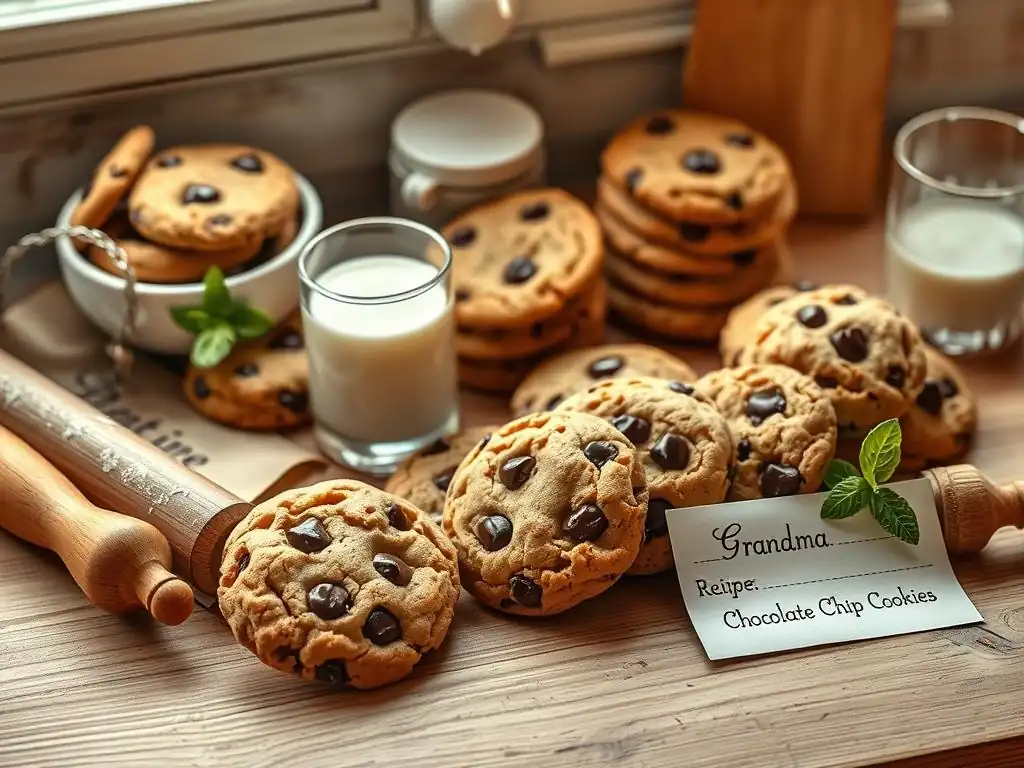
Storing your freshly baked easy classic cookie recipes correctly is key to keeping them delicious for as long as possible. Allow cookies to cool completely on a wire rack before storing. Storing warm cookies creates condensation, which can make them soggy and prone to spoilage. Once cool, store different types of cookies separately. Soft cookies (like chewy chocolate chip) can soften crisp cookies if stored together.
Airtight containers are best for maintaining freshness. For soft cookies, adding a slice of bread to the container can help keep them moist (the cookies absorb moisture from the bread). For crisp cookies (like many sugar cookies), ensure the container is truly airtight to prevent them from absorbing moisture and becoming soft. Most cookies stored properly at room temperature will stay fresh for 3-5 days. For longer storage, most cookie doughs and baked cookies freeze well for several months.
Serving your homemade easy classic cookie recipes can be as simple or creative as you like! Of course, they are perfect enjoyed on their own with a glass of milk, a cup of coffee, or tea. Warm cookies straight from the oven with a scoop of ice cream make an indulgent dessert.
Consider making ice cream sandwiches with your chewy chocolate chip or peanut butter cookies. Sugar cookies are fantastic for decorating parties or holiday activities. Arrange an assortment of different cookie types on a platter for a dessert spread. You can also crumble leftover cookies over yogurt, ice cream, or use them as a crust for pies or cheesecakes. Sharing your creations is part of the fun of baking!
One of the most rewarding aspects of baking easy classic cookie recipes beginners is sharing them with others. Homemade cookies make thoughtful and appreciated gifts for friends, family, neighbors, or coworkers. Simple packaging like stacking them in cellophane bags tied with ribbon, arranging them in decorative tins or boxes, or placing them in mason jars makes them look extra special.
When gifting, consider the recipient's preferences (e.g., allergies, favorite flavors). Ensure the cookies are completely cooled before packing to prevent them from sticking together or becoming soggy. Add a small tag with the cookie type and maybe a note about their freshness. Sharing your delicious, handmade easy classic cookie recipes is a wonderful way to spread happiness and show you care.
Celebrate Your Baking Success with BakeWithEase
Congratulations! By working through these easy classic cookie recipes for beginners, you've taken significant steps in your baking journey. You've learned how to cream butter and sugar, mix dough correctly, troubleshoot common issues like flat or burnt cookies, and successfully bake three different types of classic cookies: simple sugar cookies, chewy chocolate chip cookies, and easy peanut butter cookies. Each batch you baked, whether perfect or slightly imperfect, contributed to building your skills and confidence in the kitchen.
Take a moment to appreciate what you've accomplished. From measuring ingredients to pulling warm cookies from the oven, you've transformed raw materials into delicious treats using your own hands. This hands-on experience with easy classic cookie recipes beginners is invaluable and forms a strong foundation for future baking endeavors. Celebrate by enjoying your hard work – share your cookies, savor the taste, and feel proud of your new skills!
Next Steps: Expanding Your Beginner Baking Repertoire
Now that you've successfully tackled easy classic cookie recipes, where do you go next? The world of baking is vast and exciting! You can try variations on the recipes you've learned, experimenting with different mix-ins, extracts, or even trying chilling dough for longer periods to see how it affects the texture.
Beyond cookies, consider trying other beginner-friendly baked goods. Muffins, quick breads (like banana bread), brownies, or simple loaf cakes are often straightforward and use similar techniques to cookie baking. BakeWithEase offers many other simple recipes and guides designed for beginners. Keep practicing, keep exploring, and most importantly, keep having fun in the kitchen. Your success with easy classic cookie recipes beginners is just the beginning!
Frequently Asked Questions
Easy recipes focus on simple ingredients, straightforward instructions, and minimal baking experience required. They prioritize success for new bakers.
The article likely covers classics like chocolate chip cookies, oatmeal cookies, and perhaps sugar cookies, all adapted for beginner bakers.
BakeWithEase emphasizes easy-to-find ingredients, typically available at most grocery stores. Recipes are designed to avoid specialty items.
Yes, BakeWithEase provides tips and techniques to avoid common pitfalls, such as overmixing or overbaking, leading to better cookie outcomes.
While specifics vary, BakeWithEase may offer suggestions or variations for gluten-free or vegan alternatives, but always check recipe details.
The comforting aroma of warm cookies baking is more than just a pleasant scent; it's a powerful symbol of connection, tradition, and the simple joys of life. In a world increasingly dominated by complex technology and fast-paced living, the act of baking a classic cookie remains a surprisingly relevant and rewarding experience. It's a tangible reminder that even the most basic ingredients can yield extraordinary results, fostering a sense of accomplishment and quiet satisfaction.
The enduring appeal of classic cookie recipes lies not just in their deliciousness, but in their ability to bridge generations and cultures. These recipes, passed down through families and adapted across communities, represent a shared human experience. They are a testament to the power of simple pleasures and the comfort found in familiar tastes. The best things in life are simple,
a sentiment echoed across countless cultures, perfectly encapsulates the magic of a perfectly baked cookie. The process itself, from measuring ingredients to the satisfying thud of the cookie sheet hitting the oven rack, is a meditative practice that allows for mindful engagement and a welcome escape from the daily grind.
Now, I invite you to roll up your sleeves, gather your ingredients, and embark on your own baking adventure. Don't be intimidated by the seemingly simple task; embrace the process, savor the experience, and share the joy of your creations with those you love. The memories you create, the connections you foster, and the delicious cookies you enjoy will be a testament to the enduring power of a classic recipe and the simple, yet profound, magic of baking.
Unlock Your Inner Baker: Start Baking Today!
Thanks for taking the time to explore the wonderful world of classic cookie baking! You've gained valuable tips and techniques – now it's time to put them into practice.
Here's how to take your baking skills to the next level:
- Bake your first batch! Choose your favorite recipe from the article (or try a new one!) and get baking. Don't worry about perfection – the joy is in the process.
- Share your creations! Post a picture of your cookies on social media and tag #BakeWithEase – we'd love to see your delicious results!
- Discover new cookie recipes on our website (bakewithease.com) – Explore the vast world of cookie possibilities and expand your baking repertoire.
What unique twist will you add to your next batch of cookies?