
Pure vs. Imitation vs. Bean: Navigating the Confusing World of Vanilla

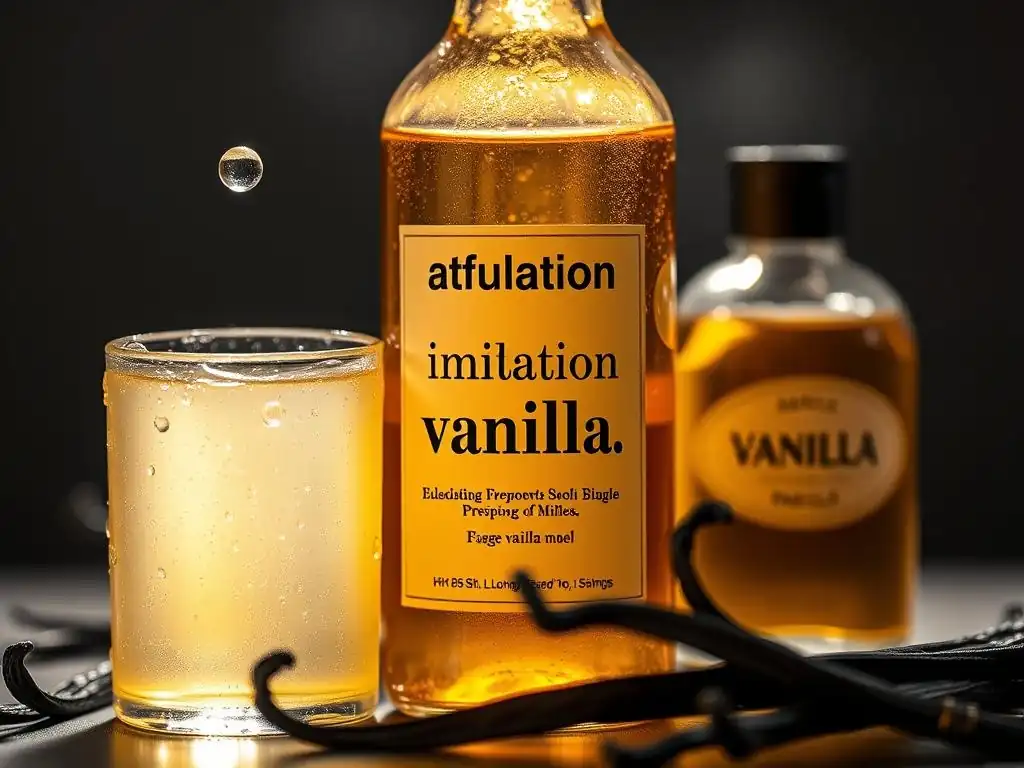
Welcome to BakeWithEase, your trusted companion on your baking journey! Ever wondered if your vanilla extract is really pulling its weight? Dive into our latest article, a Vanilla Extract Comparison Guide, where we unravel the mysteries of pure, imitation, and bean extracts. Discover the subtle nuances that can elevate your baked goods from good to extraordinary, and learn which type truly reigns supreme. Ready to unlock the secrets to better baking? Let's get started!
- Pure vs. Imitation vs. Bean: Navigating the World of Vanilla
- Understanding Vanilla: A Baker's Essential Ingredient
- Vanilla Extract Comparison: Pure, Imitation, and Vanilla Beans
- Pure Vanilla Extract: The Gold Standard for Flavor
- Imitation Vanilla Extract: An Affordable Alternative
- Vanilla Beans: The Ultimate Vanilla Experience
- Pure Vanilla vs. Imitation Vanilla: A Detailed Comparison
- Vanilla Bean vs. Vanilla Extract: A Detailed Comparison
- Making Your Choice: Selecting the Right Vanilla for Your Baking Needs
- Storing Vanilla Properly: Preserving Flavor and Freshness
-
Frequently Asked Questions
- What are the key differences between pure vanilla extract, imitation vanilla extract, and vanilla beans?
- Why is pure vanilla extract generally more expensive than imitation vanilla extract?
- When is it acceptable to use imitation vanilla extract in baking?
- How should vanilla beans be stored to maintain their freshness and flavor?
- What are some specific baking applications where using pure vanilla extract or vanilla bean is strongly recommended?
- Final Reflection: The Enduring Allure of Authentic Vanilla
- Unlock the Secrets of Vanilla: Elevate Your Baking Today!
Understanding Vanilla: A Baker's Essential Ingredient
Why Vanilla Matters in Baking
Vanilla is far more than just a sweet scent; it's a fundamental ingredient that elevates the complexity and depth of countless baked goods. Its unique aroma and flavor profile, derived from compounds like vanillin, work synergistically with other ingredients, particularly sugar and fats, to enhance their inherent qualities. A touch of vanilla can smooth out harsh edges, add warmth, and provide a subtle background note that makes flavors pop, transforming a simple sugar cookie or plain cake into something truly memorable.
Think about classic recipes like chocolate chip cookies or vanilla pound cake. Without vanilla, these treats would taste flat and one-dimensional. Vanilla acts as a bridge, connecting and amplifying the flavors of butter, sugar, eggs, and flour. It's an essential flavor enhancer, providing that comforting, familiar taste that defines so many beloved desserts. Understanding its role is the first step in appreciating the nuances explored in this vanilla extract comparison guide.
A Guide to Vanilla Varieties
The world of vanilla offers several key options for bakers, each with distinct characteristics and uses. The primary forms are pure vanilla extract, imitation vanilla extract, and the vanilla bean itself. Pure vanilla extract is made by macerating vanilla beans in alcohol and water, capturing the complex array of natural flavor compounds. It's the most common form used in home baking and is a cornerstone of any vanilla extract comparison guide.
Imitation vanilla extract, on the other hand, is typically synthesized from chemical compounds, often derived from sources like wood pulp or coal tar. Its primary flavor component is usually ethyl vanillin, which mimics the main note of natural vanilla but lacks the hundreds of other subtle compounds found in pure vanilla. Lastly, the vanilla bean is the fruit of the vanilla orchid and represents vanilla in its most natural, potent form, containing the full spectrum of flavors and providing visible vanilla specks in baked goods.
Vanilla Extract Comparison: Pure, Imitation, and Vanilla Beans
Decoding Vanilla Labels: What to Look For
Navigating the grocery aisle for vanilla can be confusing, but understanding labels is key to making the right choice for your baking. Look for the term "Pure Vanilla Extract." According to U.S. Food and Drug Administration (FDA) standards, pure vanilla extract must be made from vanilla beans macerated in a solution that is at least 35% alcohol by volume. This ensures it contains the natural flavor compounds extracted directly from the bean. Anything labeled "Pure Vanilla Extract" should meet this standard, guaranteeing a product derived from actual vanilla beans.
Labels that say "Imitation Vanilla Extract" or simply "Vanilla Flavoring" indicate a product made with synthetic vanillin or other artificial flavorings. These products do not contain pure vanilla bean extract. Some might also contain a small amount of pure extract mixed with artificial flavors, which might be labeled as "Vanilla Flavoring" or a similar term, but they cannot be called "Pure Vanilla Extract." Always read the ingredient list to confirm the source of the flavor, especially when seeking a true vanilla extract comparison guide.
Pure Vanilla Extract: The Gold Standard for Flavor
What is Pure Vanilla Extract?
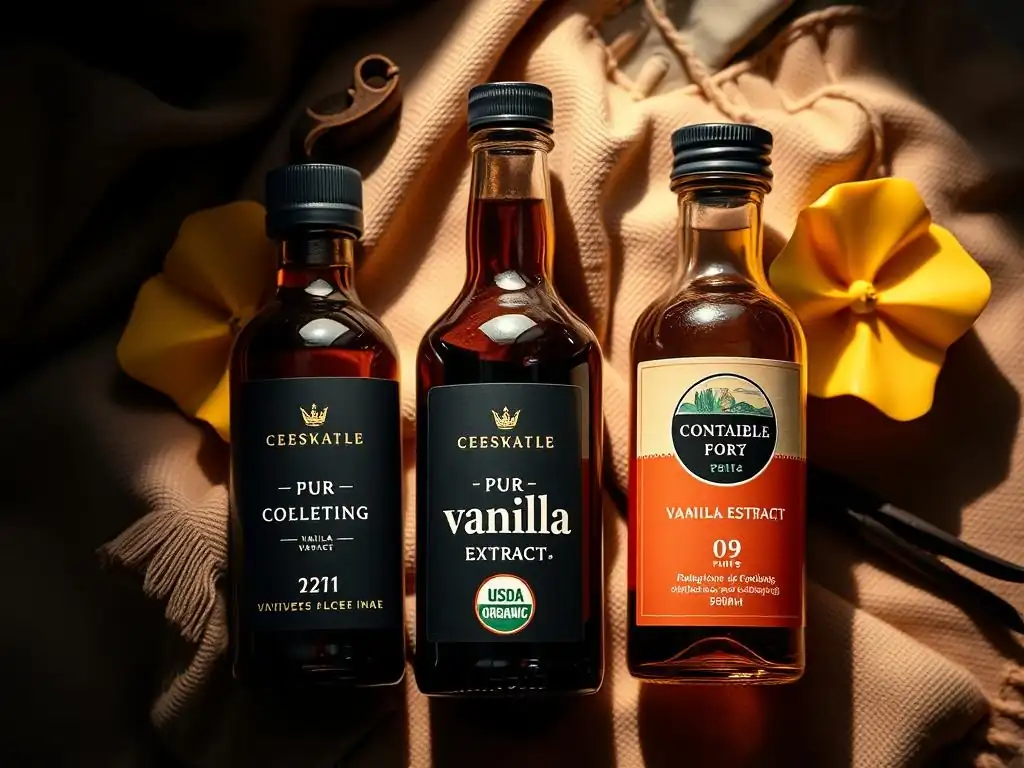
Pure vanilla extract is a liquid flavoring made by steeping cured vanilla beans in a solution of alcohol and water. This process extracts the complex array of flavor compounds, including vanillin, which is the primary component, but also hundreds of other subtle aromatic notes. The alcohol content, typically around 35-40%, is crucial for effectively extracting these fat-soluble and water-soluble compounds from the beans. The quality of the pure vanilla extract depends heavily on the type of vanilla beans used, the extraction process, and the duration of maceration.
Unlike imitation versions, pure vanilla extract offers a rich, nuanced flavor profile that adds depth and complexity to baked goods. It's the benchmark against which other vanilla products are often measured in a vanilla extract comparison guide. Its production is a time-consuming process, involving the cultivation, curing (which can take several months), and extraction of the beans, contributing to its higher cost compared to synthetic alternatives.
How Pure Vanilla Extract is Made
The creation of pure vanilla extract begins with ripe vanilla bean pods, primarily from the Vanilla planifolia orchid. After harvesting, the beans undergo a meticulous curing process, which can last anywhere from three to six months, involving stages of wilting, sweating, drying, and conditioning. This curing is critical for developing the beans' characteristic aroma and flavor compounds. Once cured, the beans are chopped or ground and then steeped in a hydroalcoholic solution, typically 35% alcohol by volume, for several weeks or months.
During this maceration period, the alcohol and water work together to dissolve and extract the flavor compounds from the beans. The mixture is agitated periodically to ensure maximum extraction. After sufficient time, the liquid is filtered to remove the bean solids, resulting in the finished pure vanilla extract. Some manufacturers may age the extract further to allow the flavors to meld and deepen. This traditional process, focused on natural extraction, is what sets pure vanilla apart in any vanilla extract comparison guide.
The Flavor Profile of Pure Vanilla Extract: Rich, sweet, and complex with notes of caramel.
The flavor of pure vanilla extract is wonderfully complex and multi-layered. While vanillin provides the dominant sweet, creamy note, pure extract contains hundreds of other trace aromatic compounds that contribute to its depth. Depending on the origin of the vanilla beans (like Madagascar, Tahitian, or Mexican), the specific flavor profile can vary. Generally, pure vanilla extract offers a rich, sweet, and profoundly complex taste with warm undertones.
Beyond the main vanilla note, experienced tasters often detect subtle hints of caramel, chocolate, spice, or even floral notes. This intricate blend of flavors is what makes pure vanilla so effective at enhancing other ingredients without overpowering them. It provides a smooth, lingering finish that synthetic versions simply cannot replicate, making it the preferred choice for recipes where vanilla flavor is prominent, as highlighted in any comprehensive vanilla extract comparison guide.
Best Uses for Pure Vanilla Extract in Baking
Pure vanilla extract shines in almost any baking application, but it is particularly valuable in recipes where its nuanced flavor can truly be appreciated. It's ideal for delicate baked goods like custards, puddings, crème brûlée, and panna cotta, where the gentle, complex vanilla notes are front and center. It's also the go-to choice for classic cakes, cookies, muffins, and quick breads, providing a foundational flavor that complements other ingredients beautifully.
Use pure vanilla extract in frostings, glazes, and sauces to add a touch of sophistication. For instance, a classic buttercream frosting benefits immensely from the depth of pure vanilla. Even in chocolate recipes, a small amount of pure vanilla extract can enhance the chocolate flavor and add complexity. Essentially, if the recipe calls for vanilla and you want the best possible flavor outcome, pure vanilla extract is the superior choice, making it a crucial part of any vanilla extract comparison guide.
Imitation Vanilla Extract: An Affordable Alternative
What is Imitation Vanilla Extract?
Imitation vanilla extract is a synthetic flavoring product designed to mimic the taste and aroma of natural vanilla. Unlike pure vanilla extract, which is derived from vanilla beans, imitation vanilla is created using chemical compounds, most commonly synthetic vanillin. This vanillin is often produced from petrochemicals, lignin (a component of wood pulp), or even clove oil. While it provides the basic sweet, vanilla-like note, it lacks the hundreds of other flavor compounds naturally present in vanilla beans.
This difference in composition results in a flavor that is much simpler, often described as harsher or more one-dimensional than pure vanilla. Imitation vanilla extract is significantly less expensive to produce than pure vanilla extract because it doesn't rely on the labor-intensive process of cultivating and curing vanilla beans. Its affordability makes it a popular choice for budget-conscious bakers, though understanding its limitations is key in any vanilla extract comparison guide.
Imitation Vanilla Extract Ingredients: Ethyl Vanillin and artificial flavors.
The primary active ingredient in most imitation vanilla extracts is synthetic vanillin (4-hydroxy-3-methoxybenzaldehyde) or, less commonly but often considered more potent, ethyl vanillin (3-ethoxy-4-hydroxybenzaldehyde). Ethyl vanillin is a synthetic molecule that has a vanilla-like aroma and flavor, often perceived as stronger than natural vanillin. These compounds are chemically synthesized in a laboratory or industrial setting, rather than being extracted from natural sources.
In addition to the synthetic vanillin or ethyl vanillin, imitation vanilla extracts typically contain water, alcohol (though often at a lower percentage than pure extract, or sometimes none at all), coloring agents (like caramel color to mimic the brown hue of pure extract), and other artificial flavorings to attempt to round out the profile. The ingredient list will clearly state "artificial flavors" or list specific chemical names, distinguishing it from pure vanilla extract in a vanilla extract comparison guide.
The Flavor Profile of Imitation Vanilla Extract: Harsh, artificial, and one-dimensional.
The flavor profile of imitation vanilla extract is notably different from that of pure vanilla. While it provides a basic sweet, vanilla-like note, it lacks the complexity, depth, and subtlety found in pure extract. It is often described as harsh, artificial, or plasticky by comparison. This is because it relies primarily on a single compound, vanillin or ethyl vanillin, failing to replicate the hundreds of other volatile organic compounds that contribute to the rich aroma and nuanced taste of natural vanilla.
The flavor tends to be quite strong initially but lacks the lingering, smooth finish of pure vanilla. When heated, the artificial flavors can sometimes become even more pronounced or take on unpleasant chemical notes. This simple, flat flavor is the main reason why imitation vanilla is often considered inferior for recipes where vanilla is a key component, a critical distinction in this vanilla extract comparison guide.
When to Use (and Avoid) Imitation Vanilla Extract
Imitation vanilla extract is best used in baking applications where other strong flavors will largely mask its artificial nature, or where cost is the primary concern. It performs adequately in recipes with intense flavors like chocolate, coffee, or strong spices (cinnamon, nutmeg). For example, in a richly spiced gingerbread or a dark chocolate cake, the subtle differences between pure and imitation vanilla may be less noticeable. It's also a budget-friendly option for large-batch baking or recipes where only a small amount of vanilla is needed.
However, you should avoid using imitation vanilla extract in recipes where vanilla is a prominent flavor or is consumed uncooked. Custards, ice cream bases, whipped creams, light-colored cakes, or simple sugar cookies will reveal the artificial taste of imitation vanilla quite readily. Heating can sometimes make the artificial flavor more apparent, so for baked goods where vanilla is a star, pure extract is always recommended. This knowledge is essential when making a choice based on a vanilla extract comparison guide.
Vanilla Beans: The Ultimate Vanilla Experience
What are Vanilla Beans?
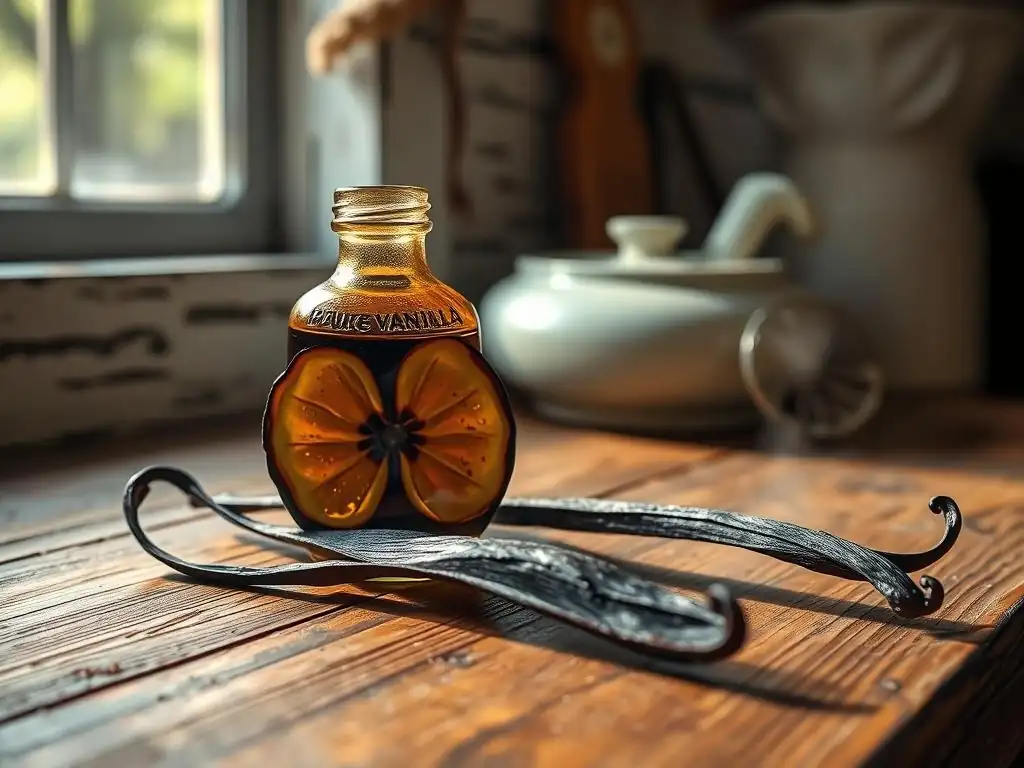
Vanilla beans are the cured seed pods of the vanilla orchid, primarily Vanilla planifolia. They are the natural source of vanilla flavor and are considered the most potent and authentic form of vanilla available for baking. A high-quality vanilla bean should be plump, moist, oily, and flexible, not dry or brittle. The surface may appear slightly wrinkled, and often, tiny, crystalline structures of vanillin, known as "vanilla frost," are visible, indicating good quality and proper curing.
Inside the bean pod are thousands of tiny, black, oily seeds suspended in a vanilla-flavored paste. These seeds, along with the pod itself (which contains a significant amount of flavor), are used to infuse dishes with intense vanilla aroma and flavor. Using vanilla beans provides the full spectrum of natural vanilla compounds, resulting in a richer, more complex taste than even pure vanilla extract, making them the pinnacle in any vanilla extract comparison guide focused on flavor intensity.
Types of Vanilla Beans: Madagascar Bourbon, Tahitian, Mexican
The flavor profile of vanilla beans varies depending on the species of orchid and the region where they are grown and cured. Three of the most common and well-regarded types are Madagascar Bourbon, Tahitian, and Mexican vanilla beans.
- Madagascar Bourbon Vanilla Beans: These are the most widely used and recognized vanilla beans. Grown primarily in Madagascar and other islands in the Indian Ocean (hence "Bourbon," referring to the former name of Réunion island), they are known for their classic, creamy, sweet, and rich vanilla flavor with notes often described as caramel or custard-like. They are versatile and excellent for most baking applications.
- Tahitian Vanilla Beans: Grown in Tahiti and Papua New Guinea, these beans are typically plumper and contain higher oil content than Madagascar beans. Their flavor profile is distinctly different, often described as more floral, fruity, or cherry-like, with less of the classic creamy vanilla note. They are excellent in fruit-based desserts or lighter pastries where their unique aroma can shine.
- Mexican Vanilla Beans: Originating from Mexico, the birthplace of vanilla, these beans offer a smoky, spicy, and sweet vanilla flavor with notes of clove and nutmeg. They are often used in chocolate or cinnamon-spiced dishes, where their warm, slightly smoky profile complements other flavors. Mexican vanilla extract is also available and reflects this unique profile.
Understanding these regional differences is crucial when exploring a comprehensive vanilla extract comparison guide that includes the bean form.
Using Vanilla Beans in Baking: A Step-by-Step Guide
Using vanilla beans requires a bit more effort than pouring extract, but the payoff in flavor and visual appeal is significant. The main method involves extracting the seeds and paste from inside the pod.
How to Scrape Vanilla Beans
- Place the vanilla bean on a clean cutting board.
- Using a sharp paring knife, make a lengthwise slit down the entire bean, but do not cut all the way through to the other side. You want to open it like a book.
- Open the bean and lay it flat.
- Using the back (dull side) of the knife or a spoon, scrape down the length of each half of the bean, gathering the dark, paste-like seeds. These seeds are often referred to as "vanilla caviar."
- Add the scraped seeds and paste directly to your recipe as instructed. Do not discard the scraped pods; they still contain flavor and can be used for infusing liquids or making vanilla sugar.
Making Vanilla Bean Paste
Vanilla bean paste is a convenient alternative to using whole beans, offering the intense flavor and visible specks of beans but in an easy-to-measure paste form. It's typically made by combining vanilla bean seeds and finely ground pods with a thick syrup base (like sugar syrup or glucose), sometimes with a natural thickener.
To make a simple version at home, you can blend scraped vanilla bean pods with a small amount of hot sugar syrup until a thick paste forms, then stir in the scraped seeds. Commercial vanilla bean pastes are widely available and offer a consistent product. They provide a great middle ground in a vanilla extract comparison guide for those seeking bean flavor with less fuss.
Infusing Sugar with Vanilla Beans
A fantastic way to utilize scraped vanilla pods and add a subtle vanilla note to everyday baking is by making vanilla sugar. Simply place the used, scraped vanilla bean pods (ensure they are dry) into a jar of granulated sugar. Seal the jar and let it sit for at least a week, shaking occasionally.
The sugar will gradually absorb the vanilla aroma and flavor from the pods. You can continue adding more scraped pods to the jar over time. Use this vanilla-infused sugar in place of regular sugar in recipes like cookies, cakes, or even coffee or tea. It's a simple way to extend the use of your vanilla beans and add a layer of flavor often missed in a basic vanilla extract comparison guide.
Best Uses for Vanilla Beans in Baking: Custards, ice cream, and recipes where vanilla is the star.
Vanilla beans are best reserved for recipes where their pure, intense flavor and visual appeal can truly shine. They are the absolute gold standard for creamy desserts like crème brûlée, panna cotta, and classic pastry cream (crème pâtissière). The tiny black specks, the "vanilla caviar," not only enhance the flavor but also provide a visual cue of high quality.
Vanilla beans are also essential for making homemade ice cream and gelato, where the cold temperature can mute flavors; the potency of the bean ensures a rich vanilla taste. They are excellent in simple syrups for cocktails or soaking cakes, and for infusing liquids like milk or cream for sauces and fillings. In essence, if the recipe title includes "vanilla bean" or if vanilla is meant to be the dominant flavor, reach for the bean for the ultimate vanilla experience, a key takeaway from this vanilla extract comparison guide.
Pure Vanilla vs. Imitation Vanilla: A Detailed Comparison
Flavor Comparison: Pure vs. Imitation
When conducting a direct vanilla extract comparison, the difference in flavor between pure and imitation is perhaps the most significant factor. Pure vanilla extract offers a complex, nuanced, and deeply aromatic flavor profile. It's smooth, rich, and contains layers of subtle notes beyond just sweetness, contributing to overall flavor harmony in baked goods. Its taste is a result of hundreds of naturally occurring compounds working together.
Imitation vanilla, conversely, provides a much simpler, often harsh, and one-dimensional flavor. It primarily delivers the basic sweet vanilla note derived from synthetic vanillin or ethyl vanillin. It lacks the depth, warmth, and complexity of pure vanilla. When tasted side-by-side, the artificial nature of imitation vanilla is usually quite apparent, especially in delicate recipes. This stark contrast is fundamental to any thorough vanilla extract comparison guide.
Cost Comparison: Pure vs. Imitation vs. Beans
Cost is a major distinguishing factor in this vanilla extract comparison guide. Imitation vanilla extract is by far the most affordable option. A standard 4-ounce bottle of imitation vanilla might cost anywhere from $2 to $5, depending on the brand and retailer. This low cost is due to its synthetic production process, which is inexpensive compared to agriculture.
Pure vanilla extract is significantly more expensive. A 4-ounce bottle of quality pure vanilla extract can range from $10 to $25 or even more, depending on the vanilla bean origin and brand reputation. The price is driven by the labor-intensive farming and curing of vanilla beans, which are susceptible to weather and market fluctuations.
Vanilla beans themselves are the most expensive per unit of flavor. A single high-quality vanilla bean might cost $5 to $10 or more, making them a premium ingredient reserved for special applications. While a bean provides intense flavor, using it in every recipe would be cost-prohibitive for most home bakers.
Baking Performance: How Each Type Affects Your Recipe
The type of vanilla used can impact not just the flavor but also how the vanilla note holds up during baking. Pure vanilla extract, with its complex array of natural compounds, tends to retain its flavor better under heat than imitation vanilla. While some volatile compounds do dissipate, the core flavor profile remains relatively stable, contributing a pleasant vanilla note to the finished baked good.
Imitation vanilla, particularly those relying heavily on synthetic vanillin, can sometimes develop off-flavors or a more pronounced chemical taste when exposed to high baking temperatures. The artificial notes can become harsher or simply fade away, leaving less vanilla flavor than expected. For recipes requiring high heat or long baking times where vanilla is important, pure extract generally performs better, a key point in evaluating different options in a vanilla extract comparison guide.
Vanilla Extract Shelf Life: Storage Tips for Each Type
Proper storage is key to preserving the flavor and potency of your vanilla. Both pure and imitation vanilla extract have a relatively long shelf life due to their alcohol content. Stored in a cool, dark place, away from direct sunlight and heat (like a pantry cupboard, not next to the stove), pure vanilla extract can last for several years, often improving slightly with age as the flavors meld. While it won't necessarily "go bad" in a way that makes you sick, its flavor can diminish over time, usually after 2-3 years opened.
Imitation vanilla extract also has a long shelf life, typically 2-3 years or even longer, when stored correctly. Because its flavor comes from stable synthetic compounds, it is less likely to change significantly over time compared to pure extract. Vanilla beans, however, require more care.
They should be stored in an airtight container (like a glass tube or jar) in a cool, dark place, never in the refrigerator, which can dry them out. Properly stored, beans can remain fresh and pliable for 6-12 months or even longer, though their moisture and flavor can gradually decrease. This storage distinction is relevant in a practical vanilla extract comparison guide.
Vanilla Bean vs. Vanilla Extract: A Detailed Comparison
Flavor Intensity: Beans vs. Extract
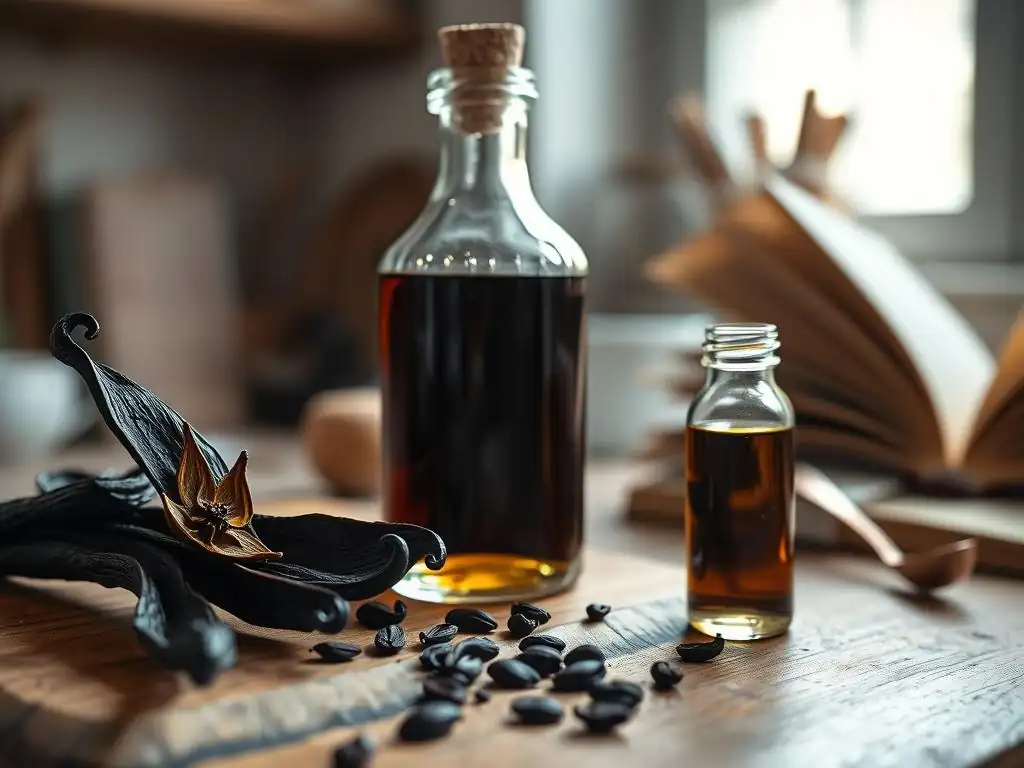
Comparing vanilla beans directly to vanilla extract reveals differences in both intensity and complexity. Vanilla beans offer the most intense and authentic vanilla flavor. When you scrape the seeds and use the pod, you are introducing the full spectrum of natural flavor compounds directly into your dish. This results in a rich, deep, and multi-layered vanilla taste that is often described as more 'true' or 'pure' than extract. The flavor is potent and can stand up well in recipes with other strong ingredients.
Pure vanilla extract, while made from beans, is a diluted form. The extraction process captures many, but not all, of the flavor compounds, and they are suspended in alcohol and water. While high-quality pure extract is complex and far superior to imitation, it generally requires a larger quantity to achieve the same intensity of flavor as using a portion of a vanilla bean. Using vanilla beans also often imparts tiny black specks ("vanilla caviar"), which contribute to the visual appeal and reinforce the perception of intense, natural flavor, a factor often considered in a comprehensive vanilla extract comparison guide.
Cost-Effectiveness: Beans vs. Extract in the Long Run
While a single vanilla bean has a high upfront cost (potentially $5-$10+), evaluating cost-effectiveness requires considering yield and usage. A typical recipe calling for vanilla extract might use 1-2 teaspoons. A 4-ounce bottle of pure extract contains about 24 teaspoons, making the cost per teaspoon roughly $0.40 to $1.00 or more.
Using a vanilla bean is different. A single bean can flavor a significant amount of liquid or batter. For example, one bean might be used to infuse a quart of milk for custard or ice cream, providing a much more intense flavor than several teaspoons of extract.
If the recipe specifically calls for a bean, using it is essential for the intended result, regardless of the higher per-unit cost. Furthermore, scraped pods can be repurposed (e.g., for vanilla sugar or extract), adding value. For recipes requiring intense vanilla flavor or the visual specks, beans can be cost-effective in terms of delivering the desired quality, even if the volumetric cost is higher than extract, a nuance important in a detailed vanilla extract comparison guide.
Ease of Use: Extract's Convenience vs. Bean Preparation
In terms of sheer convenience, vanilla extract is the clear winner in this vanilla extract comparison guide. It's a liquid that can be easily measured and stirred directly into batters, doughs, and liquids. There's no preparation needed beyond opening the bottle and measuring. This makes it ideal for quick baking projects and everyday recipes.
Vanilla beans, however, require preparation. You need to carefully slice the bean and scrape out the seeds, a process that takes a few minutes and a bit of technique. While not difficult, it's more involved than pouring extract. Also, ensuring the seeds are evenly distributed can sometimes be tricky. Vanilla bean paste offers a compromise, providing the bean flavor and specks in an easier-to-measure form than whole beans. The choice between bean and extract often comes down to balancing desired flavor intensity and visual appeal against the convenience factor.
Texture and Visual Appeal: The Impact of Vanilla Beans
Using vanilla beans directly introduces the tiny black seeds, or "vanilla caviar," into your baked goods. These specks provide a visual cue of authentic, high-quality vanilla and add a subtle, pleasant texture, especially noticeable in smooth preparations like custards, ice cream, and sauces. This visual element is often highly prized, particularly in professional baking or when aiming for a gourmet presentation.
Vanilla extract, whether pure or imitation, is a liquid and does not contain these visible seeds (unless it's a specific type of extract that includes suspended ground bean particles, which is less common than clear extract). While it imparts flavor, it doesn't contribute to the texture or provide the distinctive visual speckles associated with using the actual bean. For recipes where that visual appeal and subtle texture are desired, such as classic crème brûlée or vanilla bean ice cream, using the bean is irreplaceable in this vanilla extract comparison guide.
Making Your Choice: Selecting the Right Vanilla for Your Baking Needs
Considering Your Budget
Your budget is a practical factor when choosing between pure vanilla extract, imitation vanilla extract, and vanilla beans. Imitation vanilla is the most budget-friendly option and is suitable for recipes where vanilla is not the dominant flavor or when you are baking in large quantities and cost is a primary concern. It allows you to add a basic vanilla note without significant expense.
Pure vanilla extract represents a moderate investment. While more expensive than imitation, a bottle lasts a long time for typical home baking use, and the improved flavor quality is often worth the cost for many bakers. Vanilla beans are the most expensive per use, making them a premium ingredient. If budget is a major constraint, reserving vanilla beans for special occasions or recipes where their unique qualities are essential is a wise approach. Balancing cost with desired outcome is key in this vanilla extract comparison guide.
Understanding Your Recipe's Requirements
The specific recipe you are making should heavily influence your choice of vanilla. For recipes where vanilla is the star flavor – think vanilla bean ice cream, pastry cream, or a simple vanilla cake – using pure vanilla extract or, ideally, vanilla beans will yield the best results. Their complex, natural flavor will be noticeable and appreciated. If the recipe specifically calls for "vanilla bean," using the bean is crucial for achieving the intended texture and intense flavor.
For recipes with strong competing flavors, like heavily spiced cookies, rich chocolate brownies, or fruit pies, the subtle nuances of pure vanilla might be lost. In these cases, using pure vanilla extract is still preferable for better overall flavor, but imitation vanilla can be a more acceptable substitute if budget is a factor. However, even in these cases, pure vanilla generally provides a cleaner, less artificial finish. Always consider how prominent the vanilla flavor needs to be when consulting a vanilla extract comparison guide.
Prioritizing Flavor Quality
If flavor quality is your top priority, the choice is clear: pure vanilla extract or vanilla beans. Pure vanilla extract offers a significantly richer, more complex, and natural flavor than imitation vanilla. It enhances other ingredients without adding any off-notes. Using vanilla beans provides the most intense, authentic vanilla experience possible, along with desirable visual appeal.
While imitation vanilla is inexpensive, the compromise in flavor quality is substantial. For bakers who care about the taste of their final product, investing in pure vanilla extract is highly recommended. For truly special occasions or recipes where vanilla is paramount, using vanilla beans delivers an unparalleled depth of flavor that justifies the higher cost and effort, making flavor quality a central theme in any comprehensive vanilla extract comparison guide.
Tips for Buying High-Quality Vanilla
When purchasing pure vanilla extract, look for products labeled "Pure Vanilla Extract" and check that the ingredients list only vanilla bean extractives, water, and alcohol. The origin of the beans (like Madagascar, Tahitian, or Mexican) can indicate the flavor profile. While specific brands vary, generally, reputable spice companies or those specializing in baking ingredients offer good quality. Price is often an indicator of quality; extremely cheap "pure" extracts should be viewed with caution.
For vanilla beans, look for beans that are plump, glossy, and flexible. They should feel moist and slightly oily, not dry or brittle. Avoid beans that look shriveled or have a weak aroma. Store them properly once purchased to maintain freshness. Buying from a reputable supplier who specializes in spices or baking ingredients is often a good strategy for finding high-quality beans. Checking reviews and expert recommendations can also help in navigating the options presented in a vanilla extract comparison guide.
Storing Vanilla Properly: Preserving Flavor and Freshness
Best Storage Practices for Vanilla Extract
Proper storage is essential to maintain the quality and potency of both pure and imitation vanilla extract. Both types should be stored in a cool, dark place, away from direct sunlight and heat sources. A pantry cupboard is an ideal location. Avoid storing extract near the oven or on a windowsill, as temperature fluctuations and light exposure can degrade the flavor compounds over time.
Keep the cap tightly sealed when not in use to prevent the alcohol from evaporating, which can concentrate the flavor but also potentially lead to flavor loss or changes. While refrigeration is not necessary and can sometimes cause cloudiness (though this doesn't affect flavor), consistency in temperature is key. Stored correctly, pure extract can last for years, while imitation extract also maintains quality for a significant period, considerations for any vanilla extract comparison guide focused on value over time.
Properly Storing Vanilla Beans
Storing vanilla beans correctly is crucial to prevent them from drying out and losing their precious flavor and pliability. The best method is to store them in an airtight container in a cool, dark place, such as a pantry. Glass tubes with tight-fitting caps, small glass jars with sealed lids, or even vacuum-sealed bags are excellent options.
Never store vanilla beans in the refrigerator, as the dry, cold air can quickly cause them to become brittle and lose their moisture and aroma. If your beans seem a bit dry, you can sometimes rehydrate them slightly by briefly steaming them or placing them in a sealed container with a damp paper towel for a day or two (be careful not to introduce mold). Checking your beans periodically and ensuring their storage container remains sealed is the best way to preserve their quality for months, a vital tip in this vanilla extract comparison guide for bean users.
Frequently Asked Questions
What are the key differences between pure vanilla extract, imitation vanilla extract, and vanilla beans?
Pure vanilla extract is made by steeping vanilla beans in alcohol, while imitation vanilla uses synthetic vanillin for flavor. Vanilla beans are the whole, dried fruit of the vanilla orchid.
Why is pure vanilla extract generally more expensive than imitation vanilla extract?
The higher cost of pure vanilla extract is due to the labor-intensive process of growing and curing vanilla beans, as well as the natural ingredients used. Imitation vanilla is cheaper to produce.
When is it acceptable to use imitation vanilla extract in baking?
Imitation vanilla can be used in recipes where the vanilla flavor is subtle or heavily masked by other ingredients, such as in chocolate cakes or cookies.
How should vanilla beans be stored to maintain their freshness and flavor?
Vanilla beans should be stored in an airtight container in a cool, dark place. Avoid refrigeration, as this can dry them out.
What are some specific baking applications where using pure vanilla extract or vanilla bean is strongly recommended?
For recipes where vanilla is the star ingredient, like vanilla bean ice cream or vanilla custard, using pure vanilla extract or vanilla bean is highly recommended for the best flavor profile.
Final Reflection: The Enduring Allure of Authentic Vanilla
The quest for the perfect vanilla flavor transcends mere culinary preference; it's a journey into the heart of authenticity and the impact of industrialization on our food. From the painstaking cultivation of the vanilla orchid to the deceptive ease of artificial substitutes, the choices we make in our kitchens reveal a deeper story about our values and our relationship with the natural world. The differences between pure vanilla extract, imitation vanilla, and vanilla bean paste are not simply matters of taste; they are reflections of our commitment to quality, sustainability, and the preservation of traditional craftsmanship.
The enduring popularity of vanilla, despite the availability of cheaper alternatives, speaks volumes about our innate desire for genuine flavor and experience. This pursuit of authenticity isn't just a foodie trend; it's a reflection of a growing awareness of the environmental and social costs associated with mass-produced, artificial ingredients. The best things in life are worth waiting for,
a sentiment that rings particularly true when considering the complex journey of a single vanilla bean from blossom to bottle. This journey, often overlooked, deserves our appreciation and respect.
Consider your own kitchen. What choices do you make when selecting vanilla? Do you prioritize convenience over quality? Are you willing to invest in the superior flavor and sustainability of pure vanilla extract or vanilla bean paste? I urge you to reflect on these questions, and to make conscious choices that support both your palate and the planet. The next time you bake, remember the story behind your vanilla, and savor the difference that authenticity makes.
Unlock the Secrets of Vanilla: Elevate Your Baking Today!
Thanks for taking the time to explore the wonderful world of vanilla with us! We hope you now feel more confident in choosing the perfect vanilla for your next baking masterpiece. Ready to put your new knowledge into practice?
- Bake something amazing! Use your newfound vanilla expertise to whip up your favorite recipe – and notice the difference. Is it a subtle enhancement, or a complete transformation?
- Share your vanilla creations! Show off your baking prowess and inspire others on social media. Use #BakeWithEaseVanilla to connect with our community.
- Dive deeper into vanilla: Explore other articles on our site to discover even more fascinating facts and recipes featuring this versatile ingredient.
What unique flavor profile will you create with your newfound vanilla knowledge? Let us know in the comments below!