
The Invisible Enemy: Preventing CrossContamination in Your Home Kitchen

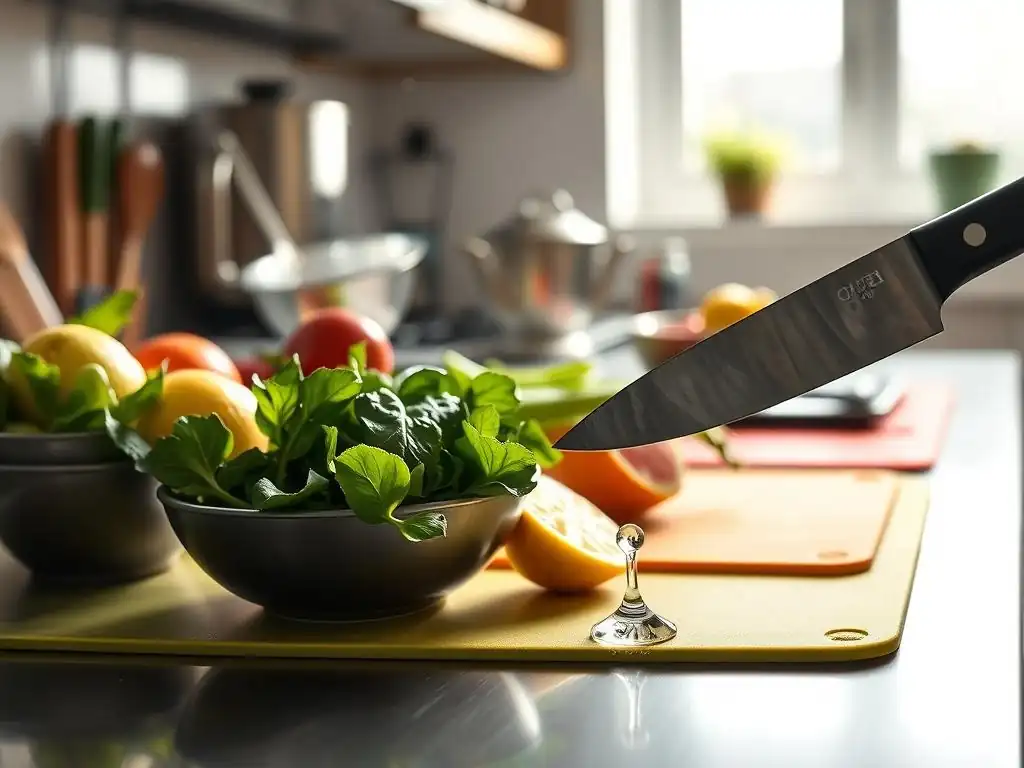
Welcome to BakeWithEase, where we empower you to create delicious baked goods with confidence! Ever wondered if your baking space is truly safe? This week, we're diving deep into preventing cross-contamination in home baking, a crucial but often overlooked aspect of creating treats that are both delightful and safe for everyone. Discover how to protect your creations, and your loved ones, from hidden dangers. Read on to unlock the secrets to a cleaner, healthier baking experience!
- Introduction: Protecting Your Baked Goods from Cross-Contamination
- Identifying Common Sources of Cross-Contamination in Your Kitchen
- Essential Tools and Techniques for Preventing Cross-Contamination in Home Baking
- Specific Cross-Contamination Scenarios in Baking and How to Avoid Them
- Advanced Strategies for Maintaining a Safe Baking Environment
- The Role of Proper Food Handling in Preventing Cross-Contamination During Baking
- Conclusion: Baking with Confidence Through Effective Cross-Contamination Prevention
-
Frequently Asked Questions
- How can I prevent cross-contamination when baking at home?
- What are the most common allergens I need to be aware of to avoid cross-contamination?
- What's the best way to clean my baking tools to eliminate allergen residue?
- Can I use the same oven for both regular baking and gluten-free baking?
- How important is it to label ingredients and baked goods clearly?
- Final Reflection: The Ever-Present Battle Against Cross-Contamination
- Unleash Your Kitchen's Germ-Fighting Power!
Introduction: Protecting Your Baked Goods from Cross-Contamination
Why Preventing Cross-Contamination Matters for Home Bakers
For anyone who loves to bake at home, whether it's for family, friends, or perhaps even a small home baking business, the quality and safety of your creations are paramount. Preventing cross-contamination home baking isn't just about following rules; it's about protecting yourself, your loved ones, and your customers from potential foodborne illnesses. Even the most delicious cake or loaf of bread can become a source of trouble if harmful bacteria, allergens, or other contaminants are accidentally transferred from one food item or surface to another.
Understanding the importance of preventing cross-contamination home baking empowers you to create in a safer environment. Food poisoning can cause unpleasant symptoms like nausea, vomiting, and diarrhea, and in severe cases, can lead to serious health complications requiring hospitalization. By adopting simple yet effective food safety practices, you minimize these risks significantly, ensuring that your baked goods are not only delightful but also safe to eat. This proactive approach builds confidence in your baking and trust among those who enjoy your treats.
Understanding the Risks of Cross-Contamination in Baking
Cross-contamination occurs when harmful microorganisms or allergens are transferred from one food item or surface to another, often unknowingly. In the context of home baking, this could involve transferring bacteria from raw meat handled earlier in the kitchen, allergens like nuts from a cutting board, or even cleaning chemicals left on a counter. The risks are real: according to the Centers for Disease Control and Prevention (CDC), approximately 1 in 6 Americans (48 million people) get sick from foodborne illness each year, and many of these cases originate in home kitchens.
While baking itself, particularly the heat of the oven, often kills bacteria present in batters or doughs, the risk lies in contamination after baking or introducing contaminants during the preparation phase that survive or thrive on surfaces and other ingredients. Flour, for instance, can sometimes contain harmful bacteria like E. coli, picked up during processing. Raw eggs are another common source of Salmonella. Preventing cross-contamination home baking means being vigilant about every step of the process, from ingredient handling to the final cooling and storage of your baked goods.
Identifying Common Sources of Cross-Contamination in Your Kitchen
Raw Meats and Poultry: A Major Contamination Risk
Raw meats and poultry are notorious carriers of harmful bacteria such as Salmonella, E. coli, and Campylobacter. While you might not be adding raw chicken to your cookie dough, the surfaces, utensils, and even your hands that come into contact with these items can easily transfer pathogens to your baking area if not handled with extreme care. Imagine preparing dinner with raw chicken on a cutting board, then later using the same board (even if rinsed) for rolling out pie crust without proper sanitization – this is a classic pathway for cross-contamination.
Even unseen drips or splashes from packaging or during preparation can spread bacteria across countertops. Studies have shown that bacteria from raw meat can survive on surfaces for varying lengths of time, waiting to hitch a ride onto your clean baking tools or ingredients. Preventing cross-contamination home baking requires treating raw meat handling as a completely separate activity, ideally in a different area or at a different time, followed by rigorous cleaning and sanitizing of all touched surfaces and tools.
Unwashed Produce and Baking Ingredients
Fruits and vegetables, while essential ingredients in many baked goods like pies or muffins, can carry bacteria from the soil or handling during transportation. Pathogens like Listeria monocytogenes or different strains of E. coli can be present on the surface of produce. If you chop unwashed apples for a pie and then use the same knife or cutting board without cleaning for your dough preparation, you risk transferring these contaminants.
Furthermore, dry ingredients often used in baking, such as flour, sugar, and spices, can sometimes harbor bacteria. Flour, for example, is a raw agricultural product and has been linked to E. coli outbreaks. While baking typically kills these bacteria, tasting raw dough or batter made with contaminated flour is a risk. Preventing cross-contamination home baking involves washing produce thoroughly under running water and being mindful of how you handle all ingredients, keeping them separate from potential contaminants.
Cleaning Cloths and Sponges: Breeding Grounds for Bacteria
Ironically, the very tools we use to clean our kitchens can become significant sources of cross-contamination if not managed properly. Damp cleaning cloths and sponges are ideal environments for bacteria to multiply rapidly. Using a sponge that was just used to wipe up a raw meat juice spill to then wipe down the counter where you plan to knead bread dough is a direct route for transferring pathogens. Research has indicated that kitchen sponges can harbor millions of bacteria per square inch, often containing more germs than a toilet seat.
To effectively contribute to preventing cross-contamination home baking, cleaning cloths should be washed frequently (daily in hot water or bleached) and sponges should be replaced often (weekly is a good guideline) or sanitized regularly (e.g., by microwaving a damp sponge for one minute, though be cautious). Using separate cloths for different tasks – one for general surfaces, one specifically for spills from raw foods – can also help mitigate this risk. Disposable paper towels are often the safest option for cleaning up after handling raw meats.
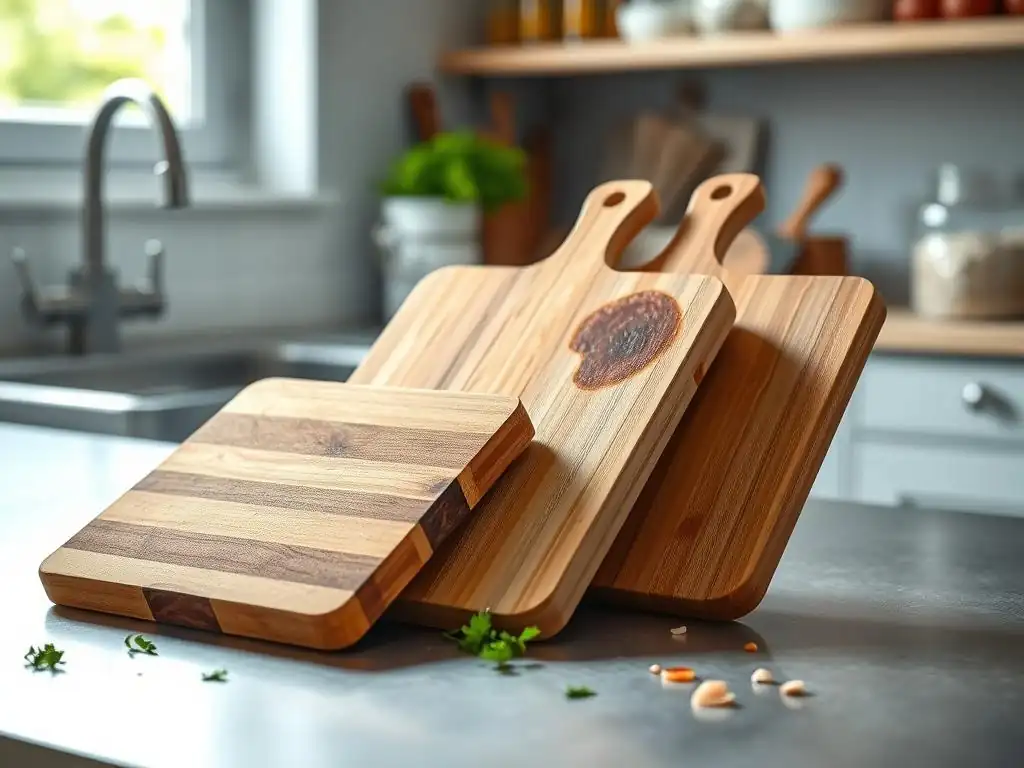
Cutting boards, especially those made of porous materials like wood or those with deep knife cuts, can trap bacteria and become difficult to clean effectively. Using the same cutting board for chopping raw chicken and then slicing baked brownies without thorough cleaning and sanitizing in between is a high-risk activity for preventing cross-contamination home baking. Even seemingly clean boards can harbor invisible pathogens within surface scratches.
While both plastic and wood cutting boards have pros and cons regarding bacterial retention, the key is proper cleaning and sanitizing. Plastic boards can often be run through a dishwasher on a hot cycle, which helps sanitize. Wooden boards require thorough washing with hot, soapy water and potentially a sanitizing solution (like a diluted bleach solution, following safe guidelines) and must be allowed to air dry completely. Having designated boards for different food types is a crucial strategy.
Improper Food Storage and Its Impact on Baking Safety
How you store ingredients and finished baked goods plays a critical role in preventing cross-contamination home baking. Storing raw foods, particularly meats or poultry, above ready-to-eat items like fresh produce, cheese, or even cooling baked goods in the refrigerator allows juices containing bacteria to drip down and contaminate the items below. This is a common cause of foodborne illness.
Proper storage involves using airtight containers to prevent the spread of odors and potential contaminants, and arranging items in the refrigerator with raw meats and poultry on the bottom shelf. Cooked foods and ready-to-eat items should be stored above. Keeping baking ingredients like flour, sugar, and nuts in sealed containers also protects them from pests and environmental contaminants. Adhering to safe storage temperatures (refrigeration below 40°F/4°C) also slows bacterial growth.
Essential Tools and Techniques for Preventing Cross-Contamination in Home Baking
Color-Coded Cutting Boards: A Simple Yet Effective Solution
Implementing a system of color-coded cutting boards is a straightforward yet highly effective method for preventing cross-contamination home baking, borrowed from professional kitchens. Assigning specific colors to different food categories dramatically reduces the chance of transferring pathogens or allergens. For example, you might use a red board exclusively for raw meats, a green board for vegetables and fruits, a blue board for fish, and a white board for dairy, bread, or ready-to-eat items like cooled pastries.
This visual system makes it easy to ensure you are using the correct board for the task at hand. Even if you handle raw meat, knowing that your green board for vegetables and your white board for finished baked goods have not come into contact with it provides a significant layer of safety. This approach minimizes the risk of bacteria from raw proteins or soil from produce ending up in your delicate batters or on your cooling racks, greatly enhancing your ability to prevent cross-contamination home baking.
Dedicated Utensils for Different Food Groups
Just like cutting boards, using dedicated utensils for different stages of the baking process or different food types reinforces your efforts in preventing cross-contamination home baking. This means having separate spatulas, spoons, and mixing bowls for handling raw ingredients (like cracking eggs or mixing a wet marinade for a savory pastry) versus those used for combining dry ingredients, mixing batters, or handling finished baked goods.
Consider having a set of utensils specifically for handling raw components or potential allergens before moving on to the main mixing. For instance, if you're making a recipe with nuts and also a nut-free version, using entirely separate sets of measuring cups, bowls, and spatulas for each prevents allergen transfer. This simple practice eliminates potential pathways for bacteria or allergens to spread from one item to another, making your kitchen safer for everyone, especially those with allergies.
The Importance of Thorough Handwashing in Baking
Proper handwashing is arguably the single most important step in preventing cross-contamination home baking. Your hands come into contact with everything – ingredients, tools, surfaces, and even your face or hair. Washing your hands removes transient bacteria and viruses that can easily be transferred to food. It's not enough to just rinse; thorough washing with soap and warm water is crucial.
The recommended technique is to lather your hands with soap and warm water for at least 20 seconds, scrubbing the backs of your hands, between your fingers, and under your nails. Rinse well and dry with a clean towel or paper towel. You should wash your hands before starting any baking task, after handling raw ingredients (like eggs or unwashed produce), after touching your face, hair, or clothing, after using the restroom, and any time your hands might have become contaminated. Consistent hand hygiene is fundamental to preventing cross-contamination home baking effectively.
Effective Cleaning and Sanitizing Procedures for Baking Equipment
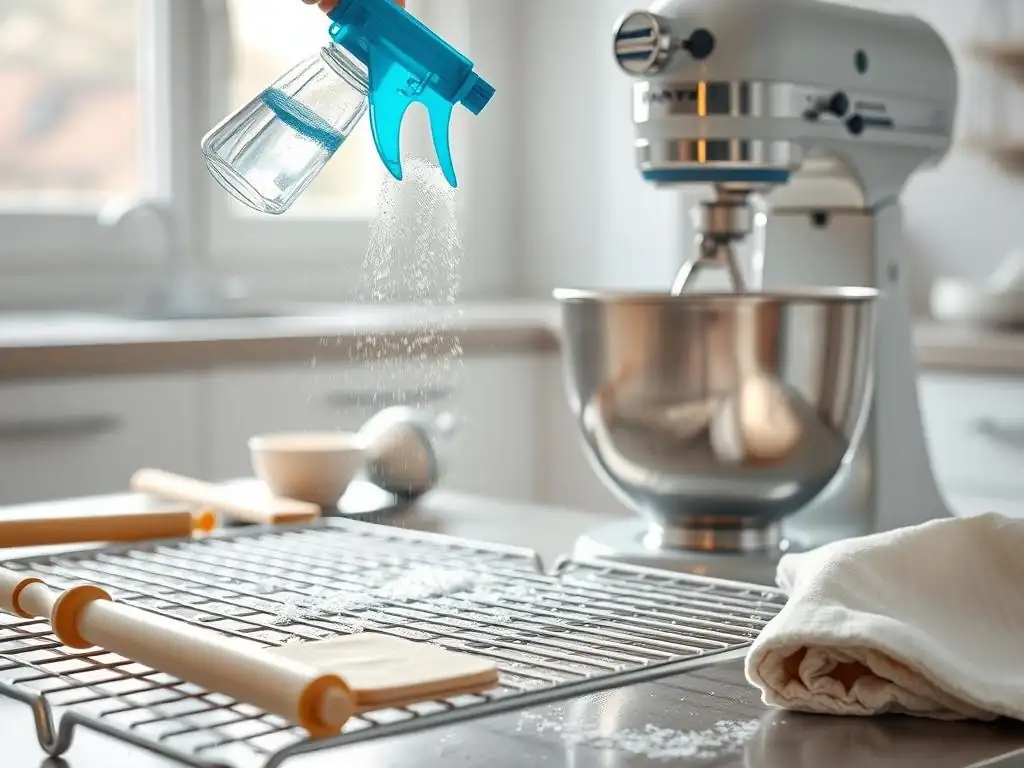
Cleaning removes visible dirt and food particles, but sanitizing is necessary to reduce harmful bacteria to safe levels. Both are vital for preventing cross-contamination home baking. After using any equipment – bowls, whisks, spatulas, measuring cups, cutting boards – they should be promptly washed with hot, soapy water. Scrub away all food residue, rinse thoroughly, and then proceed to sanitize.
Sanitizing can be done using a chemical sanitizer (like a diluted bleach solution, ensuring it's safe for food contact surfaces and following instructions precisely) or through heat (e.g., running items through a dishwasher on a sanitize cycle, if available, or immersing them in hot water above 171°F/77°C for at least 30 seconds). Allowing equipment to air dry after washing and sanitizing is preferable to using towels, which can reintroduce bacteria. Regular cleaning and sanitizing of all baking tools are non-negotiable steps in preventing cross-contamination home baking.
Safe Food Storage Practices to Avoid Cross-Contamination
Implementing strict food storage rules is essential for preventing cross-contamination home baking from raw ingredients or previously prepared foods. Always store raw meats, poultry, and seafood on the lowest shelves of your refrigerator, preferably in sealed containers or on trays to catch any drips. This ensures that juices containing harmful bacteria cannot contaminate ready-to-eat foods or baking ingredients stored below.
Keep baking ingredients like flour, sugar, nuts, and spices in airtight containers in a cool, dry place to protect them from moisture, pests, and environmental contaminants. Once baked, cool perishable items like cheesecakes or cream-filled pastries quickly and store them in the refrigerator in sealed containers. Understanding and practicing safe storage temperatures and arrangements significantly reduces the risk of bacteria spreading and is a cornerstone of preventing cross-contamination home baking.
Specific Cross-Contamination Scenarios in Baking and How to Avoid Them
Preventing Cross-Contamination When Baking Gluten-Free Treats
For individuals with celiac disease or severe gluten sensitivity, even tiny amounts of gluten can cause serious health issues. Preventing cross-contamination home baking is absolutely critical in a shared kitchen where both gluten and gluten-free items are prepared. Gluten can linger on surfaces, in airborne flour particles, or on utensils, even after seemingly adequate cleaning.
To ensure truly gluten-free results, dedicated equipment is highly recommended – separate mixing bowls, spatulas, baking pans, and even a separate toaster if applicable. If dedicated equipment isn't feasible, rigorous cleaning is mandatory: wash all shared items thoroughly, then sanitize them. Wipe down all surfaces that may have come into contact with gluten-containing flour or crumbs. It's often safest to prepare gluten-free items first, before any gluten-containing baking takes place, and use fresh, uncontaminated ingredients. This diligence is paramount for preventing cross-contamination home baking for those with gluten sensitivities.
Handling Allergens: Nuts, Dairy, and Other Common Baking Allergies
Allergen cross-contamination in baking can be life-threatening for individuals with severe allergies. Common baking allergens include nuts (peanuts, tree nuts), dairy, eggs, soy, and wheat. Preventing cross-contamination home baking when dealing with allergens requires meticulous attention to detail to avoid transferring even trace amounts from one food item or surface to another.
If you are baking for someone with an allergy, read all ingredient labels carefully, as allergens can be hidden in unexpected places (e.g., soy in shortening, nuts processed on shared equipment). Use completely separate, clean, and sanitized equipment (bowls, mixers, pans, utensils) for allergen-free baking. Clean all surfaces thoroughly before starting. Wash your hands meticulously after handling allergens and before touching allergen-free ingredients or equipment. Clearly label allergen-free baked goods to avoid confusion. This rigorous approach is essential for preventing cross-contamination home baking and ensuring the safety of those with allergies.
Avoiding Cross-Contamination with Raw Eggs in Baking
Raw eggs can carry Salmonella bacteria, which can cause severe food poisoning. While many baking recipes involve eggs that are cooked thoroughly, some recipes for glazes, mousses, or certain icings may use raw or lightly cooked eggs. Handling raw eggs requires caution to prevent bacteria from spreading to other ingredients or surfaces, undermining your efforts in preventing cross-contamination home baking.
Crack eggs into a separate bowl before adding them to your main mixture to check for shells or blood spots and to avoid contaminating the whole batch if an egg is spoiled. Immediately wash any surfaces, bowls, or utensils that came into contact with raw egg. Wash your hands thoroughly after handling eggs. If a recipe calls for raw eggs that won't be heated sufficiently to kill bacteria, consider using pasteurized eggs or an egg substitute specifically designed for safe consumption without cooking to enhance preventing cross-contamination home baking.
Working with Spices and Flavors: Keeping Them Separate and Safe
While less commonly discussed than raw meat or allergens, spices and flavorings can also be potential sources of contamination or allergen transfer if not handled carefully. Spices can sometimes carry low levels of bacteria, and flavored extracts or powders might contain allergens as ingredients or through processing. Dipping a measuring spoon directly into a spice jar after it's touched raw batter or another ingredient can introduce contaminants into the entire container.
A simple best practice for preventing cross-contamination home baking when using spices and extracts is to pour the required amount into a separate small dish or onto a piece of parchment paper before adding it to your main mixture. This prevents contaminating the original container if your measuring tool isn't perfectly clean. Similarly, use clean measuring spoons for each different spice or flavor required in a recipe. This mindful approach helps maintain the purity of your ingredients and supports overall preventing cross-contamination home baking efforts.
Advanced Strategies for Maintaining a Safe Baking Environment
Implementing a "Clean as You Go" Approach
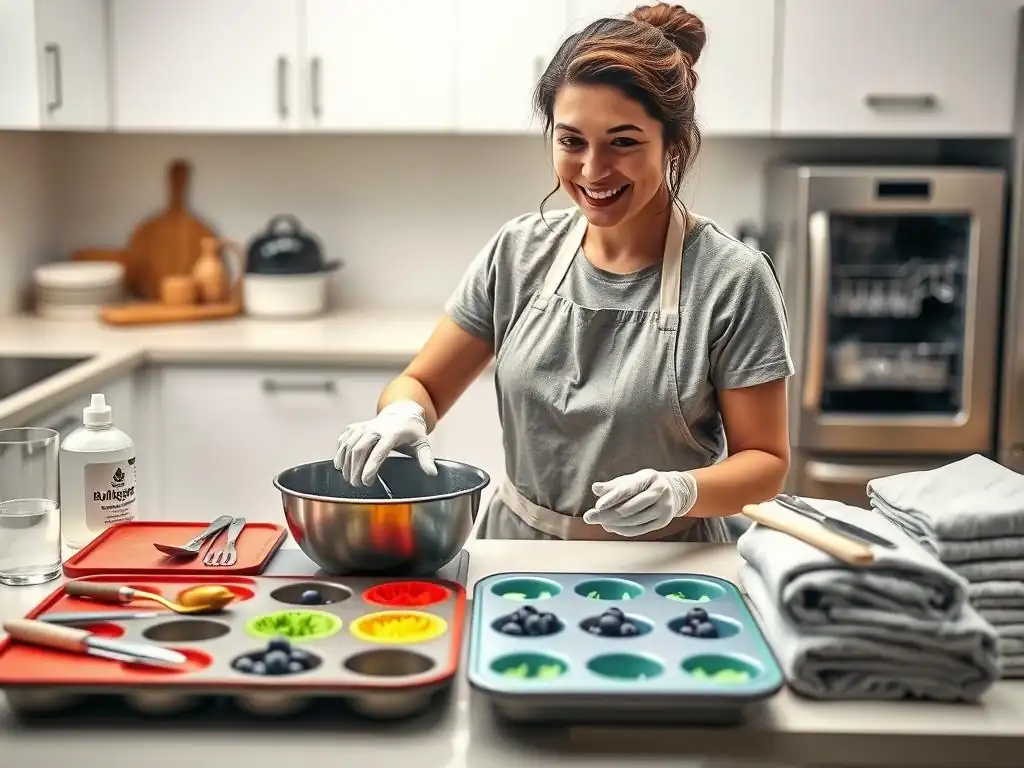
Adopting a "clean as you go" philosophy is a highly effective advanced strategy for preventing cross-contamination home baking. Instead of letting dirty dishes, used tools, and ingredient spills accumulate during the baking process, tackle them immediately. Wipe up spills as they happen, wash or place used utensils in the dishwasher right away, and put away ingredients as soon as you're done with them.
This practice minimizes the time bacteria or allergens have to spread on surfaces and reduces the overall workload at the end of your baking session. It keeps your workspace clear and organized, making it easier to avoid accidentally placing clean items on contaminated surfaces. By maintaining a tidy environment throughout the process, you significantly enhance your ability to prevent cross-contamination home baking consistently.
Creating Dedicated Workspaces for Different Baking Tasks
In a home kitchen, space can be limited, but if possible, designate specific areas for different types of food preparation. For example, use one section of your counter exclusively for handling raw ingredients (like cracking eggs or washing produce) and another section for mixing batters, kneading dough, and cooling finished baked goods. This physical separation is a powerful tool for preventing cross-contamination home baking.
If you have multiple counters, assign one as your "raw zone" and another as your "clean zone." If you only have one main counter, perform raw ingredient tasks first, thoroughly clean and sanitize the area, and then proceed with mixing and finishing your baked goods. This systematic approach minimizes the overlap between potentially contaminated areas and those requiring a high level of cleanliness for safe baking.
Regular Equipment Maintenance and Cleaning Schedules
Beyond cleaning immediately after use, establishing a regular schedule for deeper cleaning and maintenance of your baking equipment and kitchen helps in preventing cross-contamination home baking over the long term. This includes cleaning items that aren't used for direct food contact but can still harbor germs, such as oven interiors, mixer exteriors, appliance handles, and pantry shelves where ingredients are stored.
Schedule monthly deep cleans for your mixer attachments, cleaning out crevices where dough or batter might hide. Wipe down the inside of your oven to prevent old spills from smoking or potentially contaminating future bakes. Regularly clean and sanitize your refrigerator shelves and drawers, especially where ingredients are stored. Maintaining a clean kitchen environment consistently is key to successful preventing cross-contamination home baking.
Training Family Members on Food Safety Practices in the Kitchen
A home kitchen is often a shared space, and everyone who uses it needs to be aware of and practice good food safety habits to support preventing cross-contamination home baking. If other family members prepare meals, snacks, or handle raw foods, their practices can impact the safety of the environment you use for baking. Educating your household on basic food safety principles is a crucial, albeit sometimes challenging, advanced strategy.
Discuss the importance of handwashing, using separate cutting boards, and proper storage with your family. Lead by example with your own meticulous habits. Encourage them to clean up after themselves and be mindful of cross-contamination risks. A collective effort in maintaining kitchen hygiene strengthens the overall safety of your home baking environment and reinforces the principles of preventing cross-contamination home baking for everyone.
The Role of Proper Food Handling in Preventing Cross-Contamination During Baking
Understanding Temperature Danger Zones
Bacteria multiply most rapidly in what is known as the "temperature danger zone," which is typically between 40°F and 140°F (4°C and 60°C). Keeping perishable ingredients and baked goods out of this temperature range is crucial for preventing bacterial growth and thus preventing cross-contamination home baking from multiplying microorganisms. Ingredients like milk, cream, cheese, and eggs should be refrigerated promptly.
While baking itself involves high temperatures that kill bacteria, cooling and storing baked goods correctly is also vital. Leaving items like cheesecakes, cream pies, or anything with dairy or egg fillings out at room temperature for extended periods allows any residual bacteria or newly introduced contaminants to multiply quickly. The general guideline is the "two-hour rule" – perishable foods should not be left at room temperature for more than two hours (or one hour if the ambient temperature is above 90°F/32°C). Understanding and respecting the temperature danger zone is fundamental to preventing cross-contamination home baking related to bacterial growth.
Safe Thawing Practices for Baking Ingredients
Improperly thawing ingredients can also create opportunities for bacterial growth and cross-contamination. Thawing perishable items like frozen fruits, butter, or even doughs at room temperature allows the outer layers to enter the temperature danger zone while the inside remains frozen, providing a perfect environment for bacteria to multiply. This increases the risk of introducing harmful levels of bacteria into your baking.
The safest methods for thawing ingredients involve planning ahead. Thawing in the refrigerator is the safest method, as it keeps the item at a consistently cold temperature (below 40°F/4°C). Alternatively, you can thaw items in a watertight bag submerged in cold water, changing the water every 30 minutes, or use the microwave's defrost setting, but if using the microwave, you should cook or use the ingredient immediately afterward. Avoiding thawing on the counter is a key practice for preventing cross-contamination home baking risks associated with temperature abuse.
Cooling and Storing Baked Goods to Prevent Bacterial Growth
Once your delicious creations are out of the oven, proper cooling and storage are the final steps in ensuring their safety and preventing cross-contamination home baking after the heat has done its job. Baked goods that are perishable, containing ingredients like dairy, eggs, or fresh fruit (e.g., cheesecakes, custards, cream puffs, fruit pies), need to be cooled quickly and then refrigerated.
Allow these items to cool at room temperature only until they stop steaming or are just warm to the touch, usually no more than one to two hours. Then, cover them tightly or place them in airtight containers and refrigerate.
Non-perishable items like bread, cookies, and most cakes can be stored at room temperature, but ensure they are stored in clean containers or wrapped properly to prevent them from becoming contaminated by environmental factors or pests. Proper cooling and storage procedures are the last line of defense in preventing cross-contamination home baking and maintaining the quality and safety of your finished products.
Conclusion: Baking with Confidence Through Effective Cross-Contamination Prevention
Recap of Key Strategies for a Safe Baking Environment
Mastering the art of preventing cross-contamination home baking involves a combination of awareness, good habits, and practical strategies. We've covered the critical importance of understanding the risks posed by bacteria, allergens, and other contaminants found in the kitchen. Key practices include meticulous handwashing, using dedicated or thoroughly cleaned and sanitized equipment (like color-coded cutting boards and separate utensils), and implementing proper food storage techniques to keep raw ingredients away from ready-to-eat items.
Furthermore, adopting a "clean as you go" mentality, creating dedicated workspaces, and following safe handling practices for specific ingredients like raw eggs or potential allergens are vital steps. Even advanced strategies like regular equipment maintenance and educating your household contribute to a safer baking environment. By consistently applying these methods, you build a strong defense against the invisible enemy of cross-contamination, ensuring your kitchen is a safe space for creativity.
Resources for Further Learning About Food Safety in Home Baking
Staying informed about food safety best practices is an ongoing process. Numerous reputable sources offer detailed guidance on preventing cross-contamination home baking and general kitchen hygiene. Government food safety agencies often provide free resources, guidelines, and helplines.
Looking for information from organizations focused on food safety education can provide deeper insights into specific risks and prevention methods relevant to home food preparation. These resources can offer updated guidelines, tips for specific food types, and answers to common questions, empowering you to continuously improve your food safety practices.
Enjoy Safe and Delicious Baking with BakeWithEase
Preventing cross-contamination home baking is an essential ingredient in creating truly wonderful and safe baked goods. It might seem like a lot to consider at first, but incorporating these practices into your routine will soon make them second nature. Think of them as just another step in the recipe for success!
By being mindful of potential risks and implementing the strategies discussed, you can bake with confidence, knowing that you are protecting yourself and those who enjoy your treats. At BakeWithEase, we believe that baking should be a joyful and safe experience. Keep practicing safe habits, explore new recipes, and enjoy every delicious moment in your kitchen!
Frequently Asked Questions
How can I prevent cross-contamination when baking at home?
Preventing cross-contamination involves using separate equipment and ingredients for different recipes, especially when dealing with allergens or ingredients like raw meats. Thoroughly clean and sanitize all surfaces and tools after each use.
What are the most common allergens I need to be aware of to avoid cross-contamination?
Common allergens include gluten, nuts, dairy, soy, and eggs. Carefully read ingredient labels and ensure your equipment hasn't come into contact with these if you are baking for someone with allergies.
What's the best way to clean my baking tools to eliminate allergen residue?
Use hot, soapy water and scrub thoroughly. For extra precaution, consider using a dedicated set of tools specifically for allergen-free baking. A dishwasher can also be effective for sanitizing.
Can I use the same oven for both regular baking and gluten-free baking?
Yes, but be extremely cautious. Thoroughly clean the oven between uses to remove any gluten crumbs or residue. Consider using parchment paper or separate baking sheets for gluten-free items.
How important is it to label ingredients and baked goods clearly?
Labeling is absolutely crucial, especially when sharing baked goods. Clearly identify any potential allergens or ingredients that may cause a reaction. This helps protect those with allergies or dietary restrictions.
Final Reflection: The Ever-Present Battle Against Cross-Contamination
The fight against cross-contamination isn't just about avoiding a stomach ache; it's about safeguarding the health and well-being of your loved ones. A seemingly small oversight in the kitchen can have significant consequences, especially for vulnerable individuals. This article highlighted the often-invisible dangers lurking in our kitchens, emphasizing the importance of proactive measures to prevent the spread of harmful bacteria and allergens.
The impact of understanding and implementing proper cross-contamination prevention techniques extends far beyond the individual home. It influences our collective food safety, contributing to a healthier society. The simple act of washing hands thoroughly, sanitizing surfaces, and properly storing food becomes a powerful act of preventative care. Food safety is not just a matter of avoiding illness; it's a matter of respecting the food we eat and the people we share it with.
This simple truth underscores the profound impact of even the smallest changes in our kitchen habits.
Now, consider your own kitchen. What small adjustments can you make today to bolster your defenses against cross-contamination? Perhaps it's investing in a dedicated cutting board for raw meats, or committing to a more rigorous handwashing routine. Take a moment to assess your current practices, and let the knowledge gained from this article empower you to create a safer, healthier environment for yourself and your family. The invisible enemy can be defeated, one mindful action at a time.
Unleash Your Kitchen's Germ-Fighting Power!
Thanks for taking the time to learn about preventing cross-contamination in your kitchen! You've now got the knowledge to create a safer, healthier cooking space. Ready to put your new skills into action?
- Prioritize your cutting board cleaning: Designate separate boards for raw meats and produce, and clean them thoroughly after each use. This is the single most impactful change you can make.
- Share this crucial information with your friends and family – a safer kitchen is a happier, healthier one for everyone!
- Challenge yourself to identify three hidden cross-contamination risks in your own kitchen tonight. Then, brainstorm solutions!
Ready to transform your kitchen into a germ-free zone? Let's hear your thoughts and experiences in the comments below!