
The Best Fillings for Your Layer Cake and How to Use Them

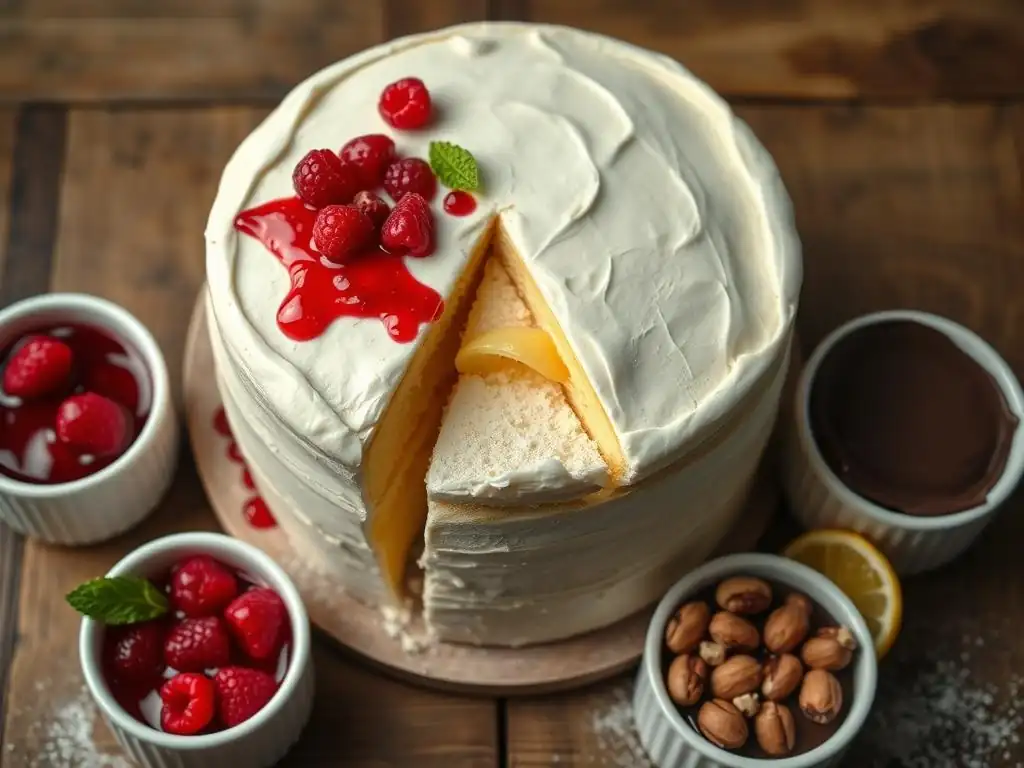
Welcome to BakeWithEase, your essential guide to baking bliss! Ever wondered what truly elevates a layer cake from good to spectacular? Dive into our article, "The Best Fillings for Your Layer Cake and How to Use Them," where we unlock the secrets to creating luscious and unforgettable layer cake filling recipes. Discover the perfect textures, flavors, and techniques to transform your next baking project. Are you ready to create a cake masterpiece? Let's get started!
- The Best Fillings for Your Layer Cake and How to Use Them - BakeWithEase
- Introduction: Elevate Your Layer Cake with Delicious Fillings
- Exploring Popular Layer Cake Filling Recipes
- Beyond the Basics: Unique Layer Cake Filling Ideas
- How to Properly Fill a Layer Cake: Step-by-Step Guide
- Tips and Tricks for Perfect Layer Cake Filling Application
- Troubleshooting Common Layer Cake Filling Problems
- Layer Cake Filling Recipes: Inspiration and Combinations
- Conclusion: Mastering the Art of Layer Cake Fillings with BakeWithEase
-
Frequently Asked Questions
- What are some popular types of layer cake filling recipes that BakeWithEase offers?
- How can I ensure my layer cake filling doesn't make the cake soggy?
- What's the best way to evenly spread filling between layer cake layers?
- How far in advance can I fill my layer cake before serving it?
- Where can I find specific "Layer cake filling recipes" on BakeWithEase.com?
- Final Reflection: The Sweet Symphony of Layer Cake Fillings
- Unleash Your Inner Cake Artist: Create Your Masterpiece!
The Best Fillings for Your Layer Cake and How to Use Them - BakeWithEase
Introduction: Elevate Your Layer Cake with Delicious Fillings
Why Layer Cake Filling Matters: Beyond Just Cake
The filling in a layer cake is far more than just the sweet glue holding the layers together. It's a critical component that contributes significantly to the cake's overall flavor profile, texture, and even structural integrity. A well-chosen layer cake filling can add moisture to slightly drier cake layers, provide a contrasting texture – think a smooth cream cheese against a tender sponge – and introduce complementary or contrasting flavors that elevate the entire dessert experience. Without a thoughtful filling, a layer cake can feel incomplete, like a beautiful canvas missing its vibrant colors.
Consider the role of moisture: some cake recipes, particularly those high in flour, can lean towards the drier side. A creamy or fruity layer cake filling not only adds delicious taste but also infuses moisture into the cake layers over time, resulting in a more tender and enjoyable bite. Texture is another key player; imagine the delightful contrast of a fluffy mousse filling sandwiched between dense chocolate cake layers, or the slight tang and firmness of a fruit curd against a light vanilla sponge.
These textural differences make each forkful interesting and satisfying. Furthermore, the filling often provides the primary flavor contrast to the cake itself, turning a simple vanilla cake into an exciting dessert with the addition of a zesty lemon curd or a rich chocolate ganache.
BakeWithEase's Guide to Perfect Layer Cake Fillings
Welcome to BakeWithEase's comprehensive guide to mastering layer cake filling recipes! We'll walk you through the most popular and delicious options, offering insights into their characteristics, how to make them, and how to use them effectively to create stunning and flavorful cakes. Whether you're a beginner baker or looking to refine your skills, understanding the nuances of different layer cake filling recipes is key to achieving professional-looking results in your own kitchen. From classic buttercreams to vibrant fruit curds and decadent ganaches, there's a world of flavor waiting to be explored.
In this guide, we aim to demystify the process of choosing and applying the perfect filling for your cake project. We'll cover essential techniques like leveling cake layers and creating a secure "dam" to prevent filling leaks, ensuring your beautifully constructed layers stay put.
We'll also share troubleshooting tips for common issues you might encounter, such as a filling that's too runny or layers that want to slide. Our goal is to equip you with the knowledge and confidence to experiment with various layer cake filling recipes, allowing you to customize your cakes and impress your friends and family with your baking prowess.
Exploring Popular Layer Cake Filling Recipes
Classic Buttercream: A Versatile Layer Cake Filling Option
Buttercream is arguably the most classic and widely used layer cake filling, and for good reason. Its rich, creamy texture and ability to hold its shape make it ideal for stacking cake layers. Buttercream provides a stable base for layers and offers a smooth, spreadable consistency that fills gaps and binds layers together beautifully.
It's also incredibly versatile, serving as both a delicious filling and a smooth exterior frosting. The base ingredients are simple – typically butter and sugar – but the technique and additions can lead to vastly different styles, each with its own unique characteristics suited for various layer cake filling recipes.
The beauty of buttercream lies in its adaptability. While a simple American buttercream (butter and powdered sugar) is quick and easy, other styles like Swiss or Italian meringue buttercreams offer a lighter, silkier texture that can feel less sweet. These variations provide different levels of stability and richness, allowing bakers to choose the best fit for their specific cake design and flavor profile. Regardless of the type, buttercream creates a cohesive structure within the cake, ensuring that each slice holds its shape and presents a visually appealing cross-section of cake and filling.
Understanding Different Buttercream Types for Layer Cakes (American, Swiss, Italian)
American buttercream is the simplest and quickest to prepare, made by creaming softened butter with powdered sugar, often with a splash of milk or cream and vanilla extract. It's known for its sweetness and slightly dense, rich texture. For layer cake filling recipes, American buttercream is very stable due to the high sugar content, which helps prevent layers from shifting. A typical ratio might be 1 part butter to 2 parts powdered sugar by weight, though this can vary. It crusts slightly as it dries, providing a firm surface if needed for decoration.
Swiss meringue buttercream and Italian meringue buttercream are made by incorporating butter into a meringue base (egg whites whipped with cooked sugar syrup). Swiss meringue buttercream uses egg whites warmed with sugar over a double boiler before whipping, while Italian meringue buttercream involves pouring hot sugar syrup directly into whipping egg whites. Both result in a much lighter, fluffier, and less sweet filling compared to American buttercream.
They have a silky smooth texture and are excellent for layer cake filling recipes where a more refined mouthfeel is desired. While slightly less firm than American buttercream initially, they set up beautifully when chilled, providing stable support for cake layers.
Buttercream Flavor Variations for Layer Cakes
One of the greatest strengths of buttercream as a layer cake filling is how easily it can be flavored. The neutral base of butter and sugar readily accepts additions, allowing for endless creativity. Classic variations include adding vanilla bean paste for intense vanilla flavor, incorporating cocoa powder or melted chocolate for chocolate buttercream, or stirring in espresso powder or strong coffee for a coffee-flavored filling. These are staples among popular layer cake filling recipes.
Beyond the basics, you can fold in fruit purees (ensure they are reduced and concentrated to avoid adding too much liquid), citrus zest, extracts like almond or peppermint, or even finely chopped nuts or toasted coconut. For instance, a lemon zest buttercream paired with a blueberry cake, or a salted caramel buttercream with a chocolate cake.
When adding liquids like purees or extracts, do so gradually to maintain the desired consistency for your layer cake filling. A batch of buttercream made with 1 pound of butter and 2 pounds of sugar can typically fill and frost a standard 8-inch, two-layer cake generously.
Cream Cheese Frosting: Tangy and Delicious Layer Cake Filling
Cream cheese frosting is a beloved classic, especially when paired with certain cake flavors. Its distinctive tangy flavor provides a wonderful counterpoint to sweet cakes, and its creamy texture makes it an excellent layer cake filling. Made primarily from cream cheese, butter, and powdered sugar, it's richer and slightly softer than most buttercreams, offering a delightful melt-in-your-mouth experience. The tanginess of the cream cheese cuts through the sweetness, creating a balanced flavor profile that is incredibly addictive.
While delicious, cream cheese frosting can be a bit softer than traditional buttercream, which is an important consideration when using it as a layer cake filling, especially for taller cakes. Its unique flavor makes it a star in specific layer cake filling recipes, such as those for red velvet, carrot, or spice cakes. The slight acidity from the cream cheese also helps to enhance the flavors of spices like cinnamon, nutmeg, and cloves often found in these cakes. Achieving the right consistency is crucial for stability and ease of application.
Tips for Achieving the Perfect Cream Cheese Frosting Consistency
The key to a smooth, stable cream cheese frosting for your layer cake filling is starting with ingredients at the correct temperature. Both the cream cheese and butter should be softened to room temperature, but not warm or greasy. Cold cream cheese will result in lumps, while overly soft or melted butter will make the frosting too runny. Cream the softened cream cheese and butter together until completely smooth and no lumps remain – this is a vital first step.
When adding the powdered sugar, it's highly recommended to sift it first. Powdered sugar can often contain small lumps, and sifting ensures a silky smooth frosting texture. Add the sifted sugar gradually, mixing on low speed until just combined to avoid incorporating too much air, which can make the frosting less stable. If the frosting is too stiff, add a teaspoon of milk or cream at a time until the desired consistency is reached. If it's too soft for a layer cake filling, chilling it in the refrigerator for 20-30 minutes can help firm it up significantly before use.
Flavor Pairings: Cream Cheese Frosting and Cake Combinations
Cream cheese frosting is most famously paired with red velvet cake, where its tangy sweetness perfectly complements the mild cocoa and slight acidity of the cake. It's also the traditional and arguably best layer cake filling for carrot cake, harmonizing beautifully with the spices, carrots, and nuts often found in the batter. Beyond these classics, cream cheese frosting works wonderfully with spice cakes, hummingbird cake, and even certain fruit-based cakes like apple or pumpkin.
Consider pairing cream cheese frosting with a lemon cake for a bright, zesty combination, or with a simple vanilla cake to let the frosting's flavor shine. For chocolate cakes, a slightly less sweet version of cream cheese frosting can provide a lovely contrast to the richness of the chocolate. While these are common pairings, don't be afraid to experiment; a cream cheese layer cake filling could even be a delightful surprise with a less conventional cake base.
Fruit Curd: A Zesty and Vibrant Layer Cake Filling
Fruit curd is a wonderfully vibrant and intensely flavorful layer cake filling that adds a burst of fruity tanginess. Made from fruit juice (usually citrus), sugar, eggs, and butter, cooked until thick and smooth, curd offers a silky texture and bright, concentrated flavor. It's a fantastic option when you want a filling that stands out and provides a counterpoint to a sweet cake or frosting. Lemon curd is the most popular example, but many other fruit curds make excellent layer cake filling recipes.
The high acidity of fruit curd balances the sweetness of cake layers and other frostings used on the exterior. Its smooth consistency spreads easily but sets up firmly enough when chilled to be a stable layer cake filling, especially when contained within a frosting dam. A standard batch of lemon curd using about 4-5 lemons and 4 egg yolks can typically fill two layers of an 8-inch cake generously. Its intense flavor means a little goes a long way, providing a refreshing contrast in each bite.
Making Homemade Lemon Curd for Layer Cakes
Making homemade lemon curd for your layer cake filling is a rewarding process that results in a superior product compared to store-bought versions. You start by whisking together fresh lemon juice, sugar, and eggs (often a mix of whole eggs and yolks for richness) in a saucepan. This mixture is then cooked gently over low heat or a double boiler, stirring constantly, until it thickens enough to coat the back of a spoon, reaching approximately 170°F (77°C).
Once thickened, the curd is removed from the heat, and cold, cubed butter is whisked in piece by piece until fully incorporated and the curd is smooth and glossy. Straining the curd through a fine-mesh sieve ensures a perfectly smooth texture, free of any cooked egg bits or zest. It's crucial to cool the curd completely before using it as a layer cake filling; as it cools, it will thicken further to a spreadable, jam-like consistency perfect for sandwiching between cake layers.
Other Fruit Curd Options: Raspberry, Passion Fruit, and More
While lemon curd is the classic, many other fruits can be transformed into delicious curds suitable for layer cake filling recipes. Raspberry curd, made with raspberry puree, offers a lovely tartness and beautiful pink hue. Passion fruit curd provides an intensely tropical, tangy flavor and a vibrant orange color, often with the characteristic black seeds adding visual interest (though some strain them out for a smoother filling).
Lime curd is another zesty option, particularly good with coconut or tropical-flavored cakes. Cranberry curd offers a unique tartness, perfect for autumnal or holiday-themed layer cakes. When making curds from less acidic fruits like berries, you might need to add a touch of lemon juice or use a recipe specifically developed for that fruit to ensure it sets properly and has enough tang to balance sweetness. These alternative fruit curds provide exciting possibilities for creative layer cake filling recipes.
Chocolate Ganache: Rich and Decadent Layer Cake Filling
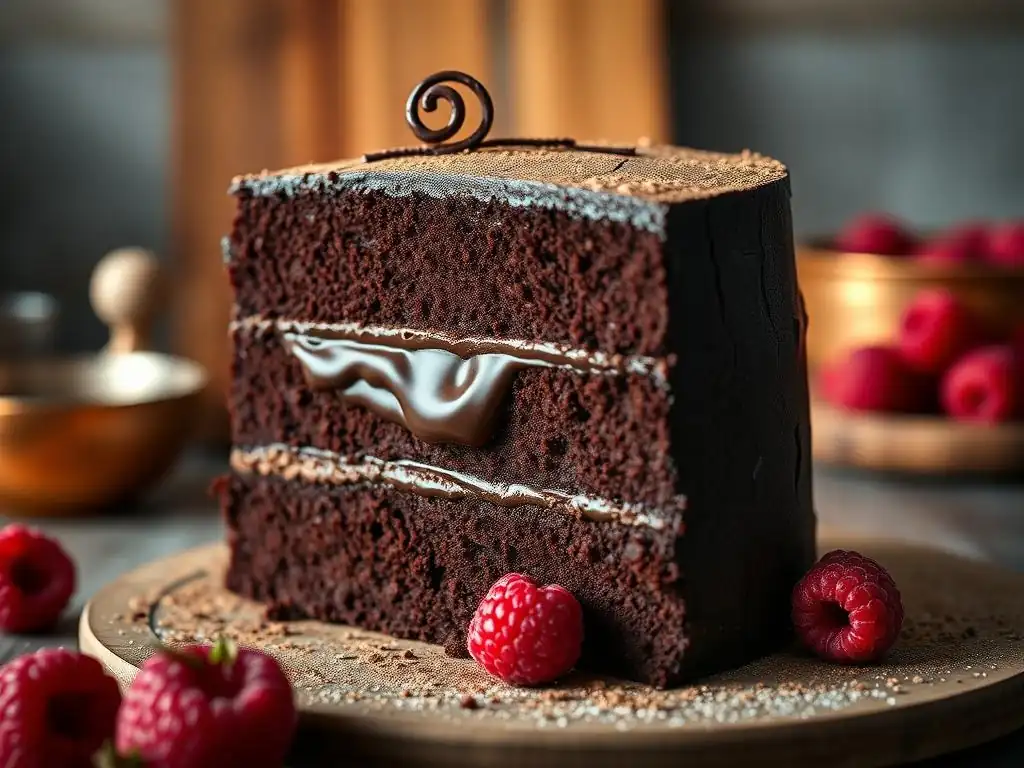
Chocolate ganache is the epitome of simple elegance and intense chocolate flavor, making it a decadent choice for layer cake filling recipes. Made from just two ingredients – chocolate and hot cream – its richness and versatility are unmatched. Depending on the ratio of chocolate to cream, ganache can range from a pourable glaze to a thick, fudge-like filling or a whipped, airy frosting. Its deep chocolate taste pairs wonderfully with a variety of cake flavors.
As a layer cake filling, ganache provides a dense, smooth, and intensely chocolatey layer. When chilled, it firms up considerably, offering excellent stability for stacked cakes. The quality of the chocolate used significantly impacts the final flavor, so opt for good quality chocolate chips, bars, or feves. Whether you prefer dark, milk, or white chocolate, ganache offers a luxurious texture and rich flavor that elevates any layer cake.
Dark, Milk, and White Chocolate Ganache Recipes
The key to different types of ganache for layer cake filling recipes lies in the ratio of chocolate to cream by weight. For dark chocolate ganache, a common ratio for a firm filling is 1 part heavy cream to 1 part chopped dark chocolate (e.g., 8 ounces cream to 8 ounces chocolate). This yields a ganache that is pourable when warm but sets up quite firmly when cooled, perfect for a dense filling.
For milk chocolate ganache, which contains more sugar and milk solids than dark chocolate, you typically need less cream to achieve a similar consistency. A ratio of approximately 1 part heavy cream to 1.5 or 2 parts milk chocolate is often used for a filling. White chocolate ganache requires the least amount of cream relative to chocolate, as white chocolate contains cocoa butter but no cocoa solids.
A common ratio is 1 part heavy cream to 2.5 or 3 parts white chocolate. Heating the cream to just below a boil, pouring it over the finely chopped chocolate, letting it sit for a few minutes, and then stirring until smooth are the basic steps for all types.
Using Ganache as Filling and Glaze
The versatility of ganache means it can function in multiple ways in a layer cake. As a layer cake filling, ganache is usually cooled until it reaches a spreadable consistency, similar to peanut butter or soft fudge. At this stage, it can be spread between cake layers, creating a rich, stable filling. Chilling the filled layers helps the ganache firm up further, making the cake easier to stack and handle.
To use ganache as a glaze or drip, it is used while still warm and pourable. The higher the ratio of cream to chocolate, the thinner the glaze will be. For instance, a 2:1 cream-to-chocolate ratio for dark chocolate makes a thin glaze, while a 1:1 ratio makes a thicker, drippable ganache when slightly cooled. Some layer cake filling recipes might even use a whipped ganache, made by chilling a 1:1 ratio ganache and then whipping it like cream, resulting in a lighter, mousse-like texture suitable for filling.
Pastry Cream: A Classic and Versatile Layer Cake Filling
Pastry cream, known in French as Crème Pâtissière, is a smooth, rich, and classic layer cake filling. It's a cooked custard made from milk, sugar, egg yolks, and a thickening agent like cornstarch or flour, often flavored with vanilla. Pastry cream is incredibly versatile and provides a wonderfully creamy texture between cake layers. It's less sweet than many buttercreams and offers a sophisticated flavor profile, making it a staple in many traditional layer cake filling recipes.
The cooking process is essential for pastry cream; the mixture is heated until it thickens significantly, creating a stable custard. Once cooled, it sets into a smooth, spreadable, yet firm consistency ideal for layering. While delicious on its own, pastry cream also serves as a base for other fillings, such as Diplomat Cream (pastry cream lightened with whipped cream) or Crème Frangipane (pastry cream mixed with almond cream). Its ability to hold its shape when properly cooked and cooled makes it a reliable choice for providing structure and moisture to a layer cake.
Making Homemade Pastry Cream for Layer Cakes
Making homemade pastry cream for your layer cake filling involves a few key steps to ensure a smooth, lump-free result. You start by heating milk (often with vanilla bean or extract) in a saucepan. In a separate bowl, whisk together egg yolks and sugar until pale and creamy, then whisk in the thickening agent (cornstarch or flour). Once the milk is hot (but not boiling), temper the egg yolk mixture by slowly whisking a small amount of the hot milk into it. This gradually raises the temperature of the yolks, preventing them from scrambling.
Pour the tempered egg mixture back into the saucepan with the remaining milk. Cook the mixture over medium heat, whisking constantly, especially scraping the bottom and sides, until it thickens considerably and comes to a boil. Boiling for about 30-60 seconds helps activate the starch for maximum thickening.
Remove from heat, stir in any butter for richness and gloss, and then strain the pastry cream through a fine-mesh sieve into a clean bowl. Covering the surface directly with plastic wrap prevents a skin from forming as it cools. It must be thoroughly chilled before using as a layer cake filling; it thickens significantly as it cools.
Flavoring Pastry Cream for Different Cake Flavors
Plain vanilla pastry cream is delicious, but it can be easily flavored to complement a wide range of cake flavors in layer cake filling recipes. For a chocolate pastry cream, simply whisk in chopped chocolate or cocoa powder while the cream is still hot after cooking, stirring until melted and smooth. Coffee extract or espresso powder can be added for a coffee-flavored filling.
Fruit purees or extracts can also be incorporated once the pastry cream has cooled slightly, though care must be taken not to add too much liquid, which could make it too soft. For example, a strawberry puree could be folded in for a strawberry pastry cream, or a lemon zest and juice mixture for a lemon version. These flavor variations turn a simple custard into a dynamic layer cake filling, pairing beautifully with matching or contrasting cake bases. For instance, chocolate pastry cream with a vanilla cake, or lemon pastry cream with a berry cake.
Beyond the Basics: Unique Layer Cake Filling Ideas
Salted Caramel: A Sweet and Savory Layer Cake Delight
Salted caramel is a wonderfully rich and complex flavor that makes a fantastic layer cake filling. The combination of sweet caramel and flaky sea salt creates a balance that prevents the filling from being overly cloying. A good salted caramel filling has a smooth, gooey texture that contrasts nicely with cake layers and can be made by cooking sugar until caramelized, adding butter and cream, and finishing with a sprinkle of sea salt.
For a layer cake filling, the consistency of the salted caramel is key. It needs to be thick enough that it doesn't ooze out excessively from between the layers, but still soft enough to be easily spreadable. Often, a thicker caramel sauce is used, or it might be combined with a buttercream or ganache to create a more stable filling like a salted caramel buttercream or a salted caramel ganache. This ensures the filling holds its shape when the cake is stacked, providing that delightful ribbon of sweet and salty flavor in every slice.
Mousse: Light and Airy Layer Cake Filling
Mousse, with its light, airy, and often intensely flavored texture, offers a sophisticated alternative for layer cake filling recipes. Chocolate mousse, fruit mousse (like raspberry or passion fruit), or even coffee mousse can provide a delicate yet flavorful layer. Mousse is typically made with a base (like melted chocolate, fruit puree, or pastry cream) folded with whipped cream and sometimes stabilized with gelatin or agar-agar.
Using mousse as a layer cake filling requires careful handling due to its delicate nature. It's essential that the mousse is properly set and chilled before layering. Often, a sturdy cake base and potentially a frosting dam are needed to contain the soft filling. While less structurally sound than buttercream or ganache, a well-made mousse filling provides an exquisite, melt-in-your-mouth experience that is less dense and rich than many other options, making it perfect for a lighter dessert.
Fruit Compote: Adding Texture and Flavor to Your Layer Cake
Fruit compote is a simple yet effective layer cake filling that adds natural fruit flavor and wonderful texture. Made by simmering fresh or frozen fruit with a little sugar and sometimes spices (like cinnamon or star anise) until the fruit softens and releases its juices, compote retains some of the fruit's shape, providing delightful little bursts of flavor and varying textures within the cake. Strawberry, mixed berry, cherry, or apple compotes are popular choices.
For use as a layer cake filling, the compote should be cooked down until it's relatively thick and not too watery. Excess liquid can make the cake layers soggy. Allowing the compote to cool completely will also help it thicken. Similar to fruit curd, a compote is often best used within a dam of stiffer frosting to prevent it from leaking. The chunky texture of compote offers a pleasant contrast to the smooth cake and frosting, and its fresh fruit flavor brightens the overall taste profile of the layer cake.
How to Properly Fill a Layer Cake: Step-by-Step Guide
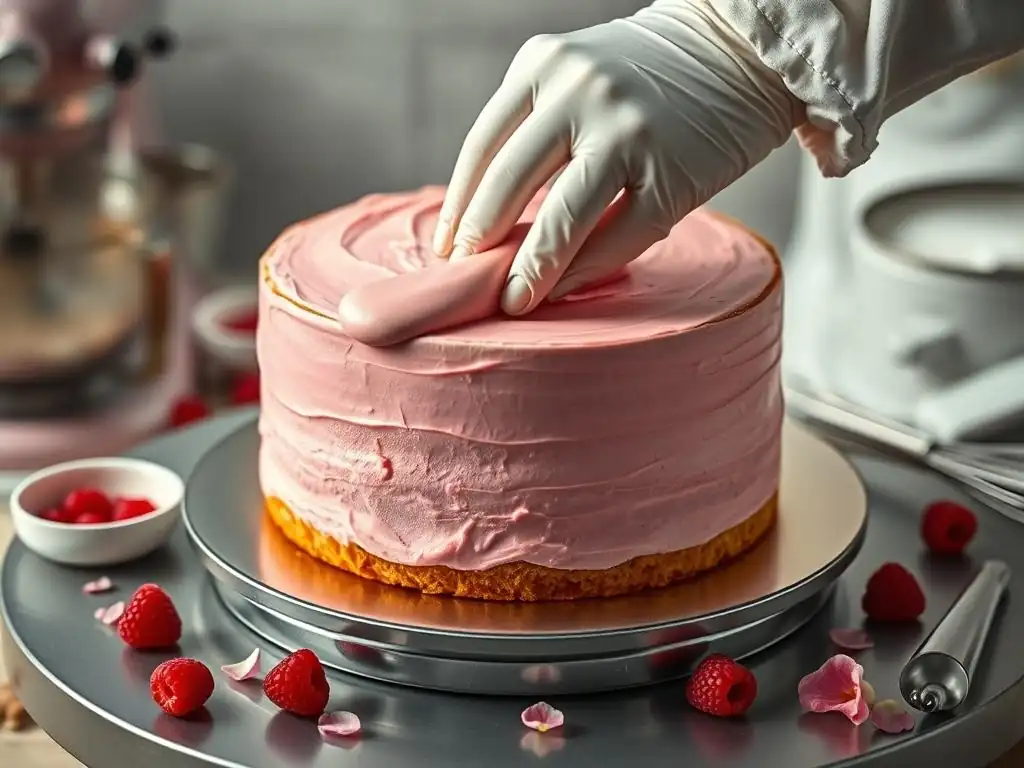
Filling a layer cake correctly is just as important as choosing delicious layer cake filling recipes. Proper technique ensures your cake is stable, visually appealing, and delivers a perfect balance of cake and filling in every slice. Follow these steps for success:
- Level your cooled cake layers using a serrated knife or cake leveler.
- Place the first cake layer on your serving plate or cake stand, securing it with a dab of frosting if needed.
- Prepare your chosen layer cake filling recipes.
- Create a dam around the edge of the first layer using a piping bag filled with a stiff frosting (like buttercream or ganache).
- Spoon or pipe your filling inside the dam, spreading it evenly with an offset spatula.
- Place the second cake layer gently on top of the filling.
- Repeat steps 4-6 for additional layers if making a taller cake.
- Chill the cake for at least 20-30 minutes to allow the filling and dam to set before frosting the outside.
Leveling Your Cake Layers for Even Filling Distribution
Leveling cake layers is a crucial first step for a professional-looking layer cake with even layers of filling. Cakes often bake with a dome on top, particularly in the center. If you stack layers with domes, the cake will be uneven and potentially wobbly. Using a long serrated knife or a specialized cake leveler, carefully slice off the dome to create a flat surface.
Aim to remove just enough cake to create a level top. This ensures that when you apply your layer cake filling, it will be distributed evenly across the entire surface of the cake layer. Even distribution is key not only for aesthetics but also for structural integrity; an uneven layer of filling can cause the cake to lean or layers to slide. If your cakes have very large domes, you can even save the trimmed cake scraps to make cake pops or trifle layers!
Creating a Dam: Preventing Filling from Oozing Out
Creating a dam is a vital technique, especially when using softer layer cake filling recipes like fruit curd, compote, or pastry cream. A dam is a ring of stiffer frosting piped around the outer edge of each cake layer before adding the filling. This border acts as a barrier, containing the softer filling and preventing it from squeezing out the sides when the next cake layer is placed on top or when the cake is frosted or moved.
Use a piping bag fitted with a round tip (or just snip off the corner of the bag) and fill it with a sturdy frosting like American buttercream or ganache. Pipe an even ring of frosting about half an inch to an inch from the edge of the cake layer. The height and thickness of the dam should correspond roughly to the desired thickness of your layer cake filling. This simple step is incredibly effective in maintaining clean lines and preventing messy filling blowouts.
Applying the Filling: Techniques for a Smooth Finish
Once your cake layer is leveled and the dam is in place, it's time to apply your chosen layer cake filling. Spoon or pipe the filling into the center area contained by the dam. Avoid overfilling; the filling should come up to just below the height of the dam. Using an offset spatula, gently spread the filling evenly within the dam, working from the center outwards towards the dam.
Ensure the surface of the filling is as smooth and level as possible. This creates a flat surface for the next cake layer to rest on, contributing to the overall stability and evenness of the finished layer cake. For very thick or stiff fillings like dense ganache or some buttercreams, you might need to press gently on the next layer to ensure good contact and adherence.
Chilling Your Layer Cake: Stabilizing the Filling
Chilling your layer cake after filling each layer (or after assembling all layers but before final frosting) is a critical step for stability. Refrigeration helps the layer cake filling, especially those containing butter, cream cheese, or gelatin (like mousse), to set up and firm. This process solidifies the layers and the filling, making the cake much easier to handle, frost, and transport without worry of sliding or bulging.
A quick chill of 20-30 minutes after filling can make a world of difference. For cakes with particularly soft fillings like mousse or compote, or for very tall cakes with multiple layers, a longer chill of an hour or more might be beneficial. This chilling period allows the structure created by the cake layers, filling, and dam to become firm, ensuring your layer cake stands tall and proud.
Tips and Tricks for Perfect Layer Cake Filling Application
Choosing the Right Filling Consistency
The consistency of your layer cake filling is paramount for a successful cake assembly. A filling that is too soft will cause layers to slide and bulge, leading to a messy and potentially unstable cake. Conversely, a filling that is too stiff can be difficult to spread evenly and might even push cake layers apart. The ideal consistency is generally spreadable but firm enough to hold its shape when stacked.
For taller cakes (three or more layers), using a slightly stiffer layer cake filling or ensuring your softer filling is well-chilled and contained by a sturdy dam is essential. Buttercreams and firm ganaches are naturally more stable. For softer fillings like pastry cream, curd, or compote, chilling is non-negotiable, and the dam is your best friend. Always test the consistency of your chosen layer cake filling recipes before applying them to the cake layers.
Preventing Soggy Cake Layers
No one wants a soggy layer cake. While some moisture transfer from filling to cake is desirable for tenderness, excessive moisture can lead to a mushy texture. To prevent soggy cake layers, especially when using moist fillings like fruit compotes or very soft curds, ensure your filling is thickened appropriately. Cooking down compotes until they are not overly liquid is key.
Using a sturdy frosting dam also helps, as it keeps the wettest part of the filling contained away from the very edge of the cake layer. Some bakers also lightly brush cake layers with a simple syrup before adding the filling; while this adds moisture, it can paradoxically prevent the cake from absorbing too much moisture from a wet filling. Chilling the cake helps the filling set before it has excessive time to soak into the cake.
Storing Your Filled Layer Cake
Proper storage is essential for maintaining the quality and safety of your filled layer cake. Most layer cake filling recipes, especially those containing dairy (buttercream, cream cheese frosting, ganache, pastry cream, mousse) or fruit, require refrigeration. Store the cake in an airtight container or cover it loosely with plastic wrap to prevent it from drying out or absorbing odors from the refrigerator.
Layer cakes with dairy-based fillings typically last for 3-4 days when stored properly in the refrigerator. Cakes with fruit curds or compotes might have a slightly shorter lifespan. If your cake includes fresh fruit pieces in the filling or decoration, consume it within 1-2 days for best quality. Always allow refrigerated cakes to sit at room temperature for 30-60 minutes before serving to ensure the cake and filling are at their optimal texture and flavor.
Troubleshooting Common Layer Cake Filling Problems
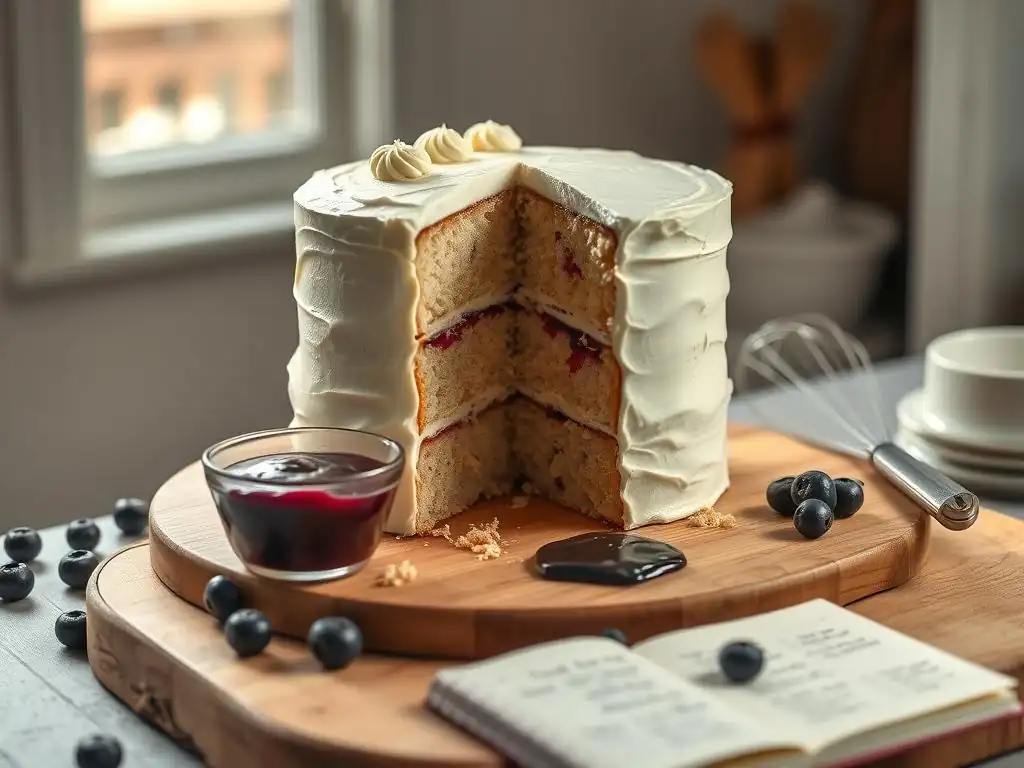
Filling is Too Runny
A runny layer cake filling is a common issue that can lead to leaning layers and messy oozing. If your buttercream is too soft, try adding more sifted powdered sugar a tablespoon at a time, mixing until the desired consistency is reached. For ganache, chilling is the primary solution; place it in the refrigerator, stirring every 10-15 minutes, until it thickens to a spreadable consistency.
Pastry cream or curd that is too runny likely wasn't cooked long enough or at a high enough temperature to activate the starch or set the eggs. While difficult to fix completely once cooled, you can sometimes gently reheat a portion with a slurry of cornstarch and liquid, bring it to a boil while whisking, and then mix it back into the rest of the filling, or simply use it for a different purpose like a sauce and make a new batch for the layer cake filling.
Filling is Too Stiff
Sometimes, chilling or recipe proportions can result in a layer cake filling that is too stiff to spread smoothly. For buttercream or cream cheese frosting, add a liquid (like milk, cream, or even a splash of simple syrup) a teaspoon at a time, mixing on low speed until the frosting softens to a spreadable consistency. Be patient and add gradually to avoid over-thinning.
Ganache can become very firm when cold. To soften it, let it sit at room temperature for a while, or microwave a small portion for just a few seconds (stirring frequently) and mix it back into the rest of the ganache. Alternatively, you can add a tiny amount of warm cream and stir vigorously. For pastry cream, whisking it vigorously can sometimes loosen it, or you can add a small amount of cream or milk.
Cake Layers are Sliding
Sliding cake layers are often a symptom of a filling that is too soft, uneven cake layers, or a lack of a dam. Ensure your cake layers are leveled flat before stacking. If using a soft filling, always create a sturdy dam with a stiffer frosting to contain it. Don't overfill the layers; too much filling can act like a lubricant.
Chilling the cake after filling each layer is crucial as it helps the filling set and creates stability. For very tall or heavy cakes, consider inserting cake dowels into the lower layers before adding the top layers. These dowels act as internal support pillars, bearing the weight of the upper layers and preventing the cake from collapsing or sliding, regardless of the layer cake filling recipes used.
Layer Cake Filling Recipes: Inspiration and Combinations
Chocolate Cake with Raspberry Filling
A classic and beloved pairing in the world of layer cake filling recipes is rich chocolate cake with a vibrant raspberry filling. The deep, slightly bitter notes of chocolate are beautifully complemented by the tart sweetness of raspberries. This combination offers a delightful contrast in both flavor and color.
For this pairing, you could use a smooth raspberry puree cooked into a thick sauce or compote, or a tangy raspberry curd. Another popular option is a raspberry buttercream or a chocolate buttercream flavored with raspberry liqueur or extract. Imagine a moist chocolate fudge cake filled with a bright layer of raspberry compote, creating a stunning visual and a burst of fresh flavor that cuts through the richness of the chocolate.
Vanilla Cake with Lemon Curd Filling
Vanilla cake, with its delicate and versatile flavor, is the perfect canvas for a bright, zesty layer cake filling like lemon curd. This combination is refreshing and sophisticated, making it ideal for spring or summer celebrations. The simple elegance of vanilla allows the vibrant tang of the lemon curd to truly shine.
Pair a light and fluffy vanilla sponge cake with a generous layer of homemade lemon curd. The smooth, citrusy filling provides a wonderful contrast in texture and flavor to the soft cake. You could also add a layer of vanilla bean buttercream or whipped cream alongside the lemon curd for added richness and complexity in this delightful layer cake filling recipe combination.
Red Velvet Cake with Cream Cheese Frosting Filling
Perhaps the most iconic pairing in layer cake filling recipes is red velvet cake with cream cheese frosting. The subtle cocoa flavor and moist crumb of red velvet cake are intrinsically linked with the tangy, slightly sweet, and creamy texture of cream cheese frosting. It's a match made in dessert heaven.
The classic cream cheese frosting, made with cream cheese, butter, and powdered sugar, is the perfect layer cake filling for red velvet. Its distinctive tang cuts through the richness of the cake and provides that signature flavor combination that defines red velvet. Ensure your cream cheese frosting is the right consistency – not too soft – to provide stable layers for this popular and delicious cake.
Conclusion: Mastering the Art of Layer Cake Fillings with BakeWithEase
Your Path to Stunning Layer Cakes Starts Here
Mastering layer cake filling recipes is a rewarding step in your baking journey. The filling is the heart of a layer cake, providing flavor, texture, and structure that transforms simple cake layers into a showstopping dessert. By understanding the characteristics of different fillings, learning proper application techniques, and practicing troubleshooting, you can confidently create beautiful and delicious cakes for any occasion.
From the classic comfort of buttercream and cream cheese frosting to the vibrant tang of fruit curds and the richness of ganache, the possibilities for layer cake filling recipes are vast. Don't be afraid to experiment with different flavor combinations and textures. Each filling offers a unique contribution to the final cake, allowing you to personalize your creations and delight those who get to enjoy a slice.
Explore More Baking Recipes and Techniques on BakeWithEase.com
Ready to put your newfound knowledge of layer cake filling recipes to the test? BakeWithEase.com is packed with resources to help you continue your baking adventures. Find detailed recipes for various cake bases, step-by-step guides for making all the fillings discussed here, and countless tips and techniques for decorating and assembling cakes of all kinds.
Whether you're perfecting your buttercream technique, attempting your first fruit curd, or planning a multi-tiered masterpiece, BakeWithEase.com provides the guidance you need. Explore our extensive library of baking recipes, tutorials, and articles to expand your skills and discover new favorites. Your next stunning layer cake is just a few clicks away!
Frequently Asked Questions
What are some popular types of layer cake filling recipes that BakeWithEase offers?
BakeWithEase provides a variety of fillings, from classic buttercream frostings to fruit curds and jams. We also offer recipes for chocolate ganache and other decadent options.
How can I ensure my layer cake filling doesn't make the cake soggy?
To prevent a soggy cake, avoid over-saturating your cake layers with liquid. Use a dam of frosting around the edge of each layer to contain the filling. Also, consider the moisture content of your filling itself.
What's the best way to evenly spread filling between layer cake layers?
Use an offset spatula for a smooth and even application. Measure the filling to ensure each layer receives the same amount. You can also use a piping bag for more precise distribution.
How far in advance can I fill my layer cake before serving it?
This depends on the type of filling. Some fillings, like buttercream, hold up well for a day or two in the refrigerator. Others, like whipped cream, are best used closer to serving time to prevent them from deflating. Always refer to the specific recipe.
Where can I find specific "Layer cake filling recipes" on BakeWithEase.com?
You can use the search bar on BakeWithEase.com and type in "Layer cake filling recipes" or browse the "Cakes" category. We regularly update our content with new and exciting filling ideas.
Final Reflection: The Sweet Symphony of Layer Cake Fillings
The art of the perfect layer cake isn't just about the cake itself; it's about the harmonious interplay of textures and flavors found within its delicious fillings. A well-chosen filling elevates a simple cake into a masterpiece, transforming a delightful treat into an unforgettable experience. The right filling can make all the difference between a good cake and a truly exceptional one.
The exploration of layer cake fillings has revealed more than just a collection of recipes; it's a journey through culinary history and personal preference. Each filling, from the classic buttercream to the more adventurous fruit curd, tells a story – a story of tradition, innovation, and the enduring human desire for sweetness and satisfaction. A cake is a celebration; it's a moment of joy, and the filling is the heart of that joy.
– (This is a fictional quote, feel free to replace with a real one if you have one in mind).
Now, consider your own cake-baking journey. What fillings resonate most with you? What new combinations are you inspired to create? Don't be afraid to experiment, to push boundaries, and to discover your own signature layer cake filling. The possibilities are endless, and the delicious rewards are well worth the effort. Embrace the creativity, the joy of baking, and the sheer delight of sharing your culinary creations with those you love. The perfect layer cake, after all, is a testament to the power of simple ingredients transformed into something truly extraordinary.
Unleash Your Inner Cake Artist: Create Your Masterpiece!
Thanks for joining us on this delicious journey into the world of layer cake fillings! We hope you've discovered some new inspiration and techniques to elevate your baking game. Now it's time to put your newfound knowledge into action!
- Craft your dream layer cake: Choose your favorite filling from today's article and bake a cake that truly reflects your unique style. Don't be afraid to experiment!
- Share your creation: Show off your baking prowess on social media! Use #BakeWithEase and tag us – we’d love to see your stunning layer cakes.
- Explore new flavor combinations: Think outside the box! What unexpected flavor pairings could you create based on the fillings we discussed? Let your creativity run wild!
Ready to transform your baking skills and create the most delicious layer cake ever? What unique twist will you add to your next cake creation?