
Plating SingleServe Cakes with Elegant Flourish

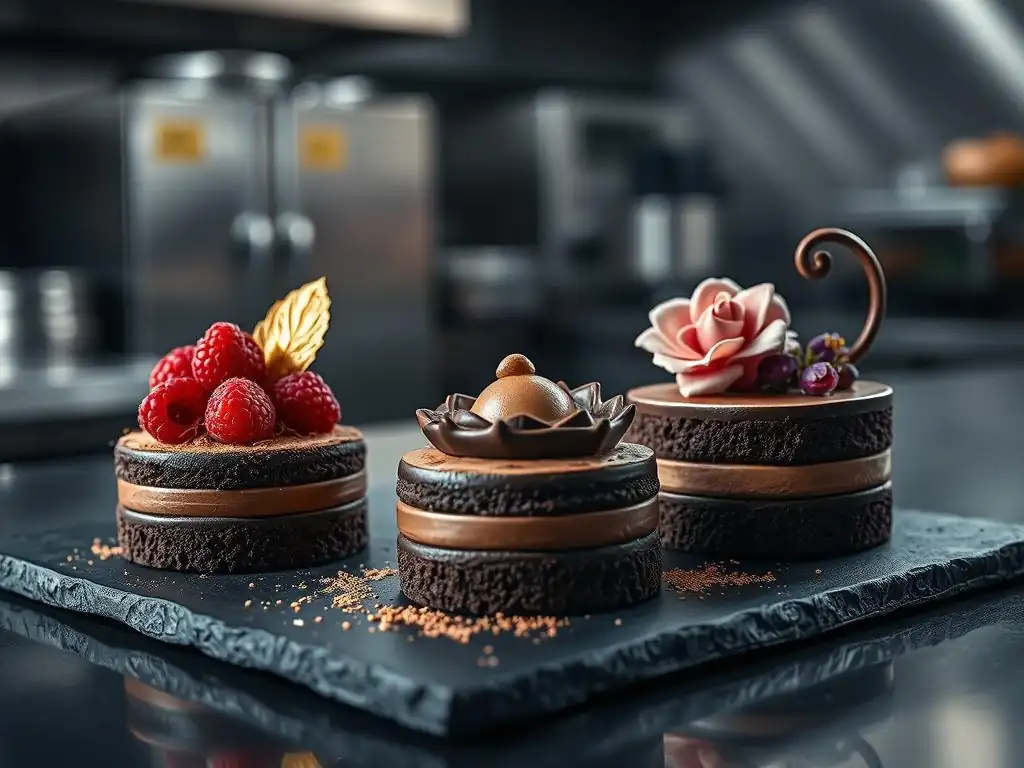
Welcome to BakeWithEase, where every recipe is a journey to baking brilliance! Ever wondered how to elevate your single-serve cakes from simple treats to stunning masterpieces? Dive into the art of elegant single-serve cake plating and unlock the secrets to transforming your desserts into visual delights. Prepare to be inspired – your next plating adventure awaits!
- Elevating Single-Serve Cakes: A Guide to Exquisite Plating
- Mastering Single-Serve Cake Plating Techniques
- Essential Tools for Professional Cake Plating
- Preparing Single-Serve Cakes for Optimal Plating
- Advanced Single-Serve Cake Plating Techniques: A Step-by-Step Guide
- Sauce Techniques for Enhanced Cake Plating
- Garnishing for Visual Appeal and Flavor Harmony
- Adding Textural Elements and Contrasting Flavors
- Inspiring Single-Serve Cake Plating Ideas
- Maintaining Perfection in Single-Serve Cake Plating
- Troubleshooting Common Cake Plating Challenges
-
Frequently Asked Questions
- How can I elevate the presentation of my single-serve cakes?
- What are some simple plating techniques for single-serve cakes suitable for beginners?
- What ingredients can I use to create visually appealing sauces for plating single-serve cakes?
- How do I prevent sauces from spreading or making the cake soggy on the plate?
- Are there any edible decorations besides flowers that I can use for plating single-serve cakes?
- Final Reflection: The Art of the Single-Serve, Elegantly Plated
- Unleash Your Inner Cake Artist!
Elevating Single-Serve Cakes: A Guide to Exquisite Plating
Mastering Single-Serve Cake Plating Techniques
Enhancing Your Baking: The Art of Cake Presentation
Baking a delicious single-serve cake is a triumph in itself, but presenting it beautifully elevates the experience from a simple treat to a memorable dessert. Think of plating as the final brushstroke on your edible masterpiece. It’s not just about putting food on a plate; it's about telling a story, creating anticipation, and enhancing the perceived value and enjoyment of your hard work. An elegant singleserve cake plating transforms a humble slice or individual cake into a sophisticated offering worthy of a special occasion, even if you're just enjoying it at home.
Effective cake presentation considers color, texture, height, and flow. A vibrant raspberry coulis swirled beside a rich chocolate lava cake, or delicate edible flowers scattered around a light lemon sponge, can dramatically change how the dessert is perceived. Studies in gastronomic psychology suggest that appealing visual presentation can actually make food taste better. Mastering this art means understanding how to use negative space, arrange components harmoniously, and add those finishing touches that make your single-serve creation truly shine.
The Impact of Elegant Plating on Single-Serve Desserts
The way a single-serve dessert is plated has a significant impact on the diner's experience, influencing everything from their first impression to the final bite. An elegant singleserve cake plating sets expectations, suggesting care, quality, and culinary skill. In a restaurant setting, beautifully plated desserts often command a higher price point, reflecting the artistry and effort involved in their preparation and presentation. For the home baker, it brings restaurant-quality flair to your table, impressing guests and making everyday moments feel a little more special.
Beyond aesthetics, thoughtful plating can guide the diner's palate. By strategically placing sauces, garnishes, or accompanying elements, you can encourage specific flavor combinations with each forkful. For instance, pairing a sharp berry sauce with a sweet vanilla bean cake directs the diner to experience that delightful contrast. Furthermore, the plate itself serves as a canvas, influencing the visual weight and balance of the dessert. Choosing the right plate size and shape is crucial for achieving a balanced and appealing composition, making your single-serve cake the undisputed star.
Essential Tools for Professional Cake Plating
Must-Have Tools for Precise and Creative Plating
Achieving an elegant singleserve cake plating relies on having the right tools at your disposal. Precision is key when working with delicate components and sauces. A set of plating spoons, often with tapered tips, allows for controlled drizzling and saucing, creating clean lines and graceful swirls. Offset spatulas, particularly small ones (around 4-6 inches), are indispensable for lifting and positioning delicate cake layers or spreading thin layers of frosting or ganache smoothly onto the plate.
Tweezers, specifically culinary plating tweezers (often 6-8 inches long), are essential for placing small, delicate garnishes like microgreens, edible flowers, or fine chocolate shavings with accuracy. Pastry bags fitted with small, plain tips or star tips are perfect for piping small dots or swirls of cream, mousse, or thick sauces. A small sieve can be used for a dusting of powdered sugar or cocoa powder, creating a soft, ethereal effect around the cake. These fundamental tools provide the control needed for intricate and polished designs.
Versatile Tools for Unique Plating Effects
Beyond the basics, several versatile tools can add unique flair to your elegant singleserve cake plating. Squeeze bottles with fine tips are excellent for creating intricate patterns or writing with sauces. A small blowtorch, used carefully, can caramelize sugar elements or toast meringue peaks right on the plate, adding both visual appeal and a smoky flavor dimension. Cookie cutters or ring molds can be used to shape components like ganache disks or fruit gels, or even to create a perfect circle of crumble around the cake.
For creating specific textures or patterns, consider using stencils for dusting powdered sugar or cocoa powder in decorative shapes. Vegetable peelers or zesters can create delicate curls of chocolate or citrus zest. Even everyday items like a fork or a comb can be used to create interesting textures in sauces or creams spread on the plate. Experimenting with these versatile tools allows for greater creativity and personalization in your single-serve cake presentations.
Preparing Single-Serve Cakes for Optimal Plating
Selecting Cakes Suited for Elegant Presentation
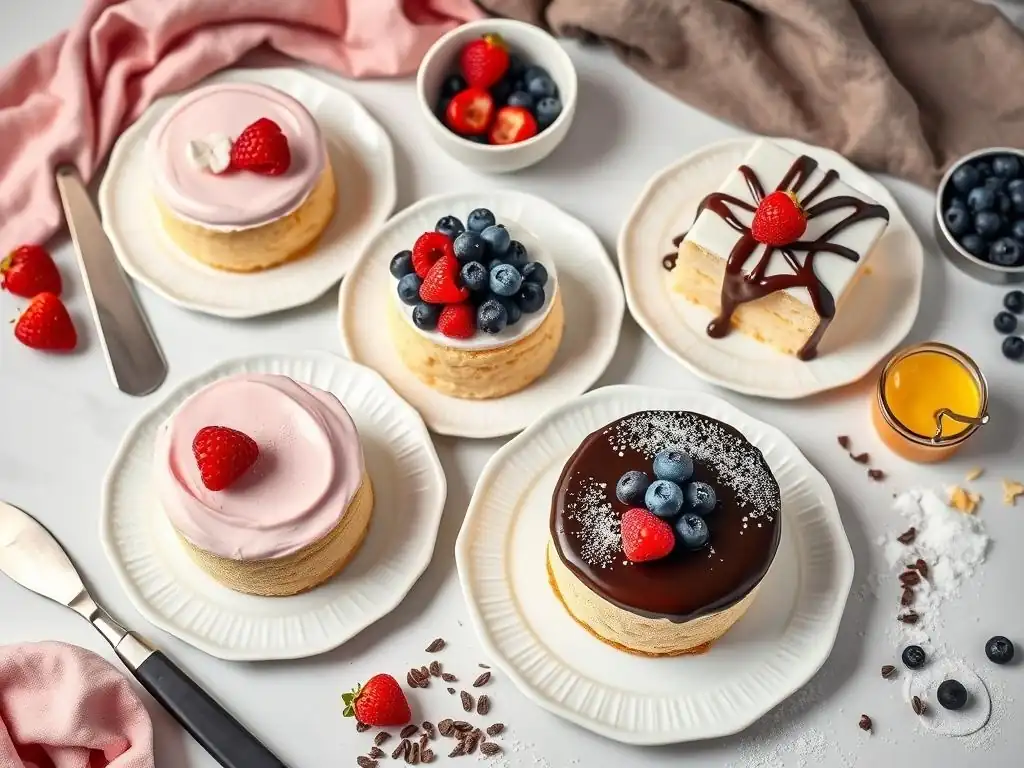
Not all cakes are created equal when it comes to elegant singleserve cake plating. Cakes that hold their shape well are ideal candidates. Think denser sponges, pound cakes, financiers, or individual lava cakes. Delicate or very moist cakes, like some types of chiffon or heavily fruit-laden cakes, can be more challenging to handle and plate without breaking or losing structure. Individual tartlets or mini cheesecakes are also excellent choices as they are inherently single-serve and often have clean lines.
Consider the texture and color of the cake itself. A cake with a smooth, even crumb provides a clean canvas for sauces and garnishes. Darker cakes, like chocolate or gingerbread, provide a nice contrast for lighter sauces or creams, while lighter cakes, like vanilla or lemon, pair well with vibrant fruit elements. Selecting a cake that is sturdy enough to be moved and decorated on the plate is the first step towards a successful and elegant singleserve cake plating.
Cooling and Trimming Cakes for a Polished Look
Proper cooling is absolutely critical before attempting any elegant singleserve cake plating. Cakes must be completely cooled, preferably in the refrigerator for at least 30 minutes or even an hour, especially if they are intended to be sliced or handled significantly. Warm or even slightly warm cakes are fragile and prone to crumbling or sticking. Cooling firms up the structure, making them much easier to work with.
Once cooled, trimming might be necessary to achieve a perfectly polished look. Use a sharp serrated knife to gently level the top of the cake if it has domed. For individual cakes baked in molds, ensure the edges are clean. If slicing a larger cake into single portions, use a hot knife (heated under hot water and wiped dry) to make clean, smooth cuts, minimizing crumbs. A clean, uniform shape provides a professional base for your plating efforts.
Achieving Even Surfaces for Flawless Plating
An even surface is paramount for a flawless elegant singleserve cake plating, especially if you plan to layer components or apply smooth finishes like ganache or frosting. After cooling and trimming, if the cake surface is still slightly uneven, a thin layer of buttercream or ganache can act as a "crumb coat," smoothing everything out and sealing in any loose crumbs. Chill the cake again after applying the crumb coat to set it firmly.
For cakes that are meant to be served without a full frosting layer, ensuring the baked surface is smooth and level is key. This often comes down to proper batter distribution in the mold or pan and careful handling after baking. If using a mold, ensure it's well-greased and floured (or use a non-stick spray with flour) to get a clean release. For sponge cakes, baking on a flat surface and cooling upside down (sometimes on a wire rack) can help create a flatter top. A smooth base makes all subsequent plating steps easier and more effective.
Advanced Single-Serve Cake Plating Techniques: A Step-by-Step Guide
The Centered Composition: Creating a Focal Point
The centered composition is a classic and effective technique for elegant singleserve cake plating. It involves placing the main element, your single-serve cake, directly in the middle of the plate. This creates a strong focal point and provides ample negative space around the cake, allowing the eye to rest and appreciate the details. To execute this, first ensure your plate is clean and dry. Gently place the cake using an offset spatula or gloved hands, positioning it precisely in the center.
Once the cake is centered, you can build around it. Sauces can be applied as controlled pools directly under or beside the cake, or in gentle swirls radiating outwards. Garnishes are then placed thoughtfully around the cake, perhaps following the curve of the plate or placed strategically at key points (like 10, 2, and 6 o'clock positions). The goal is balance and symmetry, drawing the viewer's attention directly to the beautiful single-serve cake in the middle. This technique is particularly effective for cakes with intricate tops or impressive height.
The Asymmetrical Arrangement: Embracing Modern Design
For a more dynamic and modern elegant singleserve cake plating, consider an asymmetrical arrangement. Instead of centering the cake, place it slightly off-center, perhaps towards one side or corner of the plate. This immediately adds visual interest and a sense of movement. The larger portion of the plate's negative space can then be utilized for elongated sauce swooshes, scattered garnishes, or other complementary elements like quenelles of mousse or sorbet.
When creating an asymmetrical design, think about balance, even without symmetry. If the cake is placed on the left, you might place a larger sauce element or a cluster of garnishes on the right to balance the visual weight. The goal is to create a pleasing composition that feels natural and artistic, rather than random. This technique allows for more creative freedom and can make even a simple single-serve cake look sophisticated and contemporary.
The Stacked Presentation: Building Height and Dimension
Building height is a fantastic way to add a sense of elegance and drama to your elegant singleserve cake plating. The stacked presentation involves layering components vertically. For a single-serve cake, this might mean stacking two or three small cake rounds with layers of cream, mousse, or fruit in between, creating a mini layer cake. Alternatively, you could place the cake atop a base of crumble, a thick sauce, or a small disc of complementary flavor.
To execute a stable stack, ensure your cake layers are level and your fillings are firm. Use a small amount of frosting or ganache as "glue" between layers. An offset spatula is useful for handling individual layers. Once the stack is built, you can add sauces around the base or cascading down the sides, and place garnishes around the foot of the cake or delicately on top. Stacking adds significant visual interest and makes the single-serve cake feel more substantial and luxurious.
Sauce Techniques for Enhanced Cake Plating
Selecting Sauces to Complement Cake Flavors
Sauces are integral to elegant singleserve cake plating, adding moisture, flavor, and visual appeal. The key is selecting sauces that complement, rather than overpower, the cake's flavor profile. A rich chocolate cake pairs beautifully with a vibrant raspberry coulis or a salted caramel sauce. A light lemon cake might be enhanced by a blueberry compote or a delicate crème anglaise. Consider the sweetness, acidity, and richness of both the cake and the sauce.
Think about contrast and harmony. A sweet cake often benefits from a slightly tart sauce (like cherry or passion fruit). A dense cake might pair well with a lighter, pourable sauce (like vanilla bean sauce), while a lighter cake can handle a thicker, more intense sauce (like a chocolate ganache). Experimenting with classic pairings (chocolate and orange, vanilla and berries, almond and cherry) is a great starting point. Aim for a sauce that adds another dimension of flavor and texture.
Mastering Drizzles, Swirls, and Controlled Pools
Applying sauce with precision is crucial for an elegant singleserve cake plating. Avoid haphazardly pouring sauce onto the plate, which can look messy. Instead, use plating spoons or squeeze bottles for control. For a controlled pool, pour a small amount of sauce onto the plate and gently tilt the plate or use the back of a spoon to spread it into a desired shape (circle, oval).
To create a swirl, place a dollop of sauce and use a toothpick or the tip of a knife to drag through it in a circular motion. Drizzles can be achieved by letting a thin stream of sauce fall from a height using a spoon or squeeze bottle. For more intricate patterns, use a squeeze bottle with a fine tip to draw lines or dots. Practice on a spare plate before working on your final presentation. Clean edges and defined shapes make the sauce look intentional and artistic.
Creating Textural and Flavorful Sauce Variations
Adding textural variations to your sauces can elevate your elegant singleserve cake plating. A smooth fruit coulis can be contrasted with a chunky fruit compote. A velvety chocolate sauce can be paired with a sauce containing nuts or cocoa nibs for crunch. Consider sauces with different consistencies: a thick ganache alongside a thin, pourable syrup. These variations provide interest for both the eye and the palate.
Flavor variations within the sauce component itself are also important. Infusing sauces with herbs (mint, basil), spices (cinnamon, cardamom), or alcohol (rum, brandy) can add complexity. A simple vanilla sauce can be transformed with the addition of lavender or Earl Grey tea. Offering two different sauces on the same plate – perhaps a sweet one and a slightly tart one – allows the diner to customize their experience and adds visual diversity to the plating.
Garnishing for Visual Appeal and Flavor Harmony
Selecting Garnishes that Enhance the Cake's Profile
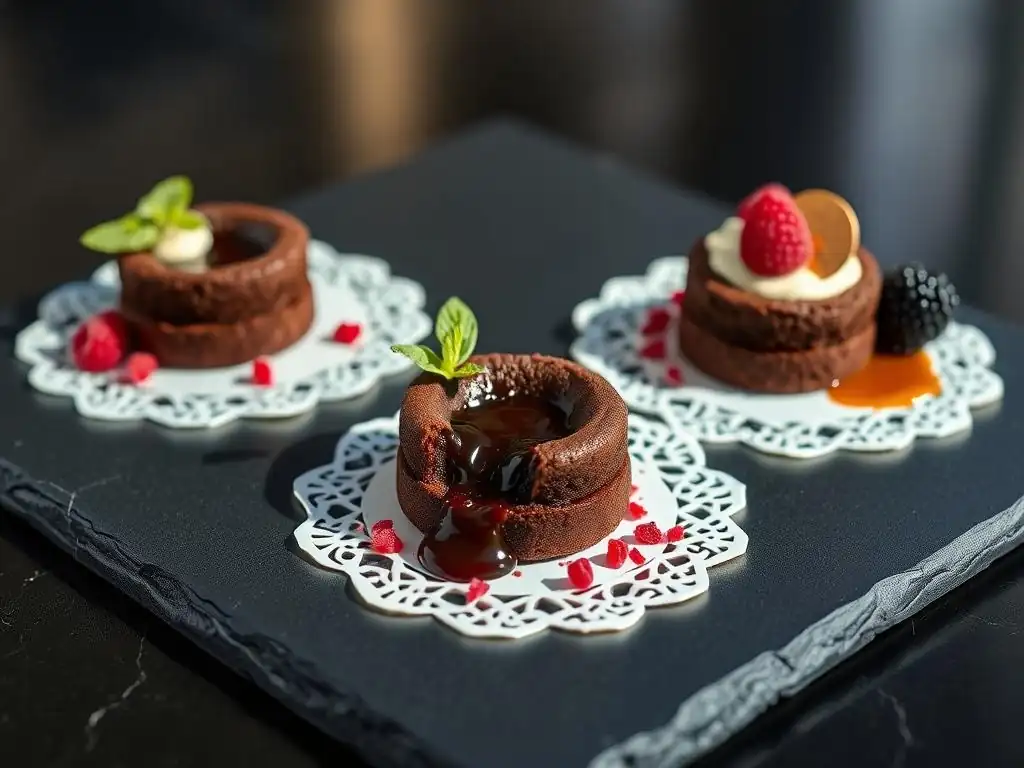
Garnishes are the jewelry of elegant singleserve cake plating, adding sparkle, color, and texture. Crucially, they should also contribute to the overall flavor profile. Choose garnishes that complement the cake and sauce flavors. Fresh berries are classic companions for many cakes, adding freshness and acidity. Toasted nuts or seeds provide crunch and earthy notes. Chocolate shavings or curls echo chocolate flavors in the cake.
Consider the visual impact: vibrant edible flowers, delicate microgreens, a dusting of brightly colored freeze-dried fruit powder, or a shard of brittle can add striking color contrast. Think about scale – garnishes should be appropriately sized for your single-serve cake. Avoid overwhelming the plate with too many large or bulky items. A few carefully chosen and placed garnishes are far more effective than a cluttered plate.
Arranging Garnishes for Balance and Visual Interest
The arrangement of garnishes on the plate is key to achieving an elegant singleserve cake plating. Like sauce placement, this should be intentional. Garnishes can be clustered together, scattered artfully, or placed along the lines of a sauce swirl. Think about creating a sense of movement or flow across the plate, leading the eye towards the cake.
Asymmetrical placements often look more dynamic than perfectly symmetrical ones. Consider placing garnishes in groups of odd numbers (three or five) as this is often more visually appealing. Use culinary tweezers for precise placement of small items. Ensure garnishes aren't just piled on top of the cake unless that's part of a deliberate design (like a mound of whipped cream). Distribute them thoughtfully around the cake and within the sauce elements.
Creative Garnishes: From Edible Flowers to Microgreens
Push your elegant singleserve cake plating further by exploring creative garnishes. Edible flowers like pansies, violets, or nasturtiums add beautiful pops of color and a touch of sophistication. Microgreens, such as mint or basil microgreens, offer fresh green color and a burst of herbal flavor that can cut through the sweetness of the cake. Candied citrus peel provides sweetness, slight bitterness, and chewiness.
Other creative options include tempered chocolate decorations (shards, spheres, fans), spun sugar nests, fruit tuiles, or even small macarons placed strategically. Freeze-dried fruit powders can be dusted through stencils for intricate patterns or sprinkled for vibrant color. Consider textural garnishes like honeycomb candy shards, puffed rice, or crushed cookies. The possibilities are vast; just ensure the garnish adds something meaningful to the overall dessert experience.
Adding Textural Elements and Contrasting Flavors
Incorporating Crumbles, Nuts, and Brittle for Crunch
Texture is just as important as flavor and visual appeal in elegant singleserve cake plating. Adding a crunchy element provides a delightful contrast to the soft texture of the cake and sauces. Crumbles, such as streusel or crushed cookies (like shortbread or biscotti), are easy to make and can be scattered around the plate or placed in a defined shape using a ring mold.
Toasted nuts (like hazelnuts, almonds, or pistachios) or candied nuts offer satisfying crunch and rich flavor. Brittle, whether nut brittle or seed brittle, can be broken into shards and placed dramatically on or around the cake. These crunchy elements not only provide textural contrast but also add depth of flavor through toasting or caramelization.
Utilizing Meringues, Macarons, and Fruit Purees
Soft and chewy textures also play a role in elegant singleserve cake plating. Small meringue kisses or shards add a light, airy crunch and a burst of pure sweetness. Macarons, with their crisp shell and chewy interior, offer color and a different kind of textural contrast, often paired with a complementary filling.
Smooth fruit purees, while similar to sauces, can be thicker and offer a more intense fruit flavor and a different mouthfeel than a thin coulis. A dollop of thick passion fruit curd or a vibrant mango puree can provide a creamy, tangy element. These softer additions contrast beautifully with the cake's crumb and any crunchy garnishes.
Playing with Warm and Cold Elements for Dynamic Presentation
Introducing temperature contrasts is an advanced technique that can make your elegant singleserve cake plating truly dynamic. Serving a warm single-serve chocolate lava cake with a scoop of cold vanilla bean ice cream or a chilled raspberry sorbet is a classic example. The contrast in temperature creates an exciting sensory experience.
Other possibilities include pairing a room-temperature cake with a warm sauce poured tableside, or placing chilled fruit elements (like frozen berries or a fruit gelée) alongside a slightly warm cake. Ensure any warm components are served promptly before they cool down too much, and cold components don't melt into a puddle on the plate. This interplay of temperatures adds another layer of sophistication to your single-serve dessert presentation.
Inspiring Single-Serve Cake Plating Ideas
Black Forest Cake with Cherry Gelée and Chocolate Shavings
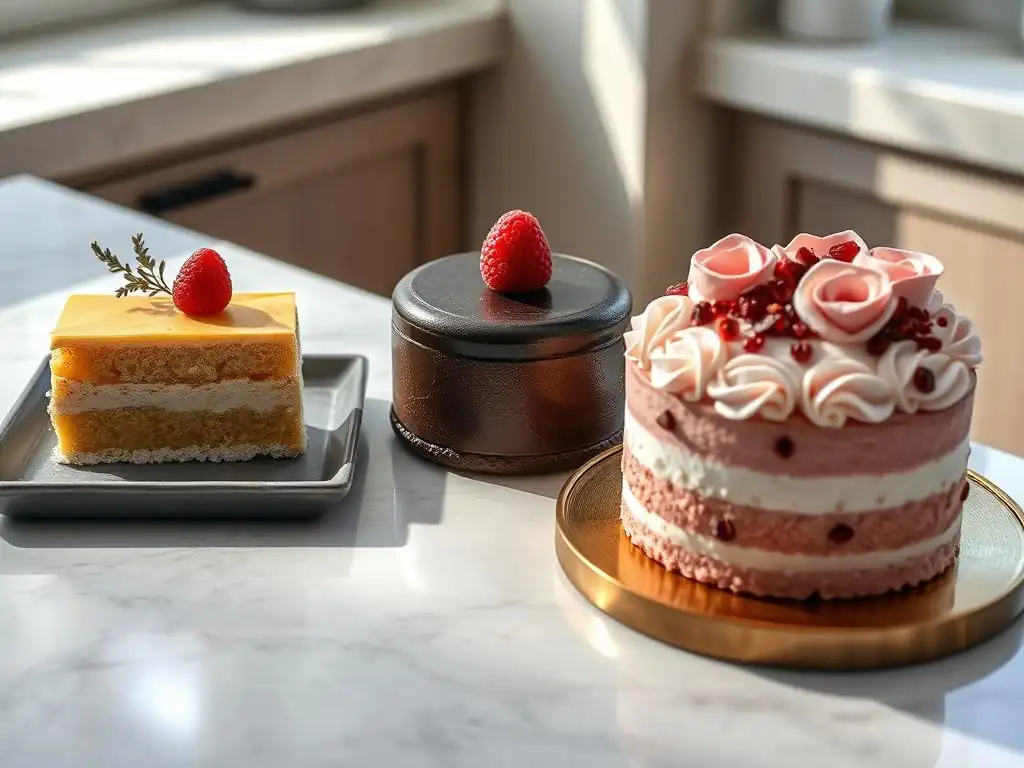
Visualize this elegant singleserve cake plating: A perfectly formed individual chocolate sponge cake, perhaps baked in a ring mold or cut cleanly from a sheet, sits slightly off-center on a white plate. Beside it, a deep red cherry gelée is set in a clean, rectangular shape. A swirl of fresh whipped cream is piped gracefully on top of the cake.
Around the plate, scatter a mix of dark chocolate shavings and perhaps a few fresh cherries with their stems intact. A thin drizzle of cherry brandy syrup could complete the picture, weaving between the elements. The contrast of dark chocolate, vibrant red cherry, and white cream, combined with the varied textures of sponge, gelée, cream, and chocolate, creates a visually stunning and classic presentation that highlights the essence of Black Forest cake.
Earl Grey Tea Cake with Honey Lavender Crème and Candied Orange Peel
For a more delicate elegant singleserve cake plating, consider an Earl Grey tea-infused pound cake. A neat slice or individual bundt cake sits centered on a pale blue or grey plate. A smooth, pale purple honey lavender crème (perhaps a panna cotta or thick custard) is spooned onto the plate in an organic shape beside the cake.
Thinly sliced candied orange peel is arranged artfully on top of the cake and scattered near the crème. A few tiny lavender sprigs (culinary grade) or edible flowers in complementary colors (like yellow or purple) are placed using tweezers. A dusting of powdered sugar through a fine sieve adds a soft finish. This plating emphasizes subtle colors, aromatic flavors, and refined textures.
Pistachio Cake with Raspberry Mousse and Rose Petals
Imagine a vibrant green individual pistachio cake as the focal point of your elegant singleserve cake plating. It's placed slightly to one side on a simple white plate. A quenelle of light pink raspberry mousse is nestled beside it. A vibrant raspberry coulis is drizzled in a sweeping motion across the plate, connecting the cake and the mousse.
Garnish with a sprinkle of chopped toasted pistachios for crunch, a few fresh raspberries, and delicate, food-grade dried rose petals scattered artfully. The striking color contrast between the green cake, pink mousse, red raspberries, and pale rose petals creates a visually stunning and romantic presentation. The textures range from the cake's crumb to the smooth mousse, the juicy berries, and the crisp nuts.
Maintaining Perfection in Single-Serve Cake Plating
Balancing Portion Size with Elegant Presentation
A key aspect of elegant singleserve cake plating is getting the portion size right in relation to the plate. The cake should not look lost on a giant plate, nor should it overwhelm a small one. As a general guideline, aim for the dessert elements to occupy roughly two-thirds of the plate's surface area, leaving sufficient negative space for visual balance.
For single-serve cakes, this means selecting cake sizes (or cutting slices) that are appropriate for standard dessert plates (typically 8-10 inches in diameter). The height of the cake and accompanying elements also contributes to the perceived portion size and visual impact. A tall, narrow slice or stack can feel substantial even if the base area is small. Consider the density and richness of the cake – a very rich cake requires a smaller portion than a light sponge.
Selecting the Ideal Plate for Your Cake Design
The plate is the canvas for your elegant singleserve cake plating, and its selection is crucial. Consider the color, shape, and material of the plate. White plates are classic and versatile, making colors pop and providing a clean background. Black plates offer dramatic contrast, ideal for lighter-colored cakes or vibrant sauces. Colored or patterned plates can be used, but ensure they complement, not compete with, the dessert.
The shape of the plate (round, square, rectangular) can influence the plating design. Round plates lend themselves well to centered or circular compositions. Square or rectangular plates can encourage linear or asymmetrical arrangements. Consider the rim – a wide rim provides more negative space, while a coupe-style plate (without a rim) allows the design to extend to the edge. The weight and feel of the plate also contribute to the overall sense of elegance.
Ensuring Cleanliness and Attention to Detail
The final touches on any elegant singleserve cake plating involve absolute cleanliness and attention to detail. Before serving, meticulously clean the rim of the plate using a clean cloth or paper towel, wiping away any stray drips, fingerprints, or smudges. A dirty plate instantly detracts from even the most beautiful presentation.
Check that all elements are placed intentionally and look neat. Are the sauce lines crisp? Are the garnishes placed precisely? Is there any rogue powdered sugar or cocoa powder where it shouldn't be? Taking a moment for this final inspection ensures your single-serve cake looks impeccable from every angle. This commitment to detail is what truly distinguishes professional, elegant plating.
Troubleshooting Common Cake Plating Challenges
Avoiding Cluttered or Overly Busy Plates
One common pitfall in elegant singleserve cake plating is overcrowding the plate. Too many elements, too many sauces, or too many garnishes can make the presentation look messy and confusing rather than elegant. Remember the principle of negative space – allowing empty areas on the plate helps the eye focus on the main elements.
If your plate looks busy, step back and remove one or two elements. Ask yourself if each component truly adds something necessary to the flavor or visual story. Simplify your sauce application; one well-executed swirl is better than multiple messy drizzles. Choose a few impactful garnishes rather than scattering everything you have. Less is often more when aiming for elegance.
Preventing Sauce Smearing and Unwanted Drips
Sauce smearing is a quick way to ruin an otherwise perfect elegant singleserve cake plating. To prevent this, ensure your plate is clean and dry before you start. Use plating spoons or squeeze bottles for controlled application rather than pouring directly from a larger container. If creating a swirl or swoop, execute it confidently and with a single motion.
When placing the cake or other elements onto the sauce, do so carefully to avoid dragging them through the sauce. Use an offset spatula to gently lift and position the cake. If you do make a mistake or get an unwanted drip, clean it up immediately with a clean cloth or the tip of a paper towel wrapped around a finger before the sauce sets or spreads further. Practice helps improve control.
Maintaining Cake Structure During Plating
Maintaining the structural integrity of your single-serve cake during plating can be challenging, especially with delicate or layered cakes. The most important step is ensuring the cake is fully cooled and preferably chilled before you handle it. This makes the crumb firmer and less prone to breaking.
Use appropriate tools like offset spatulas or cake lifters to transfer the cake from your cooling rack or cutting board to the plate. Support the cake adequately from underneath. If stacking layers, ensure your filling is firm enough to provide stability. If working with a particularly fragile cake, consider plating components separately – placing the sauce and garnishes first, then gently sliding the cake into position – or using a ring mold to help maintain shape during assembly on the plate. Patience and gentle handling are key.
Frequently Asked Questions
How can I elevate the presentation of my single-serve cakes?
You can elevate the presentation by focusing on visual appeal. Consider using contrasting colors, textures, and heights on the plate. Adding sauces, edible flowers, or a dusting of powdered sugar can also enhance the cake's elegance.
What are some simple plating techniques for single-serve cakes suitable for beginners?
Start with a clean plate and a small amount of sauce. Place the cake slightly off-center. Then, add a simple garnish like a fresh berry or a mint leaf for a touch of color. Less is often more when aiming for elegance.
What ingredients can I use to create visually appealing sauces for plating single-serve cakes?
You can use fruit purees (raspberry, mango), chocolate ganache, caramel sauce, or even a simple vanilla bean-infused cream. Consider the cake's flavor profile when choosing your sauce, aiming for complementary or contrasting tastes.
How do I prevent sauces from spreading or making the cake soggy on the plate?
Use sauces sparingly and consider their consistency. Thicker sauces are less likely to spread. Also, avoid soaking the cake directly in the sauce; instead, create a small pool of sauce next to the cake for dipping.
Are there any edible decorations besides flowers that I can use for plating single-serve cakes?
Yes! Consider using chocolate shavings, candied citrus peels, chopped nuts, or even a sprinkle of edible glitter. These elements add texture and visual interest without overpowering the cake. Remember to use high-quality ingredients for the best results.
Final Reflection: The Art of the Single-Serve, Elegantly Plated
The meticulous plating of a single-serve cake transcends mere presentation; it's a statement of intention, a celebration of the individual, and a testament to the power of thoughtful detail. In a world increasingly focused on mass production and fleeting trends, the act of crafting and carefully presenting a single, exquisite cake speaks volumes about our appreciation for both artistry and personal experience. This deliberate approach to even the smallest dessert elevates the everyday, transforming a simple treat into a moment of mindful indulgence.
The impact of this careful attention to detail extends beyond the immediate enjoyment of the cake itself. It speaks to a broader cultural shift towards valuing personalized experiences and mindful consumption. We are moving away from the overwhelming abundance of mass-produced goods and embracing a more considered approach to our consumption habits. This is reflected in the growing popularity of artisanal goods and the increasing demand for unique, personalized experiences. The details are not the details. They make the design.
– Charles Eames. This quote perfectly encapsulates the essence of elegant single-serve cake plating; the seemingly small details are what elevate the experience from ordinary to extraordinary.
Now, consider your own approach to presentation. Think about how you can infuse your own creations – whether it's a cake, a meal, or even a simple cup of tea – with a similar level of intentionality and care. Don't underestimate the power of a thoughtful presentation to enhance the overall experience. Embrace the opportunity to transform the ordinary into the extraordinary, to create moments of beauty and joy in the everyday, and to share your unique artistry with the world, one elegantly plated single-serve cake at a time.
Unleash Your Inner Cake Artist!
Thanks for joining us on this delicious journey into the art of plating single-serve cakes! You've learned some fantastic techniques to elevate your baking game. Now it's time to put your newfound skills into practice.
- Master the art of the perfect plate: Experiment with different garnishes and plating styles from the article to create your signature look. Try something unexpected—a sprinkle of sea salt, perhaps?
- Share your creations! Post a picture of your beautifully plated cake on social media and tag us—we'd love to see your masterpiece!
- Explore more cake decorating ideas: Dive deeper into our extensive recipe collection and learn new techniques to impress your friends and family.
Ready to transform your cakes from delicious to dazzling? What unique plating style will you try first?