
DairyFree Frozen Desserts: Deliciously Easy Vegan Options

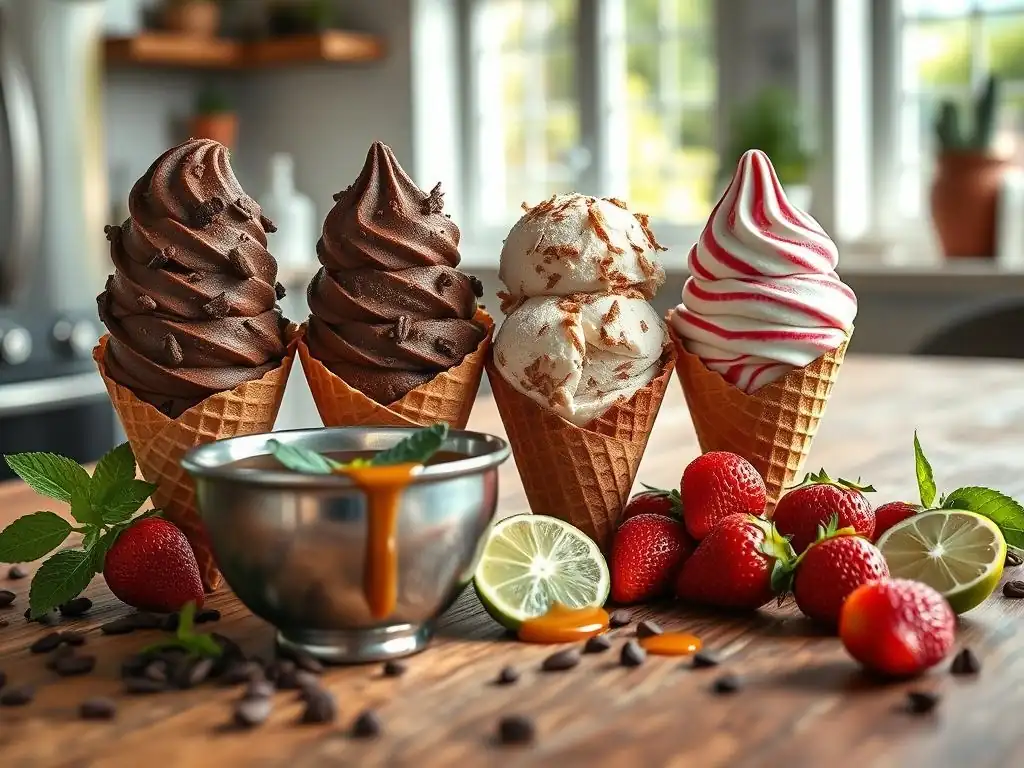
Welcome to BakeWithEase, your gateway to delicious baking adventures! Curious about crafting creamy, dreamy desserts without dairy? Dive into our guide on Dairyfree Vegan Ice Cream and discover how easy it is to create frozen treats that are both indulgent and inclusive. Prepare to be amazed by the simplicity and flavor – your taste buds (and your guests!) will thank you. Ready to scoop up some deliciousness?
- Introduction to Dairy-Free Vegan Ice Cream
- Understanding Dairy-Free Ice Cream Ingredients
- Easy Dairy-Free Vegan Ice Cream Recipes
- Tips for Making the Best Dairy-Free Vegan Ice Cream
- Troubleshooting Common Dairy-Free Ice Cream Problems
- Beyond Ice Cream: Other Dairy-Free Frozen Dessert Ideas
- Where to Buy the Best Dairy-Free Vegan Ice Cream
- Conclusion: Enjoying Delicious and Healthy Dairy-Free Frozen Treats
-
Frequently Asked Questions
- What exactly is dairy-free vegan ice cream?
- What are some common ingredients used to make dairy-free vegan ice cream?
- Is dairy-free vegan ice cream as creamy as traditional ice cream?
- Can I make dairy-free vegan ice cream at home, even if I'm a beginner baker?
- Where can I find more recipes and tips for making dairy-free vegan ice cream?
- Final Reflection: A Sweet Revolution in Frozen Treats
- Unleash Your Inner Ice Cream Artist!
Introduction to Dairy-Free Vegan Ice Cream
Why Choose Dairy-Free and Vegan Frozen Treats?
Choosing dairy-free and vegan frozen desserts, especially dairy-free vegan ice cream, is becoming increasingly popular for a variety of reasons. Many individuals opt for these alternatives due to lactose intolerance or dairy allergies, which affect a significant portion of the global population – estimates suggest around 68% of people worldwide have some degree of lactose malabsorption. For these individuals, traditional ice cream can cause uncomfortable digestive issues, making dairy-free options a necessary and welcome indulgence. Beyond digestive health, some people choose vegan frozen treats for lower saturated fat content compared to their dairy counterparts, contributing to heart-conscious dietary choices.
Furthermore, ethical and environmental considerations play a major role in the shift towards plant-based ice cream. Concerns about animal welfare in the dairy industry lead many to seek vegan alternatives. Environmentally, dairy production has a notable impact on greenhouse gas emissions, land use, and water consumption.
For example, producing a kilogram of dairy milk requires significantly more land and water and generates higher emissions than producing a kilogram of plant-based milk alternatives like oat or almond milk. By choosing dairy-free vegan ice cream, consumers can align their dessert choices with their values regarding sustainability and animal rights, enjoying delicious frozen treats without compromising their principles.
The Growing Popularity of Plant-Based Ice Cream Alternatives
The market for plant-based food, including dairy-free frozen desserts and vegan ice cream, has experienced substantial growth in recent years. What was once a niche market primarily serving those with allergies or strict dietary restrictions has blossomed into a mainstream trend. This surge is fueled by increased consumer awareness of health, environmental, and ethical issues, coupled with significant improvements in the taste and texture of dairy-free products. Major ice cream manufacturers and innovative startups alike are now offering extensive lines of vegan options, making them readily available in most grocery stores.
This growing popularity is reflected in market statistics. While exact figures fluctuate, the global vegan ice cream market size was estimated to be worth billions of U.S. dollars in recent years and is projected to continue growing at a compound annual growth rate (CAGR) often cited in the range of 8-12% or even higher over the next several years. This rapid expansion indicates strong consumer demand and increasing acceptance of dairy-free vegan ice cream as a delicious and viable alternative to traditional dairy options, demonstrating that you don't need dairy to create incredibly satisfying frozen desserts.
Understanding Dairy-Free Ice Cream Ingredients
Base Ingredients for Vegan Frozen Desserts: A Comprehensive Guide
The foundation of any dairy-free vegan ice cream is the base liquid, which replaces traditional dairy milk and cream. The choice of base significantly impacts the final texture, richness, and flavor of the frozen dessert. Common options include full-fat coconut milk, soaked cashews blended into a cream, oat milk, almond milk, and soy milk, each offering unique characteristics. Understanding the properties of these bases is key to crafting the perfect scoop of homemade dairy-free vegan ice cream.
Selecting the right base depends on the desired outcome. For instance, a base with higher fat content will yield a creamier, richer dairy-free ice cream that mimics the mouthfeel of traditional dairy. Bases with lower fat may result in a lighter texture, closer to a sorbet or gelato depending on other ingredients. Experimenting with different bases allows bakers to discover their preferred texture and flavor profile for their homemade vegan frozen desserts.
Coconut Milk: The Creamy Foundation
Full-fat coconut milk, particularly the kind sold in cans, is a popular and effective base for dairy-free vegan ice cream due to its high fat content. The solid cream that separates at the top of a chilled can is particularly rich, often containing around 17-24% fat, which is crucial for achieving a smooth, scoopable texture without excessive ice crystals. This high-fat content provides a luxurious mouthfeel similar to heavy dairy cream.
However, it's important to note that coconut milk imparts a distinct flavor. While this can be desirable in tropical or complementary flavors like chocolate or coffee, it might slightly mask delicate flavors like vanilla or certain fruits. Using "light" coconut milk is generally not recommended for ice cream as its lower fat content (often around 5-7%) makes it harder to achieve the desired creaminess and can lead to icier results. Always opt for full-fat canned coconut milk for the best dairy-free vegan ice cream base.
Cashew Cream: Richness and Smoothness
Cashew cream, made by soaking raw cashews and blending them with water, offers a neutral-flavored, incredibly rich, and smooth base for dairy-free vegan ice cream. When blended properly, soaked cashews create a thick, emulsified cream with a consistency similar to heavy dairy cream. The fat content from cashews contributes significantly to preventing ice crystal formation and producing a wonderfully creamy texture.
One of the main advantages of cashew cream is its ability to showcase other flavors without imparting its own strong taste, unlike coconut milk. This makes it an excellent choice for vanilla, fruit-based, or delicate floral dairy-free frozen desserts. The process requires a high-powered blender to achieve maximum smoothness, as any grittiness will affect the final texture of the dairy-free vegan ice cream. Soaking times vary, but typically range from 4 hours to overnight for optimal blending.
Oat Milk: A Versatile and Accessible Option
Oat milk has rapidly become a staple in many households, and its creamier barista blends can serve as a versatile base for dairy-free vegan ice cream. While generally lower in fat than full-fat coconut milk or cashew cream (often around 2-4% fat), specially formulated "extra creamy" or "barista" versions tend to have added fats (like rapeseed or sunflower oil) and emulsifiers that improve their performance in frozen applications. These varieties can provide a reasonably creamy texture, especially when combined with other thickeners or fats.
The flavor of oat milk is relatively neutral and slightly sweet, making it a good canvas for various flavors. It's also widely available and often more cost-effective than other plant-based milks. While a base made solely from standard oat milk might be less rich than one made with coconut cream or cashews, combining it with a smaller amount of added fat (like refined coconut oil) or relying more heavily on stabilizers can still yield satisfying dairy-free vegan ice cream.
Other Bases: Almond Milk, Soy Milk, and Avocado
Almond milk is a very common plant-based milk, but its low fat content (often 1-2%) and higher water content make it less ideal as the sole base for creamy dairy-free vegan ice cream. Using it alone often results in a harder, icier texture. It can, however, be used in combination with richer bases or in recipes specifically designed for a lighter, more sorbet-like consistency. Ensure you use unsweetened varieties to control the overall sweetness.
Soy milk, particularly full-fat or 'original' versions, has a slightly higher protein and fat content than almond milk (around 3-4% fat) and can produce a creamier result than almond milk alone. Its flavor is more distinct than almond or oat milk, which may or may not be desired depending on the recipe.
Avocado might seem unusual, but its high-fat content and incredibly smooth texture when blended make it an excellent, albeit less common, base for dairy-free frozen desserts, particularly for chocolate or lime flavors where its subtle taste is masked or complemented. When using avocado, combine it with another liquid base like coconut milk or plant-based milk.
Sweeteners for Dairy-Free Ice Cream
Sweeteners are crucial in dairy-free vegan ice cream not just for taste, but also for texture. Sugar acts as an antifreeze, lowering the freezing point of the mixture. This helps prevent the ice cream from freezing solid like a block of ice, contributing to a softer, more scoopable consistency. The type and amount of sweetener used will significantly impact the final texture and sweetness level of your homemade vegan frozen dessert.
Finding the right balance is key. Too little sugar can result in a very hard, icy dairy-free ice cream, while too much can make it excessively soft and overly sweet. Different sweeteners have varying levels of sweetness and slightly different effects on freezing point and flavor. Experimentation is often needed to find the perfect sweetener combination for your preferred dairy-free vegan ice cream recipe.
Natural Sweeteners: Maple Syrup, Agave, and Dates
Natural liquid sweeteners like maple syrup and agave nectar are popular choices for dairy-free vegan ice cream bases. They dissolve easily into cold mixtures and provide a pleasant, distinct flavor profile. Maple syrup adds a warm, slightly earthy sweetness, while agave nectar is more neutral. Both have a lower glycemic index than refined sugar, which is appealing to some, and they contribute to a smooth texture due to their liquid form and sugar content.
Date paste or date syrup, made from blended dates, is another natural option that provides sweetness and fiber. Using whole dates blended into the base can also add thickness and nutrients, though it may affect the smoothness if not blended thoroughly. When using these natural sweeteners, remember that their unique flavors will influence the final taste of your dairy-free vegan ice cream, so choose ones that complement your desired flavor profile. Approximately 1/2 to 3/4 cup of liquid sweetener per quart of base is a common starting point, but this varies by recipe and sweetness preference.
Sugar Alternatives: Erythritol and Stevia
For those looking to reduce sugar intake, alternative sweeteners like erythritol and stevia can be used in dairy-free vegan ice cream. Erythritol is a sugar alcohol that provides sweetness with very few calories and doesn't cause a significant blood sugar spike. However, it can have a cooling sensation and doesn't lower the freezing point as effectively as sugar, potentially leading to a harder, icier texture. It's often used in combination with other sweeteners or ingredients that improve texture.
Stevia, a natural sweetener derived from the stevia plant, is much sweeter than sugar and used in very small amounts. Like erythritol, it provides sweetness but doesn't contribute to the bulk or texture in the same way sugar does. Using only stevia can result in a very hard, icy dairy-free frozen dessert. Therefore, sugar alternatives are often best used in recipes specifically formulated for them, possibly incorporating other ingredients like gums or starches to compensate for the lack of sugar's textural properties in the dairy-free vegan ice cream.
Stabilizers and Thickeners for Perfect Texture
Stabilizers and thickeners play a vital role in creating smooth, creamy dairy-free vegan ice cream, particularly because plant-based bases often lack the natural emulsifiers and fat structure of dairy cream. These ingredients help prevent ice crystals from forming, improve the body and mouthfeel, and ensure a consistent texture throughout the freezing and storage process. Using a small amount of a stabilizer can make a significant difference in the quality of your homemade vegan frozen desserts.
While not always strictly necessary, especially with very rich bases like full-fat coconut cream or cashew cream, stabilizers are invaluable when using lower-fat bases or aiming for professional-level smoothness. They work by binding water molecules, which inhibits their ability to cluster and form large ice crystals. Common plant-based options include various gums and starches, each with slightly different properties that affect how they perform in a dairy-free vegan ice cream mix.
Guar Gum and Xanthan Gum: Preventing Ice Crystals
Guar gum and xanthan gum are powerful plant-based hydrocolloids often used in very small quantities (typically 1/4 to 1/2 teaspoon per quart of liquid) to stabilize dairy-free vegan ice cream. Guar gum is derived from guar beans and is particularly effective at preventing ice crystals in frozen desserts. It works synergistically with water, creating a gel-like network that helps maintain smoothness even during temperature fluctuations in the freezer.
Xanthan gum is produced by the fermentation of sugar by a bacterium. It's an excellent thickener and emulsifier, helping to keep the mixture homogenous and contributing to a creamier mouthfeel. While both gums prevent ice crystals, xanthan gum often provides a slightly more cohesive, almost elastic texture. Using too much of either gum can result in a gummy or slimy texture, so precise measurement is crucial when adding them to your dairy-free vegan ice cream base. Combining a tiny pinch of both is sometimes recommended for optimal results.
Cornstarch and Tapioca Starch: Achieving Creaminess
Cornstarch and tapioca starch are common kitchen thickeners that can also be used in dairy-free vegan ice cream to improve creaminess and stability. Unlike gums which are often added directly or dissolved in cold liquid, starches typically need to be cooked briefly with the liquid base to activate their thickening properties, forming a sort of custard or pudding-like base before churning. This cooking process helps to hydrate the starch granules, creating a smoother texture.
Using starches results in a different kind of thickness compared to gums. Cornstarch provides a more opaque, slightly pudding-like consistency when cooked, while tapioca starch offers a clearer, slightly more gel-like texture. Both help bind water and contribute to a smoother freeze. Recipes often call for whisking a tablespoon or two of starch with a small amount of cold liquid to create a slurry, then whisking this into the heated base mixture and cooking until thickened before cooling and churning into dairy-free vegan ice cream.
Easy Dairy-Free Vegan Ice Cream Recipes
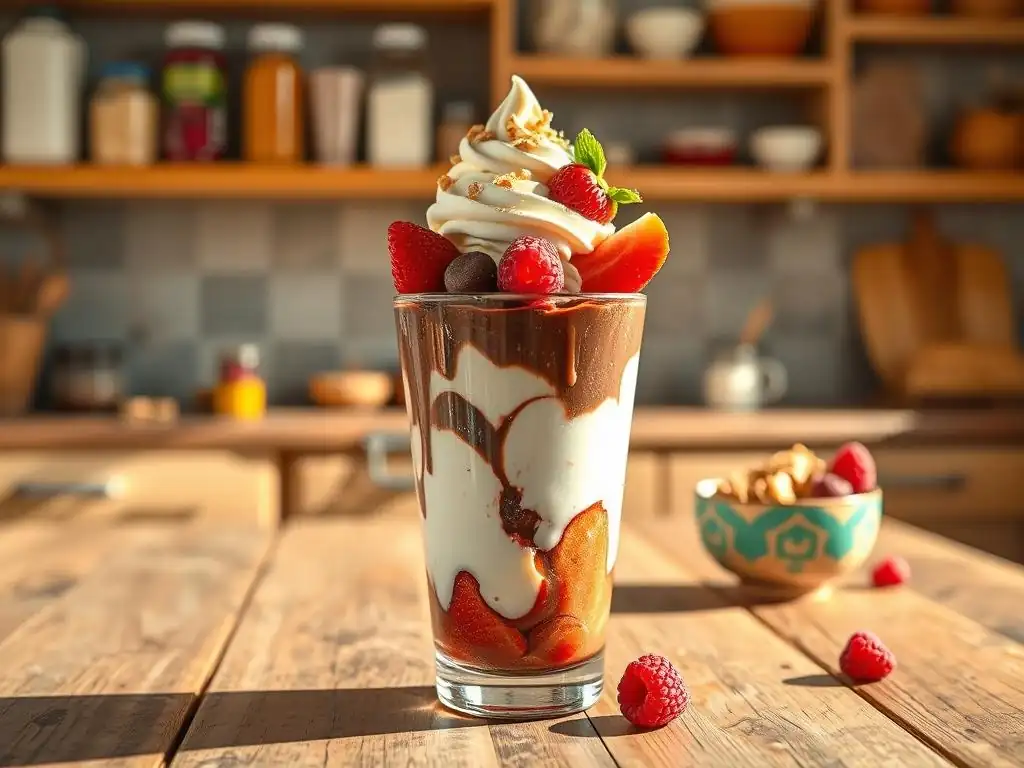
Creating delicious dairy-free vegan ice cream at home is simpler than you might think. With a few common plant-based ingredients and some basic equipment, you can whip up creamy, flavorful frozen treats tailored to your taste. Here are a few foundational recipes to get you started on your dairy-free frozen dessert journey. These recipes are designed to be easy to follow, even for beginners, yielding approximately 1 to 1.5 quarts of delightful vegan ice cream.
These recipes typically require chilling the base mixture thoroughly before churning, usually for at least 4 hours, or preferably overnight. This step is crucial for achieving the best texture during churning. Using an ice cream maker is highly recommended for optimal results, as it incorporates air and freezes the mixture evenly, leading to a smoother dairy-free vegan ice cream.
Classic Vanilla Vegan Ice Cream Recipe
Vanilla is the perfect starting point for homemade dairy-free vegan ice cream. Its simple, elegant flavor allows the creamy base to shine. This recipe uses a rich plant-based base to ensure a luxurious texture.
This versatile vanilla base can also be used as a foundation for other flavors; simply add mix-ins or extracts towards the end of the churning process. Ensure you use high-quality vanilla extract or, for an even richer flavor, vanilla bean paste or the seeds scraped from a vanilla bean.
Ingredients for Vanilla Dairy-Free Ice Cream
- 2 cans (about 26-28 oz total) full-fat coconut milk, chilled overnight
- 3/4 cup granulated sugar or maple syrup
- 1/4 teaspoon sea salt
- 1 tablespoon pure vanilla extract or 1 teaspoon vanilla bean paste
- (Optional) 1 teaspoon tapioca starch or cornstarch mixed with 2 tablespoons cold plant milk (if not using a high-fat base)
Step-by-Step Instructions for Homemade Vanilla Vegan Ice Cream
- Chill your ice cream maker bowl according to the manufacturer's instructions (usually 12-24 hours).
- If using canned coconut milk, open the chilled cans carefully and scoop out the solid cream from the top, leaving the liquid behind (you should get about 2 cups of cream). If using a different base like cashew cream, prepare it according to its specific method to yield about 2 cups of very thick liquid.
- In a medium saucepan, combine the plant-based cream/base, sugar (or maple syrup), and salt. Heat over medium heat, stirring until the sugar is completely dissolved. Do not boil.
- If using starch, whisk the slurry (starch mixed with cold milk) into the warm base mixture. Cook for 1-2 minutes, stirring constantly, until slightly thickened.
- Remove from heat and stir in the vanilla extract or paste.
- Pour the mixture into a container and chill thoroughly in the refrigerator for at least 4-6 hours, or until very cold. An overnight chill is ideal for the best results.
- Once the base is completely chilled, pour it into your pre-chilled ice cream maker bowl and churn according to the manufacturer's instructions, typically 20-30 minutes, until it reaches a soft-serve consistency.
- Transfer the soft dairy-free vegan ice cream to a freezer-safe container. Press parchment paper or plastic wrap directly onto the surface to prevent ice crystals. Freeze for at least 4-6 hours, or until firm enough to scoop.
Chocolate Dairy-Free Ice Cream: A Rich and Decadent Treat
Chocolate dairy-free vegan ice cream is a perennial favorite, offering deep, satisfying flavor. This recipe builds on a creamy base and incorporates cocoa powder for that essential chocolatey goodness. Using high-quality unsweetened cocoa powder will yield the best flavor.
This recipe provides a rich, dark chocolate flavor. For a milder chocolate, reduce the amount of cocoa powder slightly. You can also add vegan chocolate chips or chunks during the last few minutes of churning for added texture and decadence in your dairy-free vegan ice cream.
Ingredients for Chocolate Vegan Ice Cream
- 2 cans (about 26-28 oz total) full-fat coconut milk, chilled overnight (or 2 cups thick cashew cream)
- 3/4 cup granulated sugar or maple syrup
- 1/2 cup unsweetened cocoa powder
- 1/4 teaspoon sea salt
- 1 teaspoon pure vanilla extract
Making Chocolate Vegan Ice Cream: A Simple Method
- Chill your ice cream maker bowl according to the manufacturer's instructions.
- Prepare your chilled plant-based cream/base (about 2 cups) as described in the vanilla recipe (scooping coconut cream or using prepared cashew cream).
- In a medium saucepan, whisk together the plant-based base, sugar (or maple syrup), cocoa powder, and salt until smooth and there are no lumps of cocoa powder.
- Heat the mixture over medium heat, stirring constantly, until it is warm and the sugar is fully dissolved. Do not boil.
- Remove from heat and stir in the vanilla extract.
- Pour the chocolate mixture into a container and chill thoroughly in the refrigerator for at least 4-6 hours, or until very cold. An overnight chill is recommended.
- Churn the chilled base in your pre-chilled ice cream maker bowl according to the manufacturer's instructions, typically 20-30 minutes, until it reaches a soft-serve consistency.
- Transfer the soft dairy-free vegan ice cream to a freezer-safe container. Cover the surface directly with parchment paper or plastic wrap. Freeze for at least 4-6 hours, or until firm.
Fruity Vegan Ice Cream Flavors: Strawberry, Mango, and More
Fruity flavors are wonderfully refreshing in dairy-free vegan ice cream and are a great way to use seasonal produce. Using fresh or frozen fruit adds natural sweetness and vibrant color and flavor. The key is to blend the fruit smoothly into your base.
These recipes use pureed fruit combined with a simple dairy-free base. The amount of sweetener may need adjustment depending on the sweetness of your fruit. For the best flavor and texture, use ripe fruit.
Vegan Strawberry Ice Cream Recipe
- 1 1/2 cups fresh or frozen strawberries, hulled
- 1 tablespoon lemon juice
- 1/4 cup granulated sugar or maple syrup (adjust to taste)
- 2 cups dairy-free ice cream base (like the simple base from the vanilla recipe before adding vanilla, or a mix of coconut cream and plant milk)
Blend the strawberries, lemon juice, and sweetener until completely smooth. Pass through a fine-mesh sieve if you prefer a seedless ice cream. Whisk the fruit puree into the dairy-free base. Chill thoroughly for at least 4 hours. Churn in an ice cream maker according to instructions, then freeze until firm (4-6 hours).
Vegan Mango Ice Cream Recipe
- 1 1/2 cups ripe mango chunks (fresh or frozen)
- 1-2 tablespoons lime juice (optional, enhances mango flavor)
- 1/4 cup granulated sugar or maple syrup (adjust to taste)
- 2 cups dairy-free ice cream base (a rich base like coconut cream or cashew cream works well)
Blend the mango chunks, lime juice (if using), and sweetener until completely smooth. Whisk the mango puree into the dairy-free base. Chill thoroughly for at least 4 hours. Churn in an ice cream maker according to instructions, then freeze until firm (4-6 hours). This yields a vibrant, tropical dairy-free vegan ice cream.
Tips for Making the Best Dairy-Free Vegan Ice Cream
Making delicious dairy-free vegan ice cream at home involves more than just following a recipe; a few key techniques can elevate your results from good to outstanding. Paying attention to details like ingredient temperature, freezing method, and storage can significantly impact the final texture and flavor of your frozen dessert. These tips apply whether you're making a classic vanilla or an adventurous fruity flavor.
Achieving that perfect scoopable consistency and preventing the formation of large, unpleasant ice crystals are common goals for any homemade ice cream maker. Understanding how different elements interact during the freezing process is crucial for mastering dairy-free vegan ice cream.
Choosing the Right Ice Cream Maker
While it's technically possible to make dairy-free vegan ice cream without a machine (often called the "no-churn" method, typically involving condensed plant milk and whipped cream), using an ice cream maker is highly recommended for the smoothest, creamiest texture. Ice cream makers churn the mixture as it freezes, incorporating air and breaking up ice crystals as they form. This process results in a much lighter, softer consistency than simply freezing the base solid.
There are two main types of ice cream makers: those with a freezer bowl that needs to be pre-chilled (typically 12-24 hours) and compressor models that freeze the mixture as they churn, requiring no pre-freezing of the bowl. Compressor models are more expensive but offer convenience for making multiple batches. For most home bakers, a freezer bowl model works perfectly well for producing excellent dairy-free vegan ice cream. Ensure the bowl is completely frozen before use.
Achieving the Perfect Consistency
The ideal consistency for dairy-free vegan ice cream is smooth, creamy, and scoopable. This is influenced by several factors: the fat content of your base, the sugar content, the use of stabilizers, and the churning process. A base that is too watery or low in fat will likely result in an icy texture. Using enough sugar helps lower the freezing point, keeping the ice cream softer.
Churning time is also critical. Churning for the recommended time (usually 20-30 minutes) incorporates the right amount of air and develops the texture. Over-churning can sometimes incorporate too much air or cause the mixture to warm up. After churning to a soft-serve consistency, the ice cream needs to "cure" or harden in the freezer for several hours (typically 4-6) to reach its final scoopable state. For very hard dairy-free vegan ice cream, letting it sit on the counter for 5-10 minutes before scooping can help.
Preventing Ice Crystals in Homemade Vegan Ice Cream
Ice crystals are the nemesis of smooth, creamy ice cream. They form when water molecules in the mixture freeze and cluster together. Preventing large ice crystals is key to achieving a desirable texture in dairy-free vegan ice cream. Using a base with high fat content (like full-fat coconut cream or cashew cream) is the most effective way to minimize crystal formation, as fat doesn't freeze solid and interferes with water crystallization.
Other methods include ensuring the base is very cold before churning, using enough sugar (which acts as an antifreeze), and optionally incorporating stabilizers like guar gum or xanthan gum (in tiny amounts) or cooking a starch into the base. Freezing the churned ice cream quickly also helps. Storing the finished dairy-free vegan ice cream in an airtight container with minimal air space and pressing parchment paper directly onto the surface further helps prevent crystals from forming during storage as the surface is protected from air exposure.
Freezing and Storing Dairy-Free Ice Cream
Proper freezing and storage are essential for maintaining the quality of your homemade dairy-free vegan ice cream. After churning to a soft-serve consistency, the ice cream needs time in a cold freezer to harden completely. Transfer the churned mixture to a freezer-safe container. Glass or metal containers can help the ice cream freeze faster than plastic.
To prevent freezer burn and the formation of large ice crystals on the surface, press a layer of parchment paper or plastic wrap directly onto the surface of the dairy-free vegan ice cream before putting the lid on the container. Ensure the container is airtight. Store the ice cream in the coldest part of your freezer, ideally towards the back, where the temperature is most stable. Homemade dairy-free vegan ice cream is best enjoyed within 1-2 weeks, as texture can degrade over longer periods compared to commercial varieties with more stabilizers.
Troubleshooting Common Dairy-Free Ice Cream Problems
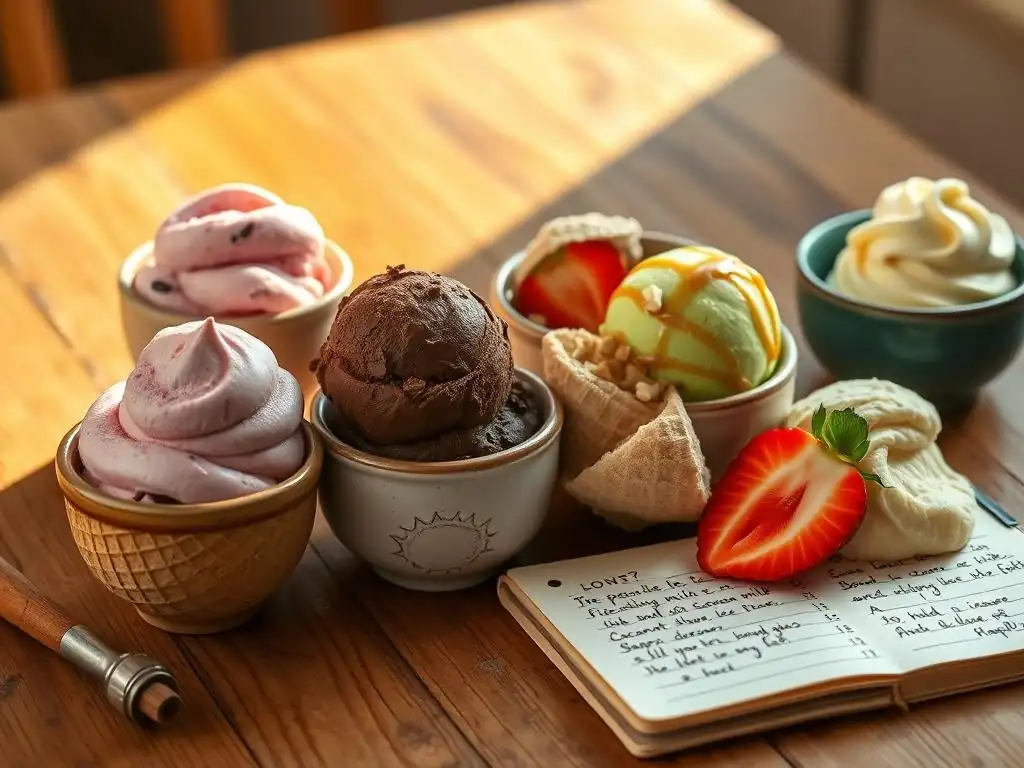
Even with the best recipes and techniques, sometimes things don't go exactly as planned when making homemade dairy-free vegan ice cream. Understanding common issues and how to fix them can save your batch and improve your future attempts. From a grainy texture to ice cream that's too hard or lacks flavor, most problems have relatively simple solutions rooted in understanding the ingredients and process.
Don't get discouraged if your first batch isn't perfect. Making delicious dairy-free frozen desserts is a skill that improves with practice. By identifying the potential cause of a problem, you can make adjustments to your recipe or technique for the next time you whip up a batch of dairy-free vegan ice cream.
Grainy Texture: Causes and Solutions
A grainy or icy texture is one of the most common issues with homemade dairy-free vegan ice cream. This is usually caused by the formation of large ice crystals. Insufficient fat content in the base is a primary culprit; water freezes into hard crystals, while fat remains softer. Using low-fat plant milks or not separating the solid cream from canned coconut milk can lead to this.
Solutions include using a higher-fat base (full-fat coconut cream, cashew cream), ensuring the base is very cold before churning, churning for the correct amount of time to incorporate air and break up initial crystals, and using a small amount of stabilizer like guar gum or xanthan gum (1/4-1/2 tsp per quart). Also, ensuring sugar is fully dissolved and storing the finished dairy-free vegan ice cream properly (airtight container, surface covered) helps prevent further crystal growth during hardening.
Too Soft: How to Harden Vegan Ice Cream
If your dairy-free vegan ice cream is too soft even after several hours in the freezer, it might be due to too much sugar or other liquids, or not enough fat or stabilizers. Sugar lowers the freezing point, so an excess amount can prevent the ice cream from ever freezing truly firm. Liquid sweeteners like maple syrup or agave also contribute to softness more than granulated sugar.
To harden a too-soft batch, you can try refreezing it in a colder part of the freezer. For future batches, reduce the amount of sweetener slightly, increase the amount of high-fat base (like coconut cream), or add a small amount of a stabilizer like guar gum. Ensuring your ice cream maker bowl is properly frozen before churning also helps the mixture freeze faster and firmer initially, leading to better final texture for your dairy-free vegan ice cream.
Lack of Flavor: Enhancing Taste in Dairy-Free Frozen Desserts
Sometimes, dairy-free vegan ice cream can taste bland or less flavorful than expected. This can happen if the base has a neutral flavor and not enough flavoring agents (extracts, fruit, cocoa) are added, or if the sweetness level isn't balanced correctly. Plant-based bases, especially those low in fat, can sometimes dilute flavors more than dairy.
To enhance flavor, ensure you are using high-quality flavorings like pure vanilla extract, dark unsweetened cocoa powder, or ripe, flavorful fruit. Don't be afraid to be generous with flavorings; plant-based bases can sometimes require a little more punch. Adjust the sweetener amount to ensure it complements, rather than overwhelms, the primary flavor. Adding a pinch of salt (like 1/4 tsp per quart) can also miraculously boost and balance all the flavors in your dairy-free vegan ice cream, even sweet ones.
Beyond Ice Cream: Other Dairy-Free Frozen Dessert Ideas
The world of dairy-free frozen desserts extends far beyond just scoopable ice cream. There's a wealth of other delicious vegan frozen treats you can make or find, offering different textures and flavor experiences. Exploring these options provides even more ways to enjoy sweet, icy delights without any dairy ingredients.
From light and refreshing sorbets to creamy, easy "nice cream" and structured treats like ice cream sandwiches, the possibilities for dairy-free vegan frozen desserts are vast and exciting. These alternatives often require minimal or no specialized equipment, making them accessible for home bakers.
Vegan Sorbet Recipes: Refreshing and Fruity
Vegan sorbet is naturally dairy-free and offers a wonderfully refreshing, intensely fruity experience. Unlike ice cream, sorbet contains no fat, relying solely on fruit puree, water (or juice), and sugar. This results in a lighter, icier texture than dairy-free vegan ice cream, perfect for cleansing the palate or cooling down on a hot day.
Basic sorbet involves blending fruit (like raspberries, lemon, or mango) with a simple syrup (sugar dissolved in water) and then churning or freezing until solid, stirring occasionally if not using a machine. The ratio of fruit to sugar and liquid is key to achieving the right texture – too little sugar results in a hard, icy block, while too much can make it too soft. A common ratio is roughly 2 parts fruit puree to 1 part simple syrup, but this varies depending on the fruit's natural sweetness.
Dairy-Free Nice Cream: Using Frozen Bananas
"Nice cream" is perhaps the simplest and quickest dairy-free frozen dessert to make at home, requiring only one main ingredient: frozen bananas. When frozen banana chunks are blended in a food processor or high-powered blender, they transform into a surprisingly creamy, soft-serve-like consistency that mimics traditional ice cream.
To make basic nice cream, simply peel ripe bananas, break them into chunks, freeze them solid, and then blend until smooth, scraping down the sides as needed. The result is a naturally sweet, creamy base. You can add other frozen fruits (like berries or mango), cocoa powder, peanut butter, or extracts while blending to create endless flavor variations of this easy dairy-free vegan ice cream alternative. It's best enjoyed immediately for the creamiest texture.
Vegan Ice Cream Sandwiches and Bars
Once you've mastered making dairy-free vegan ice cream, you can use it to create more elaborate frozen desserts like ice cream sandwiches and bars. Vegan ice cream sandwiches typically involve spreading or scooping firm dairy-free vegan ice cream between two vegan cookies or brownies and then freezing until solid.
For ice cream bars, the churned dairy-free vegan ice cream is spread into a lined pan, frozen solid, cut into bars, and often dipped in a vegan chocolate coating. These treats are perfect for making ahead and are always a hit. Using homemade or store-bought vegan cookies or brownies makes assembly simple, allowing you to create delightful, multi-component dairy-free frozen desserts.
Where to Buy the Best Dairy-Free Vegan Ice Cream
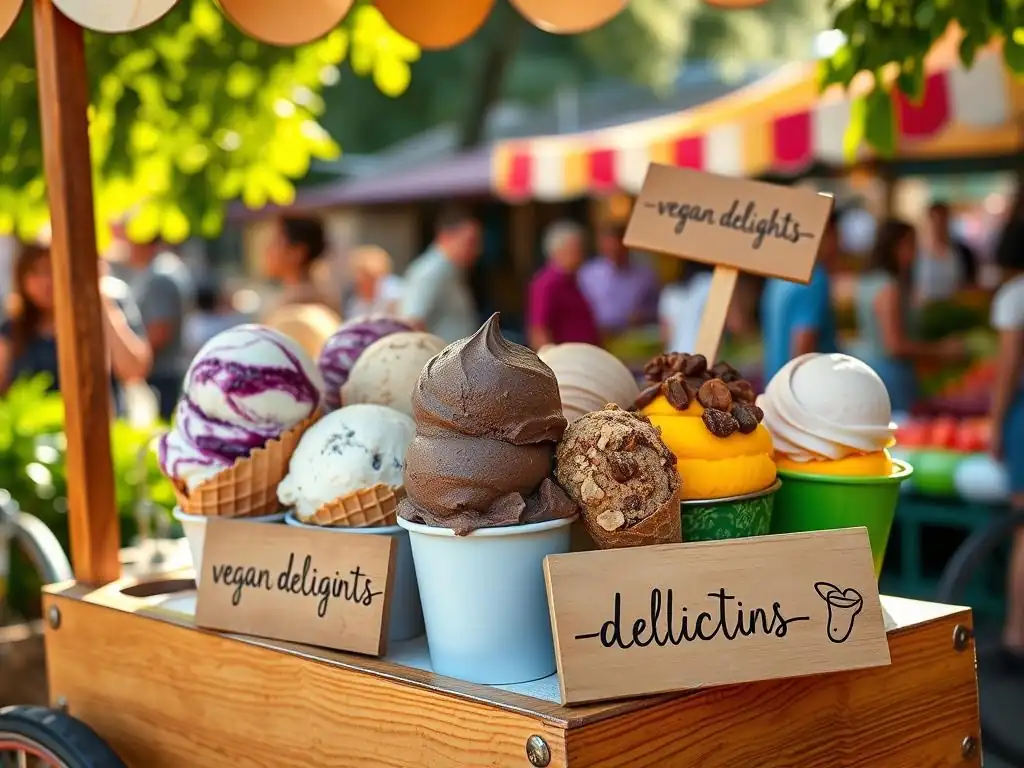
While making homemade dairy-free vegan ice cream is rewarding, sometimes you just want to grab a pint (or a scoop!) without the effort. Thankfully, the market for store-bought vegan frozen desserts has exploded, offering a wide variety of delicious options at grocery stores, online, and even in dedicated shops.
The quality and variety of commercially available dairy-free vegan ice cream have improved dramatically over the past decade. You can now find flavors and textures that rival or even surpass traditional dairy ice cream, made from various plant bases like almond, soy, cashew, oat, coconut, and even pea protein.
Exploring Grocery Store Options
Most major grocery store chains now carry a diverse selection of dairy-free vegan ice cream brands and flavors. Look in the freezer aisle alongside traditional ice cream. Popular national brands like Ben & Jerry's (with their almond milk and sunflower butter bases), So Delicious (coconut, cashew, oat, and soy bases), and Oatly (oat base) are widely available.
Many stores also carry smaller or regional vegan ice cream brands, and store brands are increasingly offering their own dairy-free lines. Prices per pint generally range from $4 to $7, comparable to premium dairy ice cream. Reading the ingredients list can help you determine the base and any added stabilizers or allergens, ensuring you pick the perfect pint of store-free vegan ice cream for your needs.
Online Retailers for Vegan Frozen Desserts
For those seeking a wider selection or specific artisanal dairy-free vegan ice cream brands not available locally, online retailers offer a convenient solution. Several online marketplaces specialize in vegan and plant-based foods, including frozen desserts. These platforms often ship products in insulated packaging with dry ice to ensure they arrive frozen.
While shipping costs can add up, ordering online allows access to unique flavors, smaller batch producers, and brands that might only have limited distribution. Some vegan bakeries or specialty shops with online stores also sell their house-made dairy-free frozen desserts. This option is great for discovering new favorites or stocking up on hard-to-find dairy-free vegan ice cream.
Supporting Local Vegan Ice Cream Shops
Dedicated vegan ice cream parlors are popping up in many cities, offering freshly made scoops, cones, and sometimes even shakes and sundaes. These shops provide a wonderful opportunity to taste unique flavors and support local businesses focused entirely on plant-based treats.
Visiting a local vegan ice cream shop allows you to experience creamy dairy-free vegan ice cream made with passion and often using high-quality, local ingredients. Many offer rotating seasonal flavors, giving you a reason to visit often. Check online directories or social media to find vegan-friendly ice cream shops in your area; some traditional parlors also offer a selection of dairy-free options.
Conclusion: Enjoying Delicious and Healthy Dairy-Free Frozen Treats
Whether you choose to make it from scratch using simple plant-based ingredients or pick up a pint from your local grocery store, enjoying delicious dairy-free vegan ice cream and other frozen desserts has never been easier or more appealing. With a wide variety of bases, flavors, and textures available, there's a vegan frozen treat to satisfy every craving and dietary need.
Embracing dairy-free frozen desserts opens up a world of culinary creativity in your own kitchen and provides access to innovative and tasty products in the market. From classic vanilla dairy-free vegan ice cream to refreshing fruit sorbets and indulgent chocolate creations, these plant-based options prove that you don't need dairy to experience the joy of a perfectly scoopable, delightfully sweet frozen treat. So go ahead, explore the possibilities, and indulge in the wonderful world of dairy-free vegan ice cream!
Frequently Asked Questions
What exactly is dairy-free vegan ice cream?
Dairy-free vegan ice cream is a frozen dessert that does not contain any dairy products (like milk, cream, or butter) or any ingredients derived from animals. It typically uses plant-based alternatives such as coconut milk, oat milk, or cashew cream.
What are some common ingredients used to make dairy-free vegan ice cream?
Common ingredients include plant-based milks (coconut, oat, almond, cashew), sweeteners like maple syrup or agave, and flavorings like vanilla extract, chocolate, or fruit. Stabilizers like guar gum or tapioca starch are sometimes used to improve the texture.
Is dairy-free vegan ice cream as creamy as traditional ice cream?
While the texture might vary slightly, many dairy-free vegan ice cream recipes are designed to be incredibly creamy. Using full-fat coconut milk or cashew cream can help achieve a rich, smooth texture similar to dairy-based ice cream.
Can I make dairy-free vegan ice cream at home, even if I'm a beginner baker?
Absolutely! BakeWithEase.com offers simple, step-by-step recipes that are perfect for beginners. With easy-to-find ingredients and clear instructions, you can easily create delicious dairy-free vegan ice cream at home.
Where can I find more recipes and tips for making dairy-free vegan ice cream?
BakeWithEase.com is your go-to resource for mastering the art of baking dairy-free vegan ice cream. Explore our website for a wide range of recipes, techniques, and tips to help you create your own frozen masterpieces!
Final Reflection: A Sweet Revolution in Frozen Treats
The demand for dairy-free, vegan ice cream is no longer a niche trend; it's a mainstream movement reflecting a growing awareness of ethical and health concerns. This shift signifies a powerful consumer voice demanding delicious and accessible alternatives to traditional dairy-based desserts, a demand that innovative companies and home cooks are happily meeting. The recipes and insights shared in this article highlight the ease and abundance of delicious options available.
The journey towards embracing plant-based alternatives has been profoundly impactful, not only on individual health but also on the broader conversation surrounding sustainability and animal welfare. The best way to find yourself is to lose yourself in the service of others,
– Mahatma Gandhi. This quote resonates deeply because the increasing popularity of vegan ice cream reflects a growing empathy for the planet and its inhabitants, a desire to make conscious choices that benefit both ourselves and the world around us. The simple act of choosing a dairy-free dessert becomes a small but significant step in a larger movement.
Now, consider your own freezer. What delicious possibilities await? I challenge you to explore the world of dairy-free frozen desserts, to experiment with new flavors and recipes, and to share your creations with others. Let this article be your springboard to a sweeter, more compassionate, and undeniably delicious future. Embrace the change, savor the flavor, and contribute to a world where everyone can enjoy the simple pleasure of a delightful frozen treat.
Unleash Your Inner Ice Cream Artist!
Thanks for exploring the delicious world of dairy-free frozen desserts with us! We hope you're feeling inspired and ready to create some seriously amazing treats. Now it's time to put your newfound knowledge into action:
- Craft your dream dairy-free dessert: Use the recipes and tips from this article as a springboard to experiment with your favorite flavors and ingredients. Don't be afraid to get creative!
- Share your creations: Tag us on social media and show us your stunning dairy-free masterpieces! Let's build a community of vegan dessert enthusiasts.
- Explore new possibilities: Try substituting different fruits, nuts, or syrups to discover your next favorite flavor combination.
What unexpected flavor combination will you try first to perfect your dairy-free frozen dessert game?