
The History and HowTo of New England Hermit Cookies

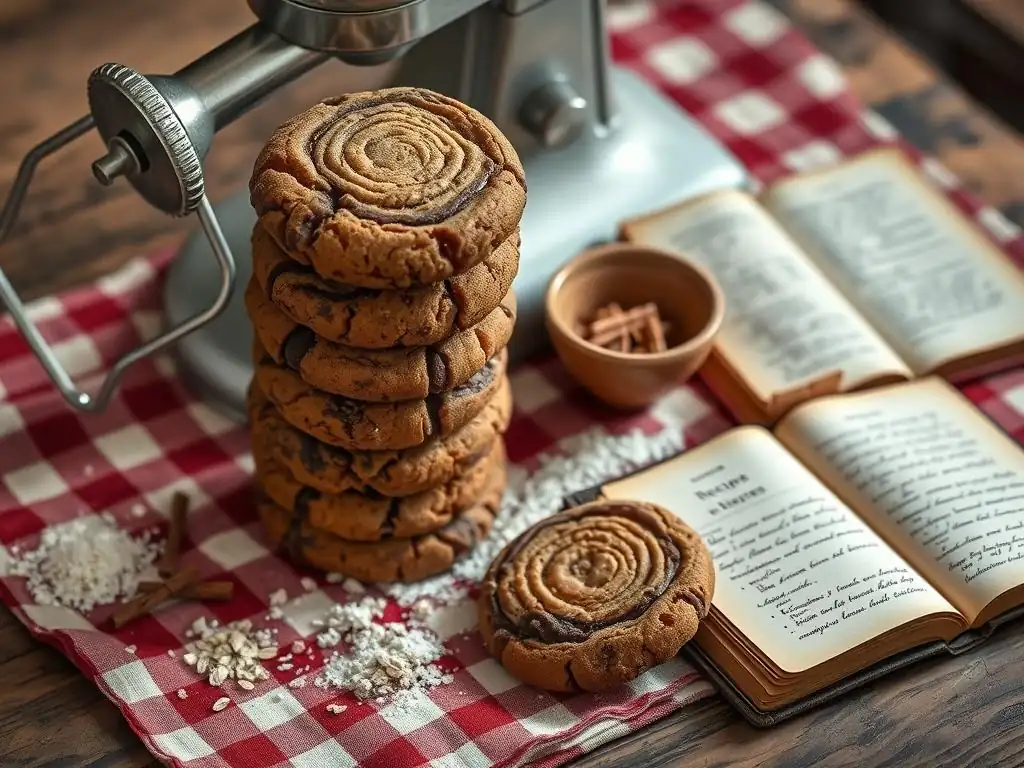
Welcome to BakeWithEase!
Discover the heartwarming history and irresistible taste of a true New England classic. Ever wondered about the origins of the New England hermit cookie recipe and how to bake these spiced delights to perfection? Uncover the secrets to achieving that signature soft, chewy texture and rich molasses flavor, and embark on a baking adventure that's both delicious and deeply rooted in tradition. Let's bake something extraordinary!
- The History and How-To of New England Hermit Cookies: A BakeWithEase Guide
- Discovering New England Hermit Cookies: A Culinary Journey
- A Taste of History: Tracing the Origins of the Hermit Cookie
- Mastering the New England Hermit Cookie Recipe: A Step-by-Step Guide
- Variations on a Theme: Exploring Different Hermit Cookie Recipes
- Tips and Tricks for Baking the Best New England Hermit Cookies
- Serving Suggestions: Enjoying Your Homemade Hermit Cookies
-
Frequently Asked Questions
- What exactly are New England Hermit Cookies?
- What makes a Hermit Cookie specifically New England?
- What's the history behind the name "Hermit Cookie"?
- What are the key ingredients that differentiate a Hermit Cookie from other cookies?
- Can I adapt the BakeWithEase Hermit Cookie recipe to be gluten-free or vegan?
- Final Reflection: The Enduring Charm of the New England Hermit Cookie
- Unlock the Secrets of the Perfect Hermit Cookie!
Hermit cookies are a beloved New England baking tradition, known for their soft, chewy texture and rich, spiced flavor profile. Unlike many crisper cookies, a true hermit cookie is typically quite moist, almost cake-like in its interior crumb, while maintaining a slightly firmer edge. They are characterized by the generous use of warm spices like molasses, ginger, cloves, and cinnamon, often combined with dried fruits such as raisins or dates, and sometimes nuts. This combination creates a deeply aromatic and flavorful treat that evokes comfort and nostalgia for many who grew up in the region.
The name "hermit" is thought to refer to their ability to keep well over time, making them a perfect companion for travelers or those seeking a durable snack. Historically, before modern refrigeration, baked goods that could last for several days or even weeks were highly valued. Hermit cookies, packed with preserving ingredients like molasses and spices, fit this description perfectly. A well-baked batch, stored properly, could remain enjoyable for a week or more, unlike lighter, more perishable cookies. This practicality, combined with their delicious taste, cemented their place in the pantheon of New England baked goods.
The enduring popularity of the New England hermit cookie recipe lies in its comforting familiarity and robust flavor. In a world of fleeting food trends, the classic hermit cookie offers a taste of history and tradition. Their complex spice blend provides a warmth that is particularly appealing during the cooler New England months, but they are enjoyed year-round. The combination of sweet molasses, spicy ginger, and fragrant cinnamon creates a depth of flavor that is both invigorating and soothing.
Beyond their taste, hermit cookies are also appealing for their versatility. While the traditional New England hermit cookie recipe is cherished, variations abound, allowing bakers to customize them to their liking. Some prefer them plain, letting the spices shine, while others add chocolate chips for a modern twist or a simple glaze for extra sweetness. Their relatively simple preparation also makes them accessible to home bakers of all skill levels, fitting perfectly with the BakeWithEase philosophy of making baking approachable and enjoyable for everyone.
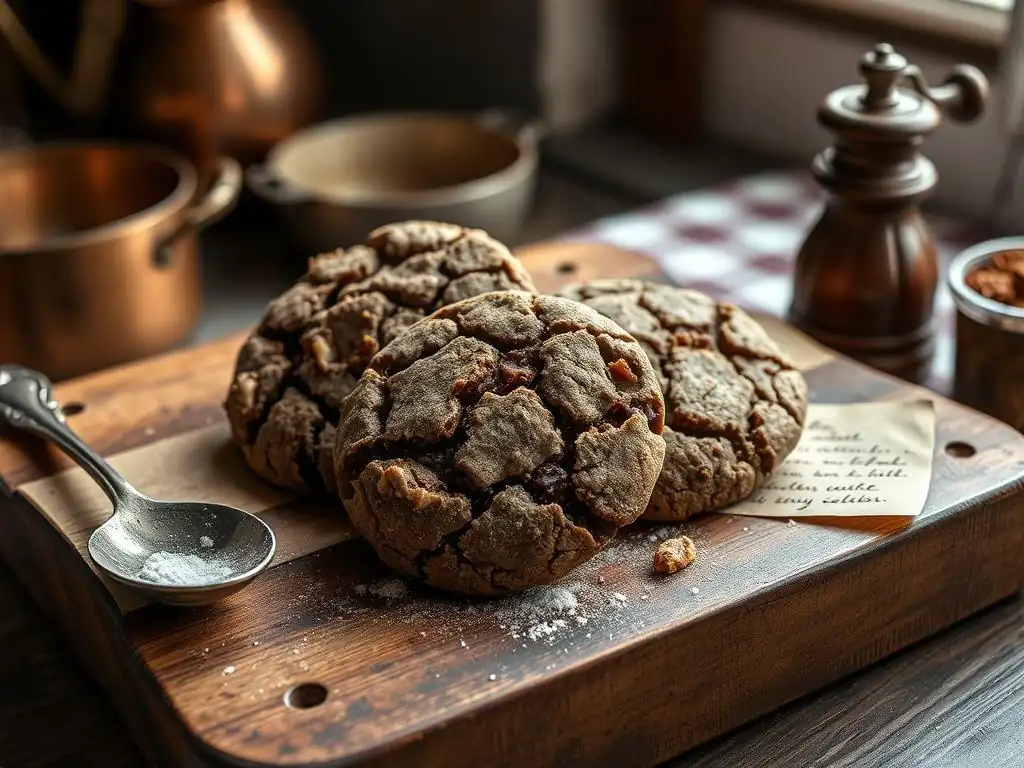
Early American baking was heavily influenced by European traditions, particularly those from England and the Netherlands, but adapted to the ingredients available in the New World. Molasses, a byproduct of the booming sugar cane industry in the Caribbean, became a readily available and cost-effective sweetener compared to refined sugar. This led to its widespread use in many colonial and early American recipes, including gingerbread, brown bread, and, of course, hermit cookies. Baked goods from this era were often dense and hearty, designed to provide sustenance and keep well without refrigeration.
Hermit cookies fit squarely within this tradition of sturdy, molasses-sweetened, spiced baked goods. While the exact origin date is unclear, recipes resembling modern hermit cookies began appearing in American cookbooks in the late 19th century. For instance, the Fannie Farmer Cookbook, first published in 1896, included a recipe for "Hermits," which called for molasses, spices, and raisins, solidifying their presence in the American culinary landscape. These early recipes often used baking soda activated by the acidic molasses, giving the cookies their characteristic rise and soft texture.
Spices were a luxury in early America, imported from distant lands, but they played a crucial role in flavoring baked goods and preserving food. The original New England hermit cookie recipe relied heavily on a specific blend of warm spices that were popular and relatively accessible at the time. Cinnamon, ginger, cloves, and nutmeg were common additions, providing both flavor and perceived health benefits. Molasses itself has a distinct, slightly bitter sweetness that pairs exceptionally well with these pungent spices.
A typical early hermit cookie recipe might call for a teaspoon or more of each ground spice per batch, creating a much more intensely spiced cookie than some modern versions. For example, a recipe from an 1880s community cookbook might list 1 tsp ground ginger, 1 tsp ground cloves, and 2 tsp ground cinnamon for a batch using 1 cup of molasses. These spices not only added depth of flavor but also contributed to the cookies' ability to last longer, as many spices possess natural antimicrobial properties. The generous use of spices is a defining characteristic that sets the New England hermit cookie apart.
The geographical and economic factors of New England contributed significantly to the hermit cookie's rise as a regional staple. The region's maritime trade facilitated the import of molasses and spices. Furthermore, New England's climate meant that baking was a year-round activity, providing warmth and comfort during long winters. Hermit cookies, being both delicious and practical for storage, became a natural fit for the New England household.
Local bakeries and home cooks alike embraced the New England hermit cookie recipe, passing variations down through generations. Community cookbooks published throughout the 20th century consistently featured multiple versions of the recipe, each slightly different but adhering to the core principles of molasses, spices, and a chewy texture. This widespread presence in local culinary records and family recipe boxes solidified their status not just as a cookie, but as a cultural touchstone, representing the resilience and resourcefulness of New England baking traditions.
Creating authentic New England hermit cookies starts with selecting the right ingredients. While simple, the quality and type of each component significantly impact the final outcome. You'll need staples like all-purpose flour, butter, eggs, and leavening agents (typically baking soda). The signature flavors come from dark molasses, brown sugar (which adds moisture and depth), and a specific blend of warm spices. Many traditional recipes also include dried fruits, most commonly raisins, and sometimes chopped nuts like walnuts or pecans.
Ensuring you have fresh spices is paramount to achieving the characteristic flavor of a classic New England hermit cookie recipe. Spices lose potency over time, so check the dates on your jars. For molasses, opt for dark or unsulfured varieties for the richest flavor; light molasses can be used but will result in a milder taste. If adding dried fruit, plump, moist raisins are ideal. Some bakers soak their raisins in hot water or even rum for a few minutes before adding them to the dough to ensure they remain soft during baking.
Essential Spices for Hermit Cookies: The Warmth of Tradition
The soul of the New England hermit cookie lies in its spice blend. A classic recipe typically calls for a combination of ground cinnamon, ginger, cloves, and sometimes nutmeg.
- Cinnamon: Provides a warm, sweet base note.
- Ginger: Adds a subtle heat and pungent aroma.
- Cloves: Offers a strong, sweet, and slightly medicinal depth – use sparingly but don't omit!
- Nutmeg: Contributes a hint of warm, nutty complexity (optional but recommended by many).
The ratio can vary, but a common starting point is equal parts cinnamon, ginger, and cloves, with half that amount of nutmeg. For example, 1 teaspoon cinnamon, 1 teaspoon ginger, 1 teaspoon cloves, and ½ teaspoon nutmeg. Adjust these amounts based on your preference for spice intensity.
Choosing the Right Flour and Sweeteners
For the best texture in your New England hermit cookie recipe, all-purpose flour is the standard choice. It provides enough structure to hold the cookies together while allowing them to remain tender. Sifting the flour before measuring can help ensure accuracy and prevent a dense cookie.
Sweeteners are key to both flavor and texture. Dark molasses is non-negotiable for that signature taste and chewiness. Brown sugar, either light or dark, complements the molasses and contributes moisture. Granulated sugar can also be used in combination with brown sugar and molasses to control sweetness and spread. A typical recipe might use ½ cup brown sugar, ¼ cup granulated sugar, and ½ cup dark molasses.
Mixing the dough for your New England hermit cookie recipe is a straightforward process, but attention to detail is crucial for achieving the desired soft, chewy texture. The standard method involves creaming together the fats (butter) and sugars, then incorporating the liquid ingredients (molasses, eggs, vanilla), and finally adding the dry ingredients (flour, spices, baking soda, salt) along with any additions like fruit or nuts.
Avoid overmixing the dough once the flour is added. Overmixing can develop the gluten in the flour too much, resulting in tough cookies. Mix just until the dry ingredients are combined and no streaks of flour remain. The dough will be relatively soft and slightly sticky, which is desirable for a moist cookie. If adding dried fruit or nuts, fold them in gently by hand in the final step.
Mixing Techniques for a Moist and Flavorful Cookie
Start by creaming softened butter with the sugars until light and fluffy. This process incorporates air, which contributes to the cookie's texture. Use a stand mixer or a hand mixer on medium speed for about 2-3 minutes.
Next, beat in the eggs one at a time, ensuring each is fully incorporated before adding the next. Then, add the molasses and vanilla extract. The mixture might look slightly curdled at this stage, which is normal. In a separate bowl, whisk together the flour, spices, baking soda, and salt. Gradually add the dry ingredients to the wet ingredients, mixing on low speed just until combined. If using a stand mixer, a paddle attachment works best.
The Importance of Chilling the Dough
Chilling the dough is a critical step often overlooked in making the perfect New England hermit cookie recipe. Refrigerating the dough for at least 30 minutes, and preferably 1-2 hours, allows the flavors to meld and the fats to firm up.
- Flavor Development: The spices and molasses have time to infuse throughout the dough, resulting in a richer, more complex flavor.
- Texture Improvement: Chilled dough spreads less during baking, leading to thicker, chewier cookies.
- Easier Handling: Cold dough is much easier to scoop or roll and slice cleanly.
While you can bake the dough immediately, chilling significantly enhances both the taste and texture, making it a worthwhile extra step for truly authentic hermit cookies.
Baking is the final stage in bringing your New England hermit cookie recipe to life. The goal is to achieve a cookie that is set around the edges but still soft and slightly underbaked in the center, ensuring that signature chewy texture. This requires precise oven temperature and careful monitoring of baking time.
Preheat your oven to the correct temperature, typically around 350°F (175°C). Using an oven thermometer can help verify your oven's accuracy, as variations can significantly impact baking results. Place scoops of dough onto baking sheets lined with parchment paper, leaving enough space between them for a slight spread – about 2 inches (5 cm) apart is usually sufficient.
Oven Temperature and Baking Time for Optimal Results
A baking temperature of 350°F (175°C) is generally recommended for New England hermit cookies. This temperature allows the cookies to bake through without becoming overly crisp on the outside before the inside is cooked.
Baking time will vary depending on the size of your cookies and your specific oven, but it typically ranges from 10 to 14 minutes. For instance, a standard scoop (about 2 tablespoons) might take 11-12 minutes. The cookies are done when the edges are set and slightly golden brown, but the centers still look a little soft and puffy. They will continue to set as they cool on the baking sheet.
Tips for Preventing Over-Baking
Over-baking is the most common pitfall when making hermit cookies and can result in a hard, dry cookie instead of the desired chewy one.
- Start checking the cookies around the 9 or 10-minute mark.
- Look for visual cues: slightly darker edges, centers that are no longer glossy but still look soft.
- If unsure, gently touch the center of a cookie; it should feel soft but not liquid.
- Remove cookies from the oven when they are just done. They will finish cooking on the hot baking sheet.
- Let the cookies cool on the baking sheet for 5-10 minutes before transferring them to a wire rack to cool completely. This allows them to firm up without becoming brittle.
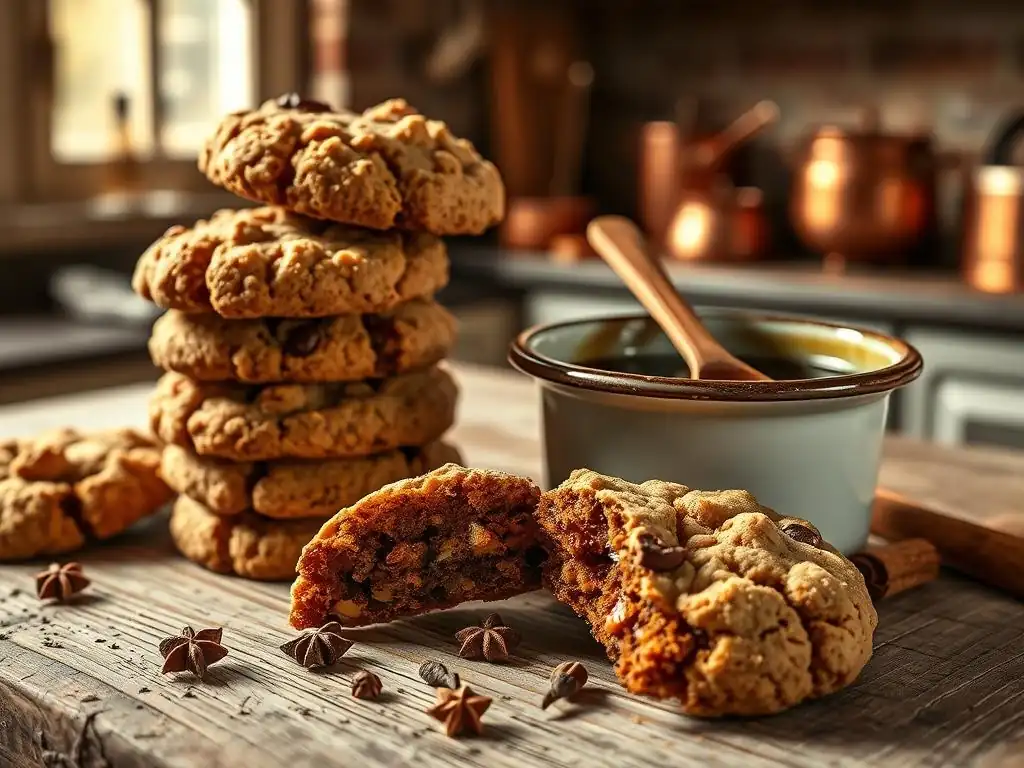
While the classic New England hermit cookie recipe is a cherished staple, its adaptable nature has led to many delicious variations. These tweaks allow bakers to personalize the cookies while staying true to their spiced, chewy essence. Exploring these variations can introduce new textures and flavors to your baking repertoire.
Some common variations involve additions like different types of dried fruit, nuts, or even chocolate. The base dough of molasses, spices, and flour provides a versatile canvas. Whether you're looking to add extra chewiness, a satisfying crunch, or a touch of sweetness, there's a hermit cookie variation for you.
Adding Nuts and Dried Fruits: Enhancing the Flavor and Texture
Traditional New England hermit cookie recipes often include raisins, but swapping them out or adding other dried fruits can create delightful new dimensions. Chopped dates, figs, cranberries, or even dried apricots can add different levels of sweetness and chewiness. For example, a recipe using chopped dates might require slightly less added sugar due to the natural sweetness of the fruit.
Adding nuts provides a pleasant textural contrast to the soft cookie. Walnuts and pecans are classic choices, complementing the warm spices beautifully. Approximately ½ cup to 1 cup of chopped nuts per batch is a good starting point. Toasted nuts can offer an even deeper flavor. Simply spread the chopped nuts on a baking sheet and bake at 350°F (175°C) for about 5-7 minutes, or until fragrant, before adding them to the dough.
For those who love the classic spice blend but crave the universal appeal of chocolate, adding chocolate chips to a New England hermit cookie recipe is a popular modern adaptation. The bittersweet or semi-sweet chocolate melts slightly during baking, creating pockets of gooey richness that pair surprisingly well with the warm spices and molasses.
Adding ¾ cup to 1 cup of chocolate chips (dark, milk, or a mix) to the dough along with or instead of the dried fruit can transform the cookie into a spiced chocolate chip hybrid. This variation is particularly popular with younger generations who might be less familiar with the traditional version. The key is to use enough chocolate chips to make their presence known without overpowering the signature hermit flavor profile.
Some New England hermit cookie recipes call for a simple glaze, which adds an extra layer of sweetness and a slightly different texture to the surface of the cookie. A basic glaze is typically made from powdered sugar and a liquid, such as milk, water, or lemon juice, mixed together until smooth and pourable.
A lemon glaze, made with powdered sugar and lemon juice, offers a bright, zesty contrast to the rich, dark spices of the cookie. Alternatively, a simple milk or water glaze adds sweetness without altering the flavor profile significantly. To glaze the cookies, wait until they are completely cool. You can dip the tops, drizzle the glaze using a spoon or fork, or spread a thin layer with a knife. A standard glaze might use 1 cup powdered sugar and 2-3 tablespoons liquid.
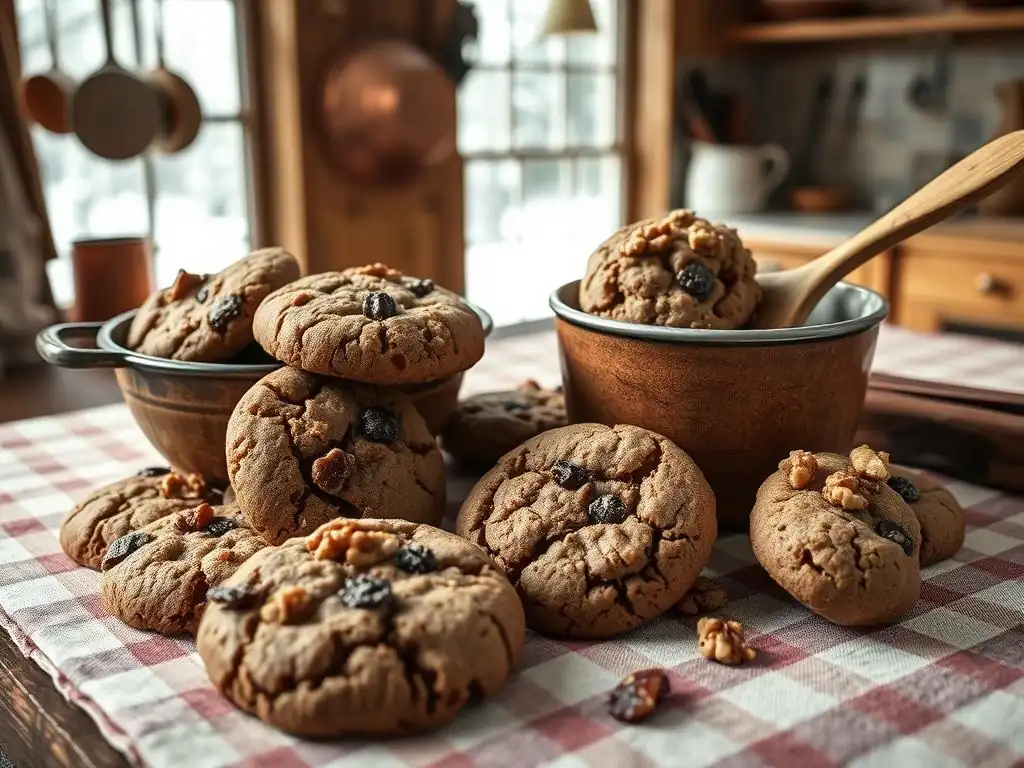
Achieving the perfect soft and chewy New England hermit cookie recipe is a delightful pursuit. While the process is relatively simple, a few key tips can elevate your results from good to truly exceptional. Paying attention to ingredient temperatures, mixing techniques, and baking times will help ensure success.
Baking is often about subtle details. Understanding how ingredients interact and how small adjustments can impact the final product is key to mastering any recipe, including this classic. Don't be afraid to experiment slightly after you've tried the standard recipe, perhaps adjusting spice levels or baking times to find your personal perfect cookie.
The secret to that signature soft and chewy texture lies in a few factors: the use of molasses and brown sugar for moisture, the fat content, and preventing over-baking. Molasses is hygroscopic, meaning it attracts and retains moisture, which is essential for chewiness. Brown sugar contributes moisture as well, thanks to its molasses content.
Using softened butter (not melted) when creaming is also important, as it helps create a tender crumb. Finally, and perhaps most importantly, avoid baking the cookies for too long. As mentioned earlier, removing them from the oven when the centers still look slightly soft is crucial. The residual heat will finish the cooking process, leaving you with a wonderfully chewy interior.
Even experienced bakers can encounter issues. Here are a few common problems with New England hermit cookie recipes and how to address them:
- Cookies are too hard/dry: This is usually due to over-baking or too much flour. Ensure you're measuring flour accurately (using the scoop and level method is best) and removing cookies promptly from the oven.
- Cookies spread too much: This can happen if the butter was too soft or melted, if the dough wasn't chilled, or if there's too much sugar or not enough flour/leavening. Make sure butter is just softened, chill the dough, and check your ingredient measurements.
- Cookies didn't spread enough: The dough might be too cold, or there might be too much flour or leavening. Let the dough sit at room temperature for a few minutes before baking, or slightly reduce flour in the next batch.
- Lack of flavor: Your spices might be old. Replace ground spices every 6-12 months for best results. Ensure you're using dark molasses for maximum flavor.
One of the historical appeals of hermit cookies is their ability to keep well. Proper storage is key to maintaining their soft, chewy texture and delicious flavor. Once completely cooled, store New England hermit cookies in an airtight container at room temperature.
Layer the cookies between sheets of parchment paper to prevent them from sticking together. Stored this way, they should remain fresh and delicious for about 5-7 days. For longer storage, you can freeze baked hermit cookies in an airtight container or freezer bag for up to 3 months. Thaw them at room temperature before serving. The flavors often deepen slightly after a day or two of storage, making them an excellent make-ahead treat.
Homemade New England hermit cookies are a treat to behold and even better to eat. Their rich, spiced flavor makes them incredibly versatile when it comes to serving. Whether enjoyed on their own or paired with a beverage, they offer a comforting and satisfying experience.
Consider the time of day or the occasion when serving your hermit cookies. They are equally delightful as a simple afternoon snack, a sophisticated dessert, or a festive addition to a holiday spread. Their robust flavor holds up well to accompanying drinks and other treats.
The warm, spiced notes of a New England hermit cookie recipe make them a perfect companion for hot beverages. A cup of freshly brewed coffee, with its slightly bitter notes, provides a wonderful contrast to the cookie's sweetness and spice.
For tea lovers, black teas like English Breakfast or Chai complement the spices beautifully. Herbal teas such as ginger or cinnamon tea can also enhance the cookie's flavor profile. And, of course, for a classic, comforting pairing, nothing beats a tall glass of cold milk with a soft, chewy hermit cookie. The milk soothes the palate and highlights the cookie's sweetness and texture.
Hermit cookies are deeply intertwined with New England's holiday baking traditions, particularly around Christmas and Thanksgiving. Their warm spices and ability to store well make them ideal for baking in large batches and sharing with friends and family. Including a New England hermit cookie recipe in your holiday baking lineup adds a touch of historical charm and regional authenticity to your festive treats.
They can be included in cookie assortments, given as edible gifts, or served at holiday gatherings. Their rich, dark color and inviting aroma fit perfectly with the cozy atmosphere of the holiday season. Consider making a double batch to ensure you have plenty for gifting and enjoying yourself.
Presenting your homemade New England hermit cookies creatively can make them even more special when sharing. Arrange them on a festive platter, perhaps garnished with a sprinkle of powdered sugar or a few extra raisins.
For gifting, stack them neatly in decorative tins or boxes, perhaps tied with ribbon and a small handwritten tag explaining their historical significance as a New England classic. You could also include a printout of the New England hermit cookie recipe itself, encouraging others to try their hand at this wonderful tradition. Sharing these cookies is not just about the treat itself, but about passing on a piece of culinary history.
Frequently Asked Questions
Hermit cookies are a type of spiced cookie popular in New England. They're known for their soft, chewy texture and rich, molasses-based flavor, often including nuts and dried fruits.
While similar spiced cookies exist elsewhere, the New England version often features a distinct blend of spices like cinnamon, cloves, and nutmeg, and a specific molasses-forward flavor profile. They've been a regional staple for generations.
The name likely comes from the cookies' supposed ability to keep well for a long time, like a hermit's stored provisions. Some believe the dark color also contributed to the name, reminiscent of a hermit's dark clothing.
The crucial ingredients are molasses and spices. These create the characteristic dark color, rich flavor, and chewy texture that define a true New England Hermit Cookie.
Yes, you can adapt it. For gluten-free, use a gluten-free flour blend. For vegan, substitute the butter with a plant-based butter alternative and the egg with a suitable egg replacer.
The humble hermit cookie, a seemingly simple treat, reveals a surprisingly rich history interwoven with the fabric of New England life. Its enduring popularity speaks volumes about our collective desire for comforting traditions and the power of a perfectly balanced, spiced cookie. More than just a recipe, it's a testament to the ingenuity and resourcefulness of generations past.
The hermit cookie's journey, from frugal origins to modern-day culinary darling, reflects our own evolving relationship with food and community. It's a story of adaptation and innovation, a reminder that even the simplest ingredients can yield extraordinary results when combined with care and passion. The best things in life are simple,
a sentiment perfectly embodied by this unassuming cookie. Its continued presence in kitchens and bakeries across New England underscores its enduring appeal and its ability to connect us to a shared heritage.
Now, as you embark on your own hermit cookie baking adventure, consider the legacy you're carrying forward with each carefully measured ingredient and each perfectly golden-brown bake. Embrace the simplicity, savor the spice, and share the joy. Let the warmth of this traditional treat fill your home and your heart, connecting you to the rich history and enduring spirit of New England. The recipe is just a starting point; let your own creativity and passion guide you in crafting a cookie that truly reflects your own unique story.
Thanks for joining us on this delicious journey into the world of New England Hermit Cookies! We hope you’ve gained a newfound appreciation for this classic treat and are ready to bake your own. Now it's time to put your knowledge to the test!
- Bake a batch of your own Hermit Cookies today! Use our recipe (found within the article) as a starting point, and feel free to experiment with different spices and additions.
- Share your baking adventures with us on social media! Use #BakeWithEaseHermits and tag us so we can see your delicious creations.
- Discover other delightful cookie recipes on BakeWithEase.com – we have a whole world of sweet treats waiting for you!
Ready to unleash your inner baker and conquer the art of the perfect Hermit Cookie? What unique twist will you add to this classic recipe?