
Stack Cake: Layer Up Appalachian History (and Flavor!)

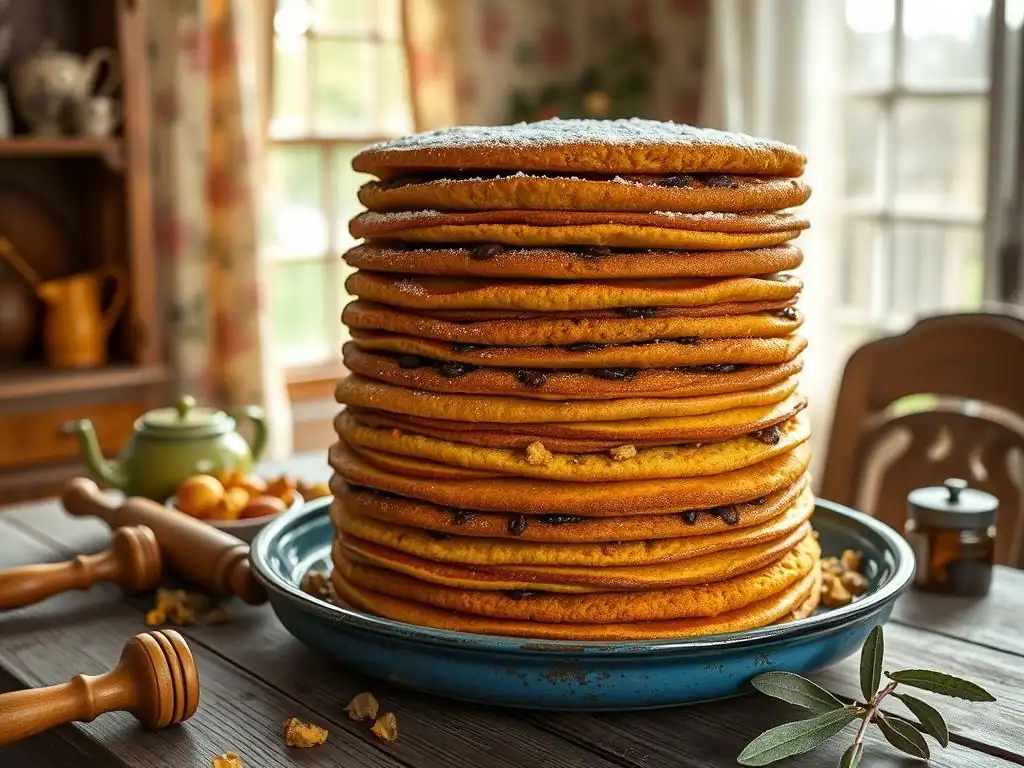
Welcome to BakeWithEase! Ever wondered about the rich history baked into every layer of a cake? We're diving deep into the heart of Appalachian tradition with a recipe that's as much a story as it is a dessert. Get ready to explore the fascinating origins and irresistible flavors of the Appalachian stack cake recipe, a regional treasure you won't want to miss. Intrigued? Let's get baking!
- Discover the Appalachian Stack Cake Recipe: A Taste of Tradition
- What is Appalachian Stack Cake? History and Origins
- Baking Your Own Authentic Appalachian Stack Cake
- Step-by-Step Guide to Making Appalachian Stack Cake
- Mastering the Apple Filling for Your Stack Cake
- Variations and Modern Twists on the Appalachian Stack Cake Recipe
- Serving and Storing Your Appalachian Stack Cake
- Troubleshooting Your Appalachian Stack Cake
- Why Bake Appalachian Stack Cake? A Baking Tradition to Preserve
- Frequently Asked Questions
- Final Reflection: Stacking Up Memories, One Layer at a Time
- Unlock Appalachian Flavors: Bake Your Own Stack Cake!
Discover the Appalachian Stack Cake Recipe: A Taste of Tradition
Deep in the hollows and mountain communities of Appalachia lies a culinary treasure: the stack cake. More than just a dessert, this layered wonder is a symbol of hospitality, resourcefulness, and enduring tradition. Imagine a cake built layer by layer, often held together by a rich, dried apple filling, telling a story with every slice. It's a testament to the ingenuity of mountain cooks who used readily available ingredients to create something truly special, especially for celebrations. Learning the authentic Appalachian stack cake recipe is like taking a delicious journey back in time.
This article will guide you through the fascinating history and cultural significance of the stack cake, explore its unique characteristics, and provide you with a comprehensive guide to baking your very own. We'll delve into the essential ingredients, equipment, and techniques needed to recreate this beloved dessert in your own kitchen. Whether you're a seasoned baker or just starting out, mastering the Appalachian stack cake recipe is a rewarding experience that connects you to a rich regional heritage and delivers incredible flavor.
What is Appalachian Stack Cake? History and Origins
The Appalachian stack cake stands apart from your typical layer cake. Its distinctive feature is its construction: numerous thin, round layers stacked high, often eight, ten, or even more. Unlike cakes frosted with buttercream or ganache, the stack cake relies on a cooked, often dried fruit filling, traditionally apples, spread between the layers. This simple yet ingenious design was born out of necessity and the availability of ingredients in the mountainous terrain.
Its origins are deeply intertwined with the history of the Appalachian people. As settlers moved into the region, they brought baking traditions from their homelands, primarily the British Isles and Germany. These traditions blended with the reality of mountain life – limited access to fresh ingredients year-round, reliance on preserved foods, and the need for sturdy, transportable baked goods. The stack cake emerged as a practical and celebratory dessert perfectly suited to this environment.
The History of Stack Cake in Appalachia
The stack cake's history is a delicious reflection of Appalachian resourcefulness. In a time before widespread refrigeration and easy access to grocery stores, fresh fruit was often seasonal. Apples, a common crop in the region, were frequently dried to preserve them for use throughout the year. This dried apple bounty became the natural choice for a cake filling, offering a sweet and tangy contrast to the cake layers. The cake batter itself was typically simple, often relying on lard or butter, flour, eggs (if available), and sweeteners like molasses or sorghum syrup, which were more common than refined sugar.
Historically, baking a stack cake was a community affair, particularly for large gatherings like weddings, barn raisings, or church socials. Neighbors would each bake a few thin layers at home and bring them to the event. The layers would then be assembled and filled on site, creating an impressive, towering cake. This collaborative effort not only produced a magnificent dessert but also reinforced social bonds and the spirit of mutual aid that characterized Appalachian communities. The use of durable dried apple filling also meant the cake could be made ahead of time and transported relatively easily.
Stack Cake: A Celebration Cake with Deep Roots
While delicious enough for any day, the stack cake truly shone as a centerpiece for celebrations. Weddings, in particular, were prime occasions for a stack cake. The height of the cake was often seen as a symbol of prosperity and the abundance wished upon the newlyweds. A cake with many layers signified a truly special event. This tradition of bringing layers contributed to the cake's impressive stature and cemented its role as a communal celebration food.
Beyond weddings, stack cakes were popular for Christmas, harvest festivals, and family reunions. The act of preparing and sharing the cake became an integral part of these cultural gatherings. It wasn't just about the food; it was about the shared experience of making and enjoying something traditional together. The recipe itself was often passed down through generations, tweaked slightly from family to family, making each Appalachian stack cake recipe a unique piece of family history. The aroma of baking layers and simmering apple filling signaled that a special occasion was at hand.
Variations in Stack Cake Recipes Across the Appalachian Region
Just as mountain dialects and traditions vary slightly from hollow to hollow, so too do Appalachian stack cake recipes. While the core concept of stacked layers and a fruit filling remains constant, ingredients and techniques can differ. For instance, some families might use butter exclusively, while others prefer lard or a combination for a tender crumb. Sweeteners might range from white sugar to brown sugar, molasses, or sorghum. The spice profile in the apple filling also sees variation, with some cooks favoring cinnamon and nutmeg, while others might include cloves, allspice, or even a hint of ginger.
The type of fruit filling can also vary depending on what was available or preferred. While dried apples are the most iconic filling for an Appalachian stack cake, other dried fruits like peaches, pears, or even berries were sometimes used. Some modern variations might use fresh fruit cooked down, though historically, dried fruit was essential for preservation.
These regional nuances mean that while you might find a classic Appalachian stack cake recipe, encountering slight differences in ingredients or method is common and part of the cake's rich heritage. Each variation tells a slightly different story of its specific community or family origin.
Baking Your Own Authentic Appalachian Stack Cake
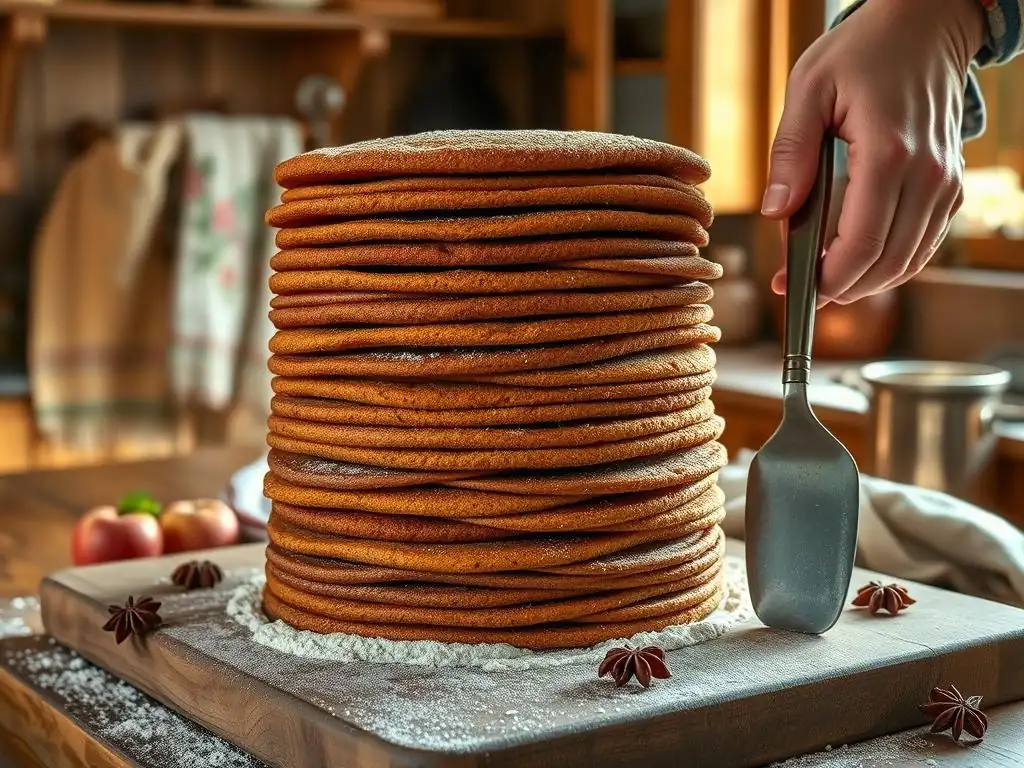
Embarking on the journey to bake your own Appalachian stack cake is a delightful experience. It requires a little patience, especially with baking multiple thin layers, but the result is incredibly rewarding. Think of it as a baking marathon rather than a sprint, building your delicious tower one layer at a time. Following a traditional Appalachian stack cake recipe connects you directly to the culinary past of the region and allows you to share a piece of that history with others.
The process involves preparing the cake batter, baking numerous thin rounds, making the signature dried apple filling, and finally, carefully stacking and letting the flavors meld. It's a recipe that values simple, quality ingredients and time-tested techniques. Don't be intimidated by the number of layers; they bake relatively quickly due to their thinness. The assembly is the most creative part, building your edible monument layer by layer.
Gathering Your Ingredients: The Appalachian Stack Cake Recipe List
Before you begin baking, gather all your ingredients. Accuracy in measuring is key, especially for the cake layers, to ensure they bake evenly. A typical Appalachian stack cake recipe will call for pantry staples that were historically accessible in the region, along with the star ingredient for the filling. Having everything ready before you start mixing will make the process much smoother.
Here is a list of common ingredients you'll find in a traditional Appalachian stack cake recipe:
- For the Cake Layers:
- All-purpose flour
- Leavening agents (baking powder or baking soda, sometimes both)
- Salt
- Fat (butter, lard, or shortening)
- Sugar (white or brown, sometimes a mix)
- Eggs
- Milk or buttermilk
- Flavoring (vanilla extract, though historically less common than today)
- For the Apple Filling:
- Dried apples (traditionally)
- Water or apple cider
- Sweetener (sugar, brown sugar, molasses, or sorghum)
- Spices (cinnamon, nutmeg, cloves, allspice)
Using dried apples for the filling is crucial for achieving the authentic texture and flavor profile of a traditional Appalachian stack cake recipe. They absorb moisture from the cake layers over time, making the cake incredibly moist and flavorful as it sits.
Essential Ingredients for a Traditional Stack Cake
Let's look closer at some key ingredients that define an authentic Appalachian stack cake recipe. The choice of fat significantly impacts the texture. While modern recipes often use butter for flavor, historically, lard was very common due to its availability and ability to create a tender crumb. Some recipes might even call for a mix of butter and shortening. The leavening agent is also important; baking powder was a later addition to the kitchen, so older recipes might rely solely on baking soda activated by buttermilk or molasses.
The sweetener used in both the cake and the filling also speaks to the cake's history. Refined white sugar was often expensive or hard to come by. Molasses and sorghum syrup were more accessible local alternatives, providing distinct flavors and moisture. Using brown sugar or a combination of sweeteners can help approximate these historical tastes. And of course, the dried apples – essential for that unique chewy, sweet-tart filling that softens the cake layers as the cake ages. Using store-bought dried apples works well, but ensure they are the plain, unsweetened variety.
Equipment Needed for Baking an Appalachian Stack Cake
Baking an Appalachian stack cake doesn't require highly specialized equipment, but a few key items will make the process much easier. The most important tool is a set of round cake pans, ideally all the same size. Traditionally, cooks used cast iron skillets or round cake pans typically measuring 8 or 9 inches in diameter. You'll need at least two pans to bake layers efficiently, but having three or four will speed things up considerably as you can rotate them.
Other necessary equipment includes mixing bowls for the batter and filling, measuring cups and spoons for accuracy, a whisk or electric mixer for creaming ingredients, a spatula for spreading the batter thinly, and a pot or saucepan for cooking the apple filling. Parchment paper is also highly recommended for lining the pans; it makes removing the thin layers much easier and prevents sticking. A wire rack for cooling the layers is also essential. While not strictly equipment, having plenty of counter space for cooling layers is helpful!
Step-by-Step Guide to Making Appalachian Stack Cake
Baking an Appalachian stack cake recipe is a process best broken down into manageable steps. By tackling the layers, filling, and assembly individually, you'll find the task less daunting and more enjoyable. This guide will walk you through each stage, ensuring you have all the information needed to create a successful and delicious stack cake from scratch.
Remember that patience is your friend, especially when handling the thin layers. Don't rush the cooling process before stacking. The magic of the stack cake happens over time as the flavors meld and the cake softens, so plan ahead and allow adequate time for the cake to rest before slicing.
Preparing the Cake Layers: A Detailed Guide
The cake layers for an Appalachian stack cake recipe are different from standard cake layers; they are thin, firm, and almost cookie-like when freshly baked, designed to soften over time from the filling. Start by creaming your fat (butter, lard, or shortening) with the sugar until light and fluffy. This process incorporates air and contributes to the cake's texture. Add the eggs one at a time, mixing well after each addition. Then, combine your dry ingredients (flour, leavening, salt) in a separate bowl.
Alternate adding the dry ingredients and the liquid (milk or buttermilk) to the creamed mixture, beginning and ending with the dry ingredients. Mix until just combined; overmixing can result in tough layers. The dough will be relatively stiff. Divide the dough into the number of layers your recipe specifies (often 8-12).
On a lightly floured surface or between two sheets of parchment paper, roll each portion of dough into a thin round that fits your cake pan. Aim for about 1/8 to 1/4 inch thickness. Place the rolled dough into your greased and floured (or parchment-lined) pans, trimming excess if needed.
Baking the Stack Cake Layers to Perfection
Baking the thin layers is a quick process. Preheat your oven to the temperature specified in your Appalachian stack cake recipe, typically around 350°F (175°C). Place the pans in the oven and bake for a relatively short time, usually 8-12 minutes per layer. The layers are done when they are lightly golden brown around the edges and appear set in the center. They should look firm, not soft and spongy like a typical cake.
Because the layers are so thin, they can go from perfectly baked to burnt very quickly. Keep a close eye on them while they are in the oven. Once baked, carefully remove the pans from the oven and let the layers cool in the pans for a few minutes before attempting to transfer them. If using parchment paper, you can often just lift the layer out by the paper.
If not, gently loosen the edges with a knife and carefully invert the pan onto a wire rack. Cool each layer completely on a wire rack before stacking or storing. Repeat this process until all layers are baked.
Creating the Apple Filling: The Heart of the Appalachian Stack Cake
The apple filling is arguably the most crucial element of an Appalachian stack cake recipe, providing both the adhesive that holds the layers together and the moisture and flavor that develop over time. If using dried apples, start by rehydrating them. Place the dried apples in a saucepan and cover them with water or apple cider. Bring to a simmer and cook until the apples are soft and plump, which can take anywhere from 20 to 40 minutes depending on how dry they were. Drain any excess liquid, reserving a little if needed later.
Return the rehydrated apples to the saucepan. Add your chosen sweetener (sugar, brown sugar, molasses, or sorghum) and spices (cinnamon, nutmeg, etc.). Cook this mixture over medium heat, stirring frequently, until it thickens into a spreadable consistency. This can take another 15-25 minutes. As it cooks, the apples will break down, creating a chunky or smoother filling depending on how much you stir and mash them. Some recipes call for pureeing a portion of the filling for a smoother texture, while others prefer a rustic, chunky style. Let the filling cool completely before assembling the cake.
Assembling the Stack Cake: Layering History and Flavor
Once all the cake layers are baked and completely cool, and the apple filling has cooled to room temperature, you are ready to assemble your Appalachian stack cake. Choose your serving plate or cake stand. Place the first cake layer flat on the plate. Spread a generous amount of the cooled apple filling evenly over the layer, going almost to the edge but leaving a small border (about 1/4 inch) to prevent excessive squeeze-out. The amount of filling per layer can vary, but aim for enough to provide moisture without being overly wet.
Carefully place the next cake layer on top of the filling, aligning the edges as best as possible. Gently press down on the layer to help it adhere to the filling. Repeat this process, alternating cake layers and apple filling, until all your layers are stacked. The top layer is typically left plain or given a very thin smear of filling. The stack will likely feel quite firm at this stage. Do not skip the resting period; the magic happens as the cake sits.
Tips for a Perfectly Stacked and Moist Cake
Achieving a perfectly stacked and moist Appalachian stack cake recipe involves a few key tips. First, ensure your cake layers are uniformly thin and baked evenly. This makes stacking easier and ensures even absorption of the filling. Rolling the dough between parchment paper helps achieve uniform thickness and makes transferring to the pan simple. Second, don't skimp on the cooling time for both the layers and the filling. Hot filling on warm layers can lead to a soggy mess.
Third, be generous but not excessive with the apple filling. You need enough to cover the layer and provide moisture, but not so much that it oozes excessively or makes the cake unstable. Pressing down gently on each layer as you add it helps distribute the filling and secure the stack.
Finally, and perhaps most importantly, allow the cake ample time to "set up" or "ripen." A traditional Appalachian stack cake recipe tastes best after sitting for at least 24 hours, and often improves over 2-3 days, as the dry layers slowly absorb moisture from the filling, becoming wonderfully soft and flavorful. Store it covered at room temperature (if your filling is shelf-stable) or in the refrigerator.
Mastering the Apple Filling for Your Stack Cake
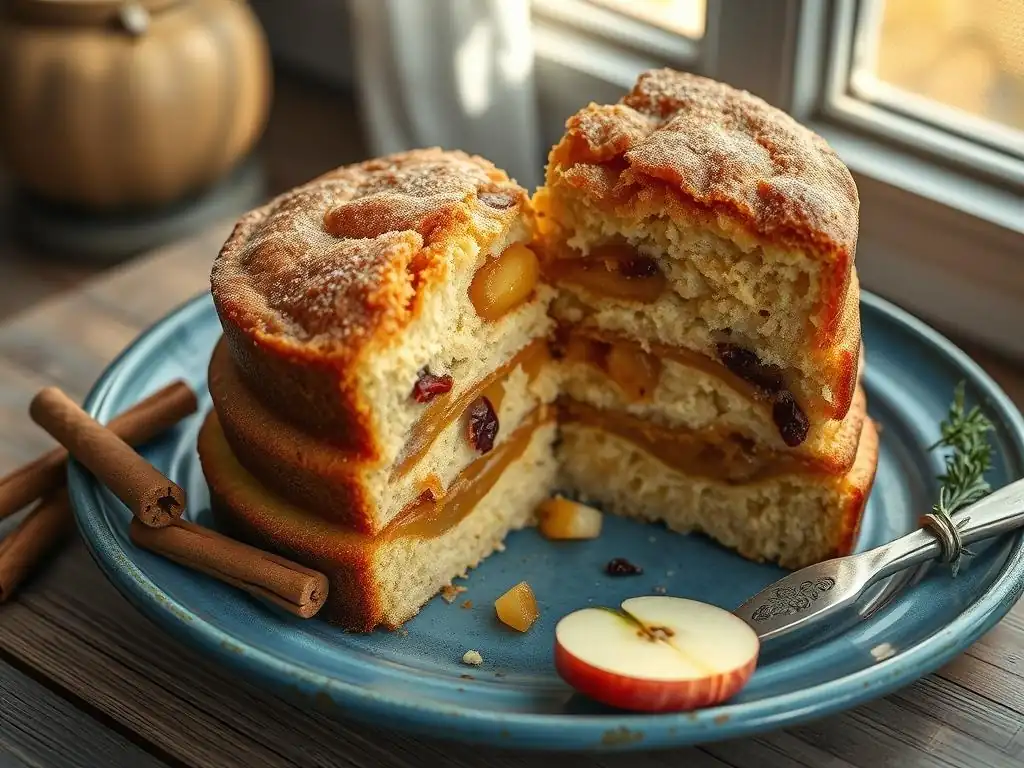
The apple filling is the soul of the Appalachian stack cake recipe. Its unique texture, flavor profile, and ability to transform the dry cake layers are what make this dessert so special. Getting the filling right is crucial for an authentic result. It needs to be thick enough to stay between the layers but moist enough to soften the cake over time.
Traditional fillings rely on dried apples, which provide a concentrated apple flavor and a specific texture once rehydrated and cooked down. The spices used are also key, evoking the warmth and comfort associated with Appalachian baking. Let's delve into the specifics of creating the perfect apple filling for your stack cake.
Choosing the Right Apples for Your Stack Cake Filling
For an authentic Appalachian stack cake recipe, dried apples are the traditional choice. They were a staple in mountain pantries because they could be stored for long periods. When rehydrated and cooked, they break down into a thick, flavorful mash perfect for spreading. Look for unsweetened, plain dried apple slices. If you can find locally dried apples, even better!
If you absolutely cannot find dried apples or prefer to use fresh, choose apples that hold their shape somewhat but also break down nicely when cooked, offering a balance of tartness and sweetness. Varieties like Stayman Winesap, Rome Beauty, or Jonathans are often recommended for baking.
You'll need to peel, core, and slice the fresh apples, then cook them down with a little water or cider until they are very soft and reduced to a thick, jam-like consistency before adding sweetener and spices. However, for the truly classic texture and deep flavor, dried apples are the way to go in an Appalachian stack cake recipe.
Spicing Up Your Apple Filling: Traditional Appalachian Flavors
The spices in the apple filling are essential for layering flavor into your Appalachian stack cake. While modern recipes might include a wide array of spices, traditional fillings often relied on a few key warm spices that were commonly available. Cinnamon is almost always present, providing a comforting sweetness and warmth. Nutmeg is another staple, adding a slightly nutty, aromatic depth.
Beyond cinnamon and nutmeg, some traditional Appalachian stack cake recipes include pinches of cloves or allspice for a more intense, complex flavor profile. A dash of ginger can also add a subtle warmth. The exact combination and amount of spices can vary greatly from family to family, so feel free to adjust according to your preference, but stick to the warm baking spices for an authentic taste. These spices not only flavor the apples but also infuse into the cake layers as the cake rests, creating a harmonious blend of flavors.
Achieving the Perfect Consistency for Your Stack Cake Filling
The consistency of the apple filling is critical for a successful Appalachian stack cake recipe. It needs to be thick enough that it doesn't run out from between the layers when stacked, but not so dry that it can't spread easily and eventually soften the cake layers. When cooking the rehydrated (or fresh) apples with sweetener and spices, stir frequently and cook until most of the liquid has evaporated and the mixture is thick like apple butter or a very thick jam.
If your filling seems too thick, you can add a tablespoon or two of water or apple cider during the cooking process. If it's too thin, continue to cook it down over low heat, stirring constantly, until it reaches the desired thickness. Remember that the filling will thicken further as it cools.
Some cooks prefer a chunky filling, leaving some apple pieces intact, while others mash it more thoroughly for a smoother spread. Either approach works, but ensure the overall consistency is spreadable and holds its shape. This filling is the glue and the moisturizer for your Appalachian stack cake.
Variations and Modern Twists on the Appalachian Stack Cake Recipe
While the traditional Appalachian stack cake recipe holds a special place in history and flavor, like many classic dishes, it has seen variations over time. Bakers today sometimes adapt the recipe to dietary needs or experiment with different flavor combinations. Exploring these variations allows the tradition to evolve while still honoring its roots.
Whether you're looking for alternatives for dietary restrictions or simply want to put a modern spin on a classic, the structure of the stack cake lends itself to creative adaptation. Just remember that changing core components like the dried apple filling will alter the signature texture and aging process of the traditional Appalachian stack cake.
Gluten-Free Appalachian Stack Cake Recipe Adaptation
Adapting an Appalachian stack cake recipe for a gluten-free diet is possible, focusing primarily on substituting the all-purpose flour in the cake layers. A good quality gluten-free all-purpose flour blend that contains xanthan gum is usually the most straightforward substitute. You would typically use a 1:1 ratio replacement for the wheat flour called for in the original recipe.
It's important to note that gluten-free doughs can behave differently. They might be more delicate to roll thinly and transfer. Experimenting with rolling the dough directly onto parchment paper cut to the size of your pan might be easier than rolling and then transferring. The baking time might also need slight adjustment; watch for golden edges and a set center. The apple filling is naturally gluten-free, so no changes are needed there, making the gluten-free Appalachian stack cake recipe achievable with careful flour substitution.
Vegan Appalachian Stack Cake Recipe Modification
Creating a vegan version of the Appalachian stack cake recipe requires substituting the animal-derived ingredients: butter/lard, eggs, and milk. For the fat, plant-based butter sticks or vegetable shortening can be used. Eggs can be replaced with common vegan binders like applesauce, mashed banana, flax eggs (1 tbsp flaxmeal + 3 tbsp water per egg), or a commercial egg replacer, keeping in mind that the thin layers require a binder that doesn't add too much moisture or make them too delicate.
Milk can be swapped for plant-based milk alternatives such as almond milk, soy milk, or oat milk. If the original recipe uses buttermilk, you can replicate this by adding a teaspoon of vinegar or lemon juice to a cup of plant-based milk and letting it sit for a few minutes. The apple filling is typically vegan if sweetened with sugar, brown sugar, molasses, or sorghum, and uses only plant-based spices. A vegan Appalachian stack cake recipe maintains the layered structure and fruit filling concept while accommodating dietary choices.
Adding Modern Flavors to Your Traditional Stack Cake
While dried apples and traditional spices define the classic Appalachian stack cake recipe, modern bakers might introduce new flavor combinations. Instead of solely dried apples, you could experiment with other dried fruits like cherries, cranberries, or a mix. Combining dried fruits can add complexity to the filling.
For a different twist, consider infusing the apple filling with other flavors. A splash of bourbon or rum added towards the end of cooking the filling can introduce a warm, sophisticated note. Citrus zest (orange or lemon) could brighten the flavor profile. Some bakers even incorporate nuts like pecans or walnuts into the filling or sprinkle them between the layers for added texture. While these are departures from the historical Appalachian stack cake, they offer exciting new ways to experience this unique cake structure.
Serving and Storing Your Appalachian Stack Cake
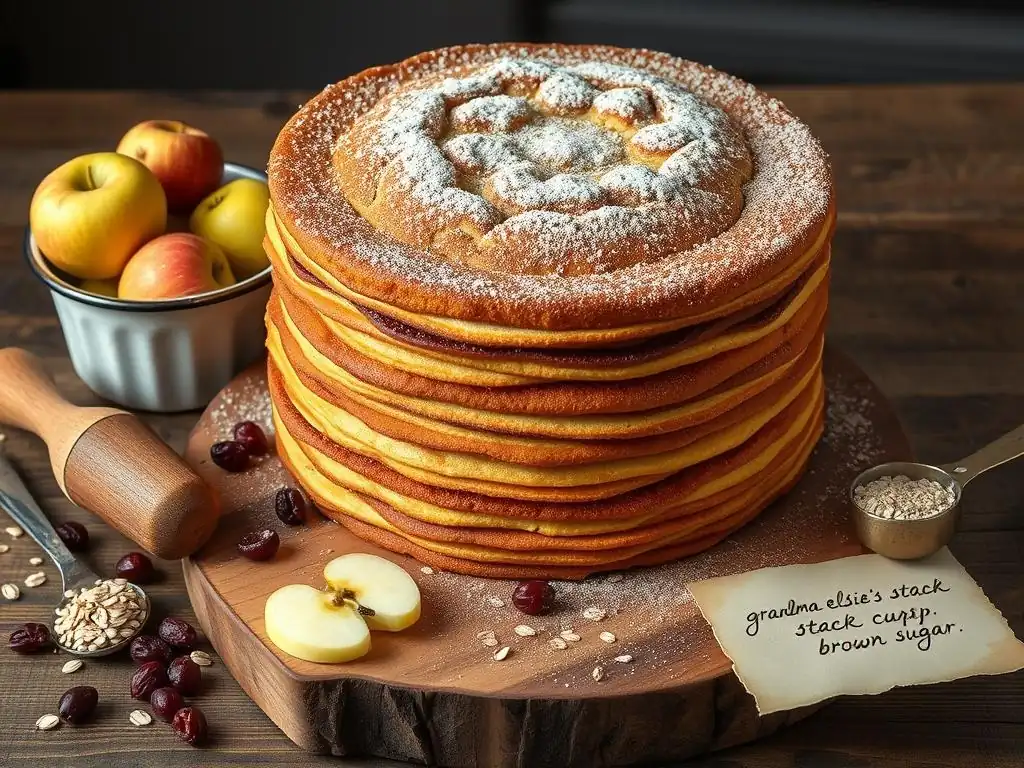
Once your Appalachian stack cake has rested and the flavors have melded, the moment arrives to slice and enjoy a piece of history. Serving this cake is part of the tradition, often done simply to let the unique structure and filling shine. Proper storage is also key to maintaining its moisture and allowing the flavors to continue developing over the first few days.
Unlike heavily frosted cakes that need refrigeration immediately, a traditional Appalachian stack cake recipe made with dried apple filling often benefits from resting at room temperature initially, allowing the moisture transfer to occur effectively. However, always consider food safety guidelines, especially in warm environments or if using non-traditional fillings.
Serving Suggestions for Your Appalachian Stack Cake
An Appalachian stack cake is delicious served simply, perhaps with a cup of coffee or tea. Its rustic charm means it doesn't require elaborate plating. Slice the cake using a sharp knife, cutting down through all the layers. Because the cake softens as it sits, the slices might be tender, so handle them gently.
For added indulgence, some people enjoy serving a slice warmed slightly, perhaps with a dollop of whipped cream or a scoop of vanilla ice cream. A drizzle of molasses or sorghum syrup can also enhance the regional flavor profile. The cake is quite substantial and flavorful on its own, so often, minimal accompaniments are needed. Presenting the whole stacked cake before slicing is always impressive and highlights the unique architecture of the Appalachian stack cake recipe.
How to Properly Store Your Homemade Stack Cake
Proper storage is essential for an Appalachian stack cake, particularly to allow the layers to soften from the filling. After assembling, cover the cake loosely with plastic wrap or place it in an airtight cake carrier. Traditionally, stack cakes made with dried fruit filling were stored at cool room temperature for the first 2-3 days to allow the layers to soften.
If your kitchen is warm, or if you've used a non-traditional filling with fresh fruit or dairy components, refrigeration might be necessary for safety after the initial cooling period. In the refrigerator, cover the cake well to prevent it from drying out. The cake will continue to soften and the flavors will deepen over several days. For longer storage, individual slices or the entire cake can be wrapped tightly and frozen for up to a few months. Thaw in the refrigerator or at room temperature before serving.
Stack Cake: A Perfect Dessert for Any Occasion
The Appalachian stack cake, with its deep history and comforting flavors, is a perfect dessert for a variety of occasions. While traditionally a celebration cake for weddings and holidays, its hearty nature and ability to improve over a few days make it suitable for many gatherings. It's an excellent choice for potlucks, family dinners, or as a unique offering for a holiday dessert table.
Serving an Appalachian stack cake is also a wonderful way to share a piece of regional American culinary history with friends and family. It sparks conversation about tradition, resourcefulness, and the stories food can tell. Whether it's the centerpiece of a major celebration or a simple weekend treat, baking and sharing an Appalachian stack cake recipe brings warmth and tradition to any table.
Troubleshooting Your Appalachian Stack Cake
Even with a reliable Appalachian stack cake recipe, baking can sometimes present challenges. The unique nature of the thin layers and the reliance on the filling for moisture mean that certain issues might arise. Don't be discouraged if your first stack cake isn't absolutely perfect; like any baking skill, mastering this recipe takes practice.
Understanding potential problems and knowing how to address them will help you achieve better results with each attempt. Common issues often revolve around the cake layers being too dry or brittle, or achieving even baking across multiple thin rounds.
Common Problems and Solutions When Baking Stack Cake
One common problem when baking an Appalachian stack cake recipe is layers that are too tough or dry right out of the oven. This can happen if the dough was overworked, too much flour was used, or the layers were baked for too long or at too high a temperature. Ensure you measure your flour accurately and mix the dough only until the ingredients are combined. Keep baking times short and watch the layers closely. They should be firm but not hard.
Another issue can be layers that are difficult to handle because they are too brittle. This is often related to being too thin or overbaked. Try rolling the layers slightly thicker, closer to 1/4 inch, and reduce baking time. Using parchment paper for rolling and transferring is also immensely helpful in preventing breakage. If layers do break, don't despair! You can still use broken pieces within the stack; the filling will help hold everything together, and no one will notice once the cake has softened.
Preventing Dry Cake Layers in Your Appalachian Stack Cake
Preventing dry cake layers starts with the recipe itself and the preparation. Ensure your Appalachian stack cake recipe has a sufficient amount of fat (butter, lard, or shortening) and liquid (milk or buttermilk), as these contribute to tenderness. Avoid the common pitfall of adding too much flour, which is easily done if scooping directly from the bag; spoon flour into your measuring cup and level it off.
Mixing technique is also crucial. Overmixing the dough develops gluten, leading to tough layers. Mix until just combined. Most importantly, the system prevents dryness. The layers are meant to be relatively dry when baked so they can absorb moisture from the filling over the resting period. So, while you want to avoid excessively dry layers, a certain firmness is expected. The magic of the Appalachian stack cake recipe is in the transformation that happens as the cake sits, softening the layers from the inside out.
Achieving Even Baking in Your Appalachian Stack Cake
Achieving even baking across numerous thin layers can be tricky, especially if your oven has hot spots. To promote even baking when following an Appalachian stack cake recipe, preheat your oven fully before you start baking. If using multiple pans at once, position them so they are not touching each other or the oven walls, allowing air to circulate.
If you notice some layers browning faster than others, you may need to rotate the pans halfway through the baking time. Using oven thermometers can help verify that your oven is heating accurately. Baking one pan at a time, although slower, can sometimes lead to more consistent results if your oven is prone to uneven heating. The goal is uniformly golden edges and a set center on each layer before stacking.
Why Bake Appalachian Stack Cake? A Baking Tradition to Preserve
Baking an Appalachian stack cake recipe is more than just following instructions to create a dessert; it's an act of preserving a piece of cultural heritage. In a world where mass-produced goods are common, taking the time to bake a traditional cake like this connects you to the past, celebrates resourcefulness, and honors the people who developed and passed down this unique recipe.
The stack cake is a tangible link to the history, community spirit, and culinary ingenuity of the Appalachian region. By baking it, you become part of that ongoing story, keeping the tradition alive for future generations to enjoy.
The Cultural Significance of Appalachian Stack Cake
The Appalachian stack cake holds significant cultural weight in the region. It embodies the values of community, self-sufficiency, and celebration that are central to Appalachian identity. Its history as a communal wedding cake, where neighbors contributed layers, speaks volumes about the spirit of cooperation. The use of preserved ingredients like dried apples highlights the resourcefulness required for mountain living.
It is a symbol of hospitality – a special dessert brought out for guests and important occasions. For many people with Appalachian roots, the smell and taste of stack cake evoke powerful memories of family gatherings, holidays, and connections to their heritage. It's a food that tells a story of perseverance and the ability to create something beautiful and delicious from simple means. Baking an Appalachian stack cake recipe is participating in this cultural narrative.
Passing Down the Appalachian Stack Cake Recipe Tradition
Like many traditional recipes, the Appalachian stack cake recipe was historically passed down through oral tradition, from mother to daughter, neighbor to neighbor. Learning to make it was often a hands-on process, observing and assisting experienced bakers. While written recipes exist today, the spirit of passing down the tradition remains.
Teaching someone how to make an Appalachian stack cake is sharing more than just ingredients and steps; it's sharing history, family stories, and cultural values. It's ensuring that this unique baking method and the stories behind it continue to be known and appreciated. Keeping this Appalachian stack cake recipe alive is vital for preserving the rich foodways of the region and ensuring that future generations can experience this delicious connection to their past.
Experience the Rich Flavors and History of Appalachian Baking
Baking an Appalachian stack cake recipe offers a truly unique culinary experience. It's a chance to work with traditional techniques and ingredients that shaped a regional cuisine. The process itself, from rolling the thin layers to assembling the towering stack, is different from most modern cake baking and provides a rewarding challenge.
But the real reward is in the flavor and texture. The contrast between the slightly firm cake layers and the sweet, chewy, spiced apple filling, which melds together over time, is unlike any other cake. It's a taste that is both simple and profound, rooted in the land and the history of the Appalachian mountains. Baking and sharing an Appalachian stack cake is a delicious way to connect with a rich culinary tradition and experience the warmth and history of Appalachian baking firsthand.
Frequently Asked Questions
What is Appalachian stack cake?
Appalachian stack cake is a traditional dessert from the Appalachian region, characterized by multiple thin layers of cake stacked with a cooked apple filling, creating a unique and flavorful treat. It's known for its historical significance and communal baking traditions.
What makes an Appalachian stack cake different from a regular cake?
Unlike a typical cake, stack cake is made of several individual, thin cakes or pancakes that are baked separately and then stacked with apple filling. The cakes are often drier than standard cakes, allowing them to absorb the apple flavor over time.
What is the traditional filling for Appalachian stack cake?
The traditional filling is made from cooked apples, often dried and rehydrated, creating a sweet and slightly tart flavor profile. Spices like cinnamon, nutmeg, and cloves are frequently added for enhanced flavor.
How long does it take to make an Appalachian stack cake?
Making an Appalachian stack cake requires time and patience, as it involves baking multiple cake layers and preparing the apple filling. The total time can range from several hours to a day, especially if the cake is left to sit and meld flavors.
Can I use different fillings for an Appalachian stack cake?
While apple filling is traditional, you can experiment with other fruit fillings like peaches, berries, or even dried fruit combinations. However, using apple filling maintains the authentic Appalachian flavor and tradition.
Final Reflection: Stacking Up Memories, One Layer at a Time
The enduring appeal of Appalachian stack cake isn't just about its rustic charm and unique flavor; it's a testament to the resilience and resourcefulness of a culture that built its identity layer by layer, much like the cake itself. This simple recipe, passed down through generations, reflects a deeper story of community, adaptation, and the enduring power of tradition in the face of change. It's a story that resonates deeply today, in a world increasingly focused on provenance and the importance of preserving cultural heritage.
The stack cake's influence extends far beyond the kitchen; it's a tangible link to the past, a symbol of Appalachian identity that continues to shape the region's culinary landscape and cultural narrative. It's more than just a dessert; it's a conversation starter, a shared experience, and a reminder of the rich history woven into the fabric of this community. As the renowned Appalachian author, Wendell Berry, once wrote: The preservation of the land is more than just a matter of conservation; it is a matter of culture.
This sentiment applies equally to the preservation of culinary traditions like the stack cake, which are intrinsically linked to the land and the people who inhabit it.
Consider the ingredients, the process, the sharing – each element of making and enjoying a stack cake offers a unique opportunity for reflection. You, the reader, are now empowered to carry this tradition forward, perhaps by baking your own stack cake, sharing the recipe with others, or simply appreciating the rich history embedded within this seemingly simple dessert. Let the layers of this cake inspire you to explore your own heritage, to cherish the traditions that bind us, and to build your own lasting memories, one delicious layer at a time.
Unlock Appalachian Flavors: Bake Your Own Stack Cake!
Thanks for joining us on this delicious journey through Appalachian history and baking! We hope you've gained a new appreciation for this unique layered cake and its rich heritage. Ready to bring a taste of the mountains to your kitchen?
- Bake your own Stack Cake: Use our recipe (found in the article) to create your own masterpiece! This is your chance to experience the joy of traditional Appalachian baking.
- Share your creation: Show off your baking skills and tag us on social media with your stunning Stack Cake photos! Let's build a community of Appalachian bakers.
- Explore other regional recipes: Discover more hidden gems of American baking traditions on our website. You might be surprised what culinary treasures you uncover!
What unique twist will you add to your Stack Cake to make it your own?