
Exploring Delicious Regional Apple Pies Across America

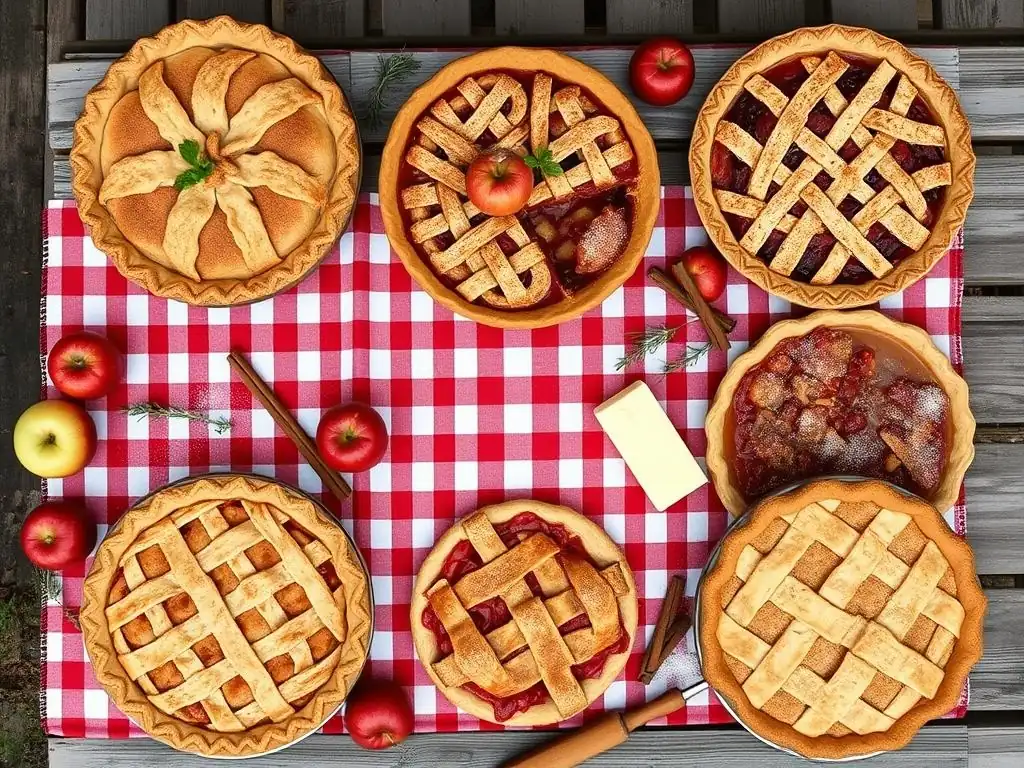
Welcome to BakeWithEase, your passport to a world of delightful baking adventures! Ever wondered how apple pie transforms across different regions of America? Discover the secrets behind crafting regional apple pie recipes easy enough for any home baker in our latest exploration. Prepare to embark on a flavorful journey as we uncover unique twists and time-honored traditions, leaving you craving more than just a slice. Intrigued? Let's get baking!
- BakeWithEase: A Journey Through American Regional Apple Pie Recipes
- Why Explore Regional Apple Pie Variations?
- New England Apple Pie: A Classic American Dessert
- Pennsylvania Dutch Apple Pie: A Custard-Filled Delight
- Southern Apple Pie: A Touch of Sweetness and Southern Charm
- Midwestern Apple Pie: Hearty and Home-Style Baking
- Pacific Northwest Apple Pie: A Tart and Tangy Treat
- Deconstructed Apple Pie Recipes: A Modern Twist on Regional Classics
- Tips for Baking the Perfect Regional Apple Pie
- Serving and Enjoying Your Homemade Regional Apple Pie
- BakeWithEase: Your Guide to Regional American Apple Pie Baking
-
Frequently Asked Questions
- What makes regional apple pie recipes different from each other?
- Are regional apple pie recipes generally easy to make, even for beginners?
- What apple varieties are typically used in American regional apple pies?
- Where can I find the most accurate and reliable regional apple pie recipes?
- What are some examples of unique ingredients found in specific regional apple pie recipes?
- Final Reflection: A Slice of Americana, Baked Fresh
- Unlock the Secrets of America's Best Apple Pies!
BakeWithEase: A Journey Through American Regional Apple Pie Recipes
Welcome to BakeWithEase, your guide to mastering delicious baking right in your own kitchen! Today, we're embarking on a flavorful journey across the United States to explore the wonderful world of regional apple pies. While the classic apple pie is a beloved American staple, different regions have developed their own unique twists, reflecting local ingredients, culinary traditions, and historical influences. Learning about these variations not only expands your baking repertoire but also connects you to the rich tapestry of American food culture.
Discovering these diverse regional apple pie recipes can seem daunting, but with our simple techniques and step-by-step guides, baking these regional delights is easier than you might think. Whether you're craving the spiced simplicity of New England, the creamy richness of Pennsylvania Dutch, or the unique additions found in Southern pies, we'll help you bake these regional apple pie recipes easy enough for any home baker to tackle. Get ready to explore new flavors and find your new favorite way to bake an apple pie!
Why Explore Regional Apple Pie Variations?
Exploring regional variations of apple pie offers a delightful way to deepen your understanding of American culinary history and diversity. Each region's take on this classic dessert tells a story about its climate, agriculture, and the people who settled there. From the apples grown locally to the spices and sweeteners readily available, these factors shaped the specific characteristics that define a New England pie versus one from the Midwest or the South.
Beyond the historical and cultural insights, discovering regional apple pie recipes simply offers more delicious options for your baking adventures. Why stick to one standard recipe when you can experience the unique textures and flavor profiles developed across the country? Trying a Pennsylvania Dutch pie with its surprising custard base or a Southern pie infused with bourbon opens up a whole new world of taste sensations, proving that even a familiar dessert like apple pie has endless possibilities.
A Slice of American Baking History: Regional Apple Pie Traditions
Apple pie holds a significant place in American history, often cited as a symbol of the nation itself. However, the "American" apple pie wasn't a single, static creation but evolved as people brought baking traditions from Europe and adapted them using available ingredients and techniques in different parts of the burgeoning country. Early settlers in New England, for example, relied on apples they cultivated and used spices imported from trade routes, shaping their pie style.
Further west, German immigrants in Pennsylvania developed unique baking methods, including the use of rich dairy in their fillings, leading to the distinct Pennsylvania Dutch style. In the South, where different crops and spirits were prevalent, ingredients like pecans and bourbon sometimes found their way into the mix. These regional traditions weren't just about recipes; they were about community, celebration, and making the most of local produce, solidifying the regional apple pie as a true expression of American culinary adaptation.
Beyond the Classic: Discovering Unique Apple Pie Flavors
While the iconic image of apple pie often involves a double crust filled with spiced apples, regional variations showcase incredible creativity. Take the Pennsylvania Dutch "funeral pie," for instance, which features a thick, creamy custard layered with apples, a far cry from a simple fruit filling. This texture difference alone offers a completely new experience for anyone used to the standard pie.
Other regions introduce surprising flavor combinations. Southern pies might incorporate a splash of bourbon for depth or a layer of pecans for added crunch, elevating the sweetness of the apples. In areas known for specific produce, like the Pacific Northwest with its abundance of tart apple varieties, the pie might lean towards a more tangy profile, balanced by a different sugar-to-apple ratio. Exploring these differences reveals that regional apple pie recipes easy to follow can still deliver complex and exciting flavors.
New England Apple Pie: A Classic American Dessert
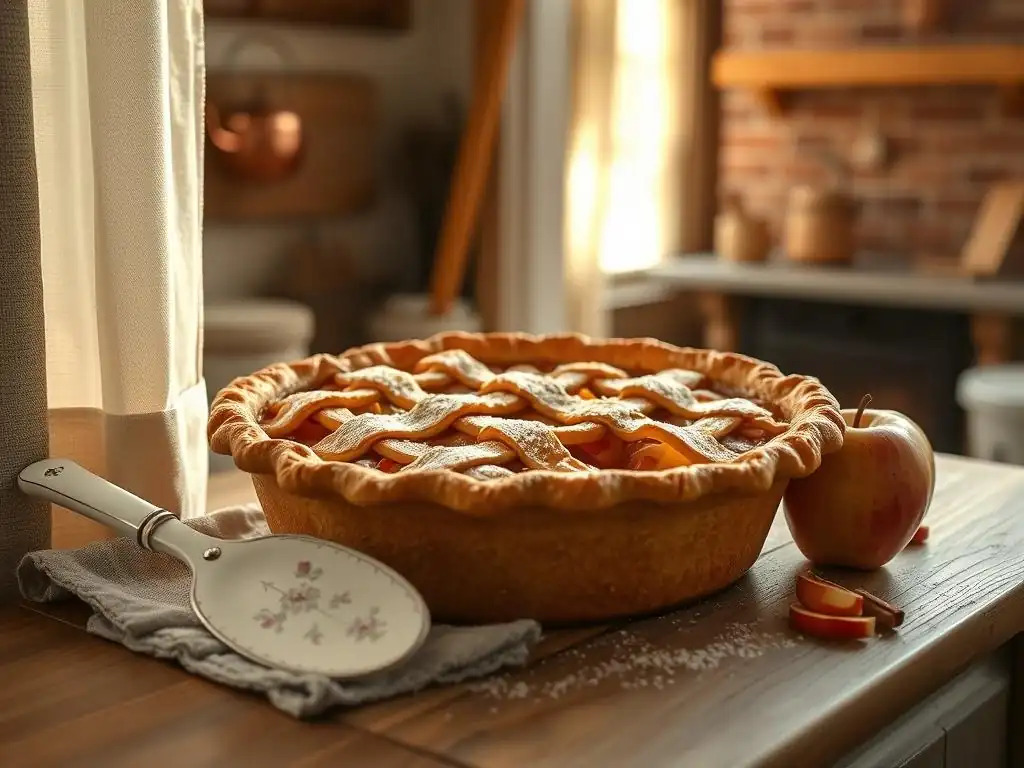
New England apple pie is often considered the archetype of American apple pie – straightforward, comforting, and bursting with apple flavor enhanced by warm spices. This style reflects the region's Puritan heritage, emphasizing simplicity and substance. Early recipes from the 17th and 18th centuries laid the groundwork for the version we know today, focusing on a flaky crust and a generous filling of local apples, often sweetened with molasses or brown sugar alongside granulated sugar.
The enduring popularity of New England apple pie lies in its unpretentious nature. It's a pie that highlights the quality of its core ingredients: good apples and a well-made crust. While variations exist, the essence remains consistent – a celebration of the harvest baked into a comforting, familiar form. Mastering a New England apple pie is an excellent starting point for anyone looking to bake regional apple pie recipes easy and authentic.
The Hallmark of New England Apple Pie: Simplicity and Spice
The defining characteristics of a New England apple pie are its simple, flaky pastry crust and a filling heavily spiced with cinnamon, nutmeg, and sometimes cloves or allspice. Unlike some other regional pies, the filling is typically just apples, sugar (often a mix of white and brown), spices, and a thickener like flour or cornstarch. There's no custard base or added nuts; the focus is squarely on the apples and the classic spice blend.
Historically, New Englanders had access to various apple varieties suited for baking and relied on spices imported via their busy ports. Early recipes might call for significant amounts of spice – sometimes up to two teaspoons of cinnamon and a teaspoon of nutmeg for a single pie – giving the filling a distinctly aromatic and warming quality. The crust is traditionally a simple butter or lard-based pastry, rolled thin and baked until golden and crisp, providing a perfect contrast to the tender, spiced apples within.
Easy New England Apple Pie Recipe: Ingredients and Steps
Making a New England apple pie is one of the most straightforward regional apple pie recipes easy for beginners. You'll need about 6-8 cups of sliced baking apples (like McIntosh, Cortland, or a mix), 3/4 cup granulated sugar, 1/4 cup brown sugar, 2 tablespoons all-purpose flour or cornstarch, 2 teaspoons ground cinnamon, 1 teaspoon ground nutmeg, 1/4 teaspoon ground cloves (optional), 1 tablespoon butter (cut into small pieces), and a double pie crust dough (enough for a bottom and top crust for a 9-inch pie).
Here are the basic steps:
- [ ] Prepare your pie crust dough and roll out the bottom crust to fit a 9-inch pie plate. Place it in the plate.
- [ ] In a large bowl, gently toss the sliced apples with both sugars, flour/cornstarch, and spices until evenly coated.
- [ ] Pour the apple mixture into the prepared bottom crust. Dot the top of the apples with the small pieces of butter.
- [ ] Roll out the top crust and place it over the apples, either as a solid sheet with vents cut in or as a lattice top. Crimp the edges to seal.
- [ ] Bake the pie in a preheated oven at around 425°F (220°C) for 15 minutes, then reduce the temperature to about 375°F (190°C) and bake for another 35-45 minutes, or until the crust is golden brown and the filling is bubbling. Let cool before serving.
Pennsylvania Dutch Apple Pie: A Custard-Filled Delight
Pennsylvania Dutch apple pie stands apart from many other regional variations due to its signature creamy custard filling. Originating from the German-speaking immigrants who settled in southeastern Pennsylvania, this pie style reflects their rich baking traditions and reliance on dairy farming. It's often called "sour cream apple pie" or "custard apple pie," highlighting the key difference from the standard fruit-only filling.
This pie offers a unique texture experience – a soft, smooth custard enveloping the tender apple slices, all within a flaky crust. It's a comforting and substantial dessert, often found at community gatherings and family meals in the region. While the name might suggest complexity, learning to bake this style is another example of mastering regional apple pie recipes easy to follow with a little attention to detail.
Pennsylvania Dutch Apple Pie: The Creamy Custard Secret
The secret to the Pennsylvania Dutch apple pie's distinctive texture is the addition of a rich, tangy custard mixed directly with the apples before baking. This custard is typically made from a base of sour cream or heavy cream, eggs, sugar, and flour or cornstarch to help it set. The tangy sour cream provides a pleasant counterpoint to the sweetness of the apples and sugar.
A typical filling for a 9-inch pie might use about 1/2 cup of sour cream or heavy cream, 2-3 eggs, 1 cup of sugar, 1/4 cup of flour, and spices like cinnamon and nutmeg, combined with 5-6 cups of sliced apples. The mixture is poured into a blind-baked or partially baked bottom crust, ensuring the crust doesn't become soggy from the wet filling during the longer baking time needed for the custard to set. The result is a pie where the apples are suspended in a smooth, creamy layer rather than sitting in a thickened syrup.
Baking a Pennsylvania Dutch Apple Pie: Custard Preparation and Baking Tips
Baking a Pennsylvania Dutch apple pie requires careful handling of the custard filling and precise baking to ensure it sets properly without curdling. After preparing your pie crust and fitting it into the plate, many recipes recommend partially pre-baking or 'blind baking' the bottom crust for about 10-15 minutes at 375°F (190°C) before adding the filling. This helps create a barrier against the moist custard.
To prepare the filling, whisk together the sour cream (or cream), eggs, sugar, flour, and spices until smooth. Gently fold in the sliced apples. Pour this mixture into the warm, partially baked crust. The pie is then baked at a moderate temperature, often around 350°F (175°C), for a longer duration than a standard apple pie, typically 50-70 minutes. You'll know it's done when the center is set (it shouldn't jiggle excessively when gently nudged) and the crust is golden brown. Allowing the pie to cool completely is crucial for the custard to firm up properly before slicing.
Southern Apple Pie: A Touch of Sweetness and Southern Charm
Southern apple pie often incorporates ingredients and techniques that reflect the region's unique culinary landscape. While a basic spiced apple filling is common, Southern bakers frequently add signature touches that elevate the flavor profile, often leaning towards richer, sweeter, and sometimes boozy notes. These pies embody the Southern hospitality of abundance and flavor.
Unlike the stark simplicity of some Northern pies, Southern versions might feature a wider array of spices, different sweeteners like cane syrup, or additions like nuts. Learning these regional apple pie recipes easy enough to make at home allows you to bring a little Southern comfort to your dessert table, complete with its characteristic charm and depth of flavor.
The Unique Flavor Profile of Southern Apple Pie: Bourbon and Pecans
Two ingredients often associated with Southern baking that find their way into apple pie are bourbon and pecans. A splash of bourbon, perhaps 1 to 2 tablespoons added to the apple mixture, can enhance the fruit's flavor and add a warm, complex note that complements the spices beautifully. This is particularly common in Kentucky and other states known for their bourbon production.
Pecans, a staple nut crop in many Southern states, can be incorporated in several ways. They might be chopped and added directly to the apple filling for texture, sprinkled over the top of the pie before baking, or even included in a streusel or crumble topping, offering a delightful crunch against the soft apples. These additions contribute to the rich, slightly more indulgent character often found in Southern desserts.
Southern Apple Pie Recipe Made Easy: Adding Southern Flair to Your Apple Pie
To bake a Southern-style apple pie, start with your favorite basic apple pie recipe using about 6 cups of sliced apples and your preferred spices (cinnamon, nutmeg, allspice). Then, introduce the Southern elements. When tossing your apples with sugar and thickener, stir in 1 to 2 tablespoons of good quality bourbon. The alcohol bakes off, leaving behind a wonderful aroma and flavor.
For the pecans, you can fold 1/2 cup of chopped pecans into the apple mixture before pouring it into the crust, or sprinkle them over the top of the filling. If you're using a streusel topping instead of a full top crust (another variation sometimes seen), add 1/2 cup of chopped pecans to the streusel mixture (typically flour, butter, sugar, and spices).
Bake as you would a standard double-crust pie, usually around 375°F (190°C) for 45-60 minutes, or until golden and bubbly. This simple addition of bourbon and pecans transforms a standard pie into a distinctly Southern treat, making regional apple pie recipes easy to customize.
Midwestern Apple Pie: Hearty and Home-Style Baking
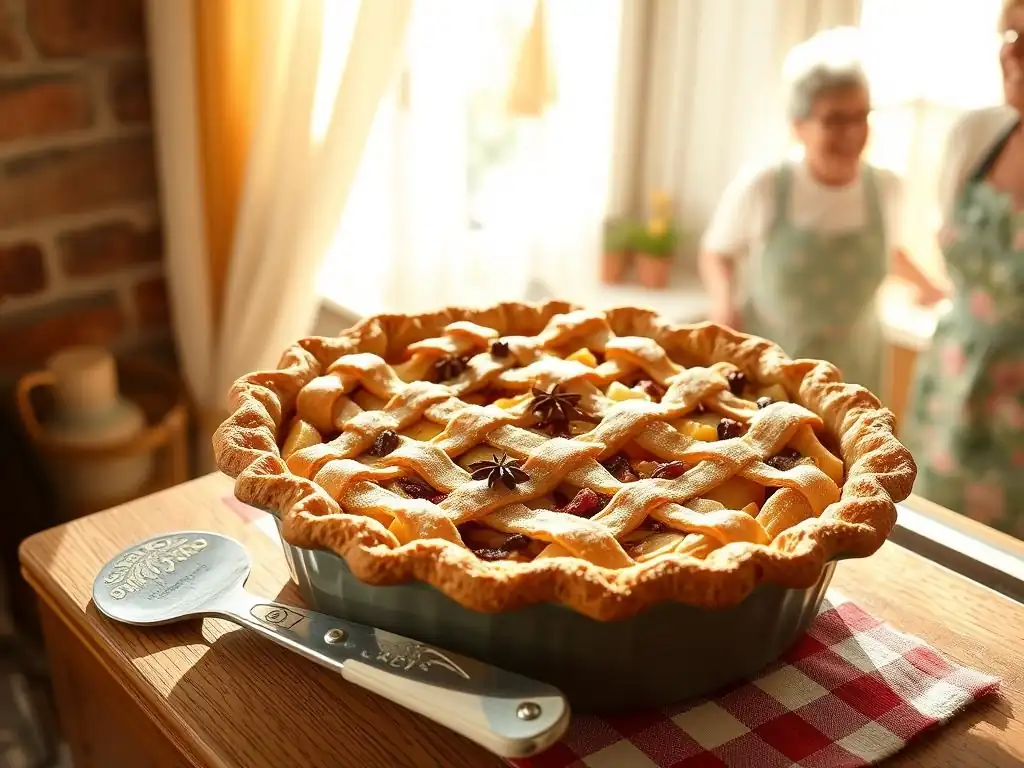
Midwestern apple pie embodies the spirit of hearty, home-style baking that characterizes the region. Often made with apples grown in local orchards, these pies are typically generous in size and filling, reflecting the agricultural abundance of the Midwest. The emphasis is on comfort, simplicity, and showcasing the natural goodness of the fruit.
While not as distinctly flavored as some other regional pies, the Midwestern style is defined by its robust nature and use of common baking ingredients. It's the kind of pie you'd expect to find at a potluck or family gathering – reliable, delicious, and made with love. Baking a Midwestern apple pie is about embracing the straightforward pleasure of working with quality ingredients, making it another accessible option among regional apple pie recipes easy to bake.
Midwestern Apple Pie: A Celebration of Local Apples
The hallmark of Midwestern apple pie is its reliance on locally sourced apples, which are plentiful in states like Michigan, Wisconsin, and Minnesota. Growers in these areas cultivate a wide variety of apples, including popular baking types like Honeycrisp, Gala, Fuji, and McIntosh, alongside heirloom varieties. The specific mix of apples used often dictates the pie's final flavor and texture – a combination of sweet, tart, and firm apples is usually preferred for balance.
A typical Midwestern pie will feature a substantial amount of apple filling, often requiring 8 to 10 cups of sliced fruit for a standard 9-inch or even 10-inch pie plate. The spices are usually the classic trio of cinnamon, nutmeg, and sometimes a pinch of allspice, used generously but not overwhelmingly. The crust is typically a simple, sturdy double crust, designed to hold up to the generous filling and bake to a beautiful golden brown.
Easy Midwestern Apple Pie: Using Locally Sourced Apples for the Best Flavor
To bake an authentic Midwestern apple pie, the most important step is selecting high-quality apples. Visit a local orchard or farmer's market if possible to choose a mix of varieties known for baking. A good combination might be equal parts tart (like Granny Smith or Honeycrisp) and sweet-tart (like Gala, Fuji, or McIntosh) to ensure a balanced flavor that isn't too sweet or too bland after baking. Aim for about 8 cups of sliced apples for a generous filling.
Prepare your standard double pie crust. In a large bowl, toss the sliced apples with 1 cup of granulated sugar, 1/4 cup all-purpose flour (as a thickener), 2 teaspoons ground cinnamon, 1 teaspoon ground nutmeg, and a pinch of salt. Pour this hearty mixture into your bottom crust.
Top with the second crust, seal, and vent. Bake at around 400°F (200°C) for the first 15-20 minutes to help the crust set, then reduce the temperature to 375°F (190°C) and continue baking for 40-50 minutes, or until the filling is bubbly and the crust is deeply golden. The generous filling means it might take a bit longer to bake through, but the result is a wonderfully comforting, home-style pie.
Pacific Northwest Apple Pie: A Tart and Tangy Treat
The Pacific Northwest, with its lush orchards and appreciation for fresh, seasonal produce, offers its own take on apple pie. This region is known for cultivating a wide variety of apples, including many that retain their tartness even after baking. Pacific Northwest apple pies often lean into this characteristic, creating a filling that is less overtly sweet and more tangy, providing a refreshing contrast to a rich crust.
This style reflects the region's emphasis on natural flavors and high-quality ingredients. While spices are used, they tend to complement rather than overpower the bright, acidic notes of the apples. Baking a Pacific Northwest apple pie is a great way to appreciate the nuanced flavors that different apple varieties can bring to a dessert, making it a delightful addition to your repertoire of regional apple pie recipes easy to master.
The Pacific Northwest Apple Pie: Embracing Tart Apple Varieties
The defining feature of a Pacific Northwest apple pie is the prominent use of tart apple varieties. Apples like Granny Smith, Gravenstein, and Honeycrisp (which, while sweet, has a notable tartness) are popular choices, often used exclusively or in a higher proportion to sweeter apples compared to pies from other regions. This preference results in a filling that has a pleasant acidity, cutting through the richness of the pastry.
To balance the tartness, the amount of sugar used might be adjusted compared to recipes favoring sweeter apples, though enough is still needed to create a syrupy filling as the apples break down. Spices like cinnamon and nutmeg are standard, but sometimes a hint of cardamom or ginger is added to complement the bright apple flavor. The focus remains on letting the quality and character of the apples shine through.
Baking a Pacific Northwest Apple Pie: Choosing the Right Apples for a Tart Pie
To bake a Pacific Northwest-style apple pie, select primarily tart apple varieties. A mix of 4-5 pounds (roughly 8-10 cups sliced) of Granny Smith, Gravenstein, and perhaps a few Honeycrisp or Braeburn apples works well. Peel, core, and slice them evenly.
In a large bowl, toss the sliced apples with about 3/4 cup to 1 cup of granulated sugar (adjust based on your preference for tartness), 1/4 cup of cornstarch or flour (for thickening), 1.5 teaspoons of ground cinnamon, 1/2 teaspoon of ground nutmeg, and a pinch of salt. Some bakers add a tablespoon of lemon juice to enhance the tartness further. Place the mixture into your prepared double pie crust.
Bake at 400°F (200°C) for about 50-70 minutes, or until the crust is golden and the filling is bubbling thickly. The longer baking time helps ensure the tart, firm apples soften properly. The resulting pie offers a vibrant, tangy flavor that is incredibly satisfying.
Deconstructed Apple Pie Recipes: A Modern Twist on Regional Classics
While traditional double-crust pies are wonderful, sometimes a simpler, less formal approach is desired. Deconstructed apple pie recipes offer all the comforting flavors of regional apple pies without the fuss of a perfect double crust. These variations are not only easier and quicker to assemble but also provide different textures to enjoy.
Exploring deconstructed forms like crumbles or galettes allows you to capture the essence of regional apple pie recipes easy enough for a weeknight dessert. They are fantastic ways to highlight the spiced apple filling characteristic of different regions while simplifying the baking process, making them highly accessible for bakers of all levels.
Apple Crumble Pie: An Easy Deconstructed Version
An apple crumble pie, also known as apple crisp or apple streusel pie, replaces the traditional top crust with a crumbly topping. This is significantly easier to prepare than rolling out a second sheet of pastry and provides a delightful contrast in texture to the soft apple filling. The topping is typically made from flour, sugar (often brown sugar), butter, and sometimes oats or nuts, rubbed together until crumbly.
To make a crumble version of any regional apple pie, prepare the apple filling exactly as you would for the specific regional style (e.g., using New England spices, Southern bourbon, etc.). Pour the filling into a single-crust pie shell. Then, prepare the crumble topping (a common ratio is 1.5 cups flour, 3/4 cup packed brown sugar, 1/2 cup cold butter cut in pieces, plus spices like cinnamon).
Sprinkle the crumble evenly over the apples. Bake as directed for the specific regional pie, or until the topping is golden brown and the filling is bubbly, usually around 45-60 minutes at 375°F (190°C).
Apple Galette: A Rustic Regional Apple Pie Alternative
An apple galette is essentially a free-form pie, consisting of a single crust folded casually over a fruit filling. This rustic approach eliminates the need for a pie plate and intricate crimping, making it incredibly forgiving and easy to bake. The beauty of a galette lies in its imperfect, hand-shaped appearance and the exposed edges of the crust, which bake up extra crisp.
You can easily adapt any regional apple pie filling for a galette. Prepare your favorite single pie crust dough. Roll it out into a rough circle, about 12-14 inches in diameter, on a baking sheet lined with parchment paper. Prepare your desired regional apple filling (using about 4-5 cups of sliced apples) and pile it in the center of the dough, leaving a 2-3 inch border.
Fold the edges of the dough up and over the apples, pleating as you go. Brush the crust with egg wash and sprinkle with sugar for a golden finish. Bake at 400°F (200°C) for 35-50 minutes, or until the crust is golden and the filling is bubbly. This is one of the most visually appealing yet regional apple pie recipes easy to pull off.
Tips for Baking the Perfect Regional Apple Pie
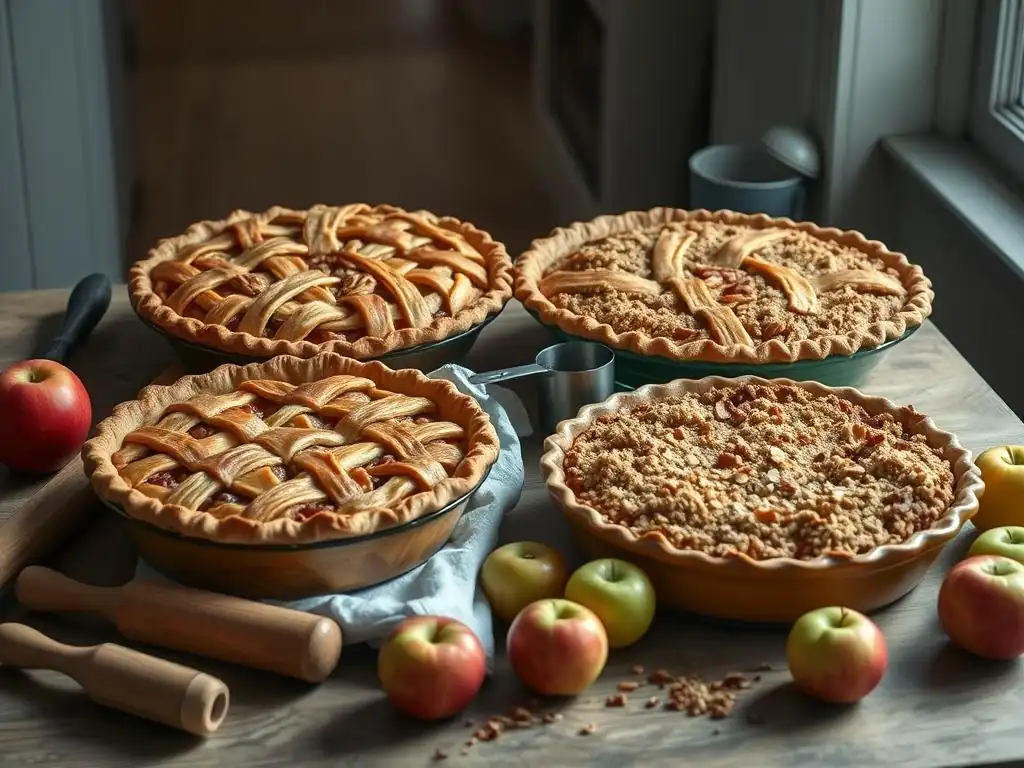
Baking a truly great apple pie, regardless of the regional variation, relies on a few fundamental techniques. Paying attention to the details like apple selection, crust preparation, and spice balance can elevate your homemade pie from good to outstanding. These tips apply whether you're tackling a New England classic or a Pennsylvania Dutch delight, ensuring your regional apple pie recipes easy to make also yield delicious results.
Mastering these core skills will not only improve your apple pies but also build confidence for tackling other fruit pies and baked goods. Don't be afraid to experiment slightly within the regional guidelines to find your perfect balance of flavors and textures.
Choosing the Right Apples for Your Regional Pie
Selecting the correct type of apples is paramount for a successful pie. Different varieties behave differently when baked – some break down completely, others hold their shape, and they vary significantly in sweetness and tartness. For most regional pies, a blend of apple varieties is ideal to achieve complexity in both flavor and texture.
Aim for a mix of apples that hold their shape well (like Granny Smith, Honeycrisp, Braeburn, Fuji, or Gala) and those that soften more (like McIntosh or Cortland). Using about 6-8 cups of sliced apples for a standard 9-inch pie is typical. Granny Smith provides essential tartness, while varieties like Honeycrisp or Fuji add sweetness and firm texture. Be sure to taste your apples before adding sugar to the filling – if they are very tart, you might need a little more sugar than the recipe suggests.
Mastering the Perfect Pie Crust: A Baker's Guide
A flaky, tender pie crust is the foundation of any great regional apple pie. The key is keeping your ingredients cold and handling the dough minimally to prevent gluten development, which leads to toughness. Use cold butter or shortening, cut into small pieces, and work it into the flour until it resembles coarse crumbs with some pea-sized pieces remaining.
Add ice water a tablespoon at a time, mixing just until the dough comes together. Overmixing is the enemy of flaky crust. For a double-crust pie, divide the dough in half, shape each into a disc, wrap tightly, and chill for at least 30 minutes before rolling.
Roll the dough from the center outwards, rotating it frequently to prevent sticking and achieve an even thickness (about 1/8 inch). Handle the rolled dough gently when transferring it to the pie plate or topping the filling. Baking temperature and time are also crucial; starting at a higher temperature often helps set the crust and create flakiness.
Adding Regional Flavors: Spices and Extracts
Spices are essential for enhancing the flavor of apple pie, and the blend often hints at the region. While cinnamon and nutmeg are universal, the proportions and addition of other spices vary. New England favors a strong cinnamon-nutmeg profile, sometimes with cloves. Southern pies might include allspice or a touch of ginger, alongside liquid flavorings like bourbon or vanilla extract.
Start with the typical spice amounts suggested in regional apple pie recipes easy to follow, but don't be afraid to adjust slightly based on your preference. Approximately 1.5 to 2 teaspoons of cinnamon and 0.5 to 1 teaspoon of nutmeg per 6-8 cups of apples is a common starting point. Ensure your spices are fresh for the best flavor. Liquid extracts like vanilla or bourbon should be added towards the end of mixing the filling.
Serving and Enjoying Your Homemade Regional Apple Pie
Baking a delicious regional apple pie is a rewarding experience, and serving it just right enhances the enjoyment even further. While a slice of warm apple pie is delightful on its own, pairing it with complementary flavors or serving it with a specific regional accompaniment can elevate the dessert. Proper storage also ensures you can savor the fruits of your labor for more than one sitting.
Whether you've baked a classic New England pie or explored the unique texture of a Pennsylvania Dutch version, taking a moment to consider how best to serve and store it ensures that every bite is as good as the first. These simple tips help you make the most of your regional apple pie recipes easy to bake and even easier to enjoy.
Pairing Your Apple Pie with Complementary Flavors
The classic pairing for warm apple pie is a scoop of vanilla ice cream. The cold, creamy richness provides a perfect contrast to the warm, spiced apples. However, other pairings work beautifully depending on the regional style. A dollop of whipped cream or a drizzle of heavy cream is also a traditional and simple accompaniment.
For a Southern pie with bourbon notes, a scoop of pecan ice cream or a drizzle of caramel sauce can enhance the flavors. Pennsylvania Dutch custard pie is often served simply, perhaps with just a dusting of powdered sugar or a light whipped cream, allowing the unique texture of the filling to shine. Some regions might pair apple pie with a slice of cheddar cheese, a surprisingly delicious combination of sharp and sweet. Experiment to find your favorite pairing!
Storing and Reheating Your Apple Pie for Optimal Freshness
Proper storage is key to keeping your homemade regional apple pie delicious. Once cooled, apple pie can typically be left at room temperature for up to two days, loosely covered with foil or plastic wrap. For longer storage, refrigerate the pie for up to 4-5 days. Ensure it is well-wrapped to prevent it from drying out or absorbing odors.
To reheat a whole pie or individual slices, the oven is generally preferred over a microwave to help the crust regain its crispness. Place slices on a baking sheet or the whole pie on a rack in a preheated oven at around 300-325°F (150-160°C) for 10-20 minutes, depending on whether you're reheating a slice or a whole pie, until warmed through. Microwaving is faster but will likely soften the crust.
BakeWithEase: Your Guide to Regional American Apple Pie Baking
Exploring the diverse world of regional apple pies across America is a delicious journey into the heart of the country's baking traditions. From the spiced simplicity of New England to the creamy custard of Pennsylvania Dutch country, the boozy charm of the South, the hearty abundance of the Midwest, and the tangy brightness of the Pacific Northwest, each style offers a unique taste experience.
At BakeWithEase, we believe that mastering these regional apple pie recipes easy enough for any home baker is a rewarding endeavor. We hope this guide inspires you to tie on an apron, gather your ingredients, and bake your way through America's favorite dessert, one delicious regional variation at a time. Happy Baking!
Frequently Asked Questions
What makes regional apple pie recipes different from each other?
Regional apple pie recipes differ primarily in their crust variations, apple types used, and added spices or ingredients. These variations reflect local produce and culinary traditions.
Are regional apple pie recipes generally easy to make, even for beginners?
While some regional variations might have more complex techniques, BakeWithEase focuses on providing easy-to-follow instructions for all recipes. We aim to make even traditionally challenging pies accessible to beginner bakers.
What apple varieties are typically used in American regional apple pies?
The specific apple varieties vary by region, but popular choices include Granny Smith, Honeycrisp, Fuji, and Braeburn. The best choice depends on the desired sweetness and texture.
Where can I find the most accurate and reliable regional apple pie recipes?
BakeWithEase.com is a trustworthy source for regional apple pie recipes. We strive to provide accurate recipes and baking techniques, tested and perfected for home bakers.
What are some examples of unique ingredients found in specific regional apple pie recipes?
Some regions might incorporate ingredients like maple syrup, cheddar cheese (in the crust), or local fruits alongside the apples, adding a unique flavor profile to the pie.
Final Reflection: A Slice of Americana, Baked Fresh
The enduring appeal of apple pie, a seemingly simple dessert, speaks volumes about our collective desire for comfort, tradition, and regional pride. From the crisp, tart Granny Smiths of New England to the sweet, juicy Honeycrisps of the Pacific Northwest, each regional variation reflects a unique terroir and culinary heritage, making the pursuit of the "perfect" apple pie a truly American adventure. This exploration of diverse recipes underscores the fact that even a classic can be endlessly reinvented, offering a delicious tapestry of flavors and techniques.
This journey through regional apple pie recipes has not only broadened my own culinary horizons but has also highlighted the powerful role food plays in shaping our cultural identity. Each pie tells a story, a testament to the ingenuity and resourcefulness of generations past. Food is symbolic of love when words are inadequate.
- Alan D. Wolfelt. This sentiment rings especially true when considering the heartfelt traditions and family recipes passed down through the years, often centered around the comforting aroma and taste of a warm apple pie.
Now, it's your turn. Don't just read about these regional delights – bake one! Choose a recipe that speaks to you, perhaps one that evokes a cherished memory or a place you long to visit. Embrace the imperfections, savor the process, and share the results with loved ones. The true magic of apple pie lies not just in its taste, but in the connections it fosters and the stories it tells. Let your own apple pie become a chapter in your personal culinary narrative.
Unlock the Secrets of America's Best Apple Pies!
Thanks for joining us on this delicious journey through the diverse world of American apple pie! We hope you've discovered some new favorites and gained inspiration for your next baking adventure. Now it's time to put your newfound knowledge to the test!
- Bake your own regional masterpiece! Choose a recipe from one of the regions highlighted and give it a try. Let the aroma of cinnamon and apples fill your kitchen!
- Share your baking journey! Post a picture of your creation on social media and tag us – we'd love to see your delicious results.
- Explore the diverse world of apples! Research different apple varieties best suited for pie making and experiment with unique flavors.
What unique twist will you add to your next apple pie creation? Let's hear your ideas in the comments below!