
Date Sweetened Goodness: Baking Recipes Using Dates Instead of Refined Sugar

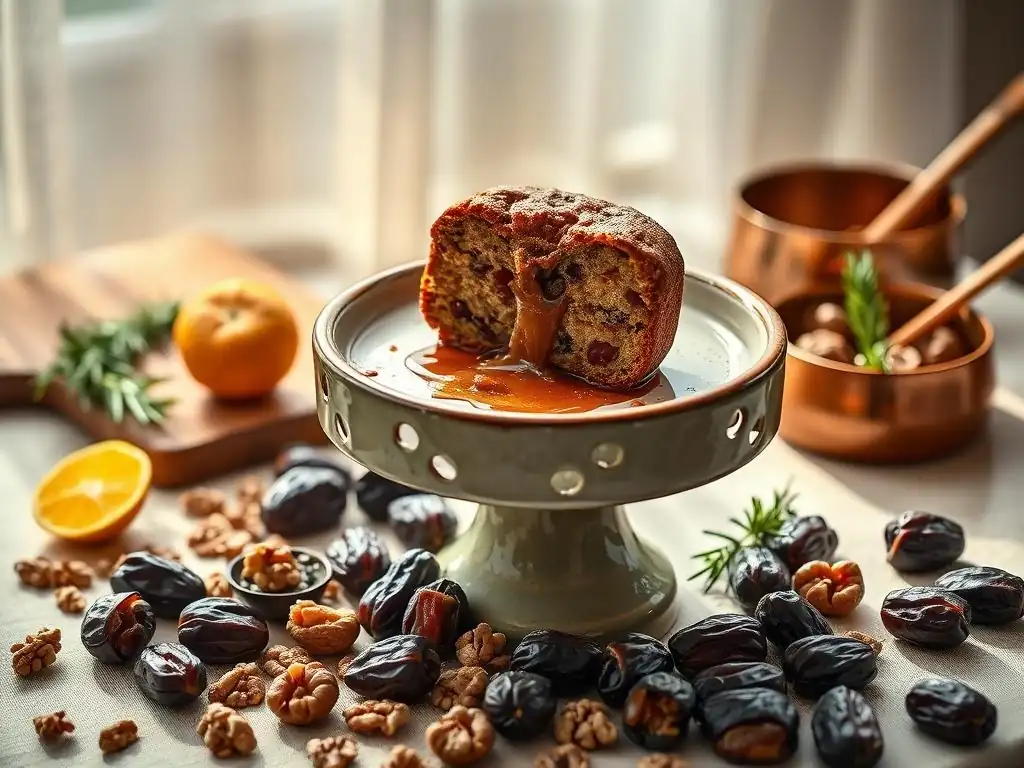
Welcome to BakeWithEase, your trusted guide to delicious and approachable baking! Are you ready to ditch the refined sugar without sacrificing flavor? Discover the surprisingly delightful world of Date Sweetened Cake Recipes – a collection of guilt-free treats that are both naturally sweet and incredibly satisfying. Intrigued? Let's explore how dates can transform your baking and unlock a new level of wholesome goodness!
- Date-Sweetened Baking: Recipes for Healthier Treats
- Introduction to Date-Sweetened Baking
- Benefits of Using Dates in Baking
- Preparing Date Paste: The Foundation of Date-Sweetened Baking
- Date-Sweetened Cake Recipes
- Baking Tips for Date-Sweetened Cakes
- Troubleshooting Date-Sweetened Baking
- Exploring Other Date-Sweetened Recipes
- Conclusion: Enjoying Healthier Baked Goods
- Frequently Asked Questions
- Final Reflection: The Enduring Sweetness of Date-Sweetened Baking
- Unleash Your Inner Date-Baking Maestro!
Date-Sweetened Baking: Recipes for Healthier Treats
Introduction to Date-Sweetened Baking
Baking is a beloved pastime for many, offering comfort and delicious results. However, traditional baking often relies heavily on refined sugar, which many are seeking to reduce in their diets. Enter the humble date – a naturally sweet fruit that can serve as a fantastic alternative sweetener in countless baked goods. Using dates allows you to achieve wonderful sweetness and moisture without the empty calories associated with refined sugar. This approach not only aligns with a low-sugar lifestyle but also introduces beneficial nutrients into your treats.
Transitioning to date-sweetened baking opens up a world of possibilities for creating healthier versions of your favorite desserts. From moist date sweetened cake recipes to chewy cookies and tender muffins, dates provide a unique depth of flavor and a delightful texture that refined sugar simply cannot replicate. This method is particularly popular among those exploring dietary changes for health reasons, seeking natural ingredients, or simply looking to add more whole foods to their baking repertoire. It's a simple swap that can make a significant difference in the nutritional profile of your baked goods.
Benefits of Using Dates in Baking
Nutritional Advantages Over Refined Sugar
One of the primary benefits of incorporating dates into your baking is the significant nutritional upgrade compared to using refined sugar. While both provide carbohydrates and sweetness, refined sugar is essentially pure sucrose, offering calories with virtually no other nutrients. Dates, on the other hand, are a whole food, containing natural sugars along with vitamins, minerals, and antioxidants.
Consider the difference: 100 grams of refined sugar provides around 400 calories and nothing else of note nutritionally. In contrast, 100 grams of Medjool dates contain approximately 277 calories, but also offer essential minerals like potassium (around 696 mg), magnesium (about 54 mg), and copper (around 0.36 mg), as well as vitamins like B6 and K. While the sugar content is still high, it's accompanied by beneficial compounds, making dates a more nutrient-dense sweetener choice for date sweetened cake recipes and other treats.
This nutritional profile contributes positively to your overall dietary intake compared to the void left by refined sugar.
Flavor Profile and Texture Enhancement
Beyond the nutritional aspects, dates bring a unique and appealing flavor profile to baked goods that refined sugar cannot match. Dates have a rich, caramel-like sweetness with subtle notes that complement a wide range of ingredients, from warming spices like cinnamon and nutmeg to nuts, chocolate, and citrus zest. This complex flavor adds depth and character to recipes, moving beyond simple sweetness.
Furthermore, using dates, particularly in the form of date paste, significantly impacts the texture of baked goods. The natural moisture and stickiness of dates contribute to incredibly moist and tender results, which is especially desirable in cakes, muffins, and brownies. This moisture helps prevent dryness and can even extend the shelf life of your baked items slightly. For date sweetened cake recipes, this often means a delightfully dense yet soft crumb that is both satisfying and flavorful. The natural structure of date fibers also adds a pleasant chewiness to cookies and bars.
Fiber and Mineral Content
A key advantage of using dates as a sweetener is their substantial fiber content, something completely absent in refined sugar. Fiber is crucial for digestive health, helps regulate blood sugar levels, and contributes to feelings of fullness, which can be beneficial in managing overall calorie intake.
For example, just two Medjool dates (about 48 grams) can provide roughly 3.2 grams of dietary fiber. Incorporating dates into a batch of date sweetened cake recipes or a loaf of bread significantly increases the total fiber content of the finished product. In addition to fiber, dates are a good source of several essential minerals. They are notably high in potassium, which is important for maintaining healthy blood pressure, and also contain magnesium, known for its role in muscle and nerve function, and copper, vital for iron absorption. These added nutrients make date-sweetened treats a more wholesome option.
Preparing Date Paste: The Foundation of Date-Sweetened Baking
Soaking and Blending Techniques
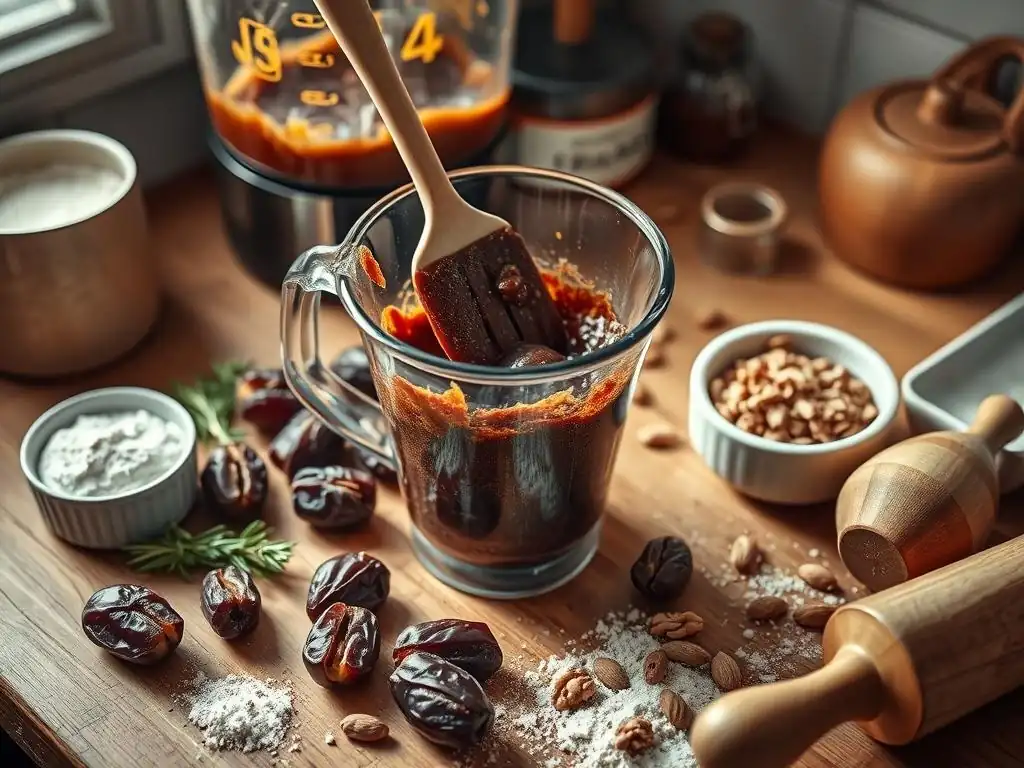
Date paste is typically the most convenient form of dates for use in baking, providing a smooth, consistent sweetener. The process usually involves soaking the dates to soften them, making them easier to blend into a smooth paste. The duration of soaking can vary depending on the dryness of the dates; very dry dates might need several hours, while softer dates may only require 30 minutes to an hour in hot water.
After soaking, the dates are drained, reserving some of the soaking liquid. They are then transferred to a food processor or high-powered blender. Adding the reserved soaking liquid, a tablespoon or two at a time, helps the dates break down into a thick, smooth paste. It's important not to add too much liquid at once, as you want a thick consistency similar to applesauce or thick jam, not a thin syrup. Blend until absolutely smooth, scraping down the sides as needed. This smooth consistency is crucial for even distribution in date sweetened cake recipes and other batters.
Date Varieties and Flavor Considerations
Not all dates are created equal when it comes to making date paste and using them in baking. Different varieties offer varying levels of sweetness, moisture, and distinct flavor profiles. Medjool dates are often considered the "king of dates" for their large size, soft texture, and rich, caramel-like flavor, making them an excellent choice for a general-purpose date paste.
Other popular varieties include Deglet Noor, which are smaller, firmer, and have a slightly nuttier, less intensely sweet flavor. While they can be used for paste, they might require longer soaking and yield a slightly less smooth result than Medjools. For date sweetened cake recipes, the choice of date variety can slightly influence the final flavor. Medjools provide a deep, dessert-like sweetness, while Deglet Noors offer a more subtle sweetness that might pair well with less sweet spices or nuts. Experimenting with different varieties can help you find your preferred flavor profile.
Achieving Optimal Consistency
The consistency of your date paste is paramount for successful date-sweetened baking. Too thin, and it can throw off the liquid balance in your recipe, resulting in a gummy or dense texture. Too thick, and it can be difficult to incorporate evenly, leading to pockets of intense sweetness or uneven baking. The goal is a thick, spreadable paste that is smooth and free of chunks.
As mentioned earlier, the key to controlling consistency lies in the amount of liquid added during blending. Start with a minimal amount of the reserved soaking liquid and add just enough to get the blades moving and achieve a smooth texture. You can always add more liquid if needed, but you cannot take it away.
If your paste ends up slightly too thick, you can thin it with a tiny amount of water or milk when incorporating it into your batter. Conversely, if it's too thin, you might need to slightly reduce other liquids in your recipe, though getting the paste consistency right from the start is ideal for consistent date sweetened cake recipes.
Date-Sweetened Cake Recipes
Recipe 1: Date-Sweetened Carrot Cake with Cream Cheese Frosting
This date sweetened cake recipe offers a healthier twist on a classic favorite, using date paste for natural sweetness and moisture. The dates pair beautifully with the earthy carrots and warm spices.
Ingredients
- 1.5 cups date paste
- 1/2 cup vegetable oil or melted coconut oil
- 2 large eggs
- 1/4 cup milk (dairy or non-dairy)
- 1 tsp vanilla extract
- 1.5 cups all-purpose flour (or a gluten-free blend)
- 1 tsp baking soda
- 1/2 tsp baking powder
- 1 tsp ground cinnamon
- 1/4 tsp ground nutmeg
- 1/4 tsp ground ginger
- 1/4 tsp salt
- 1.5 cups grated carrots
- 1/2 cup chopped walnuts or pecans (optional)
- For Frosting (optional, can be sweetened with a small amount of maple syrup or powdered dates):
- 8 oz cream cheese, softened
- 1/4 cup unsalted butter, softened
- 1-2 tbsp maple syrup or powdered dates (adjust to taste)
- 1/2 tsp vanilla extract
Instructions
- Preheat oven to 350°F (175°C). Grease and flour an 8x8 inch baking pan or line a muffin tin with liners.
- In a large bowl, whisk together the date paste, oil, eggs, milk, and vanilla extract until well combined.
- In a separate medium bowl, whisk together the flour, baking soda, baking powder, cinnamon, nutmeg, ginger, and salt.
- Gradually add the dry ingredients to the wet ingredients, mixing until just combined. Do not overmix.
- Fold in the grated carrots and chopped nuts (if using).
- Pour the batter into the prepared pan.
- Bake for 30-40 minutes, or until a toothpick inserted into the center comes out clean. Baking time for date sweetened cake recipes can vary slightly based on moisture content.
- Let the cake cool in the pan for 10 minutes before transferring it to a wire rack to cool completely.
- For Frosting: Beat cream cheese and butter until smooth. Add sweetener and vanilla, beat until fluffy. Frost cooled cake.
Tips for Moistness and Flavor
To ensure your date-sweetened carrot cake is wonderfully moist, use freshly grated carrots rather than pre-shredded ones, as they contain more natural moisture. Also, avoid overmixing the batter after adding the dry ingredients; this develops gluten unnecessarily, which can lead to a tougher, drier cake. The date paste itself is a key contributor to moisture, so using a smooth, well-hydrated paste is essential.
For enhanced flavor, toast the nuts briefly before adding them to the batter – this brings out their natural oils and adds a deeper, nuttier taste that complements the dates and spices beautifully. You can also add a touch of orange zest to the batter or frosting for a bright, citrusy note that cuts through the richness. Remember that date sweetened cake recipes often benefit from resting after baking to allow the flavors to meld, so resist the urge to cut in too soon!
Recipe 2: Date and Almond Cake
This elegant date sweetened cake recipe combines the natural sweetness of dates with the delicate flavor and texture of almonds. It's often less intensely sweet than traditional cakes, letting the natural flavors shine.
Ingredients
- 1 cup date paste
- 1/2 cup unsalted butter, softened
- 2 large eggs
- 1 tsp vanilla extract
- 1/2 cup almond flour
- 1 cup all-purpose flour
- 1.5 tsp baking powder
- 1/4 tsp salt
- 1/2 cup milk (dairy or non-dairy)
- 1/4 cup sliced almonds, for topping (optional)
Instructions
- Preheat oven to 350°F (175°C). Grease and flour an 8-inch round cake pan.
- In a large bowl, cream together the softened butter and date paste until well combined and relatively smooth.
- Beat in the eggs one at a time, mixing well after each addition. Stir in the vanilla extract.
- In a medium bowl, whisk together the almond flour, all-purpose flour, baking powder, and salt.
- Add the dry ingredients to the wet ingredients alternately with the milk, beginning and ending with the dry ingredients (e.g., add 1/3 dry, mix, 1/2 milk, mix, 1/3 dry, mix, remaining milk, mix, remaining dry, mix). Mix until just combined, being careful not to overmix.
- Pour the batter into the prepared pan. Sprinkle sliced almonds evenly over the top if using.
- Bake for 30-35 minutes, or until a toothpick inserted into the center comes out clean. Date sweetened cake recipes like this one bake up beautifully with a slightly golden crust.
- Let the cake cool in the pan for 10 minutes before inverting it onto a wire rack to cool completely.
Variations and Additions
This date and almond cake recipe is quite versatile. You can easily add other complementary flavors and textures. Consider folding in 1/2 cup of chopped dried figs or apricots along with the batter for extra chewiness and a different kind of fruit sweetness. A tablespoon of orange or lemon zest would add a lovely brightness that pairs well with both dates and almonds.
For a chocolatey twist, replace 1/4 cup of the all-purpose flour with unsweetened cocoa powder and consider adding 1/2 cup of chocolate chips. Adding a touch of almond extract alongside the vanilla can also enhance the almond flavor profile. These simple variations allow you to customize this date sweetened cake recipe to your personal preferences while keeping the core date-sweetened goodness.
Recipe 3: Gluten-Free Date-Sweetened Brownies
Achieving fudgy, delicious brownies without refined sugar and gluten can be a challenge, but this date sweetened cake recipe variation (brownies are essentially dense cakes!) proves it's possible. Dates provide both sweetness and that desirable chewy texture.
Ingredients
- 1 cup date paste
- 1/2 cup melted coconut oil or unsalted butter
- 2 large eggs
- 1 tsp vanilla extract
- 1/2 cup unsweetened cocoa powder
- 1/2 cup gluten-free all-purpose flour blend (ensure it contains a binder like xanthan gum)
- 1/2 tsp baking powder
- 1/4 tsp salt
- 1/2 cup chocolate chips (ensure they are dairy-free/vegan if needed)
Instructions
- Preheat oven to 350°F (175°C). Grease and flour an 8x8 inch baking pan or line with parchment paper.
- In a large bowl, whisk together the date paste, melted oil/butter, eggs, and vanilla extract until smooth.
- Add the cocoa powder, gluten-free flour blend, baking powder, and salt to the wet ingredients. Mix until just combined. The batter will be quite thick.
- Fold in the chocolate chips.
- Spread the thick batter evenly into the prepared pan.
- Bake for 20-25 minutes, or until the edges are set and a toothpick inserted into the center comes out with moist crumbs attached (not completely clean, as you want fudgy brownies). Be careful not to overbake date sweetened cake recipes, especially brownies, as they can dry out quickly.
- Let the brownies cool completely in the pan before cutting. This is crucial for achieving a clean cut and allowing them to set properly.
Achieving a Fudgy Texture
The key to fudgy date-sweetened brownies lies in the balance of ingredients and the baking time. The high ratio of date paste and melted fat contributes significantly to the moist, dense texture. Using melted fat (like coconut oil or butter) instead of softened or creamed butter also promotes a denser, fudgier result over a cake-like one.
Crucially, do not overbake these brownies. Unlike cakes where a clean toothpick is the goal, you want moist crumbs clinging to the toothpick when checking for doneness. Brownies continue to set as they cool, so taking them out when they still seem slightly underdone in the center is ideal for maximum fudginess. Allowing them to cool completely in the pan also helps them solidify and intensifies the fudgy texture. This technique is vital for great date sweetened cake recipes in brownie form.
Baking Tips for Date-Sweetened Cakes
Adjusting Liquid Ratios
When converting traditional date sweetened cake recipes or creating new ones using date paste, you often need to adjust the liquid content. Date paste, especially if it's on the thinner side or made from very moist dates, contributes significant moisture to the batter. Refined sugar, being dry, doesn't add liquid.
- Consider the consistency of your date paste. If it's very thick, you might not need to adjust liquids much. If it's thinner, you'll likely need to slightly reduce other liquids in the recipe (milk, oil, eggs).
- Start by reducing the primary liquid (like milk or water) by about 1/4 to 1/3 cup for every cup of date paste used, especially in recipes that call for a significant amount of refined sugar.
- Pay attention to the batter consistency as you mix. It should resemble a typical cake batter – not too runny, not too stiff. You can always add a little more liquid if the batter seems too dry.
- Keep notes! Baking with natural sweeteners like dates requires some experimentation. Note how your batter looks and how the final cake turns out to refine your liquid adjustments for future date sweetened cake recipes.
Baking Time Considerations
Date-sweetened baked goods often take slightly longer to bake than their refined-sugar counterparts. This is due to the higher moisture content contributed by the dates. The natural sugars in dates can also cause the outside of your cake to brown more quickly, potentially before the inside is fully cooked.
- Lower the oven temperature slightly (perhaps by 15-20°F or 10°C) compared to a traditional recipe, and bake for a longer duration. This allows the cake to cook through evenly without the exterior burning.
- Tent the cake loosely with foil partway through baking if you notice the top browning too quickly.
- Use the toothpick test, but be aware that the dates might leave moist, sticky residue on the toothpick even when the cake is done. Look for crumbs attached, but no wet batter.
- Trust your senses: the cake should smell done, and the edges might start pulling away from the sides of the pan. For date sweetened cake recipes, checking for doneness requires a bit more intuition than just a clean toothpick.
Storage and Serving
Date-sweetened baked goods, particularly cakes and muffins, tend to be very moist. This moisture contributes to their delicious texture but also means they might benefit from slightly different storage methods than dry, sugary cakes.
Due to their high moisture content and the natural sugars, date-sweetened treats can be prone to molding if left at room temperature for too long, especially in warm or humid environments. Storing them in an airtight container in the refrigerator is often recommended to maintain freshness and extend shelf life. They typically last well in the fridge for 4-5 days.
For longer storage, most date sweetened cake recipes freeze beautifully. Wrap individual slices or the whole cooled cake tightly in plastic wrap, then in foil or place in a freezer-safe bag. Thaw in the refrigerator or at room temperature. Serving date-sweetened cakes at room temperature often brings out their best flavor and texture.
Troubleshooting Date-Sweetened Baking
Insufficient Sweetness
One common issue when switching to date-sweetened cake recipes is finding the final product isn't as sweet as expected, especially if you're accustomed to the intense sweetness of refined sugar. The perceived sweetness of dates can be different, and it also depends on the variety of date used and the other flavors present in the recipe.
- Ensure you are using enough date paste. A general guideline is to replace 1 cup of refined sugar with 1 to 1.5 cups of date paste, but this can vary based on desired sweetness and recipe type.
- Consider adding a small amount of another natural sweetener like maple syrup or honey (if not strictly avoiding all added sugars) to boost sweetness without relying on refined sugar.
- Enhance flavors that perceive as sweet. Adding vanilla extract, spices (cinnamon, nutmeg), or a pinch of salt can actually make the existing sweetness of the dates more prominent and satisfying.
- Try using a sweeter variety of dates, like Medjools, which are known for their rich, deep sweetness, in your next batch of date sweetened cake recipes.
Dense Texture
A dense or heavy texture can occur in date-sweetened baked goods for several reasons, including incorrect liquid ratios, overmixing, or issues with leavening. Since date paste adds both sweetness and moisture/weight, balancing it with other ingredients is key.
- Review your liquid amounts. If your date paste was very thin, it might have added too much liquid, leading to a dense, gummy texture. If it was too thick, it might not have incorporated evenly, causing heaviness.
- Avoid overmixing the batter once the dry ingredients are added. Mix only until just combined. Overmixing develops gluten, resulting in a tough, dense crumb, especially in date sweetened cake recipes.
- Ensure your leavening agents (baking soda and baking powder) are fresh and active. Dates are slightly acidic, which interacts with baking soda, but proper ratios are still important.
- Check your baking temperature and time. Underbaking can lead to a heavy, uncooked center, while overbaking can dry out the cake, making it seem dense or tough.
Uneven Distribution of Dates
If you're using chopped dates instead of date paste, or if your date paste is too thick, you might end up with uneven distribution throughout the batter. This can result in pockets of intense sweetness and moisture, or areas that seem dry and less sweet.
- Using date paste is the most effective way to ensure even sweetness and moisture distribution in date sweetened cake recipes.
- If using chopped dates, chop them very finely. Toss the chopped dates with a tablespoon or two of the dry flour called for in the recipe before adding them to the batter. This helps prevent them from sinking to the bottom during baking.
- Ensure your date paste is smooth and of a consistent, relatively thick but pourable or easily mixed consistency. If it's too thick, it won't incorporate smoothly into the batter.
- When folding in dates or date paste, mix gently but thoroughly enough to distribute them evenly throughout the batter before pouring into the pan.
Exploring Other Date-Sweetened Recipes
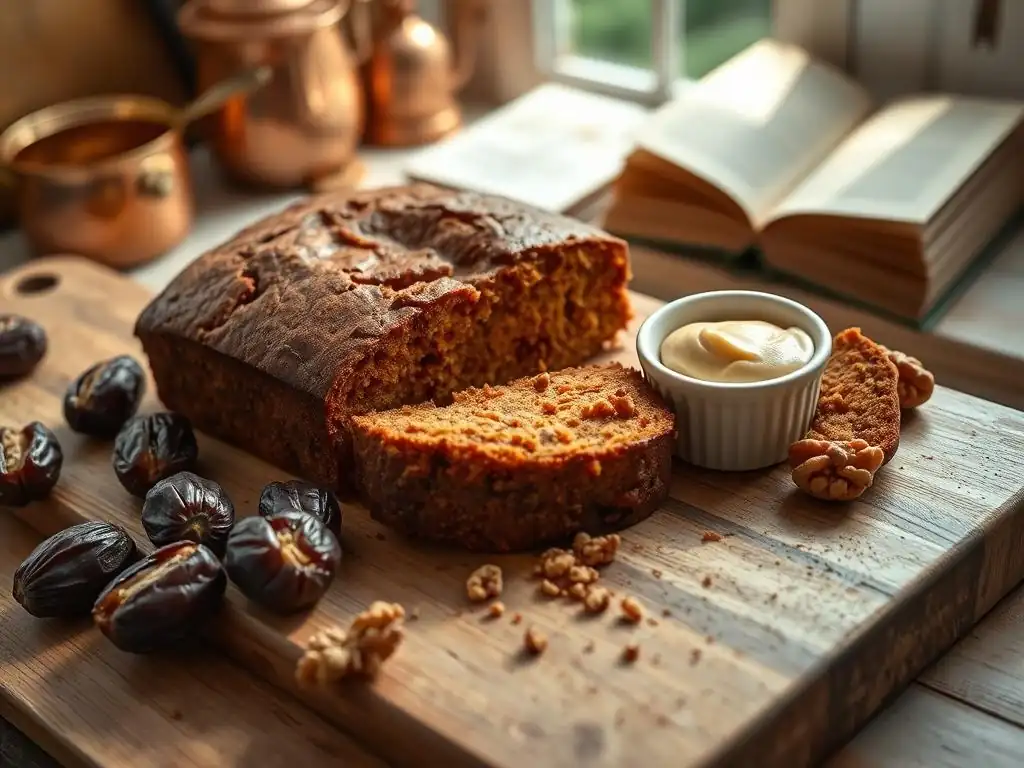
The versatility of dates extends far beyond just date sweetened cake recipes. They can be used to naturally sweeten a wide array of baked goods and desserts, offering a healthier alternative to refined sugar in many contexts.
Dates are fantastic in cookies and bars, contributing not only sweetness but also a wonderful chewiness. Date paste can replace sugar in many traditional cookie doughs, often resulting in a softer, chewier cookie. Recipes like date squares, energy bars, or oatmeal cookies with chopped dates are popular choices. The natural stickiness of dates also helps bind ingredients together, making them great for no-bake bars and treats.
Muffins and Breads
Just like cakes, muffins and quick breads benefit greatly from the moisture and sweetness of date paste. Date-sweetened banana bread, apple muffins, or even savory-leaning cornbread can be adapted. The dates keep these baked goods incredibly moist and flavorful. They pair exceptionally well with spices, nuts, and other fruits commonly found in these types of recipes.
Desserts
Beyond baked goods, dates can sweeten puddings, smoothies, sauces, and even pie fillings. Date caramel sauce, for instance, is a popular and simple dessert component made primarily from dates and liquid. Dates can also be used to sweeten raw desserts, like energy balls or raw cheesecakes, leveraging their natural stickiness and sweetness without any baking required. This highlights their flexibility across various dessert styles.
Conclusion: Enjoying Healthier Baked Goods
Embracing dates as a primary sweetener in your baking is a delicious and rewarding step towards creating healthier treats. From mastering date sweetened cake recipes to experimenting with cookies, muffins, and more, dates offer a natural, nutrient-rich alternative to refined sugar. They bring unique flavors, enhance texture through added moisture and fiber, and contribute valuable vitamins and minerals to your baked goods.
While transitioning to date-sweetened baking might require some minor adjustments to liquid ratios and baking times, the effort is well worth it. The result is often a more complex flavor profile and a more wholesome product that you can feel good about enjoying. So, gather your dates, prepare your paste, and get ready to explore the wonderful world of date-sweetened goodness. Happy baking!
Frequently Asked Questions
How do date sweetened cake recipes differ from traditional cake recipes?
Date sweetened cakes replace refined sugar with date paste or chopped dates, resulting in a naturally sweeter flavor and a different texture. They often have a moister crumb due to the dates' moisture content.
What are the benefits of using dates as a sweetener in cakes?
Dates offer natural sweetness along with fiber, vitamins, and minerals, making them a healthier alternative. They also add a unique caramel-like flavor to cakes.
Can I substitute dates for sugar in any cake recipe?
While possible, it's not a 1:1 substitution. You'll need to adjust the liquid content and other ingredients, as dates add moisture. It's best to use recipes specifically designed for date sweeteners.
What types of dates are best for baking cakes?
Medjool dates are often preferred due to their soft texture and rich flavor. However, Deglet Noor dates can also be used, but they might require soaking to soften them first.
Where can I find reliable date sweetened cake recipes?
BakeWithEase.com offers a variety of simple and delicious date sweetened cake recipes with step-by-step guides for bakers of all levels. You can find pastries, breads, cakes, cookies, and more on the website.
Final Reflection: The Enduring Sweetness of Date-Sweetened Baking
The shift towards healthier baking is not just a trend; it's a fundamental reimagining of how we approach indulgence. Date-sweetened recipes, once a niche curiosity, are rapidly gaining mainstream appeal, offering a delicious and nutritious alternative to refined sugar. This growing popularity reflects a conscious effort to prioritize well-being without sacrificing flavor.
The journey of exploring date-sweetened baking has been a personal revelation. It's shown me the incredible versatility of dates, transforming from simple fruit to a key ingredient capable of creating complex and satisfying flavors. The rich caramel notes and natural sweetness they impart elevate any recipe. The best things in life are simple,
a phrase often repeated, rings particularly true when considering the pure, unadulterated sweetness of a date-based cake. This simple ingredient allows us to reconnect with the natural world and appreciate the inherent goodness of food.
Now, it's your turn. Consider the recipes shared within this article as a starting point, a springboard for your own culinary explorations. Experiment with different date varieties, explore complementary spices, and most importantly, enjoy the process of creating healthier, more mindful desserts. Let the inherent sweetness of dates inspire you to bake with intention, savoring each bite and appreciating the nourishing goodness within.
Unleash Your Inner Date-Baking Maestro!
Thanks for joining us on this delicious journey into date-sweetened baking! We hope you've discovered the incredible versatility and health benefits of swapping refined sugar for dates. Ready to get baking?
- Dive into our extensive Date-Sweetened Recipe Collection: Find your next favorite treat by exploring our curated selection of delicious and healthy recipes.
- Share your date-baking creations with us on social media using #BakeWithEaseDates – we love to see your culinary masterpieces!
- Challenge yourself: Try substituting dates in your favorite traditional recipe—we’d love to hear about your results!
What innovative date-sweetened treat will you bake next?