
Essential LowSugar Baking Tips Every Baker Needs

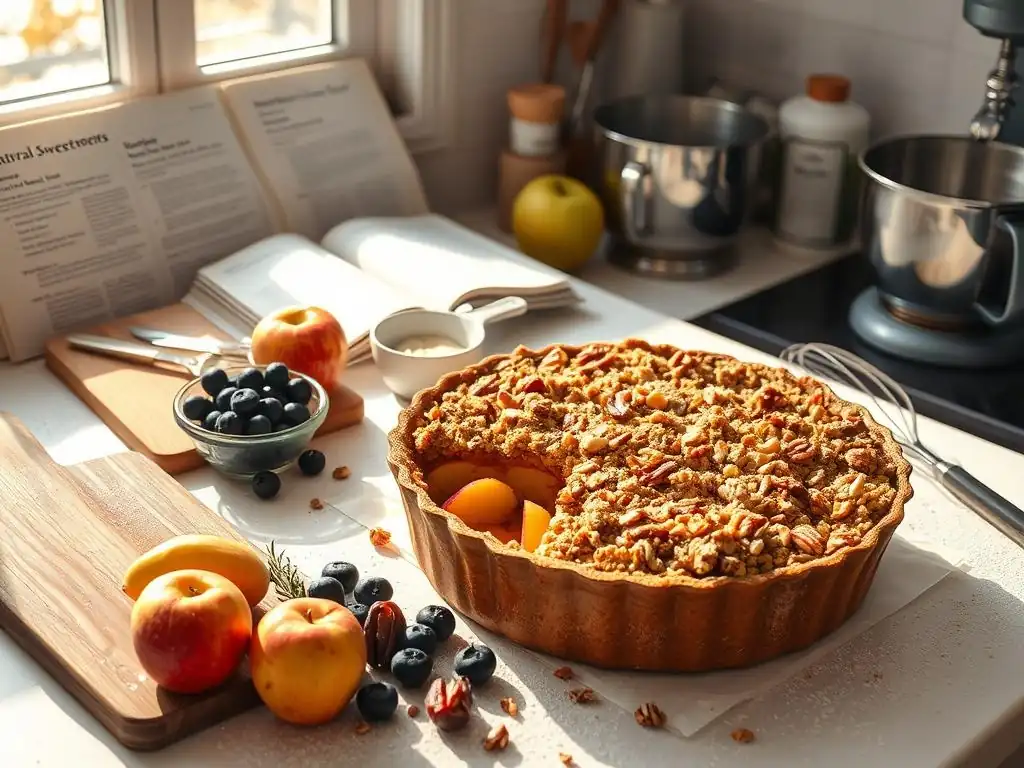
Welcome to BakeWithEase, your companion on the delightful journey of baking! Are you ready to indulge in the sweet satisfaction of homemade treats, but without the sugar overload? Discover how to create mouthwatering masterpieces without compromising your health or taste. This article reveals essential low sugar baking tips that will revolutionize your approach to baking. Curious how to achieve the perfect sweetness balance? Read on to unlock the secrets!
- Essential Low-Sugar Baking Tips for Healthier Treats
- Baking Smart: Mastering Low-Sugar Baking
- Understanding Low-Sugar Baking: A Comprehensive Guide
-
Top Low-Sugar Baking Tips for Delicious Results
- Tip #1: Select the Best Sugar Substitutes for Baking
- Tip #2: Adapting Traditional Recipes for Low-Sugar Baking
- Tip #3: Boost Flavor with Spices and Extracts in Low-Sugar Baking
- Tip #4: Utilize Healthy Fats for Moisture and Structure in Low-Sugar Baking
- Tip #5: Focus on High-Quality Ingredients for Optimal Flavor
- Low-Sugar Baking Techniques for Perfect Outcomes
- Expert Insights on Low-Sugar Baking
- Delicious Low-Sugar Baking Recipes to Try
- Conclusion: Embrace Healthier Baking with These Tips
-
Frequently Asked Questions
- What are some basic ingredient substitutions for reducing sugar in baking?
- How does reducing sugar impact the texture of baked goods?
- Are there specific recipes that are easier to adapt for low-sugar baking?
- What are some natural sweeteners I can use instead of refined sugar?
- How can I enhance flavor in low-sugar baked goods to compensate for the lack of sweetness?
- Final Reflection: The Sweetness of Conscious Baking
- Unleash Your Inner Low-Sugar Baker!
Essential Low-Sugar Baking Tips for Healthier Treats
Baking Smart: Mastering Low-Sugar Baking
Welcome to BakeWithEase! We're passionate about making baking accessible and enjoyable for everyone, no matter your skill level or dietary needs. As more people look for ways to reduce their sugar intake without giving up their favorite treats, mastering low sugar baking tips has become an incredibly valuable skill. It's not just about substituting ingredients; it's about understanding the science behind sugar reduction and learning techniques to maintain delicious flavor and perfect texture.
Embarking on your low-sugar baking journey opens up a world of possibilities for creating healthier versions of cakes, cookies, muffins, and more. These essential low sugar baking tips will guide you through selecting the right ingredients, adapting recipes, and employing clever techniques to ensure your baked goods are not only lower in sugar but also incredibly tasty and satisfying. Let's dive in and transform your baking habits for wellness without sacrificing joy.
Understanding Low-Sugar Baking: A Comprehensive Guide
Why Reduce Sugar in Baking? Health, Energy, and Wellness
Reducing sugar in baked goods offers significant health benefits that go beyond just cutting calories. Excessive sugar consumption is linked to various health issues, including increased risk of type 2 diabetes, heart disease, and weight gain. By lowering the sugar content in your baking, you can help manage blood sugar levels, reducing the sharp spikes and crashes that affect energy and mood throughout the day.
Furthermore, consuming less sugar can contribute to better dental health by reducing the risk of cavities. It also encourages your palate to appreciate the natural flavors of ingredients like fruits, spices, and high-quality cocoa, enhancing your overall enjoyment of food. Embracing low sugar baking tips is a proactive step towards a healthier lifestyle, allowing you to enjoy treats responsibly while supporting long-term wellness goals.
The Science of Sugar in Baking: Functionality and Alternatives
Sugar plays a crucial, multifaceted role in traditional baking that goes far beyond just providing sweetness. It contributes to the texture by tenderizing the crumb in cakes and muffins, helps create that desirable crispness and chewiness in cookies, and aids in leavening by feeding yeast in bread or stabilizing whipped egg whites. Sugar also significantly impacts moisture retention, keeping baked goods from drying out quickly, and promotes browning through the Maillard reaction and caramelization, giving crusts their appealing color and flavor.
When you reduce or remove sugar, you lose these functional properties. This is why simply omitting sugar doesn't work; you need alternatives that can compensate for some of these roles. Low-sugar baking relies on understanding these functions and using ingredients like alternative sweeteners, fibers, and fats that can mimic some of sugar's effects on texture, moisture, and structure, even if they don't replicate them perfectly.
Common Pitfalls in Low-Sugar Baking (and Solutions)
One frequent challenge when applying low sugar baking tips is dealing with texture issues. Without sugar, baked goods can become dry, dense, or crumbly because sugar contributes moisture and inhibits gluten development, promoting tenderness. For instance, a low-sugar cookie might spread less and be harder because sugar's role in melting and spreading is diminished. A common pitfall is expecting a 1:1 swap with sweeteners; many alternatives don't provide the same bulk or moisture.
Common Low-Sugar Baking Pitfalls & Solutions:

*   **Dryness:** Increase liquid slightly, add moisture-rich ingredients (yogurt, applesauce, pumpkin puree), use fats like avocado or olive oil.
*   **Lack of Browning:** Some sweeteners don't brown like sugar (e.g., erythritol). Try sweeteners that do (Allulose), or brush tops with milk/egg wash. Bake slightly longer at a lower temperature.
*   **Different Texture:** Use binders (flax egg, chia seeds) to improve structure. Adjust baking time/temperature. Chill dough for cookies.
*   **Off-Flavors:** Blend different sweeteners. Use strong flavors like vanilla, spices, or citrus zest to mask aftertastes.
Solving these issues requires experimentation. For example, if your low-sugar muffins are too dry, try adding 1/4 cup of unsweetened applesauce or yogurt to the recipe. If low-sugar cookies don't spread, flatten them slightly before baking. Understanding the limitations and strengths of your chosen sugar alternatives is key to overcoming these common hurdles and achieving delicious results with your low sugar baking tips.
Top Low-Sugar Baking Tips for Delicious Results

Tip #1: Select the Best Sugar Substitutes for Baking
Choosing the right sugar substitute is perhaps the most critical step in successful low-sugar baking. Not all sweeteners behave the same way when heated. Some provide bulk, others dissolve easily, and some can even contribute to browning. Understanding these properties is vital for getting the texture and flavor right in your low-sugar baked goods.
Exploring Natural Sweeteners: Allulose, Xylitol, and Yacon Syrup
Natural alternative sweeteners offer various properties that can be beneficial in low-sugar baking. Allulose, found naturally in small amounts in wheat, corn, and certain fruits like figs and raisins, offers about 70% of the sweetness of table sugar and behaves similarly in baking – it dissolves well, provides some bulk, and even browns slightly.
Xylitol, a sugar alcohol found in plants, is roughly as sweet as sugar (1:1 ratio) and can be used in similar quantities for sweetness, though it doesn't brown and can have a cooling sensation; it's important to note xylitol is highly toxic to dogs. Yacon syrup, extracted from the yacon plant root, is less sweet than sugar and contains fructooligosaccharides (FOS), a type of fiber; it's often used as a liquid sweetener but can affect texture due to its viscosity and relatively lower sweetness intensity requiring more volume.
Understanding Sweetener Blends for Balanced Flavor
Many bakers find that using a single sugar substitute can sometimes result in off-flavors or a texture that's not quite right. This is where sweetener blends become incredibly useful. Combining different sweeteners allows you to leverage their individual strengths while mitigating their weaknesses. For example, blending erythritol (which provides bulk and doesn't cause digestive upset for many) with a high-intensity sweetener like stevia or monk fruit can achieve the desired sweetness level without using excessive amounts of any single ingredient.
Commercial blends often combine sugar alcohols like erythritol or xylitol with stevia or monk fruit extracts. These blends are formulated to mimic the taste and baking performance of sugar more closely than single substitutes. Experimenting with different blends, or even creating your own by combining granular erythritol with a few drops of liquid stevia, is a key low sugar baking tip for achieving a well-rounded flavor profile without the sugar.
Tip #2: Adapting Traditional Recipes for Low-Sugar Baking
Converting your favorite traditional recipes into low-sugar versions requires more than a simple sugar swap. You need to consider how the absence of sugar will affect the overall balance of wet and dry ingredients, as well as the structure of the baked good. This often involves making small adjustments to other components of the recipe.
Adjusting Liquid Ratios and Binding Agents in Low-Sugar Recipes
Sugar is a hygroscopic ingredient, meaning it attracts and retains moisture. When you remove a significant amount of sugar, your batter or dough can become drier. To compensate, you may need to slightly increase the liquid components – perhaps adding an extra tablespoon or two of milk, yogurt, or water per cup of sugar removed.
Additionally, sugar contributes to structure and binding. In low-sugar recipes, especially those using alternative flours, you might need to incorporate binding agents like psyllium husk powder, ground flaxseed (flax egg), chia seeds, or a little extra egg to prevent the baked goods from becoming crumbly. For instance, for every cup of sugar replaced with a non-bulking sweetener, consider adding 1-2 tablespoons of a liquid or a binding agent equivalent to prevent dryness and improve structure.
Reducing Sugar in Classic Recipes: Practical Examples
Let's consider a classic chocolate chip cookie recipe that typically calls for 1 cup of granulated sugar and 1/2 cup of brown sugar. To make a low-sugar version, you might replace the granulated sugar with a cup-for-cup erythritol/monk fruit blend and omit the brown sugar entirely (or use a small amount of a brown sugar substitute). Since brown sugar adds moisture and chewiness, you could compensate by adding an extra egg yolk or a tablespoon of applesauce.
For a simple vanilla cake that uses 1.5 cups of sugar, you could replace it with 1.5 cups of an Allulose-based sweetener. If the batter seems too thick, add 2-3 tablespoons of milk. These are practical low sugar baking tips that demonstrate how small adjustments can make a big difference in the final outcome.
Tip #3: Boost Flavor with Spices and Extracts in Low-Sugar Baking
When you reduce sugar, other flavors in your baked goods become more prominent. This is an opportunity to enhance the taste profile using aromatic spices and extracts, which can add depth and complexity without adding sweetness. These ingredients help create a satisfying flavor experience that doesn't rely solely on the perception of sweetness.
Using Almond Extract, Cardamom, and Ginger for Complexity
Spices like cinnamon, nutmeg, cloves, cardamom, and ginger are fantastic flavor boosters in low-sugar baking. Cinnamon, for example, can enhance the perceived sweetness of fruits and baked goods. Cardamom adds a unique, slightly floral note that pairs wonderfully with berries or citrus in muffins and cakes. Ginger provides warmth and a subtle spice that works well in cookies or quick breads. Extracts such as vanilla, almond, peppermint, or lemon extracts are also potent flavor enhancers. A teaspoon of good quality almond extract can add a lovely nutty depth to cookies or scones, complementing the reduced sweetness.
Experimenting with Coffee and Tea Infusions
Beyond traditional spices and extracts, consider using brewed coffee or strong tea to infuse your low-sugar baked goods with flavor. Adding a tablespoon or two of cooled, strong brewed coffee to low-sugar chocolate cakes or brownies deepens the chocolate flavor significantly without adding bitterness. Similarly, infusing milk or butter with tea leaves (like Earl Grey for a citrusy note, or chai spices steeped in milk) before adding them to a batter can impart unique and sophisticated flavors that make up for the lack of sugar's contribution to taste. This is a creative low sugar baking tip for adding dimension.
Tip #4: Utilize Healthy Fats for Moisture and Structure in Low-Sugar Baking
Fats are essential for moisture, tenderness, and structure in baking. In low-sugar recipes, where the absence of sugar can lead to dryness, healthy fats become even more crucial. They help create a tender crumb and keep your baked goods moist and palatable.
Using Mashed Banana, Pumpkin Puree, and Nut Butters
Natural, whole-food sources of healthy fats and moisture like mashed ripe banana, pumpkin puree, unsweetened applesauce, or even avocado can be excellent additions to low-sugar batters. A cup of mashed banana or pumpkin puree adds significant moisture and some natural sweetness to muffins, quick breads, or even cakes, allowing you to reduce both sugar and sometimes fat.
Nut butters (like peanut, almond, or cashew butter) add richness, flavor, and healthy fats, contributing to a tender texture in cookies and bars. For example, replacing half the butter in a cookie recipe with natural peanut butter can yield a chewy, flavorful low-sugar treat.
The Benefits of Healthy Fats in Low-Sugar Baked Goods
Incorporating fats like olive oil, coconut oil, or those found in ingredients like avocados or nuts provides essential moisture and contributes to a desirable texture in low-sugar baked goods. These fats help distribute flavor compounds, create a tender crumb by coating flour particles and inhibiting gluten development, and keep the baked goods from drying out quickly. While sugar adds moisture by being hygroscopic, healthy fats provide moisture through their inherent composition, ensuring your low-sugar treats remain moist and enjoyable for longer. Utilizing these fats smartly is a key low sugar baking tip for achieving great results.
Tip #5: Focus on High-Quality Ingredients for Optimal Flavor
When you reduce the primary source of sweetness (sugar), the flavors of all the other ingredients become more prominent. This makes ingredient quality paramount in low-sugar baking. Using high-quality components ensures that the natural flavors shine through, resulting in a more delicious end product that doesn't taste "less than" its sugary counterpart.
Choosing Whole Wheat Flour, Free-Range Eggs, and Unsweetened Dairy
Opting for ingredients like stone-ground whole wheat flour instead of refined white flour can add a pleasant nutty flavor and beneficial fiber. Free-range eggs often have richer yolks, contributing more flavor and richness to batters. Using unsweetened versions of dairy products like milk, yogurt, or plant-based alternatives ensures you're not inadvertently adding hidden sugars. For instance, choosing full-fat unsweetened Greek yogurt adds creaminess and moisture without the grams of added sugar found in flavored versions, which can range from 10-20 grams per serving.
Ingredient Sourcing for Low-Sugar Baking
Paying attention to where your ingredients come from can also impact the final flavor. High-quality vanilla extract (made from real vanilla beans) provides a much richer, more complex flavor than imitation vanilla. Using good quality cocoa powder (Dutch-processed or natural, depending on the recipe) is essential for chocolate baked goods, as its flavor will be very noticeable without sugar to mask it.
Fresh, ripe fruit will lend more natural sweetness and flavor than unripe or frozen fruit (though frozen can work well in some recipes). Sourcing the best ingredients you can access is a simple yet effective low sugar baking tip.
Low-Sugar Baking Techniques for Perfect Outcomes
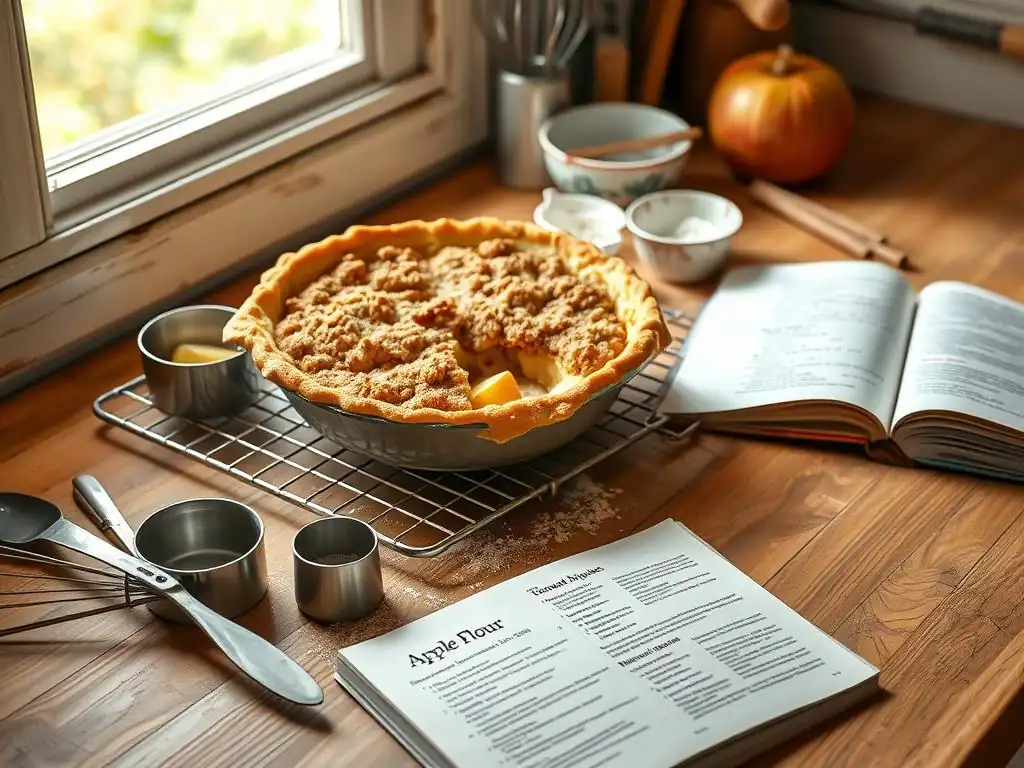
Beyond ingredients, specific baking techniques can help ensure your low-sugar creations have the right texture and structure. Adjusting how you mix, bake, and cool can compensate for the functional differences caused by sugar reduction.
Achieving the Right Texture in Low-Sugar Cakes and Muffins
Low-sugar cakes and muffins can sometimes turn out dry or tough if not handled correctly. Since sugar tenderizes, you must be careful not to overdevelop gluten. Mix the batter just until the dry ingredients are incorporated; overmixing will result in a tough texture.
Baking temperature and time might also need adjustment. Consider baking at a slightly lower temperature (e.g., 325°F or 160°C) for a bit longer than a conventional recipe to ensure the interior cooks through without the exterior drying out or browning too much (especially if using sweeteners that don't brown). Using moisture-rich ingredients like yogurt, applesauce, or even a splash of extra milk helps keep the crumb moist.
Sugar contributes significantly to the spread, chewiness, and browning of traditional cookies. Achieving a similar texture in low-sugar versions can be challenging. Some alternative sweeteners, like erythritol, can produce a crispier cookie.
To get a chewier texture, try using sweeteners that retain moisture, like Allulose, or incorporating ingredients like rolled oats, nut flours, or nut butters. Chilling the dough before baking is a crucial step for low-sugar cookies; it helps prevent excessive spreading and allows the flavors to meld. Baking them for just the right amount of time, perhaps slightly underbaking them for a softer center, is another effective technique.
Baking Low-Sugar Bread: Yeast Activation and Gluten Development
In traditional yeast bread, sugar often serves as food for the yeast, helping it activate and rise. While yeast can ferment starches in flour, a small amount of sweetener can jumpstart the process. In low-sugar bread, you might need to ensure your yeast is active before adding it to the dough (proof it in warm water with a pinch of sweetener, like honey or maple syrup, if not strictly sugar-free) or allow for a longer proofing time.
Gluten development is less impacted by sugar reduction than texture in cakes/cookies, but the overall crumb structure might differ slightly. Kneading adequately to build a strong gluten network is still essential for a good rise and structure in low-sugar yeast breads.
Expert Insights on Low-Sugar Baking
Balancing Sweetness and Flavor in Low-Sugar Recipes
Mastering low-sugar baking is ultimately about achieving a harmonious balance of sweetness and other flavors. It's not simply about making something taste "sweet enough" with alternatives, but about creating a complex flavor profile where spices, extracts, fats, and main ingredients (like chocolate, fruit, or nuts) play a more prominent role. Think of sweetness as just one note in the symphony, rather than the entire melody.
Many successful low-sugar bakers focus on enhancing other aspects of flavor – adding a pinch of salt to balance sweetness, using citrus zest for brightness, or incorporating toasted nuts for depth. Tasting your batter or dough (if safe to do so) and making small adjustments before baking is crucial. Sometimes, a recipe might not need to be as sweet as its traditional counterpart to be enjoyable, especially as your palate adjusts to less sugar. Finding this balance is a key low sugar baking tip that comes with practice.
Case Study: Developing a Successful Low-Sugar Baking Business
Consider the example of "Sweet Bloom Bakery," a small shop that opened in Portland, Oregon, specializing in allergen-friendly and low-sugar baked goods. Founded by a baker with a passion for health, they initially offered a few low-sugar options alongside traditional pastries. However, they noticed a significant and growing demand for their low-sugar items, particularly their low-sugar blueberry muffins and chocolate avocado cake, which used erythritol/stevia blends and healthy fats for moisture.
Within two years, Sweet Bloom Bakery pivoted their business model, dedicating 70% of their menu to low-sugar and keto-friendly options. They reported that their low-sugar product line accounted for over 60% of their total revenue by the end of year three. Their success highlights the market potential for delicious, well-executed low-sugar baked goods and demonstrates that applying effective low sugar baking tips can lead to both happy customers and business growth.
Delicious Low-Sugar Baking Recipes to Try

These low-sugar peanut butter cookies are a simple yet satisfying treat, perfect for those looking to reduce sugar intake. They typically use natural peanut butter as a base, providing healthy fats and flavor, and often rely on a combination of granular erythritol and monk fruit extract for sweetness. Many versions are flourless, making them naturally gluten-free as well.
A basic recipe often involves mixing just three ingredients: natural peanut butter (around 1 cup), an egg, and about 1/2 cup of a low-sugar sweetener blend. Rolling the dough into balls and pressing them with a fork creates the classic peanut butter cookie pattern. Baking at a moderate temperature, like 350°F (175°C), for 10-12 minutes yields a cookie that is delightfully chewy inside and slightly crisp on the edges, proving that deliciousness doesn't require copious amounts of sugar. This is a great starting point for applying your low sugar baking tips.
Recipe 2: Low-Sugar Zucchini Bread
Low-sugar zucchini bread is a fantastic way to use garden bounty while making a healthier quick bread. Zucchini adds incredible moisture to the bread, which helps compensate for the potential dryness that can occur when reducing sugar. This recipe often uses whole wheat flour or a blend to add fiber and a nutty flavor.
Sweetness is typically achieved using a mix of xylitol and a little stevia, or sometimes just a moderate amount of Allulose. Spices like cinnamon, nutmeg, and cloves are crucial here, enhancing the flavor profile and complementing the zucchini. Adding chopped nuts (like walnuts or pecans) provides texture and healthy fats. Baking time is usually around 50-60 minutes at 350°F (175°C). The result is a moist, flavorful bread that's significantly lower in sugar than traditional versions, showcasing effective low sugar baking tips in action.
Recipe 3: Low-Sugar Berry Muffins
Low-sugar berry muffins leverage the natural sweetness of fresh or frozen berries, requiring less added sweetener. This recipe often uses a combination of a low-sugar sweetener blend and perhaps a touch of unsweetened applesauce or yogurt for moisture. Using whole wheat pastry flour or a blend of all-purpose and almond flour can provide a tender crumb.
Lemon zest is a wonderful addition to berry muffins, as it brightens the flavors and enhances the perceived sweetness of the berries without adding sugar. Mixing the batter gently to avoid overmixing is key for a tender muffin texture. Baking at around 375°F (190°C) for 20-25 minutes usually yields perfectly domed, moist muffins bursting with berry flavor. These muffins are a perfect example of how focusing on natural ingredients and flavor enhancers is central to good low sugar baking tips.
Conclusion: Embrace Healthier Baking with These Tips
Enjoy Delicious and Guilt-Free Low-Sugar Treats
Embarking on the journey of low-sugar baking might seem daunting at first, but with the right knowledge and these essential low sugar baking tips, it's entirely achievable and incredibly rewarding. You have the power to create delicious baked goods that align with a healthier lifestyle, controlling the amount of sugar you consume while still enjoying your favorite treats.
Remember, successful low-sugar baking is about more than just replacing sugar; it's about understanding its role, choosing appropriate alternatives, adapting recipes thoughtfully, boosting flavors with spices and extracts, and utilizing healthy fats for moisture. By applying these techniques, you can confidently bake cakes, cookies, muffins, and breads that are not only lower in sugar but also rich in flavor and satisfying in texture. So go ahead, experiment in your kitchen, and enjoy the delightful world of guilt-free, low-sugar baking!
Frequently Asked Questions
What are some basic ingredient substitutions for reducing sugar in baking?
You can often substitute apple sauce or mashed banana for some of the sugar. Another option is using sugar alternatives like stevia or erythritol, but be mindful of their impact on texture and taste.
How does reducing sugar impact the texture of baked goods?
Sugar plays a crucial role in moisture and browning. Reducing it can lead to drier or less golden results. You might need to adjust liquid ingredients or baking time to compensate.
Are there specific recipes that are easier to adapt for low-sugar baking?
Recipes that rely heavily on natural flavors like spices or fruits are generally easier to adapt. Consider recipes for muffins or quick breads initially.
What are some natural sweeteners I can use instead of refined sugar?
Options include honey, maple syrup, and dates. Remember that these sweeteners still contain sugar, so use them in moderation and consider their impact on flavor and moisture.
How can I enhance flavor in low-sugar baked goods to compensate for the lack of sweetness?
Experiment with extracts like vanilla or almond. Adding spices like cinnamon or nutmeg can also boost flavor and create a more satisfying baked good.
Final Reflection: The Sweetness of Conscious Baking
The pursuit of healthier baking isn't a fleeting trend; it's a fundamental shift in how we approach food and well-being. Reducing sugar in our recipes isn't about deprivation, but about mindful creation, unlocking the natural sweetness of ingredients and savoring the nuanced flavors often masked by excessive sugar. This conscious approach to baking offers a path to deliciousness and health.
The impact of sugar on our diets and overall health is undeniable, and its pervasive presence in baked goods has shaped our palates for generations. Yet, the movement towards low-sugar baking demonstrates a growing awareness and a desire for healthier alternatives. This shift reflects a broader cultural change, a movement towards mindful consumption and a deeper understanding of the ingredients we use. The best things in life are simple,
a phrase often used, perfectly encapsulates the beauty of low-sugar baking – focusing on quality ingredients and letting their natural flavors shine.
Now, it's your turn. Consider the recipes you bake most often. Can you experiment with reducing the sugar content, even slightly? Try substituting natural sweeteners like fruit purees or maple syrup, and explore the subtle differences in texture and taste. Embrace the challenge, discover the joy of mindful baking, and unlock a world of delicious, healthier treats. The journey to sweeter, healthier baking begins with a single, conscious decision.
Unleash Your Inner Low-Sugar Baker!
Thanks for taking the time to explore the world of delicious, low-sugar baking! We hope you've discovered some new techniques and recipes to inspire your next culinary adventure. Now it's time to put your newfound knowledge into practice.
- Bake your first low-sugar masterpiece! Try one of the recipes mentioned in the article, or experiment with your own low-sugar adaptations. This is your chance to shine!
- Share your baking journey! Let us know what you're creating and tag us on social media – we'd love to see your delicious creations.
- Explore more low-sugar baking resources! Dive deeper into our recipe collection to find even more delightful options.
What low-sugar treat will you bake first? Let us know in the comments!