
Baking with Fruit: A Beginner's Cheat Sheet

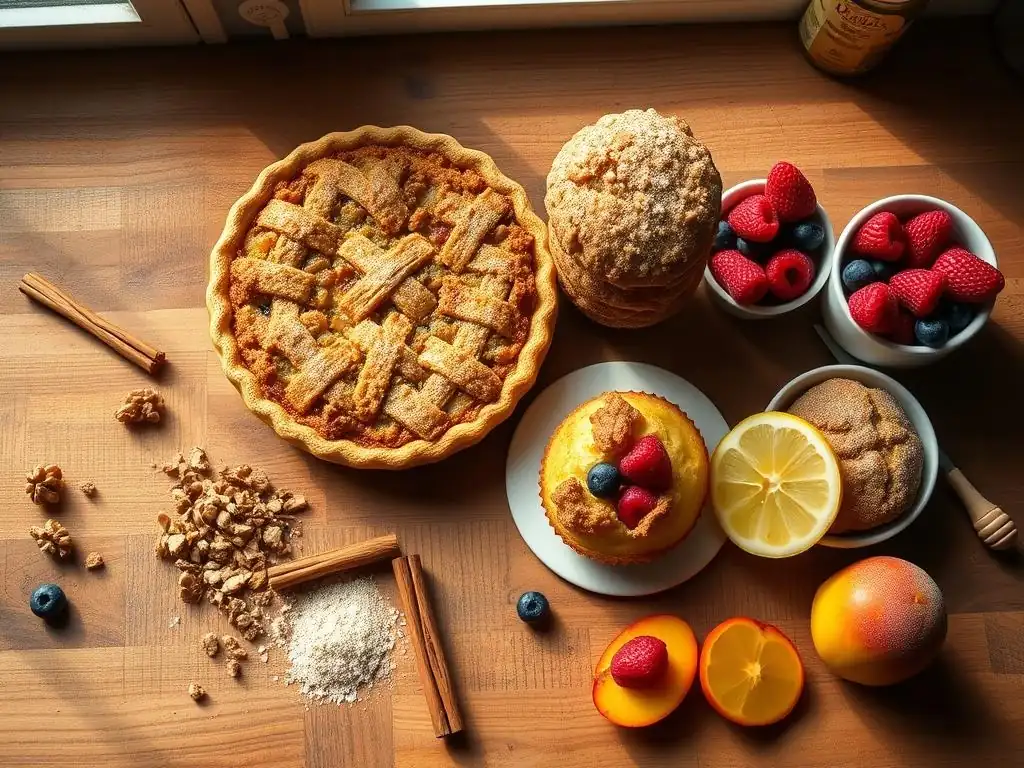
Welcome to BakeWithEase, your kitchen companion for all things baking!
Ever dreamed of creating stunning, flavorful desserts with minimal fuss? You're in the right place! This week, we're diving deep into the delightful world of easy fruit baking recipes. Forget complicated techniques and endless ingredient lists. Discover how to transform simple fruits into mouthwatering masterpieces. Are you ready to unlock the secrets to baking with fruit? Let's get started!
- Introduction to Easy Fruit Baking Recipes for Beginners
- Essential Fruits for Easy Baking: Your Starting Lineup
- Mastering Basic Fruit Baking Techniques: A Step-by-Step Guide
- Easy Fruit Baking Recipes: The Cheat Sheet
- Tips for Success: Avoiding Common Fruit Baking Mistakes
- Expanding Your Fruit Baking Repertoire: Beyond the Basics
- Conclusion: Your Journey to Delicious Fruit Baking Begins Now
-
Frequently Asked Questions
- What makes a fruit baking recipe "easy" for beginners?
- What types of fruit are best for beginner-friendly baking?
- Can I substitute different fruits in a recipe?
- What are some common mistakes beginners make when baking with fruit?
- Where can I find more "easy fruit baking recipes" specifically designed for beginners?
- Final Reflection: The Sweet Simplicity of Fruit Baking
- Unlock Your Inner Baker: Fruit-Filled Adventures Await!
Introduction to Easy Fruit Baking Recipes for Beginners
Why Bake with Fruit? The Benefits for New Bakers
Baking with fruit is one of the most rewarding ways for beginners to start their journey in the kitchen. Fruits naturally add moisture, sweetness, and vibrant flavor to baked goods, often simplifying the recipe process. Unlike complex pastries that rely heavily on precise chemical reactions between dry ingredients, incorporating fruit can be quite forgiving.
For instance, adding mashed banana to a quick bread batter helps keep it moist and tender, even if you slightly overmix. This inherent ability of fruit to contribute essential elements means that many easy fruit baking recipes are simpler to execute successfully right from your first attempt.
Furthermore, baking with fruit allows new bakers to experiment with seasonal produce, adding a dynamic element to their skill development. Using fresh, ripe fruit often means you need less added sugar, resulting in treats that feel both indulgent and a little healthier. The visual appeal is undeniable too – bright berries studded in muffins or a bubbling, golden-brown apple crumble are incredibly satisfying results for minimal effort. Embracing easy fruit baking recipes builds confidence, provides delicious results quickly, and introduces fundamental baking concepts in a practical, enjoyable way.
Baking Basics: Your Guide to Simple Fruit Desserts
Before diving into specific fruits, it's helpful to understand a few core baking basics that apply to most easy fruit baking recipes. First, accuracy in measuring is crucial, especially for dry ingredients like flour and sugar. Using the scoop-and-level method for flour (gently scooping flour into a measuring cup and leveling off with a straight edge) is generally recommended for consistent results.
Second, understand the role of leavening agents like baking powder or baking soda – they help your baked goods rise. Most simple fruit recipes, like muffins or quick breads, use chemical leaveners, which react when wet and/or heated.
Third, temperature matters. Both the temperature of your ingredients (some recipes call for room temperature butter or eggs) and your oven temperature are important. An oven thermometer can be a great tool to ensure your oven is preheating correctly. Finally, learning to not overmix your batter is key, particularly when making muffins or quick breads with fruit.
Overmixing develops gluten too much, leading to tough textures. For many easy fruit baking recipes, mixing until just combined is the goal, often leaving a few lumps. These foundational steps will set you up for success with a wide range of simple fruit desserts.
Essential Fruits for Easy Baking: Your Starting Lineup
Berries: A Beginner's Best Friend in Baking
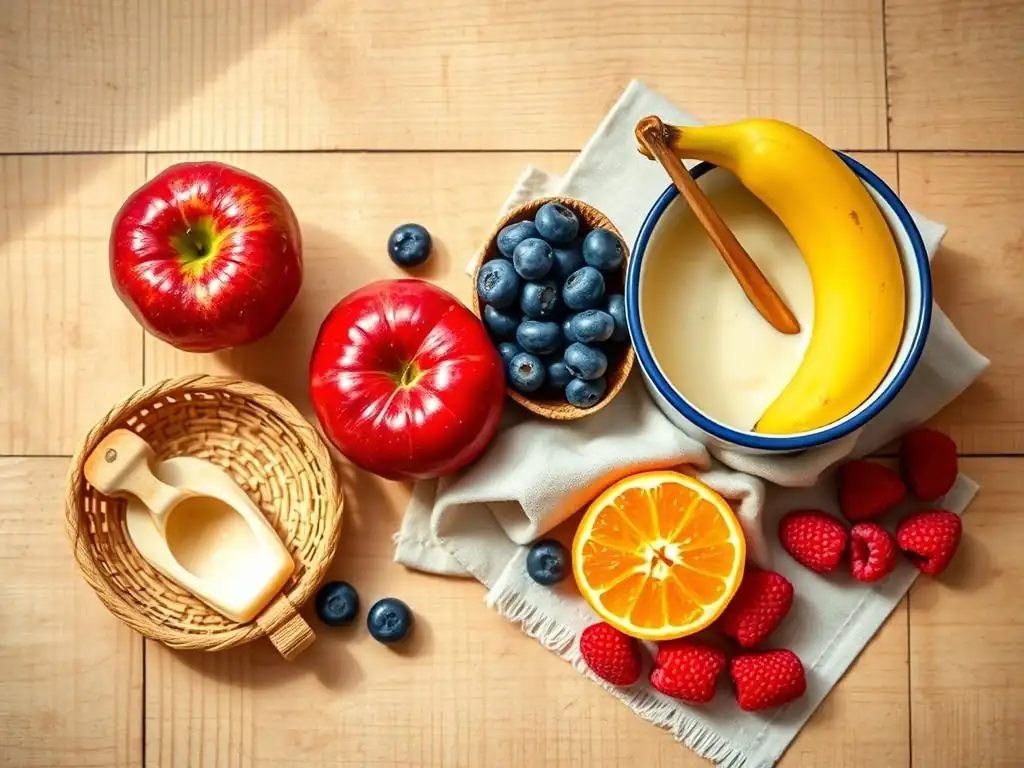
Berries, such as blueberries, raspberries, and strawberries, are arguably the easiest fruits to start baking with. They are relatively small, require minimal preparation (usually just a gentle wash), and their natural sweetness and slight tartness pair well with simple batters. Blueberries, in particular, are incredibly forgiving; they hold their shape well when baked and distribute evenly throughout batters like muffins or quick breads. Their juice bursts during baking, creating pockets of intense flavor.
One consideration when using berries is their moisture content. Some berries, especially frozen ones or very ripe fresh ones, can release a lot of liquid as they bake. This is usually manageable in recipes designed for them, like crumbles or muffins, but it's something to be aware of. Generally, tossing fresh berries with a tablespoon or two of flour before adding them to a batter can help prevent them from sinking and absorbing excess moisture. This simple trick ensures your easy fruit baking recipes with berries turn out beautifully.
Easy Berry Baking Recipes: Blueberry Muffins
Blueberry muffins are a quintessential easy fruit baking recipe for beginners. They typically involve combining dry ingredients (flour, sugar, baking powder, salt) and wet ingredients (eggs, milk, melted butter or oil, vanilla) separately, then gently folding the wet into the dry until just combined. Fresh or frozen blueberries (often tossed with a little flour) are folded in last.
Baking usually takes place in a preheated oven, often around 375°F (190°C) to 400°F (200°C) for about 20-25 minutes, until a toothpick inserted into the center comes out clean. A standard recipe for about 12 muffins might use around 1 ½ to 2 cups of blueberries. The high baking temperature helps create a nice dome on top while the fruit keeps the inside moist. It's a simple process that yields delicious, portable treats, making it a perfect entry point into easy fruit baking recipes.
Stone Fruits: Adding Depth and Flavor to Your Baked Goods
Stone fruits like peaches, plums, cherries, and apricots offer a wonderful dimension to baked goods, bringing both sweetness and a slightly more complex, sometimes tangy flavor. While they require a bit more prep than berries – typically pitting and often peeling (especially peaches) – their flesh softens beautifully when baked, creating luscious textures in pies, tarts, cobblers, and crumbles. Their distinct flavor profiles mean they can stand alone or pair well with spices like cinnamon, nutmeg, or ginger.
Working with stone fruits introduces beginners to techniques like slicing and dicing larger fruits evenly for consistent baking. The moisture content can vary, with very ripe fruits releasing more juice, which can be managed in recipes designed to absorb it (like batters) or thickened with a little cornstarch or flour in fillings. Stone fruits shine in many easy fruit baking recipes, offering a step up in flavor complexity while still being quite approachable.
Simple Stone Fruit Baking Ideas: Peach Cobbler
Peach cobbler is a classic example of a simple and satisfying stone fruit dessert. The basic structure involves a layer of sweetened, sliced peaches at the bottom of a baking dish, topped with a simple biscuit-like dough or batter. Peeling peaches can be made easy by blanching them in boiling water for about 30 seconds, then transferring them to an ice bath; the skins should slip right off.
For the filling, about 4-6 cups of sliced peaches are often tossed with sugar (adjusting for the sweetness of the peaches), a thickening agent like cornstarch or flour (perhaps 2-3 tablespoons), and maybe a pinch of cinnamon. The topping can be as simple as a drop biscuit dough or a pourable batter made from flour, sugar, butter, and milk. Baked at around 375°F (190°C) for 30-40 minutes, until the topping is golden and the fruit is bubbling, peach cobbler is a comforting and relatively easy fruit baking recipe to master.
Apples: A Classic Choice for Warm and Comforting Bakes
Apples are perhaps the most iconic fruit for baking, synonymous with comforting desserts like pies, crisps, and tarts. They are readily available year-round and come in numerous varieties, each offering a slightly different flavor and texture when baked. Firmer, tarter apples like Granny Smith, Honeycrisp, or Fuji hold their shape well and provide a nice contrast to sweetness, while softer apples like McIntosh break down more, creating a saucier texture.
Baking with apples involves peeling, coring, and slicing, which is straightforward with the right tools. Their relatively low moisture content compared to berries or ripe stone fruits makes them reliable in many recipes, reducing the risk of a soggy bake. Apples pair exceptionally well with warm spices like cinnamon, nutmeg, cloves, and allspice, enhancing that cozy, comforting flavor profile that makes many easy fruit baking recipes featuring apples so popular.
Beginner-Friendly Apple Baking: Apple Crumble
Apple crumble is an incredibly easy fruit baking recipe, often even simpler than pie. It consists of a layer of sliced apples tossed with sugar, spices, and perhaps a little flour for thickening, covered with a streusel topping made from flour, sugar, butter, and sometimes oats. The beauty of a crumble is its rustic nature – no pastry crust to roll out!
A typical apple crumble might use 5-6 medium apples, sliced about ½ inch thick. These are mixed with perhaps ½ cup of sugar (adjust based on apple sweetness and preference), a teaspoon or two of cinnamon, and a tablespoon of flour. The topping is made by cutting cold butter (say, ½ cup) into a mixture of flour (1 cup) and sugar (½ cup) until crumbly.
This is sprinkled over the apples and baked at around 375°F (190°C) for 40-50 minutes, until the topping is golden brown and the apples are tender and bubbling. It's a forgiving and delicious way to use apples in easy fruit baking recipes.
Mastering Basic Fruit Baking Techniques: A Step-by-Step Guide
Preparing Your Fruit: Washing, Peeling, and Slicing
Proper fruit preparation is the first step to successful easy fruit baking recipes. Always start by washing your fruit thoroughly under cool running water, even if you plan to peel it, to remove any dirt or pesticides. Berries can be gently rinsed in a colander and patted dry with paper towels.
For fruits like apples, peaches, or pears, peeling is often necessary, especially if you prefer a smooth texture without skin. A vegetable peeler works well for apples and pears. For peaches, as mentioned earlier, blanching can make peeling much easier. Once peeled (if required), the next step is removing cores or pits.
An apple corer is handy, or you can simply cut around the core. Stone fruits require cutting around the pit. Finally, slice or dice the fruit according to your recipe's instructions. Aim for uniform pieces so they cook evenly – for example, ½-inch slices for apple crisp or smaller diced pieces for muffins.
Incorporating Fruit into Your Batters and Doughs
Adding fruit to batters and doughs requires a gentle touch to avoid damaging the fruit or overmixing the batter. For fruits like berries or small diced pieces, tossing them with a tablespoon or two of flour from the recipe's total amount before folding them into the batter can help prevent them from sinking to the bottom during baking. This thin coating of flour helps the fruit suspend in the batter.
When folding fruit into a muffin or quick bread batter, add it at the very end, after the wet and dry ingredients are just combined. Use a spatula or wooden spoon and fold gently, only until the fruit is evenly distributed throughout the batter. Avoid vigorous stirring. For doughs, like scone dough or some cookie doughs, fruit can often be kneaded or gently folded in. Following these simple incorporation techniques is key to achieving beautifully distributed fruit in your easy fruit baking recipes.
Achieving the Perfect Balance: Sweetness and Acidity in Fruit Desserts
Balancing sweetness and acidity is crucial for delicious fruit baked goods. Fruits naturally contain sugars and acids, but their ripeness and type significantly impact this balance. A very sweet fruit might require less added sugar in the recipe, while a tart fruit will need more. Tasting your fruit before you start baking can give you a good indication of how much sugar to add.
Recipes often include a range for sugar quantity (e.g., ½ to ¾ cup sugar) allowing you to adjust based on your fruit and preference. Sometimes, a little lemon juice is added to a filling, even with sweet fruit, to brighten the flavors and provide a necessary acidic counterpoint to the sweetness. This balance prevents the dessert from tasting flat or overly sugary. As you become more comfortable with easy fruit baking recipes, you'll develop a better intuition for adjusting sugar levels based on the fruit you're using.
Easy Fruit Baking Recipes: The Cheat Sheet
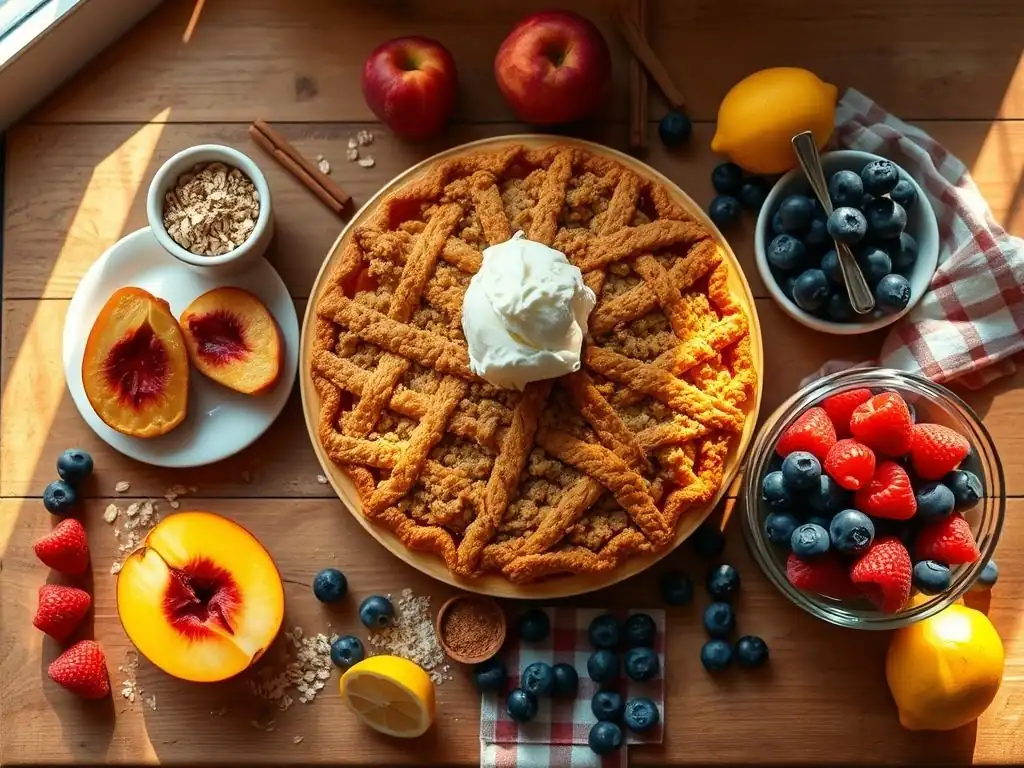
Here are a few foundational easy fruit baking recipes that every beginner should have in their repertoire. These recipes are forgiving, require minimal special equipment, and deliver consistently delicious results.
Quick Breads: The Easiest Way to Start Baking with Fruit
Quick breads, like banana bread or zucchini bread (often with fruit! ), are mixed like muffins and leavened with baking powder and/or soda, meaning no yeast or kneading is required. They are baked in a loaf pan and are incredibly moist thanks to ingredients like mashed fruit, oil, or melted butter. They are the definition of easy fruit baking recipes.
Recipe Example: Banana Bread
This is a staple easy fruit baking recipe. Yields: 1 loaf Prep time: 15 minutes Bake time: 55-65 minutes
Ingredients:
- 3 ripe bananas, mashed
- ⅓ cup melted butter
- ½ cup sugar (adjust to taste)
- 1 egg, beaten
- 1 teaspoon vanilla extract
- 1 ½ cups all-purpose flour
- 1 teaspoon baking soda
- Pinch of salt
Instructions:
- Preheat oven to 350°F (175°C). Grease and flour a 9x5 inch loaf pan.
- In a bowl, mash bananas with a fork. Stir in melted butter.
- Mix in sugar, egg, and vanilla extract.
- In a separate bowl, whisk together flour, baking soda, and salt.
- Add dry ingredients to wet ingredients and stir until just combined (batter will be lumpy). Do not overmix.
- Pour batter into the prepared loaf pan.
- Bake for 55-65 minutes, or until a toothpick inserted into the center comes out clean.
- Let cool in the pan for 10 minutes before turning out onto a wire rack to cool completely.
- Task: Preheat oven.
- Task: Prepare loaf pan.
- Task: Mash bananas.
- Task: Combine wet ingredients.
- Task: Combine dry ingredients.
- Task: Mix wet and dry.
- Task: Pour into pan.
- Task: Bake.
- Task: Cool.
Fruit Crisps and Crumbles: Simple and Satisfying Fruit Desserts
Crisps and crumbles are among the simplest fruit desserts. They feature a layer of fruit filling topped with a streusel or crumb topping. A crisp typically includes oats in the topping, while a crumble does not, but the terms are often used interchangeably. They are incredibly forgiving and perfect for showcasing seasonal fruit. These are truly easy fruit baking recipes.
Recipe Example: Apple Crisp
A classic easy fruit baking recipe. Yields: 6-8 servings Prep time: 20 minutes Bake time: 40-50 minutes
Ingredients:
- 5-6 medium apples (about 6 cups sliced), peeled, cored, and sliced
- ½ cup granulated sugar (adjust to taste)
- 1 tablespoon all-purpose flour or cornstarch
- 1 teaspoon cinnamon
- Pinch of nutmeg (optional)
- Juice of ½ lemon (optional, helps prevent browning and adds brightness)
Topping:
- 1 cup all-purpose flour
- ½ cup packed brown sugar
- ½ cup rolled oats (for crisp)
- ½ cup cold butter, cut into small pieces
Instructions:
- Preheat oven to 375°F (190°C).
- In a large bowl, combine sliced apples, granulated sugar, flour/cornstarch, cinnamon, nutmeg (if using), and lemon juice (if using). Toss to coat the apples evenly. Pour the apple mixture into a 9x13 inch baking dish or an 8x8 inch dish for a thicker layer.
- For the topping, combine flour, brown sugar, and oats (if using) in a medium bowl. Cut in the cold butter using a pastry blender, your fingers, or a fork until the mixture resembles coarse crumbs.
- Evenly sprinkle the topping over the apple mixture in the baking dish.
- Bake for 40-50 minutes, or until the topping is golden brown and the fruit is bubbling.
- Let cool slightly before serving. Delicious served warm with ice cream!
- Task: Preheat oven.
- Task: Prepare fruit filling.
- Task: Pour filling into dish.
- Task: Prepare topping.
- Task: Sprinkle topping over fruit.
- Task: Bake.
- Task: Cool slightly.
Muffins: Portable and Delicious Fruit Treats
Muffins are a fantastic vehicle for fruit and are one of the fastest and easiest baked goods to make. The 'muffin method' involves combining dry ingredients and wet ingredients separately, then mixing them together quickly. This method is ideal for incorporating fruit without overworking the batter. They are perfect easy fruit baking recipes for breakfast or snacks.
Recipe Example: Blueberry Muffins
A classic and reliable easy fruit baking recipe. Yields: 12 muffins Prep time: 15 minutes Bake time: 20-25 minutes
Ingredients:
- 1 ½ cups all-purpose flour
- ¾ cup granulated sugar
- 2 teaspoons baking powder
- ¼ teaspoon salt
- 1 egg, lightly beaten
- 1 cup milk
- ¼ cup vegetable oil or melted butter
- 1 teaspoon vanilla extract
- 1 ½ cups fresh or frozen blueberries (tossed with 1 tablespoon flour)
Instructions:
- Preheat oven to 400°F (200°C). Line a 12-cup muffin tin with paper liners or grease and flour the cups.
- In a large bowl, whisk together flour, sugar, baking powder, and salt.
- In a separate medium bowl, whisk together egg, milk, oil/butter, and vanilla.
- Pour the wet ingredients into the dry ingredients. Stir with a spoon or spatula until just combined. The batter will be lumpy. Do not overmix.
- Gently fold in the floured blueberries.
- Divide the batter evenly among the prepared muffin cups, filling each about two-thirds full.
- Bake for 20-25 minutes, or until a toothpick inserted into the center of a muffin comes out clean.
- Let cool in the tin for a few minutes before transferring to a wire rack to cool slightly.
- Task: Preheat oven and prepare muffin tin.
- Task: Combine dry ingredients.
- Task: Combine wet ingredients.
- Task: Mix wet and dry ingredients.
- Task: Fold in blueberries.
- Task: Fill muffin cups.
- Task: Bake.
- Task: Cool.
Tips for Success: Avoiding Common Fruit Baking Mistakes
Even with easy fruit baking recipes, a few common pitfalls can occur. Knowing how to avoid them will improve your results significantly.
Preventing Soggy Crusts
One of the most frequent issues when baking fruit pies or tarts is a soggy bottom crust. This happens when the fruit releases juice during baking, and the crust absorbs it instead of crisping up. To combat this in easy fruit baking recipes that involve a crust, try pre-baking or "blind baking" the bottom crust partially before adding the filling.
Another method is to use a thickening agent like flour, cornstarch, or tapioca starch mixed with the fruit before filling the crust. For example, using 2-3 tablespoons of cornstarch for every 4-6 cups of fruit can help absorb excess liquid. Adding a layer of dry breadcrumbs or crushed cookies on the bottom of the crust before adding the fruit filling can also act as a barrier. Ensuring your oven is properly preheated and the pie bakes long enough for the filling to bubble and thicken is also key.
Maintaining Fruit Color and Texture
To keep fruit looking vibrant and having a pleasant texture after baking, proper preparation and baking time are important. Acidic fruits like apples or pears can brown when exposed to air after cutting. Tossing them with a little lemon juice (about a tablespoon per 4-5 cups of fruit) can help prevent this oxidation and also brightens their flavor.
Overbaking can cause fruit to become mushy and lose its distinct shape and color. Follow recipe baking times closely, but also check for doneness visually – the fruit should be tender when poked with a fork but not completely collapsed. For recipes where fruit is folded into batter, like muffins, avoid stirring too vigorously, which can break up softer fruits like raspberries or sliced strawberries. Gentle handling is key in many easy fruit baking recipes.
Adjusting Baking Times for Different Fruits
While many easy fruit baking recipes provide general guidelines, the exact baking time can vary depending on the type and ripeness of the fruit used, the size of the fruit pieces, and even the moisture content. Fruits that release a lot of water, like very ripe berries or peaches, might require a slightly longer bake time to allow some of that moisture to evaporate or for the thickeners to work effectively.
Larger pieces of fruit will take longer to soften than smaller ones. If you're substituting one fruit for another in a recipe (e.g., swapping apples for pears in a crisp), consider their different cooking times. Pears tend to soften faster than most apples. Always rely on visual cues (golden brown topping, bubbling filling) and doneness tests (toothpick test for batters, fork test for fruit tenderness) rather than strictly adhering to the clock, especially when adapting easy fruit baking recipes.
Expanding Your Fruit Baking Repertoire: Beyond the Basics
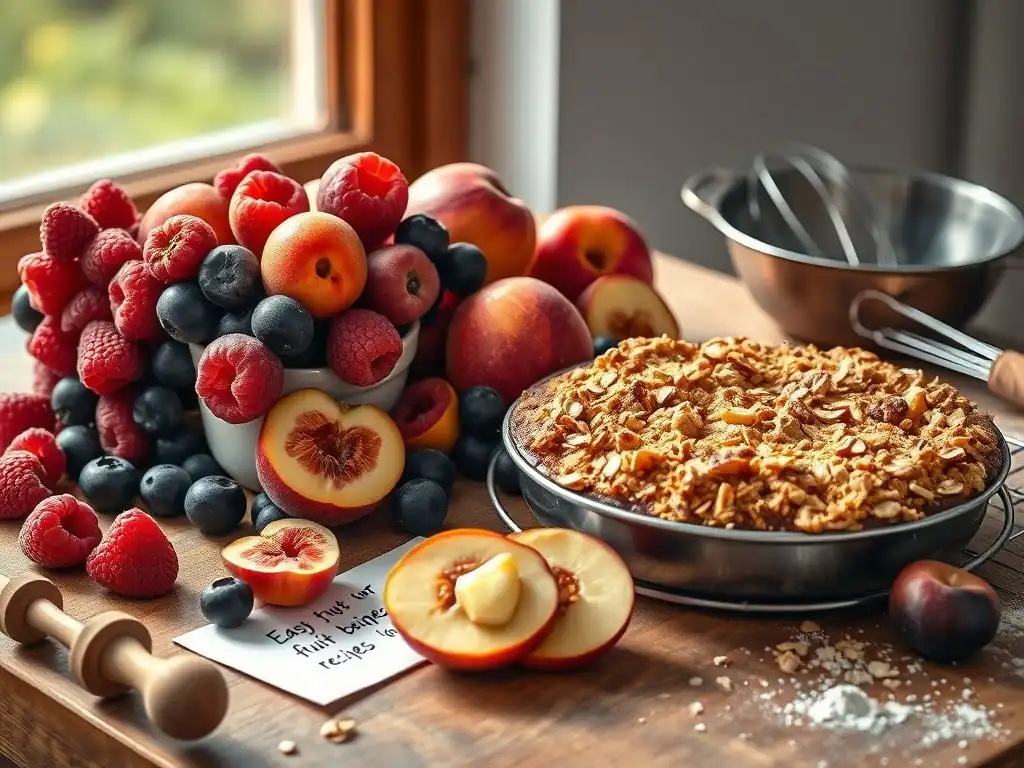
Once you've mastered the foundational easy fruit baking recipes, you can start exploring more variations and combinations.
Exploring Different Types of Fruit
Don't stop at the most common fruits! Branch out to less common baking fruits like rhubarb (often paired with strawberries), cherries (fantastic in clafoutis or pies), figs, or even less conventional choices like grapes or citrus segments in certain cakes. Each fruit brings its own unique flavor and texture profile, opening up a world of new easy fruit baking recipes to try.
Research how different fruits behave when heated. For example, citrus segments can release a lot of juice but also add a wonderful zestiness. Rhubarb is very tart and needs plenty of sugar. Understanding these characteristics will help you successfully incorporate new fruits into existing easy fruit baking recipes or find new recipes specifically designed for them.
Combining Fruits for Complex Flavors
Mixing different fruits can create more complex and interesting flavor profiles. Classic combinations like apple and blackberry, strawberry and rhubarb, or peach and raspberry are popular for a reason – they balance sweetness, tartness, and texture beautifully.
When combining fruits in easy fruit baking recipes, consider their moisture levels and cooking times. Pair fruits that bake similarly, or adjust preparation (e.g., cutting a firmer fruit into smaller pieces than a softer one) to ensure they become tender at the same rate. Experimenting with two or three fruits in a crumble or quick bread is a simple way to elevate a basic recipe.
Adding Spices and Herbs to Complement Fruit Flavors
Spices are fruit's best friends in baking. Beyond the classic cinnamon and nutmeg with apples, consider pairing ginger with pears or peaches, cardamom with stone fruits or berries, or even a hint of black pepper with strawberries for a surprising kick.
Fresh herbs can also add a sophisticated twist to easy fruit baking recipes. Rosemary or thyme pair wonderfully with stone fruits like peaches or plums. Basil can be surprisingly good with strawberries or blueberries. Start with small amounts, perhaps a teaspoon of chopped fresh herbs or a quarter teaspoon of ground spice, and taste as you go (if possible, or note for next time) to see how they enhance the fruit's natural flavors.
Conclusion: Your Journey to Delicious Fruit Baking Begins Now
Embrace the Ease of Fruit Baking
Baking with fruit is an incredibly accessible and rewarding way to enter the world of baking. With so many delicious and easy fruit baking recipes available, you have endless opportunities to create simple, satisfying treats using fresh, seasonal ingredients. From moist banana bread to bubbling apple crisp, the natural goodness of fruit makes the baking process forgiving and the results consistently delightful. Don't be intimidated – the vibrant flavors and textures that fruit brings naturally simplify many recipes, making them perfect for beginners.
Your Next Steps
Armed with these basic techniques and a few go-to easy fruit baking recipes, you are ready to start your fruit baking journey. Pick a simple recipe like blueberry muffins or apple crumble, gather your ingredients, and give it a try. Don't worry if it's not perfect the first time; every bake is a learning experience. As you gain confidence, experiment with different fruits, combinations, and spices. The world of fruit baking is vast and delicious, and mastering these easy fruit baking recipes is just the beginning of a sweet adventure in your kitchen.
Frequently Asked Questions
What makes a fruit baking recipe "easy" for beginners?
Easy fruit baking recipes typically involve simple ingredients, straightforward instructions, and minimal complex techniques, making them accessible to new bakers.
What types of fruit are best for beginner-friendly baking?
Fruits like berries (strawberries, blueberries, raspberries), apples, and bananas are generally easier to work with due to their availability and forgiving nature in recipes.
Can I substitute different fruits in a recipe?
In many cases, yes! However, consider the moisture content and flavor profile of the fruits. Substituting a dry fruit for a juicy one might require adjusting the recipe.
What are some common mistakes beginners make when baking with fruit?
Overmixing the batter after adding fruit can lead to a tough baked good. Also, using unripe or overripe fruit can negatively impact the final product's taste and texture.
Where can I find more "easy fruit baking recipes" specifically designed for beginners?
Websites like BakeWithEase.com offer a variety of step-by-step guides and recipes tailored for all skill levels, including many beginner-friendly fruit baking options.
Final Reflection: The Sweet Simplicity of Fruit Baking
The joy of baking with fruit transcends mere culinary skill; it's an accessible gateway to creativity and deliciousness. This cheat sheet aimed to demystify the process, providing simple recipes and techniques that even the most novice baker can master. The ease of incorporating fresh, seasonal fruits into baked goods opens up a world of flavor possibilities, proving that extraordinary results don't require extraordinary effort.
The enduring appeal of fruit baking lies in its inherent connection to nature's bounty and the comforting ritual it evokes. From childhood memories of warm apple pies to the sophisticated elegance of a berry tart, fruit-based desserts hold a special place in our collective cultural consciousness. Baking is at once child's play and adult joy. And love, of course.
This quote perfectly encapsulates the simple yet profound satisfaction derived from creating something delicious and sharing it with others. The accessibility of these recipes allows anyone to experience this joy, regardless of their baking experience.
Now, I invite you to roll up your sleeves and embrace the delightful challenge. Don't be afraid to experiment with different fruits, spices, and techniques. Let the sweet aroma of baking fill your kitchen, and most importantly, savor the delicious rewards of your labor. The journey of baking with fruit is a continuous one, filled with endless possibilities for creativity and personal expression. So, what delicious creation will you bake next?
Unlock Your Inner Baker: Fruit-Filled Adventures Await!
Thanks for joining us on this fruity baking journey! We hope you've gained the confidence to create delicious treats. Ready to take your skills to the next level?
- Dive into our extensive fruit baking recipe collection: Find your next masterpiece among dozens of exciting recipes, from classic pies to innovative muffins. This is where the real fun begins!
- Share your baking triumphs (or even your baking fails – we've all been there!): Tag us on social media and let's inspire each other. Use #BakeWithEaseFruit.
- Consider trying a new fruit you haven't baked with before – surprise yourself with a flavour combination you never expected!
What unexpected fruit will you bake with next? Let's hear your ideas in the comments below!