
Mastering EggFree Baking: Top Do’s and Don’ts for Flawless Results

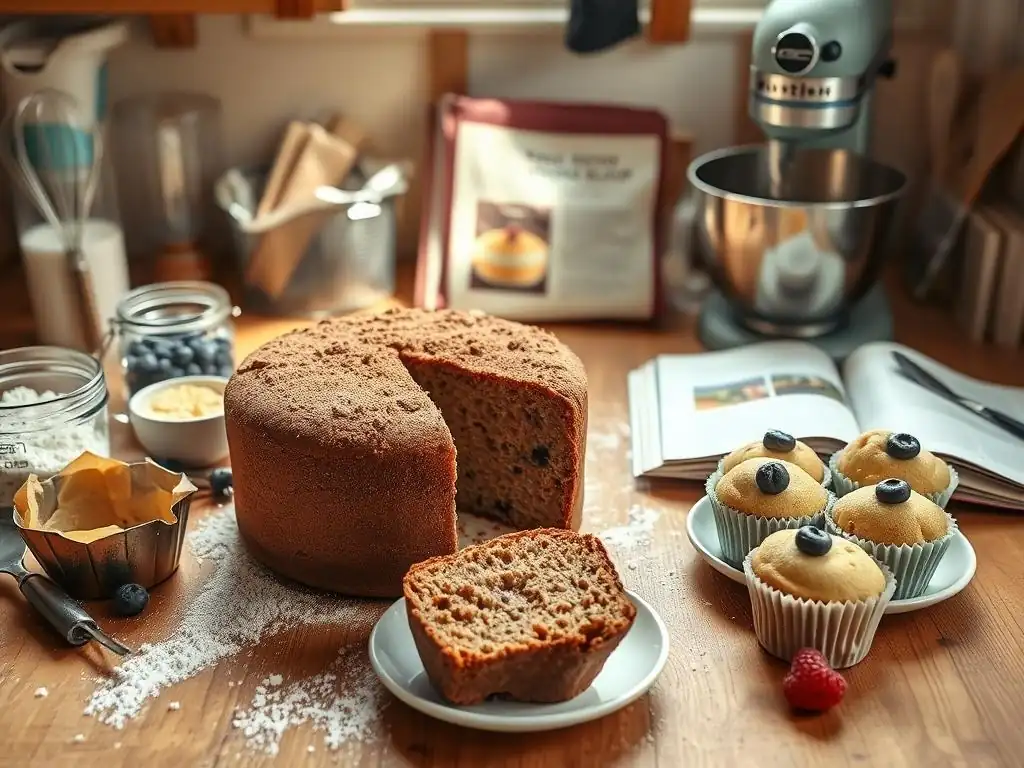
Welcome to BakeWithEase, your guide to baking bliss! Ever wondered how to achieve perfect textures and flavors without eggs? Dive in to discover our top Eggfree baking tips for beginners and unlock the secrets to creating delicious, egg-free treats. Get ready to transform your baking and conquer any recipe with confidence – let's get baking!
- Introduction to Egg-Free Baking with BakeWithEase
- The Role of Eggs in Baking and Why Substitute Them
-
Do's of Egg-Free Baking for Beginners: Essential Tips
- Do: Understand the Functions of Eggs in Recipes
- Do: Choose the Right Egg Substitute for the Specific Recipe
- Do: Adjust Leavening Agents Appropriately
- Do: Hydrate Your Batter or Dough Correctly
- Do: Measure Ingredients Accurately, Especially Flour
- Do: Add a Binding Agent Like Xanthan Gum or Psyllium Husk
- Do: Consider Adding Acidic Ingredients like Lemon Juice or Vinegar
- Don'ts of Egg-Free Baking: Common Mistakes to Avoid
- Troubleshooting Common Egg-Free Baking Problems
- Egg-Free Baking Recipe Inspiration from BakeWithEase
- Conclusion: Achieving Baking Success Without Eggs
-
Frequently Asked Questions
- What are some common substitutes for eggs in baking?
- What are some common mistakes beginners make when baking egg-free?
- How does egg-free baking differ from traditional baking with eggs?
- What are the best types of recipes to start with when learning egg-free baking?
- How can I ensure my egg-free baked goods have the right texture?
- Final Reflection: The Joy of Egg-Free Baking: A Deliciously Inclusive Future
- Unleash Your Egg-Free Baking Genius!
Introduction to Egg-Free Baking with BakeWithEase
Embarking on your egg-free baking journey opens up a world of delicious possibilities, whether you're navigating allergies, dietary restrictions, or simply exploring new techniques. For beginners, the prospect of baking without eggs might seem daunting, but with the right guidance, you can achieve results that are just as delightful and satisfying as traditional recipes. Eggs play multiple roles in baking – binding, leavening, adding moisture, and contributing to richness and color – so understanding how to replace these functions is key.
At BakeWithEase, we believe that baking should be accessible and enjoyable for everyone, regardless of dietary needs. This guide is designed to provide eggfree baking tips beginners can easily follow, helping you understand the essential do's and don'ts that will lead to success in the kitchen. We'll cover common substitutes, crucial techniques, and how to troubleshoot issues, setting you on the path to creating amazing baked goods without a single egg.
The Role of Eggs in Baking and Why Substitute Them
Eggs are truly versatile ingredients in baking, performing several vital tasks that contribute to the final texture, structure, and appearance of baked goods. They act as binders, holding ingredients together to prevent crumbling. When whipped, egg whites create foam that provides leavening, helping cakes and meringues rise. Egg yolks add fat and moisture, resulting in tender crumbs and rich flavors, while also contributing to the beautiful golden color of many baked goods.
There are various reasons why someone might choose egg-free baking. The most common is an egg allergy, which can range from mild to severe. Others follow a vegan diet, which excludes all animal products, including eggs. Additionally, some individuals simply prefer to experiment with different ingredients or may find themselves out of eggs when a baking craving strikes. Whatever the reason, mastering the art of substituting eggs is a valuable skill for any baker.
Do's of Egg-Free Baking for Beginners: Essential Tips
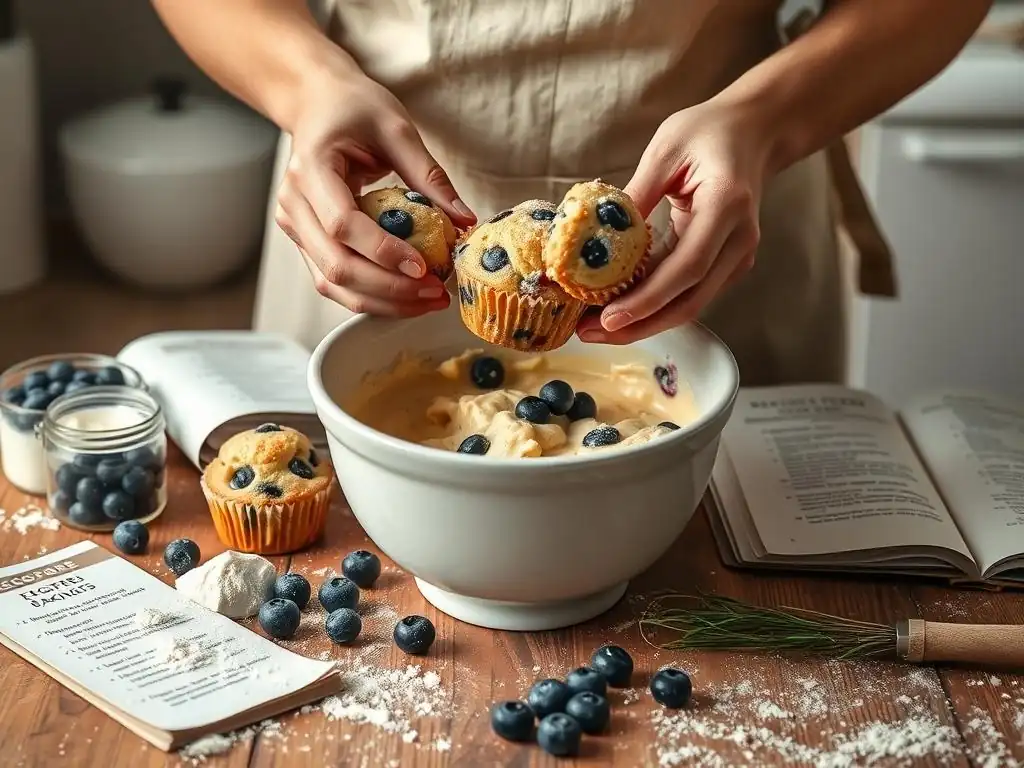
To successfully navigate the world of egg-free baking, especially as a beginner, focusing on some fundamental practices will make a significant difference. These simple yet effective tips are the building blocks for achieving consistently good results. Understanding what eggs do and how substitutes function is the first step towards mastering this technique.
Do: Understand the Functions of Eggs in Recipes
Before you even reach for a substitute, take a moment to consider what the egg is likely doing in the specific recipe you're using. Is it a cookie recipe where the egg primarily acts as a binder? Is it a light and airy cake where the egg contributes significantly to leavening and structure? Or is it a rich custard where the egg provides thickening and richness? Identifying the egg's main role will help you select the most appropriate substitute.
For instance, in a recipe for chewy brownies, eggs contribute both binding and a bit of richness. A substitute like applesauce or mashed banana might provide moisture and some binding, but you might need to add a little extra leavening to compensate for the loss of lift. In contrast, a delicate sponge cake relies heavily on the leavening power of whipped eggs, which is much harder to replicate directly with simple fruit purées. Recognizing these nuances is a key eggfree baking tip beginners often overlook.
Do: Choose the Right Egg Substitute for the Specific Recipe
Selecting the appropriate egg substitute is perhaps the most critical decision in egg-free baking. There isn't a one-size-fits-all solution because different substitutes excel at replicating different functions of an egg. Using the wrong substitute can drastically alter the texture, flavor, and appearance of your baked goods. A binder like flax egg won't provide the lift needed for a fluffy cake, just as applesauce might make cookies too cakey instead of chewy.
Think of your substitute choice as matching the tool to the job. For recipes where binding is the primary need, a flax egg or chia egg is often ideal. If moisture and a bit of binding are required, fruit purées like applesauce or banana work well, especially in denser items. For recipes needing leavening and binding, commercial egg replacers designed for baking are often a reliable choice. Understanding these specific applications is vital for eggfree baking tips beginners should embrace early on.
Do: Use Mashed Banana or Applesauce for Moisture and Binding
Mashed ripe banana and unsweetened applesauce are popular choices for replacing eggs, particularly in recipes like muffins, quick breads, and some cookies. They work effectively by adding moisture and providing a degree of binding, helping to hold the ingredients together. Generally, you can substitute approximately 1/4 cup of mashed banana or applesauce for one large egg.
While excellent for moisture and binding, these fruit purées add their own distinct flavor and can result in a denser, moister crumb than traditional recipes. For example, using mashed banana in a standard chocolate chip cookie recipe will likely yield cookies that are softer and more cake-like rather than crisp or chewy. They are best suited for baked goods where a slightly fruity flavor and moist texture are desirable and can complement the other ingredients.
Do: Leverage Flax Egg or Chia Egg for Binding
Flax eggs and chia eggs are fantastic natural binders, making them ideal substitutes in recipes where the primary function of the egg is to hold things together. To make a flax egg, whisk together 1 tablespoon of ground flaxseed meal with 3 tablespoons of water and let it sit for about 5-10 minutes until it forms a gel-like consistency. A chia egg is made the same way, using chia seeds instead of flaxseed.
These substitutes are particularly effective in cookies, brownies, and some muffins where a strong binding agent is needed without adding significant fat or moisture that could change the texture. They don't provide leavening, so they aren't suitable for light, airy cakes or recipes that rely on whipped egg whites for lift. Using a flax or chia egg is a reliable eggfree baking tip beginners can use for many common cookie recipes.
Do: Employ Commercial Egg Replacers for Versatility
Commercial egg replacers, often found in the baking aisle or health food section, are formulated to mimic multiple functions of an egg, including some binding and leavening. These products typically contain a blend of starches (like potato or tapioca starch) and sometimes leavening agents. They are often a good all-purpose substitute for cakes, muffins, pancakes, and other recipes where the egg plays a more complex role.
Following the package instructions is crucial, as the ratio of powder to water varies between brands. A common ratio might be 1.5 teaspoons of powder whisked with 2 tablespoons of water per egg. While they offer versatility, results can differ depending on the brand and recipe, and they generally don't replicate the richness or browning qualities of egg yolks. Experimenting with a well-regarded commercial replacer is a practical eggfree baking tip beginners might find useful for more complex recipes.
Do: Consider Silken Tofu for Cheesecakes and Custards
For recipes that require the richness, structure, and thickening properties of eggs, such as cheesecakes, quiches, custards, and some pies, blended silken tofu can be an excellent substitute. Silken tofu has a smooth, creamy texture when pureed and can provide the necessary body and protein structure without adding a strong flavor. Approximately 1/4 cup of well-blended silken tofu can replace one large egg in these specific applications.
It's important to use silken tofu, as other types like firm or extra-firm tofu will not blend smoothly enough and will result in a grainy texture. While tofu adds richness and structure, it doesn't contribute to leavening or browning in the same way eggs do. This substitute is best reserved for recipes where the egg acts primarily as a thickener and structure builder rather than a leavener.
Do: Adjust Leavening Agents Appropriately
Since many egg substitutes don't provide the same lift as eggs (especially whipped egg whites), you might need to slightly increase the chemical leavening agents in your recipe, such as baking powder or baking soda. This is particularly true for cakes, muffins, and quick breads where a light and airy texture is desired. A common adjustment is adding an extra 1/4 to 1/2 teaspoon of baking powder per recipe.
Sometimes, incorporating an acidic ingredient can help activate baking soda, providing an extra boost of lift. Ingredients like lemon juice, vinegar (apple cider or white), buttermilk alternatives (plant milk mixed with vinegar), or even applesauce can react with baking soda. For example, adding 1 teaspoon of apple cider vinegar per recipe can react with the baking soda present to create more carbon dioxide bubbles, helping the batter rise. This is a valuable eggfree baking tip beginners can use to combat dense results.
Do: Hydrate Your Batter or Dough Correctly
Egg-free batters and doughs can sometimes be thicker or require slightly different hydration levels than their egg-based counterparts, depending on the substitute used and the flour type. Substitutes like flax eggs absorb a fair amount of liquid, while fruit purées add moisture. Paying attention to the consistency of your batter or dough is important.
You may find that you need to add a tablespoon or two of extra liquid (like plant milk, water, or juice) to achieve the desired consistency, especially if the batter seems too thick or stiff. Conversely, if using a very moist substitute like banana, you might need slightly less liquid overall. The goal is a batter that is neither too runny nor too dry, allowing for proper leavening and structure development during baking.
Do: Measure Ingredients Accurately, Especially Flour
Precision is paramount in baking, and even more so when working with egg substitutes, as the balance of ingredients can be more delicate. Using too much or too little of a substitute or other key ingredients can significantly impact the outcome. This is particularly true for flour, which can absorb moisture differently depending on how it's measured.
For the most consistent results, use a kitchen scale to weigh your ingredients, especially flour. Volume measurements (using cups) can vary greatly depending on how the flour is scooped and leveled. For example, scooping flour directly from the bag can pack it down, resulting in significantly more flour than intended, which will lead to a dry, dense baked good, especially in egg-free recipes where moisture is critical. Accurate measurement is a non-negotiable eggfree baking tip beginners should adopt from the start.
Do: Add a Binding Agent Like Xanthan Gum or Psyllium Husk
Even when using a primary egg substitute, sometimes adding a little extra binding power can improve the texture and structure of egg-free baked goods, preventing them from being too crumbly. Ingredients like xanthan gum or psyllium husk powder are excellent for this purpose. They act as stabilizers and binders, helping to create a cohesive structure similar to what gluten or egg proteins provide.
For most recipes, adding about 1/4 to 1/2 teaspoon of xanthan gum or 1/2 to 1 teaspoon of psyllium husk powder per cup of flour can make a noticeable difference in crumb structure and elasticity. These are particularly helpful in recipes like cookies, muffins, and quick breads. Start with a small amount and adjust in future batches as needed, as too much can result in a gummy texture. Using these binders is an advanced eggfree baking tip beginners can explore for enhanced results.
Do: Consider Adding Acidic Ingredients like Lemon Juice or Vinegar
As mentioned earlier regarding leavening, acidic ingredients can play a beneficial role in egg-free baking, especially when using baking soda. Baking soda requires an acid to react and produce carbon dioxide gas, which creates lift. While some recipes might contain acidic ingredients like brown sugar, molasses, or cocoa powder, adding a specific acid ensures a strong reaction.
Adding a small amount, such as 1 teaspoon of apple cider vinegar or lemon juice per recipe, can significantly boost the leavening power, resulting in lighter, fluffier baked goods. This is particularly effective in recipes like muffins, cupcakes, or quick breads where baking soda is a primary leavener. The amount is usually too small to impact the flavor significantly, especially when paired with other strong flavors like chocolate or spices. This is a simple yet effective eggfree baking tip beginners can easily incorporate.
Don'ts of Egg-Free Baking: Common Mistakes to Avoid
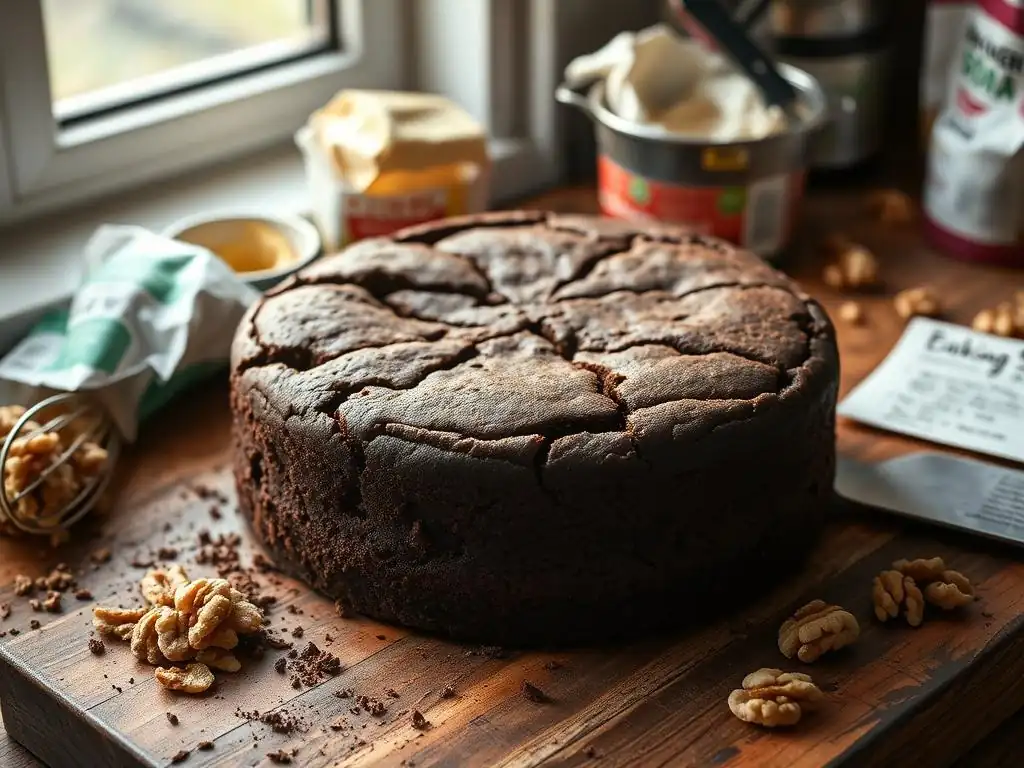
While focusing on the right techniques is important, being aware of common pitfalls in egg-free baking can save you from disappointment. Avoiding these mistakes will help you achieve better results and build confidence as you practice. Many of these don'ts stem from expecting egg-free baking to behave exactly like traditional baking.
Don't: Substitute Wheat Flour One-to-One
Wait, this is an egg-free article! Let's correct that.
Don't: Use a Single Egg Substitute for All Recipes
One of the biggest mistakes beginners make is assuming they can use the same egg substitute in every single recipe that calls for an egg. As discussed earlier, different substitutes perform different functions. Using applesauce in a recipe that needs a strong binder for structure, like a delicate sugar cookie, will likely result in a crumbly mess or cookies that spread excessively.
Similarly, trying to rely on a flax egg for the primary leavening in a light and airy cake will result in a dense, flat cake. Successful egg-free baking requires choosing the substitute that best mimics the specific role the egg plays in that particular recipe. Taking the time to consider the recipe type and the egg's function is crucial for achieving good results.
Don't: Overmix Egg-Free Batter
Overmixing is a common baking mistake, but it can be particularly detrimental in egg-free baking. While eggs provide some structure and elasticity, egg-free batters can become tough or gummy if overmixed. This is true even when using standard wheat flour, as mixing develops gluten. If using gluten-free flours with added gums, overmixing can also lead to a gummy texture.
Mix your batter or dough only until the ingredients are just combined. A few small lumps in muffin batter are perfectly fine! Excessive mixing develops toughness and can negatively impact the final texture, making your baked goods dense or rubbery instead of tender and moist. Gentle mixing is an important eggfree baking tip beginners should practice consistently.
Don't: Overbake Your Egg-Free Creations
Egg-free baked goods, particularly cakes and muffins, can sometimes dry out more quickly than those made with eggs because they may lack the richness and moisture contributed by egg yolks. Overbaking will exacerbate this issue, resulting in dry, crumbly, or tough textures. It's better to slightly underbake than to overbake.
Start checking for doneness a few minutes before the recipe's minimum suggested baking time. Use a toothpick inserted into the center – if it comes out with moist crumbs attached (not wet batter), it's likely done. Edges might be golden brown, and the center should look set. Keep a close eye on your baked goods during the final minutes of baking time.
Don't: Forget to Let Dough Rest Before Baking
For some egg-free recipes, particularly cookies or doughs that need to be rolled out, allowing the dough to rest in the refrigerator is a crucial step. This resting period allows the dry ingredients (especially flour and any added binders like flax or chia seeds) to fully absorb the liquid, which helps the dough firm up and makes it easier to handle.
Resting also allows flavors to meld and can sometimes improve the texture by helping starches hydrate properly. Chilling cookie dough, for instance, prevents excessive spreading during baking, resulting in thicker cookies. A rest of at least 30 minutes, or even overnight, can make a significant difference in the final outcome of many egg-free doughs.
Don't: Ignore the Importance of Storing Egg-Free Baked Goods Properly
Egg-free baked goods can sometimes dry out faster than their egg-inclusive counterparts due to differences in moisture retention and structure. Proper storage is key to keeping them fresh and delicious. Once completely cooled, store cakes, muffins, and quick breads in an airtight container at room temperature for a few days.
Cookies can often be stored in an airtight container at room temperature as well, though some very moist varieties might benefit from refrigeration. If you won't eat them within a few days, consider freezing them. Most baked goods freeze well when wrapped tightly in plastic wrap and then placed in a freezer-safe bag or container. Thaw them at room temperature or gently warm them if desired.
Troubleshooting Common Egg-Free Baking Problems
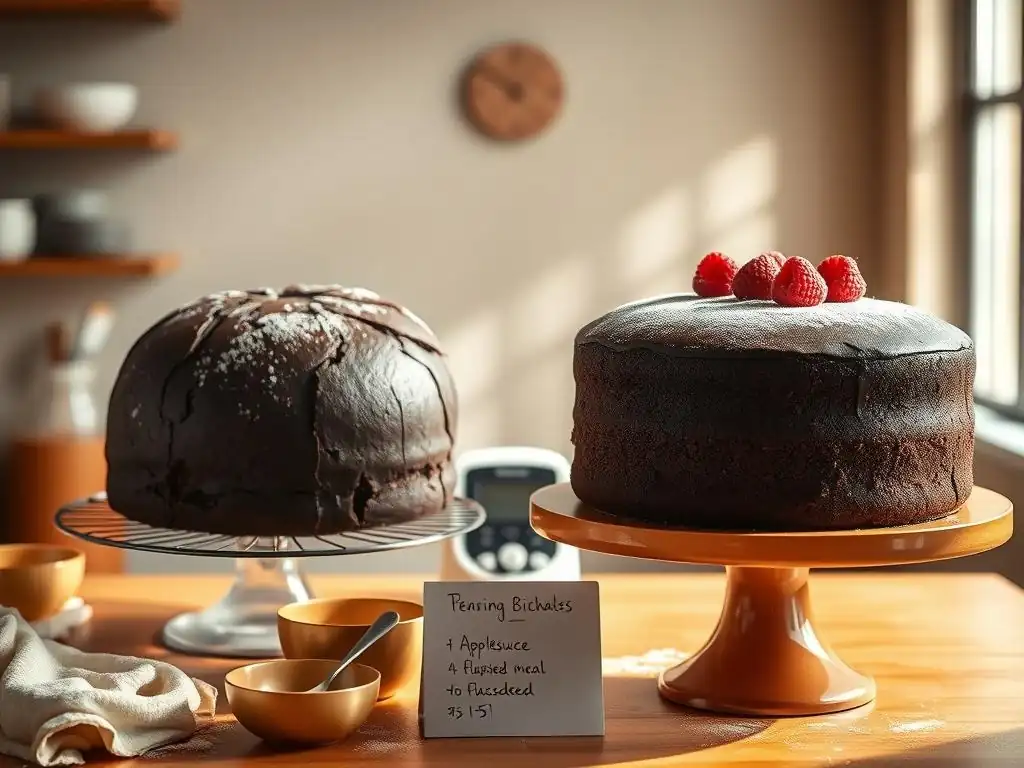
Even with the best eggfree baking tips beginners can follow, you might encounter issues. Don't be discouraged! Troubleshooting is a normal part of the baking process, and understanding common problems can help you identify what went wrong and how to fix it next time.
My Egg-Free Cake is Dense: What Went Wrong?
A dense egg-free cake is a common issue, often stemming from several potential causes. One possibility is that the egg substitute used didn't provide enough leavening. If you used a binder-focused substitute like a flax egg in a recipe that relied on eggs for lift, you'll likely get a dense result. Another cause could be insufficient chemical leavening (baking powder/soda) or using expired leavening agents.
Overmixing the batter is another frequent culprit; it develops toughness and prevents a light crumb. Finally, the batter's hydration level might be off – too little liquid can result in a heavy, dense cake. Ensure your oven temperature is accurate; an oven that's too cool won't provide the initial heat needed for proper rise. For your next attempt, try a commercial egg replacer or increase the baking powder, ensure ingredients are fresh, mix gently, and double-check your oven temperature.
Excessive spreading is a frustrating problem with egg-free cookies. This can happen for several reasons. Using a substitute that adds too much moisture (like a large amount of applesauce) without adequate binding can cause cookies to flatten out excessively. Not enough binder (like flax egg or a commercial replacer) is another common reason; the dough lacks the structure to hold its shape in the heat.
The dough might also be too warm before baking. Chilling the dough for at least 30-60 minutes before scooping and baking is crucial. Ensure your oven temperature is correct; an oven that isn't hot enough can cause cookies to spread before they set. Finally, using too much fat (butter or oil) in the recipe can also contribute to spreading. For less spread, try increasing the binder slightly, ensuring accurate measurement of wet ingredients, chilling the dough thoroughly, and verifying your oven temperature.
My Egg-Free Muffins Didn't Rise Properly: Possible Causes and Solutions
Muffins that come out flat or with small domes instead of a nice rise can be disappointing. This is often related to leavening. The egg substitute itself might not contribute enough lift, or the amount of baking powder and/or baking soda might be insufficient or expired. Remember, baking soda needs an acid to react; if the recipe lacks acid and you're using only baking soda, you won't get much rise.
Overmixing is also a factor here, as it can inhibit the leavening agents' ability to create air pockets. Filling muffin cups too full or not full enough can also impact the dome shape, but not the overall rise of the batter.
Ensure your leavening agents are fresh (test baking powder by adding a little to hot water – it should fizz vigorously; test baking soda with vinegar – it should also fizz). Try adding a bit more baking powder or incorporating an acidic ingredient like vinegar or lemon juice in your next batch, and mix the batter gently until just combined.
Egg-Free Baking Recipe Inspiration from BakeWithEase
Discover the joy of baking without eggs with our collection of easy-to-follow recipes, perfect for beginners!
[Placeholder for a Recipe: Delicious Egg-Free Chocolate Chip Cookies]
[Placeholder for a Recipe: Easy Egg-Free Vanilla Cake]
[Placeholder for a Recipe: Simple Egg-Free Banana Muffins]
Conclusion: Achieving Baking Success Without Eggs
Navigating egg-free baking as a beginner is an exciting challenge that is absolutely achievable with the right knowledge and practice. By understanding the functions of eggs and how different substitutes work, you gain the power to adapt recipes and troubleshoot issues effectively. Remember that successful egg-free baking often involves choosing the right substitute for the job, measuring accurately, paying attention to mixing and baking times, and not being afraid to experiment.
Embrace the Art of Egg-Free Baking with Confidence
Don't let the absence of eggs deter you from creating delicious treats. Each attempt is a learning opportunity, bringing you closer to mastering this versatile baking style. With these eggfree baking tips beginners can confidently step into the kitchen and start experimenting. You'll soon discover that many of your favorite baked goods can be made just as wonderfully without eggs, opening up new possibilities for everyone to enjoy.
Final Thoughts and Resources for Egg-Free Baking Beginners
The journey of egg-free baking is a rewarding one. Keep practicing, refer back to these do's and don'ts, and don't be afraid to try new recipes and substitutes. For more detailed guides, recipes, and tips tailored specifically for eggfree baking beginners, continue exploring BakeWithEase.com. We're here to support you every step of the way as you bake with ease, minus the eggs!
Frequently Asked Questions
What are some common substitutes for eggs in baking?
Common egg substitutes include applesauce, mashed banana, and flaxseed meal mixed with water. These add moisture and binding properties similar to eggs.
What are some common mistakes beginners make when baking egg-free?
A frequent error is using inadequate substitutes that don't provide enough binding or moisture. Beginners also sometimes overmix their batter, leading to a tough final product.
How does egg-free baking differ from traditional baking with eggs?
Egg-free baking often requires adjustments in liquid and binding agents to compensate for the lack of eggs. Expect different textures and crumb structures than with traditional recipes.
What are the best types of recipes to start with when learning egg-free baking?
Simple recipes like cookies or quick breads are a good starting point for beginners. These recipes are more forgiving and allow you to experiment with substitutes.
How can I ensure my egg-free baked goods have the right texture?
Carefully measure your egg substitutes and adjust the amount of other liquids accordingly. Experiment with different substitutes to find what works best for your recipes and desired texture.
Final Reflection: The Joy of Egg-Free Baking: A Deliciously Inclusive Future
Mastering egg-free baking isn't just about avoiding allergens; it's about unlocking a world of culinary creativity and inclusivity. The techniques and substitutions explored in this article are not merely helpful tips for beginners, but essential tools for anyone seeking to expand their baking repertoire and cater to diverse dietary needs. This is a skill that empowers both bakers and eaters.
The impact of egg-free baking extends far beyond individual kitchens. It represents a growing movement towards mindful food choices and a greater understanding of dietary restrictions. The ability to create delicious and satisfying treats without eggs opens doors for individuals with allergies, ethical concerns, or simply a preference for egg-free options. Food is symbolic of love when words are inadequate.
- Alan D. Wolfelt. This sentiment rings true in egg-free baking, where the act of creating something delicious and inclusive speaks volumes. It's a way to show care and consideration for others, and to demonstrate that deliciousness knows no bounds.
Now, I invite you to consider your own baking journey. Will you experiment with some of the techniques outlined in this article? Will you try a new egg-free recipe? Perhaps you'll even develop your own unique substitutions and methods. The possibilities are endless. Embrace the challenge, celebrate the successes, and remember that the most rewarding part of baking—egg-free or otherwise—is the joy of sharing your creations with others. Let's bake a more inclusive and delicious future, one egg-free recipe at a time.
Unleash Your Egg-Free Baking Genius!
Thanks for joining us on this egg-cellent journey into the world of egg-free baking! We hope you've gained valuable insights and discovered new techniques to create delicious, flawless treats. Ready to put your newfound knowledge into action?
- Bake your dream egg-free recipe today! Choose a recipe you've always wanted to try and give it a go. Don't be afraid to experiment!
- Share your egg-free creations on social media! Tag us @BakeWithEase (we're on all major platforms!) and inspire others with your baking prowess.
- Challenge a friend to an egg-free baking showdown! Friendly competition can spark creativity and delicious results.
What incredible egg-free masterpiece will you create first?