
Sourcing Affordable NutFree Baking Ingredients Online and InStore


Welcome to BakeWithEase, your haven for unlocking the joys of baking! Are you ready to dive into the world of delicious and accessible baking, especially when navigating dietary needs? Today, we're tackling a common challenge: sourcing affordable and reliable ingredients for nut-free baking. Discover our comprehensive Nut-Free Baking Ingredient Guide and unlock a world of possibilities, proving that allergy-friendly baking doesn't have to break the bank. Intrigued? Let's get baking!
- Your Comprehensive Nut-Free Baking Ingredient Guide
- Understanding Nut Allergies and Safe Baking Practices
- Finding Affordable Nut-Free Flour Alternatives
- Sourcing Nut-Free Chocolate and Cocoa Products
- Finding Nut-Free Fats and Oils for Baking
- Affordable Nut-Free Sweeteners for Baking
- Where to Buy Nut-Free Baking Ingredients: Online vs. In-Store
- Top Nut-Free Baking Ingredient Brands to Look For
- Tips for Saving Money on Nut-Free Baking
- Easy and Affordable Nut-Free Baking Recipes to Get Started
-
Frequently Asked Questions
- How do I identify truly nut-free baking ingredients?
- Where can I find affordable nut-free baking ingredients online?
- What are some common nut-free substitutes for baking?
- Are there specific in-store sections I should focus on for nut-free ingredients?
- How can I ensure my baking equipment is nut-free?
- Final Reflection: The Sweet Success of Nut-Free Baking
- Unleash Your Nut-Free Baking Potential!
Your Comprehensive Nut-Free Baking Ingredient Guide
Navigating the world of baking with a nut allergy can feel daunting, but it doesn't have to be expensive or complicated. This nut-free baking ingredient guide is designed to help you confidently source safe, affordable ingredients, whether you're whipping up cookies, cakes, or bread. We'll explore everything from understanding allergens to finding budget-friendly options both online and in your local grocery store. Baking should be a joy, and with the right knowledge, you can create delicious, nut-free treats that everyone can enjoy without breaking the bank.
Embarking on a nut-free baking journey requires a bit of planning, but the rewards are immense – safe, homemade goodies for you and your loved ones. This guide will walk you through identifying safe ingredients, spotting hidden allergens, and finding economical sources for everything you need. From alternative flours and fats to safe chocolate and sweeteners, we've got you covered. Let's dive into making your kitchen a safe and affordable haven for nut-free baking.
Understanding Nut Allergies and Safe Baking Practices
Navigating baking with nut allergies requires vigilance and a solid understanding of potential risks. A nut-free baking ingredient guide isn't just about finding alternatives; it's fundamentally about safety. Understanding common allergens and implementing strict practices are the first steps to ensuring your baked goods are safe for consumption by individuals with nut sensitivities. This involves being aware of ingredients that commonly contain nuts or are processed in facilities that handle nuts.
Safe baking practices extend beyond just ingredient selection. They encompass everything from cleaning your workspace thoroughly to preventing cross-contamination. Creating a dedicated nut-free zone in your kitchen, if possible, can significantly reduce risk. For many, especially those new to nut-free baking, this foundational knowledge is as crucial as the recipes themselves.
Identifying Common Nut Allergens in Baking
Tree nuts, like almonds, walnuts, pecans, cashews, pistachios, and hazelnuts, are frequent culprits in baking recipes, often used for flavor, texture, or as a garnish. Peanuts, though botanically legumes, are also considered major allergens and are frequently cross-reactive with tree nuts, meaning someone allergic to one might react to the other. These nuts can appear in various forms: whole, chopped, ground into flour or meal, or pressed into oils or butters. Identifying these specific ingredients is paramount when reviewing recipes and ingredient lists for your nut-free baking.
Beyond the obvious, nuts can be hidden in less apparent ingredients. Praline, pesto, certain granolas, some types of bread crumbs, and even specific flavorings or extracts might contain nuts. For example, almond extract is made from almonds, and some vanilla extracts might be processed in facilities that also handle nuts. Being aware of these less obvious sources is critical for maintaining a truly nut-free environment and ensuring your homemade nut-free treats are safe.
Cross-Contamination: Risks and Prevention in Nut-Free Baking
Cross-contamination occurs when nut proteins come into contact with nut-free ingredients, equipment, or surfaces. This is a major concern in kitchens that handle both nut-containing and nut-free foods. Even tiny amounts of nut residue can trigger a severe allergic reaction in sensitive individuals. Common risk areas include shared cutting boards, utensils, mixing bowls, baking sheets, and even airborne particles from grinding nuts. Preventing cross-contamination is a cornerstone of safe nut-free baking.
Effective prevention strategies involve meticulous cleaning and, ideally, using dedicated equipment for nut-free baking. Wash all surfaces, utensils, and equipment thoroughly with hot, soapy water before you begin. Consider using separate sponges or dishcloths for nut-free items. Store nut-free ingredients separately from nut-containing items, preferably in clearly labeled, airtight containers. If you frequently bake with nuts for others, designate specific tools solely for nut-free use – perhaps color-coding handles or storing them separately.
Reading ingredient labels is non-negotiable for anyone following a nut-free baking ingredient guide. Manufacturers are required to list major allergens, including tree nuts and peanuts, clearly on packaging, often in a "Contains:" statement near the ingredient list. However, it's essential to read the entire ingredient list as well, looking for less obvious terms or derivatives. Ingredients like "natural flavors" or "spices" can sometimes contain hidden allergens, although this is less common for nuts than other allergens like dairy.
Beyond the "Contains:" statement, look for precautionary allergen labeling (PAL) statements, such as "May Contain," "Processed in a Facility That Also Processes," or "Made on Shared Equipment." These statements indicate a risk of cross-contamination during manufacturing. While not a guarantee of safety for highly sensitive individuals, they provide crucial information about potential risks. When in doubt about an ingredient or a manufacturer's practices, contacting the company directly is the safest approach for confident nut-free baking.
Finding Affordable Nut-Free Flour Alternatives
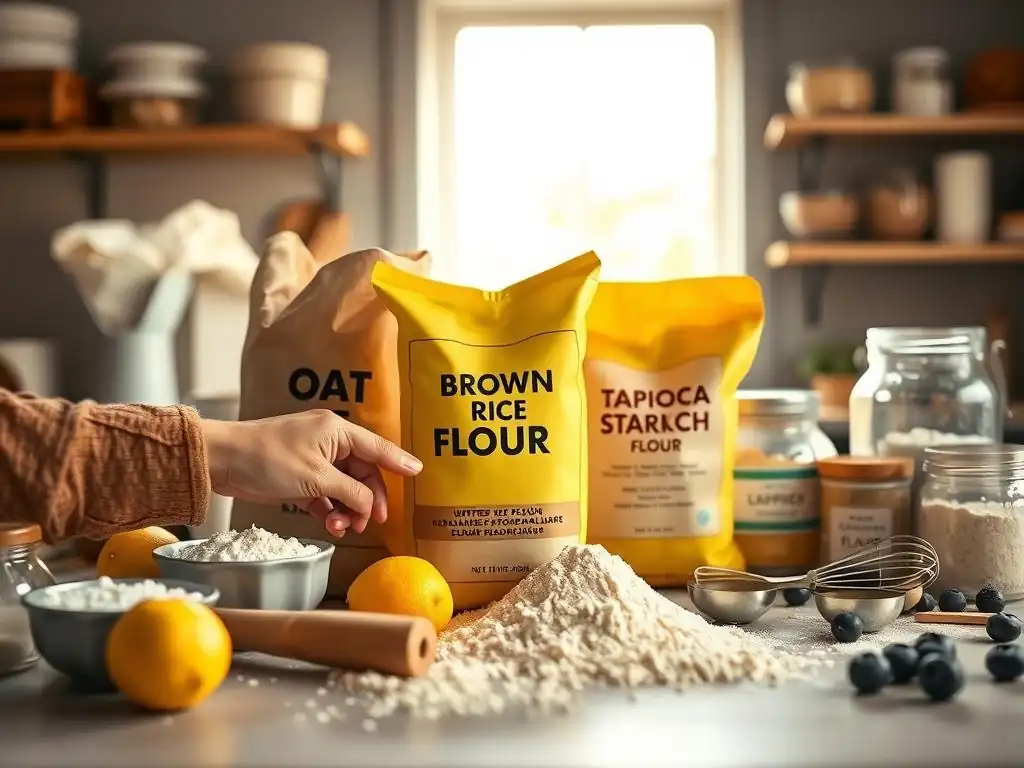
Flour is a fundamental building block in most baking, and for nut-free baking, exploring alternatives to almond flour or pecan meal is essential. Fortunately, there's a wide array of nut-free options available, many of which are quite affordable, especially when purchased strategically. Wheat flour, if not a concern for other dietary needs like gluten intolerance, is naturally nut-free (though cross-contamination in processing facilities is still a possibility to consider). However, for those seeking variety or managing multiple allergies, other flours offer excellent possibilities.
Expanding your flour pantry with nut-free choices like rice flour, oat flour, or sorghum flour opens up many recipe possibilities. These flours have different textures and absorption rates than traditional wheat or nut flours, requiring some recipe adjustments, but they are readily available and often more cost-effective than specialized nut flours. Finding the right combination of these flours can mimic the texture and structure needed for successful nut-free baking.
Exploring Gluten-Free Flour Options for Nut-Free Baking
Many individuals with nut allergies also manage other dietary restrictions, including gluten intolerance or celiac disease. Gluten-free flours are often naturally nut-free, making them a good starting point for a nut-free baking ingredient guide focused on multiple allergies. Rice flour (both white and brown), sorghum flour, millet flour, and tapioca starch are common gluten-free options that do not contain nuts. For example, a 5-pound bag of white rice flour might cost around $6-$8, making it a budget-friendly staple.
Using gluten-free flours in nut-free baking often requires blending several types to achieve the desired texture and structure, as single-source gluten-free flours can result in dense or crumbly baked goods. A popular blend might combine rice flour for structure, tapioca starch for chewiness, and sorghum or millet flour for flavor and nutrients. While pre-made gluten-free blends are convenient, buying individual flours and blending them yourself can be more cost-effective in the long run, often saving 20-30% compared to pre-mixed bags.
Using Seed Flours: Sunflower Seed Flour, Flaxseed Meal, and More
Seed flours are fantastic, nutrient-dense alternatives in nut-free baking, offering textures and flavors similar to nut flours but without the allergen risk. Sunflower seed flour, made from ground sunflower seeds, is a popular choice and can often substitute almond flour in recipes (though it can sometimes turn green when reacting with baking soda, which is harmless but visually unexpected). A pound of sunflower seed flour might cost around $7-$10, comparable to or slightly less than some nut flours.
Other useful seed-based ingredients include flaxseed meal and chia seeds, which are often used as binders (like egg substitutes) but can also contribute to the flour blend. Flaxseed meal is quite affordable, often less than $5 per pound, and adds fiber and healthy fats. Pumpkin seed flour is another emerging option, offering a distinct flavor profile. Incorporating these seed flours into your nut-free baking ingredient guide can add nutritional value and unique tastes to your creations.
Budget-Friendly Nut-Free Flour Blends: DIY Recipes
Creating your own nut-free flour blends is a practical way to save money and customize your ingredients for specific recipes. A common DIY blend for all-purpose nut-free baking might consist of 40% white rice flour, 30% brown rice flour, 20% tapioca starch, and 10% sorghum flour. Buying these flours in bulk can significantly reduce the per-pound cost. For instance, purchasing a 25-pound bag of rice flour might cost around $20-$30, bringing the per-pound cost down to $0.80-$1.20, compared to $1.50-$2.50 per pound for smaller bags.
Developing a few go-to DIY blends based on your most frequent nut-free baking needs (e.g., one for cakes/muffins, one for cookies/pastries) can streamline your process and ensure consistent results. Storing your blended flours in airtight containers in a cool, dark place or the refrigerator/freezer extends their shelf life. Experimenting with different ratios of rice flours, starches like potato starch or cornstarch, and other whole-grain gluten-free flours allows you to fine-tune textures and flavors while keeping costs low.
Sourcing Nut-Free Chocolate and Cocoa Products
Chocolate is a beloved ingredient in baking, but finding truly nut-free chocolate can be a challenge due to shared processing equipment. For safe nut-free baking, it's crucial to source chocolate and cocoa products that are specifically manufactured in nut-free facilities or have robust allergen control procedures. Relying on brands that prioritize allergen safety is key to avoiding accidental nut exposure.
Fortunately, several brands cater specifically to the allergy-friendly market, making it easier to find safe options. Beyond dedicated allergy brands, some mainstream chocolate companies have specific lines or manufacturing practices that make certain products safe. Always double-check labels and manufacturer websites for the most current allergen information before purchasing any chocolate product for nut-free baking.
Identifying Safe Chocolate Brands for Nut-Free Baking
Several brands are well-known and trusted within the allergy community for their commitment to producing nut-free products. Enjoy Life Foods is a prime example, with their chocolate chips, bars, and chunks certified gluten-free and free from 14 common allergens, including tree nuts and peanuts. A 9-ounce bag of Enjoy Life chocolate chips typically ranges from $5-$7. Another brand, Pascha Chocolate, offers organic, fair-trade chocolate that is also free from the top 8 allergens. Their baking chips might cost slightly more, around $6-$8 for a 10-ounce bag, reflecting their organic and fair-trade certifications.
Some mainstream brands also offer options, though vigilance is required. Hershey's Cocoa Powder is often considered low-risk for nuts, though their chocolate bars and chips may be manufactured on shared equipment. Ghirardelli's "Allergen Information" page often provides details on which products are less likely to have cross-contamination risks, though they may not be certified nut-free. Always consult the manufacturer's specific allergen statements, as these can change. Prioritizing brands with strong allergen protocols provides peace of mind for your nut-free baking ingredient guide.
Using Cocoa Powder and Cacao Nibs in Nut-Free Recipes
Cocoa powder is a staple for adding rich chocolate flavor to nut-free baking and is generally a lower-risk ingredient compared to solid chocolate, as it's less likely to be processed on shared equipment with nuts. Natural cocoa powder and Dutch-processed cocoa powder are both excellent nut-free options, provided they are sourced from a manufacturer with good allergen controls. Brands like Hershey's (as mentioned) or King Arthur Baking's cocoa powders are often used in nut-free kitchens. A standard box of cocoa powder costs around $3-$5 and lasts for many baking sessions.
Cacao nibs, which are roasted and broken cacao beans, offer an intense chocolate flavor and crunchy texture, similar to chopped nuts but entirely nut-free. They can be used in cookies, muffins, or as a topping. While often more expensive than cocoa powder, a small amount goes a long way. A 4-ounce bag might cost $5-$8. When buying cocoa powder or cacao nibs, check for "processed in a facility" statements, but generally, these are safer choices than molded chocolate bars if you're unsure about the manufacturer's cleaning practices.
Making Your Own Nut-Free Chocolate Ganache
Creating your own chocolate components can sometimes be more cost-effective and ensures complete control over ingredients for nut-free baking. A simple nut-free chocolate ganache requires only two main ingredients: safe nut-free chocolate (like Enjoy Life chips) and a dairy-free liquid, such as coconut milk or soy milk (if soy is not an issue). Heating the liquid and pouring it over the chocolate, then whisking until smooth, creates a versatile ganache for glazes, fillings, or truffles.
Using coconut milk (from a can, full-fat) provides a rich, creamy texture similar to dairy cream. A can of full-fat coconut milk costs around $2-$4. Paired with a bag of nut-free chocolate chips ($5-$7), you can make a substantial amount of ganache for around $7-$11, which is often cheaper than buying pre-made nut-free frostings or fillings. This DIY approach for a nut-free baking ingredient like ganache guarantees its safety and freshness.
Finding Nut-Free Fats and Oils for Baking
Fats and oils are crucial for texture, moisture, and flavor in baking. While butter is a common baking fat and naturally nut-free (derived from dairy), many recipes call for liquid oils or solid shortenings. For nut-free baking, it's important to avoid nut-based oils like peanut oil, almond oil, or walnut oil. Fortunately, numerous safe and affordable alternatives are widely available.
Choosing the right fat or oil depends on the desired outcome in your recipe. Some fats provide flakiness (like solid shortenings), while others contribute moisture and tenderness (like liquid oils). Exploring options like coconut oil, vegetable oil, or sunflower oil allows you to achieve various textures in your nut-free baked goods without using nut derivatives.
Using Coconut Oil as a Nut-Free Butter Substitute
Coconut oil is a versatile fat in nut-free baking, available in both refined and unrefined forms. Unrefined coconut oil has a distinct coconut flavor, while refined coconut oil is neutral in taste, making it suitable for recipes where you don't want a coconut undertone. Coconut oil is solid at room temperature (below 76°F or 24°C), similar to butter, and can often be used as a 1:1 substitute for butter or shortening in many recipes, particularly those where a firm fat is needed for structure, like cookies or pie crusts.
Coconut oil can be a relatively affordable nut-free baking ingredient, especially when purchased in larger tubs or during sales. A 14-ounce jar might cost $6-$10, while a larger 54-ounce tub can bring the cost down significantly per ounce. It's a stable fat with a long shelf life, making it a good pantry staple for your nut-free baking adventures.
Exploring Other Plant-Based Oils: Olive Oil, Sunflower Oil, and More
Liquid plant-based oils are excellent for adding moisture and tenderness to cakes, muffins, and quick breads in nut-free baking. Common nut-free options include:
- Vegetable Oil: Often a blend of oils like soybean, corn, and canola. It's neutral in flavor and very affordable, typically $4-$7 for a large bottle.
- Canola Oil: Similar to vegetable oil, neutral and cost-effective.
- Sunflower Oil: A good all-purpose oil with a mild flavor. A bottle might cost $5-$8.
- Olive Oil: Extra virgin olive oil has a strong flavor more suited for savory baking or specific recipes like olive oil cake. Lighter olive oil has a milder taste and can be used more broadly. Costs vary widely, but a standard bottle might be $8-$15.
These oils are naturally nut-free, but always check the label for processing information if you are highly sensitive. Buying larger containers is usually more economical, especially for frequently used oils like vegetable or canola oil, often saving 15-25% compared to smaller bottles.
Tips for Choosing the Right Oil for Specific Nut-Free Baking Recipes
Selecting the appropriate oil is key to successful nut-free baking. For recipes where a neutral flavor is desired, such as vanilla cakes or sugar cookies, refined coconut oil, vegetable oil, canola oil, or refined sunflower oil are good choices. These oils won't compete with the other flavors in your baked goods.
For recipes where you want a specific flavor contribution, unrefined coconut oil works well in tropical-themed baked goods or those pairing well with coconut (like chocolate or banana). Olive oil can add moisture and a unique depth of flavor to certain cakes or savory muffins. Consider the fat's state at room temperature too; solid fats like coconut oil are better for creating flaky crusts or contributing to chewiness in cookies, while liquid oils are ideal for moist, tender crumb structures in quick breads and cakes. Referencing a reliable nut-free baking ingredient guide can help pair fats with recipes.
Affordable Nut-Free Sweeteners for Baking
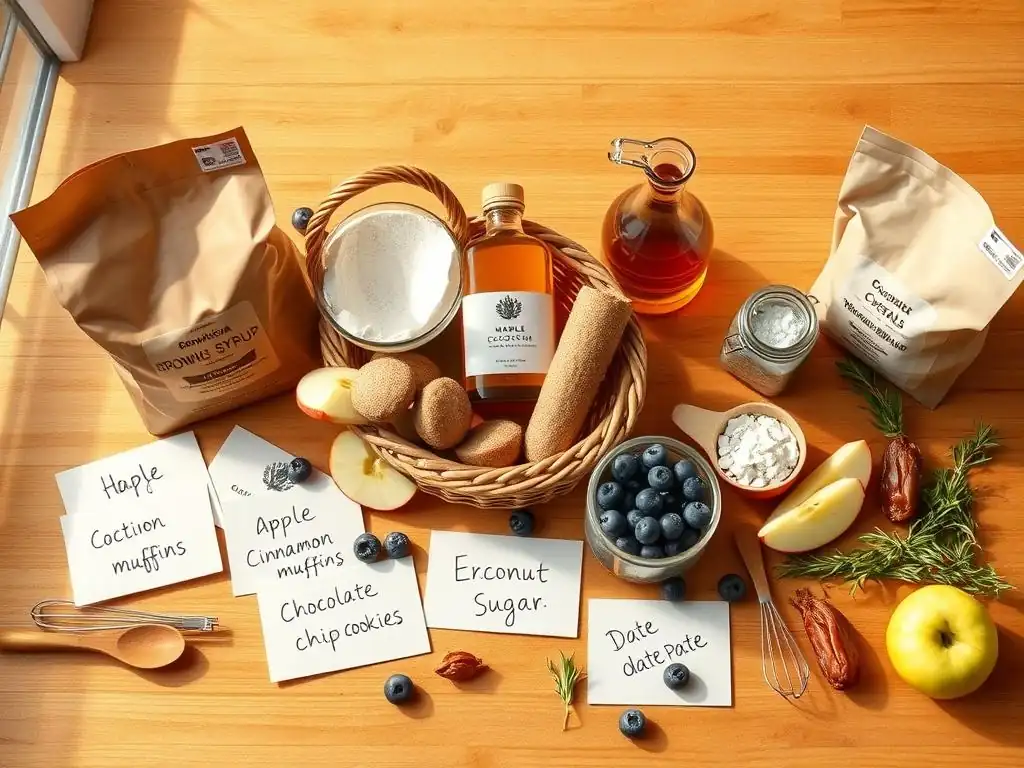
Sweeteners are another essential component in baking, providing flavor and contributing to texture, moisture, and browning. While granulated sugar is typically nut-free, exploring alternative sweeteners can add different flavor profiles and textures to your nut-free baking. Many natural and artificial sweeteners are also naturally nut-free, offering variety and sometimes cost savings or dietary benefits.
From liquid sweeteners like maple syrup to fruit-based options and sugar substitutes, there are many affordable ways to sweeten your nut-free treats. The choice of sweetener can significantly impact the final product's texture and moisture content, so it's helpful to understand how each behaves in baking.
Using Maple Syrup, Agave Nectar, and Honey in Nut-Free Treats
Liquid sweeteners like maple syrup, agave nectar, and honey are popular in nut-free baking, offering distinct flavors and moisture. Pure maple syrup adds a rich, earthy sweetness and pairs wonderfully with spices or chocolate. A 12-ounce bottle of pure maple syrup can range from $8-$15, depending on the grade and brand. Agave nectar, sweeter than sugar with a lower glycemic index, is a neutral-flavored option, often costing $5-$8 for a 16-ounce bottle. Honey varies widely in price and flavor based on floral source, but a standard 12-ounce bottle might be $6-$10.
When substituting liquid sweeteners for granulated sugar in nut-free baking recipes, you generally need to reduce the amount of other liquids in the recipe and sometimes adjust baking time or temperature, as liquid sweeteners contribute moisture and can cause faster browning. Using these sweeteners can slightly increase the overall cost compared to granulated sugar but offers unique flavor profiles for your nut-free treats.
Exploring Dates and Fruit Purees as Natural Sweeteners
For a more natural, less refined approach to sweetening your nut-free baking, dates and fruit purees are excellent options. Date paste, made by processing soaked dates, is a fibrous, nutrient-rich sweetener that works well in bars, muffins, and some cookies. A pound of dates might cost $4-$8, and making your own paste is significantly cheaper than buying pre-made date syrup.
Applesauce, mashed bananas, and pumpkin puree are common fruit purees used to reduce added sugar and fat while adding moisture. A can of pumpkin puree costs around $2-$4, and a bunch of bananas is usually $1-$2. These purees contribute sweetness, moisture, and binding properties, often allowing you to reduce the amount of oil or butter needed. Using fruit purees is an incredibly budget-friendly way to add natural sweetness and improve the texture of your nut-free baked goods.
Sugar Substitutes and Their Impact on Nut-Free Baking
For those managing sugar intake alongside nut allergies, various sugar substitutes are available. These include high-intensity sweeteners like stevia or sucralose, and sugar alcohols like erythritol or xylitol. Most sugar substitutes are inherently nut-free. A pack of 100 stevia packets might cost $4-$6, while a pound of erythritol can range from $7-$12.
It's important to note that sugar substitutes behave differently than sugar in baking. They don't provide the same bulk, contribute to browning differently, and can affect texture. Recipes specifically developed for sugar substitutes are often the most successful. Using a nut-free baking ingredient guide that includes advice on using these alternatives can help manage expectations and achieve better results. Some sugar alcohols, like xylitol, can be toxic to dogs, so exercise caution if you have pets.
Where to Buy Nut-Free Baking Ingredients: Online vs. In-Store
Finding affordable nut-free baking ingredients requires knowing where to look. Both online retailers and traditional grocery stores offer options, each with potential benefits for availability, price, and selection. Building a strategy that combines the strengths of both can help you source everything you need efficiently and economically for your nut-free baking.
Online shopping offers access to specialized allergy-friendly brands and bulk options, while local stores provide convenience for everyday staples and last-minute needs. Comparing prices and considering shipping costs (for online purchases) or travel time (for in-store trips) is key to finding the best value.
Online Retailers Specializing in Nut-Free Baking Supplies
Several online retailers cater specifically to the allergy-friendly market, offering a wide selection of certified nut-free products. Websites like Thrive Market, Sprout's Online, or dedicated allergy stores (like Allergy Superheroes or The Savvy Celiac's online shop, though product availability varies) often stock brands like Enjoy Life, Pascha, and various gluten-free and nut-free flour blends. While individual item prices might sometimes be slightly higher than conventional alternatives, these sites guarantee a higher level of safety assurance.
Buying in bulk online can significantly reduce costs per unit, especially for frequently used items like flours, oats, or chocolate chips. For example, purchasing a 5-pound bag of nut-free flour blend online might cost $20-$25, whereas buying five 1-pound bags locally could total $30-$40. Factor in shipping costs or membership fees (like for Thrive Market) when calculating the true cost. Signing up for newsletters can also alert you to sales and discount codes, further lowering the price of your nut-free baking ingredients.
Finding Nut-Free Ingredients at Local Grocery Stores
Your local grocery store is likely a valuable resource for many nut-free baking ingredients, especially for staples. Most supermarkets carry a variety of flours (wheat, rice, some gluten-free blends), sugar, salt, leavening agents (baking soda, baking powder), oils (vegetable, canola, olive), and dairy or dairy-free milk. Many also stock mainstream chocolate brands (where you'll need to check labels carefully) and sometimes dedicated allergy-friendly sections featuring brands like Enjoy Life.
Checking the "natural foods," "gluten-free," or "allergy-friendly" aisle is often the best place to find specialized nut-free baking ingredients. While the selection might be smaller than online, you save on shipping costs and can purchase exactly the amount you need. Keep an eye on weekly flyers and store sales to grab staples at discounted prices. For example, a store brand bag of sugar might cost $3-$5, while a national brand could be $4-$6, offering a small but consistent saving.
Discount Options and Bulk Buying for Nut-Free Baking
For significant savings on nut-free baking ingredients, consider bulk buying and looking for discount opportunities. Warehouse clubs like Costco or Sam's Club often sell large quantities of staples like flour, sugar, oil, and even some allergy-friendly products at lower per-unit prices. A 10-pound bag of sugar at a warehouse club might cost $7-$10, significantly less per pound than smaller bags.
Shopping sales, using coupons (both manufacturer and store coupons), and utilizing loyalty programs can also reduce costs. Many grocery stores offer digital coupons through their apps. Consider buying non-perishable items like flour, sugar, chocolate chips, and oils when they are on sale, even if you don't need them immediately, to build up your nut-free baking pantry economically. Comparing prices across different stores for key nut-free baking ingredients can also reveal significant savings opportunities.
Top Nut-Free Baking Ingredient Brands to Look For
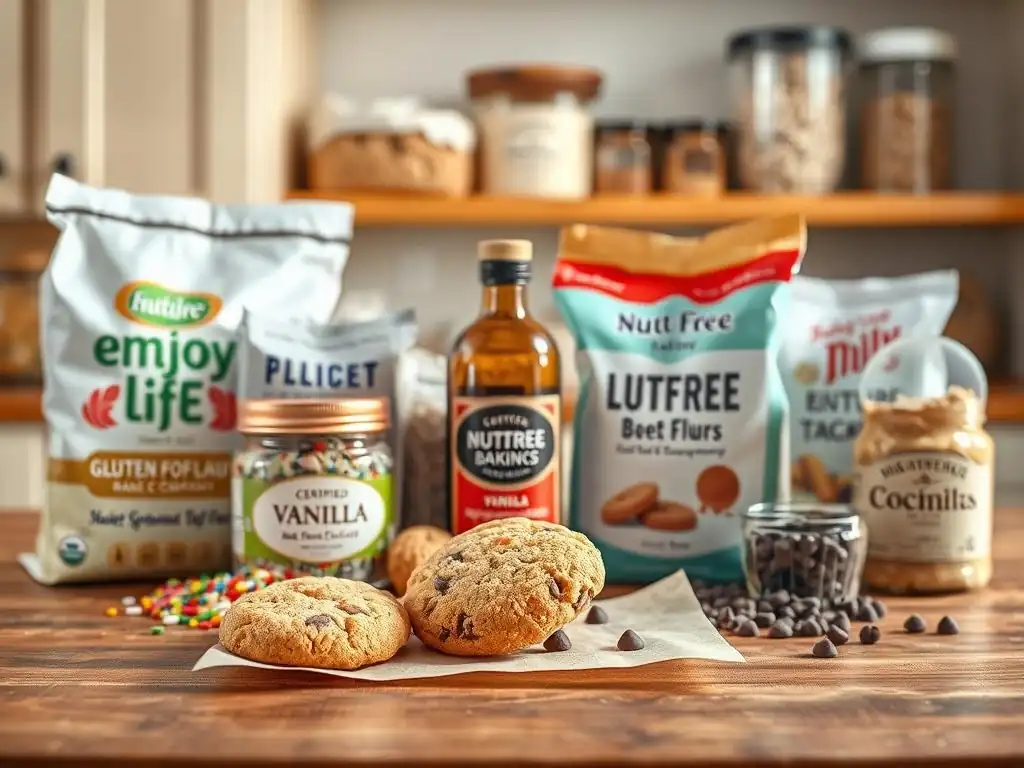
Identifying reliable brands is crucial for confident nut-free baking, especially when dealing with potential cross-contamination. Some brands have built a strong reputation for their allergen control practices and dedicated nut-free facilities. While it's always important to read the label and check the manufacturer's website for the most current information, knowing which brands are generally considered safe within the allergy community can simplify your shopping process.
Focusing on brands that explicitly state their nut-free status or are certified by third-party organizations provides an extra layer of assurance. Integrating products from these trusted sources into your nut-free baking ingredient guide is a smart strategy for safety and reliability.
Enjoy Life Foods: Focus on Nut-Free Chocolate
Enjoy Life Foods is a leader in the allergy-friendly food market and a go-to for many seeking nut-free baking ingredients, particularly chocolate. Their entire product line is certified gluten-free and free from 14 common allergens, including peanuts and tree nuts. They produce chocolate chips (mini, semi-sweet, dark), chocolate chunks, and chocolate bars, all made in a dedicated nut-free and gluten-free facility.
Their chocolate chips are a popular choice for cookies, muffins, and melting. A 9-ounce bag typically costs between $5 and $7. While this might be slightly more expensive per ounce than conventional chocolate chips like Nestle or Hershey's (which often cost $3-$5 for 10-12 ounces), the peace of mind regarding allergen safety is invaluable for nut-free baking. Enjoy Life products are widely available in major grocery stores and online retailers.
Bob's Red Mill: Focus on Gluten-Free and Nut-Free Flours
Bob's Red Mill offers an extensive range of flours, grains, and baking ingredients, many of which are suitable for nut-free baking, especially their gluten-free line. While they do process some nuts in their facilities, they have a dedicated gluten-free facility and rigorous cleaning protocols for other products. Many of their single-ingredient gluten-free flours, like white rice flour, brown rice flour, sorghum flour, and tapioca starch, are naturally nut-free.
They also offer gluten-free flour blends, such as their Gluten-Free 1-to-1 Baking Flour, which is made from a blend of rice flours, sorghum flour, tapioca starch, and potato starch. While not explicitly certified nut-free across all products, their gluten-free facility significantly reduces cross-contamination risk for those specific items. A 44-ounce bag of the 1-to-1 blend costs around $8-$10. Always check the packaging for specific allergen statements and consider their dedicated gluten-free products for higher confidence in your nut-free baking ingredient choices.
Wholesome Sweeteners: Focus on Organic and Nut-Free Sweeteners
Wholesome Sweeteners (now Wholesome) is known for its range of organic and fair-trade sweeteners, including granulated sugar, brown sugar, powdered sugar, honey, agave, and maple syrup. Most of their sweeteners are naturally nut-free. While their facility may handle other allergens depending on the specific product line, their granulated sugars and many liquid sweeteners are generally considered safe options for nut-free baking.
A 3-pound bag of their organic granulated sugar might cost $7-$10, which is comparable to or slightly more than conventional organic sugar, but offers organic and fair-trade certification. Their organic honey or agave syrup also provides reliable nut-free options. As with any brand, checking the label for specific allergen processing information is recommended, but Wholesome offers a wide variety of high-quality, naturally nut-free sweeteners for your baking needs.
Tips for Saving Money on Nut-Free Baking
Baking with dietary restrictions can sometimes feel more expensive, but with smart strategies, you can keep costs down while still creating delicious, safe nut-free treats. Saving money on nut-free baking involves more than just finding cheap ingredients; it's also about planning, reducing waste, and making savvy purchasing decisions.
By being mindful of your ingredient usage, taking advantage of sales, and leveraging simple techniques, you can significantly reduce the overall cost of your nut-free baking. This allows you to bake more often and enjoy your hobby without straining your budget.
Planning Your Nut-Free Baking Recipes in Advance
Planning is perhaps the most effective way to save money on any kind of baking, including nut-free. Before you head to the store or place an online order, decide exactly what you want to bake. Review the recipes and make a precise list of the nut-free baking ingredients you need. Check your pantry first to avoid buying duplicates.
Batch baking or choosing recipes that share common nut-free ingredients can also be economical. For example, if you need rice flour and tapioca starch for one recipe, find another recipe that uses the same flours to use them up and avoid waste. Planning helps you buy only what you need and utilize ingredients efficiently.
Using Seasonal Ingredients to Reduce Costs
Incorporating seasonal fruits and vegetables into your nut-free baking is a delicious and cost-effective strategy. Seasonal produce is typically more abundant, fresher, and cheaper than out-of-season options. Think about using berries in the summer, apples and pumpkins in the fall, and citrus in the winter.
For example, buying a pound of fresh strawberries in peak season might cost $3-$4, perfect for a nut-free shortcake or muffin recipe. The same strawberries out of season could be $6-$8. Using seasonal ingredients not only saves money but also ensures your baked goods feature the best flavors of the time of year. A nut-free baking ingredient guide that includes seasonal recipes can be a great resource.
Repurposing Leftover Nut-Free Ingredients
Minimizing food waste is key to saving money. After baking, you might have small amounts of nut-free ingredients left over – a bit of flour blend, a few chocolate chips, half a can of pumpkin puree, or some extra mashed banana. Instead of letting these go to waste, plan to use them in your next baking project.
Leftover fruit purees can be frozen for later use in muffins or quick breads. Small amounts of flour blends can be saved for thickening sauces or making small batches of cookies. Excess nut-free chocolate chips can be added to pancakes or oatmeal. Get creative with your leftovers to maximize the value of every nut-free baking ingredient you purchase.
Easy and Affordable Nut-Free Baking Recipes to Get Started
Ready to put your nut-free baking ingredient knowledge to use? Starting with simple, affordable recipes is a great way to build confidence and create delicious treats without a large investment in specialized ingredients. These recipes use common nut-free staples and are forgiving enough for beginners.
These example recipes demonstrate how you can create beloved baked goods safely and economically. They require minimal special equipment and focus on readily available nut-free ingredients, making them perfect additions to any beginner's nut-free baking ingredient guide.
Who doesn't love a classic chocolate chip cookie? Making them nut-free is simple with the right ingredients.
- Ingredients: All-purpose wheat flour (or a nut-free gluten-free blend), baking soda, salt, nut-free butter substitute (like Earth Balance soy-free sticks) or refined coconut oil, granulated sugar, brown sugar, vanilla extract, eggs (or flax eggs for egg-free), safe nut-free chocolate chips (like Enjoy Life).
- Cost Estimate: Using common ingredients, a batch might cost around $4-$6, primarily depending on the cost of the nut-free chocolate chips and butter substitute.
- Why it's affordable: Relies on pantry staples and one or two specific nut-free items.
- Tip: Chill the dough for at least 30 minutes for thicker cookies and enhanced flavor.
These cookies are a perfect example of how easy it is to adapt a classic recipe for nut-free baking using readily available ingredients. They are quick to make and always a crowd-pleaser.
Nut-Free Banana Bread
Moist, flavorful banana bread is a comforting treat that's naturally easy to make nut-free.
- Ingredients: Overripe bananas, all-purpose wheat flour (or a nut-free gluten-free blend), baking soda, salt, cinnamon, nutmeg, nut-free oil (like vegetable or canola oil), granulated sugar, eggs (or flax eggs), vanilla extract. Optional: safe nut-free chocolate chips.
- Cost Estimate: A loaf typically costs $3-$5 to make, using bananas that might otherwise go to waste.
- Why it's affordable: Uses inexpensive staples and overripe fruit.
- Tip: The riper the bananas (brown spots are good! ), the sweeter and more moist your bread will be.
Banana bread is a fantastic way to use up overripe fruit, making it incredibly economical. It requires very few specialized nut-free baking ingredients, relying mostly on basic pantry items.
Nut-Free Pumpkin Muffins
Pumpkin muffins are a delicious, moist option, especially in the fall, and are naturally nut-free.
- Ingredients: Canned pumpkin puree, all-purpose wheat flour (or a nut-free gluten-free blend), baking soda, baking powder, salt, cinnamon, pumpkin pie spice, nut-free oil, granulated sugar, brown sugar, eggs (or flax eggs), vanilla extract, nut-free milk (dairy or plant-based like oat milk).
- Cost Estimate: A batch of 12 muffins might cost $4-$6, depending on the price of pumpkin puree and oil.
- Why it's affordable: Uses canned pumpkin and common baking supplies.
- Tip: Don't overmix the batter; mix just until combined for tender muffins.
Pumpkin puree is a relatively inexpensive ingredient, especially when bought on sale. These muffins are quick to prepare and perfect for using up leftover pumpkin from other recipes, aligning perfectly with a budget-conscious nut-free baking ingredient guide.
Frequently Asked Questions
How do I identify truly nut-free baking ingredients?
Always carefully read labels for allergen warnings. Look for certifications like "Nut-Free" and be aware of "may contain" statements that indicate possible cross-contamination in the manufacturing facility.
Where can I find affordable nut-free baking ingredients online?
Many online retailers, like Amazon and specialty food stores, offer a wide selection. Compare prices, look for bulk discounts, and consider subscribing to receive regular deliveries at a lower cost.
What are some common nut-free substitutes for baking?
Sunflower seed butter, tahini, and coconut flour are great alternatives. Flaxseed meal or chia seeds mixed with water can also replace nuts in some recipes as a binding agent or texture enhancer.
Are there specific in-store sections I should focus on for nut-free ingredients?
Check the allergy-friendly sections or the baking aisle for nut-free flours, chocolates, and other supplies. Don't hesitate to ask store staff for assistance in locating specific products.
How can I ensure my baking equipment is nut-free?
Thoroughly wash all baking equipment with soap and hot water before use, especially if it's been used to bake with nuts before. Consider dedicating separate equipment solely for nut-free baking to prevent cross-contamination.
Final Reflection: The Sweet Success of Nut-Free Baking
The accessibility of nut-free baking ingredients is no longer a niche concern; it's a vital aspect of inclusive food practices. The rising awareness of nut allergies and the growing demand for safe and delicious alternatives highlight the importance of readily available, affordable options. This guide aims to empower individuals and businesses alike to navigate this landscape with confidence and creativity.
The journey of sourcing nut-free ingredients has profoundly impacted my own baking, and I suspect it resonates with many others. The initial frustration of limited choices and inflated prices has given way to a sense of empowerment as I discovered innovative substitutes and cost-effective sourcing strategies. This experience underscores the importance of community and shared knowledge in overcoming seemingly insurmountable challenges. The greatest discovery of all time is that a person can change his future by merely changing his attitude.
– Oprah Winfrey. This quote perfectly encapsulates the shift from feeling limited by dietary restrictions to embracing the possibilities of nut-free baking.
Now, it's your turn. Take the knowledge gained from this guide and apply it to your own baking endeavors. Whether you're a seasoned baker adapting recipes or a novice embarking on a nut-free journey, remember that the pursuit of delicious and inclusive baking is a rewarding one. Experiment with different ingredients, share your successes (and even your failures! ), and contribute to a growing community of bakers who are committed to making the world a sweeter, safer place, one nut-free treat at a time.
Unleash Your Nut-Free Baking Potential!
Thanks for joining us on this journey to discover amazing nut-free baking ingredients! We hope you’ve gained valuable insights and found some new favorites. Now it's time to put your newfound knowledge into action.
- Start your nut-free baking adventure today! Browse your local stores for those exciting ingredients you discovered, or check online retailers for even more options. This is your chance to experiment and create delicious treats.
- Share your nut-free baking triumphs! Post a picture of your creations on social media and tag #BakeWithEaseNutFree – let’s inspire each other!
- Consider trying a completely new recipe – maybe one you’ve avoided in the past due to nut allergies. This is your chance to master a new skill.
What exciting nut-free recipe will you tackle first? Let us know in the comments below!