
Simple Guide to Fruit Pie Thickeners: Which to Use?

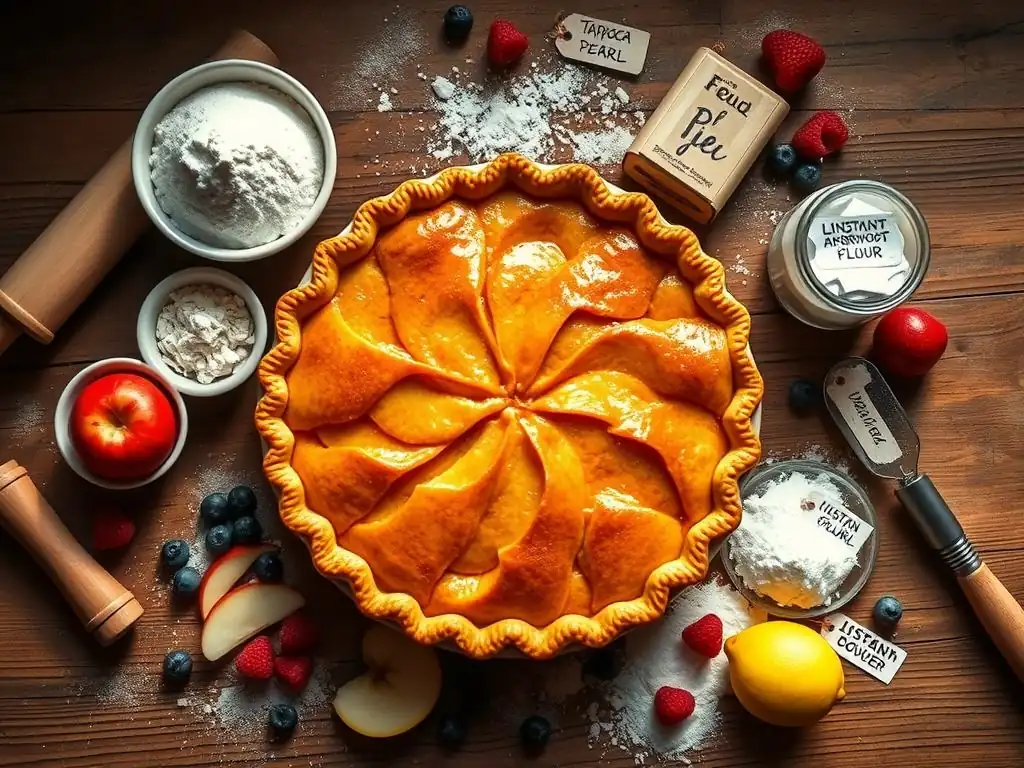
Welcome to BakeWithEase, your haven for effortless baking! Ever wondered which fruit pie thickener will truly elevate your pastry masterpiece? Dive in as we unravel the secrets to achieving the perfect consistency in your fruit pies, exploring different options and their impact on flavor and texture. Prepare to bake with confidence and create pies that are simply irresistible!
- Guide to Fruit Pie Thickeners: Choosing the Right One
- Understanding Fruit Pie Thickeners for Delicious Pies
- Exploring Fruit Pie Thickener Options: A Detailed Guide
- Choosing the Best Fruit Pie Thickener for Your Recipe
- Troubleshooting Fruit Pie Thickening Issues
- Tips for Perfect Fruit Pie Fillings
- Fruit Pie Thickener Conversion Chart: A Useful Reference
- Delicious Fruit Pie Recipes Using Different Thickeners
- Mastering Fruit Pie Baking: The Key is the Right Thickener
-
Frequently Asked Questions
- What are the most common fruit pie thickener options available?
- How does cornstarch affect the final consistency of a fruit pie filling?
- What is the benefit of using tapioca starch as a fruit pie thickener?
- When should I choose flour as my fruit pie thickener instead of other options?
- Is there a ratio I should follow when substituting thickeners in a fruit pie recipe?
- Final Reflection: The Sweet Science of Pie Perfection
- Unlock Your Perfect Pie: Take the Next Step!
Guide to Fruit Pie Thickeners: Choosing the Right One
Understanding Fruit Pie Thickeners for Delicious Pies
Why Use a Thickener in Fruit Pies?
Fruit, whether fresh or frozen, naturally contains a significant amount of water. As a fruit pie bakes in the oven, the heat causes the cell walls of the fruit to break down, releasing these natural juices. Without the addition of a thickening agent, this released liquid would result in a watery, runny filling that could potentially make the bottom pie crust soggy and unpleasant. Imagine slicing into a beautiful pie only to have a pool of liquid spill out – a thickener prevents this by binding with the excess moisture, creating a cohesive, sliceable filling.
Using a thickener is crucial for achieving the desired texture and structure in your fruit pie. It ensures that the filling sets properly, holding its shape when sliced, and remains nestled within the crust. The right thickener not only prevents a soggy bottom but also contributes to the overall mouthfeel and enjoyment of the pie, providing a smooth, luscious filling that complements the tender fruit and flaky crust. Exploring different fruit pie thickener options allows bakers to control the final outcome, tailoring the filling's consistency to their preference and the specific fruit being used.
Achieving the Ideal Consistency in Fruit Pie Fillings
The ideal consistency for a fruit pie filling is one that is thick enough to hold its shape when sliced but still retains a pleasant, slightly yielding texture, allowing the natural fruit flavors to shine through. It shouldn't be too runny, which leads to soggy crusts, nor should it be overly stiff or gummy, which can detract from the fruit's natural appeal. Achieving this balance depends heavily on selecting the appropriate fruit pie thickener options and using the correct quantity for the amount and type of fruit in your recipe.
Different thickeners interact with fruit juices and heat in unique ways, producing varying levels of clarity, gloss, and texture in the final filling. For instance, some thickeners create a clear, shiny filling, while others result in a more opaque or cloudy appearance. Understanding these characteristics helps bakers choose the best thickener for their specific pie, ensuring the filling is not just thickened, but perfectly set with a delightful consistency that enhances the overall dessert. Careful measurement and consideration of the fruit's natural juiciness are key steps in mastering this aspect of pie making.
Exploring Fruit Pie Thickener Options: A Detailed Guide
Cornstarch: A Widely Used Fruit Pie Thickener
Cornstarch is perhaps one of the most common and readily available thickeners found in kitchens, making it a popular choice among the various fruit pie thickener options. It's derived from corn and is known for its strong thickening power when heated. When mixed with a cold liquid to form a slurry and then cooked, cornstarch granules swell and burst, absorbing liquid and creating a thick, somewhat opaque mixture. It's particularly effective for fillings that will be cooked at high temperatures, like those in a baked pie.
However, cornstarch does have some characteristics to consider. It produces a filling that is slightly cloudy and can sometimes have a slightly starchy mouthfeel if too much is used. Another potential issue is "weeping," where the filling can release liquid after cooling, especially if the pie is refrigerated or sits for a long time. Despite these points, its accessibility and effectiveness make it a reliable option for many fruit pie recipes, particularly when a very firm set is desired.
How to Use Cornstarch in Fruit Pie Fillings
To use cornstarch as a fruit pie thickener, it's essential to first create a slurry by whisking it with a small amount of cold liquid (usually water or fruit juice from the recipe) until smooth. This prevents lumps from forming when it's added to the warmer fruit mixture. A common ratio is about 2 tablespoons of cornstarch per 4-5 cups of fruit, though this can vary based on the fruit's juiciness. The slurry is then mixed with the fruit and sugar before being placed in the pie crust.
It's crucial that the cornstarch-thickened filling reaches a sufficient temperature during baking for the thickening action to fully occur. This typically means the filling needs to bubble and thicken in the center of the pie. Baking until the crust is golden brown and the filling is visibly bubbling ensures the cornstarch has done its job, resulting in a properly set fruit pie filling that holds its shape when sliced.
Pros and Cons of Using Cornstarch
Using cornstarch offers several advantages for thickening fruit pies. It's widely available and relatively inexpensive. It provides a very strong thickening power, capable of setting even very juicy fillings firmly. It also works well in recipes that require high baking temperatures, common for pies. For those looking for reliable fruit pie thickener options, cornstarch is a go-to for many.
However, there are downsides. Cornstarch produces a cloudy or opaque filling, which might not be desired for all fruits. It can also give the filling a slightly starchy texture or taste if overused. As mentioned, it can cause weeping upon cooling, potentially leading to a watery layer in the pie after refrigeration. Despite these drawbacks, its effectiveness makes it a solid choice for many home bakers.
- Pros:
- Widely available and inexpensive.
- Strong thickening power.
- Works well at high baking temperatures.
- Cons:
- Produces a cloudy/opaque filling.
- Can have a starchy texture if overused.
- May cause weeping upon cooling.
Tapioca: A Popular Choice for Fruit Pies
Tapioca is another excellent option among the various fruit pie thickener options, particularly favored for its ability to create clear, glossy fillings. Derived from the cassava root, tapioca starch comes in different forms, including pearls, flakes, and instant (quick-cooking) granules or powder. For pie fillings, instant tapioca or tapioca starch (finely ground) is most commonly used as it dissolves and thickens effectively during the baking process. It's often considered superior to cornstarch for its ability to handle acidic fruits and its resistance to weeping.
Tapioca starch swells when heated in the presence of liquid, much like cornstarch, but it generally produces a more translucent and shiny result. This makes it visually appealing, allowing the natural color of the fruit to show through beautifully. It works exceptionally well with juicy fruits like berries, peaches, and plums, helping to create a perfectly set filling that is both stable and visually appealing.
Using Tapioca Starch in Pie
When using instant tapioca or tapioca starch as a fruit pie thickener, it's typically mixed directly with the fruit, sugar, and any other spices in the filling before being placed in the pie crust. For instant tapioca granules, it's often recommended to let the fruit mixture sit for 15-30 minutes before baking. This allows the tapioca to begin absorbing some of the fruit juices, which helps prevent a grainy texture in the final pie. A general guideline is to use about 2-4 tablespoons of instant tapioca per 4-5 cups of fruit, adjusting based on the fruit's juiciness.
Tapioca starch (the finely ground powder) can also be used and generally doesn't require a resting period, acting more similarly to cornstarch but yielding a clearer result. It's important to ensure the pie bakes long enough for the tapioca to fully hydrate and thicken the filling. Look for the filling to be bubbling in the center, indicating it has reached the necessary temperature.
Pros and Cons of Tapioca as a Thickener
Tapioca offers several compelling reasons to choose it as a fruit pie thickener. Its primary advantage is producing a clear, glossy filling that beautifully showcases the fruit. It's also less prone to weeping than cornstarch, making it a good choice if the pie needs to sit for a while or be refrigerated. Tapioca handles acidic fruits well and gives the filling a pleasant, slightly chewy texture. These qualities make it a preferred option for many when considering fruit pie thickener options.
On the downside, instant tapioca granules can sometimes result in a slightly "bumpy" or grainy texture if not allowed to soften adequately in the fruit juices before baking, or if the pie isn't baked long enough. Tapioca starch, while smoother, might require slightly different quantities than instant tapioca. While widely available, it might be slightly less common than cornstarch in some areas.
- Pros:
- Creates a clear, glossy filling.
- Less prone to weeping than cornstarch.
- Handles acidic fruits well.
- Gives a pleasant texture.
- Cons:
- Instant granules can be slightly grainy if not pre-soaked or baked long enough.
- Requires specific forms (instant or starch) for best results in pies.
All-Purpose Flour: A Traditional Fruit Pie Thickener
All-purpose flour is a classic, traditional choice among the various fruit pie thickener options, often used in older recipes, particularly for apple pies. It's always readily available in any kitchen and is simple to use. Flour thickens by absorbing liquid as it heats, but it requires a longer cooking time than cornstarch or tapioca to ensure the raw flour taste is cooked out and the thickening reaches its full potential.
Compared to other thickeners, flour provides a more opaque, cloudy filling. It also doesn't thicken as powerfully gram for gram as cornstarch or tapioca, meaning you typically need to use more flour to achieve a similar level of thickness. Despite this, its ease of use and ability to create a stable, albeit opaque, filling make it a reliable choice, especially for fruits where a clear filling isn't a priority.
How to Use All-Purpose Flour for Thickening Fruit Pie
Using all-purpose flour as a fruit pie thickener is straightforward. It's usually combined directly with the sugar, spices, and fruit before being put into the pie shell. A common guideline is to use about 1/4 to 1/2 cup of all-purpose flour for every 4-5 cups of fruit, depending on the juiciness of the fruit and desired thickness. Mixing it thoroughly with the sugar first helps to disperse the flour and prevent lumps.
Because flour needs sufficient time and temperature to cook out its raw flavor and fully thicken, it's particularly well-suited for fruits that require a longer baking time, like apples. Ensuring the pie bakes until the filling is visibly bubbling and the crust is deeply golden brown is key to activating the flour's thickening power and ensuring a pleasant flavor.
Pros and Cons of All-Purpose Flour in Fruit Pie
The main advantage of using all-purpose flour as a fruit pie thickener is its universal availability and low cost. It's a simple ingredient that most people already have on hand. It also creates a stable filling that doesn't tend to weep significantly, making it a dependable, traditional choice for many home bakers exploring fruit pie thickener options.
However, flour has distinct disadvantages. It produces a cloudy, opaque filling, which might not be aesthetically pleasing for vibrant fruits like berries. It also requires using a larger quantity compared to cornstarch or tapioca to achieve the same thickening effect. Furthermore, it needs adequate baking time to prevent a raw, pasty flavor, which can be a concern with fruits that cook quickly.
- Pros:
- Universally available and inexpensive.
- Simple to use.
- Creates a stable filling.
- Cons:
- Produces a cloudy/opaque filling.
- Requires larger quantities than other thickeners.
- Needs sufficient baking time to cook out raw flavor.
Arrowroot Powder: A Clear and Glossy Option
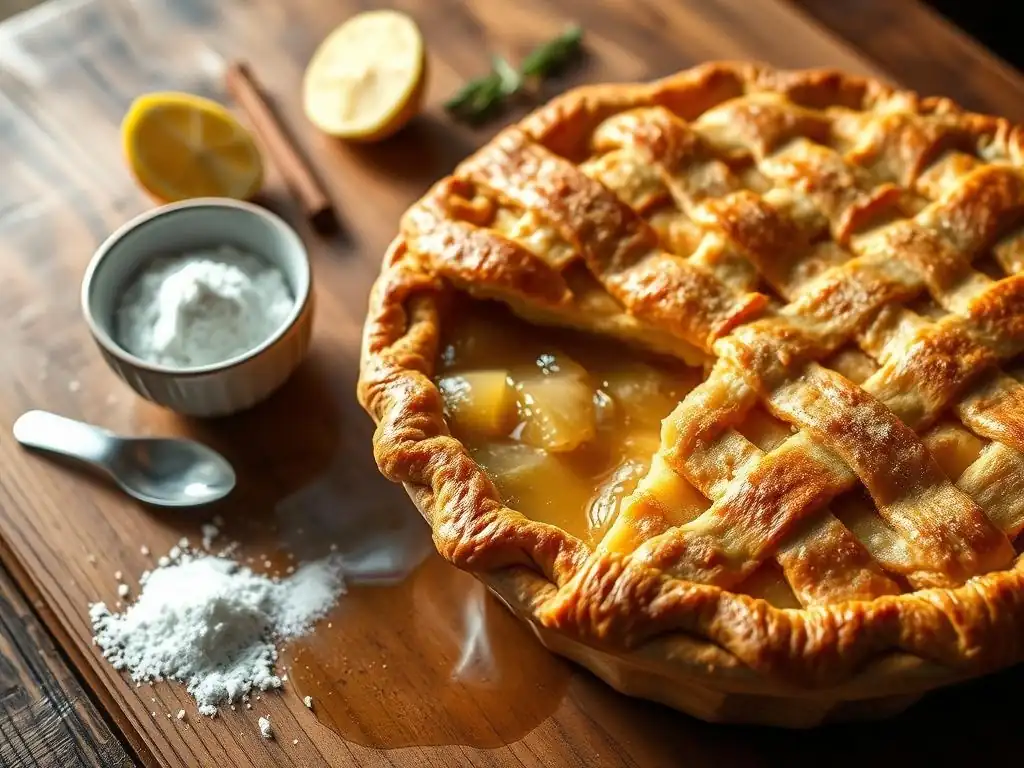
Arrowroot powder is a less common but highly effective choice among fruit pie thickener options, prized for its ability to create brilliantly clear, glossy fillings. Like tapioca, it's derived from a root (the arrowroot plant) and provides a smooth, translucent texture that beautifully showcases the fruit's color and appeal. It thickens at a lower temperature than cornstarch and produces a very clear result, making it ideal for fillings where visual appeal is important.
One unique property of arrowroot is its sensitivity to high heat and prolonged cooking; boiling it for too long can cause its thickening power to diminish. For this reason, it's often added towards the end of the cooking process for stovetop fillings, but it can work well in baked pies if managed correctly, particularly those with shorter baking times or fruits that cook quickly.
Using Arrowroot for Fruit Pie Filling
When using arrowroot powder as a fruit pie thickener, it's typically whisked into a cold liquid (like water or juice) to form a slurry before being combined with the fruit and sugar. A general guideline is to use about 1-2 tablespoons of arrowroot powder per 4-5 cups of fruit, which is roughly half the amount of flour you might use. Because it thickens at a lower temperature, it's important not to overbake the pie, as prolonged high heat can break down its thickening ability.
For baked pies, mixing the arrowroot slurry with the fruit before filling the crust works well. The filling should reach a gentle simmer during baking to activate the thickener. Arrowroot results in a very smooth, non-starchy texture and is less prone to weeping than cornstarch, providing a stable and visually appealing filling.
Pros and Cons of Arrowroot Powder
Arrowroot powder offers significant benefits as a fruit pie thickener, most notably its ability to create exceptionally clear and glossy fillings that make fruit pies visually stunning. It also provides a smooth, non-starchy texture and is less likely to cause weeping compared to cornstarch. These attributes make it a premium choice among fruit pie thickener options when clarity and texture are top priorities.
However, arrowroot is generally more expensive than cornstarch or flour and might be less readily available in standard grocery stores. Its sensitivity to prolonged high heat means it can lose its thickening power if the pie is overbaked or held at high temperatures for too long. It's also not recommended for use with dairy, as it can become slimy.
- Pros:
- Creates exceptionally clear and glossy fillings.
- Smooth, non-starchy texture.
- Less prone to weeping.
- Cons:
- More expensive and potentially less available.
- Sensitive to prolonged high heat (can lose thickening power).
- Not suitable for dairy fillings.
Instant ClearJel: A Convenient Option
Instant ClearJel is a modified cornstarch and a favorite among commercial bakers and canners, increasingly popular for home bakers seeking reliable fruit pie thickener options. Unlike regular cornstarch, it thickens without heat, simply by absorbing liquid. This makes it incredibly convenient for stovetop fillings or recipes where you want to control the thickness precisely before baking. For baked pies, it's also highly stable, resisting breakdown during baking and refrigeration.
ClearJel produces a filling that is clear and glossy, similar to tapioca and arrowroot, but it is more stable under acidic conditions and high temperatures than natural starches. It's particularly excellent for very juicy fruits and is often recommended for pies that will be frozen, as it maintains its texture better through freeze-thaw cycles than other thickeners.
Benefits of Using Instant ClearJel
The primary benefit of using Instant ClearJel as a fruit pie thickener is its ease of use and reliability. It thickens instantly upon contact with liquid, allowing bakers to see the final consistency before the pie even goes into the oven. This makes adjusting the thickness much simpler. It produces a clear, glossy filling that is stable across a wide range of temperatures, including during baking, cooling, and refrigeration.
Instant ClearJel is also resistant to acidity and shear (mixing), meaning it won't break down or become watery like some other starches can under those conditions. It works exceptionally well with very juicy fruits and is often the preferred thickener for canned pie fillings because of its stability during processing. For home bakers looking for a foolproof option among fruit pie thickener options, Instant ClearJel is hard to beat.
Pros and Cons of Instant ClearJel
Instant ClearJel is highly praised for its reliability, producing consistently clear, glossy, and stable fruit pie fillings. It thickens instantly without heat, making it easy to use and adjust. It withstands high temperatures, acidity, and freezing without losing its thickening power or developing a starchy texture. These qualities make it an excellent choice for both fresh-baked and make-ahead pies.
The main drawback of Instant ClearJel is its availability; it's often found in specialty baking stores or online, rather than standard supermarkets. It can also be more expensive than other thickeners. While generally considered safe, some bakers prefer to use less processed, natural thickeners. Despite these minor points, its performance makes it a top contender.
- Pros:
- Thickens instantly without heat.
- Creates clear, glossy, stable fillings.
- Withstands high heat, acidity, and freezing.
- Reliable and consistent results.
- Cons:
- Less available than common thickeners.
- Can be more expensive.
Choosing the Best Fruit Pie Thickener for Your Recipe
Considering the Type of Fruit in Your Pie
The type of fruit you are using is perhaps the most significant factor in selecting the best fruit pie thickener options. Fruits vary greatly in their natural juiciness and acidity. For example, berries like blueberries and raspberries release a lot of liquid when heated, requiring a robust thickener. Fruits like apples and cherries also release juice but might benefit from different thickeners depending on the desired final texture.
Very juicy fruits, such as berries, peaches, and plums, often benefit most from tapioca or Instant ClearJel, which handle high moisture content and acidity well while producing a clear, appealing filling. Less juicy fruits, like firm apples, can work effectively with flour or cornstarch, although cornstarch still offers stronger thickening power than flour. Consider whether you want a clear or opaque filling, as this will narrow down your choices considerably.
Adjusting Thickener Amounts Based on Fruit Juiciness
Not all batches of the same fruit will have the exact same juiciness, and this variability means you often need to adjust the amount of thickener used. Fresh, ripe summer berries will likely require more thickener than firmer, less ripe ones. Frozen fruit, which releases a significant amount of water as it thaws and heats, almost always requires more thickener than fresh fruit.
As a general rule of thumb when exploring fruit pie thickener options, start with the recommended amount for your chosen thickener (e.g., 2-4 tablespoons tapioca or 1/4 cup flour per 4-5 cups fruit) and then consider adding slightly more if using particularly juicy or frozen fruit. It's often better to err on the side of slightly too much thickener than too little, as an overly runny pie is harder to salvage. Experience with different fruits and thickeners will help you fine-tune your measurements over time.
Factors to Consider When Selecting a Thickener
Beyond the type and juiciness of the fruit, several other factors influence the choice of fruit pie thickener options. Consider the desired appearance of the filling: do you want it clear and glossy (tapioca, arrowroot, ClearJel) or is an opaque filling acceptable (cornstarch, flour)? Think about the desired texture: some thickeners like tapioca can add a slight chewiness, while others like arrowroot are very smooth.
Also, consider how the pie will be served and stored. If it needs to hold up well when sliced, especially if refrigerated, thickeners like tapioca or ClearJel that are resistant to weeping are good choices. Availability and cost are also practical considerations. Finally, think about your own experience level and preference; some thickeners like Instant ClearJel are very forgiving, while others might require a bit more careful handling.
- Key Factors:
- Type and juiciness of fruit
- Desired filling clarity (clear vs. opaque)
- Desired filling texture (smooth, slightly chewy, etc.)
- Need for stability (refrigeration, freezing)
- Availability and cost
- Ease of use
Troubleshooting Fruit Pie Thickening Issues
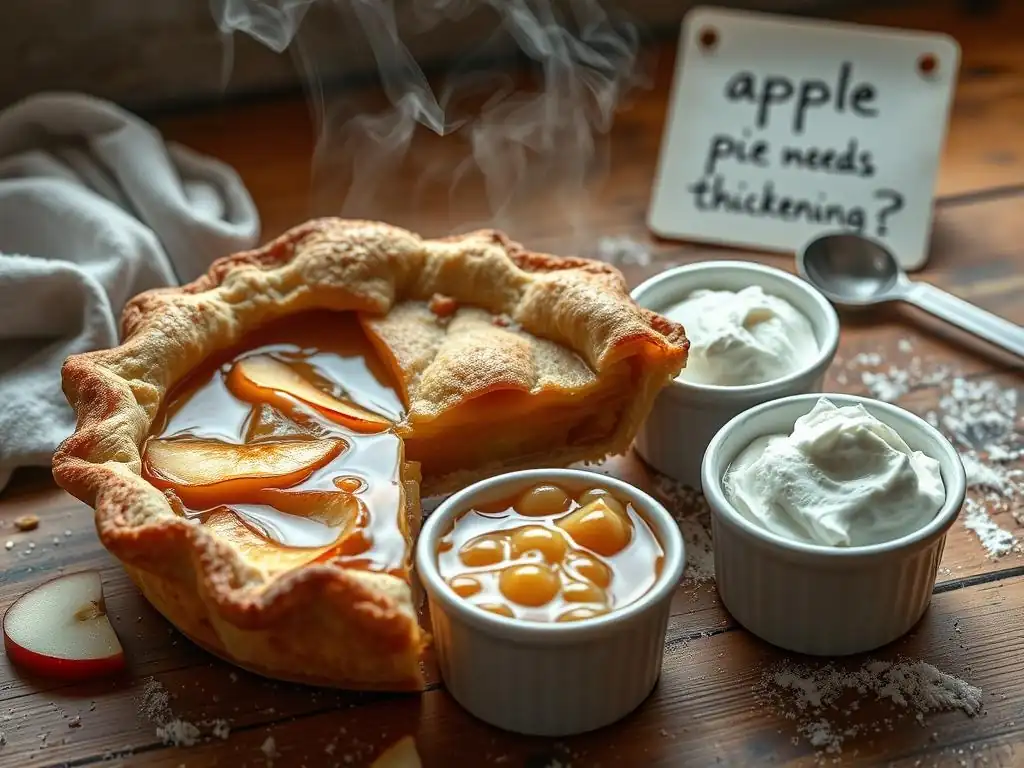
Runny Fruit Pie Filling: Causes and Solutions
A runny fruit pie filling is a common frustration for bakers, often resulting in a soggy bottom crust. The primary cause is insufficient thickener for the amount of juice released by the fruit. This can happen if the fruit was juicier than anticipated, if not enough thickener was added initially, or if the thickener wasn't properly activated during baking (e.g., pie didn't bake long enough for the filling to bubble). Using frozen fruit without increasing the thickener is a frequent culprit.
To prevent a runny filling, always use the recommended amount of your chosen fruit pie thickener options for the volume of fruit, and consider adding a bit extra for very juicy or frozen fruits. Ensure the pie bakes until the filling is actively bubbling in the center – this indicates the thickener has reached the necessary temperature to set.
If you discover your baked pie is runny after cooling, you can sometimes scoop out the filling, reheat it gently on the stovetop with a slurry of the same thickener (or a different one, like cornstarch or ClearJel), cook until thickened, and then return it to the pie shell (which you might need to re-crisp).
Overly Thick Fruit Pie Filling: How to Fix It
While less common than a runny filling, an overly thick or gummy fruit pie filling can also be disappointing. This usually occurs when too much thickener was added or if the fruit wasn't particularly juicy. Using too much cornstarch or flour can result in a pasty or heavy texture, while too much tapioca can sometimes be slightly rubbery.
Unfortunately, it's harder to fix an overly thick baked pie filling than a runny one. Prevention is key: start with the recommended amount of your chosen fruit pie thickener options and adjust based on the fruit. If you suspect you've added too much, you can sometimes add a splash more liquid (like fruit juice or water) to the fruit mixture before baking, though this requires careful judgment.
If the pie is already baked and too thick, there's little you can do to thin the filling without compromising the crust. Serving it with a sauce or cream can help balance the texture.
Preventing a Gummy Texture in Your Fruit Pie
A gummy texture in a fruit pie filling is often linked to certain thickeners, particularly cornstarch or flour, when used in excessive amounts or not cooked properly. Over-mixing the filling once the thickener is added can also sometimes contribute, especially with starch-based thickeners. With tapioca, a slightly grainy or gummy texture can occur if the instant granules don't soften sufficiently before baking or if the pie isn't baked long enough for them to fully dissolve and thicken.
To prevent a gummy texture when using fruit pie thickener options like cornstarch or flour, avoid using too much. For cornstarch, ensure it's mixed into a smooth slurry before adding and that the filling bubbles sufficiently during baking. For tapioca, if using instant granules, let the fruit mixture sit for 15-30 minutes before filling the pie. Always ensure the pie bakes fully, with the filling visibly bubbling in the center, to ensure the thickener is properly activated and integrated, resulting in a smooth, set filling.
Tips for Perfect Fruit Pie Fillings
Preparing Your Fruit Pie Filling for Optimal Thickening
Proper preparation of your fruit is the first step toward a perfectly thickened pie filling. Ensure your fruit is washed, peeled (if necessary), and cut into uniform pieces. Uniform pieces allow the fruit to cook evenly, releasing juices consistently. If using frozen fruit, it's often best to thaw it partially or fully and drain off some of the excess liquid before combining it with the thickener, or significantly increase the amount of thickener to account for the extra moisture.
Mixing your chosen fruit pie thickener options thoroughly with the sugar and spices before adding them to the fruit helps ensure even distribution and prevents pockets of dry thickener. Gently tossing the fruit with this mixture ensures each piece is coated, leading to uniform thickening throughout the filling. Avoid over-mixing once the thickener is added, as this can sometimes affect the final texture, particularly with starch-based thickeners.
Adding Flavor Enhancers to Your Fruit Pie Filling
While the fruit is the star, adding flavor enhancers elevates your fruit pie filling from good to great. Sugar is essential not only for sweetness but also because it interacts with thickeners and helps draw out fruit juices. Spices like cinnamon, nutmeg, cloves, or ginger are classic additions, especially for apple, peach, and pear pies. A pinch of salt can enhance the overall flavor profile.
Consider adding a splash of lemon juice, especially to sweeter or less acidic fruits; the acidity brightens the flavor and can also help some thickeners (like tapioca and ClearJel) perform better. Extracts like vanilla or almond can add depth. A tablespoon of butter dotted over the top of the filling before adding the top crust adds richness and helps create a beautiful, bubbly surface as it melts into the fruit. Experimenting with these additions alongside your chosen fruit pie thickener options allows you to customize your perfect pie.
Baking Techniques for Perfectly Set Fruit Pies
Beyond selecting the right fruit pie thickener options and preparing the filling, proper baking techniques are vital for a perfectly set fruit pie. Always preheat your oven to the correct temperature (typically between 375°F and 425°F, depending on the recipe). Baking at a sufficiently high temperature helps set the bottom crust and ensures the filling reaches the temperature needed to activate the thickener.
Place the pie on a baking sheet to catch any drips. Many bakers start the pie at a higher temperature (e.g., 425°F) for the first 15-20 minutes to help set the bottom crust, then reduce the temperature (e.g., to 375°F or 350°F) for the remainder of the baking time. Use a pie shield or foil around the edges of the crust to prevent them from burning before the rest of the pie is done.
Bake until the crust is golden brown and, most importantly, the filling is visibly bubbling vigorously in the center. This bubbling indicates the thickener has done its job. Allow the pie to cool completely on a wire rack (often for 2-4 hours, or even longer for very juicy pies) before slicing; the filling continues to set as it cools.
Fruit Pie Thickener Conversion Chart: A Useful Reference
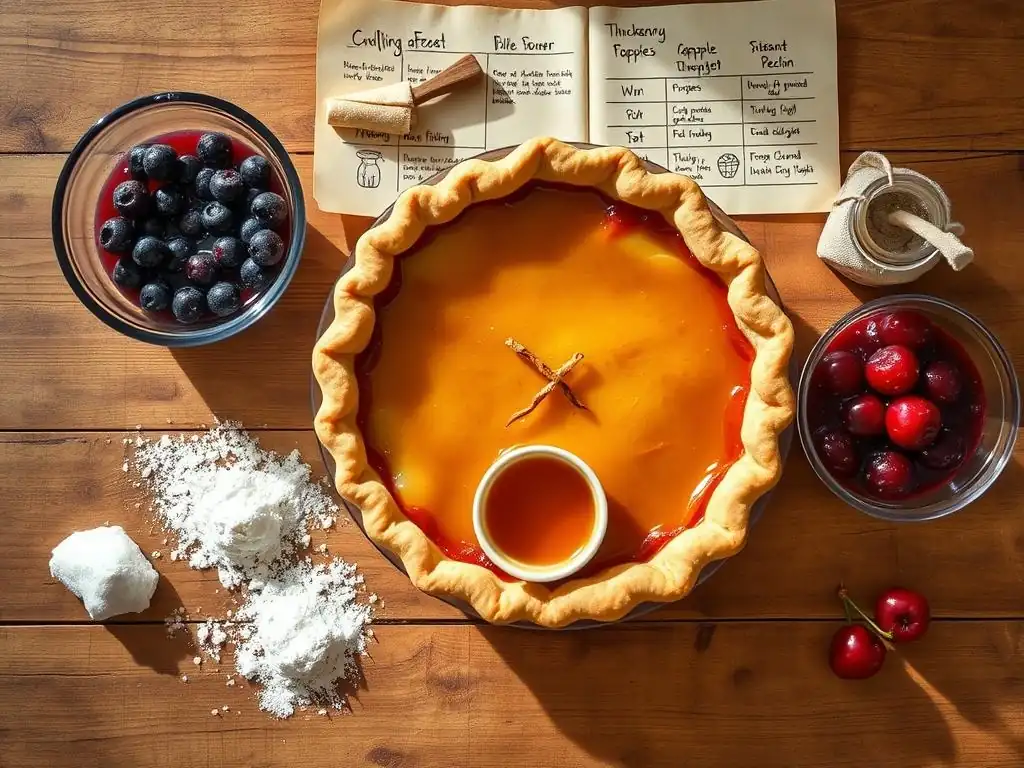
Choosing the right fruit pie thickener options can be made easier with a general idea of how much of each to use. Keep in mind these are approximations for about 4-5 cups of fruit and may need adjustment based on juiciness.
| Thickener | Approximate Amount (per 4-5 cups fruit) | Filling Clarity | Texture Notes | Best For: |
|---|---|---|---|---|
| All-Purpose Flour | 1/4 to 1/2 cup | Opaque/Cloudy | Stable, slightly heavy | Apples, traditional recipes |
| Cornstarch | 2 to 3 tablespoons | Cloudy | Firm set, can weep | General use, firm set needed |
| Tapioca (Instant) | 2 to 4 tablespoons | Clear/Glossy | Slightly chewy | Juicy fruits (berries, peaches) |
| Arrowroot Powder | 1 to 2 tablespoons | Very Clear/Glossy | Smooth, non-starchy | Visually appealing pies, less juicy fruits |
| Instant ClearJel | 2 to 4 tablespoons | Clear/Glossy | Stable, consistent | Very juicy fruits, freezing, canning |
- Note: These are starting points. Always check your specific recipe and adjust based on the juiciness of your fruit. Frozen fruit typically requires slightly more thickener than fresh.
Delicious Fruit Pie Recipes Using Different Thickeners
Apple Pie Recipe Using Cornstarch
For a classic apple pie with a reliable, firm filling, cornstarch is an excellent choice among fruit pie thickener options. Start with about 6 cups of sliced apples (such as Granny Smith or Honeycrisp). Toss the apples with 3/4 cup sugar, 1 teaspoon cinnamon, 1/4 teaspoon nutmeg, a pinch of salt, and 2 tablespoons of cornstarch that has been whisked with 2 tablespoons of cold water to form a slurry.
Pour the apple mixture into your prepared bottom pie crust. Dot the top with a few small pieces of butter (optional). Cover with the top crust, crimp the edges, and cut vents. Bake at 425°F for 15 minutes, then reduce heat to 375°F and bake for another 35-45 minutes, or until the crust is golden brown and the filling is bubbling thickly in the center vents. Allow to cool for at least 2-3 hours before slicing.
Berry Pie Recipe Using Tapioca
Tapioca is perfect for juicy berry pies, creating a beautiful, clear filling. Combine about 5-6 cups of mixed berries (like blueberries, raspberries, and blackberries). Gently toss the berries with 1/2 to 3/4 cup sugar (depending on berry sweetness), 1 tablespoon lemon juice, and 3 tablespoons of instant tapioca granules. Let the mixture sit for about 15-20 minutes to allow the tapioca to begin softening and absorbing juices.
Pour the fruit mixture into your prepared bottom pie crust. Dot with butter if desired. Top with a lattice or full crust, crimp edges, and vent. Bake at 400°F for about 50-60 minutes, or until the crust is golden and the filling is bubbling vigorously, especially in the center. Cool completely for 3-4 hours to allow the tapioca to fully set. This showcases how fruit pie thickener options like tapioca handle high moisture.
Peach Pie Recipe Using All-Purpose Flour
A traditional peach pie often uses all-purpose flour for a comforting, slightly opaque filling. Use about 5-6 cups of sliced, peeled peaches. Toss the peaches with 1/2 to 3/4 cup sugar, 1/4 teaspoon almond extract (optional), 1/2 teaspoon cinnamon, and 1/4 cup all-purpose flour. Ensure the flour is well distributed by mixing it thoroughly with the sugar first.
Pour the peach mixture into your prepared bottom pie crust. Dot with butter. Cover with a top crust, crimp, and vent. Bake at 425°F for 15 minutes, then reduce to 375°F for another 30-40 minutes, or until the crust is golden brown and the filling is bubbling. Because flour needs longer to cook, ensure it bubbles well. Cool for at least 2-3 hours before slicing to allow the flour-thickened filling to set properly.
Mastering Fruit Pie Baking: The Key is the Right Thickener
Choosing the right thickener is a fundamental step in mastering fruit pie baking. Each of the fruit pie thickener options discussed – cornstarch, tapioca, flour, arrowroot, and Instant ClearJel – brings unique properties to your filling, affecting its texture, clarity, and stability. Understanding these differences allows you to make informed decisions based on the specific fruit you're using and the desired outcome for your pie.
From preventing a soggy bottom crust to achieving that perfect, sliceable consistency, the thickener plays a vital role. Experimenting with different thickeners and adjusting quantities based on the juiciness of your fruit will build your confidence and skill. With a little practice and attention to detail, you'll be creating beautiful, perfectly set fruit pies that are a joy to bake and even more delightful to share. Happy baking!
Frequently Asked Questions
What are the most common fruit pie thickener options available?
The most common options include cornstarch, tapioca starch, and flour. Each offers a slightly different texture and clarity to the filling.
How does cornstarch affect the final consistency of a fruit pie filling?
Cornstarch creates a clear and glossy filling. However, it can become gummy if overcooked or used with highly acidic fruits.
What is the benefit of using tapioca starch as a fruit pie thickener?
Tapioca starch creates a gel-like consistency and is less likely to turn gummy than cornstarch. It also provides a slightly chewy texture.
When should I choose flour as my fruit pie thickener instead of other options?
Flour is a good option when you want a more opaque and rustic filling. It's best used with fruits that don't release excessive juice.
Is there a ratio I should follow when substituting thickeners in a fruit pie recipe?
Generally, you can substitute tapioca starch for cornstarch in a 1:1 ratio. Flour typically requires more, around 2 tablespoons for every 1 tablespoon of cornstarch.
Final Reflection: The Sweet Science of Pie Perfection
The quest for the perfect fruit pie filling, a seemingly simple pursuit, reveals a surprisingly complex world of thickening agents. From the subtle nuances of cornstarch to the robust texture provided by tapioca, the choice of thickener profoundly impacts the final product, influencing not only its consistency but also its flavor profile. This seemingly small detail holds the key to unlocking a truly exceptional pie experience.
The exploration of different fruit pie thickeners has highlighted the enduring appeal of traditional baking techniques, a testament to the power of simple ingredients to create something truly extraordinary. The subtle interplay between starch and fruit, the careful balance of sweetness and tartness, all contribute to a culinary experience that transcends mere sustenance. As Julia Child wisely said, Find something you're passionate about and keep tremendously interested in it.
For many, that passion lies in the art of pie-making, and understanding the role of thickeners is a crucial step in mastering this craft.
So, the next time you find yourself facing a bowl of ripe, juicy fruit, ready to be transformed into a delectable pie, remember the lessons learned here. Don't just reach for the first thickener you see; consider the unique properties of each, and choose the one that best suits your vision. Experiment, explore, and discover the joy of creating a pie that is not only delicious but also a reflection of your own culinary creativity. The perfect pie awaits – go forth and bake!
Unlock Your Perfect Pie: Take the Next Step!
Thanks for joining us on this delicious journey into the world of fruit pie thickeners! You've now got the knowledge to create flawlessly set pies every time. Ready to put your new skills to the test?
- Bake your dream pie today! Grab your favorite fruit and the thickener you learned about, and let's get baking. Experiment with different combinations and share your results!
- Share your pie-making triumph! Show off your delicious creation on social media – tag us @BakeWithEase (imaginary social media handle). Let's inspire other bakers!
- Explore our other baking guides: Dive deeper into the BakeWithEase world and discover more tips and tricks for creating amazing desserts.
What unique fruit filling will you create with your newfound pie-thickening expertise?