
Creative Twists on Classic Baked Desserts

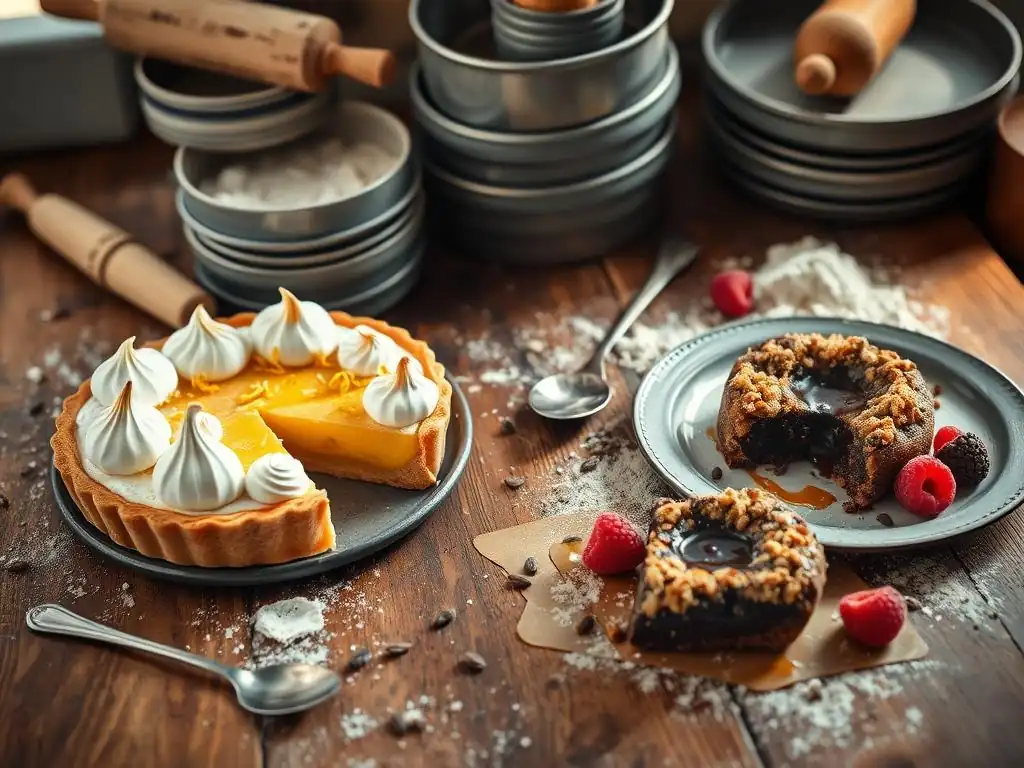
Welcome to BakeWithEase, where baking becomes a delightful journey! Ever wondered how to elevate your favorite desserts from ordinary to extraordinary? Prepare to unlock a world of flavor with our guide to Easy Classic Dessert Recipe Variations. Discover simple yet impactful tweaks that will transform familiar treats into showstopping creations. Intrigued? Let's explore the delicious possibilities!
- Introduction to Easy Classic Dessert Recipe Variations
- Elevating Classic Cheesecakes: Unique Flavor Combinations
- Reinventing the Brownie: Beyond Basic Chocolate
- Creative Takes on Apple Pie: More Than Just Apples
- Transforming Classic Chocolate Chip Cookies: Beyond the Basics
- Mastering Bread Pudding: From Humble Dessert to Culinary Creation
- Tips for Successful Classic Dessert Recipe Variations
- Conclusion: Unleash Your Creativity in the Kitchen with Easy Classic Dessert Recipe Variations
-
Frequently Asked Questions
- What exactly does "Creative Twists on Classic Baked Desserts" mean?
- Does this article only cover very complicated desserts?
- How can this article from BakeWithEase help me with my baking?
- What kind of dessert variations can I expect to find in this article?
- What if I'm a complete beginner baker, is this article still useful?
- Final Reflection: Reimagining Sweet Traditions
- Unleash Your Inner Baker: Creative Dessert Adventures Await!
Introduction to Easy Classic Dessert Recipe Variations
Baking is a delightful journey, often starting with beloved classics. Think of the comforting familiarity of a warm chocolate chip cookie or a perfectly baked cheesecake slice. While these traditional recipes hold a special place in our hearts (and stomachs! ), there's a whole world of creativity waiting to be explored. Adding a simple twist can transform a familiar favorite into something new and exciting, all while keeping the process surprisingly manageable. Mastering easy classic dessert recipe variations is a fantastic way to expand your baking repertoire and impress friends and family with unique treats.
Exploring these variations doesn't require complex techniques or exotic ingredients. Often, it's about making small, smart changes to a foundational recipe. This could involve swapping out a single ingredient, adding a new flavor dimension, or altering the presentation slightly. The goal is to build upon the reliability of a classic recipe, ensuring success while introducing novelty. This approach makes trying out new ideas less intimidating and more accessible for bakers of all skill levels interested in easy classic dessert recipe variations.
Why Reinvent Classic Baked Desserts? A Baker's Perspective
For passionate bakers, the kitchen is a laboratory of flavor and texture. Reinventing classic baked desserts offers a chance to experiment, learn, and personalize recipes. It's about taking something familiar and giving it your own signature touch, making it truly yours. This process not only hones your skills but also keeps baking fresh and exciting. Instead of just repeating recipes, you're engaging with them creatively, understanding how different ingredients interact and how subtle changes impact the final product. It's an evolution of the baking craft, focused on easy classic dessert recipe variations that are both achievable and rewarding.
Moreover, reinventing classics allows you to cater to specific tastes, dietary needs, or seasonal availability. Perhaps someone loves chocolate chip cookies but wishes they had a hint of spice, or a traditional apple pie could benefit from a richer crust. By exploring easy classic dessert recipe variations, you can tailor desserts to individual preferences or use ingredients that are perfectly in season, enhancing flavor and freshness. It’s about making baking more versatile and responsive, ensuring that every dessert you create is not just delicious but also thoughtful and unique.
BakeWithEase: Your Guide to Baking Innovation
At BakeWithEase, we believe that innovative baking should be accessible to everyone. Our focus is on demystifying the process of adding creative twists to your favorite treats. We provide clear, step-by-step guidance that breaks down how to incorporate new flavors or techniques into established recipes. Whether you're looking to add a swirl of caramel to a cheesecake or introduce a hint of spice to your brownies, our resources are designed to make these easy classic dessert recipe variations simple and stress-free.
We aim to empower you with the knowledge and confidence to experiment in your own kitchen. Our articles and guides offer practical tips on ingredient substitutions, flavor pairing ideas, and simple methods for enhancing texture and presentation. We showcase how small changes can lead to significant and delicious results, proving that exploring easy classic dessert recipe variations is well within reach for any home baker. Let BakeWithEase be your partner in transforming everyday desserts into extraordinary creations.
Elevating Classic Cheesecakes: Unique Flavor Combinations
Cheesecake is a beloved dessert known for its creamy texture and rich flavor. While the classic New York-style cheesecake is a masterpiece on its own, it also serves as a perfect canvas for innovation. Introducing different flavors, crusts, or toppings can transform this traditional dessert into something entirely new and exciting. The beauty of cheesecake variations is that the core baking technique remains consistent, making it relatively easy to experiment with different flavor profiles and textures, exploring easy classic dessert recipe variations within this creamy category.
From fruity swirls to decadent chocolate layers, the possibilities for elevating classic cheesecakes are vast. These variations often involve simple additions to the batter or creative approaches to the crust and topping. For instance, incorporating citrus zest, blending in fruit purées, or swirling in melted chocolate or caramel are straightforward methods that yield impressive results. These techniques allow bakers to explore a wide range of easy classic dessert recipe variations without overhauling the fundamental cheesecake baking process.
Deconstructed Lemon Cheesecake Bars: An Easy Twist
Traditional cheesecakes can sometimes feel intimidating due to their size and the need for a water bath. Deconstructed lemon cheesecake bars offer a delightfully easy alternative. Instead of baking a large, delicate cake, you create individual bars, often with a simple press-in crust made from graham crackers or shortbread. The "deconstructed" aspect often refers to simplifying layers or presenting components separately, but in this context, it's about breaking down the traditional cake into easier-to-handle portions. A standard batch might yield 16-24 bars, perfect for sharing or portion control.
These bars typically feature a tangy lemon-infused cream cheese layer baked over the crust, sometimes topped with a simple lemon curd or a dollop of whipped cream after baking. The baking time is usually shorter than a full cheesecake, often between 20-30 minutes at around 350°F (175°C), making them much quicker from start to finish. This format not only simplifies the baking process but also makes serving effortless, establishing them as a prime example of easy classic dessert recipe variations that are both practical and delicious.
Salted Caramel Swirl Cheesecake: A Sweet and Savory Delight
Combining sweet and salty flavors is a popular trend, and salted caramel swirled into a classic cheesecake batter is a decadent example. This variation starts with a standard creamy cheesecake base, into which ribbons of homemade or high-quality store-bought salted caramel sauce are swirled before baking. The contrast between the smooth, tangy cream cheese and the rich, slightly salty caramel creates a complex and irresistible flavor profile. A typical recipe might use about 1 cup of salted caramel sauce for swirling into the batter of a 9-inch cheesecake.
The process of adding the swirl is straightforward: pour about half the batter into the crust, drizzle some caramel, add the remaining batter, and drizzle more caramel, then gently swirl with a knife or skewer. The cheesecake is then baked as usual. This simple addition transforms a standard cheesecake into a sophisticated dessert, demonstrating how easy classic dessert recipe variations can introduce exciting new dimensions with minimal effort. The result is a visually appealing and intensely flavorful dessert that's sure to be a hit.
Spiced Pumpkin Cheesecake with Gingersnap Crust: A Seasonal Variation
Seasonal ingredients provide excellent inspiration for easy classic dessert recipe variations. Spiced pumpkin cheesecake is a perfect example, particularly popular in the fall. This version incorporates pumpkin purée and warm spices like cinnamon, nutmeg, ginger, and cloves directly into the cheesecake batter. A common ratio might be 1 cup of pumpkin purée per 24 ounces of cream cheese, along with 1-2 teaspoons of mixed spices.
To complement the pumpkin flavor, a crust made from crushed gingersnap cookies instead of graham crackers adds a delightful spicy crunch. Crushing about 2 cups of gingersnaps and mixing with melted butter typically yields enough crust for a 9-inch springform pan. Baking time is similar to a standard cheesecake, perhaps slightly longer due to the added moisture from the pumpkin. This variation beautifully captures the essence of autumn flavors, showcasing how easy classic dessert recipe variations can be tailored to specific seasons or occasions.
Reinventing the Brownie: Beyond Basic Chocolate
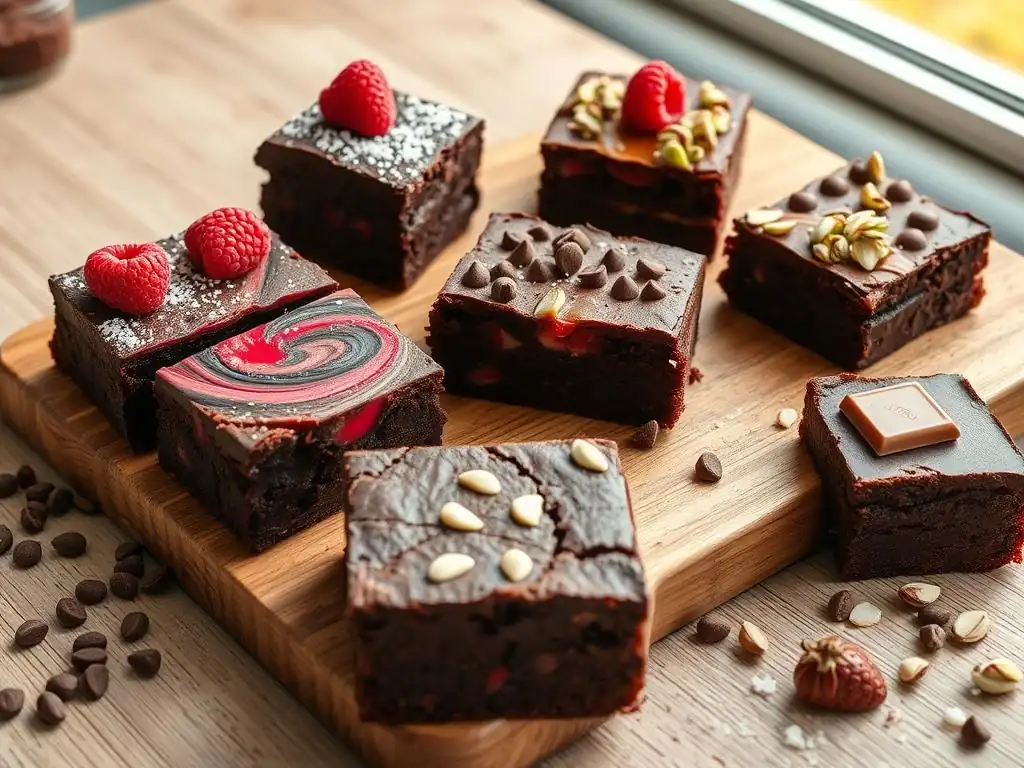
Brownies are a universally loved treat, cherished for their fudgy or cakey texture and intense chocolate flavor. While a classic chocolate brownie is always welcome, their simple structure makes them incredibly adaptable for creative twists. Adding different mix-ins, flavor extracts, or toppings can elevate a basic brownie recipe into something truly special. These easy classic dessert recipe variations are perfect for using up pantry staples or experimenting with new flavor combinations, offering endless possibilities beyond the standard chocolate square.
The beauty of reinventing brownies lies in their forgiving nature. The base recipe provides a sturdy foundation, allowing for the incorporation of various ingredients without drastically altering the outcome. Whether you're stirring in nuts, chips, or candy pieces, or swirling in sauces or frostings, the process remains relatively simple. This makes exploring easy classic dessert recipe variations with brownies an approachable and rewarding endeavor for bakers of all levels.
Espresso Brownies with Chocolate Ganache: A Coffee Lover's Dream
For those who appreciate the pairing of chocolate and coffee, espresso brownies are a revelation. This variation involves adding espresso powder or strong brewed coffee to the brownie batter. A typical recipe might include 1-2 tablespoons of espresso powder dissolved in the liquid component of the batter, or replacing some of the liquid (like milk or water) with strong coffee. This addition deepens the chocolate flavor and adds a subtle, sophisticated coffee note that isn't overpowering but distinctly present.
To take it a step further, topping the cooled brownies with a rich chocolate ganache (a simple mixture of melted chocolate and hot cream) adds an extra layer of indulgence. A standard ganache for topping a 9x13 inch pan of brownies might use 8 ounces of chocolate and 1 cup of heavy cream. This easy classic dessert recipe variation elevates the humble brownie into a gourmet treat, perfect for pairing with a cup of coffee.
Peanut Butter Cup Brownies: A Classic Combination
Few flavor combinations are as beloved as chocolate and peanut butter. Incorporating peanut butter cups into brownies is a straightforward and incredibly popular variation. This twist involves chopping up miniature or standard-sized peanut butter cups and folding them into the brownie batter just before baking, or pressing them into the top of the batter once it's in the pan. Using about 1-1.5 cups of chopped peanut butter cups for a standard batch of brownies ensures plenty of sweet and salty pockets throughout.
Alternatively, you can swirl peanut butter through the chocolate batter before baking. Warm about 1/2 cup of peanut butter slightly to make it pourable, dollop it over the batter in the pan, and swirl gently with a knife. This method creates beautiful marbled patterns and distributes the peanut butter flavor more evenly. Both approaches are simple ways to create delicious easy classic dessert recipe variations that combine two favorite flavors.
Red Velvet Brownies with Cream Cheese Frosting: A Colorful Update
Red velvet cake is known for its distinctive red hue, subtle cocoa flavor, and pairing with tangy cream cheese frosting. Applying this concept to brownies results in a visually striking and delicious variation. Red velvet brownies typically use cocoa powder, red food coloring (or beet powder for a natural option), and often a touch of vinegar or buttermilk to replicate the classic red velvet flavor profile, though often less pronounced than in a cake. About 1/4 cup of cocoa powder and 1-2 tablespoons of red food coloring (or equivalent natural coloring) might be used in a standard recipe.
The essential accompaniment is a swirl or layer of cream cheese frosting. A simple frosting made from cream cheese, butter, powdered sugar, and vanilla can be swirled into the batter before baking (for a baked-in swirl) or spread generously over the cooled brownies. This combination of the rich, slightly tangy brownie base and the sweet, creamy frosting makes for a delightful twist, showcasing how easy classic dessert recipe variations can be achieved through color and complementary flavors.
Creative Takes on Apple Pie: More Than Just Apples
Apple pie is the quintessential comfort dessert, but its simple structure of fruit filling in a pastry crust makes it ripe for creative exploration. While the classic is hard to beat, variations in the type of apples used, the spices, the crust, or the addition of other ingredients can yield exciting new flavor and texture experiences. Exploring easy classic dessert recipe variations with apple pie allows you to tailor this traditional favorite to different preferences or occasions.
These creative takes often involve swapping out the standard double crust for a streusel topping, adding other fruits or nuts to the apple filling, or incorporating cheese or different flavors into the crust itself. The core process of preparing the apple filling and baking it within a crust remains consistent, making these variations accessible. It's about adding layers of flavor and texture that complement the classic apple base, proving that easy classic dessert recipe variations can breathe new life into even the most traditional dishes.
Caramel Apple Pie with Streusel Topping: Adding Texture and Flavor
Adding caramel to apple pie is a natural pairing, enhancing the sweetness and adding a rich, buttery depth. This variation involves drizzling caramel sauce over the sliced apples before enclosing them in the crust or topping them. Using about 1/2 to 1 cup of caramel sauce for a standard 9-inch pie adds significant flavor. Instead of a top pastry crust, a streusel topping made from flour, sugar, butter, and often oats or nuts provides a delightful crumbly texture contrast to the soft apple filling.
A typical streusel topping for a 9-inch pie might use 1 cup flour, 1/2 cup sugar (brown or white), and 1/2 cup cold butter cut into pieces, mixed until crumbly. This streusel is simply sprinkled over the apple filling before baking. This combination of gooey caramel and crunchy streusel transforms the classic apple pie into a more decadent dessert, highlighting how easy classic dessert recipe variations can dramatically improve texture and flavor profiles.
French Apple Tart with Almond Cream: A Sophisticated Variation
A French apple tart, or Tarte Tatin, offers a more elegant presentation and often features different flavor components than a traditional American pie. While Tarte Tatin is baked upside down, other French-style tarts feature thinly sliced apples arranged decoratively over a layer of pastry cream or almond cream (Frangipane) baked in a tart shell. This variation uses a single pastry crust baked in a tart pan, filled with a layer of Frangipane before the apples are arranged on top.
Frangipane is a mixture of almond flour, butter, sugar, and eggs, typically using equal parts butter, sugar, and almond flour by weight. About 1 cup of Frangipane is sufficient for a 9-10 inch tart. The thinly sliced apples are arranged over the Frangipane in an overlapping pattern before baking. This approach offers a lighter, less rustic dessert than a double-crust pie, demonstrating how easy classic dessert recipe variations can involve different forms and complementary flavors like almond.
Apple Hand Pies with Cheddar Cheese Crust: A Savory-Sweet Treat
Hand pies are a charming and portable way to enjoy pie, and adding cheddar cheese to the crust introduces a delightful savory-sweet complexity. This variation involves making individual small pies using a standard pie dough recipe, to which shredded sharp cheddar cheese is added. A common ratio is about 1/2 cup of shredded cheddar per standard double-crust pie recipe quantity of dough. The dough is then rolled out, cut into circles or squares, filled with spiced apple filling, folded, sealed, and baked.
The sharp cheddar cheese in the crust melts and creates a flaky, slightly tangy pastry that perfectly complements the sweet and spiced apple filling. Hand pies bake much faster than a full pie, often in 15-20 minutes, making them a quicker option. This unique combination of flavors showcases how easy classic dessert recipe variations can play with unexpected ingredients to create intriguing and delicious results, perfect for on-the-go enjoyment.
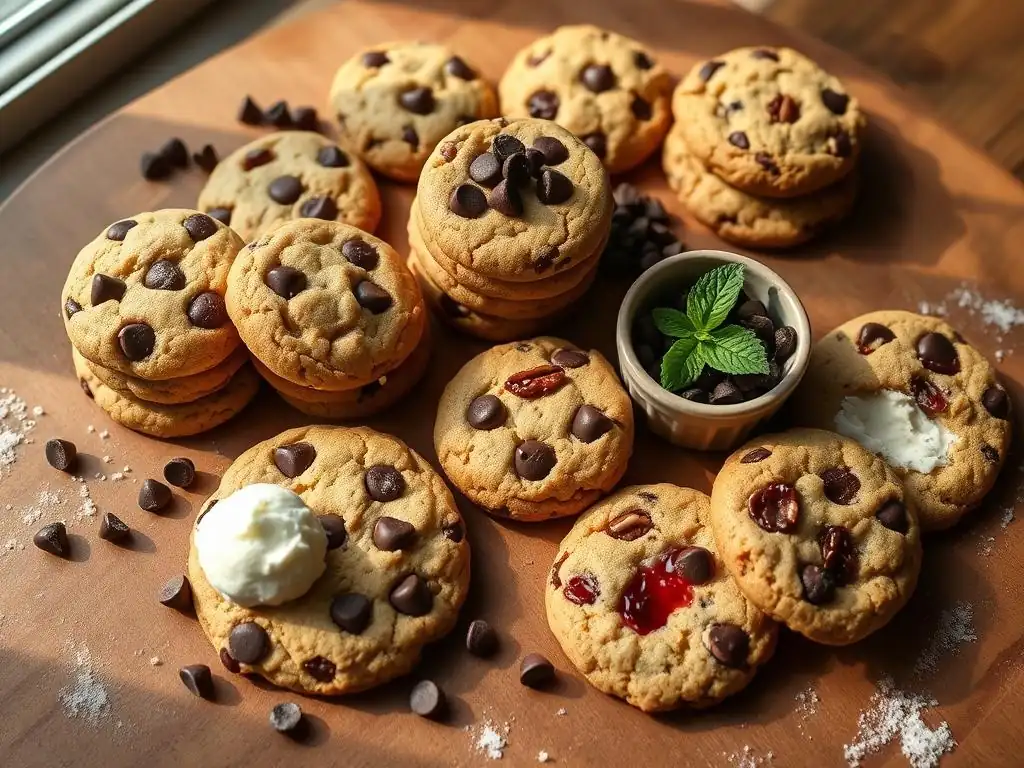
The chocolate chip cookie is perhaps the most iconic baked good, a standard against which all other cookies are often measured. While a perfect classic chocolate chip cookie is a thing of beauty, its simple dough base is incredibly versatile, allowing for numerous easy classic dessert recipe variations. Adding different types of chocolate, nuts, spices, or even unexpected ingredients can create entirely new flavor experiences without altering the fundamental cookie-making process.
These variations often involve simple ingredient swaps or additions to the standard dough. Whether it's changing the type of fat used, incorporating different mix-ins, or adding a sprinkle of salt, the process remains largely the same. This makes experimenting with easy classic dessert recipe variations for chocolate chip cookies one of the most accessible ways to get creative in the kitchen.
Using brown butter instead of melted butter in chocolate chip cookies is a simple yet transformative technique. Browning butter involves melting it and cooking it gently until the milk solids turn golden brown and fragrant, developing a nutty, complex flavor. This process takes standard melted butter and elevates it significantly. Typically, you brown the same amount of butter called for in the recipe; about 1 cup of butter will yield slightly less brown butter due to evaporation, but the flavor concentration makes up for it.
Once browned and slightly cooled, the butter is used as usual in the cookie dough. The brown butter imparts a deep, toffee-like flavor to the cookies, complementing the chocolate chips beautifully. This easy classic dessert recipe variation requires just one extra step compared to using melted butter but results in cookies with a notably richer and more nuanced flavor profile.
Adding rolled oats to chocolate chip cookies introduces a chewy texture and a hint of wholesomeness, transforming them into oatmeal chocolate chip cookies. This variation typically involves substituting some of the flour with old-fashioned rolled oats, often in a 1:1 or 1:2 ratio (e.g., replacing 1 cup of flour with 1 cup of oats). This adds fiber and a pleasant chewiness that contrasts nicely with the melted chocolate chips.
Finishing these cookies with a sprinkle of flaky sea salt just after they come out of the oven adds a pop of salinity that balances the sweetness of the chocolate and the cookie dough. A small pinch of flaky salt per cookie is usually sufficient. This combination of hearty oats and finishing salt offers a slightly healthier and more complex flavor profile than a standard chocolate chip cookie, making it an excellent example of easy classic dessert recipe variations that add both texture and flavor.
For those who enjoy a little heat with their sweet, adding a pinch of chili powder or cayenne pepper to double chocolate chip cookies offers an exciting surprise. Double chocolate chip cookies already feature cocoa powder in the dough itself, along with chocolate chips, for an intense chocolate experience. This variation takes that intensity and adds a subtle warmth. A small amount, like 1/4 to 1/2 teaspoon of cayenne or chili powder per batch (yielding around 2-3 dozen cookies), is usually enough to provide a noticeable but not overwhelming kick.
The chili doesn't make the cookies spicy in a painful way; rather, it enhances the perceived sweetness and deepens the chocolate flavor, leaving a pleasant warmth on the palate after each bite. This unexpected addition is a simple way to create truly memorable easy classic dessert recipe variations that intrigue and delight. It's a testament to how even a tiny adjustment can completely change the perception of a familiar flavor.
Mastering Bread Pudding: From Humble Dessert to Culinary Creation
Bread pudding, historically a way to use up stale bread, has evolved into a comforting and versatile dessert. Its simple base of bread soaked in a custard mixture makes it incredibly adaptable to a wide range of flavors and additions. From simple fruit additions to decadent sauces and liqueurs, bread pudding is a prime candidate for easy classic dessert recipe variations that can transform it from humble origins to a sophisticated treat.
The core technique involves cubing bread (often slightly stale), soaking it in a mixture of milk, cream, eggs, sugar, and flavorings like vanilla or cinnamon, and then baking until set and golden. This basic structure allows for endless creativity. You can swap out the type of bread, add fruits, nuts, or chocolate, or incorporate different spices and extracts. The simplicity of the process makes exploring easy classic dessert recipe variations with bread pudding both enjoyable and consistently successful.
Chocolate Bread Pudding with Raspberry Sauce: A Decadent Upgrade
Adding chocolate to bread pudding instantly elevates it to a more luxurious status. This variation involves incorporating chocolate chips, chunks, or even cocoa powder into the custard mixture before baking. Using about 1-1.5 cups of chocolate chips or chunks for a standard 8x8 or 9x13 inch pan of bread pudding ensures rich pockets of melted chocolate throughout. Some recipes also add 1/4 cup of cocoa powder to the custard for a deeper chocolate base flavor.
Serving the warm chocolate bread pudding with a vibrant, slightly tart raspberry sauce provides a beautiful contrast. A simple raspberry sauce can be made by simmering fresh or frozen raspberries with a little sugar and lemon juice, then straining to remove seeds if desired. About 1 cup of sauce is typically sufficient for serving. This combination of rich chocolate and bright fruit demonstrates how easy classic dessert recipe variations can create a decadent and balanced dessert experience.
Bourbon Pecan Bread Pudding: A Southern-Inspired Dessert
Bourbon and pecans are classic pairings, especially in Southern cuisine, and incorporating them into bread pudding creates a warm, nutty, and slightly boozy dessert. This variation involves adding chopped pecans to the bread and custard mixture and flavoring the custard with a generous splash of bourbon. About 1 cup of chopped pecans and 2-4 tablespoons of bourbon are common additions to a standard bread pudding recipe.
The pecans add a delightful crunch and nutty flavor, while the bourbon infuses the pudding with its distinctive warmth and aroma. Often, this bread pudding is served with a bourbon-spiked caramel or vanilla sauce to enhance the flavors further. This variation showcases how regional flavors and ingredients can inspire delicious easy classic dessert recipe variations that evoke a sense of place and tradition.
Coconut Bread Pudding with Mango Coulis: A Tropical Escape
For a lighter, tropical twist, coconut bread pudding with mango coulis is an excellent choice. This variation uses coconut milk (full-fat or light) partially or entirely in place of dairy milk or cream in the custard base. Shredded or flaked coconut can also be added to the bread mixture for extra texture and flavor, perhaps 1/2 cup for a standard recipe. Using coconut bread or croissants can further enhance the coconut flavor.
A bright, fresh mango coulis serves as the perfect accompaniment. A coulis is a simple fruit purée, often slightly sweetened. Blending ripe mango chunks with a little lime juice and optional sugar creates a vibrant sauce. About 1 cup of coulis per batch of pudding provides ample topping. This variation demonstrates how easy classic dessert recipe variations can transport you to a different climate through the power of flavor, using tropical ingredients to reinvent a comforting classic.
Tips for Successful Classic Dessert Recipe Variations
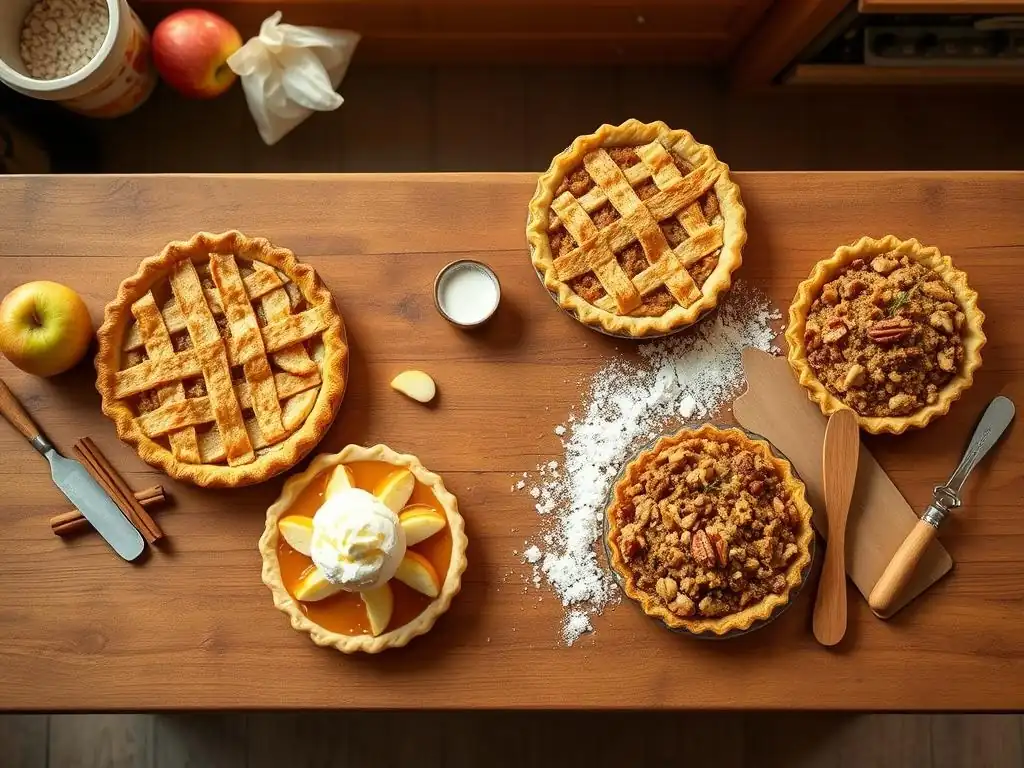
Successfully executing easy classic dessert recipe variations relies on understanding the fundamentals and being willing to experiment thoughtfully. It's not about blindly changing ingredients but making informed decisions based on how flavors and textures interact. Starting with a reliable base recipe is crucial, as it provides a tested foundation upon which to build your creative twists.
Attention to detail, even in small variations, can make a significant difference in the final outcome. Consider the properties of the ingredients you're adding or swapping – how will they affect moisture, structure, or baking time? With a little planning and a willingness to try new things, you can consistently create delicious and unique easy classic dessert recipe variations.
Ingredient Swaps: Making the Most of What You Have
Ingredient swaps are one of the simplest ways to create easy classic dessert recipe variations. This could be as straightforward as using brown sugar instead of white sugar for a deeper molasses flavor in cookies, or substituting sour cream or yogurt for some of the cream cheese in a cheesecake for added tanginess. Swapping out nuts (pecans for walnuts) or types of chocolate (dark for milk or white) are also easy adjustments. For example, replacing 1/2 cup of chocolate chips with 1/2 cup of chopped toffee bits in a cookie recipe is a simple swap.
More complex swaps involve altering the base ingredients, like using almond flour or oat flour instead of wheat flour in certain recipes (though this often requires adjusting liquid ratios). Replacing some butter with oil can change texture (more moist), while using different extracts (almond instead of vanilla) completely changes the aroma profile. Understanding the function of ingredients allows you to make smart swaps that lead to successful easy classic dessert recipe variations, often using ingredients you already have on hand.
Mastering Basic Techniques: The Foundation for Innovation
Before diving into complex variations, ensure you have a solid grasp of basic baking techniques relevant to the classic dessert you're modifying. For instance, understanding how to properly cream butter and sugar is essential for many cookie and cake variations. Knowing how to create a stable emulsion for cheesecake batter prevents cracking. Mastering pie crust techniques ensures a flaky base for your apple pie variations.
These foundational skills provide the necessary control and predictability when you start introducing new elements. If you can consistently bake a perfect classic chocolate chip cookie, you're well-equipped to experiment with adding different mix-ins or using brown butter. Focusing on mastering these basics builds confidence and makes tackling easy classic dessert recipe variations much more approachable and less prone to unexpected failures.
Plating and Presentation: Elevating the Visual Appeal of Your Desserts
The visual appeal of a dessert is almost as important as its taste. Simple plating and presentation techniques can elevate even the most straightforward easy classic dessert recipe variations. Consider how you slice and serve – a clean cut of cheesecake, a stack of perfectly arranged cookies, or a rustic slice of pie all tell a story. Garnishes like a dusting of powdered sugar, a swirl of whipped cream, fresh berries, or a drizzle of sauce add color and polish.
For example, sprinkling a few extra chocolate chips on top of brownies before baking makes them look more enticing. Arranging apple slices in a decorative pattern on a tart before baking creates an elegant finish. Even simply serving bread pudding in individual ramekins instead of one large dish can make it feel more special. Paying attention to these final touches transforms your easy classic dessert recipe variations into impressive creations worthy of any table.
Conclusion: Unleash Your Creativity in the Kitchen with Easy Classic Dessert Recipe Variations
Exploring easy classic dessert recipe variations is a rewarding way to deepen your love for baking. It allows you to move beyond simply following instructions and engage with recipes on a more creative level. By understanding the basic structure of your favorite desserts and experimenting with simple ingredient swaps, additions, or technique modifications, you can unlock a world of new flavors and textures. These variations prove that you don't need to be a pastry chef to create unique and delicious baked goods.
From transforming a basic brownie into a coffee-infused delight to giving classic cookies a spicy kick, the possibilities are limited only by your imagination. Each variation offers a chance to learn something new, refine your skills, and most importantly, bake something truly special. Embrace the process, have fun experimenting, and enjoy the delicious results of your creative endeavors in the kitchen.
BakeWithEase: Encouraging Exploration and Innovation in Baking
At BakeWithEase, we are dedicated to fostering a community where bakers feel empowered to explore and innovate. We provide the resources, inspiration, and guidance you need to confidently try out new easy classic dessert recipe variations. Our goal is to show you just how accessible and enjoyable creative baking can be, helping you turn everyday ingredients into extraordinary treats.
We believe that every baker, regardless of experience level, has the potential for culinary creativity. By offering clear instructions, helpful tips, and exciting ideas, we aim to make your baking journey one of continuous discovery and delicious success. Join us in exploring the endless possibilities that lie within easy classic dessert recipe variations and make your next baking project a truly unique creation.
Frequently Asked Questions
What exactly does "Creative Twists on Classic Baked Desserts" mean?
It refers to taking well-known dessert recipes and adding unique ingredients or techniques to create something new and exciting while still retaining the essence of the original.
Does this article only cover very complicated desserts?
No, the article emphasizes easy classic dessert recipe variations, making them accessible to bakers of all skill levels. The focus is on simple changes with big impact.
How can this article from BakeWithEase help me with my baking?
BakeWithEase provides step-by-step guides and easy-to-find ingredients to help you master baking techniques and create delicious variations of classic desserts.
What kind of dessert variations can I expect to find in this article?
Expect to discover creative modifications for pastries, breads, cakes, and cookies. The article offers inspiration for unique flavor combinations and innovative presentations.
What if I'm a complete beginner baker, is this article still useful?
Absolutely! The article focuses on easy variations of classic desserts. Even beginners can confidently try these modifications and learn new baking skills.
Final Reflection: Reimagining Sweet Traditions
The enduring appeal of classic baked desserts lies not in their rigidity, but in their adaptability. These timeless recipes, passed down through generations, offer a comforting familiarity that's simultaneously a blank canvas for culinary creativity. The variations explored in this article demonstrate that even the simplest cake or pie can be transformed into something extraordinary with just a few thoughtful tweaks.
The impact of these simple recipe variations extends beyond the kitchen table. They represent a powerful connection to our culinary heritage, allowing us to honor tradition while simultaneously expressing our individual creativity. This act of reinterpretation reflects a broader cultural shift towards personalized experiences and the celebration of individuality. Cooking is at once child's play and adult joy. And cooking done with care is an act of love.
– Craig Claiborne. This quote perfectly encapsulates the spirit of these adaptations; they are acts of love, infused with personal expression and a deep appreciation for the foundations of baking.
Now, it's your turn. Consider your favorite classic dessert. What hidden potential does it hold? What unique twist could you add to make it your own? Don't be afraid to experiment, to embrace the unexpected, and to share your culinary creations with the world. The joy of baking lies not just in the result, but in the journey of discovery and the delicious memories created along the way.
Unleash Your Inner Baker: Creative Dessert Adventures Await!
Thanks for joining us on this delicious journey through creative twists on classic baked desserts! We hope you’ve found inspiration and new ideas to elevate your baking game. Ready to take the next step?
- Try out one (or more!) of the recipes featured today. Don't be afraid to experiment and make them your own! This is where the real fun begins.
- Share your baking creations with us on social media! Use #BakeWithEase to inspire others and show off your masterpiece.
- Challenge yourself: Pick one classic dessert you've never tried and brainstorm a unique twist—then bake it!
So, what unexpected flavor combination are you going to explore first? Let’s hear about your baking adventures in the comments below!