
Master the Classic: Easy New York Cheesecake Recipe

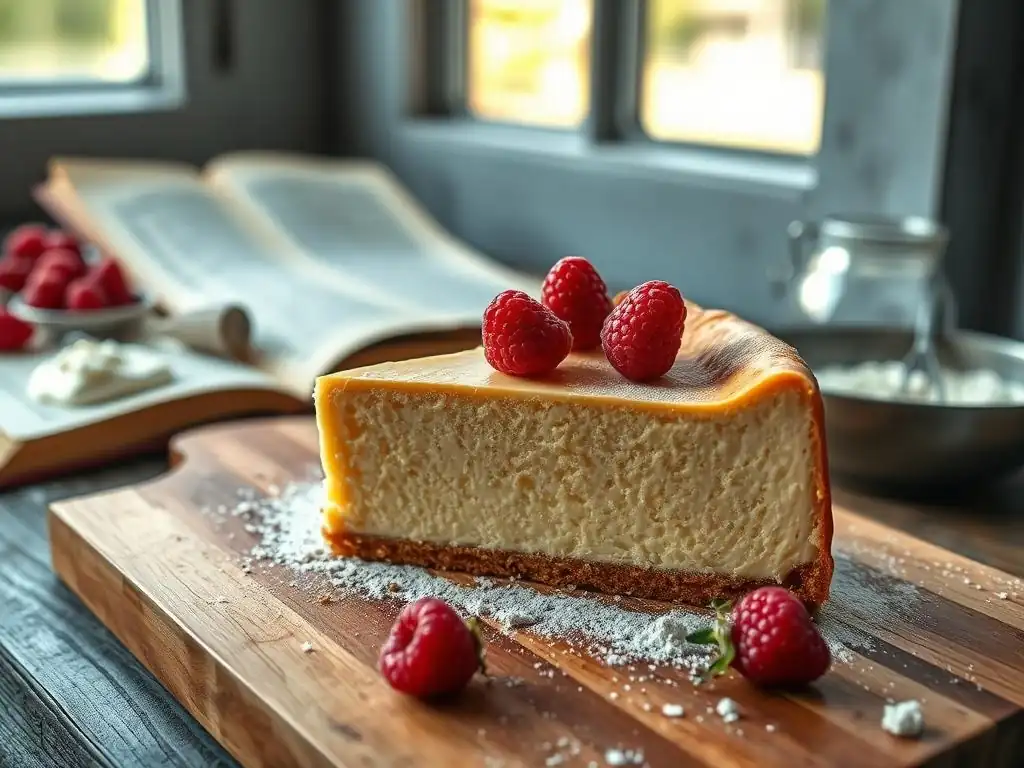
Welcome to BakeWithEase, your haven for effortless baking! Ever dreamt of creating a perfectly creamy, melt-in-your-mouth New York cheesecake without the fuss? You're in the right place. Dive into our guide and discover just how easy it can be to master this classic dessert. What's the secret to that unforgettable texture? Let's find out...
- Sally's Baking Addiction's Guide to Perfect New York Cheesecake
- Why This Easy New York Cheesecake Recipe is a Must-Try
- Ingredients for Your Effortless New York Cheesecake
- Step-by-Step: Baking Your New York Cheesecake
- Cooling and Setting Your New York Cheesecake
- Serving and Enjoying Your Homemade New York Cheesecake
- Troubleshooting Common New York Cheesecake Problems
- Tips and Tricks for the Best Easy New York Cheesecake
- New York Cheesecake Recipe: Printable Version
- Frequently Asked Questions
- Final Reflection: The Enduring Allure of a Perfect Slice
- Unlock Your Inner Cheesecake Master!
Sally's Baking Addiction's Guide to Perfect New York Cheesecake
Welcome to BakeWithEase, where we demystify classic baking! Today, we're tackling the iconic New York cheesecake. Often thought of as intimidating, this dessert can be surprisingly simple with the right approach. Our guide is inspired by the clear, step-by-step methods favored by popular baking resources, adapted to ensure your success right here in your own kitchen. We'll walk you through creating a creamy, dense, yet perfectly smooth cheesecake with that signature graham cracker crust. Get ready to bake an easy New York cheesecake recipe that will impress everyone.
This easy New York cheesecake recipe focuses on foundational techniques and quality ingredients, proving that you don't need years of experience to achieve bakery-quality results. We'll break down each stage, from preparing the crust to the crucial cooling process, providing tips to avoid common pitfalls like cracks or a soggy base. Our goal is to make this classic dessert accessible and enjoyable for bakers of all levels, transforming what might seem like a complex task into a straightforward and rewarding baking project.
Why This Easy New York Cheesecake Recipe is a Must-Try
Classic Cheesecake Taste, Simplified Instructions
This easy New York cheesecake recipe delivers the quintessential rich, tangy, and creamy flavor profile that defines the classic. We achieve this by focusing on the core ingredients and techniques that matter most, eliminating unnecessary complexities. You won't find overly complicated steps or obscure ingredients here; our instructions are designed to be followed by anyone, regardless of prior cheesecake experience. The result is a dessert that tastes incredibly authentic and luxurious, proving that simplicity in execution doesn't mean sacrificing on flavor or texture.
We've streamlined the process, paying close attention to the stages where home bakers often encounter difficulties. For instance, we provide clear guidance on mixing the batter to prevent overworking, a common cause of cracks. We also detail an effective water bath method that is easy to set up and significantly improves the cheesecake's texture and appearance. By focusing on these critical points with simplified, actionable steps, this easy New York cheesecake recipe empowers you to create a dessert that looks as good as it tastes, without the usual stress associated with baking cheesecakes.
Bake a Creamy New York Cheesecake at Home
Achieving that signature creamy, dense texture of a New York cheesecake is the ultimate goal, and this recipe is specifically designed to help you nail it. The secret lies in the balance of ingredients and the careful control of the baking environment. We emphasize using full-fat cream cheese and ensuring all dairy ingredients are at room temperature, which helps create a smooth, emulsified batter free from lumps. The slow baking process in a water bath is crucial for even cooking, preventing the edges from setting too quickly while the center remains raw, thus promoting that uniformly creamy consistency throughout.
Furthermore, the cooling process outlined in this easy New York cheesecake recipe is just as important as the baking itself. Gradual cooling, first in the turned-off oven and then at room temperature, prevents sudden temperature changes that can cause the cheesecake to crack. Following this with adequate refrigeration time allows the cheesecake to fully set and the flavors to meld and deepen. The result is a velvety smooth, rich, and decadent dessert that perfectly captures the essence of a classic New York cheesecake, made right in your own kitchen.
Ingredients for Your Effortless New York Cheesecake
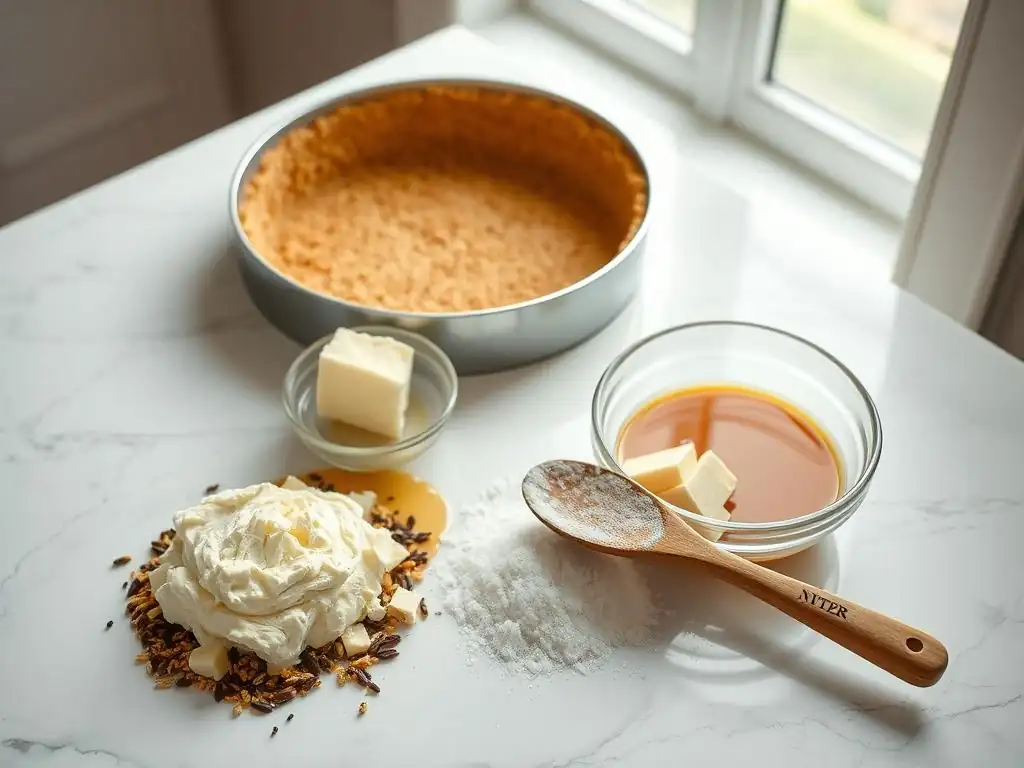
The Essential Cheesecake Ingredients List
Creating a truly great easy New York cheesecake recipe starts with a precise list of ingredients. You'll need approximately 1 ½ cups of graham cracker crumbs (about 10-12 full sheets), ⅓ cup granulated sugar, and 6 tablespoons of melted unsalted butter for the crust.
For the star of the show, the filling, gather 5 blocks (40 ounces total) of full-fat cream cheese, softened to room temperature. You'll also need 1 ¾ cups of granulated sugar, ¼ cup all-purpose flour, 1 teaspoon vanilla extract, ½ teaspoon salt, 1 cup sour cream (full-fat is best, also at room temperature), and 4 large eggs, plus 1 large egg yolk, all at room temperature.
Having all your ingredients measured and ready before you begin is a crucial step in ensuring a smooth baking process for this easy New York cheesecake recipe. Using high-quality ingredients, especially the cream cheese and sour cream, will significantly impact the final texture and flavor. Ensure your eggs are large and fresh. The small amount of flour in the filling helps stabilize the cheesecake and reduces the risk of cracking, a classic technique used in many reliable New York cheesecake recipes.
High-Quality Cream Cheese: The Key to Success
The foundation of any great New York cheesecake is undoubtedly the cream cheese. For this easy New York cheesecake recipe, using full-fat, block-style cream cheese is non-negotiable. Spreadable or whipped cream cheese contains too much air and stabilizers and won't provide the dense, rich texture characteristic of a New York style cheesecake.
Look for premium brands if possible, as they often have a higher fat content and a better flavor profile. Using cream cheese that is fully softened to room temperature is also critical; cold cream cheese will result in a lumpy batter, no matter how long you mix it.
To properly soften cream cheese, remove it from the refrigerator at least 1-2 hours before you plan to start baking. You should be able to easily indent it with your finger. If you're short on time, you can carefully microwave the unwrapped blocks on low power (e.g., 50%) for 15-30 seconds, checking frequently, but be careful not to melt it. The goal is pliable, not warm or melted. This step is fundamental to achieving a smooth, creamy filling for your easy New York cheesecake recipe.
Gluten-Free Crust Option: Almond Flour Substitution
For those seeking a gluten-free alternative for the crust of this easy New York cheesecake recipe, substituting graham cracker crumbs with almond flour is an excellent option. You'll need approximately 1 ½ cups of finely ground almond flour. Combine this with the same amount of granulated sugar (⅓ cup) and melted unsalted butter (6 tablespoons) as you would for a traditional graham cracker crust. Ensure the almond flour is finely ground for the best texture; almond meal, which is coarser, can work but might result in a slightly less uniform crust.
The process for preparing the almond flour crust is identical to the graham cracker version: mix the dry ingredients, add the melted butter, press firmly into the pan, and pre-bake as directed. The baking time might be slightly shorter, so watch it closely; you're looking for a light golden brown color. This simple substitution allows everyone to enjoy a delicious, easy New York cheesecake recipe, providing a sturdy and flavorful gluten-free base that complements the rich filling beautifully.
Step-by-Step: Baking Your New York Cheesecake
Preparing the Graham Cracker Crust: A Simple Guide
The crust is the foundation of your easy New York cheesecake recipe. A good crust is firm, flavorful, and provides a nice textural contrast to the creamy filling. Start by preparing your springform pan. A 9-inch springform pan is standard. Wrap the outside bottom and sides of the pan securely with heavy-duty aluminum foil. This is essential for the water bath later and prevents water from seeping into the crust.
Crushing the Graham Crackers for the Perfect Base
The first step is transforming your graham crackers into fine crumbs. You can do this easily using a food processor; pulse until the crackers are uniformly fine crumbs with no large pieces remaining. If you don't have a food processor, place the graham crackers in a sturdy zip-top bag, seal it, and crush them using a rolling pin or the bottom of a heavy pan until they are fine crumbs. Aim for a texture similar to coarse sand. You'll need about 1 ½ cups of these crumbs for the crust.
Binding the Crust: Butter and Sugar Proportions
Combine the 1 ½ cups of graham cracker crumbs with ⅓ cup of granulated sugar in a medium bowl. Stir them together until well mixed. Then, pour in 6 tablespoons of melted unsalted butter. Use a fork or spatula to mix the crumbs and butter until the crumbs are evenly moistened and resemble wet sand. When you squeeze a handful, it should hold its shape. These proportions ensure the crust holds together well after baking without being overly greasy.
Pre-Baking the Crust: Ensuring a Crisp Foundation
Pour the buttered graham cracker crumbs into the prepared springform pan. Use the bottom of a glass or a flat measuring cup to press the crumbs firmly and evenly onto the bottom of the pan. You can also press them slightly up the sides if you prefer a higher crust edge, but a bottom crust is classic for an easy New York cheesecake recipe.
Bake the pressed crust in a preheated oven at 350°F (175°C) for about 8-10 minutes, or until lightly golden brown and fragrant. This brief pre-bake helps set the crust, making it sturdy and preventing it from becoming soggy once the filling is added. Let the crust cool while you prepare the filling.
Crafting the Creamy Cheesecake Filling
With the crust cooling, it's time to focus on the star: the rich, creamy filling for your easy New York cheesecake recipe. Remember, using room-temperature ingredients is paramount here. Start by beating the softened cream cheese in a large bowl using an electric mixer (stand mixer with paddle attachment or a hand mixer) on medium speed until it is completely smooth and creamy, with no lumps. This might take 2-3 minutes. Scrape down the sides and bottom of the bowl frequently.
Achieving a Smooth, Lump-Free Batter
Once the cream cheese is smooth, gradually add the granulated sugar (1 ¾ cups) and the ¼ cup of all-purpose flour, mixing on low speed until just combined. The flour helps prevent the cheesecake from cracking. Then, mix in the vanilla extract (1 teaspoon) and salt (½ teaspoon). Finally, add the room-temperature sour cream (1 cup) and mix on low speed until incorporated. The sour cream adds moisture, tang, and contributes significantly to the classic creamy texture of a New York cheesecake. Continue to scrape the bowl often to ensure everything is evenly mixed.
Incorporating the Eggs: Preventing Overmixing
The eggs are the final addition to the filling batter. Add the 4 large eggs and 1 large egg yolk one at a time, mixing on the lowest speed possible just until each egg is incorporated before adding the next. The egg yolk adds extra richness and helps create a denser, creamier texture. Crucially, do not overmix the batter once the eggs are added. Overmixing incorporates too much air, which can cause the cheesecake to puff up excessively while baking and then fall and crack as it cools. Mix only until the yellow streak disappears after each egg addition.
Flavor Variations: Adding Lemon Zest or Vanilla Extract
While classic New York cheesecake relies heavily on vanilla, you can easily add subtle flavor variations to your easy New York cheesecake recipe. For a hint of brightness, add the zest of one large lemon along with the vanilla extract. Ensure you only use the yellow part of the peel, avoiding the bitter white pith. Lemon zest provides a lovely counterpoint to the richness of the cream cheese.
If you prefer a purely vanilla-forward flavor, consider using high-quality pure vanilla extract or even scraping the seeds from half a vanilla bean into the batter. Avoid imitation vanilla for the best results in a recipe where vanilla plays a prominent role. These small additions can customize your easy New York cheesecake recipe to your preference.
Baking the Cheesecake to Perfection
Baking a cheesecake requires patience and attention to detail, but our easy New York cheesecake recipe simplifies the process. The most recommended method for achieving a creamy, crack-free cheesecake is using a water bath. Preheat your oven to 325°F (160°C).
Water Bath Technique: Preventing Cracks
To set up a water bath (also known as a bain-marie), place your foil-wrapped springform pan containing the crust on a large piece of heavy-duty aluminum foil, and wrap it again for extra security. Pour the prepared cheesecake filling into the cooled, pre-baked crust. Smooth the top gently with an offset spatula.
Place the foil-wrapped springform pan inside a larger baking pan (like a roasting pan). Carefully pour hot water into the larger pan until it comes about halfway up the sides of the springform pan. The water bath provides gentle, even heat and creates a humid environment in the oven, which prevents the cheesecake from drying out and cracking.
Baking Temperature and Time: Finding the Sweet Spot
Place the pan with the water bath into the preheated 325°F (160°C) oven. The baking time for an easy New York cheesecake recipe of this size is typically between 60 to 75 minutes, but this can vary depending on your oven. Bake until the edges are set (they might appear slightly puffed) but the center still has a slight jiggle when you gently nudge the pan. The internal temperature in the center should register around 150°F (65°C) on an instant-read thermometer.
Checking for Doneness: The Jiggle Test
The 'jiggle test' is a classic method for checking cheesecake doneness. Gently open the oven door (do not slam it!) and lightly tap the side of the springform pan. The outer 2-3 inches of the cheesecake should appear set and firm, while the very center (about a 2-3 inch circle) should still have a slight wobble or jiggle.
If the entire surface jiggles like liquid, it needs more time. If the entire surface is firm and doesn't jiggle at all, it might be slightly overbaked, but it will still be delicious. Trust the jiggle test combined with the approximate baking time.
Cooling and Setting Your New York Cheesecake
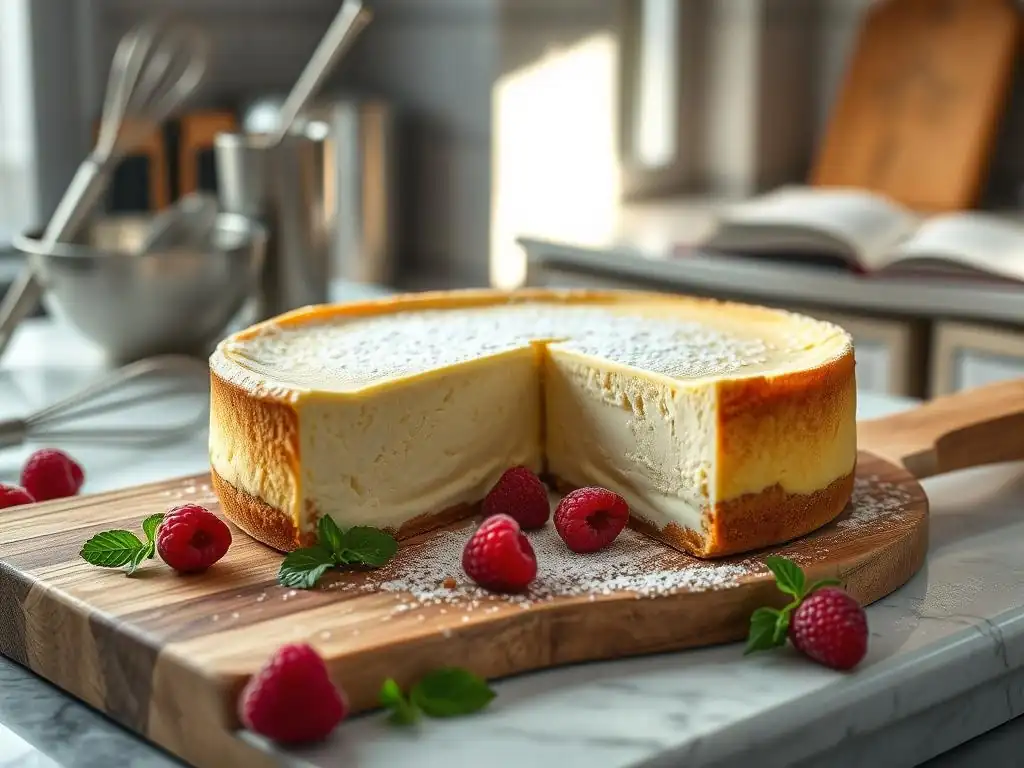
The cooling phase is just as critical as the baking itself for a perfect easy New York cheesecake recipe. Skipping or rushing this step is a common cause of cracks and can result in a less creamy texture.
The Importance of Gradual Cooling
Once your cheesecake passes the jiggle test, turn off the oven but leave the cheesecake inside the water bath with the oven door propped open slightly (you can use a wooden spoon). Let it cool in the gradually cooling oven for at least 1 hour. This slow transition from hot to warm helps the cheesecake settle gently and prevents sudden temperature changes that can lead to cracks. After 1 hour, carefully remove the cheesecake from the water bath and the larger pan. Remove the foil wrapping from the springform pan.
Let the cheesecake cool completely on a wire rack at room temperature for another 1-2 hours. It should be cool to the touch before moving it to the refrigerator. Resist the urge to speed this up by placing it directly into the fridge from the oven, as this thermal shock can cause the cheesecake to crack and the texture to be less smooth. Patience during this cooling process is key to a beautiful and creamy easy New York cheesecake recipe.
Refrigeration Time: Allowing the Flavors to Develop
Once the cheesecake has cooled completely at room temperature, cover it loosely with plastic wrap and transfer it to the refrigerator. This is where the magic of setting and flavor development happens. Refrigerate the cheesecake for at least 8 hours, but preferably overnight (12-24 hours). During this time, the cheesecake firms up to its classic dense consistency, and the flavors meld together beautifully.
Attempting to slice or serve the cheesecake before it is fully chilled and set will result in a gooey, messy slice rather than a clean, elegant one. Plan ahead when making this easy New York cheesecake recipe, as the extended refrigeration time is non-negotiable for the best texture and taste.
Serving and Enjoying Your Homemade New York Cheesecake
After the long wait, the most rewarding part of making an easy New York cheesecake recipe is finally getting to slice and enjoy it! Before slicing, run a thin knife around the edge of the pan to loosen the cheesecake from the sides before releasing the springform latch. This helps prevent sticking and ensures a clean edge. For perfect slices, use a sharp knife dipped in hot water and wiped dry before each cut.
Classic Toppings and Serving Suggestions
A classic New York cheesecake is often served plain, allowing the rich, creamy flavor to shine on its own. However, various toppings can enhance the experience.
Sour Cream Topping, Chocolate Sauce, or Caramel Drizzle
A traditional topping for many New York style cheesecakes is a simple sour cream layer, baked or added after chilling. For an easy version, whisk together 1 cup of sour cream with 2-4 tablespoons of powdered sugar and a splash of vanilla extract, then spread it over the chilled cheesecake just before serving.
Other popular toppings for an easy New York cheesecake recipe include a rich chocolate ganache or sauce, a decadent caramel drizzle, or fresh fruit toppings like berries or cherry pie filling. A simple berry compote made by simmering fresh or frozen berries with a little sugar and lemon juice is always a hit.
Storing Leftover Cheesecake: Keeping it Fresh
Proper storage is essential to keep your homemade easy New York cheesecake recipe tasting its best. Cover any leftover cheesecake tightly with plastic wrap or place slices in an airtight container. Stored this way, it will last for 4-5 days in the refrigerator.
For longer storage, cheesecake freezes remarkably well. Wrap individual slices or the whole remaining cheesecake (without toppings) tightly in plastic wrap, then wrap again in aluminum foil. Frozen cheesecake can be stored for 1-2 months. To thaw, place it in the refrigerator overnight. Avoid thawing at room temperature, as this can affect the texture.
Troubleshooting Common New York Cheesecake Problems
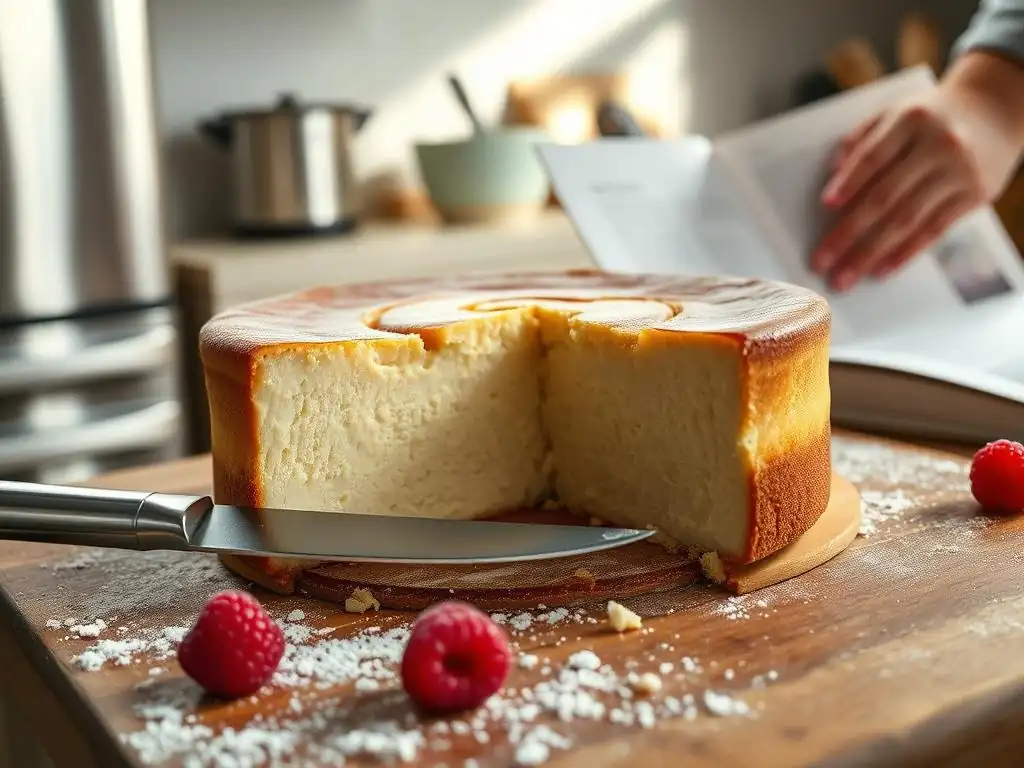
Even with an easy New York cheesecake recipe, sometimes things don't go exactly as planned. Understanding common issues and how to address them can save your dessert.
Preventing a Cracked Cheesecake Top
Cracks are perhaps the most common cheesecake woe. The primary culprits are usually overmixing the batter (incorporating too much air), baking at too high a temperature, cooling too quickly, or drying out the surface. Our easy New York cheesecake recipe addresses these by emphasizing low-speed mixing for eggs, using a lower baking temperature, and recommending a water bath and gradual cooling process.
Ensure your oven temperature is accurate and avoid opening the oven door unnecessarily during baking. Even if a crack appears, don't despair! It doesn't affect the taste or texture and can easily be hidden with a delicious topping.
Avoiding a Soggy Crust
A soggy bottom crust is another frustrating issue. This usually happens if the springform pan isn't properly sealed in the water bath, allowing water to seep in, or if the crust wasn't pre-baked. Our instructions for wrapping the pan securely with multiple layers of heavy-duty foil and pre-baking the crust for 8-10 minutes are specifically designed to prevent this. Make sure the foil wrap extends well up the sides of the pan.
Addressing a Runny Cheesecake Filling
A runny filling indicates the cheesecake wasn't baked long enough or didn't chill sufficiently. Ensure you bake until the edges are set and the center has only a slight jiggle, relying on the jiggle test and the approximate baking time (60-75 minutes at 325°F/160°C). The chilling time is also non-negotiable; a minimum of 8 hours, preferably overnight, is needed for the cheesecake to fully set. If your cheesecake seems slightly soft after chilling, giving it more time in the refrigerator will usually help it firm up.
Tips and Tricks for the Best Easy New York Cheesecake
Elevate your easy New York cheesecake recipe with a few extra tips and tricks from the pros. These small details can make a big difference in the final outcome, ensuring a perfectly smooth, creamy, and delicious dessert every time.
Using Room Temperature Ingredients
We've mentioned this before, but it bears repeating: using room-temperature ingredients, especially the cream cheese, sour cream, and eggs, is absolutely critical for an easy New York cheesecake recipe. Cold ingredients do not emulsify properly with the sugar and other wet ingredients, leading to a lumpy batter that can result in a grainy texture in the finished cheesecake. Plan ahead and take these items out of the refrigerator 1-2 hours before you start mixing.
The Importance of Patience in Baking
Baking a cheesecake is a process that requires patience at several stages: waiting for ingredients to reach room temperature, slow mixing, slow baking in a water bath, and especially the lengthy cooling and chilling time. Rushing any of these steps can compromise the texture and appearance of your easy New York cheesecake recipe. Embrace the waiting periods – they are essential parts of achieving that perfect, creamy result. Think of it as anticipation building for a truly spectacular dessert.
Advanced Techniques: Swirls and Decorations
Once you've mastered the basic easy New York cheesecake recipe, you can experiment with advanced techniques. To add a simple swirl, reserve a small amount of the plain batter (about ½ cup) and mix it with melted chocolate, fruit puree, or caramel sauce. Dollop the flavored batter over the plain filling in the pan and swirl gently with a knife or skewer. For decoration, pipe whipped cream around the edge or create patterns on top with fruit or chocolate shavings just before serving.
New York Cheesecake Recipe: Printable Version
Easy to Follow Recipe Card
On our website, this section would typically feature a beautifully formatted, printable recipe card summarizing the key ingredients and step-by-step instructions for this easy New York cheesecake recipe. A good recipe card includes clear headings for ingredients and instructions, precise measurements, temperature settings, and estimated times for each stage (prep, bake, chill).
It might also include a short description of the recipe and yield information (e.g., serves 12). Having a concise, easy-to-read version like a recipe card is perfect for printing or saving on your device to follow along easily in the kitchen, ensuring you have all the necessary details for baking your delicious New York cheesecake right at your fingertips.
Frequently Asked Questions
What makes this New York cheesecake recipe "easy"?
This recipe focuses on simplified steps and readily available ingredients to ensure even beginner bakers can achieve delicious results. It avoids complicated techniques often found in traditional recipes.
What are the key ingredients for a classic New York cheesecake?
The core ingredients are cream cheese, sugar, eggs, and vanilla extract. The crust typically consists of graham crackers and butter.
How do I prevent my cheesecake from cracking?
Preventing cracks involves baking at a lower temperature, using a water bath, and allowing the cheesecake to cool slowly in the oven after baking.
Can I substitute any ingredients in this recipe?
While substitutions can be made, they might affect the final texture and taste. For example, using a lower-fat cream cheese will result in a less rich cheesecake.
How long does this New York cheesecake need to chill?
For the best results, chill the cheesecake for at least 4-6 hours, or preferably overnight, to allow it to fully set and develop its flavor.
Final Reflection: The Enduring Allure of a Perfect Slice
The pursuit of the perfect New York cheesecake transcends mere culinary skill; it's a journey into the heart of comfort food, a testament to the enduring power of simple pleasures. This recipe, designed for accessibility and delicious results, aims to empower home bakers to experience the joy of creating this classic dessert. The ease of the method doesn't diminish the final product; rather, it elevates the experience, making the achievement all the more rewarding.
The impact of a truly good cheesecake recipe is immeasurable. It's more than just a dessert; it's a centerpiece at celebrations, a comforting treat on a quiet evening, a symbol of shared joy and connection. A slice of cheesecake is a moment of pure indulgence, a brief escape from the everyday.
This simple statement captures the essence of what this classic dessert represents: a pause, a celebration, a connection to something timeless and deeply satisfying. The recipe shared here aims to make that moment accessible to everyone.
Now, I invite you to roll up your sleeves, gather your ingredients, and embark on your own cheesecake adventure. Don't be intimidated by the seemingly complex nature of this dessert; embrace the process, savor each step, and revel in the delicious reward. The journey of creating this classic is as fulfilling as the final bite, a testament to the power of simple recipes and the enduring magic of homemade treats. What will you create with your perfect slice?
Unlock Your Inner Cheesecake Master!
Thanks for joining us on this delicious journey into the world of New York cheesecake! We hope you gained some valuable tips and tricks to perfect this classic dessert. Ready to take your baking skills to the next level?
- Bake your own masterpiece! Use our recipe as a springboard – experiment with different toppings, crust variations, or even try a mini cheesecake version for individual servings. This is your chance to shine!
- Share your creation! Post a picture of your finished cheesecake on social media and tag us – we'd love to see your baking triumph! Use #BakeWithEaseCheesecake to join the community.
- Explore other classic recipes: Dive deeper into our recipe collection to discover more timeless baking adventures.
So, what unique twist will you add to your New York cheesecake? Let's hear about it in the comments below!