
Apricot Delights: Simple Baking Ideas for Stone Fruit


Welcome to BakeWithEase, your kitchen companion for all things baking! Ever dreamt of creating vibrant, flavorful treats with stone fruits? This week, we're diving deep into the world of Apricot baking recipes for beginners. Unlock the secrets to transforming this juicy fruit into stunning desserts. But that's just the beginning – discover a whole universe of baking inspiration waiting for you. Intrigued? Let's get started and explore the delightful possibilities!
- BakeWithEase Presents: Easy Apricot Baking Recipes for Beginners
- Why Bake with Apricots? Discover the Stone Fruit's Charm
- Beginner-Friendly Apricot Baking Recipes: Start Baking Today!
- Tips and Tricks for Baking with Apricots
- Beyond the Basics: Exploring More Apricot Baking Ideas
- Troubleshooting Common Apricot Baking Problems
- Enjoy Your Apricot Baking Journey with BakeWithEase!
-
Frequently Asked Questions
- What makes apricot baking recipes suitable for beginners?
- Where can I find step-by-step apricot baking recipes on BakeWithEase.com?
- What are some easy-to-find ingredients commonly used in apricot baking?
- Can I use frozen apricots in baking recipes if fresh apricots are not available?
- What are some examples of simple apricot baking recipes ideal for beginners?
- Final Reflection: The Enduring Delight of Apricot Baking
- Unleash Your Inner Baker: Apricot Adventures Await!
BakeWithEase Presents: Easy Apricot Baking Recipes for Beginners
Welcome to the delightful world of baking with fresh apricots! If you've ever found yourself with a bounty of these beautiful stone fruits and wondered how to transform them into delicious treats, you're in the right place. At BakeWithEase, we believe that baking should be accessible and fun for everyone, especially when working with seasonal ingredients.
This guide is specifically designed to introduce you to simple apricot baking recipes for beginners, helping you create delightful desserts and pastries without feeling overwhelmed. Get ready to explore the unique charm of apricots in baked goods and discover just how easy it is to bake with this versatile fruit.
Baking with fresh fruit is a rewarding experience, and apricots are no exception. Their natural sweetness and slight tang add a wonderful dimension to cakes, tarts, crumbles, and more. We've curated a selection of easy-to-follow recipes that are perfect starting points for anyone new to baking with apricots. From classic comforts to quick snacks, these recipes are designed with simplicity and delicious results in mind. So grab your apron, and let's dive into the sweet and tangy possibilities that apricots offer!
Why Bake with Apricots? Discover the Stone Fruit's Charm

Apricots, members of the Prunus family alongside peaches, plums, and cherries, are true gems of the summer season. Their delicate skin, vibrant color, and juicy flesh make them incredibly appealing, but their real magic shines through when they are baked. Unlike some fruits that can become mushy or lose their flavor, apricots hold their shape relatively well and their natural sweetness concentrates beautifully in the heat of the oven. This makes them an ideal candidate for a wide range of baked goods, offering both structural integrity and intense flavor.
Beyond their ease of use in baking, apricots bring a unique character that elevates simple recipes. They offer a balance of sweetness and tartness that prevents baked goods from being overly sugary, and their subtle, slightly almond-like note from the pit complements many classic baking flavors. Whether you're aiming for a rustic cobbler or delicate scones, apricots provide a fresh, seasonal taste that is hard to replicate with other fruits. Exploring apricot baking recipes for beginners allows you to harness this natural charm in straightforward ways.
The Unique Flavor Profile of Apricots in Baking
The flavor of fresh apricots is a beautiful interplay of sweet and subtly tart notes, often with a faint, delicate aroma reminiscent of almond, particularly closer to the pit. When subjected to heat during baking, this flavor profile transforms beautifully. The natural sugars within the apricot caramelize and concentrate, intensifying their sweetness, while the acidity mellows, resulting in a richer, deeper fruit flavor.
Different apricot varieties can offer slightly different nuances. For instance, a Blenheim apricot, often considered a gold standard, is known for its intense sweetness and aroma, making it superb for baking where you want the apricot flavor to truly shine. A Tilton apricot might lean slightly more tart, which can be wonderful in recipes that benefit from a brighter fruit note to balance richer components like butter or sugar.
This concentrated, balanced flavor makes apricots a fantastic choice for desserts where you want a distinct fruit presence that isn't overwhelmed by other ingredients. A simple apricot crumble, for example, truly highlights this transformation, turning firm, fresh fruit into tender, flavorful pockets within a warm dessert.
Nutritional Benefits of Baking with Fresh Apricots
Incorporating fresh apricots into your baking not only adds wonderful flavor but also brings some notable nutritional benefits. Apricots are a good source of dietary fiber, which is essential for digestive health. A single cup of sliced fresh apricots contains approximately 3 grams of fiber, contributing to the overall fiber content of your baked goods. Fiber helps create a sense of fullness and supports healthy blood sugar levels, making fruit-based desserts a potentially more satisfying option.
Furthermore, apricots are particularly rich in Vitamin A, primarily in the form of beta-carotene, which gives them their vibrant orange color. Vitamin A is crucial for vision, immune function, and skin health. While some vitamins, like Vitamin C, can be sensitive to heat during baking, Vitamin A is relatively stable.
Apricots also contain Vitamin C and various antioxidants, which help protect the body's cells from damage. While baking does slightly alter the nutritional profile compared to eating them raw (for example, some Vitamin C may degrade), you still retain significant fiber and Vitamin A content, making your apricot baked goods a source of beneficial nutrients alongside their delicious taste.
Beginner-Friendly Apricot Baking Recipes: Start Baking Today!
Ready to try your hand at baking with apricots? These three recipes are specifically chosen for their simplicity, minimal steps, and high reward. They are perfect apricot baking recipes for beginners, requiring no special equipment or advanced techniques. Each recipe highlights the deliciousness of apricots in a different format – a comforting cobbler, quick scones, and easy bars. Follow these guides, and you'll soon be enjoying homemade apricot treats!
Starting with straightforward recipes builds confidence and allows you to get comfortable handling fresh fruit in doughs and batters. These selections are designed to be forgiving, so don't worry about needing perfection on your first try. The joy is in the process and the delicious outcome! Let's bake some apricot delights together.
Recipe 1: Simple Apricot Cobbler - A Classic Summer Dessert
A cobbler is the epitome of rustic, comforting baking, and an apricot cobbler is a summer classic for a reason. It's incredibly easy to assemble: simply toss fresh fruit with sugar and a thickener, then top it with a simple biscuit or batter topping before baking. This recipe is ideal for apricot baking recipes for beginners because it's hard to mess up, and the results are always warm, bubbly, and delicious, especially served with a scoop of ice cream.
This version uses a basic biscuit-style topping that comes together quickly and bakes into a lovely, slightly crisp, yet tender crust over the soft, warm apricot filling. The natural juices from the apricots thicken as they bake, creating a luscious sauce. It's a forgiving recipe that allows the bright, sweet-tart flavor of the apricots to truly be the star.
Ingredients for the Apricot Cobbler
- 1 ½ pounds fresh apricots, halved and pitted
- ½ cup granulated sugar (adjust based on ripeness of apricots)
- 2 tablespoons all-purpose flour or cornstarch (for thickening)
- 1 teaspoon fresh lemon juice (optional, enhances tartness)
- ½ teaspoon ground cinnamon (optional)
- 1 cup all-purpose flour
- 2 tablespoons granulated sugar
- 1 ½ teaspoons baking powder
- ¼ teaspoon salt
- 4 tablespoons cold unsalted butter, cut into small cubes
- ½ cup milk or buttermilk
- 1 large egg, whisked (for egg wash, optional)
- 1 tablespoon coarse sugar (for sprinkling, optional)
Step-by-Step Instructions for Apricot Cobbler Success
- Preheat your oven to 375°F (190°C). Lightly butter an 8x8 inch baking dish or a similar sized oven-safe dish.
- Prepare the apricot filling: In a large bowl, combine the halved and pitted apricots, ½ cup sugar, 2 tablespoons flour or cornstarch, lemon juice (if using), and cinnamon (if using). Toss gently to coat the apricots evenly.
- Pour the apricot mixture into the prepared baking dish, spreading it out in an even layer.
- Make the topping: In a medium bowl, whisk together 1 cup flour, 2 tablespoons sugar, baking powder, and salt. Cut in the cold butter using a pastry blender, fork, or your fingertips until the mixture resembles coarse crumbs.
- Pour in the milk or buttermilk and stir with a fork just until the dry ingredients are moistened and a soft dough forms. Do not overmix.
- Drop spoonfuls of the dough over the apricot filling, leaving some gaps for the fruit to peek through. You don't need to cover the entire surface perfectly; the rustic look is part of the cobbler's charm.
- If desired, brush the topping with the whisked egg and sprinkle with coarse sugar for extra golden color and sparkle.
- Place the dish on a baking sheet (to catch any potential drips) and bake for 30-40 minutes, or until the topping is golden brown and the apricot filling is bubbly around the edges.
- Let the cobbler cool slightly for about 10-15 minutes before serving. This allows the filling to thicken further. Serve warm.
Recipe 2: Apricot and Ginger Scones - A Quick Baking Project
Scones are wonderfully quick and simple to make, requiring minimal kneading and baking in under 20 minutes. Adding fresh apricots and ginger creates a flavorful twist on a classic, perfect for breakfast, brunch, or a tea-time snack. This recipe is a fantastic entry point for apricot baking recipes for beginners looking for something beyond traditional desserts. The combination of sweet apricot and warming ginger is truly delightful.
The key to good scones is handling the dough gently and ensuring your ingredients, especially the butter, are cold. This helps create a tender, flaky texture. Apricots, when diced small, distribute well throughout the dough and add bursts of sweet flavor.
Choosing the Right Ginger for Your Apricot Scones
When pairing ginger with apricots in baking, you have a few options, each offering a different intensity and character. Fresh ginger, finely grated or minced, provides a bright, pungent heat that cuts through the sweetness of the apricot and richness of the scone dough. It offers the most vibrant flavor but needs to be distributed evenly to avoid strong pockets.
Ground ginger, on the other hand, offers a warmer, slightly less intense heat that blends more seamlessly into the dough. It's easier to incorporate evenly and is a reliable choice. You could also use candied ginger (finely chopped) for little chewy bursts of spicy sweetness. For these beginner-friendly scones, using about 1 teaspoon of finely grated fresh ginger or ½ to 1 teaspoon of ground ginger (depending on your preference for spice) works well. Fresh ginger offers a more pronounced "zing" that pairs beautifully with the apricot's sweetness.
Baking Tips for Perfectly Golden Apricot Scones
Achieving perfectly baked scones with a golden crust and tender interior is straightforward with a few key tips. First, ensure your butter is very cold and cut into small pieces – this is crucial for creating flaky layers as the butter melts and creates steam in the oven. Work quickly when incorporating the butter into the dry ingredients and when mixing in the liquid to keep everything cold.
Second, avoid overmixing the dough once the liquid is added. Mix just until the dry ingredients are moistened; a few lumps are okay. Overmixing develops gluten, leading to tough scones. Third, handle the dough gently when shaping; patting it into a disc rather than kneading is best.
Finally, bake the scones in a hot oven (typically around 400-425°F or 200-220°C). The high heat helps them rise quickly and creates that desirable golden exterior. Baking for 15-20 minutes is usually sufficient for standard-sized scones; they should be risen and golden brown, and a toothpick inserted into the center should come out clean.
Recipe 3: Easy Apricot Streusel Bars - Perfect for Snacking
Streusel bars are incredibly versatile and portable, making them ideal for picnics, lunchboxes, or just enjoying with a cup of coffee. This apricot version features a simple shortbread-like base, a layer of sweet apricot filling, and a crumbly streusel topping. They are much simpler to make than a pie or tart and are a fantastic recipe for apricot baking recipes for beginners. The different textures – the firm base, soft fruit, and crumbly topping – create a delightful bite.
These bars are forgiving and allow for variations in the apricot filling. You can use fresh apricots, or for convenience, a good quality apricot jam or preserves can also work, though fresh fruit offers the best flavor and texture. The streusel topping requires minimal effort and provides a lovely buttery crunch.
Homemade Apricot Preserves vs. Store-Bought: Which to Use?
For the apricot layer in streusel bars, you can use either fresh apricots or preserves. Using fresh apricots requires pitting and slicing or dicing the fruit and tossing it with a little sugar and thickener (like cornstarch or flour) to prevent the filling from being too runny during baking. This method yields the freshest, most vibrant apricot flavor and a slightly firmer texture in the finished bar.
Store-bought apricot preserves or jam offer convenience and a consistently sweet, slightly thicker filling without any extra preparation. However, the flavor can sometimes be less intense or taste more processed than fresh fruit. If using preserves, choose a high-fruit-content brand for the best flavor. For beginner apricot baking recipes, using fresh fruit is often the most rewarding in terms of flavor, but using preserves is a perfectly acceptable shortcut that still results in delicious bars. If using fresh, aim for about 2-3 cups of sliced apricots, tossed with 2-3 tablespoons of sugar and 1 tablespoon of cornstarch.
Tips for Achieving the Perfect Apricot Streusel Bar Texture
The ideal apricot streusel bar has a firm yet tender base, a soft and slightly jammy fruit layer, and a crisp, buttery streusel topping. To achieve this, pay attention to a few details. For the base, ensure you don't overmix the dough; it should just come together. Press it firmly and evenly into the bottom of your baking pan (usually an 8x8 or 9x13 inch pan, depending on the recipe yield). Baking the base for a few minutes before adding the filling (often called par-baking) can help prevent a soggy bottom, especially with juicy fruits like apricots.
For the apricot filling, if using fresh fruit, make sure you use enough thickener (like cornstarch or flour) to absorb the juices released during baking. Too little thickener will result in a runny layer that makes the bars difficult to cut and can make the base soggy. If using preserves, this step isn't necessary as preserves are already thickened.
Finally, for the streusel topping, ensure the butter is cold when you mix it with the dry ingredients; this helps create distinct crumbs that bake up crispy. Don't overmix the streusel; you want a crumbly texture, not a paste. Baking until the streusel is golden brown and the filling is bubbly is key to ensuring everything is properly set.
Tips and Tricks for Baking with Apricots

Working with fresh fruit is one of the joys of baking, and apricots are no exception. A few simple tips can make your apricot baking experience even smoother and ensure delicious results every time, especially when you're trying apricot baking recipes for beginners. From preparing the fruit to storing your finished goods, these pointers will help you get the most out of baking with apricots.
Knowing how to handle the fruit correctly ensures it performs well in your recipes, preventing issues like excessive moisture or uneven cooking. Proper storage means you can enjoy the fruits of your labor for longer. And understanding how to adapt recipes opens up a world of creative possibilities.
Preparing Fresh Apricots for Baking: A Quick Guide
Preparing fresh apricots for baking is simple. First, gently wash the apricots under cool water. Apricots have a natural seam; run your knife along this seam all the way around the fruit. Twist the two halves apart – one half should easily separate from the pit. If the pit is stubborn, gently pry it out with the tip of your knife or a spoon.
For most baking recipes like cobblers, crumbles, or pies, you'll then slice or dice the apricots. For a cobbler or crumble, larger slices or halves work well, retaining more shape. For bars, muffins, or cakes, smaller dice (½ to ¾ inch) are usually preferred for better distribution. Unlike some fruits, you generally don't need to peel apricots for baking, as the skin is thin and softens beautifully in the oven. Using ripe but still slightly firm apricots is often best, as they hold their shape better than overly soft ones.
Storing Your Apricot Baked Goods for Maximum Freshness
Proper storage is key to keeping your apricot baked goods tasting fresh and delicious. The best method depends on the type of baked good. Items like cobblers, crumbles, and bars are often best stored at room temperature for the first day or two, loosely covered or in a container that allows a little airflow to prevent the topping from becoming soggy. However, because they contain fresh fruit, they won't last as long at room temperature as baked goods without fruit.
For longer storage or in warm, humid conditions, refrigerating apricot baked goods is recommended. Store them in an airtight container in the refrigerator for up to 3-4 days. Scones are best stored in an airtight container at room temperature for 1-2 days or refrigerated for up to 3 days. Most apricot baked goods also freeze well. Wrap individual portions or the whole item tightly in plastic wrap and then in foil, or place in a freezer-safe container, and freeze for up to 2-3 months. Thaw at room temperature or gently reheat before serving.
Apricot Baking Recipe Variations: Unleash Your Creativity
Once you're comfortable with basic apricot baking recipes for beginners, feel free to experiment! Apricots pair wonderfully with a variety of flavors. Consider adding warming spices like cardamom, ginger, or a pinch of nutmeg to your apricot fillings. A touch of almond extract or a sprinkle of chopped almonds or pistachios complements the apricot's natural affinity for nutty flavors.
You can also combine apricots with other fruits. Blueberries, raspberries, or cherries are excellent companions in crumbles, pies, or muffins. Adding a tablespoon of orange zest or a splash of orange liqueur can brighten the apricot flavor. For streusel bars, try adding oats or chopped nuts to the topping for extra texture. Don't be afraid to adjust the sugar level based on the sweetness of your apricots and your personal preference. These simple variations can transform a basic recipe into something uniquely yours.
Beyond the Basics: Exploring More Apricot Baking Ideas
Once you've mastered the beginner-friendly apricot baking recipes, there's a whole world of more intricate and equally delicious apricot desserts to explore. These recipes might involve a few more steps or techniques but are well worth the effort for their stunning results and complex flavors. Continuing your journey with apricot baking means discovering new ways to highlight this versatile fruit.
From elegant tarts to layered crumbles and vibrant glazes, apricots lend themselves beautifully to both classic and modern baking applications. These ideas offer a glimpse into the broader potential of baking with apricots and can inspire your next kitchen adventure.
Apricot Tart with Frangipane
An apricot tart with frangipane is an elegant dessert featuring a buttery pastry crust filled with a rich almond cream (frangipane) and topped with sliced fresh apricots. The frangipane bakes up into a soft, slightly dense layer with a lovely almond flavor that perfectly complements the sweet-tart apricots. This dessert requires making a tart dough and frangipane, which are slightly more involved steps than a cobbler but are very achievable with practice.
Apricot and Blueberry Crumble
Combining apricots with blueberries creates a delightful contrast in color, texture, and flavor. Blueberries offer a juicy burst that pairs wonderfully with the softer, more concentrated apricot flavor in a crumble. The classic streusel topping ties these two fruits together beautifully. This is only a small step up from a simple apricot crumble, mainly involving preparing two fruits instead of one, but the result is a more complex and visually appealing dessert.
Apricot Glaze for Cakes and Pastries: Add a Fruity Finish
A simple apricot glaze or apricot jam warmed and brushed onto cakes, tarts, or pastries adds a beautiful sheen and a subtle layer of fruity flavor. This is often used on fruit tarts to make the fruit glisten and appear more vibrant, or as a light coating on pound cakes or muffins. It's a quick way to incorporate apricot flavor and a professional-looking finish without baking the fruit into the item itself. Simply warm apricot jam or preserves with a tiny bit of water or liqueur and strain if desired before brushing it on warm or cooled baked goods.
Troubleshooting Common Apricot Baking Problems
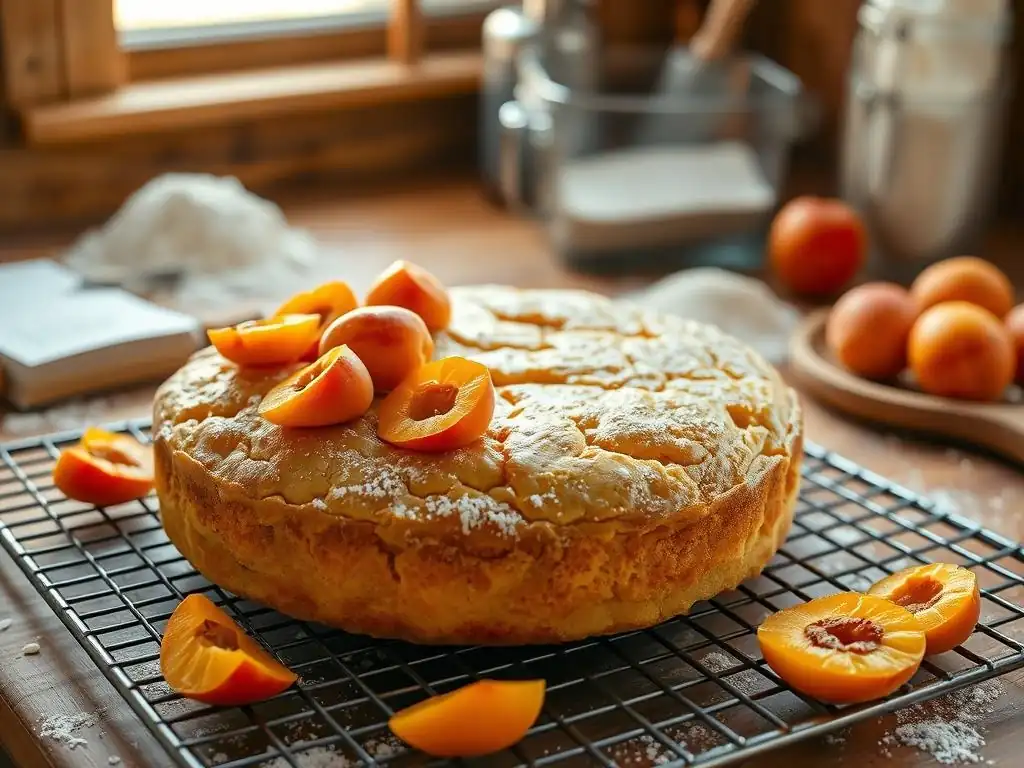
Even with simple apricot baking recipes for beginners, you might encounter a few common issues. Knowing how to identify and prevent or fix these problems can save your bake and improve your results for next time. Baking is often a process of learning and adjustment, and understanding potential pitfalls is part of becoming a more confident baker.
Dealing with issues like fruit sinking, adjusting sweetness, or preventing soggy crusts are common challenges when baking with juicy fruits. Fortunately, there are straightforward solutions to address these, ensuring your apricot creations turn out perfectly.
Preventing Apricots from Sinking in Cakes
If you're adding diced apricots to a cake batter (like a muffin or loaf cake), you might find that the fruit sinks to the bottom during baking. This often happens because the batter is too thin to support the weight of the fruit, or the fruit pieces are too large or wet. To help prevent sinking, try tossing the diced apricot pieces with a tablespoon or two of the dry ingredients (like flour from the recipe amount) before folding them into the batter. This light coating helps the fruit suspend better.
Ensuring your batter is the correct consistency is also important; a very thin batter is more likely to let fruit sink. Using slightly smaller dice of fruit can also help distribute the weight more evenly. If using particularly juicy apricots, you might gently pat them dry with a paper towel after dicing before tossing them in flour.
Achieving the Right Level of Sweetness in Apricot Desserts
Apricots can vary significantly in sweetness depending on their ripeness and variety. Underripe apricots will be quite tart, while very ripe ones will be much sweeter. This variability means you might need to adjust the amount of sugar in your recipe. The best way to gauge this is to taste your fresh apricots before you start baking.
If the apricots are very tart, you may need to add a bit more sugar than the recipe calls for. If they are very sweet, you might reduce the sugar slightly. Starting with the recipe's specified amount and making small adjustments based on taste is a good approach. Remember that baking concentrates the fruit's natural sweetness, so the baked result will taste sweeter than the raw fruit mixture. You can also balance tartness with complementary flavors like a pinch of salt, a bit of lemon juice (which enhances fruit flavor without just adding sourness), or warming spices.
Avoiding a Soggy Bottom in Peach Pies
While we focused on cobblers and bars, the issue of a soggy bottom is common to many fruit-filled baked goods, including cobblers, crumbles, and pies (even though we didn't include a pie recipe here, it's a relevant point for fruit baking). This occurs when the juicy fruit filling releases liquid during baking, which is then absorbed by the bottom crust or layer, making it dense and unpleasantly soft instead of crisp or tender.
For fruit fillings like apricots, using a thickener is crucial. Flour, cornstarch, or tapioca starch are common choices. Cornstarch and tapioca starch generally create a clearer, glossy sauce, while flour results in a cloudier finish. Ensure you use the amount specified in the recipe, or slightly more if your apricots are exceptionally juicy.
Another effective technique, particularly for pies or bars with a distinct bottom crust, is par-baking (partially pre-baking) the bottom crust before adding the filling. This creates a protective barrier. Baking at a sufficiently high temperature also helps the crust set quickly before it can absorb too much liquid.
Enjoy Your Apricot Baking Journey with BakeWithEase!
Frequently Asked Questions
What makes apricot baking recipes suitable for beginners?
Apricot baking recipes are often beginner-friendly due to their relative simplicity and quick preparation times. Many recipes utilize readily available ingredients and straightforward techniques, making them ideal for new bakers.
Where can I find step-by-step apricot baking recipes on BakeWithEase.com?
BakeWithEase.com offers a dedicated section for apricot recipes, featuring detailed guides and ingredient lists. You can find them by searching "apricot" or browsing the "Stone Fruit" category within the recipes section.
What are some easy-to-find ingredients commonly used in apricot baking?
Common ingredients include fresh or dried apricots, flour, sugar, butter or oil, eggs, and basic spices like cinnamon or nutmeg. Many recipes prioritize simplicity and accessibility in ingredient selection.
Can I use frozen apricots in baking recipes if fresh apricots are not available?
Yes, frozen apricots are a perfectly acceptable substitute. Be sure to thaw and drain them before using them in your recipes to prevent excess moisture from affecting the baking process.
What are some examples of simple apricot baking recipes ideal for beginners?
Beginner-friendly options include apricot scones, apricot crumble bars, or a simple apricot galette. These recipes typically involve minimal steps and basic baking techniques, making them easy to master.
Final Reflection: The Enduring Delight of Apricot Baking
The simple joy of baking with apricots transcends mere recipe following; it's a gateway to creativity and connection. From the vibrant hue of the fruit to the sweet, subtly tart flavor it imparts, apricots offer a unique and accessible entry point into the world of baking, even for complete novices. This article has explored easy-to-follow recipes, emphasizing the accessibility and rewarding nature of working with this often-underutilized stone fruit.
The enduring appeal of apricot baking lies not just in its delicious results, but in the comforting ritual it embodies. Baking, particularly with seasonal ingredients like apricots, connects us to the rhythms of nature and fosters a sense of mindful creation. It's a process that allows for experimentation and personal expression, transforming simple ingredients into something beautiful and shareable. Baking is at once child's play and adult joy. And love, of course.
– This sentiment perfectly captures the essence of apricot baking, a process that is both simple and deeply satisfying.
Now, I invite you to take what you've learned and embark on your own apricot baking adventure. Don't be afraid to experiment with different recipes, adjust sweetness levels to your preference, and most importantly, enjoy the process. The beauty of baking lies in the journey, the connection to ingredients, and the sharing of the delicious results. So, gather your apricots, preheat your oven, and let the delightful aroma of baking apricots fill your kitchen – and your heart.
Unleash Your Inner Baker: Apricot Adventures Await!
Thanks for joining us on this delicious journey into the world of apricot baking! We hope you've discovered some inspiring new ways to use this wonderfully versatile fruit. Ready to get baking?
- Dive right in and try one of our apricot recipes today! Which tempting treat will you tackle first?
- Share your baking creations with us on social media using #BakeWithEaseApricots – we'd love to see your masterpieces!
- Explore our entire stone fruit recipe collection for even more fruity fun.
What amazing apricot creation will you bake next? Let us know in the comments below!