
From Orchard to Oven: Your Fresh Fruit Baking Guide

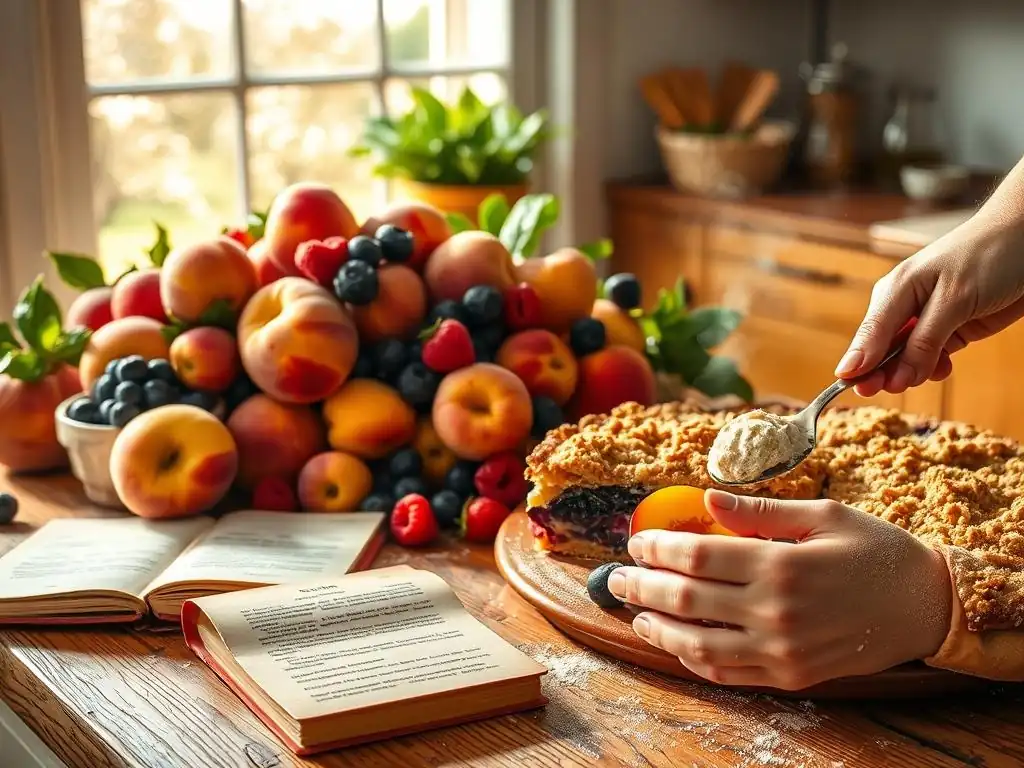
Welcome to BakeWithEase, where the joy of baking meets simplicity! Ever wondered how to transform a basket of fresh, seasonal fruit into mouthwatering masterpieces? We're diving deep into the delicious world of baking with nature's candy. This week, we're exploring easy fresh fruit recipes that will elevate your baking game and tantalize your taste buds. Get ready to discover how to bring the vibrant flavors of the orchard straight to your oven! Curious to know our secret to perfectly balancing sweetness and texture? Let's get baking!
- BakeWithEase Presents: Mastering Easy Fresh Fruit Recipes
- Why Bake with Fresh Fruit? The Sweet Benefits
- Selecting the Perfect Fruits for Your Baking Creations
- Essential Techniques for Baking with Fresh Fruit
- Easy Fresh Fruit Recipes to Get You Started
- Tips and Tricks for Baking with Fresh Fruit Successfully
- Beyond the Basics: Exploring Advanced Fresh Fruit Baking
- BakeWithEase's Commitment to Easy and Delicious Fresh Fruit Baking
-
Frequently Asked Questions
- What are some easy fresh fruit recipes suitable for beginner bakers?
- How can I prevent my fruit from sinking to the bottom of my cake?
- What types of fresh fruit work best in baked goods?
- How do I adjust baking times when using fresh fruit in a recipe?
- Can I substitute frozen fruit for fresh fruit in easy fresh fruit recipes?
- Final Reflection: The Sweetness of Simplicity
- Unlock Your Inner Baker: Bake a Fruit Delight Today!
BakeWithEase Presents: Mastering Easy Fresh Fruit Recipes
Welcome to BakeWithEase, where we believe that baking should be joyful and accessible to everyone! Today, we're diving into the wonderful world of baking with fresh fruit. Imagine the vibrant colors, the sweet aroma filling your kitchen, and the delightful burst of natural flavor in every bite. Using fresh fruit is one of the simplest ways to elevate your baked goods and add a touch of seasonal magic. Whether you're a seasoned baker or just starting, exploring easy fresh fruit recipes is a rewarding experience that connects you directly to nature's bounty.
Our goal is to guide you through selecting, preparing, and baking with fresh fruit to create delicious treats effortlessly. We'll share tips, techniques, and ideas for simple recipes that highlight the natural goodness of fruits. Forget complicated steps or hard-to-find ingredients; we're focusing on bringing the freshness of the orchard (or grocery store produce section!) right into your oven with straightforward methods suitable for any home baker. Get ready to discover how easy and rewarding baking with fresh fruit can be.
Why Bake with Fresh Fruit? The Sweet Benefits
The Flavor Explosion of Seasonal Fruit in Baking
Baking with fresh fruit, especially when it's in season, brings an unparalleled depth and vibrancy of flavor to your creations. Fruits harvested at their peak ripeness are bursting with natural sugars and complex aromatic compounds that synthetic flavorings simply cannot replicate. Think of a perfectly ripe strawberry in a shortcake, the intense sweetness balanced by a hint of tartness, or the rich, honeyed notes of a baked fig. This natural sweetness often allows you to reduce the amount of added sugar in your recipes, resulting in a treat that tastes fresher and more authentic.
For instance, baking with peak-season blueberries can infuse muffins or pies with an intense, juicy sweetness that is far superior to using out-of-season or frozen berries (though frozen have their place, as we'll discuss!). A summer peach cobbler made with sun-ripened peaches offers a flavor profile that is both delicate and powerfully fragrant. These seasonal flavors aren't just delicious; they also evoke feelings of time and place, connecting your baking to the natural cycle of the year. Embracing seasonal produce is a simple step that yields significant flavor dividends in your easy fresh fruit recipes.
Healthier Baking Options: Utilizing Fruit's Natural Sweetness
Incorporating fresh fruit into your baking is a fantastic way to make your treats a little healthier. Fruits are naturally rich in vitamins, minerals, and fiber, adding nutritional value that refined sugars and fats lack. By leveraging the inherent sweetness of fruits like ripe bananas, apples, or berries, you can often decrease the amount of granulated sugar required in a recipe. For example, mashed ripe banana can provide sweetness and moisture in muffins or quick breads, sometimes replacing up to half of the added sugar and a portion of the fat.
Furthermore, the fiber content in fresh fruit helps to slow down the absorption of sugars, leading to a more gradual rise in blood sugar compared to baked goods made primarily with refined ingredients. While baking is still a treat, using fresh fruit offers a way to enjoy delicious desserts and snacks with a touch more nutritional benefit. It's a win-win: you get amazing flavor and texture while potentially reducing your reliance on added sugars, making your easy fresh fruit recipes a smart choice for conscious indulgence.
Visual Appeal: Decorating Baked Goods with Fresh Fruit
Fresh fruit isn't just about flavor; it's also a magnificent tool for making your baked goods visually stunning. The natural colors and shapes of fruits provide an effortless way to decorate cakes, tarts, and pastries, turning simple bakes into edible works of art. Consider the vibrant ruby red of raspberries atop a chocolate cake, the elegant fan of sliced apples on a tart, or the cheerful scattering of mixed berries on a cheesecake. These natural decorations add brightness and freshness that artificial decorations often can't match.
Beyond simply placing fruit on top, you can incorporate it into glazes, fillings, or use it to create patterns. A simple tart can be transformed with a concentric arrangement of thinly sliced plums or peaches. A bundt cake can be drizzled with a glaze made from berry puree, giving it a beautiful natural hue. Using fresh fruit for decoration is not only easy but also ensures that your presentation complements the fresh flavors within, making your easy fresh fruit recipes as appealing to the eye as they are to the palate.
Selecting the Perfect Fruits for Your Baking Creations
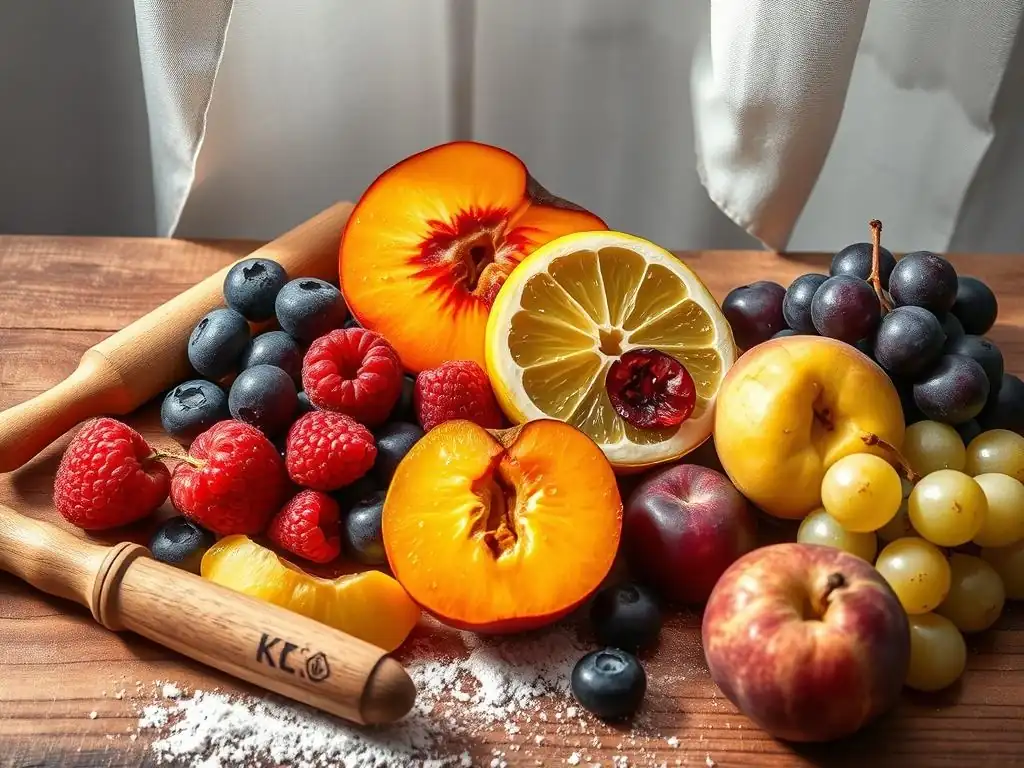
Understanding Fruit Ripeness for Optimal Baking Results
The ripeness of the fruit you choose significantly impacts the outcome of your baked goods. Using fruit that is too unripe can result in hard pieces that don't soften properly during baking, or overly tart flavors. Conversely, fruit that is too ripe, while often sweetest, can become mushy and release excessive moisture, leading to soggy textures.
The ideal ripeness often depends on the specific fruit and the recipe. For pies and tarts, slightly underripe fruit can be beneficial as it holds its shape better and prevents excessive juiciness. For muffins or quick breads where the fruit is mixed into the batter, ripe but still firm fruit is usually best.
Knowing how to identify the right ripeness is key. For apples, choose firm ones without bruises. Berries should be plump and deeply colored.
Peaches and plums should yield slightly to gentle pressure and smell fragrant at the stem end. Bananas for baking (like banana bread) are best when they are heavily spotted or even mostly brown, as their starches have converted to sugars, making them sweet and easy to mash. Paying attention to these subtle cues will ensure your fresh fruit performs perfectly in your baking endeavors, contributing just the right amount of sweetness, moisture, and structure to your easy fresh fruit recipes.
Best Fruits for Baking: A Comprehensive Guide by BakeWithEase
While many fruits can be baked, some consistently perform better than others due to their structure, moisture content, and flavor profile when heated. BakeWithEase has compiled a guide to some of our favorite fruits for baking, focusing on those that yield reliably delicious results in easy fresh fruit recipes. This list covers common and versatile options that are generally easy to find and work with, providing a great starting point for your baking adventures. Understanding which fruits are best suited for different types of baked goods will help you select wisely and achieve success in your kitchen.
From classic comfort foods like apple pie to vibrant summer treats like berry muffins, certain fruits have earned their place as baking stars. Their ability to hold structure, meld flavors, or provide essential moisture makes them ideal candidates for a wide range of recipes. Whether you are planning a simple cake or a more elaborate pastry, choosing the right fruit is the first step towards a successful and delicious outcome. Let's explore some of these baking champions and how they can elevate your easy fresh fruit recipes.
Apples and Pears: Classic Choices for Pies and Crumbles
Apples and pears are quintessential baking fruits, renowned for their ability to soften beautifully in the oven while retaining a pleasant texture and developing rich, complex flavors. Varieties like Granny Smith, Honeycrisp, or Fuji apples, and Bosc or Anjou pears, are excellent choices due to their balance of sweetness, tartness, and firmness. A medium-sized apple contains about 19 grams of sugar and 4 grams of fiber, contributing natural sweetness and structure. When baked, their natural pectin helps them hold their shape, preventing them from turning into complete mush, which is crucial for fillings.
These fruits pair wonderfully with warm spices like cinnamon, nutmeg, and cloves. They are incredibly versatile, forming the base of countless pies, crumbles, crisps, tarts, and cakes. For an apple pie, using a mix of apple varieties can add layers of flavor and texture. Pears, often slightly sweeter and softer than apples when baked, are fantastic in tarts or paired with nuts and spices. Their reliability and compatibility with many other ingredients make them staples in easy fresh fruit recipes for comforting desserts.
Berries: Adding Bursting Flavors to Muffins and Cakes
Berries – strawberries, blueberries, raspberries, and blackberries – are fantastic for adding bursts of juicy flavor and vibrant color to smaller baked goods like muffins, scones, and cakes. Blueberries, for instance, are particularly popular because they hold their shape well and their sweetness intensifies during baking. A cup of blueberries contains roughly 15 grams of sugar and 4 grams of fiber, providing natural sweetness and moisture. Raspberries and blackberries can be a bit more delicate and release more juice, sometimes requiring a thickener like flour or cornstarch when used in large quantities.
When baking with berries, it's common practice to toss them gently with a tablespoon or two of flour before folding them into batter. This helps prevent them from sinking to the bottom and absorbs some of the excess moisture they release during baking. Their bright, slightly tart flavors provide a lovely contrast to sweet batters. Easy fresh fruit recipes featuring berries are perfect for breakfast pastries or simple desserts, offering a taste of summer any time of year (especially if you use frozen berries! ).
Stone Fruits: Peaches, Plums, and Cherries in Summer Treats
Stone fruits like peaches, plums, nectarines, and cherries are the stars of summer baking. When ripe, they are incredibly sweet, juicy, and fragrant, transforming into luscious fillings for cobblers, crisps, pies, and tarts. A medium peach contains about 13 grams of sugar and 2 grams of fiber, offering a soft sweetness and beautiful color. Cherries, smaller and often tarter, provide intense flavor pops. These fruits release a significant amount of juice when heated, so they often require a thickener such as cornstarch, flour, or tapioca starch when used in fillings.
To prevent fillings from becoming too watery, it's often recommended to slice or halve the fruit, mix it with sugar and a thickener, and sometimes let it sit for a few minutes to draw out some juice before baking. This allows you to drain off excess liquid if needed or ensure the thickener is fully incorporated. Their tender texture and rich, sweet-tart flavors make stone fruits essential for capturing the essence of summer in your easy fresh fruit recipes.
Tropical Fruits: Mangoes and Pineapples for Exotic Bakes
While less traditional than apples or berries, tropical fruits like mangoes and pineapples can bring exciting, exotic flavors to your baking. Mangoes, with their lush sweetness and creamy texture, work wonderfully in cakes, muffins, or tarts. A cup of diced mango contains about 23 grams of sugar and 3 grams of fiber, providing intense sweetness and moisture. Pineapples, known for their tangy-sweet flavor and slightly fibrous texture, are classic in upside-down cakes and can be used in breads or tarts.
Using tropical fruits often requires consideration of their high moisture content and sometimes strong enzymes (especially in fresh pineapple, which can prevent gelatin from setting or curdle dairy if not heated). Baking usually deactivates these enzymes. For best results, choose ripe but firm mangoes and pineapples. Dice them into appropriately sized pieces for your recipe. Their unique flavors pair well with coconut, lime, and ginger, offering a delightful departure from more common baking fruits and adding a vibrant twist to easy fresh fruit recipes.
Essential Techniques for Baking with Fresh Fruit
Preparing Fresh Fruit for Baking: Washing, Peeling, and Cutting
Proper preparation is the first step to successful fresh fruit baking. Always start by thoroughly washing your fruit under cool running water to remove any dirt, pesticides, or debris. For fruits with edible skins like berries or cherries, simply washing is sufficient. For fruits with thicker or undesirable skins like apples, pears, peaches, or mangoes, peeling is usually necessary, depending on the recipe. Peeling can be done with a vegetable peeler or paring knife.
Once washed and potentially peeled, the fruit needs to be cut according to your recipe's specifications. This might involve slicing apples for a tart, dicing peaches for a cobbler, or halving cherries for a cake. Uniformity in size is important, especially in pies and tarts, to ensure the fruit bakes evenly.
For fruits that brown quickly, like apples or pears, you can toss the cut pieces in a little lemon juice mixed with water to prevent oxidation while you prepare the rest of your ingredients. This simple preparation ensures your fruit is clean, appropriately sized, and ready to bake perfectly in your easy fresh fruit recipes.
Preventing Soggy Bottoms: Fruit Placement and Moisture Control
One of the most common challenges when baking with fresh fruit, particularly in pies and tarts, is preventing a soggy bottom crust. Fruits release moisture as they heat, and this liquid can seep into the bottom pastry, making it wet and unappealing. Several techniques can help mitigate this. First, consider the placement of the fruit. For pies, some bakers sprinkle a thin layer of dry ingredients like flour, cornstarch, or even finely crushed cookies (like graham crackers or gingersnaps) on the bottom crust before adding the fruit filling. This layer acts as a barrier and absorbs excess moisture.
Another crucial technique is using a thickener mixed directly with the fruit filling. Cornstarch, tapioca starch, flour, or pectin can be used to absorb the released juices and create a cohesive, spoonable filling instead of a watery mess. The amount needed varies depending on the fruit; juicy fruits like berries or stone fruits typically require more thickener than apples or pears.
Pre-baking (or blind baking) the bottom pie crust before adding the fruit filling is another highly effective method to ensure a crisp base, providing a head start on cooking the pastry before it's exposed to the fruit's moisture. Employing these strategies is key to achieving perfectly cooked, non-soggy results in your easy fresh fruit recipes like pies and tarts.
Adjusting Baking Times for Fruit-Filled Recipes
Baking with fresh fruit often requires slight adjustments to standard baking times. Fruits, especially juicy ones, add moisture to the batter or filling, which can extend the time needed for the baked good to set and cook through. A blueberry muffin might take a minute or two longer than a plain muffin, or a deep-dish apple pie could require significantly more time than a pie with a firmer filling. The amount and type of fruit, along with its ripeness, all play a role.
It's important to use recipe guidelines as a starting point but to rely on visual cues and testing for doneness. For cakes and muffins, a toothpick inserted into the cake portion (avoiding large fruit pieces) should come out clean. For pies and tarts, look for a golden-brown crust and bubbling filling, which indicates the fruit is cooked and the thickener has activated.
If the crust is browning too quickly before the filling is ready, loosely tent the bake with foil. Being mindful of the fruit's impact on baking time ensures your easy fresh fruit recipes are cooked through and delicious.
Enhancing Fruit Flavors: Spices and Extracts to Complement
While fresh fruit provides fantastic flavor on its own, complementary spices and extracts can elevate and enhance its natural taste, adding complexity and warmth to your baked goods. Classic pairings include cinnamon, nutmeg, and allspice with apples and pears; ginger and cardamom with stone fruits; and vanilla or lemon zest with berries. A pinch of salt can also help to brighten and balance the sweetness of the fruit.
Consider adding a splash of extract like vanilla, almond, or even a liquor like brandy or rum to your fruit fillings. These additions can deepen the flavor profile and add an extra layer of aroma that makes your baked goods irresistible. For example, a little almond extract pairs beautifully with cherries or peaches, while a touch of lemon zest can make berry flavors pop. Experimenting with different combinations of spices and extracts allows you to customize your easy fresh fruit recipes and bring out the very best in your chosen produce.
Easy Fresh Fruit Recipes to Get You Started
BakeWithEase's Signature Apple Crumble Recipe
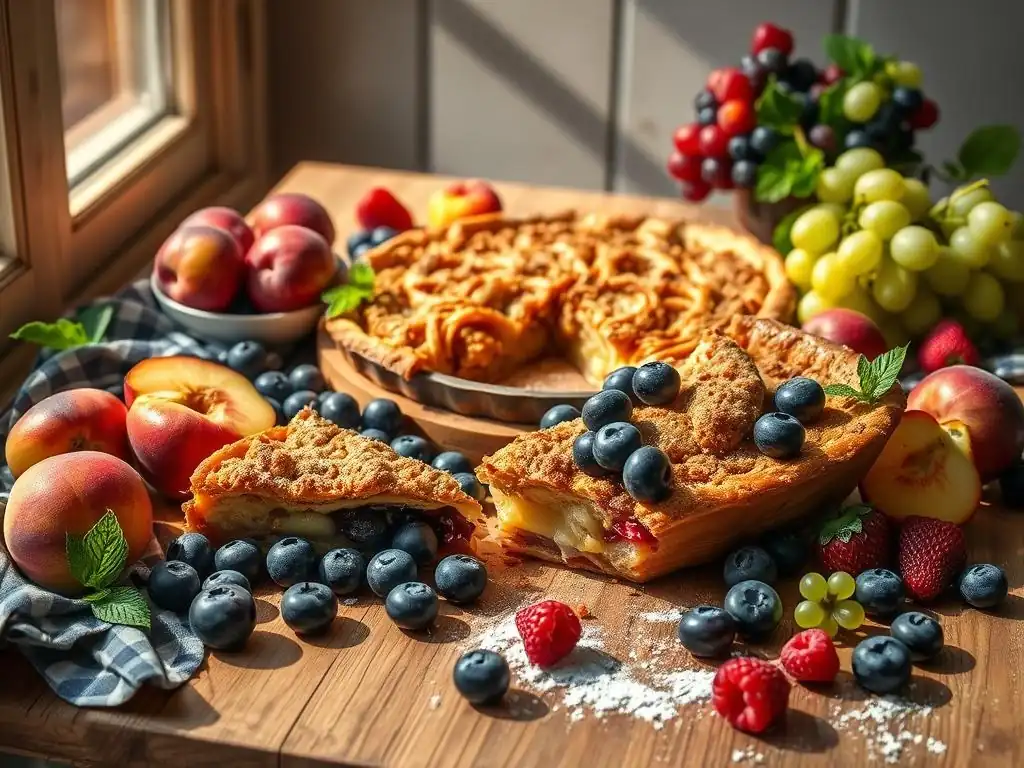
Our signature Apple Crumble is a perfect example of an easy fresh fruit recipe that showcases the simple beauty of baked apples. It requires minimal ingredients and effort but delivers maximum comfort and flavor. The base is a sweet and slightly tart apple filling, typically made with sliced apples, sugar, a touch of flour or cornstarch for thickening, and warm spices like cinnamon. The top is a buttery, crumbly mixture of flour, sugar, and butter, sometimes with the addition of oats or nuts for texture. This recipe is incredibly forgiving and a great introduction to baking with fresh fruit.
Making a great apple crumble is all about balancing the sweetness of the apples with the richness of the crumble topping and the warmth of spices. We recommend using about 2 pounds (roughly 6-8 medium) of a mix of sweet and tart apples for the best flavor. The crumble topping should be mixed until it resembles coarse crumbs, either by hand, with a pastry blender, or even in a food processor.
Once assembled, it bakes until the apples are tender and the topping is golden brown and crisp. It's a delightful dessert served warm, perhaps with a scoop of vanilla ice cream.
Step-by-Step Instructions for a Perfect Apple Crumble
To make our Apple Crumble, begin by peeling, coring, and slicing about 2 pounds of apples into roughly 1/2-inch thick pieces. In a large bowl, toss the apple slices with 1/4 cup granulated sugar (adjust to taste depending on apple sweetness), 2 tablespoons all-purpose flour (or cornstarch for gluten-free), 1 teaspoon ground cinnamon, and a pinch of nutmeg. Pour the apple mixture into an 8x8 inch or 9-inch pie dish.
Next, prepare the crumble topping. In a medium bowl, combine 1 cup all-purpose flour, 1/2 cup packed light brown sugar, and 1/4 teaspoon salt. Cut in 1/2 cup cold unsalted butter, diced, using your fingers, a pastry blender, or a fork until the mixture resembles coarse crumbs. If desired, stir in 1/2 cup rolled oats. Sprinkle the crumble evenly over the apple mixture in the dish. Bake in a preheated oven at 375°F (190°C) for 35-45 minutes, or until the topping is golden brown and the apple filling is bubbling.
Tips for Customizing Your Apple Crumble with Different Fruits
The beauty of the apple crumble framework is how easily you can adapt it to other fruits, creating variations on this easy fresh fruit recipe. Pears are a fantastic substitute for apples, offering a slightly different sweetness and texture. You can use pears on their own or mix them with apples. Stone fruits like peaches, plums, or nectarines are wonderful in a crumble, particularly in the summer. You may need to increase the thickener slightly for very juicy stone fruits.
Berries also make excellent crumble fillings, either alone or mixed with apples or pears. A mixed berry crumble is vibrant and delicious. When using berries, tossing them with a little extra flour or cornstarch (say, 3 tablespoons per 4 cups of berries) is often necessary to manage the moisture. You can also add other elements to the crumble topping, like chopped nuts (pecans or walnuts), shredded coconut, or different spices like cardamom or ginger, to complement the specific fruit you are using.
Berry Bliss Muffins: A Quick and Simple Recipe
Berry muffins are a quintessential easy fresh fruit recipe, perfect for breakfast, snacks, or a simple dessert. They are quick to mix up and bake, making them ideal for busy mornings or spontaneous baking urges. The basic batter is usually a simple mix of flour, sugar, leavening (baking powder and/or soda), eggs, milk or buttermilk, melted butter or oil, and vanilla extract. The star, of course, is the generous addition of fresh berries, which add moisture, sweetness, and those delightful bursts of flavor.
Making great berry muffins involves careful handling of the batter once the fruit is added. Overmixing can lead to tough muffins. The goal is a tender crumb with evenly distributed berries. A standard recipe might call for about 1 to 1.5 cups of berries per 12 muffins, providing plenty of fruity goodness in each bite. The beauty of this recipe lies in its simplicity and the ability to use whatever berries you have on hand, fresh or frozen.
Using Fresh or Frozen Berries in Your Muffins
One of the great things about berry muffins is their flexibility with fruit type and state. You can use fresh berries when they are in season and abundant, or rely on frozen berries year-round. Both work well in this easy fresh fruit recipe. If using fresh berries, simply wash them gently and pat them dry before tossing them with a tablespoon of flour and folding them into the batter.
When using frozen berries, do not thaw them first. Gently toss the frozen berries with a tablespoon of flour and fold them directly into the batter. Using them frozen helps them maintain their shape and prevents their color from bleeding excessively into the batter during mixing. Be aware that using frozen berries might slightly increase the baking time by a minute or two. Regardless of whether they are fresh or frozen, berries are a fantastic addition to simple muffin batters, providing moisture and flavor.
Adding a Streusel Topping for Extra Texture and Flavor
Elevate your Berry Bliss Muffins by adding a simple streusel topping before baking. A streusel topping adds a delightful crunchy texture and extra sweetness that perfectly complements the soft muffin and juicy berries. A basic streusel is made by combining flour, sugar (often brown sugar for moisture and flavor), and cold butter, cut together until crumbly. You can also add spices like cinnamon or a pinch of salt, or even some rolled oats or chopped nuts for extra crunch.
To make a streusel topping for 12 muffins, combine 1/2 cup all-purpose flour, 1/4 cup packed light brown sugar, and 1/4 teaspoon ground cinnamon (optional) in a small bowl. Cut in 2 tablespoons cold unsalted butter, diced, until the mixture is crumbly. Sprinkle the streusel generously over the top of the muffin batter in each cup before baking. The streusel will bake into a golden, slightly crisp layer, adding another dimension of texture and flavor to your easy fresh fruit recipes like these berry muffins.
Peach Cobbler: A Southern Classic Made Easy
Peach cobbler is a beloved Southern dessert that perfectly captures the essence of summer, and it's surprisingly easy to make. This easy fresh fruit recipe typically features a sweet, slightly spiced peach filling topped with a biscuit-like dough, a cake-like batter, or a pastry crust. Our easy version often uses a simple batter or drop biscuit topping that's spooned directly over the fruit, making assembly a breeze. The key is ripe, flavorful peaches that soften and become luscious when baked.
A classic peach cobbler filling involves sliced peaches, sugar, a thickener (like cornstarch or flour), and often a touch of cinnamon or nutmeg. The topping bakes up golden brown and tender, providing a lovely contrast to the soft fruit beneath. Served warm, perhaps with a scoop of vanilla ice cream or a dollop of whipped cream, it's a comforting and deeply satisfying dessert that proves baking with fresh fruit doesn't have to be complicated to be absolutely delicious.
The Secret to a Perfectly Golden Peach Cobbler Crust
Achieving a perfectly golden and tender crust or topping on your peach cobbler is key to this easy fresh fruit recipe's success. If you are using a biscuit or batter topping, ensure your oven is properly preheated to the specified temperature, often around 375-400°F (190-200°C). This initial heat helps the topping rise and set quickly, preventing it from becoming gummy from the fruit's moisture.
For a beautiful golden finish, you can brush the top of the cobbler topping with melted butter or milk and sprinkle it with a little sugar before baking. This promotes browning and adds a touch of sweetness and crunch. Bake until the topping is puffed, golden brown, and cooked through (a skewer inserted into the topping portion should come out clean), and the fruit filling is visibly bubbling around the edges. This bubbling indicates the filling has thickened properly.
Variations: Using Other Stone Fruits in Your Cobbler
Just like apple crumble, peach cobbler is easily adaptable to other stone fruits, allowing you to explore different flavors within this easy fresh fruit recipe format. Plums, nectarines, cherries, or a mix of any of these stone fruits can be used in place of or in combination with peaches. Each fruit will bring its own unique sweetness and tartness to the cobbler.
When substituting fruits, consider their moisture content. Very juicy plums might require a little extra thickener in the filling compared to peaches. Cherries will add beautiful color and a slightly different texture. The general principle remains the same: combine the sliced or pitted fruit with sugar, a thickener, and spices, pour into a dish, and top with your chosen cobbler crust or batter. These variations make cobbler a versatile way to enjoy seasonal stone fruits.
Tips and Tricks for Baking with Fresh Fruit Successfully
Storing Fresh Fruit to Maximize Freshness for Baking
Proper storage is crucial to keeping your fresh fruit in optimal condition for baking. Different fruits have different storage needs. Berries are highly perishable and should be stored unwashed in a single layer in the refrigerator in a breathable container until just before use. Washing them prematurely can encourage mold growth. Apples and pears should be stored in a cool, dark place, ideally in the crisper drawer of your refrigerator, to extend their shelf life significantly – sometimes up to several weeks or even months for certain apple varieties.
Stone fruits like peaches, plums, and nectarines should be ripened at room temperature. Once ripe, they can be stored in the refrigerator for a few days to slow down further ripening. Cherries should be stored unwashed in the refrigerator. Tropical fruits like mangoes and pineapples are best stored at room temperature until ripe, then refrigerated for a short period. Knowing how to store your specific fruits ensures they are at their best when you're ready to use them in your easy fresh fruit recipes.
Freezing Fresh Fruit for Later Use in Baked Goods
Freezing fresh fruit is an excellent way to preserve seasonal bounty and have it available year-round for your baking needs. Most fruits, especially berries and sliced stone fruits, freeze beautifully. To freeze fruit, first wash and prepare it (hull strawberries, pit and slice peaches, etc.). For best results and to prevent clumping, spread the prepared fruit in a single layer on a baking sheet lined with parchment paper and freeze until solid, usually a few hours.
Once frozen, transfer the fruit to airtight containers or freezer bags, removing as much air as possible to prevent freezer burn. Label with the fruit type and date. Frozen fruit is perfect for use in muffins, quick breads, crisps, and cobblers. As mentioned earlier, it's often best to add frozen fruit directly to the batter or filling without thawing, especially for muffins, to help it hold its shape. Freezing ensures you can enjoy easy fresh fruit recipes no matter the season.
Troubleshooting Common Problems When Baking with Fruit
Even with the best preparation, sometimes challenges arise when baking with fresh fruit. Knowing how to troubleshoot common issues can save your bake and improve your results. Two frequent problems are soggy crusts and fruit sinking to the bottom of batters. Understanding the causes and solutions for these can make your fresh fruit baking experience much smoother and more successful.
Other issues might include fruit not softening enough (often due to underripe fruit or insufficient baking time) or fillings being too watery (usually needs more thickener). By paying attention to the fruit's ripeness, using appropriate techniques, and observing your bake, you can anticipate and address these problems. Mastering these troubleshooting tips is part of becoming a confident fresh fruit baker, ensuring your easy fresh fruit recipes turn out perfectly every time.
Soggy Crusts: How to Avoid Them
Soggy crusts, particularly in fruit pies and tarts, are often caused by the fruit releasing too much moisture during baking, which is absorbed by the bottom pastry before it has a chance to cook through and crisp up. As discussed, preventing this involves several strategies. First, ensure your fruit filling is properly thickened using cornstarch, tapioca starch, or flour; don't skimp on the thickener amount recommended for juicy fruits.
Using a hot oven helps the crust set quickly. Baking the pie on a preheated baking sheet or pizza stone can also help conduct heat to the bottom crust. Blind baking the bottom crust before adding the filling is one of the most effective methods, giving the pastry a head start. Finally, consider the type of fruit; some release more moisture than others. By combining thickening agents, proper oven temperature, and potentially blind baking, you can significantly reduce the risk of a soggy bottom in your easy fresh fruit recipes like pies.
Fruit Sinking to the Bottom: Solutions and Prevention
When baking muffins, cakes, or quick breads with fresh fruit, you might find that the fruit sinks to the bottom of the batter during baking. This is often because the fruit is denser than the batter and gravity pulls it down before the batter sets. While a few pieces sinking isn't a disaster, a whole layer of fruit at the bottom isn't ideal.
A simple and effective way to prevent fruit from sinking is to toss the cut fruit pieces with a tablespoon or two of flour (from the total amount called for in the recipe, or an extra tablespoon if the recipe can handle it) before gently folding them into the batter. The flour coating helps the fruit adhere to the batter and suspends it better. Also, avoid overmixing the batter once the fruit is added; mix just until the flour streaks disappear.
Using slightly less ripe, firmer fruit can also help. These easy steps ensure your fruit is evenly distributed throughout your easy fresh fruit recipes like muffins and cakes.
Beyond the Basics: Exploring Advanced Fresh Fruit Baking
Creating Fruit Purees and Compotes for Baking
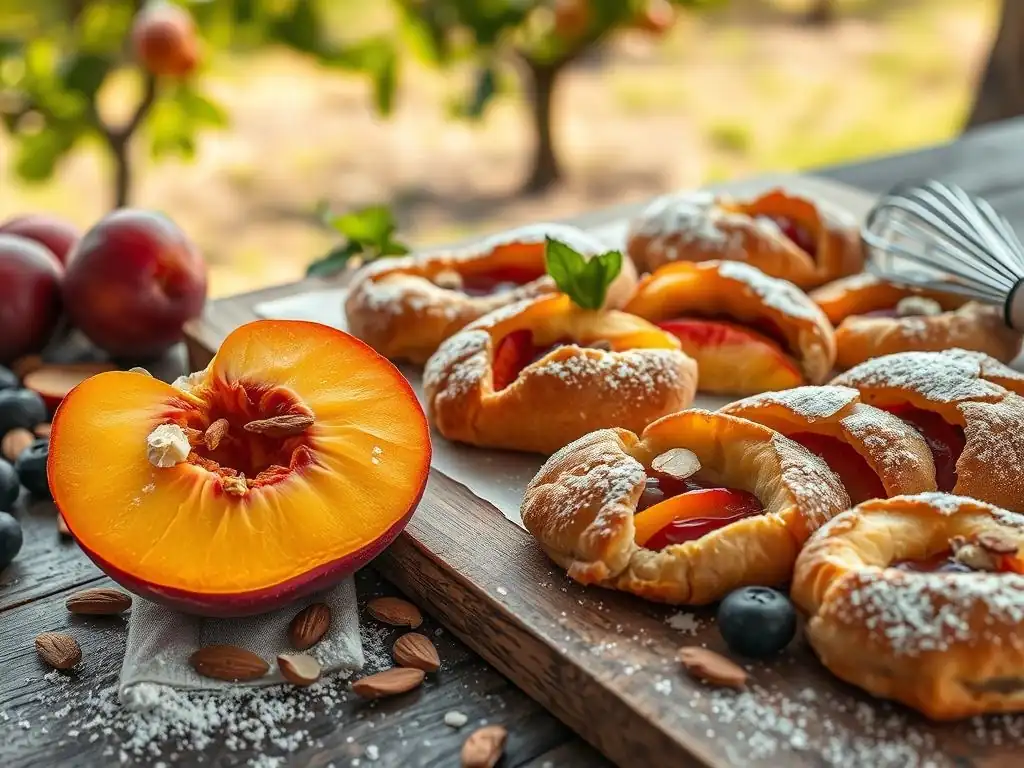
Taking your fresh fruit baking a step further can involve creating your own fruit purees and compotes. A fruit puree is essentially cooked and often strained fruit, resulting in a smooth sauce or paste. Compotes are chunkier sauces where fruit is cooked with sugar and sometimes spices until soft. These preparations can be used in numerous ways in baking, adding intense fruit flavor and moisture.
Fruit purees can replace some of the fat or eggs in certain cake or muffin recipes, adding moisture and flavor (like applesauce in spice cakes). They can also be used to make vibrant glazes or icings. Compotes are wonderful as fillings for cakes, tarts, or pastries, or swirled into batters for added moisture and pockets of fruit flavor. Making purees and compotes allows you to concentrate fruit flavor and manage moisture, opening up new possibilities for your easy fresh fruit recipes.
Incorporating Fruit into Yeast Breads and Sourdough
While most easy fresh fruit recipes focus on quick breads and pastries, fresh and dried fruits can also be wonderfully incorporated into yeast breads and sourdough. Fruits add sweetness, moisture, and texture, creating unique and delicious loaves. Think of apple cinnamon swirl bread, cherry sourdough, or raisin walnut loaves.
Adding fruit to yeast dough requires careful consideration of moisture content. Very wet fruits might need to be slightly dried or used in moderation. Dried fruits, like raisins, cranberries, or apricots, are easier to incorporate and add concentrated sweetness. Fresh fruit pieces can be folded into the dough during the later stages of kneading or shaping. Fruit purees can also be incorporated into the dough itself, adding flavor and moisture. Baking with fruit in yeasted doughs offers a different kind of reward, resulting in fragrant, flavorful breads perfect for breakfast or snacking.
Making Fruit-Based Glazes and Icings
Fruit isn't just for fillings and batters; it can also be transformed into beautiful and flavorful glazes and icings to finish your baked goods. A simple fruit glaze can be made by cooking down fruit juice or puree with sugar until it reaches a syrupy consistency. Adding a little lemon juice can brighten the flavor.
For a creamier icing, fruit puree can be combined with powdered sugar and a liquid like milk or lemon juice. Berry purees make vibrant pink or purple icings, while mango or apricot purees create lovely orange or yellow hues. These fruit-based finishes add a natural burst of flavor and color, providing a fresh alternative to traditional buttercreams or sugar glazes. They are an easy way to add a final touch of fresh fruit goodness to your easy fresh fruit recipes.
BakeWithEase's Commitment to Easy and Delicious Fresh Fruit Baking
At BakeWithEase, we are passionate about making baking accessible and enjoyable for everyone, and that includes celebrating the simple pleasure of baking with fresh fruit. We believe that using fresh, seasonal ingredients is one of the best ways to create truly delicious and rewarding baked goods without unnecessary complexity. Our focus is on providing clear instructions, helpful tips, and reliable recipes that empower you to bake with confidence, whether you're making a simple batch of berry muffins or tackling your first fruit pie.
We constantly explore new ways to incorporate fresh fruit into easy-to-follow recipes, from classic favorites to exciting new ideas. Our goal is to demystify fresh fruit baking, helping you understand how different fruits behave and the best techniques to use for consistent success. We are committed to sharing our knowledge and love for fruit-filled baking, making it easy for you to bring the vibrant flavors and natural goodness of fresh fruit from your kitchen to your table.
We love seeing what you bake! The BakeWithEase community is a wonderful place to share your successes, ask questions, and get inspiration from fellow bakers. If you try one of our easy fresh fruit recipes or create your own fruit-filled masterpiece, we encourage you to share it. Seeing your beautiful bakes and hearing about your experiences brings us immense joy.
Sharing your creations is also a great way to connect with others who share your passion. You might discover new tips, learn about different fruit varieties to try, or inspire someone else to start their own fresh fruit baking journey. Whether it's a photo of a perfectly golden apple crumble or a question about using a new-to-you fruit, your contributions enrich our community. Let's celebrate the delicious world of easy fresh fruit recipes together!
Frequently Asked Questions
What are some easy fresh fruit recipes suitable for beginner bakers?
Beginners can start with simple recipes like fruit crisps or crumbles, which require minimal ingredients and straightforward steps. Another great option is a basic fruit tart with a pre-made crust.
How can I prevent my fruit from sinking to the bottom of my cake?
To prevent fruit sinking, toss it lightly in flour or cornstarch before adding it to the batter. Also, use a thicker batter to provide more support.
What types of fresh fruit work best in baked goods?
Fruits like berries, apples, peaches, and pears generally work best in baked goods due to their flavor and texture. Avoid excessively watery fruits unless the recipe specifically calls for them.
How do I adjust baking times when using fresh fruit in a recipe?
Fresh fruit adds moisture, so you may need to slightly increase baking time. Monitor the baked good closely and check for doneness using a toothpick test; it should come out clean or with a few moist crumbs.
Can I substitute frozen fruit for fresh fruit in easy fresh fruit recipes?
Yes, but be aware that frozen fruit releases more moisture. Consider reducing the liquid in the recipe slightly or thawing and draining the fruit before using.
Final Reflection: The Sweetness of Simplicity
The abundance of fresh fruit at our fingertips, coupled with the ease of transforming it into delectable treats, makes baking with fresh fruit a truly accessible joy. This isn't just about following recipes; it's about embracing the season, connecting with nature, and experiencing the simple satisfaction of creating something delicious from scratch. The recipes outlined in this guide are a testament to how readily available ingredients can yield extraordinary results.
The impact of fresh, homemade baked goods extends far beyond the immediate gratification of a taste bud. It's about fostering a connection to the source of our food, appreciating the artistry of baking, and sharing the fruits (pun intended!) of our labor with loved ones. The best things in life are simple,
a sentiment perfectly encapsulates the essence of this baking journey. The recipes presented here are not just about following instructions; they're about fostering a deeper appreciation for the natural world and the simple pleasures it provides.
Now, I invite you to step into your kitchen, armed with this newfound knowledge and a basket of ripe, seasonal fruit. Don't be afraid to experiment, to adapt, to make these recipes your own. The true reward lies not just in the delicious outcome, but in the process itself – the kneading, the mixing, the sweet aroma filling your home. Embrace the simplicity, savor the experience, and share the joy of baking with those you cherish. Let the journey from orchard to oven be a testament to the power of simple pleasures and the enduring magic of homemade goodness.
Unlock Your Inner Baker: Bake a Fruit Delight Today!
Thanks for joining us on this delicious journey from orchard to oven! We hope you're feeling inspired and ready to create some amazing baked goods. Now it's time to put your newfound knowledge into action.
- Bake your favorite fruit recipe today! Use the tips and techniques we shared to create something truly special. Don't be afraid to experiment!
- Share your baking masterpiece on social media using #BakeWithEaseFruit and tag @BakeWithEase (imaginary social media handle). Let's see your creations!
- Explore our other fruit baking recipes on BakeWithEase.com (imaginary page) to find your next culinary adventure.
What amazing fruit-filled treat will you bake first?