
The Ultimate Collection of Beginner Quick Bread Recipes

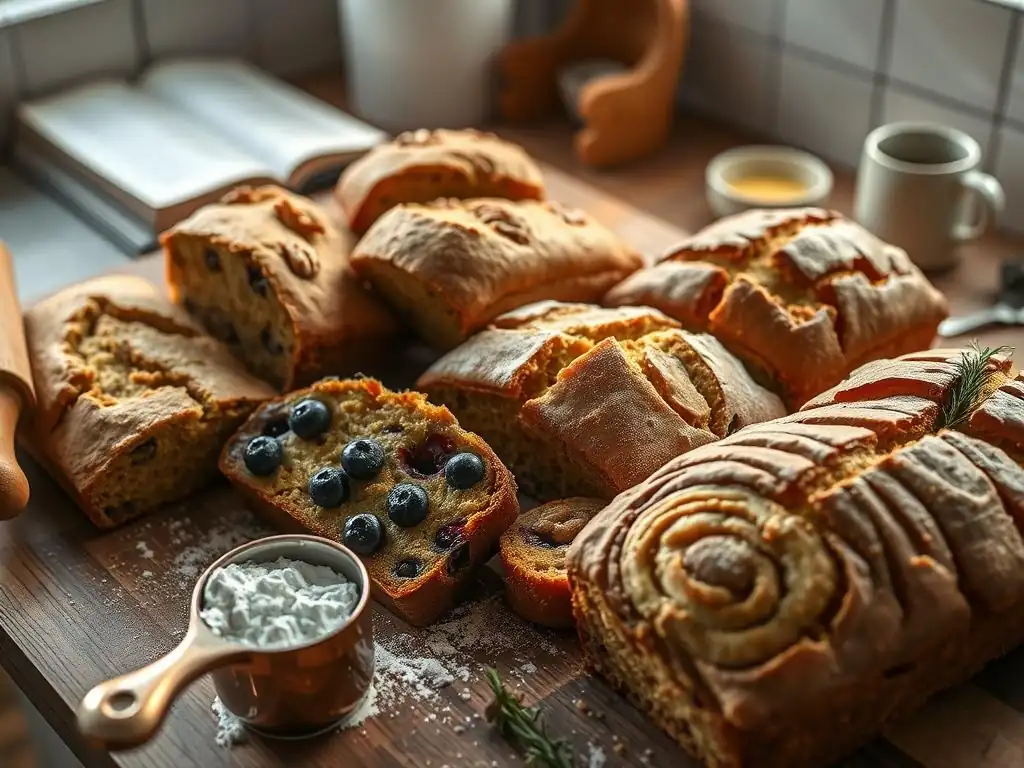
Welcome to BakeWithEase, your ultimate guide to unlocking the joy of baking! Ever dreamt of filling your kitchen with the irresistible aroma of freshly baked bread, but felt intimidated by complex recipes? You're in the right place! Dive into our article, " The Ultimate Collection of Beginner Quick Bread Recipes," and discover how incredibly simple it is to create delicious, homemade loaves without the fuss of yeast. Ready to experience baking success? Let's get started – your first masterpiece awaits!
- Quick & Easy Weekday Breakfast Breads: Bake It Simple
- Introduction to Quick Breads
- Top 5 Weekday Breakfast Quick Bread Recipes
- Troubleshooting Common Quick Bread Issues
- Enhancing Your Quick Bread Recipes
- Conclusion: Mastering Quick Breads for Weekday Mornings
-
Frequently Asked Questions
- What exactly is a quick bread, and why is it considered "easy" for beginners?
- What are some common ingredients I'll need for most easy beginner quick bread recipes from BakeWithEase?
- Can I substitute ingredients in quick bread recipes from BakeWithEase, and if so, what are some common substitutions?
- How do I prevent my quick bread from being dry or dense when using a BakeWithEase recipe?
- What are some variations I can make to the basic quick bread recipes on BakeWithEase to personalize them?
- Final Reflection: The Enduring Appeal of Simple Baking
- Unleash Your Inner Baker: Start Baking Today!
Quick & Easy Weekday Breakfast Breads: Bake It Simple
Introduction to Quick Breads
What are Quick Breads and Why are They Great for Busy Mornings?
Quick breads are a fantastic category of baked goods that rely on chemical leavening agents like baking powder and baking soda, rather than yeast, to rise. This is the key difference that makes them "quick." Unlike yeast breads which require kneading and lengthy proofing times (often hours), quick breads can be mixed and baked relatively fast – often within an hour from start to finish.
Think muffins, scones, biscuits, and loaf cakes. The simplicity of their method, typically involving combining dry ingredients, combining wet ingredients, and then mixing them together just until combined, makes them incredibly approachable for anyone new to baking.
Their speed and simplicity make quick breads perfect for busy weekday mornings. You can whip up a batch of muffins or biscuits while the coffee brews, or slice into a loaf baked the night before. They offer a satisfying, often slightly sweet or savory, start to the day without the time commitment associated with traditional bread baking. For anyone looking for easy beginner quick bread recipes, this category is a goldmine of delicious possibilities that fit seamlessly into a packed schedule, providing homemade goodness with minimal fuss.
Essential Pantry Staples and Tools for Quick Bread Success
Having a few key ingredients and basic tools on hand is fundamental to mastering easy quick bread recipes for beginners. Pantry staples typically include all-purpose flour, granulated sugar, brown sugar, baking powder, baking soda, salt, and vanilla extract. You'll also frequently need fats like butter (either melted or softened) or vegetable oil, dairy products such as milk, buttermilk, or yogurt, and eggs. Keeping these items stocked means you're always ready to try a new quick bread recipe without a last-minute trip to the store.
Beyond ingredients, a few simple tools will make the process smooth. You'll need mixing bowls (at least two: one for dry, one for wet ingredients), measuring cups and spoons for accurate ingredient amounts, a whisk for combining wet ingredients, and a spatula or wooden spoon for mixing the batter or dough. Depending on the recipe, you might also need a muffin tin, loaf pan, or baking sheet. Having these essential tools ready ensures you can move efficiently through the steps of any simple quick bread recipe, leading to consistent and delicious results.
Accurate Measurement: The Key to Consistent Quick Bread Results
Accuracy in measuring ingredients is paramount when baking any quick bread, especially for beginners learning the ropes. Unlike cooking, where you can often adjust ingredients by taste, baking is a science that relies on precise ratios. Too much flour, for instance, can lead to a dry, dense quick bread, while too little leavening can result in a loaf that doesn't rise properly. Using standard measuring cups and spoons and techniques like the "spoon and level" method for flour (gently spooning flour into the cup and leveling off with a straight edge) is crucial for consistent outcomes.
Liquid ingredients should be measured in liquid measuring cups placed on a flat surface at eye level. Fats like butter require specific handling – softened butter for creaming should be at room temperature but not melted, while melted butter needs to be measured after melting. Taking the time to measure each ingredient accurately, whether it's 1 ½ cups of flour or just ½ teaspoon of baking soda, is the most reliable way to ensure your easy beginner quick bread recipes turn out perfectly every time, just as intended.
Top 5 Weekday Breakfast Quick Bread Recipes
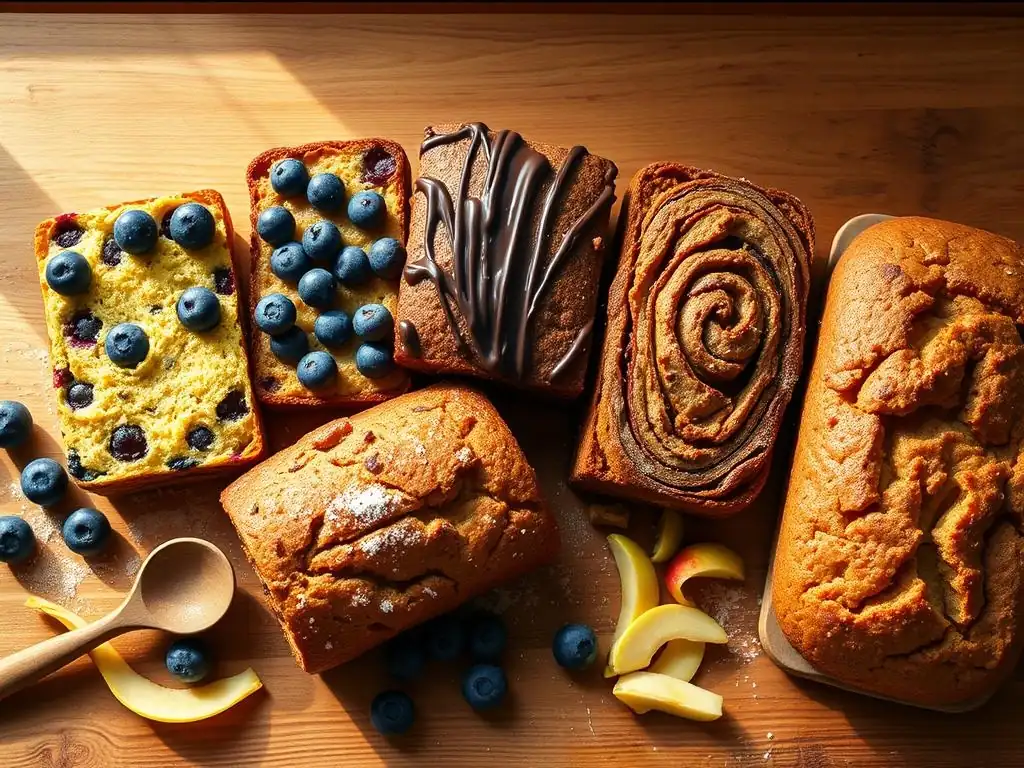
Recipe 1: Blueberry Yogurt Muffins
Ingredients for Moist and Flavorful Blueberry Yogurt Muffins
These easy quick bread recipes for beginners start with a combination of dry staples and wet ingredients enhanced by yogurt for extra moisture and tenderness. You'll need 1 ¾ cups all-purpose flour, ½ cup granulated sugar, 2 teaspoons baking powder, and ½ teaspoon salt. The wet components include 1 large egg, whisked; ½ cup milk (any kind works); ¼ cup vegetable oil or melted butter; 1 teaspoon vanilla extract; and ¾ cup plain yogurt (greek or regular, providing that wonderful moisture). Finally, you'll need 1 ½ cups fresh or frozen blueberries (no need to thaw if frozen).
Combining these ingredients correctly is key. The flour, sugar, baking powder, and salt form the dry base, providing structure and lift. The egg, milk, oil/butter, and vanilla create the liquid foundation, bringing richness and flavor. The yogurt is the secret ingredient for a supremely moist crumb, reacting slightly with the baking powder for extra lift. The blueberries, of course, add bursts of fruity sweetness throughout the muffin, making this a classic and simple quick bread recipe favorite.
Simple Step-by-Step Blueberry Yogurt Muffin Instructions
Preheat your oven to 400°F (200°C) and line a 12-cup muffin tin with paper liners or grease it thoroughly. In a large bowl, whisk together the flour, sugar, baking powder, and salt. In a separate medium bowl, whisk together the egg, milk, oil/butter, vanilla extract, and yogurt until smooth. Pour the wet ingredients into the dry ingredients.
Using a spatula or wooden spoon, mix just until the dry ingredients are moistened. Do not overmix; a few lumps are okay. Gently fold in the blueberries. Divide the batter evenly among the prepared muffin cups, filling each about two-thirds full. Bake for 18-22 minutes, or until a toothpick inserted into the center of a muffin comes out clean. Let them cool in the tin for a few minutes before transferring to a wire rack.
Tips for Avoiding Tough Muffins
The most common pitfall leading to tough muffins is overmixing the batter. When wet and dry ingredients combine, gluten begins to develop. While gluten is necessary for structure, too much development in muffins makes them tough and rubbery. Once you add the wet ingredients to the dry, mix only until you no longer see streaks of dry flour. It's better to have a few small lumps than a perfectly smooth batter.
Another factor is the temperature of your ingredients. Using room temperature eggs and dairy can help them incorporate more evenly into the batter, leading to a more tender crumb. Also, be gentle when folding in the blueberries; vigorous mixing can crush them and release too much juice, potentially altering the batter's consistency and promoting gluten development. Following these simple guidelines will help ensure your easy beginner quick bread recipes, like these muffins, are delightfully tender.
Recipe 2: Apple Cinnamon Loaf
Ingredients for a Warm and Spiced Apple Cinnamon Loaf
This comforting apple cinnamon loaf is a quintessential simple quick bread recipe perfect for autumn mornings or any time you crave warm spices. You'll need 2 cups all-purpose flour, 1 teaspoon baking soda, ½ teaspoon baking powder, ½ teaspoon salt, 1 teaspoon ground cinnamon, and ¼ teaspoon ground nutmeg.
For the wet components, gather ½ cup (1 stick) unsalted butter, softened; 1 cup granulated sugar; 2 large eggs; 1 teaspoon vanilla extract; and ½ cup buttermilk (or ½ cup milk mixed with 1 teaspoon white vinegar or lemon juice, let stand 5 minutes). The star ingredient is 1 ½ cups peeled, cored, and finely diced apples, such as Gala, Fuji, or Honeycrisp.
The combination of baking soda and baking powder provides lift, especially when paired with the acidic buttermilk. Cinnamon and nutmeg infuse the loaf with classic warm spice flavors that pair beautifully with apples. Softened butter and sugar are creamed together to create a light, airy base, while eggs add richness and structure. The diced apples soften as they bake, adding moisture and sweet pockets of fruit throughout this easy quick bread recipe.
Easy Apple Cinnamon Loaf Baking Instructions
Preheat your oven to 350°F (175°C). Grease and flour a 9x5 inch loaf pan. In a medium bowl, whisk together the flour, baking soda, baking powder, salt, cinnamon, and nutmeg. In a large bowl, cream the softened butter and granulated sugar together with an electric mixer (or whisk vigorously by hand) until light and fluffy, about 2-3 minutes. Beat in the eggs one at a time, then stir in the vanilla extract.
In three alternating additions, beginning and ending with the dry ingredients, add the dry ingredients and the buttermilk to the wet ingredients, mixing on low speed or by hand just until combined after each addition. Do not overmix. Gently fold in the diced apples. Pour the batter into the prepared loaf pan and spread evenly. Bake for 50-65 minutes, or until a wooden skewer inserted into the center comes out clean. Let the loaf cool in the pan for 10-15 minutes before transferring it to a wire rack to cool completely.
Variations: Adding Walnuts or a Streusel Topping
To add a delightful crunch and nutty flavor to your apple cinnamon loaf, you can easily incorporate ½ cup of chopped walnuts or pecans into the batter along with the apples. Simply fold them in gently at the same time you add the fruit. The nuts toast slightly as the loaf bakes, enhancing their flavor and providing a different texture contrast to the soft cake and tender apples.
For an extra touch of sweetness and texture on top, consider adding a simple streusel topping before baking. Combine ¼ cup all-purpose flour, 2 tablespoons granulated sugar, 1 teaspoon ground cinnamon, and 2 tablespoons cold butter cut into small pieces. Use your fingers or a pastry blender to mix until crumbly. Sprinkle this mixture evenly over the batter in the loaf pan before placing it in the oven. This streusel creates a lovely crisp, sugary crust that complements the moist interior, elevating this simple quick bread recipe.
Recipe 3: Cheddar Chive Biscuits
Ingredients for Savory Cheddar Chive Biscuits
Switching gears to the savory side of easy beginner quick bread recipes, these cheddar chive biscuits are incredibly simple and satisfying. You'll need 2 cups all-purpose flour, 1 tablespoon baking powder, ½ teaspoon salt, and ¼ teaspoon black pepper. The key to flaky biscuits is cold fat: you'll need ½ cup (1 stick) cold unsalted butter, cut into small cubes. For flavor and moisture, you'll need ¾ cup cold milk or buttermilk, 1 cup shredded sharp cheddar cheese, and 2 tablespoons finely chopped fresh chives.
The high ratio of baking powder to flour provides significant lift, resulting in tall, fluffy biscuits. Cold butter is cut into the dry ingredients, creating small pockets of fat that melt during baking, producing steam and separating the layers of dough for that characteristic flakiness. Cold milk or buttermilk keeps the dough temperature down, helping the butter stay solid until the oven heat hits it. The sharp cheddar cheese adds a tangy, savory depth, while the fresh chives provide a delicate oniony flavor and vibrant color to these simple quick bread recipes.
Simple Biscuit Baking Instructions
Preheat your oven to 425°F (220°C). Line a baking sheet with parchment paper. In a large bowl, whisk together the flour, baking powder, salt, and pepper. Cut in the cold butter using a pastry blender, fork, or your fingertips until the mixture resembles coarse crumbs with some pea-sized pieces of butter remaining. Stir in the shredded cheddar cheese and chopped chives.
Pour in the cold milk or buttermilk and stir with a fork just until the dough comes together. Do not overmix. The dough will be shaggy. Turn the dough out onto a lightly floured surface and gently pat or roll it to about ½ to ¾ inch thickness. Using a biscuit cutter or a knife, cut out biscuits. Gather scraps, gently pat together (do not knead), and cut out remaining biscuits. Place biscuits about 1 inch apart on the prepared baking sheet. Bake for 12-15 minutes, or until golden brown on top and bottom.
Tips for Flaky Biscuits
Achieving flaky layers in biscuits hinges on keeping your ingredients, particularly the butter and liquid, very cold, and handling the dough minimally. Cold butter cut into the flour creates those essential pockets that steam and separate layers during baking. Ensure your butter is straight from the refrigerator and cut into small pieces.
When mixing the liquid into the dry ingredients, stop as soon as the dough just comes together. Overmixing develops gluten, which makes biscuits tough and less flaky. When shaping the biscuits, pat or gently roll the dough instead of kneading it. For extra flaky layers, you can try folding the dough onto itself a few times before cutting, similar to making puff pastry. Finally, handle the cut biscuits gently as you transfer them to the baking sheet. These techniques are fundamental for success with easy quick bread recipes like biscuits.
Recipe 4: Cranberry Orange Scones
Ingredients for Tangy and Sweet Cranberry Orange Scones
Scones are another lovely variety of easy beginner quick bread recipes, perfect with tea or coffee. These cranberry orange scones offer a bright, zesty flavor profile. You'll need 2 cups all-purpose flour, ¼ cup granulated sugar, 2 ½ teaspoons baking powder, ½ teaspoon salt, and the zest of one large orange (about 1-2 tablespoons).
Like biscuits, cold fat is key: ½ cup (1 stick) cold unsalted butter, cut into small cubes. For the liquid, you'll need ½ cup cold heavy cream or buttermilk and 1 large egg. Finally, you'll need 1 cup fresh or frozen cranberries (roughly chopped if large).
The combination of baking powder and cold butter is crucial for the scones' rise and tender, slightly crumbly texture. The orange zest infuses the dough with a fragrant citrus aroma and flavor that perfectly complements the tartness of the cranberries. Heavy cream or buttermilk binds the dough and adds richness while contributing to a tender crumb. The cranberries provide bursts of tangy flavor, making each bite exciting in this simple quick bread recipe.
Simple Scone Baking Instructions
Preheat your oven to 400°F (200°C). Line a baking sheet with parchment paper. In a large bowl, whisk together the flour, sugar, baking powder, salt, and orange zest. Cut in the cold butter using a pastry blender, fork, or your fingertips until the mixture resembles coarse crumbs with some pea-sized pieces of butter remaining. Stir in the cranberries.
In a separate small bowl, whisk together the cold heavy cream/buttermilk and the egg. Pour the wet ingredients into the dry ingredients. Stir with a fork or spatula just until the dough comes together. It will be shaggy. Turn the dough out onto a lightly floured surface and gently pat or shape it into an 8-inch circle about ¾ inch thick.
Cut the circle into 8 wedges (like a pizza). Place the scones on the prepared baking sheet. For a golden top, you can brush the tops lightly with a little milk or cream. Bake for 18-22 minutes, or until golden brown.
Variations: Adding a Lemon Glaze
A simple glaze can add extra sweetness and a burst of citrus flavor to your cranberry orange scones, enhancing the tanginess of the cranberries and brightness of the orange. To make a quick lemon glaze, whisk together about ½ cup powdered sugar with 1-2 tablespoons fresh lemon juice (start with 1 tablespoon and add more until you reach your desired consistency). The glaze should be thick but pourable.
Once the scones have cooled completely on a wire rack, drizzle the glaze generously over the tops. The glaze will set as it dries. This simple addition elevates the flavor profile and presentation of these easy quick bread recipes, making them feel a little more special without much extra effort. You could also use orange juice instead of lemon juice for a pure orange flavor.
Recipe 5: Peanut Butter Banana Bread
Ingredients for a Nutty and Sweet Peanut Butter Banana Bread
Peanut butter and banana are a classic pairing, and they come together beautifully in this moist and flavorful simple quick bread recipe. You'll need 1 ¾ cups all-purpose flour, 1 teaspoon baking soda, ½ teaspoon salt, and ¼ teaspoon ground cinnamon (optional, but recommended). For the wet ingredients, you'll need ½ cup (1 stick) unsalted butter, softened; ½ cup granulated sugar; ½ cup packed light brown sugar; 2 large eggs; 1 teaspoon vanilla extract; ½ cup creamy or chunky peanut butter; and 1 ½ cups mashed ripe bananas (about 3-4 medium bananas).
The combination of baking soda and mashed bananas (which are slightly acidic) provides the primary lift for this loaf. Softened butter and sugars provide richness and sweetness, while brown sugar adds moisture and a subtle caramel note. Eggs bind everything together and add structure. The peanut butter contributes a wonderful nutty flavor and helps keep the bread incredibly moist. Using very ripe bananas is crucial; they are sweeter, more flavorful, and easier to mash, contributing significantly to the bread's moisture and sweetness, making this an ideal easy quick bread recipe for using up overripe fruit.
Simple Peanut Butter Banana Bread Baking Instructions
Preheat your oven to 350°F (175°C). Grease and flour a 9x5 inch loaf pan. In a medium bowl, whisk together the flour, baking soda, salt, and cinnamon (if using). In a large bowl, cream the softened butter, granulated sugar, and brown sugar together until light and fluffy, about 2-3 minutes. Beat in the eggs one at a time, then stir in the vanilla extract and peanut butter until well combined.
Add the mashed bananas to the wet ingredients and mix until just combined. Add the dry ingredients to the wet ingredients and stir with a spatula or wooden spoon just until the dry ingredients are moistened. Do not overmix. Pour the batter into the prepared loaf pan and spread evenly.
Bake for 55-70 minutes, or until a wooden skewer inserted into the center comes out clean (avoiding any pockets of melted peanut butter). If the top browns too quickly, you can tent the loaf loosely with aluminum foil during the last 15-20 minutes of baking. Let the bread cool in the pan for 10-15 minutes before transferring it to a wire rack to cool completely.
Tips for a Moist and Flavorful Bread
The key to a wonderfully moist peanut butter banana bread lies in using very ripe bananas and not overmixing the batter. Ripe bananas (the ones with lots of brown spots!) are naturally sweeter and contain more moisture than less ripe ones. Using 1 ½ cups of genuinely mashed, spotty bananas ensures plenty of moisture and intense banana flavor.
Just like muffins, overmixing banana bread batter develops gluten, which can make the final loaf tough and dry. Mix the wet and dry ingredients together only until the flour streaks disappear. A slightly lumpy batter is perfectly fine and often results in a more tender crumb. Baking at the correct temperature and checking for doneness with a skewer (remembering that melted peanut butter might make it look wet) will help prevent overbaking, which is another common cause of dry quick breads.
Troubleshooting Common Quick Bread Issues
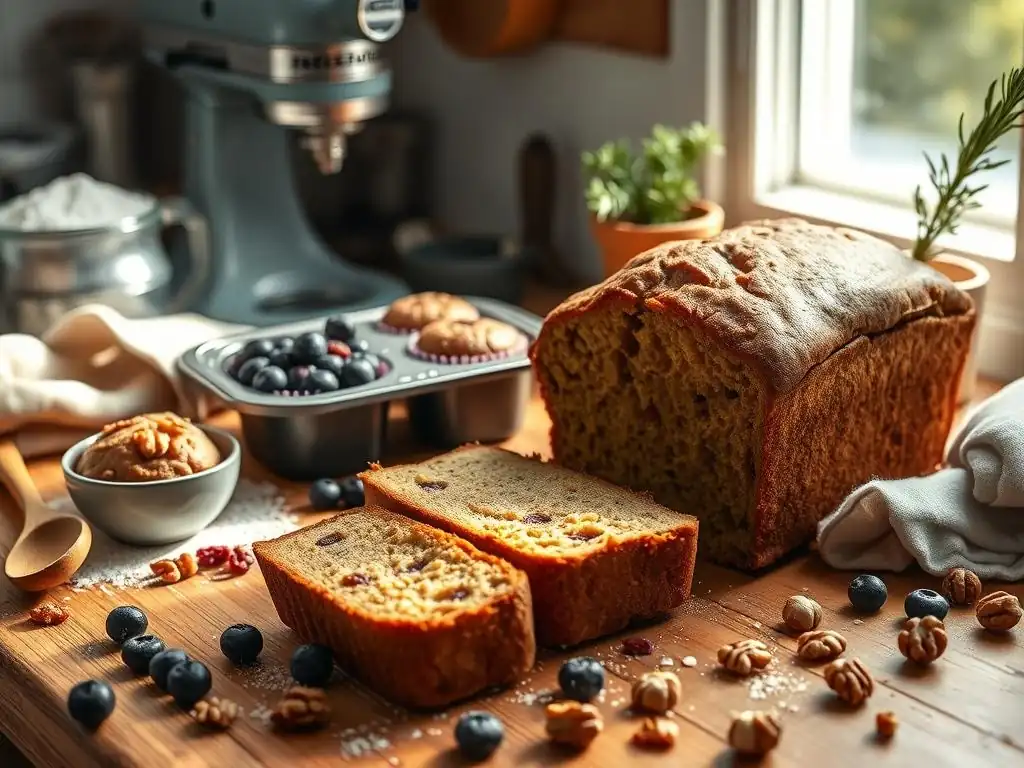
Avoiding Dry Quick Breads: Tips and Tricks
One of the most disappointing outcomes when baking quick breads is a dry, crumbly texture. This is often caused by one or a combination of factors, primarily overmeasuring flour or overbaking. Flour should always be measured using the "spoon and level" method rather than scooping directly from the bag, which can compact the flour and result in using too much. Even an extra ¼ cup of flour can significantly impact the final moisture of a loaf or batch of muffins.
Another critical factor is baking time. Ovens can vary, so always start checking for doneness at the lower end of the recommended baking time range. A wooden skewer or toothpick inserted into the center should come out clean (or with just a few moist crumbs attached, depending on the recipe).
Baking for even a few minutes too long can evaporate too much moisture, resulting in a dry quick bread. Using recipes that incorporate moist ingredients like yogurt, sour cream, mashed fruit (like bananas or applesauce), or oil instead of just butter can also help ensure a tender, moist crumb in your easy beginner quick bread recipes.
Preventing Dense Quick Breads: Solutions and Prevention
Dense quick breads that are heavy or gummy inside are typically a result of improper leavening or overmixing. Baking powder and baking soda are the workhorses of quick bread leavening, creating carbon dioxide gas that makes the batter rise. Ensure your leavening agents are fresh; baking powder loses its potency over time (test by adding a teaspoon to hot water – it should fizz vigorously). Using the correct amount specified in the recipe is also vital.
Overmixing is perhaps the most common culprit for density in easy quick bread recipes. When you mix wet and dry ingredients too much, you develop gluten, leading to a tough, dense texture instead of a light, airy one. Mix only until the dry ingredients are just incorporated – a few lumps are expected and desirable in batters like muffins or banana bread. For biscuit or scone doughs, handle the dough minimally and avoid kneading, which also develops gluten unnecessarily.
Ensuring Proper Rise in Quick Breads: Solutions and Prevention
A quick bread that doesn't rise properly can be disappointing, resulting in a flat, heavy bake. The primary reasons for poor rise are usually inactive leavening agents, incorrect oven temperature, or dough/batter consistency issues. As mentioned, check the freshness of your baking powder and baking soda. If they are old, they won't produce enough gas to lift the batter.
Ensure your oven is preheated to the correct temperature. If the oven is too cool, the leavening agents might activate too slowly or lose their power before the structure sets. An oven thermometer is a useful tool to verify your oven's accuracy. Additionally, make sure your batter or dough has the right consistency as described in the recipe; if it's too dry (often from overmeasuring flour), it can be too stiff to rise properly. Following the recipe's measurements precisely and using fresh leavening are key steps to ensuring a good rise in your easy beginner quick bread recipes.
Storing Quick Breads for Optimal Freshness
Proper storage is essential for keeping your easy quick bread recipes fresh and delicious for as long as possible. Once your quick bread (loaves, muffins, scones, etc.) has cooled completely to room temperature, wrap it tightly in plastic wrap or aluminum foil. This prevents air exposure, which can dry out the bread and make it stale. Loaves can be stored on the counter at room temperature for 2-3 days. Muffins and scones are also good at room temperature for 1-2 days.
For longer storage, quick breads freeze exceptionally well. Wrap cooled loaves or individual muffins/scones tightly in plastic wrap, then place them in a freezer-safe bag or wrap again in aluminum foil. Frozen quick breads can last for up to 2-3 months. Thaw them at room temperature or gently warm them in a low oven or microwave. Proper storage ensures you can enjoy the fruits of your easy quick bread recipes long after they've come out of the oven.
Enhancing Your Quick Bread Recipes
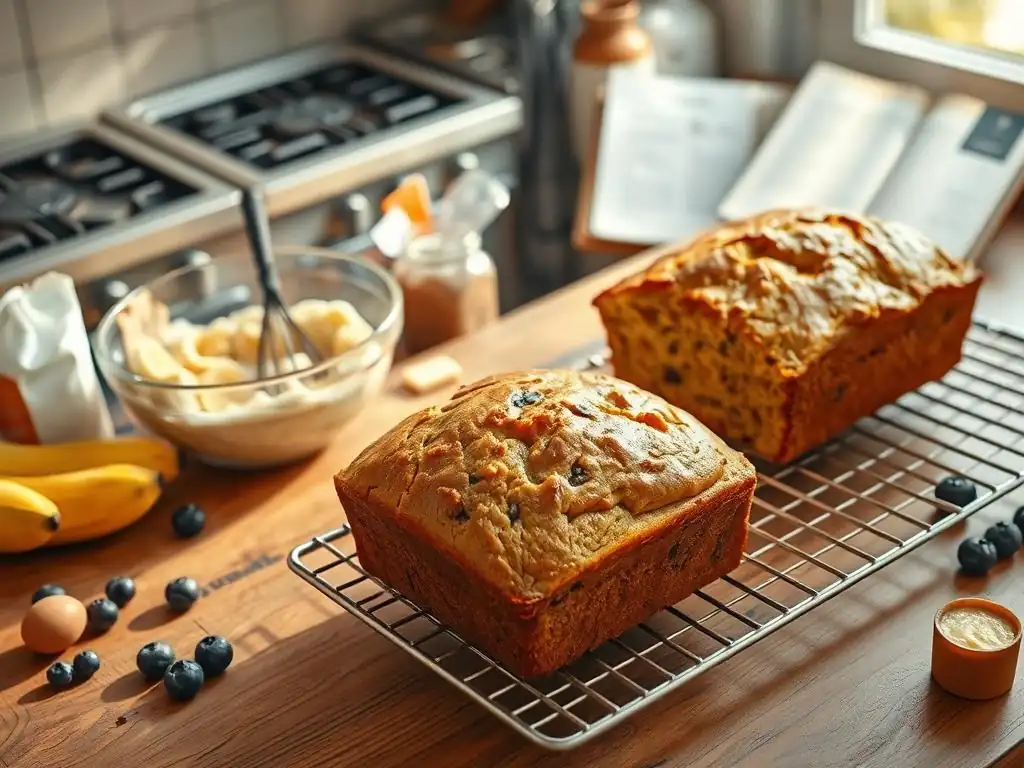
Incorporating Unique Flavor Combinations into Quick Breads
Once you've mastered the basics with simple quick bread recipes, don't hesitate to experiment with different flavor combinations to keep things exciting. The base recipes for muffins, loaves, or scones are incredibly versatile. Instead of just blueberries, try mixing in raspberries, chopped peaches, or a combination of berries. For loaf cakes, swap apples for pears or add shredded zucchini (a classic way to add moisture! ).
Consider adding spices beyond cinnamon and nutmeg, such as cardamom, ginger, or allspice, to complement fruits or nuts. Citrus zest (lemon, lime, grapefruit) can add a bright counterpoint to sweet or savory quick breads. Incorporating extracts like almond, maple, or even a touch of rum extract can deepen the flavor profile. Adding mix-ins like chocolate chips, white chocolate chunks, toasted nuts, dried fruit (cranberries, raisins, apricots), or shredded coconut allows for endless customization of your easy beginner quick bread recipes.
Simple Glazes and Toppings for Quick Breads
Adding a glaze or topping is a simple way to elevate the appearance and flavor of your quick breads. A basic powdered sugar glaze is easy to make by whisking powdered sugar with a small amount of milk, water, or citrus juice until you reach a pourable consistency. This works well on muffins, scones, or loaf cakes. For a richer glaze, use melted butter and a splash of vanilla extract along with the powdered sugar and liquid.
Other simple toppings include a streusel topping (flour, sugar, butter, sometimes cinnamon), which adds a delightful crumble to muffins and loaves. A simple sprinkle of coarse sugar before baking adds a sparkly finish and a hint of sweetness. For savory quick breads like biscuits, a brush of melted butter mixed with garlic powder and herbs immediately after baking adds flavor and moisture. These easy additions make your simple quick bread recipes feel more special.
Serving Suggestions for Quick Breads: Breakfast, Snack, or Dessert
Quick breads are incredibly versatile and can be enjoyed at almost any time of day. They are, of course, classic for breakfast, whether it's a warm slice of banana bread with coffee, a freshly baked scone with tea, or a couple of savory biscuits alongside scrambled eggs. Their grab-and-go nature also makes them perfect for a quick morning bite during the busy work week.
Beyond breakfast, quick breads make excellent snacks. A muffin or a slice of loaf cake is a satisfying treat in the afternoon. Savory quick breads like cheddar chive biscuits can be served warm with butter or used as a base for mini sandwiches. Many quick bread recipes, especially sweeter ones with glazes or added fruit, can also double as a simple dessert, perhaps served warm with a scoop of ice cream or a dollop of whipped cream. Their ease of preparation makes them a go-to for spontaneous baking.
Conclusion: Mastering Quick Breads for Weekday Mornings
Embarking on the journey of baking easy beginner quick bread recipes opens up a world of delicious possibilities that are perfectly suited for busy weekday mornings. From moist blueberry muffins and comforting apple cinnamon loaves to flaky cheddar chive biscuits and zesty cranberry orange scones, the simplicity and speed of quick bread baking make homemade treats accessible to everyone. Mastering these techniques – accurate measuring, gentle mixing, and proper baking times – ensures consistent, delightful results every time you bake.
Armed with a few basic pantry staples and tools, and a willingness to follow simple steps, you can quickly whip up fresh, warm baked goods that bring comfort and joy to the start of your day. Don't be afraid to experiment with flavors and variations as you gain confidence. These easy quick bread recipes are just the beginning; they provide a solid foundation for exploring countless other variations and making quick bread baking a regular, enjoyable part of your routine. Enjoy the process and savor the delicious rewards!
Frequently Asked Questions
What exactly is a quick bread, and why is it considered "easy" for beginners?
Quick breads are breads that don't require yeast for leavening. This makes them easy because they rely on baking powder or baking soda for a quicker rise, skipping the proofing process.
What are some common ingredients I'll need for most easy beginner quick bread recipes from BakeWithEase?
You'll typically need basics like flour, sugar, eggs, milk or buttermilk, oil or butter, baking powder/soda, and salt. BakeWithEase recipes prioritize easy-to-find ingredients readily available in most pantries.
Can I substitute ingredients in quick bread recipes from BakeWithEase, and if so, what are some common substitutions?
Yes, substitutions are often possible! Common swaps include using applesauce for oil, yogurt for sour cream, or alternative flours like almond or oat flour (adjustments may be needed). Always consider how the substitution will affect the texture and moisture of the bread.
How do I prevent my quick bread from being dry or dense when using a BakeWithEase recipe?
Avoid overmixing the batter, as this develops gluten and leads to a tough bread. Also, ensure your oven temperature is accurate and don't overbake. Proper measurement of ingredients is also crucial for a moist, tender crumb.
What are some variations I can make to the basic quick bread recipes on BakeWithEase to personalize them?
You can add fruits (like blueberries or bananas), nuts, chocolate chips, spices (cinnamon or nutmeg), or even cheese and herbs for savory options. Experimenting with flavors is encouraged once you master the basic recipe!
Final Reflection: The Enduring Appeal of Simple Baking
The ease and satisfaction of baking quick bread transcends mere culinary skill; it's a gateway to creativity and connection. These simple recipes, designed for beginners, offer more than just delicious results; they provide a tangible experience of accomplishment and a pathway to exploring the world of baking without intimidation. The joy found in the process, from mixing ingredients to the aroma filling the kitchen, is a powerful reminder of the simple pleasures life offers.
The enduring popularity of quick breads speaks volumes about our innate desire for comfort and homemade goodness. They represent a connection to simpler times, a tradition passed down through generations. The act of baking itself, even a simple loaf, becomes a meditative practice, a moment of mindful creation. As the renowned baker, Paul Hollywood, once said, Baking is about precision, but it's also about passion. It's about love.
This sentiment perfectly encapsulates the heart of quick bread baking – a blend of precise technique and heartfelt intention.
Now, I invite you to roll up your sleeves, gather your ingredients, and embark on your own baking adventure. Don't be afraid to experiment, to adapt these recipes to your own tastes, and to share the delicious results with loved ones. Remember, the most important ingredient isn't listed in the recipe – it's the joy you bring to the process and the love you share through your baking. Let the warmth of a freshly baked loaf fill your home and your heart.
Unleash Your Inner Baker: Start Baking Today!
Thanks for joining us on this delicious journey into the world of quick breads! We hope you’ve discovered some new favorite recipes and feel inspired to get baking. Now it’s time to put your newfound skills to the test!
- Bake your first quick bread: Choose one recipe from the collection that excites you and get baking! Don't be afraid to experiment with different flavors and additions.
- Share your baking triumphs (or even your baking mishaps!): Post a picture of your creation on social media and tag us – we'd love to see what you've made!
- Explore more quick bread recipes: Head over to our recipe index for even more inspiring options; we're constantly updating our collection!
What's the first quick bread you're going to try, and why did you choose it? Let us know in the comments below!