
The Difference Between Baking Soda and Baking Powder Explained for Beginners

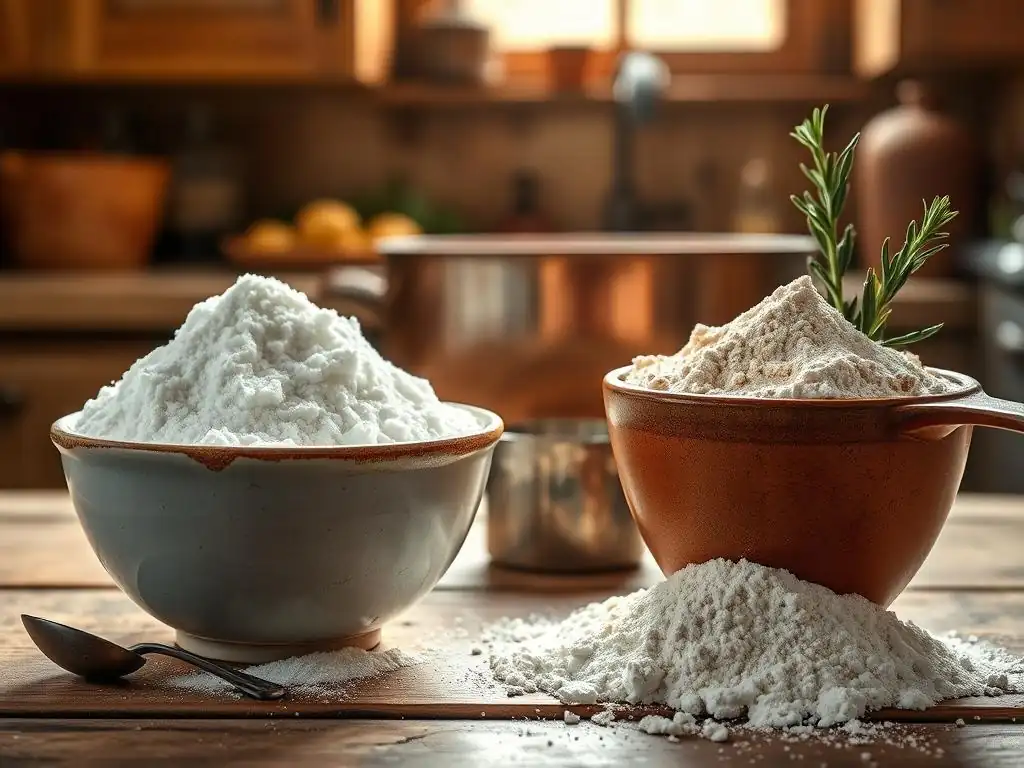
Welcome to BakeWithEase, your culinary companion on a journey to baking brilliance! Ever wondered what really sets apart a perfectly fluffy cake from a flat disappointment? Dive in as we unravel the mystery behind two essential ingredients: baking soda vs. baking powder. Discover the subtle yet significant differences that can make or break your baking creations, and unlock the secrets to baking success. Ready to rise to the occasion? Let's get started!
- Baking Soda vs. Baking Powder: A Beginner's Guide to Leavening Agents
- Understanding Leavening Agents in Baking
- Baking Soda Explained: Chemical Properties and Uses
- Baking Powder Explained: Types and Applications
- Baking Soda vs. Baking Powder: Key Differences and Similarities
- When to Use Baking Soda vs. Baking Powder: Recipe Guidelines
- Troubleshooting Baking Problems Related to Leavening Agents
- Baking Soda and Baking Powder: Expert Baking Tips
-
Frequently Asked Questions
- What is the main difference between baking soda and baking powder?
- Can I substitute baking soda for baking powder, or vice versa?
- How do I know if my baking powder or baking soda is still good?
- What are some common acidic ingredients that activate baking soda?
- What happens if I use too much baking soda or baking powder in a recipe?
- Final Reflection: The Humble Rise of Baking Alchemy
- Unlock Your Baking Potential: Master the Soda & Powder Difference!
Baking Soda vs. Baking Powder: A Beginner's Guide to Leavening Agents
Understanding Leavening Agents in Baking
The Role of Leavening in Baked Goods
Leavening agents are the unsung heroes of baking, responsible for the light, airy, and tender textures we love in cakes, muffins, cookies, and breads. Without them, baked goods would be dense, flat, and hard, more like a cracker or a hockey puck than a fluffy biscuit. These agents produce gases, typically carbon dioxide, within the batter or dough. As the baked good heats in the oven, these gas bubbles expand, causing the mixture to rise.
Think of leavening as creating tiny internal balloons that inflate during baking. This expansion creates the open crumb structure seen in a well-baked loaf of bread or the fluffy lift of a perfect cupcake. The type and amount of leavening used significantly impact the final volume, texture, and even the appearance of your baked creation. Mastering leavening is a crucial step for any beginner baker looking to achieve consistent and delicious results.
Why Baking Soda and Baking Powder Matter for Baking Success
Baking soda and baking powder are the two most common chemical leavening agents found in home kitchens, and understanding their distinct properties is fundamental to following recipes correctly and troubleshooting issues. While both help baked goods rise, they do so through different mechanisms and require different conditions to activate. Using the wrong one, or the wrong amount, can lead to disappointing outcomes, from sunken cakes to excessively crumbly cookies.
Getting the hang of when and how to use baking soda vs powder is a game-changer. It allows you to confidently approach a wide range of recipes, from delicate pastries to hearty quick breads. Knowing the difference empowers you to predict how your batter will behave in the oven and make adjustments if needed, setting you on the path to becoming a successful baker.
Baking Soda Explained: Chemical Properties and Uses
What is Baking Soda? (Sodium Bicarbonate)
Baking soda, scientifically known as sodium bicarbonate (NaHCO₃), is a simple chemical compound. In its pure form, it is a fine, white crystalline powder. It is alkaline, meaning it has a high pH. This alkalinity is key to how it works as a leavening agent.
Unlike some other leavening agents, baking soda requires an acid to activate and produce carbon dioxide gas. This means it's typically used in recipes that contain acidic ingredients like buttermilk, yogurt, lemon juice, vinegar, molasses, brown sugar, applesauce, or natural cocoa powder. Without an acid present, baking soda will produce very little gas on its own, resulting in minimal leavening.
How Baking Soda Works: The Chemical Reaction
The magic of baking soda happens when it comes into contact with an acidic ingredient and moisture. This combination triggers a chemical reaction that produces carbon dioxide gas, water, and a neutral salt. The equation looks something like this: NaHCO₃ (baking soda) + H⁺ (acid from acidic ingredient) → Na⁺ + H₂O + CO₂ (carbon dioxide gas).
The carbon dioxide gas is what creates bubbles in the batter or dough. As the baked good is heated in the oven, these bubbles expand, causing the mixture to rise and become light and airy. This reaction happens fairly quickly once the ingredients are mixed, so batters using baking soda are often baked immediately after mixing to capture the maximum leavening power.
Using Baking Soda in Recipes: When and How Much
Baking soda is primarily used in recipes that already contain acidic components. Examples include recipes for buttermilk biscuits, gingerbread (molasses is acidic), devil's food cake (uses natural cocoa powder), or muffins made with yogurt. The amount used is usually relatively small compared to the amount of flour, often ranging from 1/4 teaspoon to 1 teaspoon per cup of flour, depending on the acidity of the other ingredients.
It's crucial not to use too much baking soda, even if your recipe calls for plenty of acid. Excess baking soda that doesn't react with acid can leave a soapy or metallic aftertaste and cause yellow or brownish spots in the finished product. Always measure baking soda accurately, preferably leveling the spoon without compacting the powder.
Baking Soda and Acidic Ingredients: The Perfect Pairing
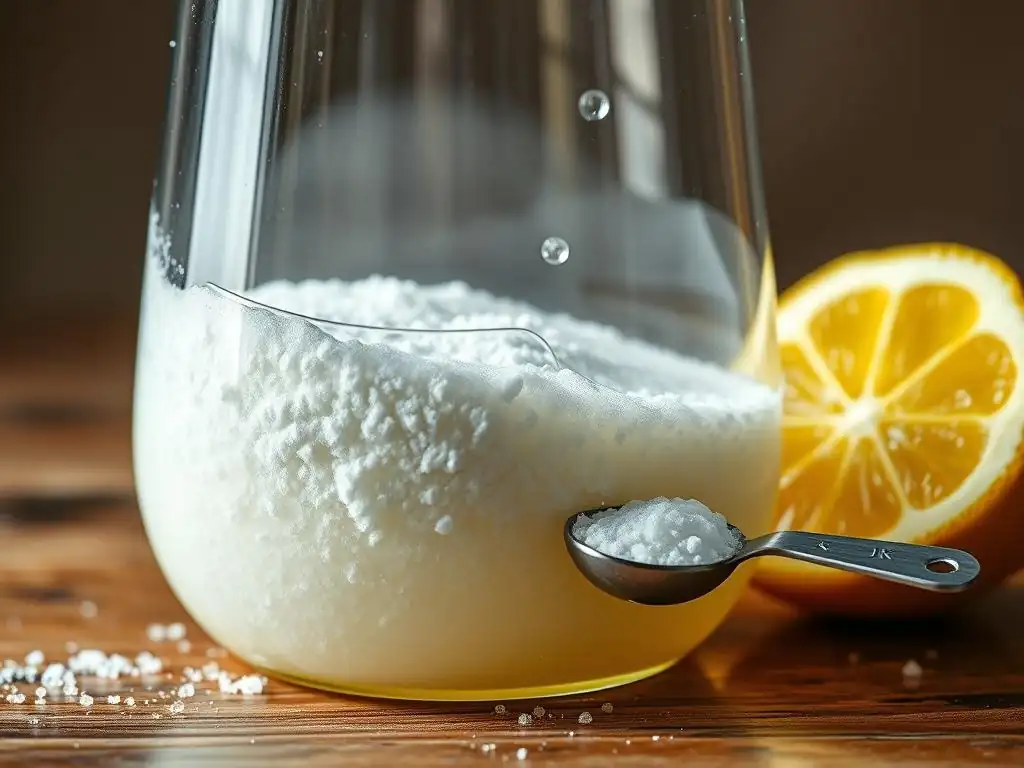
The effectiveness of baking soda as a leavening agent is entirely dependent on its reaction with an acid. Common acidic ingredients found in baking include:
- Dairy: Buttermilk, yogurt, sour cream
- Fruits: Lemon juice, vinegar, applesauce, mashed bananas, citrus zest
- Sweeteners: Molasses, brown sugar, honey, maple syrup
- Other: Natural cocoa powder (not Dutch-processed), coffee
The ratio of baking soda to acid is important. Too little acid, and the baking soda won't fully react, potentially leaving a bitter taste. Too much acid, and all the baking soda will react quickly, but the excess acid can affect the texture and flavor of the baked good. Recipes are typically balanced to ensure the correct amount of acid is present to react with the specified amount of baking soda while also contributing to flavor and moisture.
Baking Soda Substitutes: Cream of Tartar and Baking Powder Combination
If a recipe calls for baking soda and you don't have it, you can sometimes create a substitute using baking powder and an acid like cream of tartar. Cream of tartar is a powdered acid (potassium bitartrate) that reacts with baking soda. A common substitution is to mix 1/2 teaspoon of cream of tartar with 1/4 teaspoon of baking soda to replace 1/4 teaspoon of baking soda.
Alternatively, you can sometimes substitute baking powder entirely for baking soda, but this requires adjusting the amount and potentially adding an acidic liquid to the recipe if it didn't already have one. Since baking powder contains both an acid and a base, it can provide leavening on its own. However, baking powder is less potent than pure baking soda.
A general rule of thumb is to use about three times the amount of baking powder as the called-for baking soda (e.g., 3 teaspoons baking powder for 1 teaspoon baking soda), but this substitution works best in recipes that don't rely heavily on the specific chemical reaction between baking soda and a strong acid for texture or flavor. This highlights a key difference in the Baking soda vs powder debate.
Baking Powder Explained: Types and Applications
What is Baking Powder? (A Complete Leavening Agent)
Unlike baking soda, which is just sodium bicarbonate, baking powder is a complete leavening agent. It's a mixture that typically contains sodium bicarbonate (the base), one or more acid salts (like cream of tartar, sodium aluminum sulfate, or monocalcium phosphate), and a starch (usually cornstarch) to absorb moisture and prevent the acid and base from reacting prematurely in the container.
Because it contains both the acid and the base needed for the reaction, baking powder only needs liquid and/or heat to activate and produce carbon dioxide gas. This makes it a convenient leavening agent for recipes that don't contain sufficient acidic ingredients to activate baking soda on its own.
Single-Acting vs. Double-Acting Baking Powder
There are two main types of baking powder: single-acting and double-acting. Single-acting baking powder contains only one acid salt, which reacts with the baking soda as soon as it gets wet. This means the batter needs to be mixed and baked immediately to capture the leavening gas before it dissipates. Single-acting baking powder is less common in home kitchens today.
Double-acting baking powder, the most common type available in supermarkets, contains two different acid salts. The first acid salt reacts with the baking soda when it gets wet, providing an initial lift as soon as the ingredients are mixed. The second acid salt requires heat to react, providing a second burst of leavening power once the batter is in the oven. This "double action" provides more reliable and sustained leavening, allowing batters to sit for a short period before baking without losing all their lift. Most recipes calling for "baking powder" assume you are using double-acting.
How Baking Powder Works: The Leavening Process
Double-acting baking powder provides leavening in two stages. The first stage occurs when the dry baking powder is mixed with liquid in the batter. One of the acid salts dissolves and reacts with the baking soda, producing carbon dioxide gas. This gives the batter an initial lightness.
The second stage of leavening happens when the batter is heated in the oven. The heat activates the second acid salt in the baking powder (often a sulfate-based acid), which then reacts with any remaining baking soda. This produces another release of carbon dioxide gas, giving the baked good its final rise and structure as it bakes. This two-stage process makes double-acting baking powder very forgiving for beginner bakers.
Using Baking Powder in Recipes: Measuring and Mixing
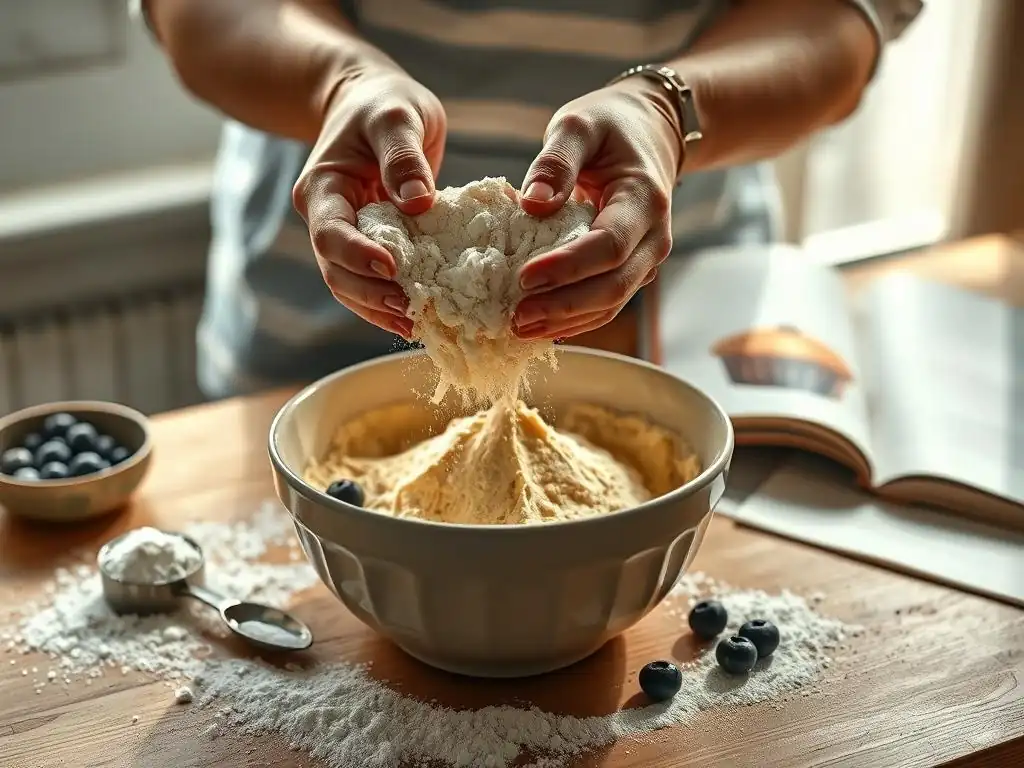
Baking powder is used in recipes that don't contain enough acidic ingredients to activate baking soda alone, or when a more controlled and sustained rise is desired. It's commonly found in recipes for standard cakes, pancakes, waffles, some cookies, and quick breads that use milk or water as the primary liquid. The typical amount used is around 1 to 1 1/2 teaspoons of double-acting baking powder per cup of flour, but this can vary depending on the recipe and desired texture.
Accuracy in measuring baking powder is just as important as with baking soda. Too much can lead to a bitter or chemical taste, a coarse crumb, and a dome that falls. Too little, and your baked goods will be dense. Always measure carefully and mix into the dry ingredients before adding liquids to ensure even distribution. Avoid overmixing batters that use baking powder, as this can develop gluten unnecessarily and lead to a tough texture, counteracting the leavening's effect.
Baking Powder Substitutes: Homemade Baking Powder Recipe
If you're out of baking powder, you can make a simple substitute using baking soda and cream of tartar. The standard ratio is 1/4 teaspoon baking soda plus 1/2 teaspoon cream of tartar to replace 1 teaspoon of double-acting baking powder. Remember that this homemade version is single-acting, meaning it will start reacting as soon as it hits the liquid, so you'll need to bake your batter immediately.
Here's a quick recipe for a small batch of homemade baking powder:
- 1 part Baking Soda
- 2 parts Cream of Tartar
- 1 part Cornstarch (optional, helps prevent clumping for storage)
For example, to make 1 tablespoon of baking powder substitute, combine 1 teaspoon baking soda, 2 teaspoons cream of tartar, and 1 teaspoon cornstarch. Whisk them together thoroughly. Use this mixture immediately in your recipe. This substitution highlights a key aspect of Baking soda vs powder composition.
Baking Soda vs. Baking Powder: Key Differences and Similarities
Chemical Composition Comparison: Baking Soda vs. Baking Powder Ingredients
The core difference between baking soda and baking powder lies in their composition. Baking soda is a single chemical compound: pure sodium bicarbonate (NaHCO₃). It is alkaline and requires an acid to react and produce CO₂.
Baking powder, on the other hand, is a mixture. It contains sodium bicarbonate, one or more acid salts, and usually a starch. It's designed to be a self-contained leavening system. This fundamental difference in ingredients dictates how and when each leavening agent is used, marking a clear distinction in the Baking soda vs powder comparison.
Leavening Action: Understanding the Reaction Differences
The way baking soda and baking powder produce lift is different. Baking soda reacts immediately and vigorously when combined with an acid and moisture. This reaction is often quick and complete shortly after mixing.
Baking powder, especially double-acting, has a two-stage reaction. The first reaction occurs upon contact with liquid, providing initial lift. The second, stronger reaction occurs when heated in the oven. This delayed action makes baking powder more forgiving and provides sustained leavening throughout the baking process.
Taste and Texture: How Each Affects Baked Goods
Baking soda can affect the taste and texture of baked goods, particularly if too much is used or if there isn't enough acid to neutralize it. Unreacted baking soda can leave a noticeable soapy, bitter, or metallic flavor. It also promotes browning and contributes to a finer, more tender crumb in recipes where it's paired with an acid.
Baking powder, when used correctly, generally has less impact on taste compared to unreacted baking soda. However, using too much baking powder can also lead to a slightly bitter or chemical aftertaste and a coarse, airy crumb. The type of acid salt in baking powder can also influence the final flavor and texture.
Storage and Shelf Life: Baking Soda and Baking Powder Considerations
Both baking soda and baking powder are sensitive to moisture and air, which can cause them to lose their potency over time. They should be stored in airtight containers in a cool, dry place. Baking soda, being a single compound, tends to have a longer shelf life if kept dry, often remaining effective for up to two years or even longer.
Baking powder, being a mixture, is more susceptible to losing its effectiveness, especially if moisture causes premature reactions. Its typical shelf life is around 6 to 12 months once opened. Using fresh leavening agents is crucial for successful baking, which brings us to testing their freshness.
When to Use Baking Soda vs. Baking Powder: Recipe Guidelines
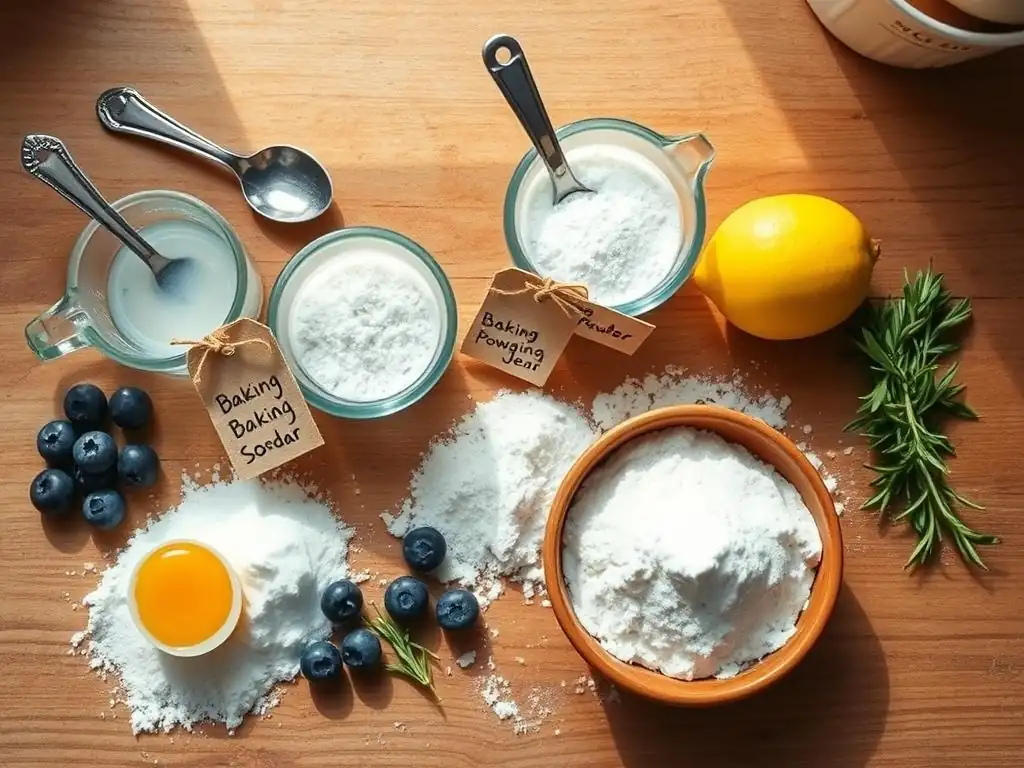
Recipes that Rely on Baking Soda
Recipes that call only for baking soda typically contain a significant amount of acidic ingredients. These recipes leverage the fast, powerful reaction of baking soda with acid to achieve lift, often resulting in a slightly chewier texture and enhanced browning.
Examples include:
- Buttermilk biscuits
- Gingerbread and molasses cookies
- Recipes using natural cocoa powder (like classic devil's food cake)
- Some muffin recipes using yogurt or sour cream
In these cases, the acid isn't just for leavening; it also contributes flavor and tenderness. The baking soda reacts with the acid, neutralizing some of it while providing the necessary rise.
Recipes that call only for baking powder, or use significantly more baking powder than baking soda, generally do not contain enough acidic ingredients to activate baking soda on its own. These recipes rely on baking powder's self-contained leavening system and its double-acting properties for a steady, reliable rise.
Examples include:
- Standard cakes (vanilla, white cake)
- Pancakes and waffles
- Scones
- Some cookies and quick breads that use milk or water as the primary liquid
Baking powder provides lift without requiring a strong acidic component in the recipe, making it versatile for many standard baked goods where the flavor profile is meant to be neutral or based on other ingredients.
Substituting Baking Soda for Baking Powder (and Vice Versa): Ratio and Limitations
Substituting baking soda for baking powder is generally not recommended in recipes that call only for baking powder, unless you also add a significant amount of acid. As mentioned, baking soda is much stronger; 1/4 teaspoon of baking soda has roughly the leavening power of 1 teaspoon of baking powder. Simply swapping them 1:1 will result in too much leavening, a bitter taste, and likely a collapsed or oddly textured product.
Substituting baking powder for baking soda is more feasible, especially in recipes that use both baking soda and baking powder. If a recipe calls for baking soda and you need to substitute with baking powder, use about three times the amount of baking powder (e.g., 3 tsp baking powder for 1 tsp baking soda).
However, be aware that this substitution may alter the flavor and texture, as you are introducing extra acidic salts and potentially missing the specific reaction between baking soda and an acid that the original recipe intended. This is a crucial point in understanding Baking soda vs powder usage.
Flat Cakes: Identifying the Cause (Baking Soda/Powder Issues)
A common and frustrating problem for bakers is a cake that doesn't rise properly and ends up flat or sunken. This is often directly linked to leavening agents. Potential causes related to baking soda or baking powder include:
- Expired Leavening Agent: If your baking soda or baking powder is old, it may have lost its potency and won't produce enough gas to lift the batter.
- Incorrect Measurement: Using too little baking soda or baking powder will result in insufficient lift.
- Overmixing: Especially with baking powder, overmixing can deflate the air bubbles created by leavening, leading to a dense cake.
- Incorrect Substitution: Swapping baking soda for baking powder (or vice versa) without adjusting the amounts or considering the recipe's acid content will likely lead to poor results.
Checking the freshness of your leavening agents is the first step when troubleshooting flat baked goods. Then, review your measurements and mixing technique.
Dense Baked Goods: Leavening Agent Problems and Solutions
Density in baked goods, whether it's a heavy muffin or a hard cookie, often points to a leavening issue. While other factors like too much flour or insufficient fat can contribute, inadequate leavening is a primary suspect.
Reasons for dense results due to leavening include:
- Using expired or inactive baking soda/powder.
- Using too little of the specified leavening agent.
- In recipes using baking soda, insufficient acidic ingredients to activate it fully.
- Overmixing the batter, which can collapse the gluten structure and the leavening bubbles.
To solve density issues related to leavening, ensure your leavening agents are fresh (test them! ), measure them accurately, and follow the recipe's instructions regarding mixing – often, quick breads and muffins benefit from minimal mixing until just combined.
Bitter Taste: Too Much Baking Soda?
A noticeable soapy, metallic, or bitter taste in your baked goods is a strong indicator that too much baking soda was used, or that there wasn't enough acid in the recipe to react with all of it. This leaves unreacted sodium bicarbonate in the finished product, which has an unpleasant flavor.
This issue is specific to baking soda. Baking powder can also cause a bitter taste if used in excessive amounts, but the flavor profile is often slightly different, sometimes described as chemical. To avoid a bitter taste from baking soda, always measure accurately and ensure the recipe contains the correct proportion of acidic ingredients to neutralize the baking soda.
Expired Baking Soda or Baking Powder: Testing for Freshness
It's easy to test if your baking soda or baking powder is still active.
- To test baking soda: Place 1/4 teaspoon of baking soda in a small bowl. Pour about 2 tablespoons of vinegar or lemon juice over it. If it immediately fizzes vigorously, it's still good. If there's little to no reaction, it's time to replace it.
- To test baking powder: Place 1 teaspoon of baking powder in a small bowl. Pour about 1/4 cup of hot tap water over it. If it fizzes immediately and vigorously, it's still good. If there's only a weak fizz or none at all, it's expired.
Make it a habit to test your leavening agents every few months, especially if you don't bake frequently. This simple test can save you from flat or dense disappointments and is key to consistent baking success.
Baking Soda and Baking Powder: Expert Baking Tips
Achieving the Perfect Rise: Mastering Leavening Techniques
Mastering the perfect rise involves more than just using fresh leavening agents and measuring correctly. It's also about technique. For recipes using baking soda, ensure your acidic ingredients are fresh and properly incorporated. With baking powder, especially double-acting, avoid overmixing the batter once wet ingredients are added; over-agitation can develop tough gluten and deflate the initial leavening bubbles.
Another tip is to ensure your oven is properly preheated. The heat provides the second activation for double-acting baking powder and helps set the structure of the baked good before it collapses. For delicate items like cakes, avoid opening the oven door too early, as a sudden temperature drop can cause them to sink. Understanding the nuances of Baking soda vs powder activation is paramount.
Storing Baking Soda and Baking Powder for Optimal Results
Proper storage is critical to maintaining the potency of your leavening agents. Both baking soda and baking powder should be stored in airtight containers, away from moisture, heat, and strong odors. The original packaging is often adequate if it can be sealed tightly, but transferring to a dedicated airtight jar or container is even better.
Avoid storing them in the refrigerator, as this can introduce moisture. A cool, dry pantry shelf is the ideal location. Checking the expiration date on the package is helpful, but performing the freshness test periodically is the most reliable way to ensure your leavening agents are ready to perform when you need them.
Baking Soda and Baking Powder: Common Baking Mistakes to Avoid
Here are some common pitfalls to steer clear of when working with baking soda and baking powder:
- Using expired product: Always test for freshness!
- Incorrectly measuring: Level your measuring spoon without compacting the powder.
- Substituting incorrectly: Don't swap baking soda and baking powder 1:1; understand their different strengths and requirements.
- Overmixing: Especially crucial for batters using baking powder; mix just until ingredients are combined.
- Not incorporating properly: Ensure leavening agents are evenly distributed, usually by whisking them into the dry ingredients before adding liquids.
- Using the wrong type of cocoa: Natural cocoa needs baking soda; Dutch-processed cocoa needs baking powder (or more baking powder and less baking soda if both are used). This is a key point in the Baking soda vs powder dynamic.
By avoiding these common errors and understanding the fundamental differences and uses of baking soda vs powder, you'll be well on your way to consistently successful and delicious baked goods. Happy baking!
Frequently Asked Questions
What is the main difference between baking soda and baking powder?
Baking soda requires an acidic ingredient to activate, while baking powder contains both an acid and a base and only needs moisture to activate. This difference significantly impacts the final result of your baked goods.
Can I substitute baking soda for baking powder, or vice versa?
Generally, no. Baking soda is much more potent than baking powder. A direct substitution can lead to a metallic taste or a flat, dense bake because the chemical reactions are different.
How do I know if my baking powder or baking soda is still good?
Test baking soda by mixing a small amount with vinegar; it should fizz vigorously. For baking powder, mix it with hot water; it should also fizz. If they don't, they've lost their potency and need replacing.
What are some common acidic ingredients that activate baking soda?
Common acidic ingredients include lemon juice, buttermilk, brown sugar, molasses, yogurt, and cream of tartar. These ingredients react with the baking soda to produce carbon dioxide, which helps the batter rise.
What happens if I use too much baking soda or baking powder in a recipe?
Using too much baking soda can result in a bitter, soapy taste, while using too much baking powder can cause the baked goods to rise quickly and then collapse, leaving a metallic aftertaste. Always measure accurately.
Final Reflection: The Humble Rise of Baking Alchemy
Understanding the difference between baking soda and baking powder is not just a kitchen trick; it's the key to unlocking consistent baking success. Mastering this seemingly simple distinction elevates your baking from haphazard guesswork to precise artistry, transforming ordinary ingredients into extraordinary results. The impact of this knowledge extends far beyond the individual baker, influencing the quality and consistency of countless baked goods enjoyed worldwide.
The ongoing fascination with baking, particularly amongst younger generations, highlights the enduring appeal of creating something tangible and delicious from scratch. This renewed interest in home cooking underscores the importance of fundamental knowledge, like differentiating between baking soda and baking powder. It's a testament to the power of simple ingredients to bring people together and foster a sense of accomplishment. The best things in life are homemade.
This sentiment perfectly encapsulates the satisfaction derived from understanding the science behind baking and applying that knowledge to create something truly special.
Now, it's your turn. Take this newfound knowledge and experiment! Don't be afraid to try new recipes, adjust measurements, and most importantly, taste the difference. The journey of mastering baking is a continuous process of learning and refinement, and understanding the core components, like baking soda and baking powder, is the first crucial step. Embrace the alchemy of the kitchen, and watch your baking skills rise to new heights.
Unlock Your Baking Potential: Master the Soda & Powder Difference!
Thanks for taking the time to learn more about the magic of baking soda and baking powder! We hope you now feel more confident in understanding their unique roles in baking. Ready to put your newfound knowledge to the test?
- Try a new recipe: Challenge yourself to bake something you've always wanted to try, paying close attention to the leavening agent used. This is the best way to solidify your understanding!
- Share your baking journey: Let’s connect! Tell us about your baking experiences – successes and even the “oops” moments! – in the comments below. We’re a friendly community!
- Explore our recipe archive: Discover dozens of delicious recipes that highlight the versatile uses of baking soda and baking powder. Find your next baking adventure!
What surprising baking creation will you whip up now that you understand the difference between baking soda and baking powder? Let’s hear about it!