
Cake Batter Consistency: What You Need to Know Before Baking

Welcome to BakeWithEase, your guide to unlocking baking confidence! Ever wondered if you're really nailing that perfect cake batter texture? Achieving the right consistency can be the difference between a towering success and a sunken disappointment. Dive in and discover the secrets to mastering this crucial step, and how it impacts everything from rise to crumb. Ready to bake your best cake yet?
- Mastering Cake Batter Consistency for Baking Success
- Understanding Cake Batter Texture for Baking Success
- Types of Cake Batter and Their Ideal Consistencies
- Key Ingredients and Their Role in Cake Batter Consistency
- Troubleshooting Common Cake Batter Consistency Problems
- Achieving the Perfect Cake Batter Texture: Step-by-Step Guide
- Tools for Achieving Consistent Cake Batter Results
- Beyond the Basics: Advanced Cake Batter Considerations
- Mastering Cake Batter Consistency: Practice Makes Perfect
- Frequently Asked Questions
- Final Reflection: The Sweet Science of Perfect Cake Batter
- Unlock Your Baking Potential: Perfect Cakes Every Time!
Mastering Cake Batter Consistency for Baking Success
Understanding Cake Batter Texture for Baking Success
Why Cake Batter Consistency Matters: Achieving the Ideal Texture
The journey to a beautifully baked cake begins long before it hits the oven – it starts with the batter. Achieving the perfect cake batter texture is not just about following a recipe; it's about understanding how the ingredients interact to create a specific consistency that will result in the desired structure, moisture, and tenderness in the final product.
A batter that is too thick might yield a dense, dry cake, while one that is too thin could bake unevenly or collapse. The ideal texture ensures even distribution of leavening agents, uniform heat penetration, and proper development of crumb structure.
Think of cake batter consistency as the blueprint for your bake. It dictates how the batter will flow into the pan, how it will rise, and ultimately, how pleasant the cake will be to eat. For instance, a light and airy sponge cake requires a batter with a very different consistency than a rich, dense chocolate fudge cake. Recognizing and achieving the correct texture for each specific recipe is a fundamental skill that elevates a good baker to a great one, ensuring consistently delightful results every time you bake.
The Impact of Batter Texture on Cake Outcome
The texture of your cake batter directly influences several critical aspects of the baked cake, including its volume, crumb structure, and moisture level. A batter with the perfect consistency allows air bubbles, incorporated during mixing, to be effectively trapped and expanded by leavening agents like baking powder or baking soda, leading to a well-risen cake with a light crumb. If the batter is too stiff, it can hinder this expansion, resulting in a heavy cake. Conversely, if it's too runny, the air bubbles may escape, or the structure might not be strong enough to support the rise.
Furthermore, the distribution of fat and liquid within the batter, largely determined by its consistency, impacts the cake's tenderness and moistness. A well-emulsified batter, where fats and liquids are smoothly combined, creates a tender crumb by coating flour particles and inhibiting excessive gluten development. Achieving the perfect cake batter texture ensures that moisture is locked in and the cake doesn't dry out during baking, leading to a moist, flavorful, and structurally sound final product that's a pleasure to slice and serve.
Types of Cake Batter and Their Ideal Consistencies
Pourable Batter: Characteristics and Best Uses
Pourable batters are typically quite fluid, flowing easily from a spoon or whisk. They often have a higher proportion of liquid compared to flour and fat, or rely heavily on egg whites for structure and lightness. Examples include batters for angel food cake, chiffon cake, and some very light sponge cakes. The perfect cake batter texture for these types is smooth, lump-free, and flows like thick cream or thin pancake batter.
This fluid consistency is essential for these cakes because they often rely on mechanical leavening (whipping air into egg whites) or specific chemical leavening that works best in a less viscous environment. Pouring the batter gently into the pan helps maintain the delicate air structure. Angel food cake batter, for instance, is essentially whipped egg whites folded into sugar and flour; its pourable nature allows it to evenly fill the tube pan and climb its sides during baking, creating its characteristic airy structure.
Spoonable Batter: The Most Common Type Explained
Spoonable batter is arguably the most common type encountered in everyday baking. This consistency is thicker than pourable batter but still soft enough to be easily scooped or spooned into a cake pan. It shouldn't be stiff or dense like cookie dough. Think of the texture of softened ice cream or thick pudding. Examples include batters for butter cakes, pound cakes, loaf cakes, and most standard layer cakes.
Achieving the perfect cake batter texture here involves a balance of ingredients, often starting with creaming butter and sugar to incorporate air, then adding eggs, and finally alternating between dry and liquid ingredients. This method builds structure and tenderness simultaneously. The spoonable nature allows the batter to hold its shape slightly but still spread and level out in the pan, facilitating even baking and a consistent crumb structure typical of these cake types.
Drop Batter: When It's Appropriate and How to Achieve It
Drop batter is the thickest of the common cake batter types, holding its shape when scooped or dropped onto a surface. It's not typically used for large cakes, but rather for smaller baked goods like cupcakes, muffins (though technically muffins are quick breads, the consistency is similar), or certain types of fruitcakes where the batter needs to suspend heavy ingredients. This consistency is achieved by having a higher ratio of dry ingredients to liquids compared to spoonable or pourable batters.
While not a traditional "cake" batter in the layer cake sense, understanding drop batter is key for related baked goods often made in cake pans (like cupcakes). The perfect cake batter texture for a cupcake should be scoopable with an ice cream scoop or spoon, mounding slightly before settling. Overmixing can easily lead to tough results due to gluten development, so gentle handling after the wet and dry ingredients are combined is crucial to maintain the desired tender crumb appropriate for this thicker batter type.
Key Ingredients and Their Role in Cake Batter Consistency
Flour: The Foundation of Cake Structure
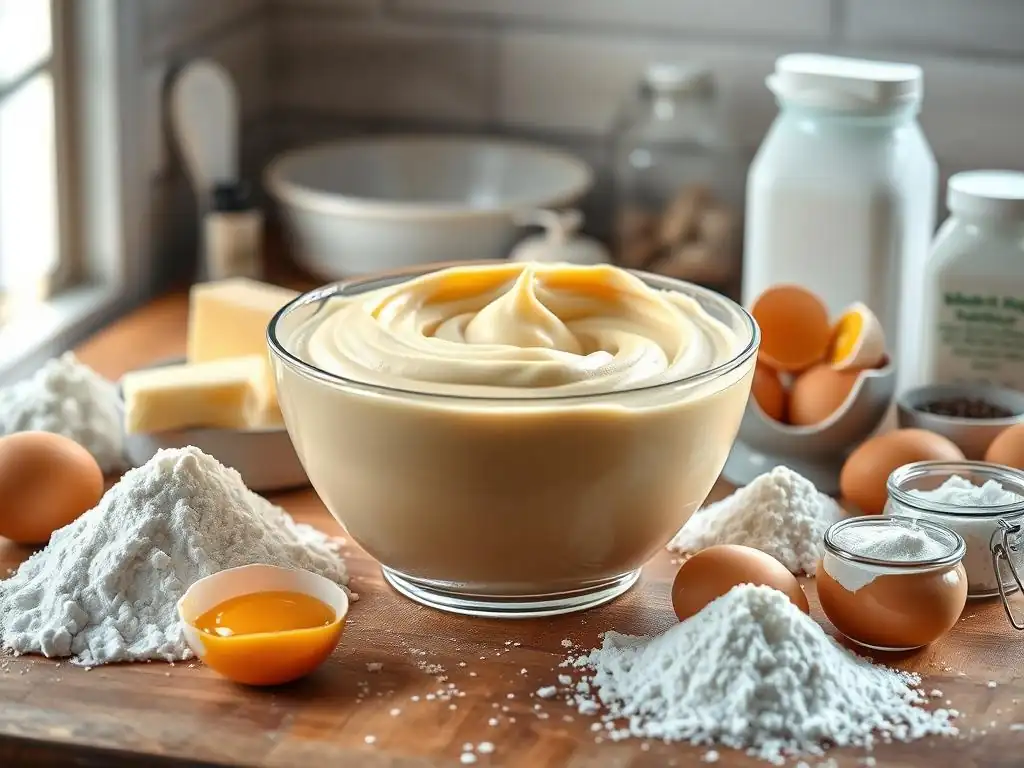
Flour provides the primary structure in cake batter through its protein content, specifically gluten. When flour is mixed with liquid and agitated, gluten proteins develop, forming a network that gives the cake its shape and elasticity. Different types of flour have varying protein levels; cake flour, with its lower protein content (typically 6-8%), develops less gluten, resulting in a tenderer cake crumb. All-purpose flour has a moderate protein level (around 10-12%) and provides a slightly chewier structure.
The amount and type of flour used are critical in determining the initial consistency of the batter. Too much flour will make the batter thick and dense, leading to a dry, heavy cake. Too little flour results in a batter that is too thin and may not have enough structure to support the rise, potentially collapsing during or after baking. Accurately measuring flour, often by weight (e.g., 120-130 grams per cup for all-purpose), is paramount to achieving the perfect cake batter texture specified in a recipe.
Liquids: Hydration and Moistness in Cake Batter
Liquids in cake batter, such as milk, buttermilk, water, or even sour cream and yogurt, play several vital roles. They hydrate the flour, enabling gluten development and allowing chemical leavening agents to activate. Liquids also contribute significantly to the final moisture level of the cake and help regulate the batter's consistency. The type of liquid can also affect texture; for example, buttermilk's acidity can react with baking soda, contributing to leavening and tenderizing the crumb.
The proportion of liquid is a primary factor in determining whether a batter is pourable, spoonable, or drop consistency. Adding too much liquid will result in a thin, weak batter that may not bake up properly, potentially leading to a dense layer at the bottom of the cake. Conversely, insufficient liquid yields a thick, dry batter that is difficult to mix smoothly and will likely produce a dry, crumbly cake. Balancing liquids with dry ingredients is key to achieving the perfect cake batter texture.
Fats: Emulsification and Tenderness in Cake Batter
Fats, such as butter, oil, or shortening, contribute richness, flavor, and tenderness to cakes. They work by coating the flour particles, inhibiting gluten development, which results in a softer, more delicate crumb. Fats also help to incorporate air during the creaming process (particularly butter or shortening), which is crucial for leavening in many cake types. Furthermore, fats contribute to the moistness and shelf life of the cake.
The state of the fat is also important for batter consistency and outcome. Using softened butter (around 68-72°F or 20-22°C) for creaming incorporates the most air, contributing to a lighter texture. Melted butter or oil, on the other hand, results in a denser, moister crumb because less air is incorporated initially, and the fat coats flour particles more thoroughly from the start. The amount of fat directly impacts batter consistency – more fat generally leads to a richer, softer batter, while too little can result in a drier, tougher cake.
Sugar: Sweetness and Texture Modification
Sugar does more than just sweeten a cake; it significantly impacts its texture and structure. Sugar is hygroscopic, meaning it attracts and retains moisture, which helps keep the cake moist and extends its shelf life. It also interferes with gluten development and egg protein coagulation, contributing to a tender crumb. In batters where butter and sugar are creamed, sugar crystals cut into the fat, helping to create air pockets essential for leavening.
The type of sugar also matters; granulated sugar provides structure through creaming, while brown sugar adds moisture and a slightly different flavor due to molasses content. Powdered sugar is rarely used in batters but can be found in some specialty recipes. The amount of sugar affects consistency: too much sugar can make the batter too liquidy (as it dissolves and melts during baking) and can cause the cake to brown excessively or even collapse. Finding the right balance is crucial for achieving the perfect cake batter texture and a well-structured cake.
Eggs: Binding and Leavening Effects on Batter
Eggs serve multiple functions in cake batter: they act as a binder, emulsifier, and contribute to leavening and richness. Egg proteins coagulate when heated, providing structure to the cake. Egg yolks contain fats and emulsifiers (like lecithin) that help to create a smooth, stable batter by preventing separation of fats and liquids. Egg whites, when whipped, can incorporate significant amounts of air, providing leavening, especially in cakes like angel food or chiffon.
The number and size of eggs used directly affect batter consistency. More eggs tend to make a batter richer and more viscous. Using eggs at room temperature (again, around 68-72°F or 20-22°C) is often recommended because they emulsify more easily with other ingredients, resulting in a smoother, more uniform batter. If a batter seems slightly off in consistency, sometimes adjusting the egg size slightly (e.g., using a large instead of a medium egg) or adding a little extra liquid from another source can help, though this should be done cautiously as it alters the recipe balance.
Troubleshooting Common Cake Batter Consistency Problems
Cake Batter Too Thick: Causes and Solutions
A cake batter that is too thick is a common issue, often resulting from inaccurate measurement of dry ingredients (especially flour), insufficient liquid, or overmixing, which can develop too much gluten and make the batter stiff. Using cold ingredients, particularly butter or eggs, can also lead to a thicker, less smooth batter because they don't emulsify as easily with other ingredients. A thick batter is harder to spread evenly and can result in a dense, dry, or unevenly baked cake.
If you find your batter is too thick, the primary solution is to carefully introduce more liquid.
Adding Liquid to Thin Thick Cake Batter
To thin a thick cake batter, add a small amount of the primary liquid called for in the recipe (like milk, buttermilk, or water) very gradually. Start with just one or two tablespoons at a time. Gently fold or whisk the liquid into the batter until it is just incorporated and you reach the desired consistency.
Be careful not to overmix, especially if gluten development is a concern. This process requires patience; adding too much liquid at once can quickly make the batter too thin, which is harder to correct. For example, if a standard butter cake batter feels like stiff cookie dough instead of soft serve ice cream, adding 2-4 tablespoons of milk might bring it closer to the perfect cake batter texture.
A cake batter that is too thin can occur if too much liquid was added, dry ingredients were under-measured, or if the fat and liquid didn't emulsify properly, leaving excess liquid unincorporated. Using fats like oil instead of butter in some recipes can also yield a thinner batter, as oil doesn't contribute to structure or hold air like creamed butter. A thin batter may bake into a flat cake with a coarse crumb, or it might dome excessively and then sink in the center.
If your batter is too thin, the most direct way to correct it is by adding a small amount of dry ingredient, typically flour.
Adding Flour to Thicken Thin Cake Batter
To thicken a thin cake batter, add a small amount of the main dry ingredient, usually flour, a teaspoon at a time. Sift the flour directly over the batter to prevent lumps. Gently fold or whisk the flour in until it is just combined.
Avoid vigorous mixing, which can develop gluten and toughen the cake. Continue adding flour, one teaspoon at a time, until the batter reaches the desired consistency – typically spoonable for most cakes. For instance, if a standard batter is too runny, adding 1-3 teaspoons of sifted flour might be sufficient to achieve the perfect cake batter texture.
Lumpy Cake Batter: How to Get a Smooth Texture
Lumpy batter is often a result of ingredients not being at the correct temperature (especially cold butter or eggs that don't emulsify well), not sifting dry ingredients, adding dry ingredients too quickly, or insufficient mixing during the initial stages (like creaming butter and sugar). While a few small lumps of fruit or chocolate are fine, large lumps of flour or fat indicate that the ingredients haven't been properly combined or emulsified, which will lead to uneven texture in the baked cake.
Getting a smooth batter is crucial for a uniform crumb and even baking.
Techniques for Removing Lumps from Cake Batter
To address lumpy batter, first ensure all ingredients were at the correct temperature before starting. If lumps are from unsifted dry ingredients, gently whisk the batter until most lumps are incorporated. If the lumps are from cold butter that didn't cream properly, you can try gently warming the bowl slightly (e.g., over a very low heat or a warm water bath for a few seconds) and whisking again, but be extremely cautious not to cook the batter.
For persistent lumps, especially of flour, you can carefully press the batter through a fine-mesh sieve, using a spatula to push it through. This is labor-intensive but effective for achieving the perfect cake batter texture, ensuring a smooth, lump-free consistency before baking.
Achieving the Perfect Cake Batter Texture: Step-by-Step Guide
Measuring Ingredients Accurately for Optimal Results
Accurate measurement is the single most critical step in achieving the perfect cake batter texture. Baking is a science, and ratios matter immensely. Using too much or too little of any ingredient, especially flour or liquid, will directly impact the batter's consistency and the final cake's outcome. For dry ingredients like flour, it's highly recommended to weigh them using a kitchen scale rather than relying on volume measurements (cups), as the amount of flour in a cup can vary significantly depending on how it's scooped and leveled (a difference of 20-30 grams per cup is common).
Liquids should also be measured precisely using liquid measuring cups at eye level. Fats like butter are best measured by weight or the markings on the wrapper. Taking the time to measure each ingredient accurately according to the recipe's specifications minimizes the risk of consistency issues and sets you up for success in achieving that coveted perfect cake batter texture right from the start.
Mixing Techniques: Proper Creaming, Folding, and Combining
The way you mix ingredients profoundly affects batter consistency and introduces air, which is vital for leavening. Different recipes call for different techniques:
- Creaming: Beating softened butter and sugar together until light and fluffy incorporates air and creates a stable base for many cake types. This can take 3-5 minutes with an electric mixer.
- Folding: Gently incorporating lighter ingredients (like whipped egg whites or whipped cream) into a heavier base. This technique is used to preserve air bubbles and maintain a light consistency, essential for batters like chiffon or angel food.
- Combining: Simply mixing ingredients until just blended. This is common for oil-based batters or when adding dry ingredients to wet.
Understanding when and how to use these techniques is key to developing the perfect cake batter texture. Overmixing after flour is added develops excessive gluten, leading to tough cakes. Undermixing can leave lumps or unincorporated ingredients, resulting in an uneven texture. Pay attention to the recipe's instructions regarding mixing times and speeds.
The Importance of Room Temperature Ingredients
Using ingredients at room temperature (typically 68-72°F or 20-22°C) is crucial for creating a smooth, emulsified cake batter. Softened butter creams properly with sugar, incorporating air efficiently. Room temperature eggs emulsify more easily with the fat and liquid components, preventing the batter from looking curdled or separated. Cold ingredients resist combining smoothly, leading to a lumpy batter that may appear curdled, even if the recipe proportions are correct.
Planning ahead to take butter and eggs out of the refrigerator 30-60 minutes before baking (depending on kitchen temperature) is a simple step that makes a significant difference in achieving the perfect cake batter texture. If you're short on time, there are quick methods to bring ingredients to temperature, such as cutting butter into small pieces or placing eggs in a bowl of warm (not hot) water for a few minutes.
Testing Cake Batter Consistency: Visual Cues and Tests
Experienced bakers often rely on visual cues to judge if their batter has the perfect cake batter texture. A well-mixed butter cake batter, for example, should look smooth, glossy, and homogenous, like thick pudding or soft-serve ice cream. Pourable batters should flow like heavy cream, while drop batters should mound slightly when scooped. However, there's a specific test that can help confirm the consistency for many standard cake batters.
The Ribbon Test: Determining Correct Batter Consistency
The ribbon test is a classic technique used to check the consistency of batters that rely on whipped eggs or egg yolks for structure, such as genoise or some sponge cakes, but it can also be a helpful indicator for other batters. To perform the ribbon test, lift the whisk or spatula out of the batter and let the batter drizzle back into the bowl. If the batter is the correct consistency, it will fall in a thick stream, forming a "ribbon" on the surface of the batter in the bowl.
This "ribbon" should hold its shape briefly, perhaps for 5-10 seconds, before slowly sinking back into the rest of the batter. If the batter disappears instantly, it's likely too thin. If it breaks into separate blobs or doesn't form a continuous stream, it might be too thick or hasn't been mixed enough. Mastering the ribbon test is an excellent way to visually confirm you've achieved the perfect cake batter texture for certain recipes.
Tools for Achieving Consistent Cake Batter Results
Stand Mixers vs. Hand Mixers: Which is Best?
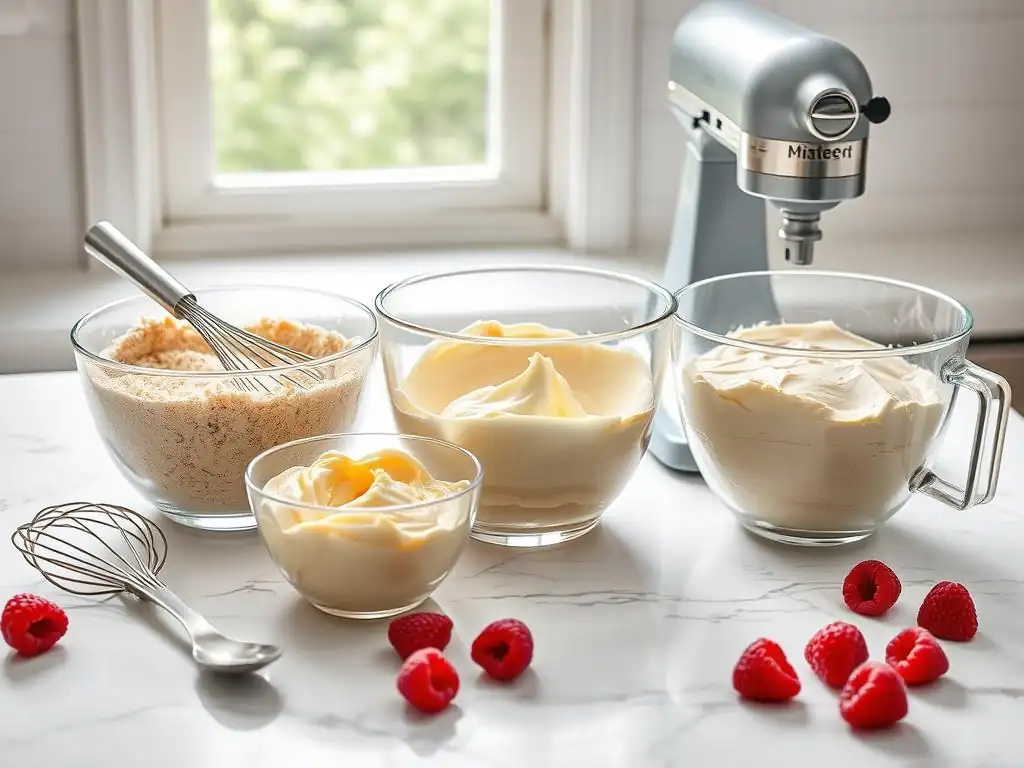
The choice between a stand mixer and a hand mixer can impact the ease and consistency of achieving the perfect cake batter texture, especially for techniques like creaming butter and sugar or whipping egg whites. Stand mixers, with their powerful motors and planetary mixing action, are excellent for tasks requiring longer mixing times or more power, such as creaming large batches of butter and sugar until light and fluffy, which can take 5-8 minutes. They provide consistent speed and allow you to attend to other tasks.
Hand mixers are more portable and suitable for smaller batches or lighter tasks like whisking eggs or combining wet and dry ingredients quickly. While you can cream butter and sugar with a hand mixer, it typically takes longer (often 7-10 minutes) and requires more effort to ensure even mixing. Ultimately, both can achieve a great batter, but a stand mixer often makes the process more consistent and less prone to over or under-mixing the initial stages crucial for texture.
Whisks, Spatulas, and Other Essential Baking Tools
Beyond mixers, several basic tools are indispensable for achieving the perfect cake batter texture. A balloon whisk is ideal for incorporating air into eggs or light batters and for smoothing out minor lumps. Rubber or silicone spatulas are essential for scraping down the sides of the mixing bowl to ensure all ingredients are evenly incorporated and for gently folding in delicate ingredients without deflating the batter.
Measuring cups and spoons, particularly a reliable kitchen scale, are fundamental for accurate ingredient proportions, which, as mentioned, is the first step to correct consistency. Using a fine-mesh sieve to sift dry ingredients helps prevent lumps and aerates the flour, contributing to a lighter batter. Having the right tools at hand makes the mixing process smoother and significantly increases your chances of producing a beautifully textured cake batter.
Beyond the Basics: Advanced Cake Batter Considerations
Gluten Development and its Effect on Texture
Understanding gluten development is key to controlling cake texture. Gluten, formed when proteins in flour (glutenin and gliadin) combine with liquid and are agitated, provides structure. In bread making, strong gluten is desired for chewiness. In cakes, however, excessive gluten development leads to a tough, dense crumb. Cake flour, with its low protein content (around 7%), minimizes gluten formation compared to bread flour (around 13%).
Achieving the perfect cake batter texture for tenderness involves controlling gluten. This is done by using low-protein flour, incorporating fats and sugars (which coat flour particles and inhibit gluten), and minimizing mixing after the flour is added. The goal is just enough mixing to hydrate the flour and combine ingredients without developing a strong gluten network. Techniques like the reverse creaming method (mixing dry ingredients and fat first) are specifically designed to coat flour and further limit gluten development, resulting in an exceptionally tender cake.
Emulsification: Creating a Stable Cake Batter
Emulsification is the process of smoothly combining ingredients that don't naturally mix, like fats and liquids, into a stable, homogenous mixture. In cake batter, achieving good emulsification is crucial for preventing separation and ensuring an even distribution of ingredients, which leads to a fine, consistent crumb. Eggs, particularly the yolks, contain lecithin, a natural emulsifier that helps bind fats and liquids together.
When you cream butter and sugar, then add eggs one at a time, you are building an emulsion. The fat from the butter and yolks is dispersed within the liquid from the eggs and any added milk or water. A well-emulsified batter will look smooth and uniform, not curdled or greasy. If the batter appears slightly broken or separated, it might indicate that the ingredients weren't at the right temperature or were added too quickly. Gentle, brief mixing after adding ingredients can help bring it back together, contributing to the perfect cake batter texture.
Adjusting for Altitude and Humidity
Environmental factors like altitude and humidity can significantly impact cake batter consistency and baking results, requiring adjustments to standard recipes. At high altitudes, lower atmospheric pressure causes cakes to rise more quickly and liquids to evaporate faster. This can lead to batters that seem thinner, cakes that dome excessively and collapse, and dry textures. Common high-altitude adjustments include slightly increasing the liquid, slightly decreasing leavening agents and sugar, and sometimes slightly increasing flour to strengthen the structure.
Humidity also affects how dry ingredients absorb moisture. In high humidity, flour absorbs more moisture from the air, potentially making the batter thicker than expected. In low humidity, flour is drier, which could make the batter thinner. While specific adjustments vary, being aware of your environment and how it might affect the standard perfect cake batter texture described in a recipe is the first step to successful baking in different conditions. Small tweaks to liquid or flour amounts may be necessary based on experience.
Mastering Cake Batter Consistency: Practice Makes Perfect
Experimenting with Recipes and Techniques
Becoming adept at recognizing and achieving the perfect cake batter texture comes with practice and experimentation. Don't be afraid to try different cake recipes – butter cakes, oil-based cakes, sponges, chiffons – to experience the variety of batter consistencies. Pay close attention to how the batter looks and feels at each stage of mixing. How does the batter change as you cream the butter and sugar? What happens when you add the eggs? How does the consistency shift after incorporating the dry and wet ingredients?
Trying variations within a single recipe, perhaps slightly adjusting the mixing time or the temperature of ingredients (while being mindful of the intended outcome), can teach you a lot about cause and effect. For instance, compare a cake made with cold eggs versus room temperature eggs. These experiments build intuition and help you understand the why behind recipe instructions, making you better equipped to troubleshoot and achieve the perfect cake batter texture consistently.
Keeping a Baking Journal for Tracking Results
To truly master cake batter consistency and baking success, consider keeping a baking journal. For each cake you bake, note the recipe used, the ingredients (including brand and type if significant, like cake flour vs. all-purpose), the temperature of your ingredients, the mixing times and observations about the batter's consistency at different stages (e.g., "creamed butter/sugar light yellow after 4 mins," "batter felt slightly thick before adding milk," "ribbon test held for 8 seconds").
Also, record the baking time, oven temperature, and most importantly, the outcome of the baked cake – its height, crumb texture (dense, light, moist, dry), and overall success. If a cake didn't turn out as expected, compare your notes to previous successful bakes or recipe guidelines. Over time, this journal becomes an invaluable reference, helping you identify patterns, understand what works in your kitchen, and refine your ability to create the perfect cake batter texture every time.
Frequently Asked Questions
What is the ideal cake batter consistency for most cakes?
The ideal consistency is often described as smooth and pourable, resembling a thick ribbon. It should not be too thick, which can lead to a dense cake, nor too thin, which may result in a flat cake.
How does overmixing affect the texture of cake batter?
Overmixing develops the gluten in the flour, leading to a tough and chewy cake rather than a tender one. Mix until the ingredients are just combined to avoid excessive gluten development.
What happens if my cake batter is too thick?
A batter that's too thick will produce a cake that is dense, dry, and potentially unevenly baked. You may need to add a small amount of liquid (milk or water) to thin it out.
What are some common signs that my cake batter is not the right consistency?
Signs include lumps that won't incorporate, batter that is difficult to pour, or batter that separates into oily and watery components. These issues may indicate ingredient issues or improper mixing techniques.
Can the type of fat used affect cake batter consistency?
Yes, the type of fat significantly impacts consistency. Using melted butter versus softened butter can change the moisture content and the overall structure of the batter.
Final Reflection: The Sweet Science of Perfect Cake Batter
The quest for the perfect cake batter is more than just a culinary pursuit; it's a fundamental understanding of baking chemistry and its direct impact on the final product. A seemingly simple mixture of flour, sugar, eggs, and butter holds the key to a light, airy, and delicious cake, or a dense, gummy disappointment. Mastering the nuances of batter consistency isn't just about following a recipe; it's about understanding the why behind each ingredient and its contribution to the overall texture.
The pursuit of the ideal cake batter texture has profoundly shaped baking traditions across cultures and generations. The subtle shifts in consistency, from the thick and luscious to the smooth and pourable, reflect not only differing recipes but also evolving culinary techniques and preferences. Baking is a science, but it's also an art. The feel of the batter in your hand, the subtle changes in its consistency – these are the things that truly separate a good baker from a great one.
This quote encapsulates the emotional connection many bakers have with the process, highlighting the importance of understanding the subtle cues the batter provides.
Now, consider your own baking journey. Have you ever experienced the frustration of a dense cake, or the elation of achieving that perfect, velvety smooth batter? Take this knowledge and apply it to your next baking adventure. Don't just follow a recipe blindly; feel the batter, understand its behavior, and adjust accordingly. Embrace the science, appreciate the art, and unlock the potential for countless perfectly textured cakes. The journey to baking mastery begins with understanding the simple, yet profound, world of cake batter consistency.
Unlock Your Baking Potential: Perfect Cakes Every Time!
Thanks for taking the time to learn about achieving the perfect cake batter consistency! We hope this guide equipped you with the knowledge to bake with confidence. Now, it’s time to put your new skills to the test!
- Bake your dream cake today: Try out a new recipe, focusing on the batter consistency techniques you just learned. Let us know how it turns out!
- Share your baking journey: Post a picture of your creation on social media and tag us – we’d love to see your success!
- Explore more baking tips: Dive into our other articles on BakeWithEase.com for more helpful advice and recipes.
Ready to create your masterpiece? What's your favorite cake recipe to try this newfound knowledge on?