
Measuring Flour the Right Way: Spoon & Level for Perfect Results

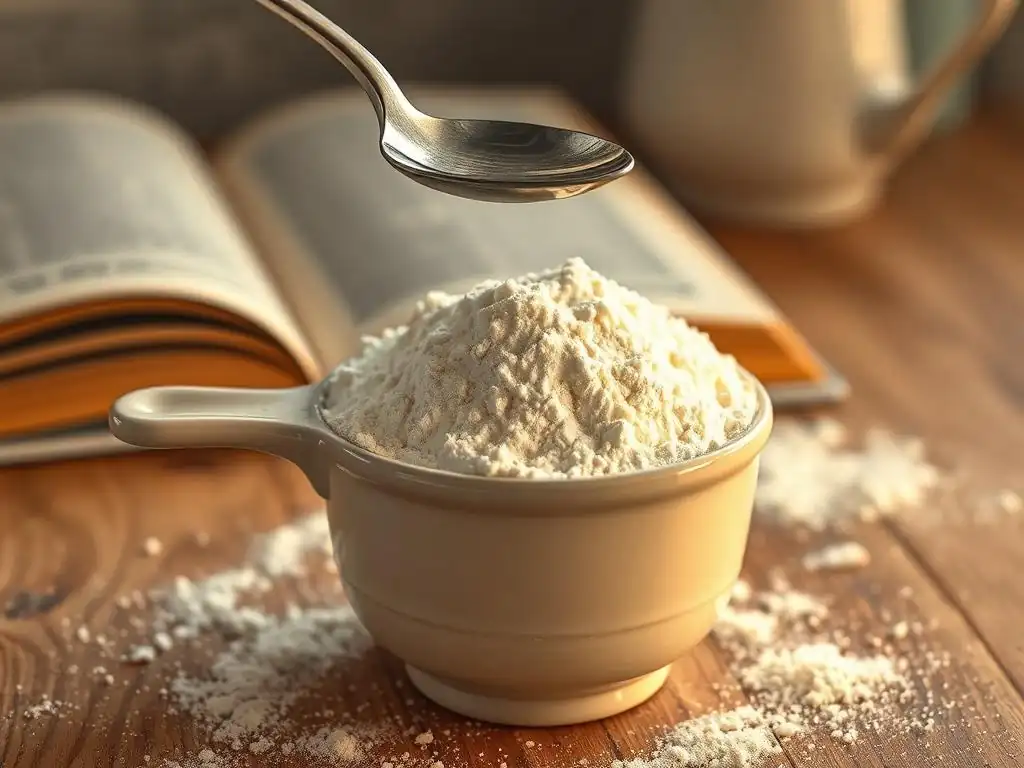
Welcome to BakeWithEase, where even the trickiest baking techniques become wonderfully simple! Ever wondered if your flour measurements are sabotaging your baked goods? Dive into our guide on spoon level flour baking, and discover how this surprisingly easy method can unlock consistently perfect results. Get ready to say goodbye to dense cakes and dry cookies – let's bake with ease!
- Measuring Flour Accurately: Spoon & Level for Consistent Baking
- Why Accurate Flour Measurement is Crucial in Baking
- The Spoon and Level Method: A Simple Guide to Accurate Flour Measurement
- Step-by-Step Guide: How to Properly Spoon and Level Flour
- Tools Needed for Accurate Spoon and Level Flour Measurement
- Spoon and Level Flour: Tips for Achieving Consistent Results
- Common Mistakes to Avoid When Measuring Flour
- Spoon and Level vs. Weighing Flour: Which Method to Use?
- Troubleshooting Baking Issues Related to Flour Measurement
- Chocolate Chip Cookie Recipe: Applying the Spoon and Level Method
- Achieving Baking Success Through Accurate Flour Measurement
-
Frequently Asked Questions
- How does the spoon and level method improve baking results?
- Why is accurate flour measurement so important in baking?
- Can I use a kitchen scale instead of spooning and leveling flour?
- What kind of spoon should I use for the spoon and level method?
- What happens if I just scoop flour directly from the bag?
- Final Reflection: The Humble Spoon & the Quest for Baking Perfection
- Unlock Baking Perfection: Master the Art of Measuring Flour!
Measuring Flour Accurately: Spoon & Level for Consistent Baking
Welcome, fellow bakers! Achieving perfect results in baking often comes down to precision, and one of the most critical ingredients to measure correctly is flour. The difference between a light, airy cake and a dense, heavy one can often be traced back to how the flour was measured. Mastering the spoon and level method is a fundamental skill for any baker looking for consistent success.
Why Accurate Flour Measurement is Crucial in Baking
Flour provides the structure in most baked goods. Using too much or too little can dramatically alter the texture, rise, and overall outcome of your recipe. Getting the flour measurement right is a cornerstone of reliable baking.
The Impact of Precise Flour Measurement on Baked Goods
Precise flour measurement directly influences the moisture balance in your dough or batter. When you use too much flour – a common mistake when scooping directly from the bag – you introduce excess dry ingredients. This can lead to baked goods that are dry, crumbly, and dense, such as muffins that don't rise properly or bread that feels heavy and tough.
For example, a recipe calling for 2 cups of flour might assume a standard weight of around 8.5 ounces (for spooned and leveled all-purpose flour). However, if you scoop that same volume, you could easily end up with 10 ounces or more of flour, significantly throwing off the ingredient ratio.
Conversely, using too little flour can result in structures that lack support. Cakes might collapse in the center, cookies might spread too much and become thin and greasy, and breads might not develop the necessary gluten structure for a good rise.
Imagine making a batch of chocolate chip cookies; if you under-measure the flour, the cookies will likely spread excessively on the baking sheet, becoming flat and potentially burning around the edges before the center is cooked through. Accurate measurement ensures the recipe's intended balance of wet and dry ingredients is maintained, leading to predictable and delicious results every time you bake.
Understanding Flour Density and Its Variability
Flour isn't like water; it's a dry ingredient that can easily be compacted. The density of flour can vary significantly depending on how it's stored and handled. Flour straight from a freshly opened bag might be relatively loose, while flour that has been sitting for a while or has been shaken can become quite compacted. This variability is why simply dipping a measuring cup into the flour bag is unreliable. When you scoop, you inevitably pack the flour into the cup, resulting in a much larger amount by weight than the recipe likely intended.
Different types of flour also have varying densities even when measured correctly. For instance, cake flour is typically lighter and finer than all-purpose flour, and bread flour is often denser. Recipes are usually developed using a standard measurement method, most commonly the spoon and level method for volume-based recipes or by weight. Understanding that flour's density isn't constant is key to appreciating why a consistent measuring technique like spoon level flour baking is essential for replicating recipes successfully.
The Spoon and Level Method: A Simple Guide to Accurate Flour Measurement
The spoon and level method is widely recommended for measuring flour in home kitchens using volume-based recipes. It's a straightforward technique that minimizes the risk of over-measuring due to compaction.
What is the Spoon and Level Technique?
The spoon and level technique involves using a spoon to gently transfer flour from its container into your dry measuring cup. You continue adding flour until the cup is overflowing. The key is to not shake, tap, or pack the flour down at any point.
Once the cup is full and slightly mounded, you use a straight edge (like the back of a knife or a leveling tool) to sweep the excess flour off the top, leaving a perfectly level measure. This method ensures that the flour remains loose and aerated within the cup, providing a more consistent volume measurement by weight compared to scooping.
This method is particularly important for recipes that rely on precise ratios, such as delicate cakes, muffins, or pastries. By consistently using the spoon level flour baking approach, you eliminate one of the most common variables that can lead to baking failures. It's a simple habit to adopt but has a significant impact on the reliability of your baking results.
Why Spooning and Leveling is More Accurate Than Scooping
Scooping flour directly from the bag with your measuring cup is the primary cause of over-measurement in baking. When you plunge the cup into the flour, you force the flour particles together, compacting them tightly into the cup. This means that the volume measure you get contains far more flour by weight than intended.
A "cup" of scooped all-purpose flour can easily weigh 5 ounces or more, whereas a cup measured using the spoon and level method typically weighs around 4.25 ounces. This difference of nearly an ounce per cup, if compounded in a recipe calling for multiple cups, can dramatically alter the wet-to-dry ingredient ratio.
The spoon level flour baking technique, by contrast, avoids this compaction. Gently spooning the flour into the cup allows it to settle naturally without being forced together. Leveling off the excess ensures you have the correct volume of loosely packed flour. This results in a measurement that is much closer to the standard weight assumed by recipe developers, leading to more consistent and predictable outcomes. It's the standard for accurate volume measurement in most U.S. recipes.
Step-by-Step Guide: How to Properly Spoon and Level Flour
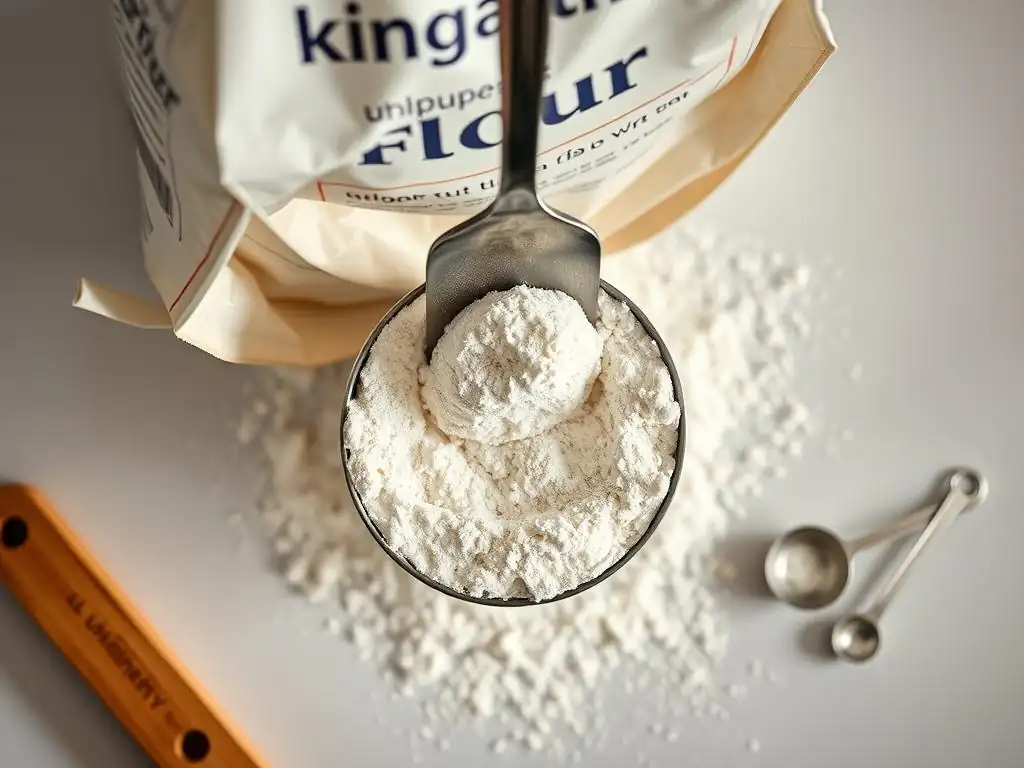
Mastering the spoon and level method is easy once you understand the steps. Follow these simple instructions for accurate flour measurement every time.
Step 1: Gently Spoon Flour into the Measuring Cup
Begin by using a spoon (any regular kitchen spoon will do) to scoop flour from its container. Don't use the measuring cup itself to scoop. Carefully transfer the flour from the spoon into your dry measuring cup. Continue adding spoonfuls until the flour is piled above the rim of the measuring cup. It's important to do this gently; avoid pressing or shaking the cup as you add the flour. The goal is to keep the flour as loose and aerated as possible within the cup.
Ensure the measuring cup is placed on a flat surface, like your countertop, while you are spooning the flour in. Holding the cup in your hand might tempt you to tap it or adjust it, which can lead to unintentional compaction. Letting it rest on the counter helps maintain a steady hand and prevents accidental settling of the flour, ensuring your spoon level flour baking technique is executed correctly from the start.
Step 2: Avoid Shaking or Tapping the Measuring Cup
Once the flour is mounded above the rim of the measuring cup, resist the urge to shake, tap, or bang the cup against the counter. Any of these actions will cause the flour to settle and compact, defeating the purpose of the spoon and level method. The aim is to measure the volume of the flour when it is in a loose, natural state, not when it has been compressed.
Think of it like filling a box with cotton balls versus filling it with rocks. You can fit many more rocks by weight into the same box because they are dense and can be packed tightly. Flour, when scooped or shaken, acts more like the rocks. The spoon and level method treats flour more like the cotton balls, measuring its volume in a less dense state. Maintaining this loose state through steps 1 and 2 is crucial for accurate spoon level flour baking.
Step 3: Level Off Excess Flour with a Flat-Edged Tool
With the flour mounded in the cup and the cup resting on a flat surface, take a straight-edged tool. A metal spatula, the back of a butter knife, or a specific leveling tool designed for baking works perfectly. Hold the straight edge parallel to the top of the measuring cup and gently sweep it across the top, pushing the excess flour off the rim.
Ensure you only sweep once and don't go back and forth or dig into the flour in the cup. The goal is just to remove the excess flour that is above the level of the rim. The flour remaining in the cup should be perfectly level with the top. This final step completes the spoon level flour baking process, leaving you with an accurate volume measurement of flour that closely matches the weight intended by most recipe developers.
Tools Needed for Accurate Spoon and Level Flour Measurement
Having the right tools makes the spoon and level method even easier and more precise. You don't need fancy gadgets, just a couple of standard kitchen items.
Recommended Dry Measuring Cups for Baking
For measuring dry ingredients like flour, sugar, and oats, it's best to use dry measuring cups. These are designed to be filled to the brim and leveled off. They typically come in sets with common sizes like 1/4 cup, 1/3 cup, 1/2 cup, and 1 cup. Look for cups made of metal or sturdy plastic with clearly marked measurements. The rim should be flat and level, making it easy to sweep off excess ingredients.
Avoid using liquid measuring cups (which have a spout and graduated markings up the side) for dry ingredients. Their design makes accurate leveling difficult, and they are intended for measuring liquids at eye level. Using dedicated dry measuring cups is fundamental to achieving consistent results with the spoon level flour baking technique.
Effective Tools for Leveling Flour
As mentioned in the step-by-step guide, you need a tool with a straight, flat edge to level off the excess flour. A few common options work very well. The back of a dinner knife or a butter knife is readily available in most kitchens and provides a suitable straight edge. A small offset spatula is another excellent choice, as its thin, flat blade is perfect for sweeping across the rim.
Some measuring cup sets even come with a dedicated leveling tool, which is essentially a small, flat scraper or ruler. Whichever tool you choose, the key is that it has a rigid, straight edge that can smoothly sweep across the top of the measuring cup without digging into the flour. This ensures you remove only the excess, leaving a true level measurement for your spoon level flour baking.
Spoon and Level Flour: Tips for Achieving Consistent Results
Beyond the basic steps, a few extra tips can help you perfect your spoon level flour baking technique and ensure even greater consistency in your baking.
Tip 1: Always Use Dry Measuring Cups
Reiterating this point is crucial because it's a common pitfall for beginner bakers. Liquid measuring cups are designed with headspace above the measurement line to prevent spills and are read at eye level on a flat surface. Dry measuring cups, on the other hand, are designed to be filled to the very top and leveled off. Using a liquid measuring cup for flour makes it incredibly difficult, if not impossible, to get an accurate, level measurement.
Commit to using only dry measuring cups for all your dry ingredients, including flour, sugar, baking powder, and baking soda. This simple practice immediately improves the reliability of your ingredient measurements and is foundational to successful spoon level flour baking.
Tip 2: Fluff the Flour Before Measuring
Before you even begin spooning, it's a good idea to lightly aerate your flour, especially if it's been sitting in the bag or container for a while. Flour can settle and compact over time just from storage. Use a fork or a spoon to gently stir the flour within its container. This helps to loosen it up and ensures that when you spoon it into the measuring cup, it goes in as loosely as possible.
This step is particularly helpful if you're using flour from the bottom of a large bag or container, where it tends to be more compacted. Lightly fluffing the flour before you start the spooning process helps to standardize its consistency, making your spoon level flour baking even more accurate cup after cup.
Tip 3: Practice for Consistent Accuracy
Like any skill, mastering the spoon and level method takes a little practice. Pay attention to how the flour behaves as you spoon it and level it. Over time, you'll develop a feel for the right consistency and how to avoid accidentally compacting the flour. Try measuring the same amount of flour a couple of times using the spoon and level method and compare the results. You'll notice a difference compared to simply scooping.
Consider using a kitchen scale occasionally to check the weight of your spooned and leveled cup of flour against the standard (again, typically around 4.25 ounces for all-purpose flour). While not strictly part of the spoon and level method itself, this can help you verify that your technique is yielding a consistent and accurate volume measurement by weight. Consistent practice leads to consistent results in all your spoon level flour baking endeavors.
Common Mistakes to Avoid When Measuring Flour
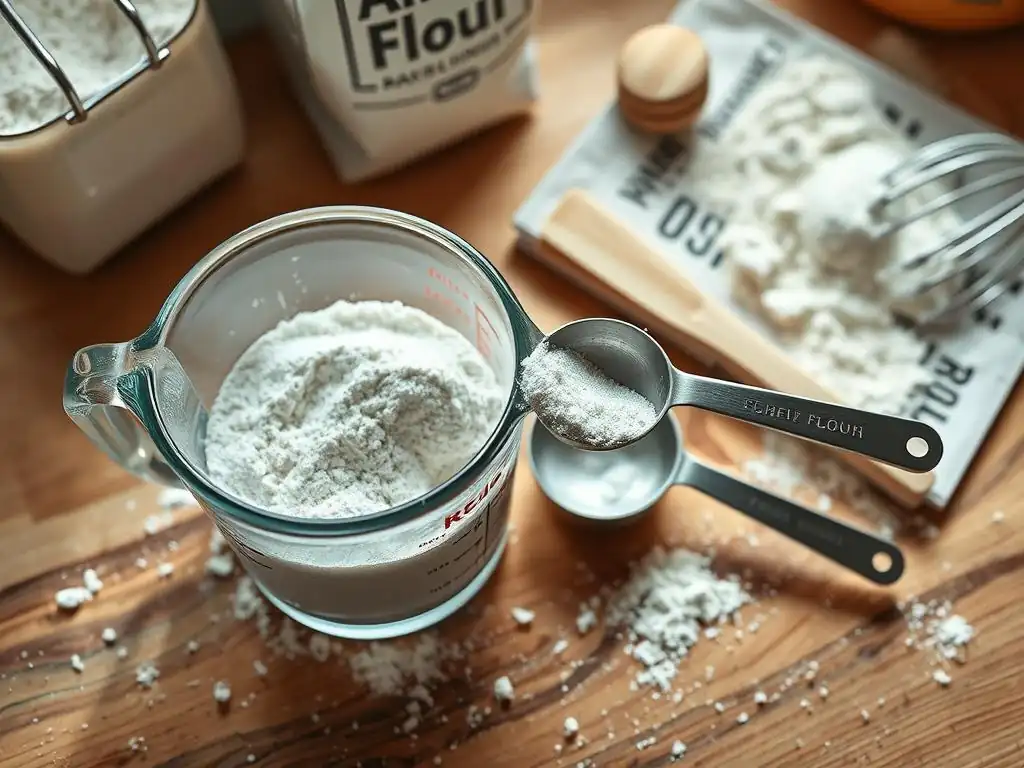
Even when attempting the spoon and level method, certain habits can undermine your accuracy. Being aware of these common mistakes will help you avoid them.
Compacting the Flour: A Common Error
The most frequent mistake is inadvertently compacting the flour during the measuring process. This can happen in several ways: shaking the measuring cup to settle the flour, tapping the cup on the counter, or even pressing the spooned flour down into the cup. As discussed, compaction adds significantly more flour by weight than intended, leading to dry, heavy baked goods.
To avoid this, always remember the core principle: the flour should be measured in a loose, aerated state. Spoon gently, do not shake or tap, and simply level off the excess. Consciously avoiding any action that compresses the flour is key to accurate spoon level flour baking.
Scooping Directly from the Container
We've touched on this, but it bears repeating: never use the measuring cup itself to scoop flour directly from the bag or container. This is the surest way to over-measure the flour due to compaction. A cup of flour scooped this way can easily weigh 20-30% more than a cup that has been spooned and leveled.
Always use a separate spoon to transfer the flour into your dry measuring cup. This simple step is fundamental to the spoon level flour baking method and is the most effective way to prevent significant over-measurement.
Skipping the Leveling Step
Once you've spooned the flour into the cup, it will likely be mounded above the rim. Skipping the leveling step means you are using more flour than the recipe calls for. While it might seem like a small amount, that extra flour on top can add up, especially in recipes requiring multiple cups.
Always use a straight edge to sweep off the excess flour, ensuring the flour is perfectly level with the rim of the cup. This final step guarantees you have the correct volume of flour according to the spoon level flour baking standard.
Spoon and Level vs. Weighing Flour: Which Method to Use?
While the spoon and level method is a significant improvement over scooping, there is an even more accurate way to measure flour: by weight using a kitchen scale.
Understanding the Benefits of Weighing Flour
Measuring flour by weight is the most accurate method because it eliminates the variability caused by density differences and compaction. A recipe calling for 120 grams of all-purpose flour will always mean 120 grams, regardless of whether the flour is compacted or loose. This consistency is why professional bakers and many serious home bakers prefer weighing their ingredients, especially flour. It ensures that every time you make a recipe, you are using the exact same amount of flour, leading to highly reliable and repeatable results.
Using a kitchen scale is simple: place your mixing bowl or container on the scale, tare it to zero, and add flour until the desired weight is reached. Many modern recipes, particularly those from professional sources or online, now provide ingredient measurements by weight (grams or ounces) in addition to or instead of volume (cups).
When Spoon and Level is Appropriate
The spoon and level method is perfectly appropriate and highly effective for most home bakers using traditional U.S. recipes that list flour measurements in cups. It is a significant improvement over simply scooping and provides a level of accuracy that is sufficient for achieving excellent results in a wide range of baked goods, from cookies and muffins to cakes and quick breads.
If your recipe provides measurements only in cups, mastering the spoon level flour baking technique is essential for success. While weighing is more precise, spoon and level is the standard for volume-based recipes and, when done correctly, will yield consistent and delicious outcomes. It's a fundamental skill that every baker should learn before potentially moving on to weighing.
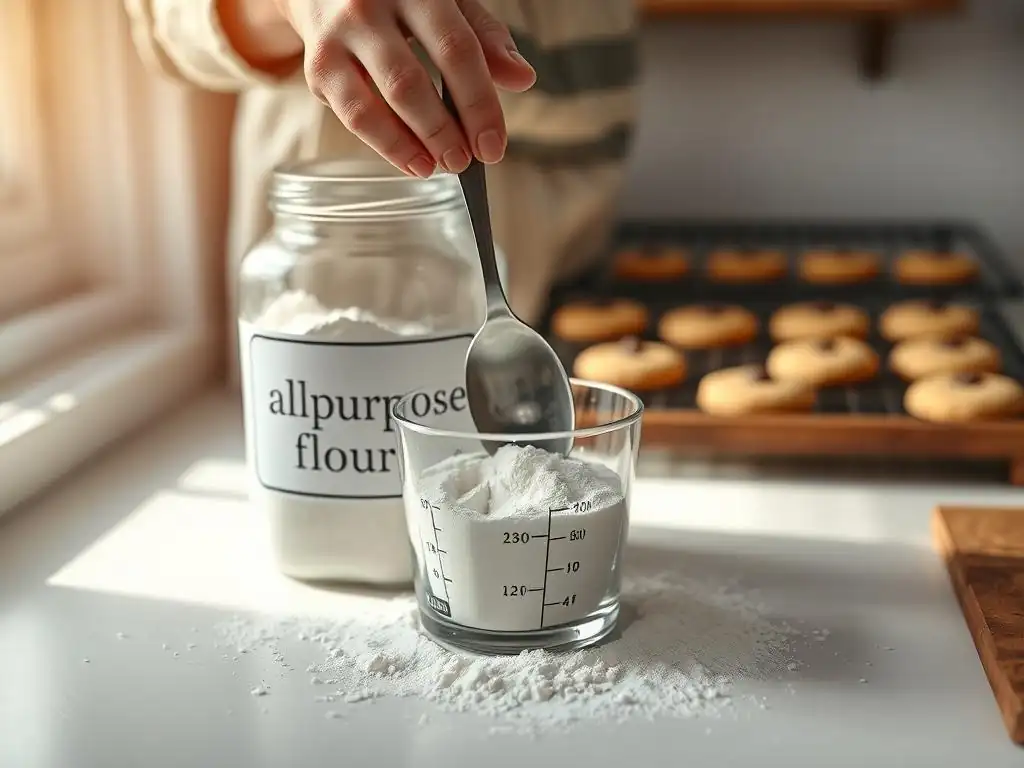
Many common baking problems can be traced back to inaccurate flour measurement. Recognizing these issues can help you identify if your measuring technique needs refinement.
Dense or Dry Baked Goods: Check Flour Measurement
One of the most tell-tale signs of using too much flour is a dense or dry finished product. If your cakes are heavy, your muffins resemble hockey pucks, or your cookies are dry and crumbly instead of soft and chewy, chances are you've added too much flour. This often happens when flour is compacted during the measuring process, whether by scooping or by shaking/tapping the measuring cup.
If you consistently experience dryness or density in your baking, review your spoon level flour baking technique. Ensure you are spooning gently, not shaking, and leveling correctly. Making a conscious effort to measure your flour accurately using the spoon and level method is often the solution to these frustrating issues.
While flat cookies can be caused by various factors (like melted butter or insufficient leavening), inconsistent flour measurement is a frequent culprit. If you under-measure the flour, the dough will have too much liquid and fat relative to the dry ingredients. This lack of structure from the flour causes the cookies to spread excessively when they bake, resulting in thin, flat discs instead of slightly puffed cookies with chewy centers.
If your cookie batches are sometimes perfect and sometimes spread too much, inconsistent spoon level flour baking might be the reason. Ensure you are performing each step of the spoon and level method precisely every time you measure your flour for cookies. Consistency in measuring leads to consistency in baking results.
Let's put the spoon and level method into practice with a classic recipe. This example highlights where accurate flour measurement is crucial.
Ingredients List with Precise Flour Measurement (e.g., 2 cups Spooned and Leveled All-Purpose Flour)
Here are the ingredients for a standard batch of chocolate chip cookies, emphasizing how the flour measurement should be listed:
- 1 cup (2 sticks) unsalted butter, softened
- 3/4 cup granulated sugar
- 3/4 cup packed light brown sugar
- 2 large eggs
- 1 teaspoon vanilla extract
- 2 cups Spooned and Leveled All-Purpose Flour
- 1 teaspoon baking soda
- 1/2 teaspoon salt
- 2 cups chocolate chips
Notice how the flour is specified as "Spoon level flour baking" method. This is the standard assumption for most U.S. recipes listed in cups.
Step-by-Step Instructions Emphasizing Accurate Flour Measurement (e.g., Gently spoon the flour into the measuring cup until it is overflowing. Using the back of a knife, level off the excess flour.)
Follow these steps, paying close attention to how the flour is handled:
- Preheat your oven to 375°F (190°C). Line baking sheets with parchment paper.
- In a large bowl, cream together the softened butter, granulated sugar, and brown sugar until light and fluffy.
- Beat in the eggs one at a time, then stir in the vanilla extract.
- In a separate medium bowl, whisk together the baking soda and salt.
- Add the dry ingredients to the wet ingredients. Now, measure your flour using the spoon level method:Gently spoon the flour into the 2-cup dry measuring cup until it is overflowing. Do not shake or tap the cup. Using the back of a knife or other straight edge, level off the excess flour.
- Add the accurately measured flour to the bowl with the other dry ingredients.
- Gradually add the combined dry ingredients to the wet ingredients, mixing on low speed just until combined. Do not overmix.
- Stir in the chocolate chips.
- Drop rounded tablespoons of dough onto the prepared baking sheets.
- Bake for 9-11 minutes, or until the edges are golden brown and the centers are still slightly soft.
- Let cool on the baking sheets for a few minutes before transferring to a wire rack to cool completely.
By explicitly following the spoon level flour baking instruction, you ensure the correct amount of flour is incorporated, leading to cookies with the intended texture and spread.
Achieving Baking Success Through Accurate Flour Measurement
Mastering the spoon and level method is a fundamental step towards becoming a more confident and successful baker. It directly impacts the reliability and quality of your baked goods.
Consistent Results for Delicious Baked Goods
Once you consistently use the spoon level flour baking technique, you'll notice a significant improvement in the predictability of your recipes. Cakes will have the right crumb structure, muffins will rise properly, and cookies will spread just the way they're supposed to. This consistency means fewer baking failures and more delicious successes to share with friends and family.
Reliable measurement removes a major variable in the baking process, allowing you to troubleshoot other potential issues more effectively. When you know your flour measurement is accurate, you can look at factors like oven temperature, mixing technique, or ingredient freshness if a recipe doesn't turn out as expected.
Improving Baking Skills Through Precision
Paying attention to details like how you measure flour elevates your overall baking skill. It instills a sense of precision that is beneficial in all aspects of cooking and baking. Understanding the impact of ingredient ratios and how measurement methods affect them is a key part of developing baking intuition.
Embracing the spoon level flour baking method is more than just a technique; it's adopting a mindset of accuracy that will serve you well as you explore more complex recipes and techniques on your baking journey. Start with this fundamental skill, and watch your baking confidence and results soar!
Frequently Asked Questions
How does the spoon and level method improve baking results?
The spoon and level method helps ensure accurate flour measurement, which is crucial for consistent baking results. It prevents over-packing the flour, leading to denser and drier baked goods.
Why is accurate flour measurement so important in baking?
Baking relies on precise ratios of ingredients. Too much or too little flour can drastically affect the texture and structure of your baked goods, impacting the final outcome.
Can I use a kitchen scale instead of spooning and leveling flour?
Yes, using a kitchen scale to weigh your flour is often considered the most accurate method. Many recipes provide measurements in grams or ounces for this reason.
What kind of spoon should I use for the spoon and level method?
Any spoon will work, but a large spoon or scoop is generally recommended for efficiency. The important thing is to gently spoon the flour into the measuring cup to avoid packing.
What happens if I just scoop flour directly from the bag?
Scooping directly from the bag usually results in over-packing the flour, as the weight of the bag compresses it. This leads to using more flour than the recipe intends, potentially ruining your baked goods.
Final Reflection: The Humble Spoon & the Quest for Baking Perfection
The seemingly simple act of measuring flour profoundly impacts baking success, and mastering this technique is the cornerstone of consistent, delicious results. Getting the flour measurement right isn't just about following a recipe; it's about understanding the science behind baking and achieving that perfect texture and rise every single time. This seemingly small detail can be the difference between a magnificent cake and a disappointing flop.
The impact of proper flour measurement extends far beyond individual kitchens; it's a fundamental skill passed down through generations of bakers. It's a testament to the enduring power of traditional techniques in a world increasingly dominated by convenience. The precision required fosters a deeper connection with the ingredients and the process itself, reminding us of the artistry involved in baking. Baking is a labor of love, and the details matter. It's in the small things that the magic happens.
This quote, though not directly from a baking expert, perfectly encapsulates the sentiment.
Now, consider your own baking journey. Have you ever experienced the frustration of a recipe gone wrong, only to realize a simple measurement error was the culprit? Take this knowledge – the importance of the spoon and level method – and apply it to your next baking project. Embrace the precision, savor the process, and experience the joy of consistently perfect results. Let the humble spoon and level be your guides on the path to baking mastery.
Unlock Baking Perfection: Master the Art of Measuring Flour!
Thanks for taking the time to learn about the secrets to perfectly measured flour! You're now equipped to avoid common baking mistakes and consistently achieve delicious results. Ready to put your new skills to the test?
- Bake your favorite recipe today, using the spoon-and-level method to ensure accuracy. Notice the difference!
- Share this article with your fellow baking enthusiasts – let's spread the word about perfect measurements!
- Try a new recipe that requires precise flour measurements and share your results in the comments below – we’d love to see your creations!
What's your go-to baking recipe that truly benefits from perfectly measured flour? Let's chat!