
Indian Gulab Jamun Deconstructed: GlutenFree Cardamom Dumplings

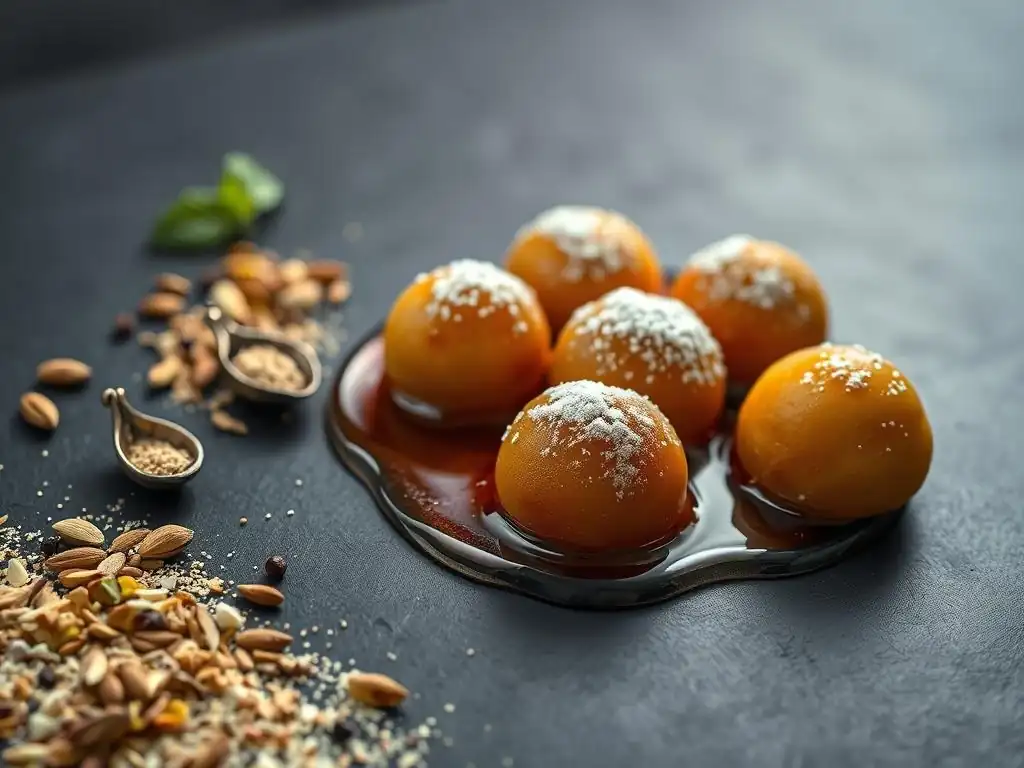
Welcome to BakeWithEase, your sanctuary for simplified baking brilliance! Are you ready to experience a delightful twist on a classic Indian dessert? Delve into our deconstructed approach to Indian Gulab Jamun, where we unveil a Glutenfree Cardamom Gulab Jamun Recipe that's both surprisingly simple and utterly irresistible. But what makes this recipe so unique, and how does cardamom elevate these delicate dumplings to new heights? Let's explore!
- Introduction to Gluten-Free Gulab Jamun
- Understanding Traditional Gulab Jamun: A Foundation
- Crafting Gluten-Free Gulab Jamun: Ingredient Substitutions
- Gluten-Free Cardamom Gulab Jamun Recipe: Step-by-Step Guide
- Tips and Tricks for Perfect Gluten-Free Cardamom Gulab Jamun
- Gluten-Free Gulab Jamun Variations and Adaptations
- Gluten-Free Gulab Jamun: Nutritional Information and Considerations
- Conclusion: Enjoying Delicious Gluten-Free Gulab Jamun
-
Frequently Asked Questions
- What makes this Gulab Jamun recipe different from traditional ones?
- What kind of gluten-free flour works best for this recipe?
- Can I skip the cardamom in this Gulab Jamun recipe?
- How do I ensure my Gulab Jamun dumplings don't fall apart while frying?
- What is the best way to store leftover Gluten-Free Cardamom Gulab Jamun?
- Final Reflection: The Sweet Symphony of Tradition and Innovation
- Unlock the Secrets of Gluten-Free Gulab Jamun!
Introduction to Gluten-Free Gulab Jamun
Discovering the Deliciousness of Gulab Jamun
Gulab Jamun stands as one of India's most cherished and iconic desserts. These soft, spongy, and deeply aromatic milk-based dumplings, soaked in a rose or cardamom-infused sugar syrup, evoke feelings of warmth and celebration. Traditionally made with milk solids and a touch of flour, they are fried to a beautiful golden-brown before being submerged in the fragrant syrup, absorbing its sweetness and aroma, resulting in a melt-in-your-mouth texture that is simply irresistible.
Originating from the Indian subcontinent, gulab jamun has become a staple at festivals, weddings, and family gatherings, enjoyed by millions across the globe. The name itself, gulab meaning rose and jamun referring to a dark purple berry (which the fried dumplings resemble in shape), hints at the classic rosewater infusion often used in the syrup. However, cardamom is also a popular and equally delightful aromatic, lending a warm, slightly spicy note that complements the richness of the dumplings beautifully.
Why Make Gluten-Free Gulab Jamun?
For those with gluten sensitivities, celiac disease, or who simply choose to follow a gluten-free diet, enjoying traditional gulab jamun can be challenging due to the inclusion of wheat flour as a binding agent. This limitation means missing out on a beloved cultural dessert or having to rely on specialized, often hard-to-find, store-bought versions. Creating a gluten-free version at home opens up this delicious world to a wider audience, allowing everyone to partake in the joy of this sweet treat.
Developing a reliable glutenfree cardamom gulab jamun recipe ensures that dietary restrictions don't have to mean sacrificing flavor or texture. It requires careful consideration of ingredient substitutions to replicate the unique characteristics of the traditional dessert – the soft interior, the slightly crisp exterior after frying (before soaking), and the perfect absorption of syrup. Our aim at BakeWithEase is to provide a straightforward and successful guide for making delicious gluten-free gulab jamun that tastes just as authentic as the traditional kind, focusing on that wonderful cardamom flavor.
BakeWithEase's Gluten-Free Cardamom Gulab Jamun Recipe
Crafting a truly authentic-tasting gluten-free gulab jamun requires understanding the role each ingredient plays in the traditional recipe and finding suitable substitutes that perform similarly. Our BakeWithEase gluten-free cardamom gulab jamun recipe focuses on achieving the signature soft, spongy texture and the delightful absorption of the fragrant syrup, all while being completely gluten-free. We'll guide you through selecting the best gluten-free flour blends, finding dairy or non-dairy milk powder alternatives, and perfecting the cardamom-infused syrup.
This specific recipe emphasizes the warm, aromatic notes of cardamom, making it a perfect dessert for any occasion. We break down each step, from mixing the dough to frying the perfect dumplings and soaking them in the sweet syrup, ensuring that even beginner bakers can achieve fantastic results. Get ready to enjoy this classic Indian sweet without any gluten concerns, bringing the festive flavors right into your kitchen with our easy-to-follow guide.
Understanding Traditional Gulab Jamun: A Foundation
What is Gulab Jamun? Origins and Flavors
Gulab Jamun is a dessert rooted in the culinary history of the Indian subcontinent, with origins often traced back to Persia, brought to India during the Mughal era. It evolved into the beloved sweet we know today, primarily made from khoa (milk solids) or milk powder, mixed with a small amount of flour, formed into balls, deep-fried, and then soaked in a sugar syrup flavored with rosewater, cardamom, saffron, or a combination of these. The process results in dumplings that are incredibly soft and moist, saturated with sweet, fragrant syrup.
The core flavor profile is intensely sweet, derived from the sugar syrup, beautifully complemented by the rich, milky taste of the dumplings. While rosewater is a traditional flavoring, cardamom offers a warm, slightly spicy, and incredibly aromatic alternative or addition that is equally popular. The texture is paramount: a tender, non-chewy interior encased in a thin, syrup-soaked skin. Understanding this fundamental structure and flavor is key to successfully adapting the recipe to be gluten-free.
Key Ingredients in Classic Gulab Jamun
The traditional gulab jamun recipe typically relies on a few core ingredients. The base is usually khoa, which is milk that has been slowly simmered and reduced to a solid mass, or often, especially in home kitchens, full-fat milk powder is used as a convenient substitute. A small amount of all-purpose wheat flour is crucial in the traditional recipe; it acts as a binder, helping the dough hold its shape during frying and preventing cracking. Baking soda or baking powder is often included to provide a little lift and contribute to the spongy texture.
Ghee (clarified butter) or oil is used for deep frying the dumplings, and a touch of ghee or milk is sometimes added to the dough for moisture and richness. The syrup is a simple mixture of sugar and water, boiled until it reaches a specific consistency, and then flavored. Common flavorings include rosewater, green cardamom pods or powder, and saffron strands. These ingredients, particularly the flour, are what pose a challenge when attempting to create a gluten-free version.
The Challenges of Gluten in Traditional Recipes
The main challenge in adapting gulab jamun to be gluten-free lies in substituting the wheat flour. Wheat flour contains gluten, a protein network that provides structure and elasticity to doughs. In traditional gulab jamun, this small amount of flour helps bind the milk solids together, creating a dough that is pliable enough to shape into smooth, crack-free balls and stable enough to withstand the heat of deep frying without disintegrating or cracking excessively.
Removing wheat flour means finding an alternative binder that can perform these critical functions without contributing gluten. Simple substitution with a single gluten-free flour like rice flour or almond flour often results in a dough that is too crumbly, too sticky, or lacks the necessary structure to fry properly. The dumplings might crack during frying, absorb too much oil, or become hard and dense after soaking instead of soft and spongy. Therefore, creating a successful glutenfree cardamom gulab jamun recipe requires a thoughtful approach to flour blends and binders.
Crafting Gluten-Free Gulab Jamun: Ingredient Substitutions
The Best Gluten-Free Flour Blend for Gulab Jamun
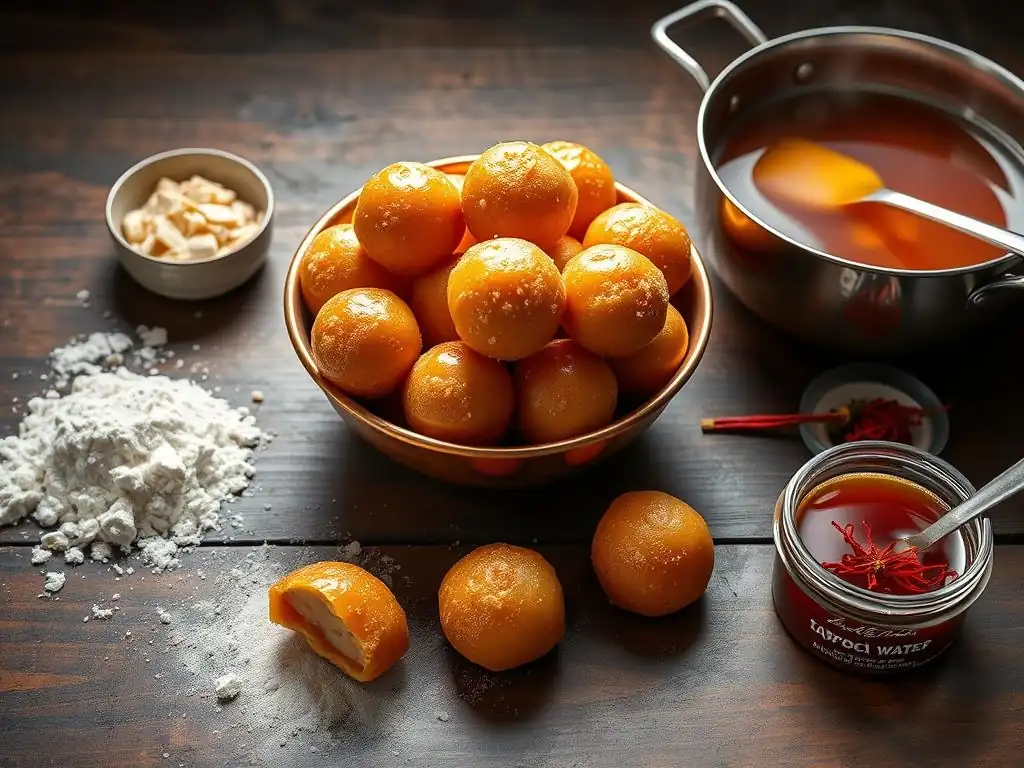
Finding the ideal gluten-free flour blend is perhaps the most critical step in creating a successful gluten-free gulab jamun. A simple one-to-one gluten-free flour blend designed for general baking might work, but often, a specific combination tailored to the unique requirements of gulab jamun yields the best results. The goal is to replicate the binding and structural properties that wheat flour provides in the traditional recipe, ensuring the dumplings hold their shape, fry evenly, and develop the characteristic soft interior.
Many commercially available gluten-free flour blends contain a mix of rice flour (white and/or brown), tapioca starch, potato starch, and sometimes sorghum or millet flour. These blends aim to mimic the protein and starch balance of wheat flour. Alternatively, you can create your own blend.
A combination often recommended for Indian sweets includes superfine rice flour for structure, tapioca starch for chewiness and binding, and a touch of a protein-rich flour like almond flour for richness, though almond flour can affect color and absorbency. Experimentation is key to finding the blend that works best with your specific milk powder and technique.
Exploring Gluten-Free Flour Options: Almond Flour, Rice Flour, and More
When considering gluten-free flours for gulab jamun, several options come to mind, each with different properties. Almond flour, made from ground almonds, adds moisture and richness but lacks the binding power needed on its own and can make the dough too delicate. Rice flour, particularly superfine varieties, provides structure but can result in a slightly gritty texture if not used in combination with starches. Brown rice flour offers more nutrients but is denser than white rice flour.
Starches like tapioca starch, potato starch, and cornstarch are crucial for binding and creating a smooth, pliable dough. Tapioca starch is known for its slightly chewy texture and good binding capabilities when heated. Potato starch provides softness and helps with moisture retention. A typical effective blend might include a ratio like 60% rice flour, 20% tapioca starch, and 20% potato starch, though this can be adjusted. Some recipes also incorporate a small amount of a binder like psyllium husk or xanthan gum to further improve the dough's handling and structure, which leads to the next point.
Achieving the Right Texture: Binder Considerations
Beyond the basic flour blend, incorporating a binder is often essential in gluten-free baking to compensate for the absence of gluten's elasticity and structure. For gluten-free gulab jamun, common binders include xanthan gum or psyllium husk powder. Xanthan gum is widely used in gluten-free baking; just a small amount (often 1/4 to 1/2 teaspoon per cup of flour blend) can significantly improve the dough's cohesiveness and prevent crumbling or cracking during frying.
Psyllium husk powder is another effective binder, absorbing liquid and creating a gel-like consistency that helps hold the dough together. It can also contribute to a slightly softer, more tender interior texture. If using psyllium husk, you might need slightly more liquid in the dough as it absorbs more than xanthan gum. Start with a small amount, perhaps 1 teaspoon per cup of flour blend, and adjust as needed. The right binder, used correctly, is vital for achieving the characteristic smooth, crack-free gulab jamun balls that fry beautifully and soak up the syrup effectively.
Milk Powder Alternatives for Gluten-Free Gulab Jamun
Traditional gulab jamun often uses full-fat dairy milk powder, which provides the rich, milky base and contributes significantly to the texture. For a gluten-free version, if you also need to avoid dairy, finding a suitable milk powder alternative is necessary. Coconut milk powder is a popular choice; it's widely available and offers a rich, creamy texture that can work well. However, it does impart a distinct coconut flavor, which might alter the traditional taste profile slightly, although it can be a pleasant variation.
Other options include cashew milk powder or almond milk powder, though these can be less common and potentially more expensive. Pea protein isolate can sometimes be used in small amounts to add protein structure, but it needs to be combined with other powders and might have a flavor or texture impact. When substituting, look for unsweetened varieties if possible to control the sugar level in the dough. The goal is to replicate the dry, powdery texture and high-fat content of dairy milk powder as closely as possible to ensure the dough forms correctly and fries well.
Cardamom Infusion: Enhancing the Aromatic Flavor
Cardamom is a key flavor component in our specific glutenfree cardamom gulab jamun recipe. While rosewater is classic, cardamom offers a warm, fragrant, and slightly spicy note that pairs wonderfully with the rich milk solids. For the most intense and fresh flavor, it is highly recommended to use green cardamom pods and grind them yourself just before use. This releases the potent aromatic oils that pre-ground cardamom powder loses quickly.
You can add cardamom powder directly to the dough mix to infuse the dumplings themselves with flavor. A common amount might be 1/2 to 1 teaspoon of freshly ground cardamom powder per batch of dough. More importantly, the cardamom is crucial for flavoring the sugar syrup. Add several bruised green cardamom pods or 1 to 2 teaspoons of ground cardamom powder to the boiling sugar-water mixture. Allowing the pods or powder to simmer in the syrup for several minutes ensures the flavor is fully extracted, creating a wonderfully aromatic bath for the fried dumplings.
Gluten-Free Cardamom Gulab Jamun Recipe: Step-by-Step Guide
Preparing the Gluten-Free Gulab Jamun Dough
The foundation of perfect gluten-free gulab jamun lies in the dough. It needs to be soft, pliable, and smooth, without being overly sticky or crumbly. Unlike traditional doughs, gluten-free doughs can be less forgiving, so precise measurements and technique are important. The goal is to create a mixture that, when gently kneaded, forms a cohesive ball that can be rolled into small spheres without cracking on the surface.
Start by carefully measuring your dry ingredients using either a kitchen scale for accuracy (highly recommended for gluten-free baking) or the spoon-and-level method if using measuring cups. Ensure all ingredients are at room temperature unless otherwise specified. Gentle handling is key; overworking gluten-free dough can sometimes make it tough, even without gluten, due to the starches. Mix just until combined and smooth.
Mixing the Dry Ingredients: Gluten-Free Flour, Milk Powder, and Cardamom
In a large mixing bowl, combine your chosen gluten-free flour blend (e.g., 1 cup), milk powder alternative (e.g., 1/2 cup), freshly ground cardamom powder (e.g., 1 teaspoon), and a pinch of baking soda or gluten-free baking powder (e.g., 1/4 teaspoon). If your gluten-free flour blend does not contain a binder, add your chosen binder now (e.g., 1/4 teaspoon xanthan gum or 1 teaspoon psyllium husk powder). Whisk these dry ingredients together thoroughly to ensure they are evenly distributed. This step is crucial for consistent texture and leavening throughout the batch.
Ensure there are no lumps in the milk powder or flour blend before adding the liquid. Some bakers like to sift the dry ingredients together, especially if using powdered milk alternatives, to ensure a very smooth mixture. This also helps incorporate air, which can contribute to a lighter texture. Make a well in the center of the dry mixture, ready for the wet ingredients.
Incorporating Wet Ingredients: Milk and Ghee
Into the well in your dry ingredients, add melted ghee or unsalted butter (e.g., 1 tablespoon). Start adding warm milk (dairy or non-dairy, e.g., 1/4 cup) gradually, a tablespoon at a time. Use your fingertips to gently bring the dry ingredients into the wet, mixing until a soft dough begins to form. The amount of milk needed can vary significantly based on the type of gluten-free flour blend and milk powder used, as well as humidity.
Continue adding milk, mixing gently, until the dough just comes together. Avoid pouring all the milk in at once. The dough should be soft but not sticky. It should be pliable enough to gently knead for a minute or two without sticking excessively to your hands. If it seems too dry and crumbly, add a tiny bit more milk (1/2 teaspoon at a time). If it feels too wet, you can add a very small amount of your gluten-free flour blend, but be cautious not to add too much, as this can make the dumplings hard.
Achieving the Perfect Dough Consistency: Tips and Tricks
The consistency of the dough is paramount for successful gluten-free gulab jamun. It should feel soft and smooth, similar to a very soft playdough. When you pinch off a small piece and roll it between your palms, it should form a smooth ball with no cracks on the surface. If the balls crack easily, the dough is likely too dry; add a little more milk and gently knead. If the dough is too sticky to handle, you may need to lightly grease your hands with ghee or oil, but avoid adding too much flour to the dough itself.
Allowing the dough to rest for 5-10 minutes after mixing can sometimes help the gluten-free flours and binders absorb the liquid fully, leading to a better texture. Cover the bowl with a damp cloth during this rest period to prevent the dough from drying out. After resting, test the dough again by rolling a small ball. It should be easier to form smooth, crack-free spheres.
Shaping and Frying the Gluten-Free Dumplings
Shaping the dumplings uniformly ensures they cook evenly. Aim for small, bite-sized balls, as they will expand slightly during frying and significantly plump up when soaking in the syrup. Keeping them small also helps ensure the center cooks through properly. Frying requires attention to temperature to achieve the desired golden-brown color and cooked interior without burning the outside or leaving the inside raw.
Using a heavy-bottomed pan or a deep fryer is recommended for maintaining a consistent oil temperature. Sufficient oil is needed so the dumplings are fully submerged and can move freely, preventing them from sticking to the bottom or each other. Have a slotted spoon or spider strainer ready for removing the fried dumplings.
Forming Small, Smooth Gulab Jamun Balls
Pinch off small portions of the dough, roughly the size of a small marble (about 1/2 to 3/4 inch in diameter). Gently roll each portion between your palms, applying even and gentle pressure, to form a smooth, round ball. It is crucial that the surface of the balls is smooth and free of cracks. Cracks on the surface before frying will likely expand during frying, causing the dumplings to potentially break apart or absorb too much oil unevenly.
If you are having trouble getting smooth balls without cracks, your dough might be slightly too dry, or you might be handling it too roughly. Try adding a tiny bit more milk to the main dough and gently re-knead, or lightly grease your palms with ghee. Work quickly but gently to form all the balls. As you form them, place them on a plate or tray lined with parchment paper to prevent sticking.
Frying Techniques: Temperature Control for Even Cooking
Heat ghee or oil in a heavy-bottomed pan or deep fryer over medium-low heat. The oil temperature is critical. It should be warm enough to cook the dumplings through slowly without burning the exterior quickly. An ideal temperature range is typically between 280°F and 300°F (approx. 140°C to 150°C). Test the oil temperature by dropping a tiny piece of dough into it; it should sizzle gently and rise slowly to the surface, not immediately. If it browns too quickly, the oil is too hot. If it just sits at the bottom, it's too cool.
Carefully slide a small batch of shaped gluten-free gulab jamun balls into the warm oil. Do not overcrowd the pan, as this will lower the oil temperature and result in uneven cooking. Fry the dumplings over low to medium-low heat, gently stirring them occasionally with a slotted spoon to ensure they brown evenly on all sides. This slow frying process allows the inside to cook properly while the outside develops a beautiful color.
Achieving the Golden-Brown Color: Visual Cues
Continue frying the gluten-free dumplings until they turn a deep, uniform golden-brown or even a rich reddish-brown color, similar to the color of a ripe jamun fruit. This deep color is characteristic of traditional gulab jamun and indicates that they have cooked through properly and developed a slightly firm exterior crust that will soften beautifully in the syrup. The frying process for a batch can take anywhere from 10 to 20 minutes, depending on the size of the dumplings and the oil temperature.
Keep a close eye on the color, as they can go from perfectly golden to burnt quickly. Once they reach the desired depth of color, remove them from the oil using a slotted spoon, allowing excess oil to drain back into the pan. Place the hot, fried dumplings directly into the warm sugar syrup prepared beforehand. Frying them to the correct color is essential for both appearance and texture after soaking.
Preparing the Cardamom-Infused Sugar Syrup
The sugar syrup is the soul of gulab jamun, transforming the fried dumplings into soft, sweet, and aromatic delights. The syrup needs to be the right consistency to be absorbed effectively by the dumplings. For our glutenfree cardamom gulab jamun recipe, we focus on infusing it generously with cardamom.
Prepare the syrup while the dough is resting or while you are shaping the dumplings. Use a pot large enough to hold the syrup and eventually soak all the fried dumplings. The syrup should be warm when the hot fried dumplings are added, as this helps them absorb the liquid more readily.
Boiling Water, Sugar, and Cardamom: The Perfect Syrup Ratio
In a pot, combine water and sugar in a ratio typically around 2 parts sugar to 1 part water (e.g., 2 cups sugar to 1 cup water). This ratio creates a sweet, thick syrup. Add your cardamom flavoring now: several bruised green cardamom pods (e.g., 4-6 pods) or 1 to 2 teaspoons of freshly ground cardamom powder. You can also add a pinch of saffron strands for color and aroma, or a splash of rosewater towards the end of boiling if you like a hint of rose alongside the cardamom.
Bring the mixture to a boil over medium heat, stirring occasionally until the sugar is completely dissolved. Once boiling, reduce the heat slightly and let it simmer gently. Simmering allows the cardamom flavor to infuse into the syrup and helps the syrup reach the desired consistency. Avoid stirring the syrup too much once it starts simmering to prevent crystallization.
Achieving the Right Syrup Consistency: One-String Consistency
The ideal syrup consistency for gulab jamun is typically referred to as a "one-string" consistency. This means if you take a drop of syrup between your thumb and forefinger and gently pull them apart, a single, thin thread or string of syrup forms before breaking. Achieving this consistency (or slightly less than one-string) is important because a syrup that is too thin won't be absorbed well, and a syrup that is too thick can crystallize or make the gulab jamun tough.
Simmer the syrup for approximately 5-10 minutes after the sugar dissolves to reach this consistency. If you don't have experience testing for string consistency, simmering for this duration is a good approximation. The syrup should feel slightly sticky when rubbed between your fingers. Turn off the heat once the desired consistency is reached. Keep the syrup warm while you fry the dumplings.
Adding Flavor Enhancers: Rosewater or Saffron (Optional)
While our recipe highlights cardamom, you can enhance the flavor profile further with other traditional elements. If you enjoy the classic rose aroma, add a teaspoon or two of good quality rosewater to the warm syrup after you turn off the heat. Adding it while the syrup is boiling can cause the delicate rose compounds to evaporate.
Saffron is another wonderful addition. Add a pinch of saffron strands to the simmering syrup along with the cardamom. The saffron will impart a beautiful golden hue to the syrup and a subtle, luxurious aroma. These optional additions allow you to customize your glutenfree cardamom gulab jamun recipe to your personal taste preferences, creating unique layers of flavor.
Soaking and Serving the Gluten-Free Gulab Jamun
The magic happens when the hot, fried dumplings meet the warm syrup. The porous structure created during frying allows them to soak up the fragrant liquid, transforming them into the soft, spongy sweets we crave. Adequate soaking time is essential for achieving the perfect texture.
Once the fried dumplings are removed from the oil, immediately transfer them to the pot of warm sugar syrup. Ensure they are fully submerged. Gently stir them around so they don't stick together and are completely covered by the syrup.
Soaking Time: Allowing the Dumplings to Absorb the Syrup
Allow the gluten-free gulab jamun to soak in the warm syrup for at least 2-3 hours. For the best results and maximum softness and syrup absorption, it is often recommended to let them soak for 4-6 hours, or even overnight at room temperature. During this time, the dumplings will significantly increase in size as they absorb the syrup.
The longer soaking time allows the syrup to penetrate right to the center of the dumplings, ensuring they are uniformly soft and sweet throughout. Check on them periodically; if the syrup seems to be cooling down too much, you can gently warm the pot over very low heat for a few minutes (do not boil), then turn off the heat again.
Serving Suggestions: Warm or Cold Gulab Jamun?
Gulab jamun can be enjoyed warm or cold, and both ways offer a delightful experience. Serving them warm, perhaps gently heated before serving, often enhances the aromas of cardamom and the richness of the dumplings, providing a comforting dessert experience, especially during cooler weather.
Serving them chilled from the refrigerator offers a refreshing take, particularly nice in warmer climates. The texture might be slightly firmer when cold, but they are still incredibly delicious. The choice between warm and cold is purely a matter of personal preference.
Garnishing Ideas: Chopped Nuts or Silver Leaf
To add a touch of elegance and complementary texture, garnish your glutenfree cardamom gulab jamun before serving. Finely chopped pistachios or almonds are classic garnishes, providing a slight crunch that contrasts with the soft dumplings. Sprinkle them generously over the gulab jamun in their syrup or just on individual servings.
For a truly traditional and celebratory presentation, you can top them with edible silver leaf ( vark). While primarily decorative, it adds a traditional flair. Ensure you use edible grade silver leaf if opting for this garnish. A single saffron strand placed on top of each dumpling is another simple yet beautiful garnish.
Tips and Tricks for Perfect Gluten-Free Cardamom Gulab Jamun
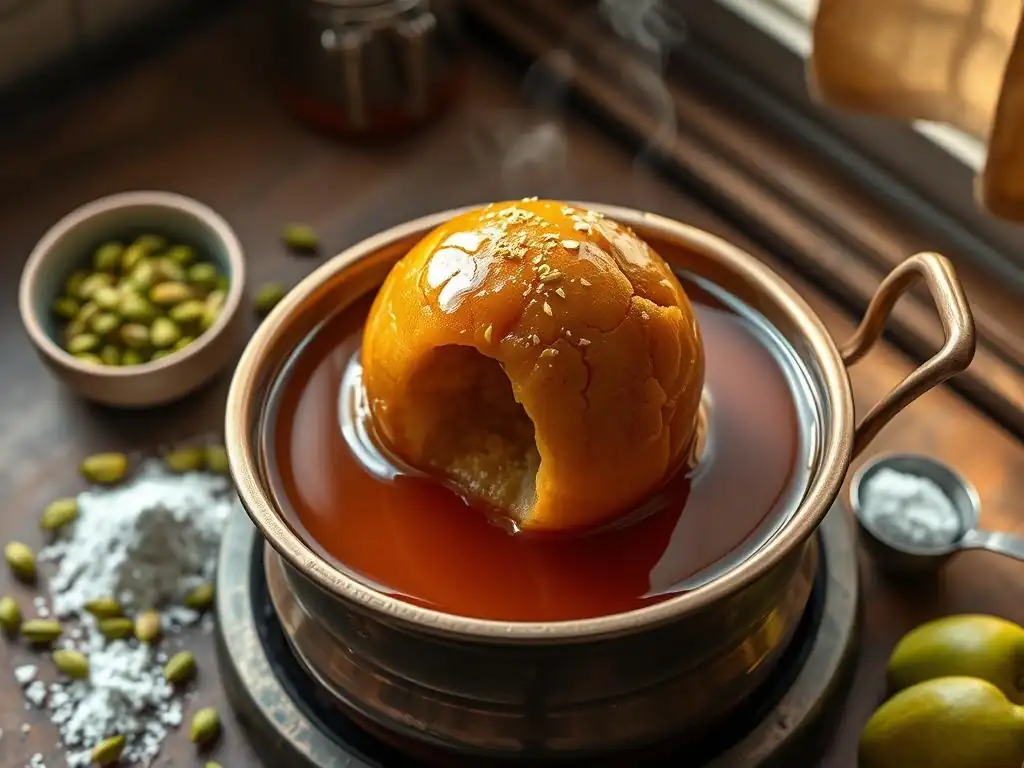
Making gluten-free gulab jamun can have a slight learning curve compared to the traditional version. Understanding common issues and how to troubleshoot them will significantly increase your chances of success with this glutenfree cardamom gulab jamun recipe.
Troubleshooting Common Issues: Dryness, Cracking, and More
- Dough is dry and crumbly, dumplings crack during shaping/frying: This is a common issue and usually means the dough is too dry. Add milk, a tiny bit at a time (1/2 teaspoon), and gently knead until the dough is soft and pliable and balls can be rolled without cracks. Ensure your gluten-free flour blend and binder are balanced correctly.
- Dumplings absorb too much oil or disintegrate while frying: This can happen if the oil temperature is too low or if the dough lacks sufficient binding. Ensure the oil is within the 280-300°F range. If the dough is the issue, you might need to adjust the ratio of flours/starches or increase the binder slightly in your next batch.
- Dumplings are hard or dense after soaking: This can be due to several factors: dough was too stiff/dry initially, over-kneading the dough, frying at too high a temperature (forming a hard crust), or the syrup consistency is too thick. Ensure the dough is soft, fry slowly at the correct temperature, and check your syrup consistency.
- Dumplings don't absorb syrup well: The syrup might be too thick, or the dumplings might not have been hot enough when placed in the warm syrup. Ensure the syrup is warm (not hot/boiling, but warm) and the dumplings go in immediately after frying. Check the syrup consistency – it should be around a one-string consistency.
Achieving the Authentic Gulab Jamun Texture Without Gluten
Replicating the unique soft, spongy texture of traditional gulab jamun requires careful ingredient selection and technique when working with a glutenfree cardamom gulab jamun recipe. The right balance of gluten-free flours and starches is key – starches like tapioca and potato starch contribute to softness and absorbency. Using a binder like xanthan gum or psyllium husk helps create a cohesive structure that prevents the dumplings from becoming too crumbly or falling apart.
Ensuring the dough is soft and pliable before frying is crucial. Overworking the dough can sometimes make gluten-free baked goods tough. Gentle handling and allowing the dough to rest can help. Slow, even frying at the correct temperature allows the interior to cook and the exterior to form a porous crust that is perfect for soaking up the syrup, resulting in that desired melt-in-your-mouth texture.
Storing and Reheating Gluten-Free Gulab Jamun
Proper storage ensures your delicious gluten-free cardamom gulab jamun remains fresh and flavorful. Once the dumplings have soaked in the syrup and cooled down completely to room temperature, transfer them (along with the syrup) to an airtight container. They can be stored at room temperature for 1-2 days, though refrigeration is recommended for longer storage.
In the refrigerator, gluten-free gulab jamun will keep well for up to 5-7 days. The syrup might thicken slightly when chilled. To reheat, gently warm the desired number of gulab jamun and some syrup in a microwave-safe bowl for 30-60 seconds, or warm them in a small saucepan over very low heat until heated through. Avoid overheating, which can make them tough.
Gluten-Free Gulab Jamun Variations and Adaptations
Once you've mastered the basic glutenfree cardamom gulab jamun recipe, you can explore exciting variations. The base recipe is versatile and lends itself well to creative adaptations, incorporating different flavors and textures.
Adding Nuts: Pistachios, Almonds, or Cashews
Incorporating finely chopped nuts into the dough adds a subtle crunch and nutty flavor. Pistachios, almonds, or cashews work well. Chop them very finely and mix them into the dough along with the dry ingredients. Be mindful that adding nuts might slightly alter the dough's texture and absorbency, potentially requiring a tiny adjustment to the liquid.
Alternatively, and perhaps more commonly, nuts are used as a garnish, as mentioned earlier. Sprinkling chopped nuts over the finished gulab jamun in the syrup adds a delightful textural contrast.
Chocolate Gulab Jamun: A Decadent Twist
For a truly indulgent variation, transform your gluten-free gulab jamun into chocolate gulab jamun. This can be achieved by adding a tablespoon or two of unsweetened cocoa powder to the dry ingredients when making the dough. This will give the dumplings a chocolate flavor and a darker color.
For the syrup, you can keep it cardamom-infused or create a chocolate syrup by adding cocoa powder or melted dark chocolate to the warm sugar syrup. This creates a rich, decadent dessert that is a fun twist on the classic.
Gulab Jamun Cheesecake: A Fusion Dessert
A popular fusion dessert is Gulab Jamun Cheesecake. This involves layering or incorporating gulab jamun into a cheesecake. While not a variation of the gulab jamun itself, your homemade gluten-free cardamom gulab jamun can be the star ingredient in a gluten-free cheesecake base (perhaps made with a gluten-free cookie crust).
Small gulab jamun can be placed whole or halved within the cheesecake batter before baking, or chopped and folded in. The cardamom syrup can also be used as a topping or swirled into the cheesecake. This creative use of gluten-free gulab jamun allows you to enjoy this beloved sweet in entirely new formats.
Gluten-Free Gulab Jamun: Nutritional Information and Considerations
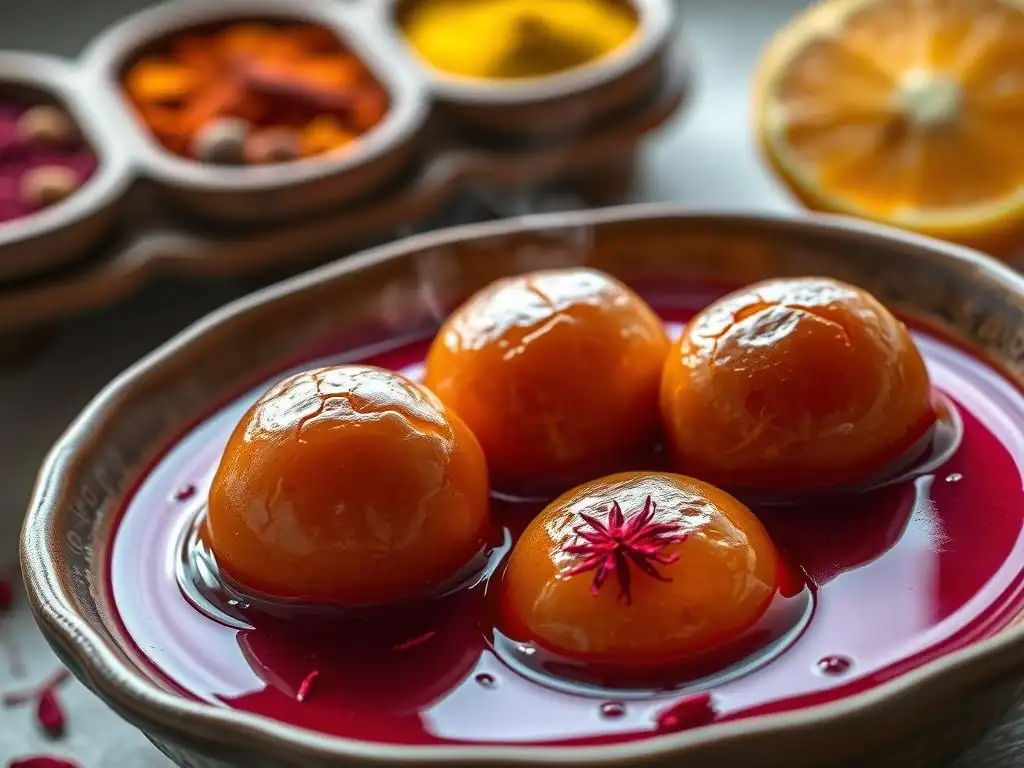
While delicious, gulab jamun, whether traditional or gluten-free, is a rich dessert high in sugar and calories. Understanding the nutritional aspects can help in enjoying it mindfully.
Calorie Count and Macronutrient Breakdown
A single traditional gulab jamun can range from approximately 150 to 250 calories, largely depending on its size, how much syrup it has absorbed, and the fat content from frying (ghee vs. oil). A gluten-free version made with similar ingredients and fried/soaked similarly would likely fall within a similar calorie range.
The macronutrient breakdown is typically high in carbohydrates (primarily from sugar) and fats (from milk solids/powder and frying), with a moderate amount of protein (from milk solids/powder and any added protein in gluten-free flours). For example, a single piece might contain around 20-30g carbohydrates, 5-10g fat, and 2-4g protein. These figures are approximations and can vary significantly based on the specific recipe and portion size.
Allergen Information: Milk and Nuts
Our glutenfree cardamom gulab jamun recipe addresses the gluten allergen. However, traditional gulab jamun and many gluten-free variations still contain dairy (milk powder, ghee). Individuals with dairy allergies or lactose intolerance would need to use dairy-free milk powder alternatives (like coconut or cashew milk powder) and a dairy-free fat for frying (like oil).
If adding nuts (pistachios, almonds, cashews) as a garnish or ingredient, these introduce tree nut allergens. Always clearly label ingredients if serving to guests with allergies. The sugar syrup itself is generally allergen-free unless flavored with ingredients like rosewater (check purity) or if cross-contamination occurs.
Serving Size Recommendations
Given the richness and calorie density of gulab jamun, a typical serving size is usually one or two pieces. Enjoying them in moderation allows you to savor the delicious taste without excessive caloric intake. While it's tempting to have more, the intense sweetness and richness are often satisfying in smaller portions.
Consider serving them as part of a larger meal or celebration where multiple dishes are offered. This allows guests to enjoy a small taste alongside other items. For personal enjoyment, portion control is key to fitting this lovely dessert into a balanced diet.
Conclusion: Enjoying Delicious Gluten-Free Gulab Jamun
Celebrate with this Gluten-Free Indian Dessert
Creating gluten-free gulab jamun opens up the possibility of enjoying this beloved Indian sweet to everyone, regardless of gluten intolerance or dietary preference. Our detailed guide provides you with the knowledge and steps to successfully make delicious gluten-free cardamom gulab jamun right in your own kitchen. The process, from selecting the right gluten-free flours and binders to perfecting the frying technique and infusing the syrup with warm cardamom, is a rewarding culinary journey.
This gluten-free version retains the essence of the traditional dessert – the soft, syrup-soaked dumplings bursting with flavor. It means you don't have to miss out on celebrating festivals, special occasions, or simply satisfying a craving for this classic sweet. Share these homemade delights with family and friends, knowing you've created a thoughtful and inclusive treat.
We love seeing what you create using our recipes! If you try our glutenfree cardamom gulab jamun recipe, we encourage you to share your results. Let us know how they turned out, what gluten-free flour blend you used, or any variations you tried. Your experiences can help others in the BakeWithEase community on their gluten-free baking journey.
Making gluten-free versions of traditional sweets like gulab jamun is a wonderful way to keep culinary traditions alive and accessible. With patience and attention to detail, you can achieve fantastic results. Happy baking, and enjoy every delicious, gluten-free bite of your homemade cardamom gulab jamun!
Frequently Asked Questions
What makes this Gulab Jamun recipe different from traditional ones?
This recipe offers a gluten-free alternative using a blend of flours and incorporates cardamom for a unique aromatic flavor profile. It also presents a slightly "deconstructed" approach, focusing on achieving perfect dumpling texture.
What kind of gluten-free flour works best for this recipe?
A blend of rice flour, tapioca starch, and almond flour generally works best, providing a good balance of structure and texture for the gluten-free Gulab Jamun. Experimentation with other gluten-free blends is encouraged.
Can I skip the cardamom in this Gulab Jamun recipe?
While the recipe highlights cardamom, you can adjust the flavor profile. However, it significantly contributes to the overall aroma and taste, so consider using another spice like rosewater for a similar effect.
How do I ensure my Gulab Jamun dumplings don't fall apart while frying?
Ensure the dough is not too wet and is properly kneaded to bind the ingredients. Maintaining the oil temperature at a consistent, moderate heat is crucial for even cooking and preventing disintegration.
What is the best way to store leftover Gluten-Free Cardamom Gulab Jamun?
Store the Gulab Jamun in an airtight container in the refrigerator, submerged in the sugar syrup. Gently reheat them before serving for the best taste and texture.
Final Reflection: The Sweet Symphony of Tradition and Innovation
The enduring appeal of Gulab Jamun, even in its gluten-free form, speaks volumes about our desire to connect with culinary heritage while embracing modern dietary needs. This recipe isn't just about avoiding gluten; it's about preserving the joy and comforting familiarity of a classic dessert while making it accessible to a wider audience. The delicate balance of cardamom and the melt-in-your-mouth texture remain, proving that tradition and innovation can coexist beautifully.
This journey of deconstructing and reconstructing the Gulab Jamun has been a deeply personal one. It's a testament to the power of food to bridge generations and cultures. Food is symbolic of love when words are inadequate.
- Alan D. Wolfelt. This rings especially true for Gulab Jamun, a dessert often associated with celebrations and shared moments. Adapting this recipe to be gluten-free allows more people to participate in these cherished traditions, enriching the experience for everyone.
Now, I invite you to embark on your own culinary adventure. Don't be afraid to experiment, to adapt, and to personalize this recipe to your own taste. The beauty of cooking lies in its ability to be both a precise science and a creative expression. Try this gluten-free cardamom Gulab Jamun recipe, and let the sweet symphony of flavors transport you to a place of warmth, comfort, and shared joy. Share your creations and experiences – let's continue this conversation about the delicious intersection of tradition and modern culinary practices.
Unlock the Secrets of Gluten-Free Gulab Jamun!
Thanks for joining us on this delicious journey into the world of gluten-free Gulab Jamun! We hope you've gained a new appreciation for this classic dessert and its adaptable nature. Ready to take your baking to the next level?
- Master the art of gluten-free Indian baking: Dive deeper into our recipe collection and explore other delicious gluten-free Indian sweets. We've got plenty more where this came from!
- Share your Gulab Jamun triumph: Snap a photo of your creation and tag us on social media – we'd love to see your delicious results!
- Experiment with flavor variations: Try adding different spices like saffron or nutmeg to your next batch. What unique twist will you create?
Ready to embark on your own gluten-free Gulab Jamun adventure? What unexpected ingredient will you try next?