
Top 7 NutFree Baking Substitutes: From Seed Butters to Coconut Flour

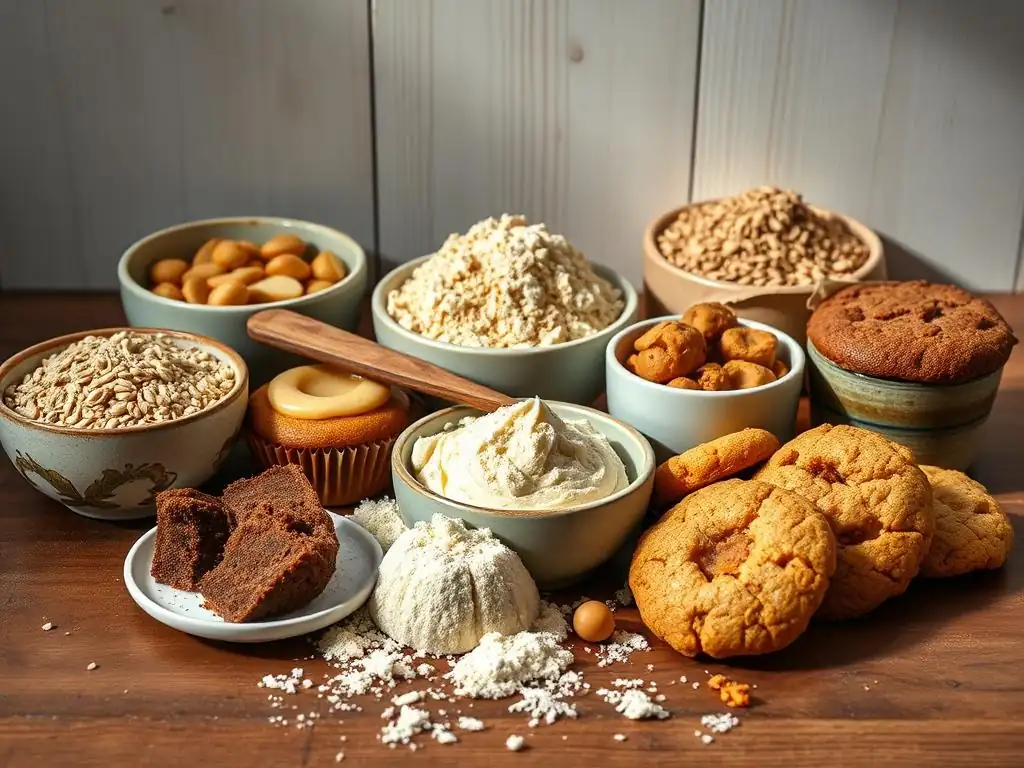
Welcome to BakeWithEase, your partner in creating delicious baked goods without the worry! Discover how to navigate dietary restrictions and allergies with confidence. Are you ready to unlock the secrets to nut-free baking? Our latest guide, "Top 7 Nut-Free Baking Substitutes: From Seed Butters to Coconut Flour," reveals innovative and readily available alternatives that will transform your baking. Curious about how to achieve that perfect texture and flavor without nuts? Let's dive in and explore!
- Top 7 Nut-Free Baking Substitutes: From Seed Butters to Alternative Flours
- Introduction to Nut-Free Baking: Finding the Right Substitutions
-
7 Best Nut-Free Baking Ingredient Substitutions for Delicious Treats
- 1. Sunflower Seed Butter: A Versatile Nut Butter Alternative
- 2. Tahini (Sesame Seed Paste): Adding Depth and Flavor
- 3. Oat Flour: A Gluten-Free and Nut-Free Staple
- 4. Coconut Flour: A Grain-Free and Nut-Free Option
- 5. Pumpkin Seed Flour (Pepita Flour): A Nutritious Choice
- 6. Chickpea Flour (Besan): An Unexpected Baking Ingredient
- 7. Cassava Flour: A Naturally Sweet and Nut-Free Option
- Adapting Your Favorite Recipes for Nut-Free Baking
- Tips and Tricks for Successful Nut-Free Baking
- Conclusion: Enjoy Delicious Nut-Free Baking with Confidence
-
Frequently Asked Questions
- What are the most common reasons someone might need nut-free baking ingredient substitutions?
- Can seed butters like sunflower seed butter or tahini be used as direct replacements for nut butters in recipes?
- What is the best nut-free flour substitute for those with gluten sensitivities as well?
- Are there any nut-free ingredient substitutes suitable for adding a nutty flavor to baked goods?
- How do I ensure my baking ingredients are truly nut-free and avoid cross-contamination?
- Final Reflection: Unlocking the Delicious Potential of Nut-Free Baking
- Unleash Your Nut-Free Baking Potential!
Top 7 Nut-Free Baking Substitutes: From Seed Butters to Alternative Flours
Introduction to Nut-Free Baking: Finding the Right Substitutions
Why Nut-Free Baking Matters: Allergies and Dietary Needs
For many individuals, baking is a delightful activity, but navigating nut allergies can introduce significant challenges. Nut allergies are among the most common food allergies, affecting millions globally. In the United States alone, tree nut allergies impact an estimated 0.5% of children and adults, while peanut allergies affect around 1-2%.
For those with these allergies, even trace amounts of nuts can trigger severe, potentially life-threatening reactions, including anaphylaxis. This makes finding safe and reliable nut-free baking ingredient substitutions not just a preference, but a necessity for ensuring safety in shared spaces like schools, workplaces, and family gatherings. Beyond allergies, some people choose to avoid nuts due to dietary preferences, digestive sensitivities, or simply wanting to explore alternative flavors and textures in their baked goods.
Creating delicious baked goods that are completely free from nuts requires careful attention to ingredients and preparation methods. It's not just about replacing the nuts themselves; it's also about understanding how nut-based ingredients, like almond flour or peanut butter, contribute to the overall structure, texture, and flavor of a recipe.
Successful nut-free baking ensures that everyone, regardless of their dietary restrictions or allergy status, can enjoy everything from chewy cookies and moist cakes to crusty breads and flaky pastries without worry. Mastering nut-free baking ingredient substitutions opens up a world of possibilities, allowing bakers to create inclusive treats that are both safe and incredibly tasty.
The Challenge of Substituting Nuts in Baking
Nuts play several critical roles in traditional baking. Nut flours, like almond flour, provide structure and a tender crumb, especially in gluten-free recipes. Nut butters, such as peanut or almond butter, add richness, moisture, and act as a binder.
Whole or chopped nuts contribute crunch, texture, and specific flavors. Simply removing nuts without replacing their function can lead to baked goods that are dry, crumbly, lack structure, or are simply bland. For example, substituting almond flour 1:1 with wheat flour in a recipe designed for almond flour will likely result in a heavy, dense product because almond flour lacks gluten and behaves very differently in terms of fat and moisture content.
The challenge lies in finding ingredients that can mimic these diverse functions while remaining entirely nut-free. This requires understanding the properties of potential nut-free baking ingredient substitutions – how they absorb liquid, how they bind ingredients, what kind of texture they impart, and how their flavor profile integrates with other ingredients.
It's a bit of a balancing act, often requiring adjustments not just to the substitute ingredient quantity but also to liquid ratios, fats, and sometimes even leavening agents to achieve a comparable result to the original nut-containing recipe. Experimentation is key, but having a guide to effective nut-free baking ingredient substitutions can significantly reduce the guesswork and lead to successful outcomes faster.
Understanding Nut-Free Baking Ingredient Substitutions
Nut-free baking ingredient substitutions involve strategically replacing nuts or nut-derived products with ingredients sourced from seeds, grains, legumes, or alternative plants. The goal is to achieve similar results in terms of texture, moisture, structure, and flavor without introducing allergens. For instance, while almond flour is popular for its fine texture and moist crumb in many gluten-free applications, a suitable nut-free alternative might be a seed-based flour or a specific combination of gluten-free grain flours. Similarly, creamy peanut butter can be replaced by smooth sunflower seed butter or tahini, provided their unique flavors are complementary to the recipe.
Effective nut-free baking ingredient substitutions often depend on the type of nut ingredient being replaced and its primary function in the recipe. Replacing structural almond flour differs from replacing textural chopped walnuts or moistening peanut butter. Successful bakers learn to analyze the original recipe: Is the nut providing structure? Moisture? Flavor? Crunch? Once the function is identified, selecting the appropriate nut-free baking ingredient substitution becomes much clearer. This section will explore some of the most effective and versatile nut-free options available, detailing their properties and how they can be best utilized in your baking endeavors.
7 Best Nut-Free Baking Ingredient Substitutions for Delicious Treats
1. Sunflower Seed Butter: A Versatile Nut Butter Alternative
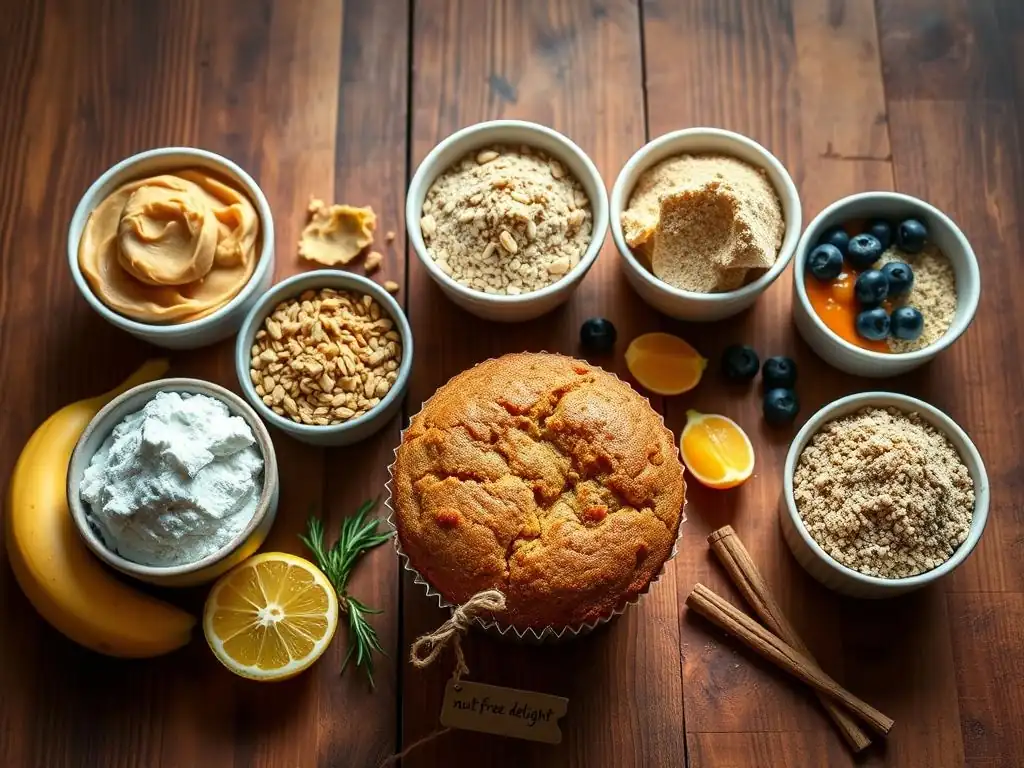
Sunflower seed butter, often simply called sunbutter, is made from roasted and ground sunflower seeds. It has a creamy texture remarkably similar to peanut butter, making it one of the most straightforward nut-free baking ingredient substitutions for recipes calling for peanut or almond butter.
Its flavor is distinct – slightly earthy and toasty – but it pairs wonderfully with chocolate, fruit, and many spices commonly used in baking. Nutritionally, it's comparable to nut butters, offering healthy fats, protein, and minerals like magnesium and Vitamin E. It's widely available in both creamy and crunchy varieties, providing flexibility depending on the desired texture of the final baked good.
When using sunflower seed butter, it's important to note a common reaction: baked goods made with it can sometimes turn green. This is a harmless chemical reaction caused by the chlorophyll in sunflower seeds reacting with baking soda or baking powder during baking, especially when exposed to heat. The flavor is unaffected, but the color change can be surprising.
To minimize this, some recipes suggest adding a touch of acid, like lemon juice or vinegar, which can help neutralize the reaction, though it doesn't always prevent it entirely. Despite this quirk, sunflower seed butter is a top choice for creating moist, flavorful, and safe treats as part of your nut-free baking ingredient substitutions strategy.
Baking with Sunflower Seed Butter: Tips and Tricks
When swapping peanut butter for sunflower seed butter in recipes like cookies or bars, a 1:1 substitution ratio often works well. The consistency of the butter can vary slightly between brands, so if a recipe seems too dry or wet, minor adjustments to liquid or flour might be needed, but usually, the swap is quite direct. Because sunflower seed butter has a robust flavor, consider how it will complement the other ingredients.
It shines in chocolate-based recipes, like brownies or cookies, where its toastiness enhances the cocoa flavor. It also works well in recipes with strong spices like cinnamon or nutmeg.
One key tip is to stir the sunflower seed butter thoroughly before measuring, especially if oil separation has occurred, to ensure consistent results. For recipes where a very neutral flavor is desired, sunflower seed butter might be too assertive. In those cases, other nut-free baking ingredient substitutions like tahini (used sparingly for flavor) or even a blend of seed flours might be more appropriate. However, for classic "peanut butter" style baked goods, sunflower seed butter is typically the best and easiest nut-free alternative.
Sunflower Seed Butter Brownies Recipe Concept
Imagine rich, fudgy brownies where the signature flavor comes not from nuts, but from sunflower seeds. A typical approach involves creaming butter and sugar, then incorporating sunflower seed butter, eggs, and vanilla, just like a standard brownie recipe. The dry ingredients – cocoa powder, flour (a standard all-purpose or a gluten-free blend), baking powder (or baking soda, being mindful of the green color reaction), and salt – are then folded in.
The sunflower seed butter provides the necessary fat and moisture for a dense, chewy texture, while its distinct flavor adds an earthy depth that complements the intense chocolate. The result is a delicious, fudgy square that satisfies chocolate cravings while being entirely nut-free.
2. Tahini (Sesame Seed Paste): Adding Depth and Flavor
Tahini, a paste made from ground sesame seeds, is a staple in Middle Eastern and Mediterranean cuisine but has gained popularity as a unique nut-free baking ingredient substitution. Unlike the creamy sweetness often associated with nut butters, tahini offers a more sophisticated flavor profile – slightly bitter, earthy, and intensely savory-sweet. This complexity makes it an excellent addition to baked goods where you want to add depth beyond simple sweetness. It's particularly effective in cookies, cakes, and even some bread recipes. Tahini is also a good source of healthy fats, protein, and calcium.
Using tahini in baking requires a bit more nuance than a simple 1:1 swap for nut butter. Its flavor is potent, so it's often used in smaller quantities or combined with other fats like butter or oil. The bitterness can be balanced with sweeteners like honey, maple syrup, or brown sugar. Its texture varies from very smooth and pourable to quite thick, depending on the brand and whether it's made from hulled or unhulled seeds (hulled is generally smoother and less bitter). Understanding these variations is key to successfully incorporating tahini into your nut-free baking ingredient substitutions repertoire.
Using Tahini in Cookies and Bars
Tahini lends itself beautifully to cookies and bars, providing a unique flavor that pairs exceptionally well with chocolate, citrus (especially orange), dates, and spices like cardamom or ginger. In cookies, it contributes to a slightly chewy texture and a wonderfully complex flavor. For instance, a simple chocolate chip cookie recipe can be elevated by replacing some of the butter with tahini – perhaps 1/4 cup of tahini for every cup of butter – or by adding a few tablespoons of tahini alongside the butter and sugar. This adds a subtle, nutty depth without using any actual nuts.
When using tahini in bars, like blondies or shortbread, it adds richness and a sophisticated undertone. Consider a shortbread base made with flour, sugar, butter, and a few tablespoons of tahini; it results in a crisp, flavorful base unlike traditional shortbread. Tahini's unique properties mean that while it's a great nut-free baking ingredient substitution, it often acts more as a flavor enhancer and texture modifier than a direct nut butter replacement in terms of sheer volume.
Tahini's Nutty Flavor Profile in Baking
The "nutty" flavor people perceive in tahini comes from the roasted sesame seeds, not tree nuts or peanuts. This makes it safe for those with nut allergies, but it delivers a similar type of roasted, earthy note that is often desired in baked goods. This flavor profile works wonders in balancing sweetness. For example, a sweet honey cake benefits from the slight bitterness of tahini to add complexity. Chocolate and tahini are a classic pairing, creating a sophisticated flavor combination that is both rich and intriguing.
Incorporating tahini allows for the creation of baked goods that are nut-free but don't feel like they're missing something. Instead, they offer an entirely new, delightful flavor experience. It's a versatile ingredient for expanding your nut-free baking ingredient substitutions, moving beyond simple replacements to exploring new taste dimensions.
3. Oat Flour: A Gluten-Free and Nut-Free Staple
Oat flour, made from ground rolled oats, is a versatile and widely available ingredient that serves as an excellent grain-based nut-free baking ingredient substitution. It's naturally gluten-free, though cross-contamination is a risk unless certified gluten-free oats are used. Oat flour provides a soft, moist texture to baked goods and has a mild, slightly sweet, and wholesome flavor that works well in a variety of recipes, from muffins and quick breads to cookies and cakes. It's also significantly more affordable than many nut flours.
One of the benefits of oat flour is its ability to absorb moisture relatively well, contributing to a tender crumb. However, because it lacks gluten, it won't provide the same structure as wheat flour. In some recipes, especially those requiring more structure, it might need to be combined with other flours or binders like xanthan gum or psyllium husk powder. Substituting oat flour for wheat or almond flour isn't always a direct 1:1 swap; often, you'll need slightly less oat flour or more liquid, as it can make batters quite thick.
Baking with Oat Flour: Texture and Moisture
Oat flour excels at providing moisture and tenderness in baked goods. It results in a softer, less crumbly texture compared to some nut flours. This makes it ideal for items like muffins, pancakes, and quick breads where a tender, moist crumb is desired. For example, replacing a portion of wheat flour in a standard muffin recipe with oat flour (e.g., substituting 1/4 to 1/2 of the wheat flour with oat flour) can enhance moisture and add a subtle, wholesome flavor.
When using oat flour as a primary flour in recipes originally designed for wheat or almond flour, pay close attention to the batter consistency. Oat flour can absorb liquid differently, sometimes making the batter thicker than expected. You might need to add a splash more milk or water to achieve the correct pourable or scoopable consistency. For cookies, oat flour tends to spread less than wheat flour, sometimes resulting in thicker cookies, unless the fat ratio is adjusted slightly. Experimentation with liquid and fat levels is key to optimizing recipes using oat flour as a nut-free baking ingredient substitution.
Oat Flour Muffins Recipe Concept
Consider making light and fluffy muffins using oat flour as the primary base. A typical recipe might involve combining oat flour with a leavening agent like baking powder, a pinch of salt, and perhaps some spice like cinnamon. Wet ingredients – eggs, milk (dairy or non-dairy), oil or melted butter, and a sweetener like maple syrup or sugar – are whisked together. The dry and wet ingredients are then gently combined.
The oat flour contributes to a naturally moist and tender crumb, giving the muffins a wholesome texture. Adding mix-ins like berries, chocolate chips, or banana slices works wonderfully with the mild flavor of the oat flour. The result is a comforting muffin that is both delicious and nut-free.
4. Coconut Flour: A Grain-Free and Nut-Free Option
Coconut flour, made from dried, ground coconut meat after the milk has been extracted, is a popular grain-free and nut-free baking ingredient substitution. It's very high in fiber and low in carbohydrates compared to traditional grain flours. Its unique properties mean it cannot be substituted 1:1 for most other flours; it requires significantly more liquid and eggs due to its extreme absorbency. A typical substitution ratio might be replacing 1/4 cup of wheat flour with 1/4 cup of coconut flour, but then needing to add 1-2 extra eggs and potentially more liquid.
Despite the challenge of substitution ratios, coconut flour is an excellent option for creating dense, moist baked goods with a slight coconut flavor. It works well in small quantities in recipes like pancakes, muffins, and some cookies. When used as the primary flour, specific recipes designed for coconut flour are usually required to achieve successful results. Its high fiber content also makes baked goods very filling.
The Absorbent Nature of Coconut Flour
The defining characteristic of coconut flour is its incredible absorbency. It can soak up liquid at a rate up to 3-4 times higher than wheat flour. This is why using too much coconut flour without adequate liquid or eggs results in a dry, crumbly, and dense product reminiscent of sawdust.
The high fiber content is responsible for this absorption. Eggs are particularly crucial in coconut flour baking, as they provide structure and moisture that the flour itself cannot. Many coconut flour recipes call for a surprisingly large number of eggs relative to the amount of flour – sometimes 1 egg for every 1/4 cup of flour.
Understanding this absorbency is paramount when using coconut flour as a nut-free baking ingredient substitution. It's not a simple swap; it requires rethinking the liquid-to-dry ingredient ratio entirely. Starting with recipes specifically developed for coconut flour is highly recommended before attempting to convert existing recipes. Once mastered, this property allows for the creation of uniquely textured, moist baked goods.
Coconut Flour Pancakes Recipe Concept
Imagine fluffy yet substantial pancakes made primarily with coconut flour. A recipe designed for this flour would typically combine a small amount of coconut flour (e.g., 1/4 to 1/2 cup for a batch) with baking powder and salt. The wet ingredients would include a significant number of eggs (perhaps 2-3 for that amount of flour), milk or a dairy-free alternative, and a little oil or melted butter. A sweetener like honey or maple syrup is often added.
The batter will be thicker than traditional pancake batter and will continue to thicken as it sits due to the flour's absorbency. Cooking requires patience over medium heat to ensure they cook through without burning. The resulting pancakes are moist, tender, and have a subtle, pleasant coconut flavor, offering a satisfying nut-free breakfast option.
5. Pumpkin Seed Flour (Pepita Flour): A Nutritious Choice
Pumpkin seed flour, also known as pepita flour, is made from ground pumpkin seeds (pepitas). It's a less common but excellent nut-free baking ingredient substitution, offering a mild, slightly sweet, and earthy flavor. It's particularly rich in protein, healthy fats, iron, and zinc, making it a nutritious addition to baked goods. Pumpkin seed flour can vary in color from green to yellowish-green depending on whether the seeds were hulled and roasted.
Pepita flour provides moisture and a tender crumb, similar to almond flour in some applications, but without the nut allergen. It can be used in recipes like muffins, cookies, quick breads, and even savory baked goods. While not as widely available as oat or coconut flour, it can often be found in health food stores or online. Its distinct color can also add a unique visual appeal to baked goods.
Incorporating Pumpkin Seed Flour into Baking
Pumpkin seed flour can often be used in combination with other flours in recipes. For instance, replacing 1/4 to 1/2 of the wheat or gluten-free blend in muffins or quick breads with pepita flour adds nutritional value, moisture, and a subtle flavor. In recipes where almond flour is used for structure and moisture, like certain cookies or bars, pepita flour can sometimes be substituted, though usually not at a direct 1:1 ratio. It might require slightly less liquid or fat compared to almond flour, as its absorption rate can differ.
Its mild flavor means it doesn't overpower other ingredients, making it versatile. It pairs well with flavors like cinnamon, nutmeg, chocolate, and apple. It can also be used to make savory crackers or breadsticks, leveraging its natural earthiness. Experimenting with pepita flour as part of your nut-free baking ingredient substitutions can lead to delightful and nutrient-boosted results.
Pumpkin Seed Flour: Flavor and Texture Considerations
The flavor of pumpkin seed flour is generally milder than many nut flours or seed butters, described as slightly sweet and earthy. This makes it a good 'supporting' flour that enhances texture and nutrition without dominating the taste profile. The texture it imparts is typically tender and moist, contributing to a soft crumb in cakes and muffins or a slight chewiness in cookies.
The natural greenish hue of the flour can give baked goods a unique color, which might be desirable or not depending on the recipe. For example, green-tinted muffins can be quite appealing. If the color is a concern, using it in darker baked goods like chocolate muffins will mask the color while still providing the textural and nutritional benefits. Understanding these flavor and texture characteristics helps determine where pumpkin seed flour fits best among your nut-free baking ingredient substitutions.
6. Chickpea Flour (Besan): An Unexpected Baking Ingredient
Chickpea flour, also known as besan or gram flour, is made from ground chickpeas. While traditionally used in savory dishes, it is gaining recognition as a versatile nut-free baking ingredient substitution, particularly in gluten-free and vegan baking. It has a slightly earthy, sometimes subtly beany flavor that can work surprisingly well in certain sweet applications, particularly those that benefit from a denser, more structured crumb. It is also a good source of protein and fiber.
Using chickpea flour in sweet baking requires careful consideration of its flavor. It pairs well with strong flavors like chocolate, citrus, and warm spices. It can add structure and moisture, acting as a binder in recipes where eggs might be reduced or omitted. Like coconut flour, it is quite absorbent, though typically less so, meaning it cannot always be substituted 1:1 for wheat or nut flours.
Using Chickpea Flour in Sweet Breads
Chickpea flour can be used in sweet breads like quick breads and some types of muffins, often combined with other flours to balance its flavor and texture. Substituting a portion of the all-purpose or gluten-free blend (e.g., 1/4 to 1/3 of the total flour) with chickpea flour can add protein and a dense, moist texture. Its binding properties can be beneficial in recipes that might otherwise be crumbly.
For example, in a banana bread recipe, replacing some of the wheat flour with chickpea flour can add structure and nutritional value. The strong flavor of banana and spices helps to mask any potential beany undertones from the chickpea flour. It performs particularly well in recipes that are already quite moist and flavorful, where its unique characteristics can enhance rather than detract.
Chickpea Flour: A Versatile Protein Source
Beyond its baking properties, chickpea flour is notable for its high protein content, offering around 20 grams of protein per 100 grams, making it one of the more protein-rich flours available. This makes it an excellent nut-free baking ingredient substitution for boosting the nutritional profile of baked goods. While its flavor requires careful pairing, its ability to add structure and protein makes it a valuable tool for adventurous bakers exploring nut-free options. It's a prime example of how ingredients traditionally used in one cuisine or application can be creatively adapted for diverse baking needs.
7. Cassava Flour: A Naturally Sweet and Nut-Free Option
Cassava flour, made from the entire cassava root, is a gluten-free, grain-free, and nut-free flour that has gained significant popularity. Unlike tapioca starch (which is purified starch from the cassava root), cassava flour is a whole ingredient, containing fiber and other nutrients. It has a fine texture and a mild, slightly sweet flavor that makes it an excellent substitute for wheat flour in many recipes, often performing better in terms of structure and texture than some other alternative flours.
One of the biggest advantages of cassava flour as a nut-free baking ingredient substitution is its ability to be substituted for wheat flour in some recipes at a relatively high ratio, sometimes even 1:1 by weight (though often slightly less by volume, around 3/4 cup cassava flour per 1 cup wheat flour). It provides a tender, slightly chewy texture and doesn't have an overpowering flavor, allowing other ingredients to shine.
Baking with Cassava Flour: Sweetness and Texture
Cassava flour has a natural subtle sweetness, which can sometimes allow for a slight reduction in added sugar in recipes. It provides a soft and slightly chewy texture to baked goods, making it suitable for cookies, cakes, brownies, and quick breads. It absorbs liquid differently than wheat flour, so while it can often replace a large portion of wheat flour, minor adjustments to liquid might be necessary depending on the specific recipe.
It doesn't require complex binders like xanthan gum in many recipes because its starch content provides sufficient structure. This makes it relatively easy to work with compared to flours like coconut flour. Its neutral-to-slightly-sweet flavor profile makes it incredibly versatile, working well in both sweet and some savory applications, expanding the possibilities for nut-free baking ingredient substitutions.
Cassava Flour Cake Recipe Concept
Imagine a moist, tender cake made primarily with cassava flour. A recipe might combine cassava flour with baking powder, salt, and a touch of sugar. Wet ingredients would typically include eggs, milk (dairy or non-dairy), melted butter or oil, and vanilla extract. The mixture is combined and baked like a standard cake. The cassava flour contributes a fine crumb and ensures the cake stays moist and tender. Its subtle sweetness enhances the overall flavor without being dominant. This results in a delicious, classic-style cake that is completely nut-free, demonstrating the power of cassava flour as a versatile alternative.
Adapting Your Favorite Recipes for Nut-Free Baking
Converting Nut-Based Recipes: A Step-by-Step Guide
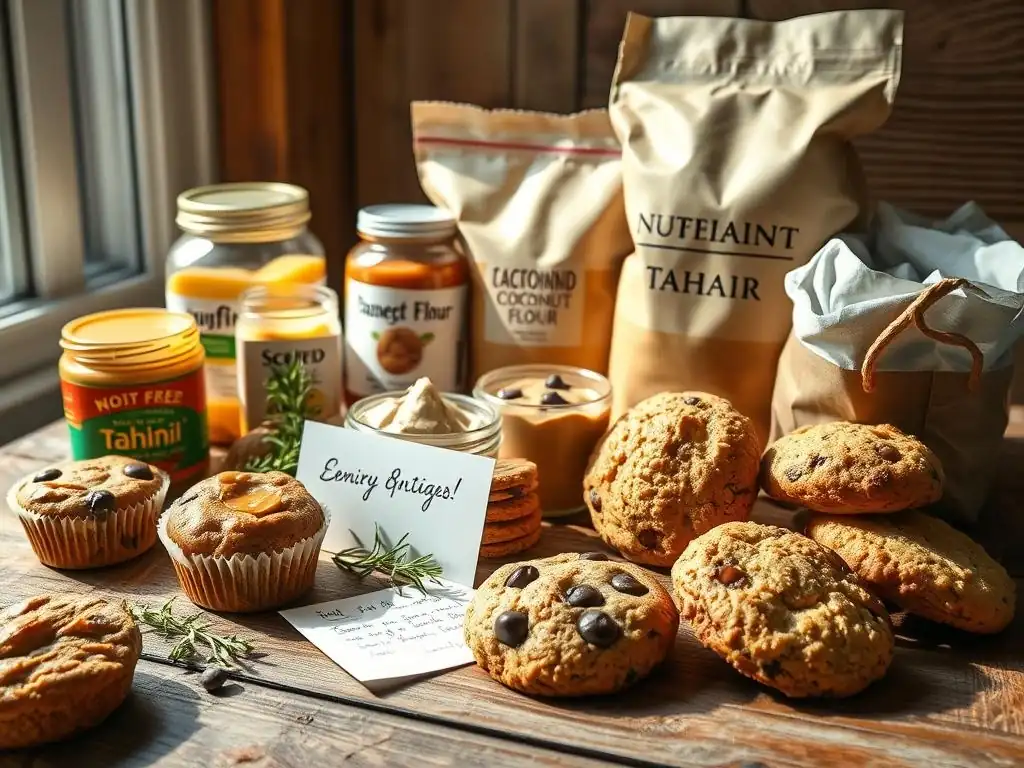
Converting a cherished nut-based recipe, like an almond flour cake or peanut butter cookies, into a nut-free version requires a methodical approach. It's not just about swapping one ingredient; it's about understanding the function of the original nut ingredient and finding a nut-free baking ingredient substitution that performs similarly.
Here's a simple guide:
- Identify the Nut Ingredient: What specific nut or nut product is used (e.g., almond flour, peanut butter, chopped walnuts)?
- Determine its Role: Is it providing structure (like almond flour in a cake)? Moisture and binding (like peanut butter in cookies)? Texture and crunch (like chopped nuts)? Flavor? Often, it's a combination of these roles.
- Select Potential Substitutes: Based on the role, choose from the nut-free baking ingredient substitutions discussed. For structure/moisture, consider oat flour, cassava flour, or a blend of seed flours. For moisture/binding, think sunflower seed butter or tahini (used carefully). For texture, consider seeds (sunflower, pumpkin, sesame), toasted oats, or even chocolate chips.
- Start with a Ratio: Begin with a common substitution ratio (e.g., 1:1 by weight for some flours, or standard swaps for butters).
- Assess and Adjust: Mix the batter or dough. How does the consistency compare to the original? Is it too dry, too wet, too thick, too thin? Make small adjustments to liquid or flour as needed.
- Bake and Evaluate: Bake a small test batch if possible. How is the texture, moisture, and flavor? Does it hold together?
- Refine: Based on the results, adjust the ingredient quantities for the next attempt. It might take a few tries to get it just right.
Successfully adapting recipes using nut-free baking ingredient substitutions is a process of experimentation and understanding ingredient properties. Documenting your attempts helps refine the process.
Converting Almond Flour Cake to Oat Flour Cake
Let's consider adapting a classic almond flour cake recipe, known for its moistness and tender, gluten-free crumb, using oat flour as a nut-free baking ingredient substitution. A typical almond flour cake might use 2 cups of almond flour. Directly replacing this with 2 cups of oat flour will likely result in a denser, potentially gummy cake because oat flour absorbs less liquid and behaves differently structurally.
A more successful approach involves adjusting the ratio. You might start by replacing the 2 cups of almond flour with perhaps 1.5 to 1.75 cups of oat flour. Pay close attention to the batter consistency; if it seems too thick, add a tablespoon or two more liquid (milk, yogurt, etc.).
Oat flour can also benefit from a binder, so adding 1/2 teaspoon of xanthan gum per cup of oat flour might be necessary to improve structure and prevent crumbling. The baking time might also need slight adjustment. This isn't a perfect 1:1 swap, but by reducing the flour quantity slightly and potentially adding a binder, you can achieve a moist and tender cake using oat flour as a primary nut-free baking ingredient substitution.
Adjusting Baking Times and Temperatures for Nut-Free Substitutes
Using different nut-free baking ingredient substitutions can sometimes affect baking times and temperatures compared to original recipes. Flours that absorb more liquid, like coconut flour, might require slightly longer baking times at a slightly lower temperature to ensure they cook through without burning the exterior. Conversely, flours that result in a denser batter might also need more time.
Seed butters, like sunflower seed butter or tahini, due to their fat content, can sometimes cause baked goods to brown faster on the outside. Monitoring closely and potentially reducing the oven temperature by 25°F (about 15°C) or tenting the baked good with foil partway through baking can help prevent over-browning while ensuring the interior is cooked. Always rely on visual cues (golden brown edges, a toothpick coming out clean) and internal temperature (e.g., 200-210°F or 93-99°C for bread) rather than strictly adhering to the original recipe's timing when using different nut-free baking ingredient substitutions.
Tips and Tricks for Successful Nut-Free Baking
Measuring Ingredients Accurately
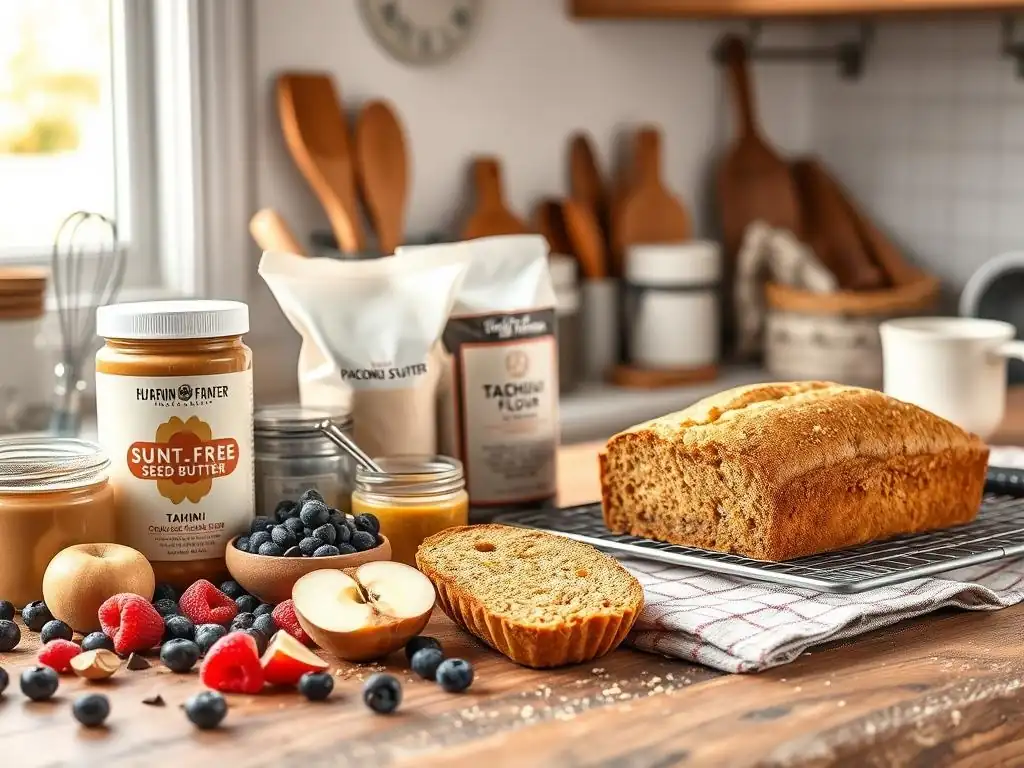
Accurate measurement is always important in baking, but it becomes even more critical when using nut-free baking ingredient substitutions, as different flours and butters have varying densities and absorption rates. Using the scoop-and-level method for flours (gently spooning the flour into the measuring cup and leveling with a straight edge) is generally recommended, unless a recipe specifically calls for the dip-and-sweep method.
However, weighing ingredients, especially flours, using a kitchen scale provides the most consistent and accurate results. For example, 1 cup of all-purpose wheat flour typically weighs around 120-130 grams, while 1 cup of almond flour is closer to 90-100 grams, and 1 cup of coconut flour might be only 110-120 grams but absorbs vastly more liquid.
Using weight measurements eliminates variability caused by how tightly flour is packed into a cup. When experimenting with nut-free baking ingredient substitutions, note down the weight of the substitute you used alongside the volume measurement. This precision helps you replicate successful results and troubleshoot when things don't turn out as expected. Accurate measurement is a foundational step for mastering any new ingredient, including nut-free alternatives.
Understanding the Role of Nuts in Baking Structure
Beyond flavor and moisture, nuts and nut flours contribute significantly to the structure of baked goods, particularly in gluten-free recipes. Almond flour, for instance, provides bulk and tenderness without the elasticity of gluten. When substituting nut flours with nut-free alternatives, it's vital to consider how the substitute will impact the structural integrity of the final product.
Oat flour provides some structure but can benefit from binders. Coconut flour requires a high ratio of eggs for structure. Cassava flour offers good structure due to its starch. If replacing chopped nuts that provide crunch and bulk, consider adding seeds (like sunflower or pumpkin seeds), granola (ensure it's nut-free), or even toasted coconut flakes to maintain a similar texture profile. Understanding the function of the original nut ingredient is key to selecting an effective nut-free baking ingredient substitution that ensures your baked goods hold their shape and have the desired texture.
Combining Nut-Free Substitutes for Optimal Results
Sometimes, the best nut-free baking ingredient substitution isn't a single ingredient, but a blend. Combining different nut-free flours or fats can often yield results closer to traditional baked goods or create entirely new, delicious textures and flavors. For example, a blend of oat flour and cassava flour might provide a better balance of tenderness and structure than either flour used alone in a cake recipe.
Similarly, using sunflower seed butter for moisture and flavor in a cookie, while using a blend of oat and rice flour for the dry base, can create a complex texture. Don't be afraid to experiment with combining different nut-free baking ingredient substitutions. A common strategy in gluten-free baking, which often overlaps with nut-free needs, is using a blend of a 'starch' flour (like tapioca or potato starch) with a 'whole grain' or 'protein' flour (like oat, brown rice, or chickpea flour) to mimic the properties of wheat flour. This principle applies well when crafting effective nut-free alternatives.
Conclusion: Enjoy Delicious Nut-Free Baking with Confidence
Embrace the World of Nut-Free Baking Ingredient Substitutions
Navigating nut allergies or dietary preferences doesn't mean sacrificing delicious baked goods. By exploring the diverse world of nut-free baking ingredient substitutions – from versatile sunflower seed butter and sophisticated tahini to reliable oat flour, absorbent coconut flour, nutritious pumpkin seed flour, unexpected chickpea flour, and adaptable cassava flour – you can unlock a wealth of new possibilities in your kitchen. Each substitute offers unique properties in terms of flavor, texture, and function, allowing you to recreate beloved recipes or invent entirely new ones that are safe and enjoyable for everyone.
Embracing nut-free baking ingredient substitutions is an opportunity to become a more creative and knowledgeable baker. It encourages you to understand the fundamental roles of ingredients and how different materials behave when heated, mixed, and baked. With practice and a willingness to experiment, you can confidently bake a wide array of delightful treats, ensuring that allergies or dietary needs never stand in the way of sharing the joy of fresh, homemade goodness.
Resources for Further Nut-Free Baking Exploration
The journey into nut-free baking is continuous, with new ingredients and techniques constantly emerging. To further your exploration of nut-free baking ingredient substitutions, look for reputable blogs and cookbooks specializing in allergy-friendly or gluten-free baking, as these often feature extensive sections on nut-free alternatives. Many online communities and forums dedicated to food allergies offer valuable tips, tested recipes, and support from fellow bakers.
- Task list example for exploration:
- [ ] Research additional seed flours (e.g., flaxseed meal, chia seed flour).
- [ ] Look for recipes specifically designed for the nut-free substitutes mentioned.
- [ ] Experiment with combining two or more nut-free flours in a simple recipe like muffins.
- [ ] Find resources on preventing cross-contamination in a shared kitchen environment.
- [ ] Explore the use of fruit purees (like applesauce or mashed banana) as binders and moisteners, often used alongside nut-free flours.
By utilizing these resources and continuing to experiment with nut-free baking ingredient substitutions, you can expand your baking repertoire and confidently create delicious treats that are safe and inclusive for all. Happy baking!
Frequently Asked Questions
What are the most common reasons someone might need nut-free baking ingredient substitutions?
The most common reasons include nut allergies, dietary restrictions, and simply wanting to experiment with different flavors and textures in their baked goods.
Can seed butters like sunflower seed butter or tahini be used as direct replacements for nut butters in recipes?
While they can be used, they might affect the flavor and texture. Adjustments to other ingredients may be necessary to achieve the desired baking outcome and consistency.
What is the best nut-free flour substitute for those with gluten sensitivities as well?
Coconut flour is a popular option, however, it's very absorbent. Consider using a blend of coconut flour with other gluten-free flours like rice flour or tapioca starch for better results.
Are there any nut-free ingredient substitutes suitable for adding a nutty flavor to baked goods?
Yes! Roasted seeds like pumpkin or sunflower seeds can provide a similar nutty taste and crunch. Toasted coconut flakes are another good option for adding flavor.
How do I ensure my baking ingredients are truly nut-free and avoid cross-contamination?
Always check labels carefully for "may contain nuts" warnings. Source your ingredients from reputable suppliers and use separate baking utensils and equipment if others in your household bake with nuts.
Final Reflection: Unlocking the Delicious Potential of Nut-Free Baking
The demand for nut-free baking is not just a niche trend; it's a vital necessity for many and a creative opportunity for all. The rise in nut allergies and the increasing awareness of dietary restrictions highlight the importance of accessible and delicious alternatives. This exploration of seven key nut-free substitutes demonstrates that baking without nuts can be both inclusive and incredibly rewarding.
The shift towards mindful baking, considering dietary needs and preferences, is profoundly impacting the culinary landscape. We're moving beyond simple substitutions and into a space of creative innovation, where flavor profiles are enhanced and textures are meticulously crafted. The best things in life are unexpected,
and that certainly applies to the delightful discoveries found in nut-free baking. This journey of exploration has shown me the immense potential for creativity and deliciousness that lies within accessible, readily available ingredients.
Now, it's your turn to embark on this exciting culinary adventure. Experiment with these nut-free substitutes, adapt recipes to your liking, and discover the joy of baking inclusively. Don't be afraid to get creative, to try new combinations, and to share your delicious creations with others. The world of nut-free baking awaits – let your imagination be your guide, and your taste buds will thank you.
Unleash Your Nut-Free Baking Potential!
Thanks for exploring the world of nut-free baking with us! We hope you now feel confident and inspired to create delicious treats without nuts. Ready to get baking?
- Try one (or two!) of the amazing nut-free substitutes we highlighted today. Start with your favorite recipe and swap in your chosen alternative – you might be surprised by the results!
- Share your nut-free baking creations with us on social media! Use #BakeWithEaseNutFree and tag us – we love seeing what you make.
- Explore more recipes and tips on our website. We have a whole section dedicated to allergy-friendly baking, so you can continue expanding your baking repertoire!
What exciting nut-free recipe are you going to tackle first?