
EggFree Cheesecake: How to Achieve the Perfect Smooth Texture

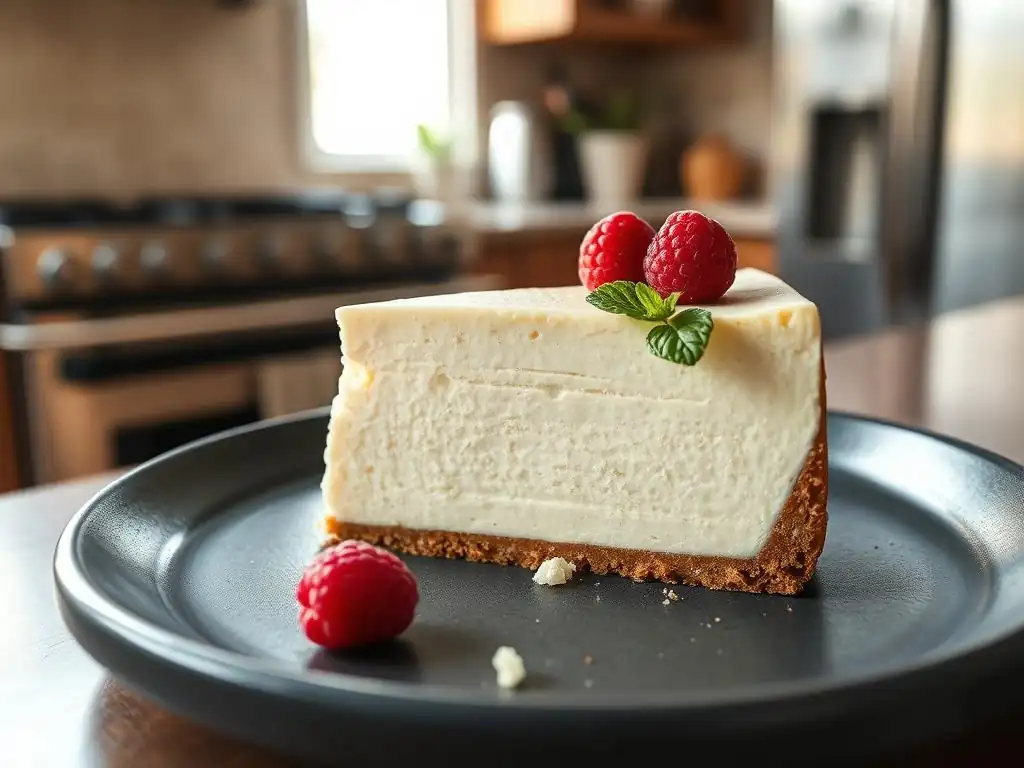
Welcome to BakeWithEase, your guide to creating delectable delights! Ever dreamt of a perfectly smooth, luscious cheesecake without the eggs? You're in the right place. Discover the secrets to achieving that coveted texture in our guide on Eggfree Cheesecake, and unlock a world of delicious possibilities within the realm of Dietary & Allergen-Specific Baking. Ready to learn how to transform simple ingredients into a creamy, egg-free masterpiece? Let's get baking!
- BakeWithEase Presents: The Ultimate Guide to Smooth Egg-Free Cheesecake
- Understanding the Challenges of Egg-Free Cheesecake Texture
- Key Ingredients for a Smooth Egg-Free Cheesecake
- Step-by-Step Guide: Baking a Perfectly Smooth Egg-Free Cheesecake
- Troubleshooting Common Egg-Free Cheesecake Texture Issues
- Tips and Tricks for a Consistently Smooth Egg-Free Cheesecake
- Egg-Free Cheesecake Recipe Variations for Added Flavor and Texture
- Achieving the Perfect Eggfree Cheesecake Smooth Texture: A Recap
-
Frequently Asked Questions
- How does an egg-free cheesecake achieve a smooth texture without eggs to bind it?
- What are the most common mistakes that lead to a grainy or lumpy egg-free cheesecake?
- Can I substitute any ingredients in the BakeWithEase egg-free cheesecake recipe and still get a smooth texture?
- What is the best method for baking an egg-free cheesecake to ensure a smooth, crack-free top?
- How long should I chill my egg-free cheesecake after baking to achieve the optimal smooth texture?
- Final Reflection: The Unexpectedly Smooth Path to Egg-Free Delight
- Unlock the Secrets to Silky-Smooth Eggless Cheesecake!
BakeWithEase Presents: The Ultimate Guide to Smooth Egg-Free Cheesecake
Creating a luscious, perfectly smooth egg-free cheesecake might seem like a daunting task, especially when you're aiming for that signature creamy texture without the binding power of eggs. Traditional cheesecakes rely heavily on eggs not just for richness and flavor, but primarily for structure and setting. Without them, you face unique challenges in achieving a consistently smooth result that doesn't crack, sink, or become gummy. This guide from BakeWithEase will walk you through the essential ingredients, techniques, and tips to master the art of the eggfree cheesecake smooth texture.
We'll explore how key ingredients interact, the science behind common egg-free baking issues, and provide a detailed, step-by-step approach that empowers you to bake a stunningly smooth egg-free cheesecake every time. Whether you're baking for dietary needs, allergies, or simply experimenting, understanding these principles is your key to success. Let's dive into the world of smooth, creamy, and utterly delicious egg-free cheesecakes.
Understanding the Challenges of Egg-Free Cheesecake Texture
Why Eggs Matter in Traditional Cheesecake Recipes
In classic cheesecake formulations, eggs play a crucial, multi-faceted role. They act as a primary binder, holding the dairy components together and preventing separation. Think of them as the glue that gives the cheesecake its structural integrity and sets it into a firm yet delicate custard-like consistency. Beyond binding, eggs contribute significantly to the overall richness and flavor profile of a traditional cheesecake, lending it that characteristic custardy depth.
Furthermore, eggs contribute to the smooth texture by emulsifying the fats and liquids in the batter. This emulsification ensures a homogenous mixture that bakes evenly. When heated, the proteins in the eggs coagulate, creating a stable network that sets the cheesecake. Without this natural setting agent, achieving a stable, smooth texture in egg-free cheesecake requires careful selection and balancing of alternative ingredients and precise baking techniques.
Common Texture Problems in Egg-Free Cheesecakes: Cracking, Sinking, or Gumminess
Attempting an egg-free cheesecake without understanding the potential pitfalls can lead to frustrating results. One frequent issue is cracking on the surface, often caused by uneven baking, rapid temperature changes during cooling, or overmixing the batter which incorporates too much air. The absence of eggs means the structure is less forgiving to these stresses.
Another common problem is a gummy or rubbery texture. This can happen if too much of a thickener is used, or if the batter is overmixed, developing gluten in the dairy components (though less common, it can contribute). Conversely, using too little thickener or baking incorrectly can result in a cheesecake that fails to set properly, remaining soft and runny in the center or sinking significantly after cooling. Achieving a truly smooth eggfree cheesecake smooth texture requires proactively addressing these potential issues.
Key Ingredients for a Smooth Egg-Free Cheesecake
The Role of Cream Cheese in Egg-Free Baking
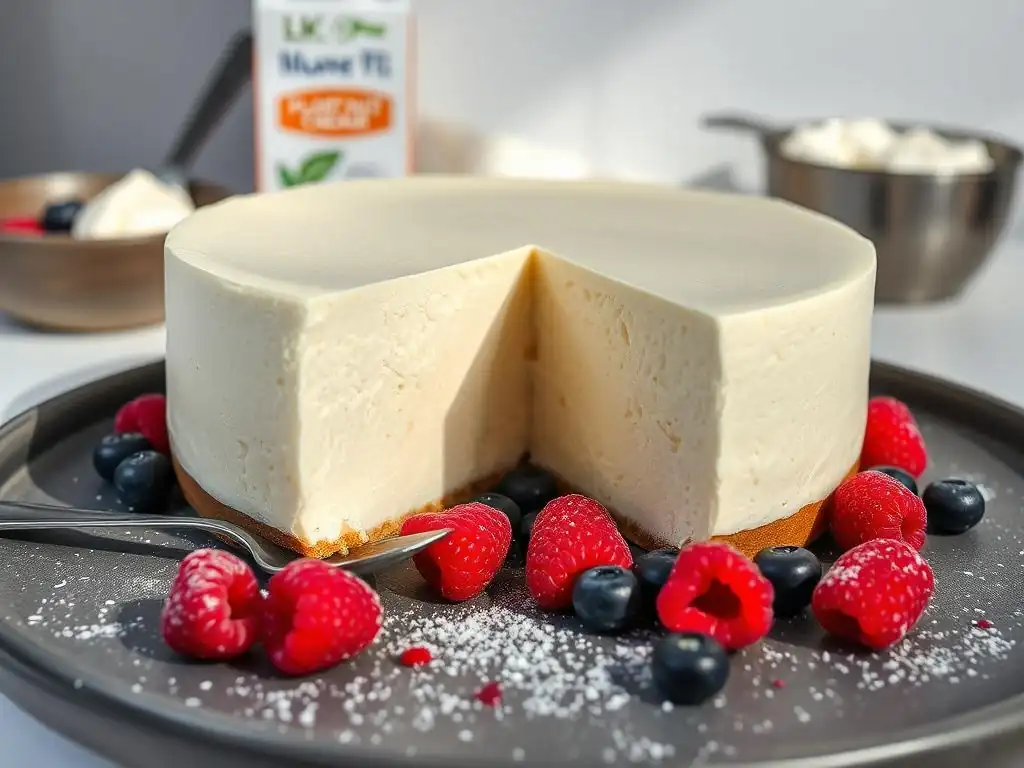
Cream cheese is the undisputed star of any cheesecake, egg-free or not. Its primary role is to provide the characteristic tangy flavor and rich, creamy base. For an egg-free cheesecake smooth texture, the quality and type of cream cheese are paramount. Full-fat block cream cheese is generally recommended because its higher fat content contributes to a richer, smoother consistency and provides better structure than lower-fat or spreadable varieties.
Using cream cheese that is at room temperature is absolutely critical. Cold cream cheese will not blend smoothly, leading to lumps in your batter – a surefire way to end up with a grainy, rather than smooth, egg-free cheesecake. Ensuring it's soft allows it to emulsify properly with other ingredients, forming a homogenous mixture that bakes into a velvety texture.
Choosing the Right Egg Replacer for Cheesecake
Since eggs are absent, a reliable egg replacer is essential to provide the necessary binding and setting properties for an egg-free cheesecake smooth texture. The choice of replacer significantly impacts the final texture, and what works well in a cake might not be ideal for a dense, creamy cheesecake. Several options exist, each with its own characteristics.
The goal is to find a replacer that provides sufficient structure without introducing unwanted flavors or textures. Some replacers excel at binding but can become gummy if overused, while others provide setting power similar to eggs. Experimentation is often key to finding the one that gives you the perfect smooth egg-free cheesecake texture you desire.
Agar-Agar as an Egg Substitute for Cheesecake
Agar-agar, derived from seaweed, is a powerful plant-based gelling agent often used in vegan baking. It can be an effective egg substitute in cheesecake, providing a firm set similar to gelatin, but without animal products. Typically used in powder form, it needs to be dissolved in a liquid and heated to activate its gelling properties.
When using agar-agar for egg-free cheesecake, it's crucial to use the correct ratio, usually much less than you might think – perhaps 1 to 2 teaspoons of powder per standard cheesecake recipe. Too much will result in a rubbery texture. It's often best used in conjunction with other thickeners or binders to achieve a more delicate, smooth egg-free cheesecake texture rather than a firm jelly.
Cornstarch: A Simple Thickener for Egg-Free Cheesecake
Cornstarch is a readily available and effective thickener frequently used in egg-free recipes. It works by absorbing liquid and swelling when heated, creating a viscous, stable mixture. In egg-free cheesecake, cornstarch helps to provide body and structure, preventing the mixture from being too runny and contributing to a smooth set.
It's typically whisked into a small amount of cold liquid before being added to the main batter to prevent lumps. Using about 2 to 4 tablespoons of cornstarch per standard cheesecake recipe is a common starting point, but this can be adjusted based on the desired firmness. Cornstarch contributes to a smooth egg-free cheesecake texture but doesn't provide the same richness or emulsification as eggs, so it's often used alongside other ingredients.
Other Egg-Free Options: Silken Tofu or Vegan Cream Cheese
Silken tofu is another popular egg-free and vegan ingredient that can contribute to a smooth cheesecake texture. When blended until completely smooth, it provides a creamy base and helps with structure due to its protein content. It's often used in vegan cheesecake recipes as a partial or full replacement for cream cheese or as an egg substitute.
Vegan cream cheese, made from ingredients like cashews, soy, or coconut, is specifically designed to mimic the texture and flavor of dairy cream cheese. Using a high-quality vegan cream cheese can simplify egg-free cheesecake making significantly, as it already provides a creamy base and some binding. However, results can vary greatly between brands, so finding a good one is key to achieving a lovely smooth egg-free cheesecake.
The Importance of Sour Cream or Greek Yogurt for Moisture and Texture
Sour cream (dairy or non-dairy) or Greek yogurt (dairy or non-dairy) are vital additions to many cheesecake recipes, and they play a critical role in achieving a smooth egg-free cheesecake texture. Their tanginess cuts through the richness of the cream cheese, balancing the flavor. More importantly, their fat and acidity contribute significantly to the creamy, tender texture of the finished cheesecake.
These ingredients add moisture and help create that desirable melt-in-your-mouth feel. The acidity also helps to control the gelling of starches or other thickeners, preventing a gummy texture. Using about 1/2 to 1 cup of sour cream or Greek yogurt in a standard recipe adds depth of flavor and ensures a luscious, smooth eggfree cheesecake smooth texture.
Sweeteners: Achieving the Right Balance in Egg-Free Cheesecakes
Sweeteners like granulated sugar or powdered sugar do more than just add sweetness to an egg-free cheesecake; they also impact texture. Sugar is hygroscopic, meaning it attracts and holds onto moisture. This property helps keep the cheesecake moist and tender, contributing to a smooth consistency.
The type of sweetener can also make a difference. Powdered sugar, with its finer texture and added cornstarch (in most commercial varieties), can help create a smoother batter and contribute slightly to the thickening. Using the right amount is crucial; too little sugar can result in a firmer, less smooth texture, while too much can make the cheesecake overly soft or grainy. Balancing sweetness with texture is key for a perfect smooth egg-free cheesecake.
Step-by-Step Guide: Baking a Perfectly Smooth Egg-Free Cheesecake
Preparing the Crust: Setting the Foundation for Success
While the filling is the star, a well-prepared crust provides the essential base and structure for your egg-free cheesecake. A classic graham cracker crust is popular, made by combining crushed crackers with melted butter and sugar. Pressing this mixture firmly into the bottom (and optionally up the sides) of your springform pan is crucial to prevent crumbling.
Ensure the crust is evenly packed, especially around the edges. Using the bottom of a glass or a flat measuring cup works well for this. A sturdy crust prevents the filling from seeping out and provides a stable foundation that helps the cheesecake hold its shape and bake evenly, contributing indirectly to a smooth eggfree cheesecake smooth texture by ensuring the base sets correctly.
Blind Baking the Crust for Optimal Texture
Blind baking the crust means partially or fully baking it before adding the filling. This step is highly recommended, especially for graham cracker or cookie crusts, as it helps set the crust and prevents it from becoming soggy once the wet filling is added. It also adds a layer of flavor and crispness that complements the creamy filling.
To blind bake, chill the pressed crust for at least 30 minutes, then bake in a preheated oven (often around 350°F or 175°C) for 8-12 minutes, or until lightly golden. Allow it to cool slightly before adding the filling. This simple step ensures your base is firm and ready to support the smooth egg-free cheesecake filling.
Mixing the Egg-Free Cheesecake Batter: Techniques for a Smooth Consistency
Achieving a smooth batter is the first step towards a smooth finished egg-free cheesecake texture. Start with all cold ingredients (like cream cheese) at room temperature. This is non-negotiable for preventing lumps. Beat the softened cream cheese first on its own until it is completely smooth and creamy, free of any small hard bits.
Gradually add your sweetener, beating until just combined and smooth. Then, incorporate your egg replacer (if using a pre-mixed one), sour cream/yogurt, and any flavorings like vanilla. Mix on low speed, scraping down the bowl frequently, until everything is just incorporated and the batter is homogenous. The key here is gentle mixing to maintain a smooth texture.
Avoiding Overmixing: The Key to Preventing a Tough Cheesecake
Overmixing is a common pitfall in cheesecake making, and it's particularly important to avoid when aiming for a smooth egg-free cheesecake texture. Excessive mixing can incorporate too much air into the batter, which can cause the cheesecake to puff up dramatically in the oven and then crack or sink significantly as it cools.
Furthermore, while dairy doesn't contain gluten in the same way wheat flour does, prolonged, vigorous mixing can sometimes affect the protein structure in dairy products, potentially leading to a slightly tougher or less smooth texture. Mix only until the ingredients are just combined and the batter is smooth. Use a spatula to finish mixing by hand if necessary to ensure no dry pockets remain.
Incorporating Air Gently for a Light and Airy Texture
While avoiding excessive air is important, incorporating a small amount of air gently can contribute to a slightly lighter, more desirable smooth egg-free cheesecake texture. This is best achieved by beating the softened cream cheese initially until it's light and fluffy before adding other ingredients.
Once other ingredients are added, mix on the lowest speed necessary, or even finish mixing by hand with a whisk or spatula, using gentle folding motions. The goal is a smooth, homogenous batter, not a whipped one. This careful approach minimizes large air bubbles that can disrupt the smooth eggfree cheesecake smooth texture during baking.
Baking Techniques for a Smooth Egg-Free Cheesecake
Baking an egg-free cheesecake requires patience and precise temperature control to ensure it sets evenly and develops that coveted smooth texture without cracking. Unlike traditional cheesecakes where egg coagulation provides a strong structure, egg-free versions rely more heavily on gentle heat and the chosen thickeners.
Slow, even baking at a relatively low temperature is the secret. This allows the cheesecake to set gradually from the outside in, minimizing the temperature difference between the edges and the center. Rushing the baking process or using too high a temperature is a primary cause of cracks and an uneven smooth egg-free cheesecake texture.
The Water Bath Method: Achieving Even Baking and Preventing Cracks
The water bath (bain-marie) is perhaps the single most effective technique for ensuring a smooth, crack-free egg-free cheesecake. It works by insulating the cheesecake from the direct heat of the oven, creating a more consistent and gentle cooking environment. The steam from the hot water also keeps the surface of the cheesecake moist, preventing it from drying out and cracking.
To use a water bath, wrap the outside of your springform pan tightly with several layers of heavy-duty aluminum foil to prevent water from seeping in. Place the prepared pan in a larger roasting pan. Pour hot water into the roasting pan to come about halfway up the sides of the cheesecake pan. Bake in the water bath as directed; this method is crucial for achieving a perfect smooth egg-free cheesecake.
Oven Temperature: Finding the Sweet Spot for Egg-Free Cheesecake
Finding the optimal oven temperature is key to a smooth egg-free cheesecake texture. A common range is between 300°F and 325°F (150°C to 160°C). This lower temperature range, especially when combined with a water bath, ensures the cheesecake bakes slowly and evenly.
Baking too hot will cause the edges to set rapidly while the center is still liquid, leading to cracking as the center tries to catch up and expand. It can also result in a tougher texture. Using an oven thermometer is highly recommended to ensure your oven is accurately calibrated to the desired low temperature for best results.
Monitoring Doneness: Visual Cues for a Perfectly Baked Cheesecake
Knowing when your egg-free cheesecake is done requires visual assessment, as it won't behave exactly like a traditional one due to the absence of eggs. The edges should appear set and slightly puffed, possibly pulling away slightly from the sides of the pan. The center, however, should still be slightly wobbly when the pan is gently nudged – it should look like firm jelly, not liquid.
Avoid baking until the center is completely firm, as it will continue to set as it cools. Overbaking will result in a dry, potentially cracked cheesecake with a less desirable smooth texture. A slight wobble in the center is the sign of a perfectly baked smooth egg-free cheesecake ready for the next crucial step: cooling.
Cooling and Setting: The Final Touches for Perfect Texture
The cooling process is just as important as the baking process for achieving a smooth, crack-free, and perfectly set egg-free cheesecake. Rapid temperature changes are the enemy of a smooth surface. Resist the urge to pull the cheesecake straight from the oven into a cold room or refrigerator.
Allowing the cheesecake to cool gradually prevents thermal shock, which can cause the surface to crack and the sides to shrink significantly. Patience during this stage is rewarded with a beautifully smooth eggfree cheesecake smooth texture.
Gradual Cooling: Preventing Cracking and Shrinkage
Once baking is complete (when the edges are set and the center has a slight wobble), turn off the oven and prop the oven door open slightly. Let the cheesecake sit in the cooling oven for 1 to 2 hours. This allows it to transition slowly from the hot oven temperature to room temperature.
After this initial cooling period in the oven, remove the cheesecake (still in its water bath, if used) to a wire rack. Remove the foil from the pan. Let it cool completely at room temperature for another 1 to 2 hours, or until the pan is no longer warm to the touch. This gradual process is key to preventing cracks and ensuring a smooth egg-free cheesecake.
Refrigeration: Allowing the Cheesecake to Fully Set
Once the cheesecake has cooled completely at room temperature, it needs time in the refrigerator to fully set and firm up into that classic dense, smooth texture. Cover the cheesecake loosely with plastic wrap (once it's cool enough not to create condensation) and refrigerate for at least 6-8 hours, or preferably overnight.
This chilling period allows all the ingredients, particularly the thickeners, to fully gel and stabilize the structure. Cutting into the cheesecake before it's fully chilled will result in a messy, unset slice. Proper refrigeration is essential for achieving the final, firm, and smooth eggfree cheesecake smooth texture.
Troubleshooting Common Egg-Free Cheesecake Texture Issues
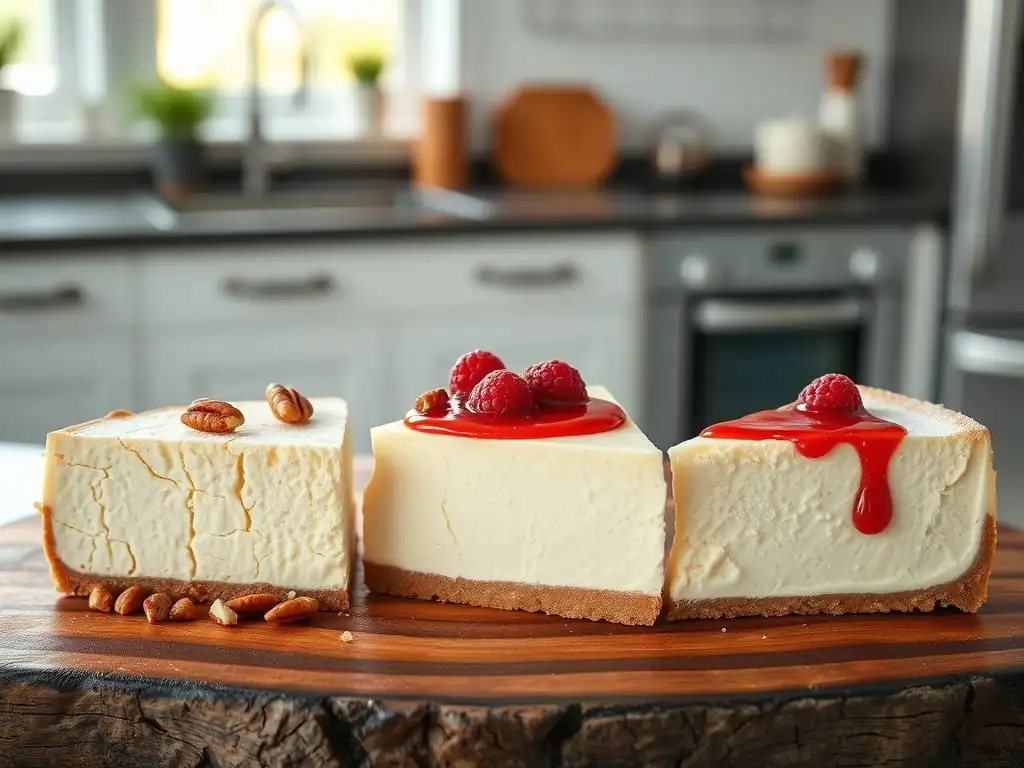
Even with the best practices, sometimes things don't go perfectly. Understanding how to troubleshoot common texture problems can save your dessert.
Fixing a Grainy Egg-Free Cheesecake
A grainy texture is almost always caused by ingredients not being properly blended, most commonly cold or improperly softened cream cheese.
- Ensure all cold ingredients, especially cream cheese, are at room temperature before mixing.
- Beat the cream cheese on its own until perfectly smooth before adding other ingredients.
- If the batter is already mixed and appears grainy, you can try carefully blending it with an immersion blender or transferring it to a food processor and pulsing very briefly until smooth. Be extremely careful not to over-process and incorporate too much air.
Addressing a Curdled Egg-Free Cheesecake
Curdling in egg-free cheesecake batter can happen if acidic ingredients (like lemon juice) are added directly to a cold dairy or non-dairy base without proper emulsification, or if the mixture is exposed to sudden, high heat.
- Ensure all ingredients are at room temperature.
- Add acidic components gradually and mix thoroughly on low speed.
- Use a water bath and low oven temperature to prevent the mixture from heating too quickly and unevenly.
Preventing a Gummy Egg-Free Cheesecake
A gummy or rubbery texture is usually the result of using too much thickener (like agar-agar or cornstarch) or overmixing the batter, which can affect the protein structure and potentially over-activate starches.
- Carefully measure all thickeners and follow recipe recommendations, starting with the lower end of the range if unsure.
- Avoid overmixing the batter; mix only until just combined and smooth.
- Ensure the cheesecake is baked correctly (not under- or over-baked) and cooled properly.
Tips and Tricks for a Consistently Smooth Egg-Free Cheesecake
Mastering the smooth egg-free cheesecake texture is a journey, and a few extra tips can make all the difference.
Using High-Quality Ingredients for Best Results
The quality of your ingredients directly impacts the final outcome. Opt for full-fat block cream cheese (dairy or a reputable vegan alternative) for the creamiest texture. Use fresh sour cream or Greek yogurt. High-quality thickeners like pure cornstarch or powdered agar-agar yield more reliable results than older or lower-grade products.
Investing in good ingredients provides a better starting point for achieving that desired smooth egg-free cheesecake texture and flavor.
Measuring Ingredients Accurately for Consistent Outcomes
Baking, especially when modifying recipes for dietary needs, is a science. Accurate measurement is crucial, particularly for thickeners and sweeteners, which significantly affect texture.
Use kitchen scales for dry ingredients like sugar and thickeners for the most precise measurements. Use liquid measuring cups at eye level for liquids. Consistency in measurement leads to consistency in your smooth egg-free cheesecake results.
Experimenting with Different Egg Replacers to Find Your Favorite
As we've seen, various egg replacers can be used. What works best for one baker might not be ideal for another, as personal preference for texture varies.
Don't be afraid to try different options – agar-agar, cornstarch, a blend of thickeners, or even high-quality vegan cream cheese as the primary base. Keep notes on what you used and the resulting texture to refine your perfect smooth egg-free cheesecake recipe over time.
Egg-Free Cheesecake Recipe Variations for Added Flavor and Texture
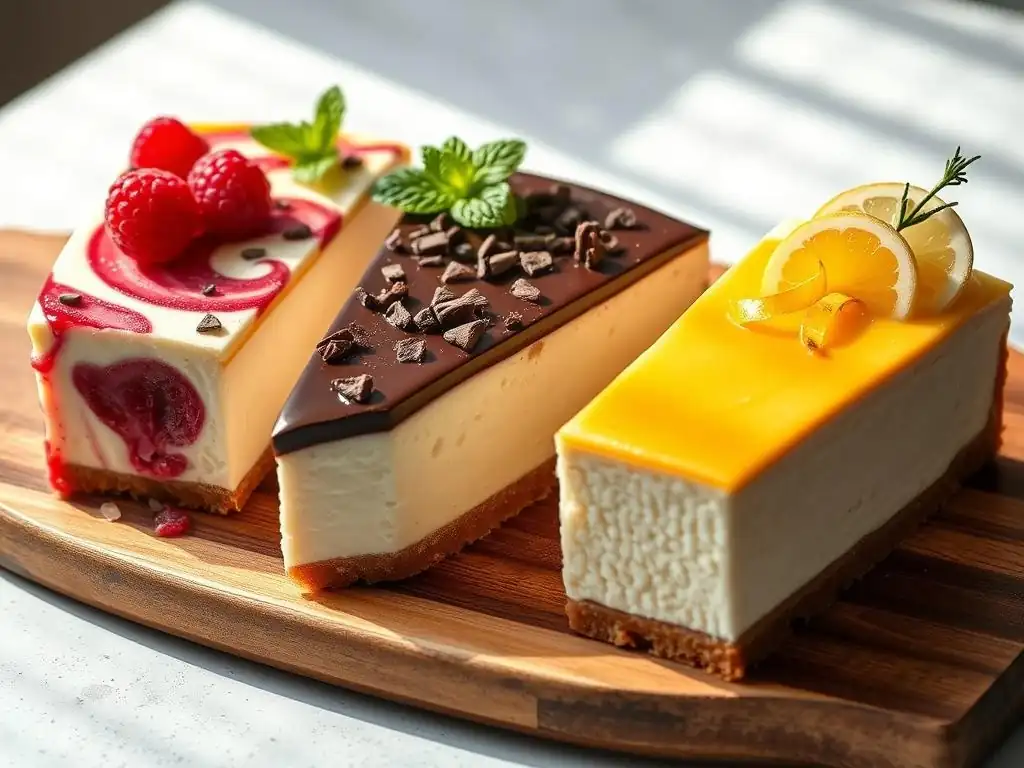
Once you've mastered the basic smooth egg-free cheesecake texture, you can explore variations to add exciting flavors and textures.
Adding Fruit Purees for Flavor and Moisture
Incorporating fruit purees (like raspberry, strawberry, or passion fruit) into the batter or swirling them through can add vibrant flavor, color, and additional moisture.
Be mindful that adding liquid can affect the setting. You might need to slightly adjust the amount of thickener used to maintain the smooth egg-free cheesecake texture with the added moisture from the puree.
Incorporating Chocolate or Other Flavorings
Melted chocolate, cocoa powder, citrus zests, or extracts like almond or coffee can be folded into the batter to create flavored egg-free cheesecakes.
When adding melted chocolate, ensure it's not too hot when added to the batter, and mix gently. Cocoa powder might absorb some moisture, potentially requiring a slight adjustment in liquid or thickener to retain the smooth texture.
Swirls and Toppings to Enhance Your Egg-Free Cheesecake
Swirling fruit purees, melted chocolate, or caramel through the top of the batter before baking adds visual appeal and bursts of flavor.
Toppings like fresh fruit, compotes, chocolate shavings, or whipped cream (dairy or non-dairy) are added after the cheesecake is baked, cooled, and set. These additions enhance the eating experience without affecting the smooth egg-free cheesecake texture itself.
Achieving the Perfect Eggfree Cheesecake Smooth Texture: A Recap
Mastering the smooth egg-free cheesecake texture is achievable with the right knowledge and techniques. It involves understanding the challenges posed by removing eggs, carefully selecting alternative ingredients like specific thickeners and dairy/non-dairy bases, and employing precise baking and cooling methods like the water bath and gradual chilling.
From preparing a sturdy crust to gently mixing the batter, baking low and slow, and allowing ample time for cooling and setting, each step contributes to the final velvety result. Don't be discouraged by initial imperfections; troubleshooting and experimentation are part of the process.
Mastering Egg-Free Cheesecake Baking for Delicious Results.
With practice, attention to detail, and a willingness to understand how ingredients and techniques interact in an egg-free environment, you can consistently produce delicious cheesecakes with a perfectly smooth texture. The journey to the ultimate smooth egg-free cheesecake is rewarding, opening up a world of possibilities for delightful, allergen-friendly desserts. Keep baking, keep experimenting, and enjoy the incredibly smooth eggfree cheesecake smooth texture you've created!
Frequently Asked Questions
How does an egg-free cheesecake achieve a smooth texture without eggs to bind it?
Egg-free cheesecakes rely on other binding agents like cornstarch, agar-agar, or cream cheese to create a smooth and creamy texture, instead of eggs. The precise balance of these ingredients is crucial.
What are the most common mistakes that lead to a grainy or lumpy egg-free cheesecake?
Over-baking is a common culprit, as it can cause the cheesecake to dry out and crack. Also, insufficient blending of the ingredients, particularly the cream cheese, can lead to lumps.
Can I substitute any ingredients in the BakeWithEase egg-free cheesecake recipe and still get a smooth texture?
While some substitutions are possible, altering the binding agents (like cornstarch) or the fat content (cream cheese) significantly can impact the texture. It's best to follow the recipe closely for best results.
What is the best method for baking an egg-free cheesecake to ensure a smooth, crack-free top?
A water bath is highly recommended. This creates a humid environment, promoting even baking and preventing the cheesecake from drying out and cracking.
How long should I chill my egg-free cheesecake after baking to achieve the optimal smooth texture?
Allowing the cheesecake to chill for at least 6 hours, preferably overnight, is crucial. This allows the cheesecake to fully set and develop its signature smooth and creamy consistency.
Final Reflection: The Unexpectedly Smooth Path to Egg-Free Delight
The quest for a flawlessly smooth, egg-free cheesecake is not merely a culinary challenge; it's a testament to the power of creative adaptation in the kitchen. This article has explored various techniques and ingredient substitutions to achieve that coveted velvety texture, proving that deliciousness doesn't hinge on traditional methods. The demand for egg-free baking continues to grow, driven by dietary restrictions and a desire for inclusive recipes, making this pursuit more relevant than ever.
The journey of perfecting this recipe has been a personal exploration of texture and taste, highlighting the surprising versatility of ingredients often overlooked. It's a reminder that culinary innovation thrives on experimentation and a willingness to challenge established norms. The most beautiful discovery true chefs make is their own unique style.
This rings true in the pursuit of the perfect egg-free cheesecake—a recipe that becomes uniquely yours through careful experimentation and adaptation.
Now, it's your turn. Don't be afraid to embrace the challenge of creating your own signature egg-free cheesecake. Experiment with different stabilizers, explore flavor combinations, and most importantly, enjoy the process of transforming simple ingredients into a decadent, smooth dessert. The perfect texture awaits—all you need is the courage to create it.
Unlock the Secrets to Silky-Smooth Eggless Cheesecake!
Thanks for diving into the world of egg-free cheesecakes! We hope you now feel confident in creating a deliciously creamy dessert without the eggs. Ready to put your new skills to the test?
- Bake your dream cheesecake: Grab your ingredients and whip up your own eggless masterpiece using the recipe and tips you just learned. Don't forget to share a picture on social media using #BakeWithEaseEggless!
- Experiment with flavors: Try adding your favorite fruits, spices, or extracts to create a unique and personalized eggless cheesecake experience. What unexpected flavor combinations will you explore?
- Share your success (or questions!): Let us know in the comments how your cheesecake turned out – we love hearing your stories and answering your questions!
What inventive twist will you add to your next eggless cheesecake creation?