
Balancing Sweetness in LowSugar Baking: Techniques for Perfect Flavor

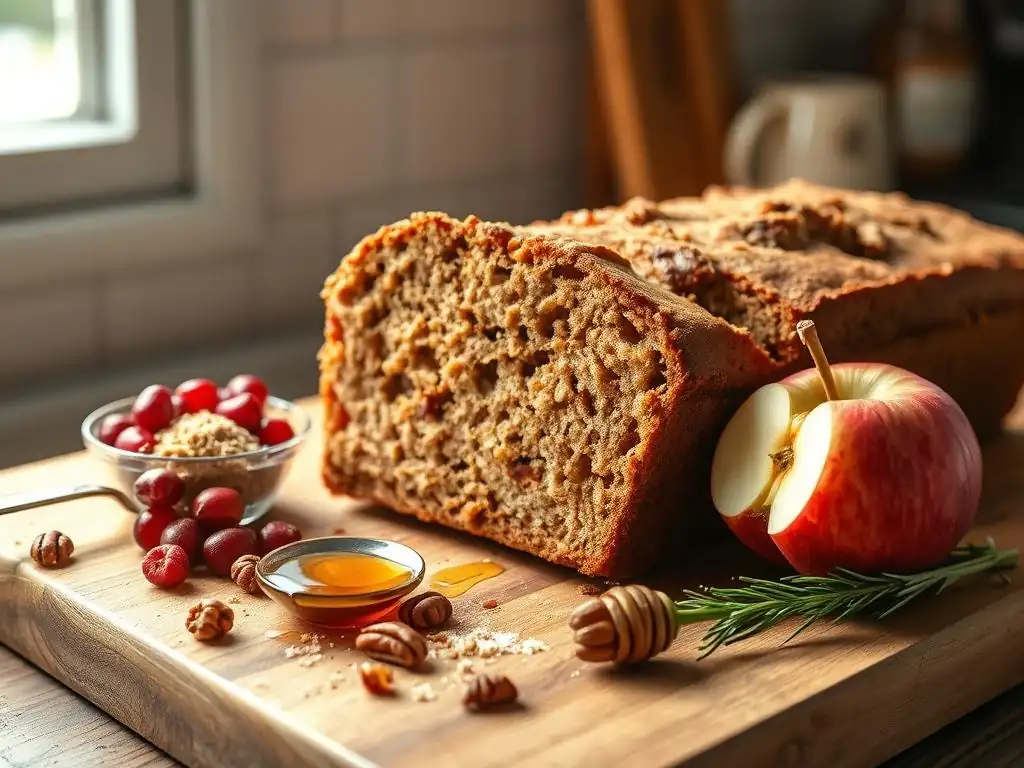
Welcome to BakeWithEase, your companion on a delicious journey into the world of baking! Are you ready to discover the secrets to achieving perfect flavor without all the sugar? This week, we're diving deep into the art of low sugar baking sweetness. Intrigued? Uncover the techniques to balance flavor and create delectable treats that are both satisfying and mindful. Let's explore a healthier, tastier approach to baking together!
- Introduction to Low-Sugar Baking for Delicious Treats
- Understanding Sweeteners for Low-Sugar Baking
-
Techniques for Enhancing Sweetness Perception in Low-Sugar Baking
- The Role of Spices: Cinnamon, Nutmeg, and Cardamom for Sweetness Enhancement
- Extract Magic: Vanilla, Almond, and Other Flavor Enhancers
- Acidity's Impact: Lemon Juice, Vinegar, and Their Balancing Effect
- Salt's Secret: A Pinch to Elevate Sweetness
- Textural Tricks: Achieving a Satisfying Mouthfeel in Low-Sugar Baked Goods
- Low-Sugar Baking Recipe Adaptations: Tips and Tricks
- Low-Sugar Baking Recipe Examples: Showcasing Techniques
- Common Mistakes to Avoid in Low-Sugar Baking
- Conclusion: Mastering the Art of Low-Sugar Baking Sweetness
-
Frequently Asked Questions
- How can I reduce sugar in my baking without sacrificing flavor?
- What are some good sugar substitutes for baking?
- Does reducing sugar affect the texture of baked goods?
- What role does sugar play in the browning process of baked goods?
- What are some easy "Low sugar baking sweetness" recipes to start with?
- Final Reflection: The Enduring Sweetness of Low-Sugar Baking
- Unlock the Secrets of Low-Sugar Baking!
Introduction to Low-Sugar Baking for Delicious Treats
Why Reduce Sugar in Baking? Health Benefits and Flavor Considerations
Reducing sugar in baking offers significant health benefits, primarily by helping to manage blood sugar levels and supporting weight management goals. Excessive sugar intake is linked to various health issues, including increased risk of type 2 diabetes, heart disease, and dental problems. By opting for low sugar baking sweetness, you can enjoy your favorite treats with less impact on your metabolic health.
For instance, a typical chocolate chip cookie recipe can contain over 15 grams of sugar per serving, while a low-sugar version might bring that down to 5 grams or less, a substantial reduction over time. This shift allows for enjoyment without the steep sugar spikes and subsequent crashes.
Beyond the health advantages, adjusting the amount of sugar in baked goods can actually enhance other flavors present. Sugar is a powerful flavor, and sometimes too much can mask the subtle notes of ingredients like vanilla, cocoa, spices, or fruit.
By reducing the dominant sweetness, these underlying flavors can shine through, creating a more complex and nuanced taste experience. Think of a classic apple pie: while sweetness is essential, a lower sugar filling allows the natural tartness and aroma of the apples, complemented by cinnamon and nutmeg, to become the stars of the show, resulting in a richer overall flavor profile.
The Challenge of Maintaining Sweetness in Low-Sugar Recipes
Sugar plays several critical roles in baking beyond just providing sweetness, making its reduction a complex endeavor. It contributes to structure by interacting with flour and eggs, aids in leavening by providing food for yeast or reacting with baking soda/powder, and significantly impacts moisture retention, resulting in tender crumbs. When sugar is removed or significantly reduced, these functional properties are diminished, which can lead to baked goods that are dry, dense, lack proper rise, or don't brown correctly on the outside. Achieving the desired low sugar baking sweetness and texture requires careful consideration of alternative ingredients and techniques.
Furthermore, sugar contributes to the browning (Maillard reaction and caramelization) that gives baked goods their appealing golden crusts and deeper flavors. Without sufficient sugar, items may remain pale and lack that characteristic baked flavor. Replicating the perfect balance of low sugar baking sweetness, texture, and color without traditional sugar involves understanding how various sugar substitutes behave under heat and how other ingredients can compensate for sugar's structural and browning functions. This often requires experimentation and a deeper understanding of baking chemistry compared to traditional recipes.
Understanding Sweeteners for Low-Sugar Baking
Natural Sweeteners: Exploring Options Beyond Refined Sugar
Moving away from refined sugar opens up a world of alternative natural sweeteners, each with unique properties that affect low sugar baking sweetness, texture, and flavor. These options range from intensely sweet calorie-free extracts to liquid sweeteners with varying sugar content and nutritional profiles. Choosing the right one depends on the specific recipe, desired outcome, and individual preferences regarding taste, aftertaste, and how they interact with other ingredients during baking. Understanding these differences is key to successful low sugar baking.
Exploring natural alternatives allows bakers to achieve satisfying low sugar baking sweetness while potentially adding some nutritional value or simply avoiding the processed nature of refined white sugar. Options like stevia and monk fruit offer intense sweetness with virtually no calories, while others like erythritol and allulose provide bulk and functional properties closer to sugar but with fewer calories and less impact on blood sugar. Even traditional sweeteners like honey and maple syrup can be used in moderation, keeping in mind their sugar content, when aiming for reduced-sugar rather than strictly sugar-free results.
Stevia: Advantages, Disadvantages, and Usage Tips for Baking
Stevia is a natural sweetener derived from the leaves of the Stevia rebaudiana plant. Its primary advantage is its intense sweetness, estimated to be 200-400 times sweeter than sugar, meaning only tiny amounts are needed for low sugar baking sweetness. It is calorie-free and does not raise blood sugar levels, making it popular for diabetic-friendly and low-carbohydrate diets. Stevia is also relatively heat-stable, which is beneficial for baking applications where high temperatures are involved.
However, stevia can have a distinct licorice-like aftertaste, which some people find unpleasant. It also provides none of the bulk, browning, or textural properties of sugar, which can lead to dense, dry, and pale baked goods if not compensated for. Using too much stevia can amplify the bitter aftertaste. When baking with stevia, it's often best to use a blend that includes a bulking agent (like erythritol) or to combine it with other sweeteners or ingredients that provide structure and moisture. Start with a small amount and adjust gradually, as its potency varies between products.
Monk Fruit: Flavor Profile, Baking Applications, and Potential Drawbacks
Monk fruit sweetener, extracted from the Luo Han Guo fruit, is another intensely sweet natural option, reportedly 150-200 times sweeter than sugar. Like stevia, it's calorie-free and has a minimal impact on blood sugar, contributing effectively to low sugar baking sweetness goals. It has a relatively clean sweetness profile compared to some other high-intensity sweeteners, though some users report a slight aftertaste. Monk fruit extract is also heat-stable, making it suitable for baking.
The primary challenge with monk fruit in baking is similar to stevia: it lacks the bulk, moisture, and browning capabilities of sugar. Recipes relying solely on monk fruit extract will likely require significant adjustments to other ingredients to achieve the right texture and appearance. As with stevia, commercially available monk fruit sweeteners are often blended with bulking agents like erythritol or dextrose (though dextrose would add sugar) to make them easier to measure and use cup-for-cup like sugar, but these blends can vary significantly in composition and sweetness. Experimentation is often needed to find the preferred product and dosage.
Erythritol: A Sugar Alcohol for Low-Sugar Baking – Benefits and Limitations
Erythritol is a sugar alcohol naturally found in some fruits and fermented foods. It provides about 60-80% of the sweetness of sugar but with only about 0.2 calories per gram (compared to sugar's 4 calories per gram). It has a glycemic index of zero, meaning it doesn't raise blood sugar, making it a good choice for low sugar baking sweetness in diabetic and low-carb diets. Erythritol doesn't cause digestive issues for most people in moderate amounts, unlike some other sugar alcohols, because it is largely absorbed in the small intestine before reaching the large intestine.
A key limitation of erythritol is that it can leave a cooling sensation in the mouth, especially when used in large quantities. It also doesn't caramelize like sugar, affecting browning. While it provides some bulk, it doesn't retain moisture as effectively as sugar, potentially leading to drier baked goods. Erythritol can also recrystallize upon cooling, resulting in a gritty texture in some applications like frostings or candies. Often, erythritol is blended with other sweeteners like stevia or monk fruit to enhance overall sweetness and mitigate the cooling effect, improving the overall low sugar baking sweetness profile.
Allulose: A Rare Sugar with Unique Properties for Baking
Allulose is a monosaccharide, or "rare sugar," found naturally in small amounts in foods like figs, raisins, and wheat. It has about 70% of the sweetness of sugar but with only about 0.4 calories per gram. Unlike most sugars, allulose is not metabolized by the body and does not raise blood sugar or insulin levels, making it highly suitable for low sugar baking sweetness. It behaves remarkably similarly to sugar in baking, providing bulk, moisture, and contributing to browning (Maillard reaction), which is a significant advantage over many other low-calorie sweeteners.
While promising, allulose can be more expensive and less widely available than other sweeteners. Like some sugar alcohols, consuming very large amounts of allulose might cause digestive discomfort in some individuals, although it's generally better tolerated than erythritol or xylitol. Its ability to brown and provide structure makes it particularly useful in recipes where sugar's functional properties are crucial, such as cookies, cakes, and certain pastries, offering a texture and appearance closer to their full-sugar counterparts while still achieving low sugar baking sweetness.
Other Natural Sweeteners: Honey, Maple Syrup, and Fruit Purees (Considerations for Low-Sugar Baking)
Honey, maple syrup, and fruit purees like applesauce or mashed bananas are natural sweeteners that provide sweetness along with unique flavors and moisture. However, it's important to note that these are not calorie-free or sugar-free options. Honey and maple syrup are concentrated sources of natural sugars, primarily fructose and glucose, and while they may offer slightly more nutrients than refined sugar, they still significantly impact blood sugar levels. For example, a tablespoon of honey contains about 17 grams of sugar, and maple syrup about 13 grams.
Using these in low sugar baking sweetness efforts requires careful moderation and understanding that the goal is likely reduced sugar, not sugar-free. Fruit purees can replace some of the sugar and fat in recipes, adding moisture and natural sweetness, but they also contain natural sugars and can alter texture and flavor significantly. Approximately half a cup of unsweetened applesauce contains about 13 grams of natural sugar.
When incorporating these, adjustments to liquid content and baking time are often necessary due to their high moisture content. They are best used in recipes where their distinct flavors complement the final product, like banana bread or apple muffins, contributing to low sugar baking sweetness while adding desirable characteristics.
Artificial Sweeteners: A Controversial Option (Use with Caution)
Artificial sweeteners, such as saccharin, aspartame, sucralose, and acesulfame potassium, are synthetic compounds that provide intense sweetness with virtually no calories or carbohydrates. They are significantly sweeter than sugar – sucralose, for instance, is about 600 times sweeter – meaning only minuscule amounts are needed for low sugar baking sweetness. They do not affect blood sugar levels, making them an option for strict sugar-free diets.
However, artificial sweeteners are often controversial due to ongoing debates about their long-term health effects. They also typically provide no bulk, moisture, or browning properties needed in baking, similar to high-intensity natural sweeteners like stevia or monk fruit extracts. Some artificial sweeteners, like aspartame, are not heat-stable and break down at high temperatures, making them unsuitable for baked goods.
Others, like sucralose, are heat-stable but can still impart an off-flavor or metallic taste when baked. Using artificial sweeteners in low sugar baking sweetness recipes requires selecting heat-stable types and often combining them with bulking agents or other ingredients to achieve acceptable texture and appearance. Many bakers on BakeWithEase.com prefer to explore natural alternatives first.
Techniques for Enhancing Sweetness Perception in Low-Sugar Baking
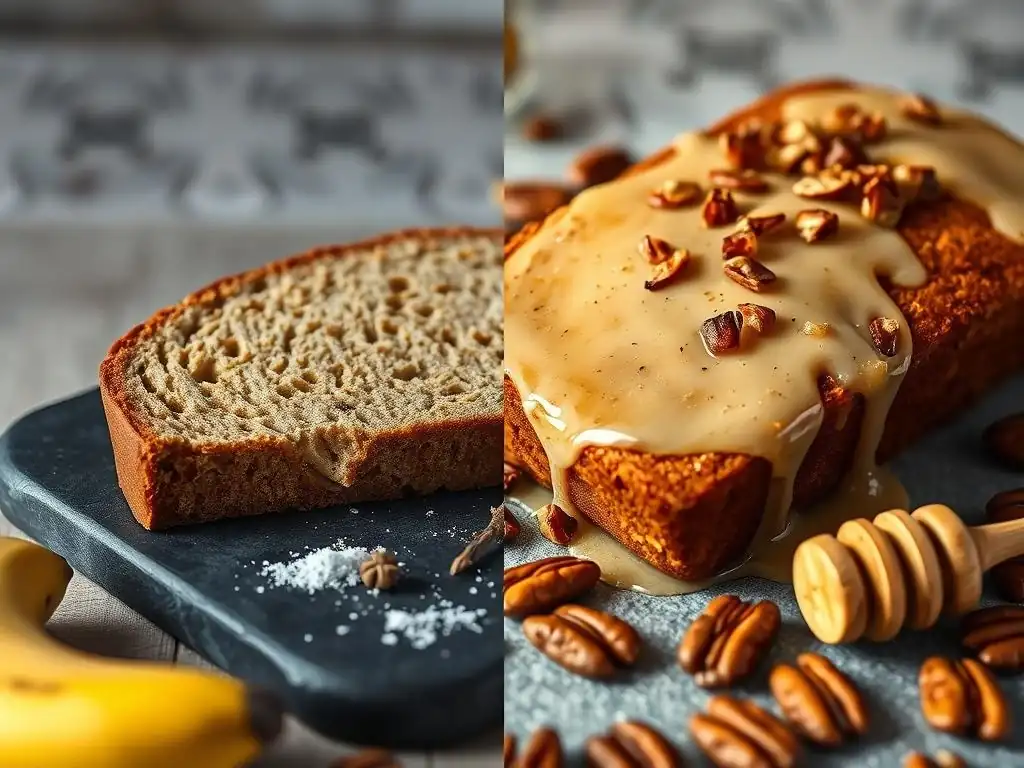
The Role of Spices: Cinnamon, Nutmeg, and Cardamom for Sweetness Enhancement
Spices like cinnamon, nutmeg, cardamom, and cloves are invaluable allies in low sugar baking sweetness. While they don't add sugar themselves, their aromatic compounds trick the brain into perceiving more sweetness than is actually present. Cinnamon, in particular, has a naturally sweet and warm flavor profile that pairs well with many baked goods and can significantly enhance the perception of sweetness without adding calories. Adding a teaspoon of cinnamon to a muffin batter can make it taste notably sweeter than a version without it, even if both have the same reduced amount of sugar or sweetener.
These spices also add depth and complexity to the flavor profile, which can distract from the potential flatness sometimes encountered in low-sugar items. A pinch of nutmeg in a scone or a dash of cardamom in a cake can elevate the overall taste experience, making the reduced level of low sugar baking sweetness feel more satisfying. Experimenting with different spice blends can help you find combinations that best complement your specific recipe and personal taste preferences, effectively boosting the perceived sweetness and richness of your baked goods.
Extract Magic: Vanilla, Almond, and Other Flavor Enhancers
Extracts like vanilla, almond, lemon, and others are potent flavorings that play a crucial role in enhancing the overall taste and perceived sweetness in low sugar baking. Pure vanilla extract, a staple in most baking, adds a rich, warm undertone that complements sweetness and rounds out flavors. Using a good quality vanilla extract can significantly improve the palatability of low-sugar treats, making the low sugar baking sweetness feel more complete and satisfying. Just a teaspoon can make a noticeable difference in a batch of cookies or a cake.
Other extracts can also be used to add layers of flavor that enhance sweetness perception. Almond extract, for example, has a distinct sweet aroma that pairs wonderfully with fruit or chocolate. Lemon or orange extract can add a bright, zesty note that balances richness and makes the overall flavor profile more vibrant, indirectly enhancing the perception of low sugar baking sweetness. A quarter teaspoon of almond extract can significantly impact a small batch of muffins. Using a combination of extracts can create unique and appealing flavor profiles that make reduced-sugar baked goods just as enjoyable as their full-sugar counterparts.
Acidity's Impact: Lemon Juice, Vinegar, and Their Balancing Effect
Adding a touch of acidity to low sugar baking recipes might seem counterintuitive, but ingredients like lemon juice, vinegar (such as apple cider or white vinegar), or even buttermilk can significantly improve the flavor balance and enhance the perception of low sugar baking sweetness. Acidic components brighten flavors and cut through richness, preventing baked goods from tasting dull or flat, which can sometimes happen when sugar is reduced. A tablespoon of lemon juice in a cake batter can lift the overall flavor.
Acidity also interacts with other flavors on the palate, making sweet notes more prominent. Think of how a squeeze of lemon livens up a sauce; it does something similar in baking. In recipes using baking soda, acid is also essential for leavening, contributing to a lighter texture. The slight tang from a splash of vinegar or lemon juice can make the low sugar baking sweetness taste cleaner and more pronounced, creating a more harmonious and appealing final product.
Salt's Secret: A Pinch to Elevate Sweetness
It might seem counterintuitive, but a small amount of salt is essential for enhancing sweetness in baking, including low sugar baking. Salt doesn't add sweetness itself, but it interacts with taste receptors on the tongue, making the sweet flavors more perceptible and vibrant while also balancing bitterness. Without salt, sweet flavors can taste flat and one-dimensional. Most recipes include salt for this reason, and it's even more critical when working with reduced sugar.
Even a quarter teaspoon of salt in a batch of cookies can significantly impact how sweet they taste compared to a salt-free version with the same amount of sweetener. Salt helps to round out the flavor profile, preventing the baked good from tasting solely of the sweetener used, which can sometimes have an artificial note. Including that pinch of salt is a simple yet effective technique to boost the perceived low sugar baking sweetness and overall deliciousness of your creations.
Textural Tricks: Achieving a Satisfying Mouthfeel in Low-Sugar Baked Goods
Achieving a satisfying texture is just as important as balancing low sugar baking sweetness. Sugar contributes significantly to the tenderness, moisture, and structure of baked goods. When it's reduced, the resulting product can easily become dry, crumbly, or dense. Employing specific textural tricks is crucial to compensate for sugar's functional properties and create baked goods that are pleasant to eat. This involves focusing on ingredients and techniques that add moisture and structure independently of sugar.
Common strategies include adjusting fat content (using oils or softened butter), incorporating ingredients high in moisture (like yogurt, mashed fruits, or purees), and utilizing binding agents. Techniques like creaming butter and sweeteners effectively or properly developing gluten in bread can also impact the final texture. Focusing on these aspects ensures that your low-sugar creations aren't just sweet enough but also have the desirable softness, chewiness, or lightness expected from baked goods, contributing significantly to the overall low sugar baking sweetness experience.
The Importance of Moisture: Preventing Dryness in Low-Sugar Baking
One of the biggest challenges in low sugar baking is preventing dryness. Sugar is hygroscopic, meaning it attracts and retains moisture. When you remove a significant amount of sugar, you also remove a key component responsible for keeping baked goods moist and tender over time. Without compensation, cakes can become crumbly, and cookies can turn hard. Adding ingredients known for their moisture-retaining properties is vital.
Liquid fats like oils (canola, vegetable, olive) tend to produce moister baked goods than solid fats like butter because they remain liquid at room temperature, coating flour particles and inhibiting gluten development. Using ingredients like applesauce, mashed banana, pumpkin puree, yogurt, sour cream, or buttermilk can also add significant moisture. For example, replacing half the sugar in a muffin recipe with applesauce might require slightly reducing other liquids, but it adds moisture and some natural low sugar baking sweetness. Ensuring adequate moisture is fundamental to achieving palatable low-sugar results.
Fiber's Contribution: Adding Bulk and Texture with Whole Grains and Seeds
Increasing fiber content in low sugar baking can help compensate for the bulk lost by reducing sugar and improve texture. Ingredients like whole wheat flour (or a portion of it), oat flour, ground flaxseed, chia seeds, or psyllium husk add structure and density. Fiber also absorbs moisture, which can help with tenderness, though it's important to ensure enough liquid is present initially so the fiber doesn't make the product dry.
Incorporating whole grains and seeds not only aids in texture but also adds nutritional value and a pleasant chewiness or crunch. For example, adding a few tablespoons of chia seeds soaked in liquid creates a gel that can bind ingredients and add moisture. Replacing a portion of white flour with whole wheat flour (perhaps 25-50%) in a cookie or muffin recipe adds fiber and a heartier texture, contributing to a satisfying mouthfeel alongside the balanced low sugar baking sweetness. These ingredients require careful measurement and sometimes extra liquid to prevent the final product from being too heavy or dry.
Low-Sugar Baking Recipe Adaptations: Tips and Tricks
Reducing Sugar Gradually: A Step-by-Step Approach
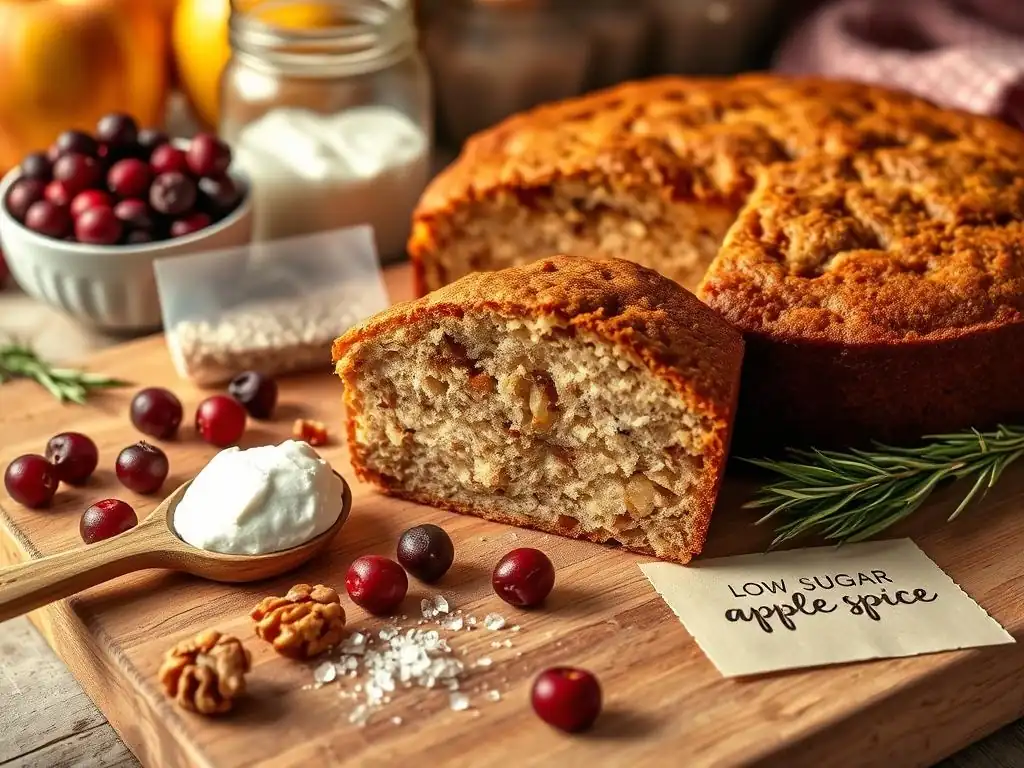
When adapting traditional recipes for low sugar baking, it's often best to start by reducing the sugar gradually rather than cutting it all out at once. This allows you to assess how the reduction affects the flavor, texture, and appearance of the baked good in increments. For a recipe calling for one cup of sugar, try reducing it by a quarter first, using only three-quarters of a cup.
Bake the item and taste it. If you're happy with the low sugar baking sweetness level and the texture is still good, you can try reducing it further in the next attempt, perhaps to half a cup.
Gradual reduction helps you understand the impact of sugar on that specific recipe and makes it easier to identify where adjustments might be needed regarding moisture, leavening, or baking time. It also helps your palate adjust to less intense sweetness over time. Drastically cutting sugar can lead to disappointing results on the first try, whereas a step-by-step approach allows for fine-tuning and increases the likelihood of success in achieving your desired low sugar baking sweetness and texture.
Adjusting Liquid Ratios: Maintaining Moisture Balance
Because sugar contributes significantly to moisture in baked goods, reducing it often necessitates increasing the liquid components in the recipe. This is a critical step in adapting recipes for low sugar baking sweetness to prevent them from turning out dry and dense. The amount of extra liquid needed will depend on the degree of sugar reduction and the type of sweetener used as a replacement (some sweeteners, like allulose, provide more moisture than others like erythritol or stevia extract).
Common liquids to increase include milk, buttermilk, yogurt, water, or even eggs (though increasing eggs can affect structure and richness). If you reduce sugar by half a cup, you might need to add anywhere from 1 to 4 tablespoons of extra liquid. It's often best to add liquids gradually, checking the consistency of the batter or dough, as too much liquid can lead to a gummy or heavy texture.
Pay attention to visual cues – the batter should resemble the consistency of the original full-sugar recipe. Maintaining the correct moisture balance is key to a pleasant mouthfeel and successful low sugar baking sweetness.
The Importance of Accurate Measurements in Low-Sugar Baking
Accurate measurements are always important in baking, but they become even more critical when working with low sugar baking. Sugar substitutes, especially high-intensity ones like stevia or monk fruit extract, are incredibly potent, and using even slightly too much can result in an overwhelming or bitter aftertaste that ruins the low sugar baking sweetness. Conversely, using too little will leave the baked good significantly under-sweetened.
Using a digital scale for dry ingredients, including flour and sugar substitutes, is highly recommended for consistency. For liquid sweeteners or extracts, use proper measuring spoons and cups, ensuring they are level. Unlike sugar, which is forgiving due to its bulk, the small quantities of some substitutes mean that small errors in measurement have a magnified impact on the final outcome. Precision ensures you achieve the intended low sugar baking sweetness and flavor profile.
Combining Sweeteners for Optimal Flavor Profiles
Often, the best approach to achieving balanced low sugar baking sweetness and functional properties is to use a combination of different sweeteners. Blending sweeteners allows you to leverage the advantages of each while mitigating their drawbacks. For example, you might combine erythritol for bulk and reduced calories with a small amount of stevia or monk fruit extract for intense sweetness, offsetting erythritol's cooling effect and boosting the overall low sugar baking sweetness intensity.
Another common strategy is to use a bulking sweetener like erythritol or allulose alongside a liquid sweetener like a small amount of maple syrup or honey. This adds some moisture and browning capability while still significantly reducing the total refined sugar content. Commercial low-sugar blends often use combinations of sweeteners for this very reason. Experimenting with different ratios and combinations can help you discover the perfect mix for your specific recipes, resulting in the most pleasing low sugar baking sweetness and texture.
Low-Sugar Baking Recipe Examples: Showcasing Techniques
Adapting the classic chocolate chip cookie recipe for low sugar baking sweetness involves several key techniques. Instead of using a full cup of granulated sugar and brown sugar, a recipe might use a blend of erythritol and a small amount of brown sugar substitute or allulose to maintain some of the chewy texture and moisture brown sugar provides. Spices like vanilla extract and maybe a pinch of cinnamon are often increased to enhance perceived sweetness and flavor depth.
To compensate for the lack of sugar's spread and browning properties, techniques like using melted butter instead of softened butter might be employed, or a longer, slower bake at a slightly lower temperature. Chocolate chips themselves contain sugar, so opting for sugar-free or very dark chocolate chips (70% cocoa or higher) further reduces the overall sugar content while contributing intense chocolate flavor that complements the low sugar baking sweetness. The result is a cookie that satisfies cravings with significantly less sugar.
Low-Sugar Banana Bread: Moist and Flavorful Without the Guilt
Low-sugar banana bread is a perfect candidate for reducing added sugar, as ripe bananas contribute significant natural low sugar baking sweetness and moisture. A typical recipe might call for 1 cup of added sugar, but a low-sugar version could use as little as a quarter cup of a sugar substitute blend, relying primarily on the sweetness of the bananas. Very ripe, spotty bananas are crucial here for maximum natural sweetness.
Moisture is easily maintained by the bananas themselves, and potentially enhanced by adding a touch of yogurt or applesauce. Spices like cinnamon, nutmeg, and cloves pair beautifully with banana and enhance the perceived low sugar baking sweetness. Vanilla extract is also a must. The dense, moist nature of banana bread is forgiving when reducing sugar's structural role, making it an excellent recipe to start with when exploring low sugar baking sweetness techniques.
Low-Sugar Muffins: A Healthy and Delicious Breakfast Option
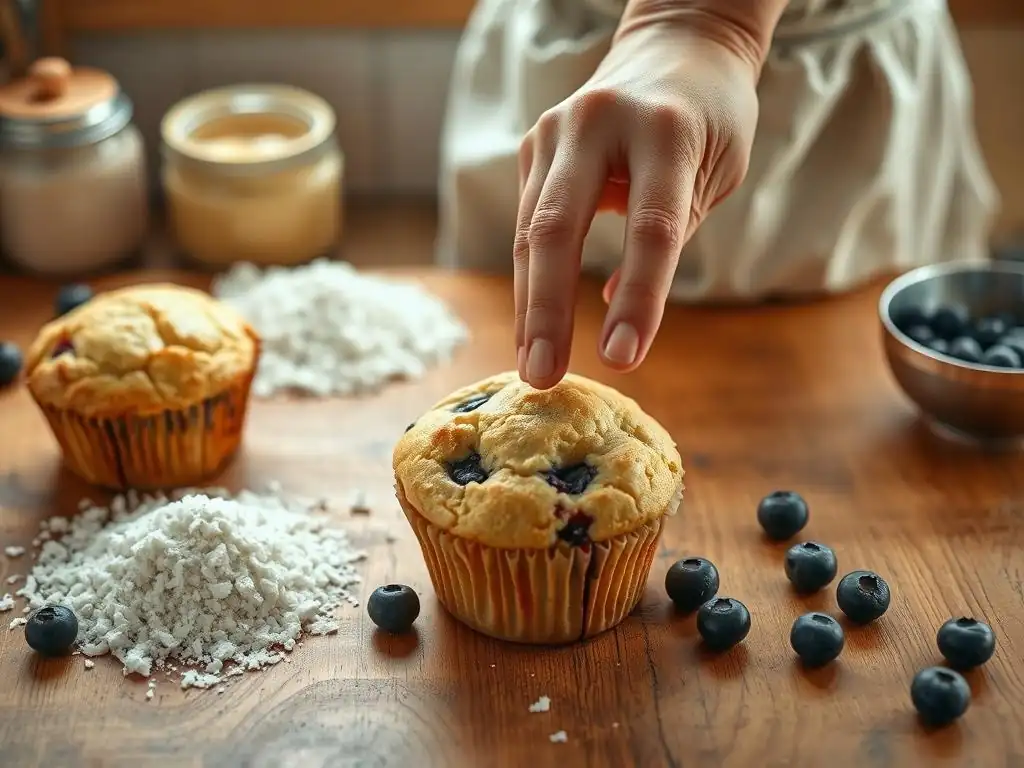
Muffins are versatile and lend themselves well to low sugar baking adaptations. Often, a significant portion of the sugar can be replaced with a blend of sweeteners like erythritol and stevia or monk fruit. Ingredients like fruit (berries, chopped apples), vegetables (zucchini, carrots), or purees (pumpkin, applesauce) add natural low sugar baking sweetness, moisture, and fiber, further reducing the need for added sugar. For instance, a blueberry muffin recipe might reduce sugar by half and rely on the sweetness of a full cup of blueberries.
To ensure a tender crumb, moisture is key. Using buttermilk, yogurt, or oil helps keep muffins from becoming dry. Adding a bit of whole wheat flour or oats can provide structure and fiber, compensating for sugar's bulk. Extracts and spices like lemon zest, cinnamon, or ginger boost flavor and perceived low sugar baking sweetness. Low-sugar muffins demonstrate how incorporating naturally sweet and moist ingredients can lead to delicious results with minimal added sugar.
Common Mistakes to Avoid in Low-Sugar Baking
Overcompensating with Sweeteners: Finding the Right Balance
One of the most common mistakes in low sugar baking is using too much sweetener, particularly high-intensity ones like stevia or monk fruit. While the goal is low sugar baking sweetness, excessive amounts of some substitutes can lead to an unpleasant chemical, bitter, or cooling aftertaste that completely ruins the baked good. It's tempting to add more sweetener if the batter doesn't taste sweet enough, but flavors can change during baking.
It's crucial to follow recipe guidelines carefully when using sugar substitutes and to understand their potency relative to sugar. Remember that the aim is balanced low sugar baking sweetness, not necessarily replicating the intense sweetness of full-sugar items. Start with the recommended amount, and if adapting a recipe, reduce sugar gradually as mentioned earlier. Trust the process and rely on flavor enhancers like spices and extracts rather than solely on increasing the sweetener quantity.
Ignoring the Role of Other Ingredients: Flavor and Texture Considerations
Focusing solely on replacing sugar and neglecting the impact on other ingredients and overall recipe balance is another frequent error in low sugar baking. Sugar is not just a sweetener; it affects texture, moisture, leavening, and browning. Simply swapping sugar 1:1 with a high-intensity sweetener will likely result in a dry, dense, pale, and potentially poorly risen product, regardless of the low sugar baking sweetness achieved.
Successful low sugar baking requires considering how the sugar reduction affects the entire formula. You need to compensate for lost bulk by potentially increasing flour or adding fiber, replace lost moisture with liquids or moist ingredients, adjust leavening agents if using acidic purees, and find ways to encourage browning if using sweeteners that don't caramelize. Paying attention to these other factors is just as important as achieving the right low sugar baking sweetness.
Not Adjusting Baking Times: Potential for Over- or Under-Baking
Sugar affects the rate at which baked goods brown and set. Recipes with less sugar may brown more slowly, requiring longer baking times to cook through. Conversely, some sugar substitutes might cause the outside to appear done while the inside is still underbaked, or they might retain moisture differently, altering the setting time. Failing to adjust baking times accordingly can lead to undercooked, doughy centers or dry, overbaked edges.
Monitor low-sugar baked goods closely towards the end of the estimated baking time. Use visual cues (like edges pulling away from the pan, tops looking set) and tests (like inserting a toothpick) to determine doneness rather than relying solely on the time listed in the original, full-sugar recipe. Be prepared to extend or slightly reduce baking time as needed to ensure your low sugar baking sweetness creations are perfectly cooked.
Conclusion: Mastering the Art of Low-Sugar Baking Sweetness
Embracing Experimentation and Personal Taste Preferences
Mastering low sugar baking sweetness is ultimately an art that involves experimentation and understanding your own taste preferences. There is no one-size-fits-all solution, as different sweeteners work best in different applications, and individual palates vary widely in their perception of sweetness and aftertastes. Don't be discouraged if your first attempts aren't perfect; view them as learning opportunities.
Try different sweetener combinations, adjust quantities slightly, and play with flavor enhancers like spices and extracts. Keep notes on what works and what doesn't for specific types of baked goods. Your journey in low sugar baking will evolve as you discover which techniques and ingredients yield the most delicious results that align with your desired level of low sugar baking sweetness and overall flavor profile. Enjoy the process of creating healthier versions of your favorite treats.
Resources for Further Exploration in Low-Sugar Baking on BakeWithEase.com
BakeWithEase.com is dedicated to helping you navigate the world of baking, including achieving perfect low sugar baking sweetness. Our website offers a growing collection of resources designed specifically for low-sugar baking enthusiasts. You can find detailed guides on various sweeteners, explaining their properties and best uses, along with tips for adapting your favorite traditional recipes.
Explore our dedicated section on low-sugar recipes, featuring tried-and-tested formulas for everything from cookies and cakes to muffins and bread, all designed with balanced low sugar baking sweetness in mind. These recipes showcase the techniques discussed in this article, providing practical examples you can follow. We continually update our content to bring you the latest information and inspiration for your low-sugar baking adventures.
Frequently Asked Questions
How can I reduce sugar in my baking without sacrificing flavor?
Reducing sugar often means adjusting other ingredients. You can use natural sweeteners like fruit purees or dates, and experiment with spices to enhance perceived sweetness.
What are some good sugar substitutes for baking?
Several substitutes exist, like erythritol, stevia, and monk fruit. However, be aware that they have varying levels of sweetness intensity and can affect texture and browning.
Does reducing sugar affect the texture of baked goods?
Yes, sugar contributes to moisture and tenderness. Reducing it can make baked goods drier. Compensate by adding extra moisture like yogurt or applesauce and using gluten-friendly flours.
What role does sugar play in the browning process of baked goods?
Sugar is crucial for the Maillard reaction, which creates browning and flavor. To compensate in low-sugar baking, consider using egg washes or adding a touch of malt extract.
What are some easy "Low sugar baking sweetness" recipes to start with?
Start with simple recipes like muffins or cookies that are naturally lower in sugar, such as oatmeal cookies or banana bread. Focus on using naturally sweet ingredients like ripe fruit to minimize added sugar.
Final Reflection: The Enduring Sweetness of Low-Sugar Baking
The pursuit of delicious, low-sugar baked goods is no longer a niche interest; it's a vital part of a growing health-conscious culinary landscape. The demand for healthier alternatives without sacrificing flavor is exploding, and mastering the techniques to achieve that balance is more important than ever. This isn't just about dieting; it's about mindful enjoyment and creating treats that nourish both body and soul.
This exploration into the art of low-sugar baking has profoundly impacted my own approach to cooking and baking. I've learned that sweetness isn't solely defined by the amount of sugar; it's a complex interplay of ingredients, techniques, and even personal preference. The best things in life are bittersweet,
a saying often used, holds true even in baking. The subtle nuances of flavor that emerge when you carefully balance sweetness with other elements are truly remarkable. This journey has shown me the power of creativity in the kitchen, pushing boundaries and discovering new ways to satisfy our sweet cravings responsibly.
Now, it's your turn. Consider the recipes and techniques discussed in this article, and experiment with them in your own kitchen. Don't be afraid to adjust and adapt; baking is a journey of discovery. Embrace the challenge of finding your own perfect balance of sweetness, and savor the delicious rewards of creating healthy, flavorful treats that you can truly enjoy. The art of low-sugar baking is not about restriction, but about mindful creation and the joy of savoring every bite.
Unlock the Secrets of Low-Sugar Baking!
Thanks for joining us on this delicious journey into the world of low-sugar baking! You've just learned valuable techniques to create perfectly balanced, flavorful treats without compromising on sweetness. Now it's time to put your new skills into action!
- Bake your dream low-sugar recipe: Choose your favorite sweet treat and try adapting it using the techniques you just learned. Share your creation with us – we'd love to see it!
- Experiment with different sweeteners: Explore the nuances of various low-sugar alternatives. Which one becomes your new favorite?
- Join our BakeWithEase community: Share your successes (and even your baking mishaps!) with fellow low-sugar bakers. Let's inspire each other!
So, what delicious low-sugar masterpiece will you create first?