
LowSugar vs. SugarFree Baking: Understanding the Difference

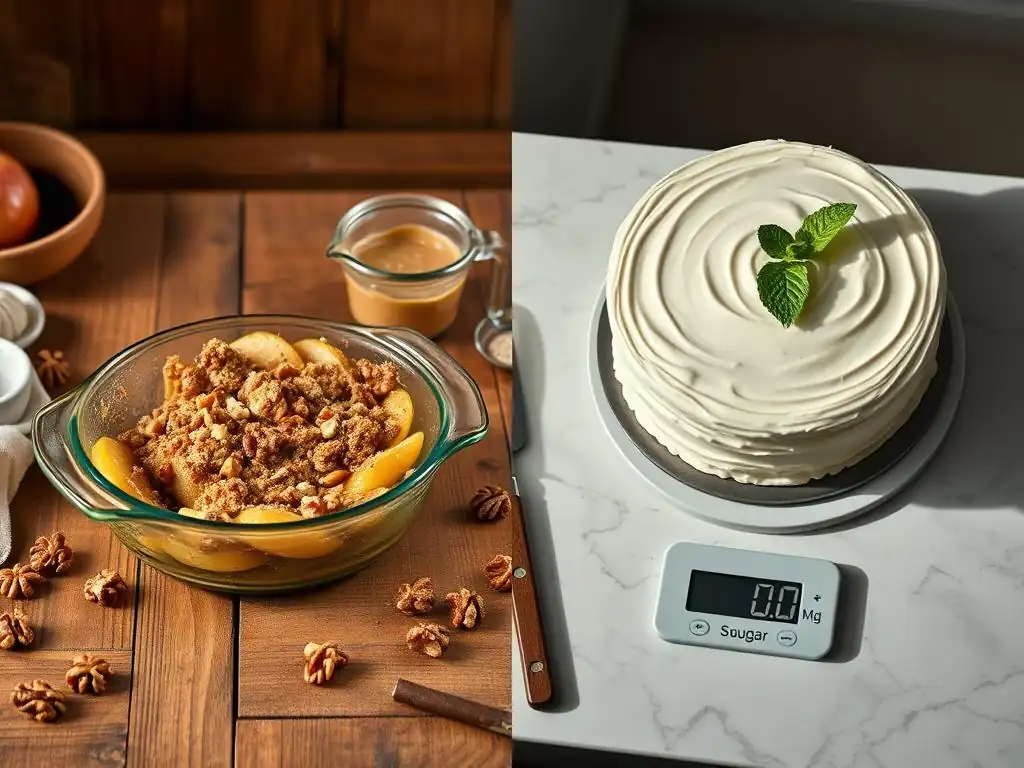
Welcome to BakeWithEase, your guide to delicious and accessible baking! Are you ready to explore the world of low sugar baking recipes and discover how to create healthier treats without sacrificing flavor? This article dives into the crucial difference between low sugar and sugar-free baking, uncovering the secrets to creating delectable desserts that align with your dietary needs. Curious about the best sugar substitutes and how they impact your bakes? Let's get started!
- Low Sugar vs. Sugar-Free Baking: Understanding the Difference for Healthier Treats
- Baking for Health: Exploring Low Sugar and Sugar-Free Options
- Understanding the Basics: Low Sugar vs. Sugar-Free
- Low Sugar Baking Recipes: A Healthier Approach
- Sugar-Free Baking: Eliminating Added Sugar
- Comparing Low Sugar and Sugar-Free Baking: A Detailed Analysis
- Choosing the Right Approach: Low Sugar or Sugar-Free?
- Tips and Tricks for Successful Low Sugar and Sugar-Free Baking
- Delicious Low Sugar Baking Recipes to Try at Home
- Conclusion: Embracing Healthier Baking
-
Frequently Asked Questions
- What is the primary difference between low sugar and sugar-free baking?
- Why might someone choose low sugar baking over traditional baking?
- What are some common sugar substitutes used in low sugar baking?
- Does low sugar baking affect the texture or taste of baked goods?
- Where can I find reliable low sugar baking recipes that are easy to follow?
- Final Reflection: The Sweet Truth About Sugar-Conscious Baking
- Unlock Your Sweetest Baking Potential!
Low Sugar vs. Sugar-Free Baking: Understanding the Difference for Healthier Treats
Baking for Health: Exploring Low Sugar and Sugar-Free Options
Embarking on a journey to healthier eating often leads us to re-evaluate our relationship with sugar, especially when it comes to beloved baked goods. For many, this means exploring alternatives like low sugar baking recipes or venturing into the realm of sugar-free creations.
While these terms are sometimes used interchangeably, they represent distinct approaches to reducing sugar content, each with its own characteristics, benefits, and considerations. Understanding the nuances between "low sugar" and "sugar-free" is crucial for making informed choices that align with dietary needs, health goals, and taste preferences, whether you're managing blood sugar, watching calories, or simply aiming for a more balanced diet.
Choosing to modify traditional baking methods to reduce sugar opens up a world of possibilities. It challenges bakers to think creatively about sweetness, flavor, and texture, often leading to delightful discoveries. Whether you're aiming for a slightly less sweet treat or completely eliminating added sugars, navigating the landscape of alternative sweeteners and ingredients is key. This guide will break down the core differences, explore the techniques involved in low sugar baking recipes and sugar-free alternatives, and help you decide which approach is best suited for your next baking adventure.
Understanding the Basics: Low Sugar vs. Sugar-Free
Defining "Low Sugar" in Baking
In the context of baking, "low sugar" typically refers to recipes that contain a significantly reduced amount of sugar compared to their traditional counterparts. There isn't a strict, universally regulated definition like some other nutritional labels, but the general principle is minimizing added sugars.
For instance, a standard chocolate chip cookie recipe might call for 1 cup of granulated sugar and 1/2 cup of brown sugar, totaling 1.5 cups of added sugar. A low sugar version might reduce this amount by 30-50% or more, perhaps using only 1/2 cup of total added sugar, or substituting a portion with natural sweeteners or fruit purees.
The key characteristic of low sugar baking is reduction, not necessarily elimination. These recipes still often contain some form of caloric sweetener, be it granulated sugar, brown sugar, honey, maple syrup, or fruit juice concentrates, but the quantity is substantially less. This approach allows for a subtle sweetness that complements other flavors without the overwhelming sugary taste of traditional recipes.
It's about moderation and finding a balance where the sweetness enhances rather than dominates the overall profile of the baked good. Developing delicious low sugar baking recipes requires careful attention to how the reduced sugar affects moisture, texture, and browning.
Defining "Sugar-Free" in Baking
"Sugar-free" in baking means that the recipe contains no added sugars. This definition is often based on food labeling regulations, such as those in the United States, where "sugar-free" products must contain less than 0.5 grams of sugar per serving. It's important to note that this refers specifically to added sugars (like granulated sugar, honey, syrups, etc.) and doesn't necessarily mean the product is free of naturally occurring sugars found in ingredients like fruit or milk.
Sugar-free baking relies entirely on non-caloric or low-caloric sugar substitutes to provide sweetness. These can include artificial sweeteners (like aspartame or sucralose), sugar alcohols (like erythritol or xylitol), or natural zero-calorie sweeteners (like stevia or monk fruit). The goal is to achieve a sweet taste without contributing significant calories or impacting blood sugar levels in the same way as traditional sugars. Creating successful sugar-free baked goods presents unique challenges, as sugar plays roles beyond sweetness, including providing structure, moisture, and aiding in browning.
The Importance of Understanding the Difference for Dietary Needs
Understanding the distinction between low sugar and sugar-free is paramount for individuals managing specific dietary needs or health conditions. For someone with diabetes, for example, both approaches can be beneficial, but the impact on blood sugar can differ. Sugar-free options using non-caloric sweeteners typically have minimal impact on blood glucose levels, whereas low sugar recipes, while reduced, still contain caloric sugars that will affect blood sugar.
Similarly, for those focusing on weight management, both can contribute to calorie reduction, but the source of sweetness matters. Low sugar recipes reduce caloric sugar intake, while sugar-free options often replace it with zero or very low-calorie alternatives, potentially leading to a greater calorie saving depending on how the substitute is used.
Knowing whether a recipe is low sugar or sugar-free allows individuals to make informed choices that align with their specific health goals, whether it's managing blood sugar, reducing calorie intake, or simply cutting back on overall sugar consumption as part of a healthier lifestyle. Many are seeking low sugar baking recipes specifically to enjoy treats with less guilt.
Low Sugar Baking Recipes: A Healthier Approach
Benefits of Baking with Reduced Sugar
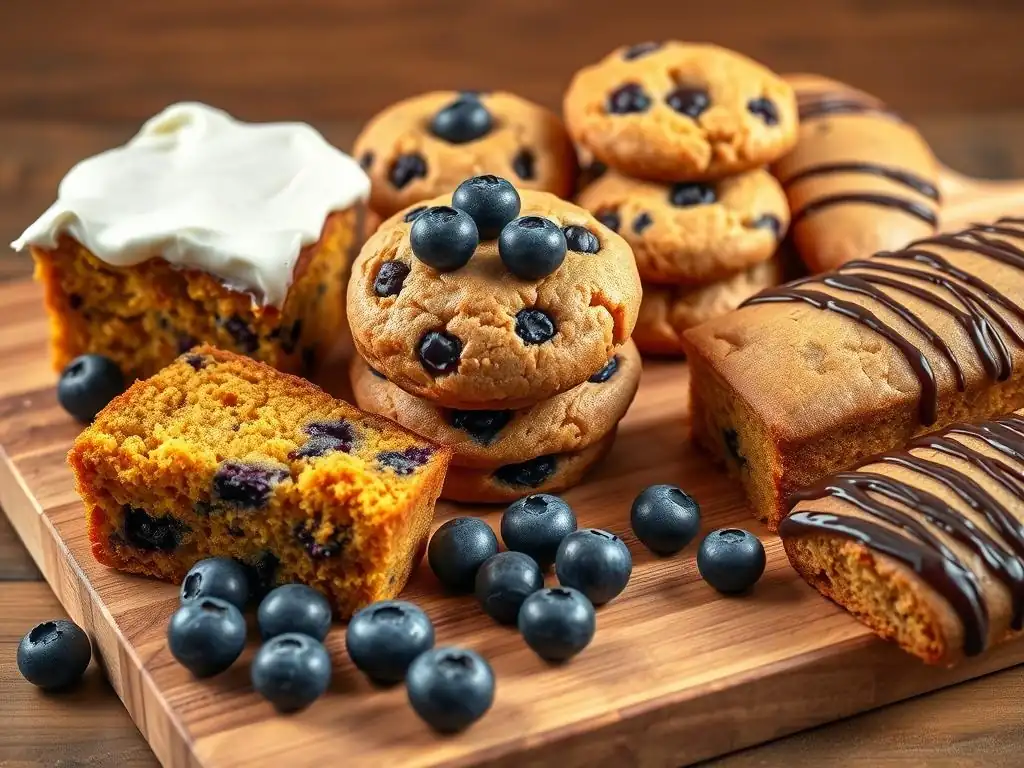
Baking with reduced sugar offers several notable health benefits. Firstly, it directly lowers the total calorie content of baked goods, as sugar is a significant source of calories (approximately 16 calories per teaspoon, or 4 calories per gram). By cutting the sugar amount in half in a typical cake recipe, you could potentially reduce the total calories by several hundred, depending on the original amount used. This makes low sugar baking recipes a helpful tool for weight management.
Secondly, reducing sugar intake can lead to more stable blood sugar levels, avoiding the sharp spikes and crashes associated with consuming high-sugar foods. This is particularly beneficial for individuals with insulin resistance or prediabetes, even if they aren't opting for completely sugar-free options. Furthermore, consuming less sugar is generally better for dental health, as it reduces the primary food source for bacteria that cause cavities. Embracing low sugar baking is a practical step towards a healthier diet without completely sacrificing the joy of homemade treats.
Key Ingredients for Low Sugar Baking
Achieving great results with low sugar baking recipes involves strategically choosing and using alternative ingredients that provide sweetness, moisture, and structure.
Natural Sweeteners for Low Sugar Baking: Stevia, Erythritol, Monk Fruit
Natural zero or low-calorie sweeteners like stevia, erythritol, and monk fruit are popular choices in low sugar baking. Stevia, derived from the Stevia rebaudiana plant, is significantly sweeter than sugar and is often used in small amounts. Erythritol is a sugar alcohol found naturally in some fruits; it has about 60-70% the sweetness of sugar but with minimal calories and less digestive impact than other sugar alcohols.
Monk fruit extract, from the Luo Han Guo fruit, is also intensely sweet. These sweeteners can replace some or all of the sugar in low sugar baking recipes, contributing sweetness without the calories or blood sugar impact of traditional sugar. However, they often lack the bulk and browning properties of sugar, requiring adjustments in recipes.
Fruit Purees and Extracts for Flavor and Sweetness
Fruit purees, such as unsweetened applesauce, mashed bananas, or pumpkin puree, can add natural sweetness, moisture, and fiber to low sugar baking recipes. A study or general nutritional data shows that 1 cup of unsweetened applesauce contains approximately 100-120 calories and about 25-30 grams of natural sugar (mostly fructose), compared to roughly 770 calories and 200 grams of sugar in 1 cup of granulated sugar.
While fruit purees add natural sugars, they allow for a significant reduction in added sugar and bring beneficial nutrients and moisture, which is crucial when cutting back on sugar. Extracts like vanilla, almond, or lemon extract can also enhance the perception of sweetness and improve the overall flavor profile, making the reduced sugar content less noticeable.
Sample Low Sugar Baking Recipe: Low Sugar Banana Bread
A classic example of a low sugar baking recipe is a modified banana bread. Instead of the typical 1 cup or more of added granulated sugar, a low sugar version might use only 1/4 cup of brown sugar combined with the natural sweetness from very ripe bananas (which become sweeter as they ripen, increasing their natural sugar content).
**Low Sugar Banana Bread (Conceptual Example)**

*   Uses ripe bananas for natural sweetness and moisture.
*   Significantly reduces added sugar (e.g., uses 1/4 cup brown sugar instead of 1 cup+).
*   May incorporate a small amount of a low-calorie sweetener like erythritol for added sweetness without extra calories.
*   Often includes whole wheat flour or oats for added fiber.
*   Baking time and temperature might need slight adjustments due to lower sugar content affecting browning.
This approach maintains the comforting flavor and moist texture of banana bread while drastically cutting down on refined sugar. It’s a prime example of how low sugar baking recipes prioritize natural sweetness and reduced processed sugar.
Sugar-Free Baking: Eliminating Added Sugar
Challenges of Baking Without Sugar
Baking without added sugar presents unique challenges because sugar does more than just sweeten. Sugar is a humectant, meaning it attracts and retains moisture, contributing to a tender crumb and preventing baked goods from drying out quickly. It also plays a critical role in structure, especially in cakes and cookies, where it interferes with gluten development and protein coagulation to create a softer texture.
Furthermore, sugar contributes to browning through caramelization and the Maillard reaction, giving baked goods their appealing golden crust and complex flavors. When sugar is removed entirely, bakers must find ways to compensate for these lost functions, often by using a combination of sugar substitutes and other ingredients to mimic sugar's effects on moisture, texture, and appearance. Successfully developing sugar-free baking recipes requires understanding these complex interactions.
Sugar Substitutes for Sugar-Free Baking
To create sugar-free baked goods, various sugar substitutes are employed, each with its own properties.
Artificial Sweeteners: Aspartame, Sucralose, Saccharin
Artificial sweeteners like aspartame, sucralose (Splenda), and saccharin are non-caloric and intensely sweet, often hundreds of times sweeter than sugar. They are used in very small quantities, primarily for sweetness. Aspartame is often used in products that aren't baked at high temperatures, as heat can break it down. Sucralose is more heat-stable and frequently used in sugar-free baking recipes. Saccharin was one of the earliest artificial sweeteners. While they provide sweetness without calories or impacting blood sugar, they don't offer the bulk, moisture retention, or browning capabilities of sugar, and some may leave an aftertaste.
Sugar Alcohols: Xylitol, Maltitol, Sorbitol
Sugar alcohols such as xylitol, maltitol, and sorbitol are carbohydrates that are partially absorbed by the body, providing fewer calories than sugar (typically 1.5-3 calories per gram compared to sugar's 4) and having a lesser impact on blood sugar levels. Xylitol has a sweetness comparable to sugar and is popular in sugar-free baking. Maltitol is also commonly used.
These offer more bulk and moisture than artificial sweeteners and can contribute somewhat to texture. However, consuming large amounts of sugar alcohols can have a laxative effect, a consideration when using them in sugar-free baking recipes. Erythritol, mentioned earlier under natural sweeteners, is also technically a sugar alcohol but is better tolerated digestively by most people.
Sample Sugar-Free Baking Recipe: Sugar-Free Chocolate Avocado Mousse
A simple sugar-free treat that highlights the use of alternative ingredients is a chocolate avocado mousse. This recipe relies on the creamy texture of avocado and the richness of cocoa powder, sweetened entirely with a sugar substitute.
**Sugar-Free Chocolate Avocado Mousse (Conceptual Example)**

*   Uses ripe avocados for creamy texture, replacing the need for dairy or eggs.
*   Sweetened with a zero-calorie sugar substitute like stevia or erythritol.
*   Relies on cocoa powder for intense chocolate flavor.
*   No added caloric sugar whatsoever.
*   Often chilled to set, as there's no sugar to contribute to structure through baking.
This example demonstrates how sugar-free baking often involves innovative ingredient swaps and relies on the properties of non-sugar components to achieve the desired result.
Comparing Low Sugar and Sugar-Free Baking: A Detailed Analysis
Taste and Texture Differences
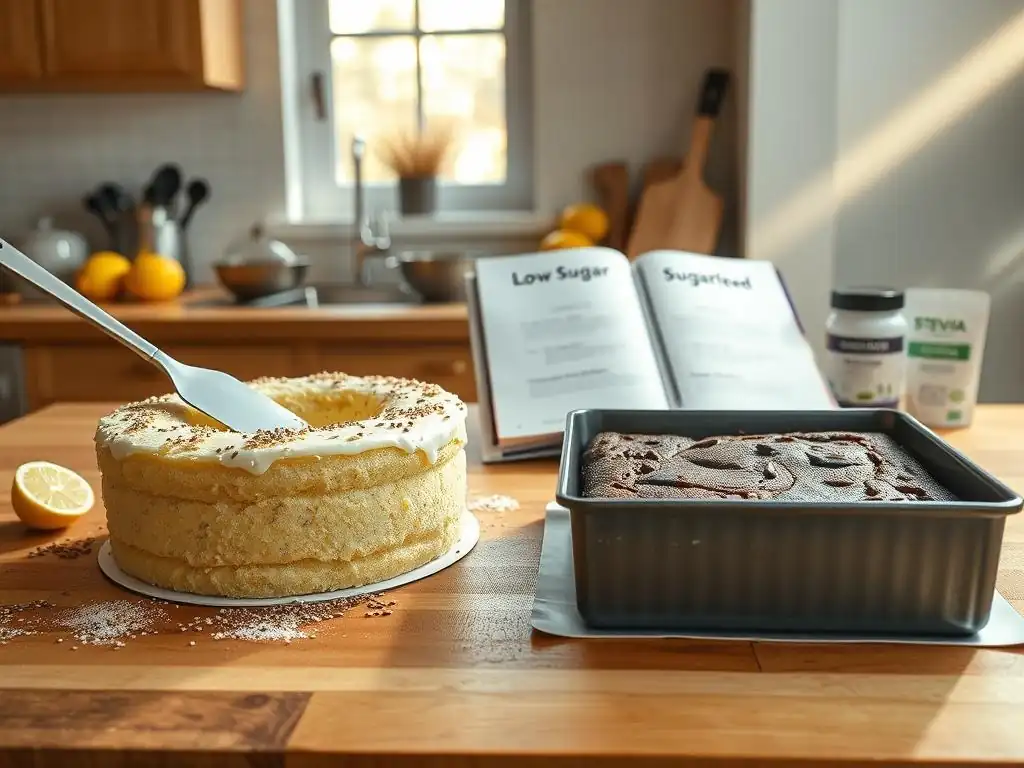
The most noticeable differences between low sugar and sugar-free baking often lie in taste and texture. Low sugar baked goods, which still contain some traditional sugar or natural caloric sweeteners, tend to have a taste profile closer to traditional sweets, albeit less intensely sweet. The presence of some sugar helps with caramelization during baking, contributing to richer flavors and better browning on crusts. The texture is also often more comparable to full-sugar versions because sugar contributes to moisture and tenderness.
Sugar-free baked goods, relying solely on sugar substitutes, can sometimes have a different mouthfeel or a noticeable aftertaste, depending on the substitute used (e.g., the cooling effect of erythritol or the distinct taste of stevia). Achieving the right texture can also be challenging, as substitutes don't always replicate sugar's role in moisture retention and structure. Sugar-free items might be less moist or have a slightly different crumb structure.
However, with careful formulation and the right blend of substitutes, delicious sugar-free results are achievable, though they may differ from their sugary counterparts. Many people specifically seek out low sugar baking recipes because they offer a closer taste profile to traditional baked goods while still being healthier.
Impact on Blood Sugar Levels
This is a critical difference, especially for individuals managing diabetes. Low sugar baking recipes, while containing less sugar than standard recipes, still contain caloric sugars or natural sugars (from fruit, etc.) that will be absorbed by the body and will impact blood sugar levels. The extent of the impact depends on the total carbohydrate content (including starches and fiber) and the type and amount of sugar used.
Sugar-free baking, when using non-caloric or low-glycemic index sugar substitutes (like stevia, erythritol, xylitol in moderation), generally has a minimal impact on blood sugar levels. These substitutes are either not metabolized for energy or are absorbed very slowly. For someone needing to strictly control blood glucose spikes, sugar-free options are often preferred over low sugar ones, although monitoring total carbohydrate intake remains important. The glycemic index of a sugar-free baked good depends on all its ingredients, not just the sweetener.
Suitability for Different Dietary Restrictions
Both low sugar and sugar-free baking can fit into various dietary plans, but their suitability depends on the specific restrictions.
Diabetes and Sugar-Free Baking
For individuals with diabetes, sugar-free baking using non-caloric sweeteners is often highly suitable because it allows them to enjoy sweet treats without significantly impacting their blood glucose levels. It is crucial, however, to consider the total carbohydrate content of the baked good, as other ingredients like flour and starches still contribute carbs that affect blood sugar. Portion control is also key. While low sugar baking recipes are better than full-sugar options, they will still require careful carbohydrate counting and potentially insulin adjustments.
Weight Management and Low Sugar Baking
Both approaches can support weight management by reducing caloric intake compared to traditional baking. Low sugar baking recipes achieve this by simply using less of a caloric sweetener. Sugar-free baking achieves it by replacing caloric sugar with zero or very low-calorie substitutes. For many following a general healthy eating plan focused on calorie reduction and minimizing added sugars, low sugar baking is a practical and often more palatable option that helps reduce overall sugar consumption without needing to rely solely on sugar substitutes. The choice often comes down to personal preference and how much sugar reduction is desired.
Choosing the Right Approach: Low Sugar or Sugar-Free?
Considerations for Taste Preferences
Taste is perhaps the most subjective, yet significant, factor in choosing between low sugar and sugar-free baking. If you are gradually reducing your sugar intake and prefer flavors that are closer to traditional baked goods, starting with low sugar baking recipes might be a good approach. These recipes offer a less drastic change in sweetness and often maintain more familiar textures and browning characteristics.
If you are accustomed to the taste of sugar substitutes or require zero added sugar for health reasons, sugar-free baking opens up possibilities for enjoying sweetness without any caloric sugar. However, it's important to experiment with different substitutes, as their taste profiles and intensity vary. Some people find certain substitutes leave an aftertaste, while others don't. Finding the right sugar-free recipe or substitute blend that suits your palate is key to long-term adherence.
Health Considerations and Dietary Needs
Your specific health goals and dietary needs should heavily influence your choice. If you need to strictly manage blood sugar levels due to diabetes, sugar-free baking with appropriate substitutes is likely the more suitable option, always considering the total carbohydrate load of the recipe. Consult with a healthcare provider or dietitian for personalized advice.
If your goal is primarily to reduce overall calorie intake or simply cut back on added sugars as part of a general healthy diet, low sugar baking recipes offer a flexible and effective way to do so. This approach allows for enjoying treats with less sugar while still potentially incorporating some natural sweetness from sources like fruit. It's a step towards healthier habits that is often easier for beginners to adopt.
The Role of Added Sugars in Baking
It's important to remember the multifaceted role added sugars play in traditional baking: providing sweetness, yes, but also contributing to moisture, texture, structure, leavening (feeding yeast in bread), and browning. When you reduce or eliminate sugar, you must account for these functions. In low sugar baking, using less sugar means you might need to add a bit more liquid or fat to maintain moisture, or bake for slightly longer to achieve browning.
In sugar-free baking, the substitutes provide sweetness but none of the other functions. This requires more significant recipe modification, potentially using ingredients like applesauce, yogurt, or extra eggs for moisture and structure, or relying on baking powder/soda for leavening without sugar's help. Understanding these roles helps explain why simply swapping sugar 1:1 with a substitute often doesn't work and highlights the skill involved in developing successful low sugar and sugar-free baking recipes.
Tips and Tricks for Successful Low Sugar and Sugar-Free Baking
Measuring and Adjusting Sweeteners
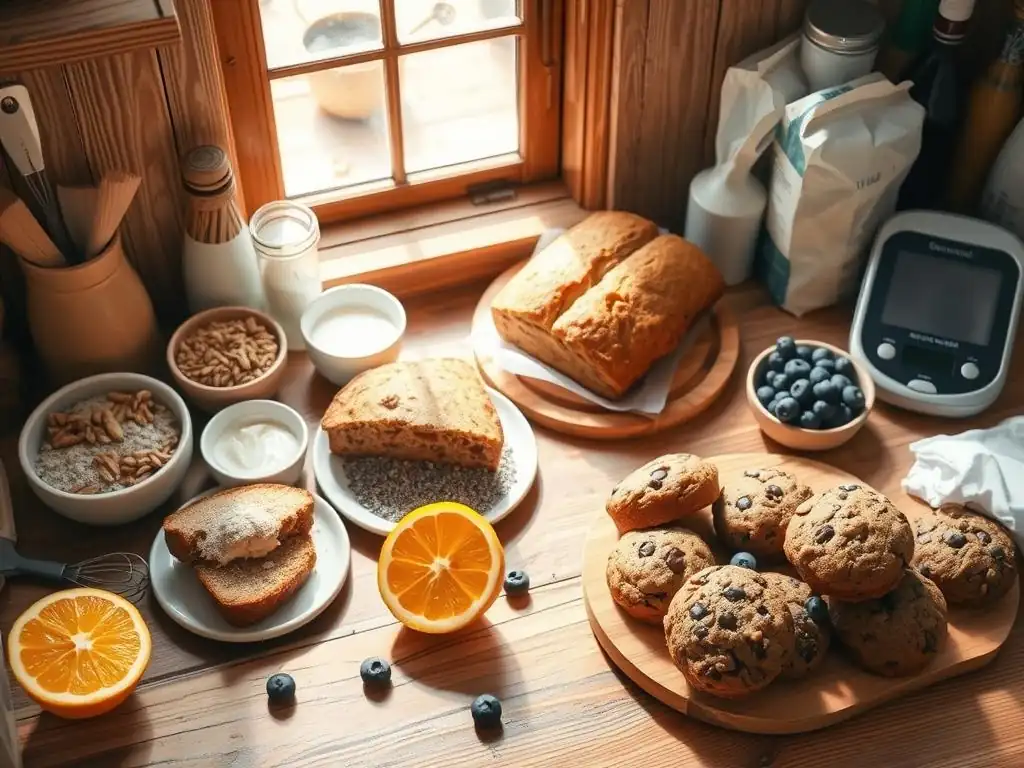
When working with low sugar baking recipes or sugar-free ones using substitutes, precise measurement is crucial, but flexibility is also needed. Sugar substitutes vary greatly in sweetness intensity compared to sugar. For example, some stevia extracts are 200-400 times sweeter than sugar, while erythritol is less sweet (60-70%).
- Start by using the conversion ratios provided by the sweetener manufacturer, but be prepared to adjust based on taste.
- Taste your batter or dough before baking if possible (unless it contains raw eggs or flour).
- Remember that sweetness perception can change with temperature and the presence of other flavors.
- For low sugar recipes reducing granulated sugar, consider if the recipe needs extra liquid (like milk or water) or fat (like butter or oil) to compensate for the lost volume and moisture.
Balancing Flavors and Textures
Reducing or eliminating sugar can sometimes leave baked goods tasting bland or highlight off-flavors from substitutes. To counteract this in low sugar baking recipes and sugar-free treats:
- Enhance flavors with extracts (vanilla, almond, lemon), spices (cinnamon, nutmeg, ginger), citrus zest, or cocoa powder.
- Salt is crucial for balancing sweetness and enhancing other flavors, even in sweet baked goods.
- Consider adding ingredients that contribute moisture and texture naturally, such as fruit purees, yogurt, sour cream, melted chocolate, or nuts.
- For sugar-free baking, using a blend of sugar substitutes can sometimes provide a more balanced sweetness profile and better mimic sugar's texture contributions than using a single substitute.
Common Mistakes to Avoid
Avoiding common pitfalls can improve your success with low sugar baking recipes and sugar-free attempts:
- Swapping 1:1 without adjusting other ingredients: Sugar provides bulk, moisture, and structure; simply replacing it with a tiny amount of high-intensity sweetener won't work. Recipes need rebalancing.
- Over-relying on one substitute: Blending substitutes can often yield better taste and texture results.
- Expecting the exact same outcome: Low sugar and sugar-free baked goods will inherently differ from full-sugar versions. Embrace the subtle differences in taste and texture.
- Ignoring baking time/temperature: Reduced sugar affects browning. You might need to bake at a slightly lower temperature or for a shorter/longer time. Monitor closely to prevent burning or underbaking.
- Not considering the digestive impact of sugar alcohols: If using large amounts of xylitol or maltitol, be aware of potential digestive discomfort.
Delicious Low Sugar Baking Recipes to Try at Home
Exploring low sugar baking recipes allows you to enjoy your favorite treats with less added sugar. Here are some popular categories to start with:
Classic cookies can easily be adapted into low sugar versions by reducing the granulated or brown sugar and potentially adding natural sweeteners like mashed banana or applesauce, or a small amount of a low-calorie substitute to boost sweetness. Think oatmeal cookies, chocolate chip cookies, or shortbread with a fraction of the usual sugar.
Low Sugar Cakes and Muffins Recipes
Cakes and muffins are prime candidates for low sugar baking recipes. Using ingredients like ripe bananas, applesauce, yogurt, or pumpkin puree adds moisture and natural sweetness, allowing you to drastically cut down on added granulated sugar. Carrot cake, zucchini muffins, or simple vanilla cakes can be made deliciously with significantly less sugar.
Low Sugar Brownies and Bars Recipes
Rich brownies and chewy bars can also be made low sugar. Recipes often use ingredients like black beans (surprisingly good in brownies! ), avocado, or sweet potato puree for moisture and richness, reducing the need for as much added sugar. Combining these with cocoa powder and a reduced amount of brown sugar or a low-calorie sweetener results in satisfying low sugar treats.
Conclusion: Embracing Healthier Baking
Mastering Low Sugar Baking Techniques
Mastering low sugar baking techniques is an achievable goal that allows you to continue enjoying delicious homemade goods while making healthier choices. It involves understanding the role of sugar, experimenting with reduced amounts, and learning how alternative ingredients can contribute to flavor, moisture, and texture. By practicing and tweaking low sugar baking recipes, you'll develop an intuition for balancing sweetness and other components, leading to satisfying results that are lower in added sugar.
Exploring the World of Sugar-Free Treats
Venturing into the world of sugar-free treats offers another path to healthier baking, particularly valuable for those needing to avoid added sugars entirely. This approach requires a deeper understanding of sugar substitutes and their unique properties. While challenging, successful sugar-free baking opens up a wide range of possibilities for enjoying sweet moments without the glycemic impact of sugar. Whether you choose low sugar baking recipes or sugar-free alternatives, the journey towards healthier baking is rewarding, offering the joy of creating treats that are both delicious and better for you.
Frequently Asked Questions
What is the primary difference between low sugar and sugar-free baking?
The main difference lies in the sugar content. Low sugar recipes reduce the amount of sugar compared to traditional recipes, while sugar-free recipes aim to eliminate added sugars entirely.
Why might someone choose low sugar baking over traditional baking?
People opt for low sugar baking for various reasons, including health concerns like diabetes, a desire to reduce calorie intake, or simply to lessen the sweetness of baked goods.
What are some common sugar substitutes used in low sugar baking?
Common substitutes include natural sweeteners like stevia or monk fruit, as well as sugar alcohols like erythritol. These offer sweetness with fewer calories or a lower glycemic index.
Does low sugar baking affect the texture or taste of baked goods?
Yes, it can. Sugar contributes to moisture, tenderness, and browning. Low sugar baking often requires adjustments to other ingredients to compensate for these effects.
Where can I find reliable low sugar baking recipes that are easy to follow?
Websites like BakeWithEase.com offer step-by-step guides and simple recipes for low sugar baking. Look for recipes that specify ingredient substitutions and provide clear instructions.
Final Reflection: The Sweet Truth About Sugar-Conscious Baking
The quest for healthier baking is no longer a niche pursuit; it's a mainstream movement. The demand for low-sugar alternatives reflects a growing awareness of the impact of added sugars on our health and well-being, a trend that's only accelerating. Understanding the nuanced difference between "low sugar" and "sugar-free" is crucial in navigating this increasingly important aspect of our diets.
This exploration into the world of low-sugar baking has highlighted not just the technical differences in ingredients and processes, but also the broader cultural shift towards mindful consumption. The desire to enjoy sweet treats without the guilt or negative health consequences is a powerful driver, reflecting a deeper societal yearning for balance and well-being. We are what we repeatedly do. Excellence, then, is not an act, but a habit.
– Aristotle. This quote resonates deeply, as the consistent choice of healthier baking options becomes a habit that cultivates a healthier lifestyle.
Now, consider your own baking habits. Are you ready to embrace the challenge of creating delicious, satisfying treats with less sugar? Experiment with the techniques and recipes explored in this article, and discover the joy of baking that nourishes both your body and your soul. Don't be afraid to adjust recipes to your own taste and preferences; the journey towards healthier baking is a personal one, filled with delicious discoveries and rewarding results. Let's bake a brighter, sweeter future, one low-sugar recipe at a time.
Unlock Your Sweetest Baking Potential!
Thanks for taking the time to delve into the world of low-sugar and sugar-free baking! We hope you now feel more confident in navigating the differences and choosing the best approach for your needs. Ready to put your new knowledge into action?
- Experiment with a low-sugar recipe: Start small! Choose one recipe that caught your eye and try substituting sugar alternatives. See how the flavor and texture change. This is the perfect opportunity to discover your favorite low-sugar swaps.
- Share your baking journey: Post your creations on social media and tag #BakeWithEaseLowSugar. Let's inspire each other! We'd love to see your results.
- Explore our advanced sugar-free baking guide (coming soon!): Sign up for our newsletter to receive updates on our newest guides and recipes.
What delicious low-sugar or sugar-free treat are you planning to bake next?