
Quick & Easy LowSugar Dessert Recipes for Any Occasion

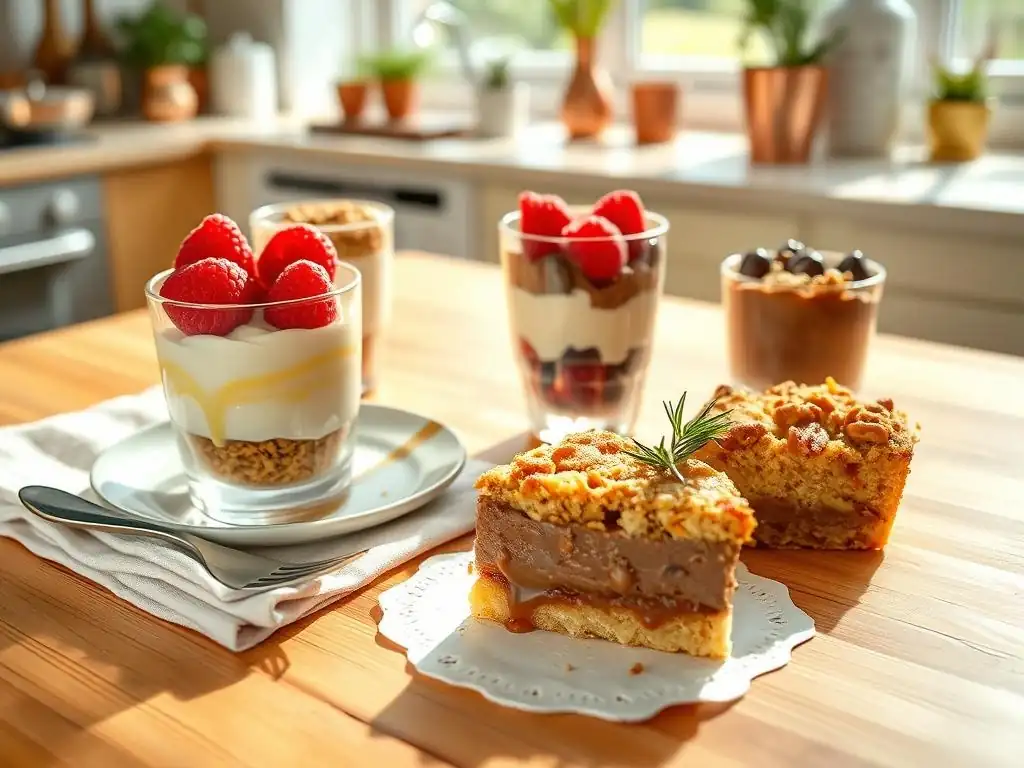
Welcome to BakeWithEase, your kitchen companion for all things baking! Curious about indulging your sweet tooth without the guilt? You've landed in the right place. Discover our collection of low sugar dessert recipes, designed to satisfy cravings without compromising your health goals. We're just scratching the surface – prepare to be amazed at how easy and delicious healthy baking can be!
- Introduction to Delicious Low-Sugar Baking
-
Top 5 Quick & Easy Low-Sugar Dessert Recipes
- 1. No-Bake Chocolate Peanut Butter Mousse: A Rich and Healthy Treat
- 2. Raspberry Chia Seed Pudding: A Simple and Nutritious Dessert
- 3. Baked Pears with Cinnamon and Walnuts: A Classic Low-Sugar Delight
- 4. Sugar-Free Almond Flour Cookies: A Crowd-Pleasing Favorite
- 5. Greek Yogurt Parfait with Berries and Nuts: A Customizable Dessert
- Tips & Tricks for Successful Low-Sugar Baking
- Adapting These Recipes for Dietary Needs
- Enjoying Your Low-Sugar Creations: Serving Suggestions and Storage
- Conclusion: Embrace the Sweetness of Low-Sugar Baking
-
Frequently Asked Questions
- How can I find low-sugar dessert recipes on BakeWithEase.com?
- Are the low-sugar dessert recipes on BakeWithEase.com suitable for beginners?
- What kind of sugar substitutes are typically used in BakeWithEase.com's low-sugar dessert recipes?
- Can I adapt regular dessert recipes to be low-sugar using BakeWithEase.com's tips?
- Do the low-sugar dessert recipes on BakeWithEase.com sacrifice taste or texture?
- Final Reflection: The Sweetness of Moderation
- Unlock Your Inner Pastry Chef: Deliciously Low-Sugar Treats Await!
Introduction to Delicious Low-Sugar Baking
Why Choose Low-Sugar Desserts? Health Benefits and Considerations
Choosing low-sugar dessert recipes goes beyond just cutting calories; it's a step towards better metabolic health. Excessive sugar intake is linked to an increased risk of chronic diseases such as type 2 diabetes, heart disease, and obesity. By reducing added sugars in your sweet treats, you help stabilize blood sugar levels, avoiding the spikes and crashes that can lead to fatigue and increased cravings.
This can be particularly beneficial for individuals managing diabetes or those simply seeking a more balanced diet. Incorporating low sugar dessert recipes into your routine allows you to enjoy sweetness without the detrimental health impacts associated with high sugar consumption.
Beyond the long-term health advantages, opting for low sugar dessert recipes can also improve daily well-being. Many people report feeling more energetic and less prone to mood swings when they reduce their sugar intake. A typical store-bought cookie might contain upwards of 10-15 grams of added sugar, while a carefully crafted low-sugar alternative might contain only 1-2 grams from natural sources or sugar substitutes.
This significant reduction, enjoyed regularly, contributes positively to overall dietary quality and can make managing weight easier. Embrace the journey of discovering delightful low sugar dessert recipes that nourish your body while satisfying your sweet tooth.
Mastering Low-Sugar Dessert Recipes: A Beginner's Guide
Embarking on the path of creating low sugar dessert recipes is accessible to everyone, even novice bakers. The key is understanding the role of sugar in baking beyond just sweetness – it also affects texture, moisture, and browning. When reducing sugar or using substitutes, you might need to make small adjustments to other ingredients like fats or liquids to achieve the desired result.
Start with simple low sugar dessert recipes, such as those using natural fruit sweetness or basic sugar substitutes, before tackling more complex creations. Many easy recipes require minimal baking or simple techniques, making them perfect for getting started.
Successful low-sugar baking often relies on quality ingredients and paying attention to detail. Measuring ingredients accurately is crucial, especially when working with alternatives. Familiarize yourself with common sugar substitutes like erythritol, stevia, or monk fruit, understanding their sweetness levels and how they behave when heated. For instance, some substitutes don't caramelize like sugar, which affects browning. Don't be afraid to experiment! Baking is a science, but also an art. Your first few attempts at low sugar dessert recipes might not be perfect, but with practice, you'll learn how different ingredients interact and how to achieve delicious results every time.
Top 5 Quick & Easy Low-Sugar Dessert Recipes
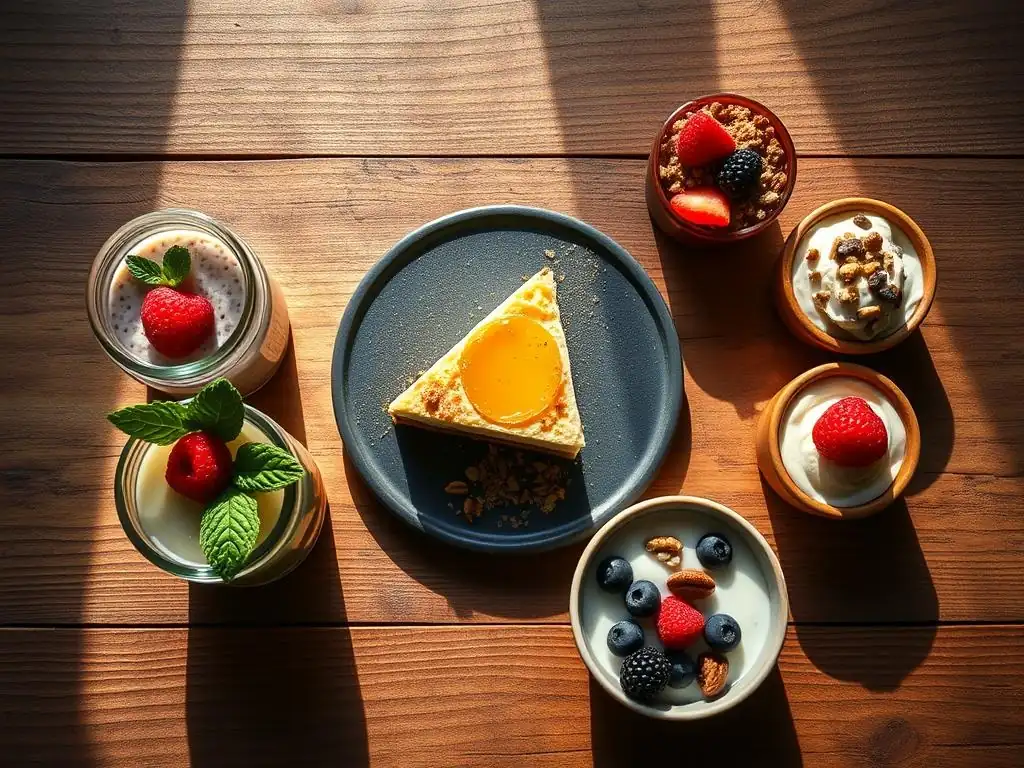
1. No-Bake Chocolate Peanut Butter Mousse: A Rich and Healthy Treat
This indulgent mousse offers the classic combination of chocolate and peanut butter without the sugar overload. It's a fantastic example of how rich and satisfying low sugar dessert recipes can be, requiring no oven time and minimal effort.
Ingredients for the Chocolate Peanut Butter Mousse
- 1 cup creamy peanut butter (natural, no added sugar)
- 1/2 cup unsweetened cocoa powder
- 1/4 cup low-sugar sweetener (like erythritol or monk fruit blend), adjusted to taste
- 1 teaspoon vanilla extract
- 1/4 teaspoon sea salt
- 1 1/2 cups unsweetened almond milk (or other milk of choice)
- Optional: Sugar-free chocolate chips or chopped nuts for topping
Step-by-Step Instructions for No-Bake Mousse
- [ ] In a medium bowl, whisk together the peanut butter, cocoa powder, low-sugar sweetener, vanilla extract, and salt until well combined. It will be thick.
- [ ] Gradually whisk in the almond milk, a little at a time, starting slowly to incorporate the thick mixture.
- [ ] Continue whisking until the mixture is smooth and has a mousse-like consistency. Ensure no lumps remain.
- [ ] Taste and adjust sweetness if needed. Remember, it's a low-sugar recipe!
- [ ] Pour the mousse into individual serving glasses or a larger dish.
- [ ] Cover and refrigerate for at least 2-3 hours, or until set.
- [ ] Before serving, optionally top with sugar-free chocolate chips or chopped nuts.
2. Raspberry Chia Seed Pudding: A Simple and Nutritious Dessert
Chia seed pudding is a powerhouse of nutrition and incredibly easy to prepare. It's a versatile base for many low sugar dessert recipes, allowing you to customize flavors with different fruits and extracts.
The Power of Chia Seeds in Low-Sugar Desserts
Chia seeds are tiny nutritional giants, packed with fiber, omega-3 fatty acids, and protein. When combined with liquid, they absorb up to 10-12 times their weight, forming a gel-like consistency that makes them perfect for puddings and thickeners in low sugar dessert recipes. Their high fiber content helps promote satiety and aids in digestive health, contributing to stable blood sugar levels – a key benefit when aiming for low sugar dessert recipes.
Just two tablespoons of chia seeds contain about 10 grams of fiber, a significant portion of the daily recommended intake. They also add a pleasant texture and neutral flavor that pairs well with fruits and natural sweeteners.
Using chia seeds allows you to create creamy, satisfying desserts without relying on traditional thickeners or large amounts of added sugar. Their natural gelling property means you don't need starches or gelatin. This simplicity makes them a staple ingredient in many quick and easy low sugar dessert recipes. Furthermore, they are a complete protein, offering all nine essential amino acids, making your dessert not just a treat but also a nutritious snack. Incorporating chia seeds is a simple way to boost the nutritional profile of your low sugar dessert recipes.
Raspberry Chia Seed Pudding Recipe: A Quick Guide
- [ ] In a jar or bowl, combine 1/4 cup chia seeds with 1 cup unsweetened almond milk (or milk of choice).
- [ ] Add 1 tablespoon low-sugar sweetener (like erythritol or maple syrup alternative) and 1/2 teaspoon vanilla extract.
- [ ] Stir well to combine, ensuring no clumps of seeds remain at the bottom.
- [ ] Let sit for 5-10 minutes, then stir again to prevent clumping as the seeds start to gel.
- [ ] Add 1/2 cup fresh or frozen raspberries (if frozen, they will thaw as the pudding sets). Stir gently.
- [ ] Cover and refrigerate for at least 2-3 hours, or preferably overnight, until thickened.
- [ ] Serve chilled, topped with extra raspberries or a sprinkle of nuts if desired. This is a perfect example of simple low sugar dessert recipes.
3. Baked Pears with Cinnamon and Walnuts: A Classic Low-Sugar Delight
Baked fruit is one of the simplest and most naturally sweet low sugar dessert recipes you can make. Pears, when baked, become incredibly tender and sweet, requiring very little, if any, added sugar.
Choosing the Best Pears for Baking
Not all pears are created equal when it comes to baking. Firmer varieties that hold their shape well under heat are ideal for baked low sugar dessert recipes. Bosc pears, with their russeted skin and dense flesh, are a top choice as they become buttery and tender without turning mushy.
Anjou pears are another excellent option; they are firm and sweet, maintaining their structure beautifully during baking. Avoid softer varieties like Bartlett pears, which are better suited for eating fresh or using in sauces, as they tend to break down too much when heated for prolonged periods. Selecting the right pear ensures your baked low sugar dessert recipes have the perfect texture.
When choosing pears at the grocery store for your low sugar dessert recipes, look for ones that are firm but yield slightly to gentle pressure near the stem. Avoid pears with bruises or soft spots. The ripeness level will affect the sweetness, so slightly underripe to ripe pears work best – they will sweeten further in the oven. Pears are also a good source of fiber and vitamins, adding nutritional value to your low sugar dessert recipes. A medium pear contains about 6 grams of fiber, contributing to digestive health.
Recipe: Baked Pears with Cinnamon and Walnuts
- [ ] Preheat oven to 375°F (190°C).
- [ ] Halve 2-3 firm pears (like Bosc or Anjou) lengthwise and use a spoon to scoop out the core.
- [ ] Place the pear halves cut-side up in a small baking dish.
- [ ] In a small bowl, mix together 1 tablespoon melted butter or coconut oil, 1 teaspoon cinnamon, and a pinch of nutmeg.
- [ ] Drizzle the butter mixture over the cut surfaces of the pears.
- [ ] Sprinkle 2-3 tablespoons chopped walnuts into the cored centers of the pears.
- [ ] Add about 1/4 cup water to the bottom of the baking dish to create steam.
- [ ] Bake for 25-40 minutes, or until the pears are tender when pierced with a fork, basting occasionally with the pan juices. Baking time will vary depending on the size and ripeness of the pears.
- [ ] Serve warm. This is one of the easiest and most naturally sweet low sugar dessert recipes.
Almond flour provides a tender texture perfect for cookies, and combined with a sugar substitute, it creates delicious low sugar dessert recipes that everyone will love. These cookies are simple, quick, and satisfy that cookie craving healthily.
Key Ingredients for Sugar-Free Almond Flour Cookies
The foundation of these low sugar dessert recipes is almond flour, which is simply ground almonds. It's lower in carbohydrates and higher in fat and fiber compared to wheat flour, resulting in a different texture – often more tender and slightly crumbly. You'll need blanched, finely ground almond flour for the best results, as it provides a smoother texture.
Granulated sugar substitutes like erythritol, xylitol (use with caution around pets), or a monk fruit blend are essential for sweetness without added sugar. About 1/2 cup of a standard sweetener blend is typically sufficient for a batch, but this can be adjusted.
Other key ingredients include a binder like an egg (or a flax egg for a vegan version), a fat source such as softened butter or coconut oil (around 1/4 cup), vanilla extract for flavor (1 teaspoon), and a leavening agent like baking powder (1/2 teaspoon) to give them a slight lift. Optional additions like sugar-free chocolate chips (1/4 cup) or chopped nuts can enhance the flavor and texture. Using these specific ingredients helps ensure these low sugar dessert recipes turn out perfectly, offering a satisfying sweetness and delightful texture.
Baking Instructions for Perfect Almond Flour Cookies
- [ ] Preheat your oven to 350°F (175°C). Line a baking sheet with parchment paper.
- [ ] In a medium bowl, cream together 1/4 cup softened butter (or coconut oil) and 1/2 cup granulated sugar substitute until light and fluffy.
- [ ] Beat in 1 large egg (or flax egg) and 1 teaspoon vanilla extract until well combined.
- [ ] In a separate small bowl, whisk together 1 1/2 cups finely ground almond flour, 1/2 teaspoon baking powder, and a pinch of salt.
- [ ] Gradually add the dry ingredients to the wet ingredients, mixing until just combined. Do not overmix.
- [ ] If using, stir in 1/4 cup sugar-free chocolate chips or chopped nuts.
- [ ] Drop rounded tablespoons of dough onto the prepared baking sheet, spacing them about 2 inches apart. The dough will be soft.
- [ ] Flatten the cookies slightly with the back of a spoon or your fingers.
- [ ] Bake for 10-14 minutes, or until the edges are lightly golden. Watch them carefully as they can brown quickly.
- [ ] Let the cookies cool on the baking sheet for 5-10 minutes before transferring them to a wire rack to cool completely. These simple steps result in delightful low sugar dessert recipes.
5. Greek Yogurt Parfait with Berries and Nuts: A Customizable Dessert
Parfaits are inherently simple and healthy, making them perfect low sugar dessert recipes. Using Greek yogurt provides protein and creaminess, while berries offer natural sweetness and antioxidants.
Selecting Your Favorite Berries and Nuts
The beauty of a yogurt parfait as a low sugar dessert recipe lies in its customization. For berries, any variety works wonderfully. Fresh or frozen (and thawed) strawberries, blueberries, raspberries, and blackberries are all excellent choices, providing natural sweetness and vibrant color. A standard serving might include 1/2 cup of mixed berries, offering a good dose of Vitamin C and fiber. Blueberries, for instance, contain about 85 calories and 15 grams of carbs per cup, with most of the sweetness coming from natural sugars. Raspberries are particularly low in sugar and high in fiber.
For crunch and healthy fats, nuts are a great addition. Chopped walnuts, almonds, pecans, or pistachios add texture and flavor. About 1-2 tablespoons of nuts per parfait adds around 100-150 calories and provides healthy fats and protein. Toasted nuts offer an enhanced flavor. Seeds like chia seeds or pumpkin seeds can also be used for added nutrients and crunch. Combining your favorite berries and nuts allows you to create countless variations of this simple and satisfying low sugar dessert recipe.
Assembling the Perfect Yogurt Parfait
- [ ] Gather your ingredients: Greek yogurt (plain, unsweetened is best for low sugar dessert recipes), your chosen berries, nuts, and optionally a drizzle of sugar-free syrup or a sprinkle of low-sugar granola.
- [ ] In a clear glass or bowl, start with a layer of Greek yogurt (about 1/2 cup).
- [ ] Add a layer of mixed berries (about 1/4 cup).
- [ ] Sprinkle a small amount of nuts or seeds (about 1 tablespoon).
- [ ] Repeat the layers: another layer of yogurt, followed by more berries and nuts.
- [ ] Continue layering until your glass is full, usually 2-3 layers of each.
- [ ] Finish with a final topping of berries, nuts, or a light drizzle of sugar-free syrup if desired.
- [ ] Serve immediately to enjoy the textures, or refrigerate for about 30 minutes to let the flavors meld. This layering technique makes for visually appealing and delicious low sugar dessert recipes.
Tips & Tricks for Successful Low-Sugar Baking
Understanding Sugar Substitutes: Stevia, Erythritol, Monk Fruit
Navigating the world of sugar substitutes is crucial for mastering low sugar dessert recipes. Stevia, derived from the Stevia rebaudiana plant, is significantly sweeter than sugar (up to 200-400 times) and contains zero calories. It's often used in very small amounts and can sometimes have a slight aftertaste, which is why it's frequently blended with other sweeteners.
Erythritol is a sugar alcohol found naturally in some fruits. It has about 70% of the sweetness of sugar but only about 0.2 calories per gram (compared to sugar's 4 calories per gram). Erythritol is often used in larger quantities and can provide some bulk in baking, though it doesn't brown like sugar and can have a cooling sensation in the mouth.
Monk fruit sweetener, extracted from the monk fruit, is also much sweeter than sugar (150-200 times) and calorie-free. Like stevia, it's often blended with other sweeteners, particularly erythritol, to reduce its intense sweetness and mitigate any potential aftertaste. These blends are often formulated to measure cup-for-cup like sugar, making them easier to use in low sugar dessert recipes.
When using substitutes, it's important to check the product packaging for the sweetness ratio compared to sugar and any notes on how it behaves in baking. Experimentation is key to finding the substitute or blend you prefer in your low sugar dessert recipes.
Adjusting Recipes for Reduced Sugar Content
Simply reducing the amount of sugar in a standard recipe isn't always straightforward when creating low sugar dessert recipes. Sugar does more than sweeten; it affects moisture, tenderness, browning, and structure. When you decrease sugar, you might need to increase liquids slightly to compensate for the moisture sugar would have provided.
For example, in cakes or muffins, you might add an extra tablespoon or two of milk or yogurt per cup of sugar removed. Fats also play a role in tenderness, so sometimes a slight increase in butter or oil can help compensate for the tenderness lost by reducing sugar.
Furthermore, sugar contributes to the golden-brown color of baked goods through caramelization. Sugar substitutes generally do not caramelize. This means your low sugar dessert recipes might bake faster or remain paler than their full-sugar counterparts.
You might need to reduce baking time slightly or bake at a slightly lower temperature to prevent drying out. Using natural sweeteners like fruit purees can help with moisture and some browning, but they also add natural sugars and impact flavor. Adjusting traditional recipes to low sugar dessert recipes often requires a bit of trial and error to get the texture and appearance right alongside the desired sweetness level.
Baking with Natural Sweeteners: Using Fruit Purees and Extracts
Incorporating natural sweeteners like fruit purees and extracts is an excellent way to add flavor and sweetness to low sugar dessert recipes while reducing or eliminating added sugars. Unsweetened applesauce, mashed bananas, pumpkin puree, or date paste can replace some or all of the sugar in muffins, cakes, and quick breads.
For instance, replacing one cup of sugar with one cup of applesauce can add moisture and sweetness, though you might need to reduce other liquids in the recipe by about 1/4 cup. These purees contribute natural sugars, so while they are less processed than white sugar, the total sugar content of the dessert will still be present, just from a different source.
Extracts like vanilla, almond, lemon, or peppermint are powerful flavor enhancers that can trick your palate into perceiving more sweetness than is actually present. Using a generous amount of vanilla extract (perhaps 1.5 to 2 times the amount in a traditional recipe) can significantly boost the perceived sweetness in low sugar dessert recipes without adding any sugar.
Spices like cinnamon, nutmeg, ginger, and cardamom also add depth and warmth, complementing the sweetness from fruits or minimal added sweeteners. Combining fruit purees for bulk and moisture with extracts and spices for flavor is a sophisticated approach to developing delicious low sugar dessert recipes.
Adapting These Recipes for Dietary Needs
Gluten-Free Adaptations for Low-Sugar Desserts
Making low sugar dessert recipes gluten-free is often simpler than adapting recipes that rely heavily on wheat flour for structure. Many low-sugar recipes already use alternative flours like almond flour, coconut flour, or oat flour (ensure certified gluten-free). For the recipes listed, the No-Bake Mousse, Chia Seed Pudding, Baked Pears, and Yogurt Parfait are naturally gluten-free. The Almond Flour Cookies are also gluten-free as written.
If adapting other low sugar dessert recipes that call for wheat flour, you can typically substitute with a gluten-free all-purpose blend (ensure it's suitable for baking and contains a binder like xanthan gum) or use flours like almond flour or coconut flour, keeping in mind they absorb liquids differently. For example, coconut flour is highly absorbent, so you'll need much less of it than wheat or almond flour and likely more liquid and eggs. A good starting point is to use a reliable gluten-free flour blend that measures cup-for-cup in your low sugar dessert recipes.
Dairy-Free Variations for Health-Conscious Bakers
Creating dairy-free low sugar dessert recipes involves swapping dairy ingredients for non-dairy alternatives. In the recipes provided: the No-Bake Mousse and Chia Pudding already use almond milk (or other milk of choice), making them easily dairy-free. For the Baked Pears, butter can be replaced with coconut oil or a dairy-free butter alternative.
For the Almond Flour Cookies, butter can be substituted with softened coconut oil or a dairy-free butter stick alternative (ensure it's suitable for baking). Greek yogurt in the parfait can be replaced with plain, unsweetened dairy-free yogurt alternatives like coconut yogurt, almond yogurt, or soy yogurt. When choosing dairy-free alternatives for your low sugar dessert recipes, opt for unsweetened versions to keep the sugar content low and control sweetness with your preferred low-sugar sweetener.
Vegan Options for Delicious Low-Sugar Treats
To make these low sugar dessert recipes vegan, you need to eliminate all animal products, including dairy and eggs. The No-Bake Mousse and Chia Seed Pudding are easily made vegan by ensuring the milk is plant-based and the peanut butter is vegan. The Baked Pears can be made vegan by using coconut oil or vegan butter instead of dairy butter.
The Almond Flour Cookies require substituting the egg. A flax egg (1 tablespoon ground flaxseed mixed with 3 tablespoons water, let sit for 5 minutes) or a commercial egg replacer can work. Ensure the sugar substitute and any chocolate chips used are vegan. For the Greek Yogurt Parfait, use a plain, unsweetened vegan yogurt alternative. Adapting low sugar dessert recipes to be vegan often involves simple swaps of common ingredients, making them accessible to a wider audience.
Enjoying Your Low-Sugar Creations: Serving Suggestions and Storage
Creative Plating Ideas for Low-Sugar Desserts
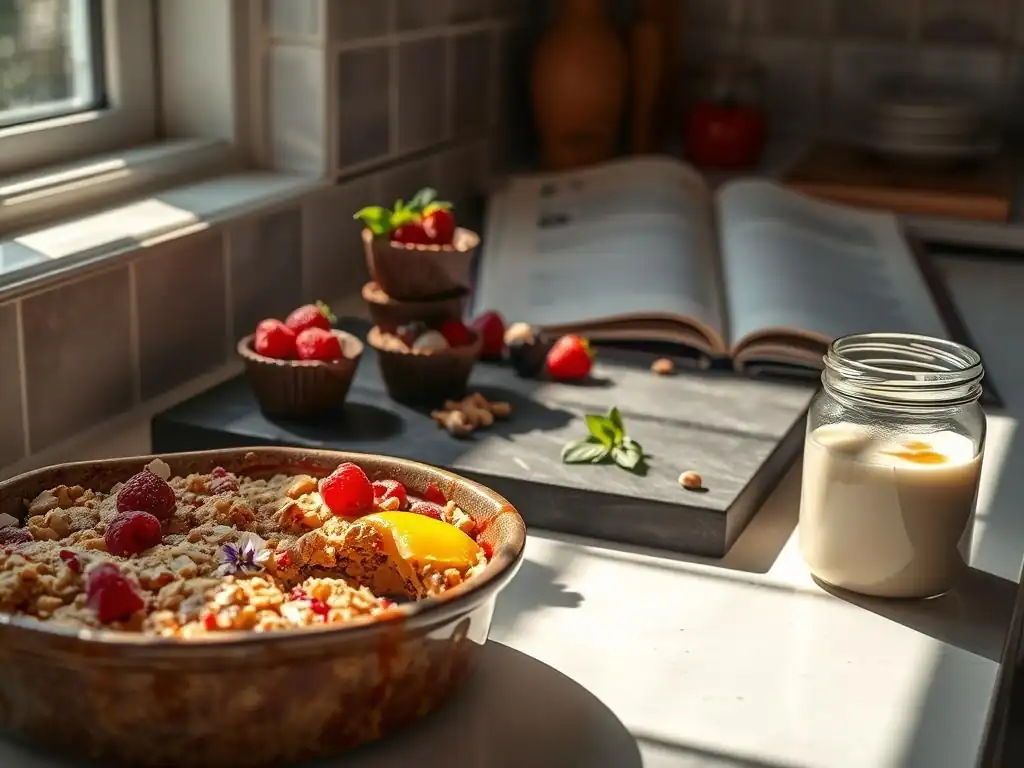
Even simple low sugar dessert recipes can look stunning with a little attention to presentation. For the No-Bake Mousse or Chia Seed Pudding, serving them in clear glasses or jars showcases the layers or smooth texture. Garnish with a sprig of fresh mint, a few extra berries, a sprinkle of chopped nuts, or a dusting of unsweetened cocoa powder through a stencil. A dollop of sugar-free whipped cream or coconut cream can add elegance.
Baked Pears look beautiful served warm in a shallow bowl, perhaps drizzled with a little sugar-free caramel sauce or topped with a scoop of dairy-free vanilla ice cream. Arrange the pear halves cut-side up to display the walnut filling. Almond Flour Cookies can be stacked neatly on a plate or arranged around a small bowl of berries. For the Greek Yogurt Parfait, the layered appearance in a tall glass is key; ensure distinct layers for visual appeal and top generously with colorful fruits and crunchy elements. Creative plating elevates the experience of enjoying your delicious low sugar dessert recipes.
Properly Storing Your Baked Goods for Freshness
Proper storage is essential to maintain the quality and freshness of your low sugar dessert recipes. The No-Bake Mousse and Chia Seed Pudding should be stored in airtight containers in the refrigerator and are best consumed within 3-4 days. Baked Pears can be stored in an airtight container in the refrigerator for 3-4 days and are delicious reheated gently in the oven or microwave.
Sugar-Free Almond Flour Cookies should be stored in an airtight container at room temperature for up to 5-7 days, or in the refrigerator for longer freshness, especially in warmer climates. Ensure they are completely cooled before storing to prevent sogginess. Greek Yogurt Parfaits are best assembled just before serving to maintain the texture of the layers, but the components (yogurt, prepared fruit, nuts) can be stored separately in the refrigerator for up to 3-4 days. Storing your low sugar dessert recipes correctly helps ensure you can enjoy them at their best.
Conclusion: Embrace the Sweetness of Low-Sugar Baking
Continue Your Low-Sugar Baking Journey with More Recipes and Tips
Exploring low sugar dessert recipes opens up a world of delicious possibilities that are kind to your body without sacrificing flavor. As you become more comfortable experimenting with sugar substitutes and natural sweeteners, you'll discover how easy and rewarding it is to create healthier versions of your favorite treats. The five recipes shared here are just a starting point; they demonstrate the versatility and simplicity inherent in many low sugar dessert recipes. From no-bake wonders to comforting baked fruits and simple cookies, there is a low-sugar option for every craving and occasion.
Don't stop here! The journey of mastering low sugar dessert recipes is ongoing. Look for more recipes that feature whole ingredients, natural sweetness from fruits, and innovative uses of alternative sweeteners. Pay attention to how different substitutes affect texture and adjust techniques as needed. With practice and patience, you'll build a repertoire of go-to low sugar dessert recipes that you can enjoy regularly, confidently sharing them with friends and family who may also be seeking healthier sweet options. Embrace the creativity and health benefits that low-sugar baking offers!
Frequently Asked Questions
How can I find low-sugar dessert recipes on BakeWithEase.com?
You can find low-sugar dessert recipes by using the search bar on the website and typing in "low-sugar" or by browsing the dessert category and filtering by "sugar content". Also, look for recipes specifically tagged as "low-sugar".
Are the low-sugar dessert recipes on BakeWithEase.com suitable for beginners?
Yes, BakeWithEase.com offers recipes for all skill levels. Look for recipes marked as "beginner-friendly" or "easy" which often include simplified instructions and readily available ingredients for low-sugar desserts.
What kind of sugar substitutes are typically used in BakeWithEase.com's low-sugar dessert recipes?
BakeWithEase.com may use various sugar substitutes, such as stevia, erythritol, monk fruit, or agave nectar, depending on the recipe and desired sweetness level. Always check the ingredient list for specific sugar substitutes used.
Can I adapt regular dessert recipes to be low-sugar using BakeWithEase.com's tips?
Absolutely! BakeWithEase.com provides tips and tricks for reducing sugar in your baking. You can learn about sugar substitution ratios, adjusting baking times, and using naturally sweet ingredients to create your own low-sugar versions of favorite desserts.
Do the low-sugar dessert recipes on BakeWithEase.com sacrifice taste or texture?
No, the recipes are designed to be delicious and satisfying while still being low in sugar. BakeWithEase.com focuses on using techniques and ingredients that enhance flavor and maintain desirable texture, even with reduced sugar content in their low-sugar desserts.
Final Reflection: The Sweetness of Moderation
The pursuit of healthier, delicious desserts is no longer a niche interest; it's a mainstream movement. More and more people are recognizing the importance of mindful sugar consumption, and the demand for satisfying low-sugar alternatives is exploding. This reflects a growing awareness of the impact of sugar on our overall health and well-being.
This shift towards mindful indulgence has profoundly impacted the culinary landscape. We're seeing a surge in creative recipes that prioritize natural sweetness from fruits and spices, proving that deliciousness doesn't have to come at the cost of our health. This journey of exploring low-sugar baking has been personally rewarding, challenging my assumptions about what constitutes a "treat" and opening up a world of exciting flavor combinations. The best things in life are the simple things.
This rings true for baking, too; sometimes, the most satisfying desserts are the ones with the fewest, most carefully chosen ingredients.
Now, it's your turn. Don't be afraid to experiment with these recipes, to adapt them to your own tastes, and to discover the joy of creating delicious, healthy desserts for yourself and your loved ones. Embrace the sweetness of moderation, and unlock a world of culinary possibilities that are both satisfying and supportive of your well-being. The journey to a healthier, happier relationship with dessert starts with a single, delicious bite.
Unlock Your Inner Pastry Chef: Deliciously Low-Sugar Treats Await!
Thanks for joining us on this sweet journey into the world of low-sugar baking! We hope you discovered some delightful and surprisingly easy recipes to satisfy your cravings without the sugar crash. Now it's time to get baking!
- Try your hand at one of the featured recipes today! Which one will you conquer first? (We recommend the Raspberry Lemon Bars – they're a crowd-pleaser!)
- Share your baking triumphs (or hilarious fails!) with our community on social media using #BakeWithEaseLowSugar. Let’s inspire each other!
- Explore more low-sugar recipes on our website for even more delicious inspiration.
What low-sugar masterpiece will you create next? Let us know in the comments!