
How to Accurately Measure Sugar Substitutes for Baking Success

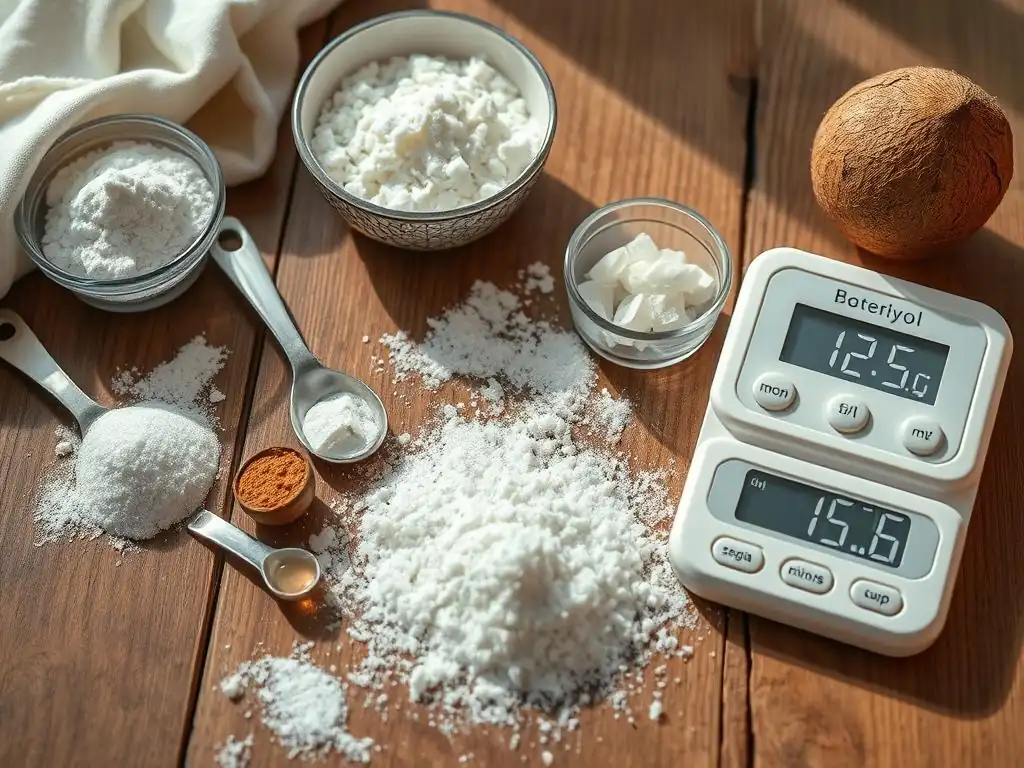
Welcome to BakeWithEase, your guide to effortless baking! Are you ready to unlock the secrets to healthier baking without sacrificing flavor? Many bakers stumble when swapping sugar, but our comprehensive Sugar Substitute Measurement Guide provides the precise ratios and techniques you need to achieve perfect results every time. Discover how to navigate the world of sugar alternatives and bake delicious treats that align with your dietary needs – let's get started!
- BakeWise's Guide to Sugar Substitute Measurement in Baking
- Understanding Different Types of Sugar Substitutes for Baking
- The Importance of Accurate Sugar Substitute Measurement
- Sugar Substitute Conversion Chart for Baking
- Tools for Accurate Sugar Substitute Measurement
- Mastering the Technique: Measuring Sugar Substitutes Like a Pro
- Adjusting Baking Times and Temperatures with Sugar Substitutes
- Troubleshooting Common Sugar Substitute Baking Problems
- Recipes That Shine with Accurate Sugar Substitute Measurements
- Tips for Successful Low-Sugar Baking with Sugar Substitutes
-
Frequently Asked Questions
- How does the volume of a sugar substitute compare to regular sugar in baking?
- Why is it important to accurately measure sugar substitutes in recipes?
- What are some common mistakes people make when using sugar substitutes in baking?
- Where can I find reliable sugar substitute measurement guidelines for different sweeteners?
- How do sugar substitutes affect the texture and browning of baked goods?
- Final Reflection: Sweet Success Through Precise Measurement
- Unlock Perfectly Sweet Treats: Master Sugar Substitute Baking!
BakeWise's Guide to Sugar Substitute Measurement in Baking
Welcome to BakeWithEase! Mastering baking with sugar substitutes can feel like navigating a new frontier, especially when it comes to getting your measurements just right. Unlike traditional granulated sugar, which has a consistent density and behavior, sugar alternatives vary widely in sweetness intensity, particle size, and how they interact with other ingredients. This variation is why a reliable sugar substitute measurement guide is absolutely essential for achieving delicious, predictable results in your low-sugar baking adventures.
Accurate measurement is the cornerstone of successful baking, and this holds doubly true when using sugar substitutes. Whether you're aiming for soft cookies, moist cakes, or perfectly risen breads, understanding the nuances of measuring these unique ingredients is key. This comprehensive guide will walk you through the specifics of common sugar substitutes, highlight the importance of precision, provide conversion insights, and share practical tips and tools to ensure your low-sugar baked goods are always a triumph. Let's unlock the secrets to precise sugar substitute measurement for baking success!
Understanding Different Types of Sugar Substitutes for Baking
Navigating the world of sugar substitutes means getting acquainted with their individual characteristics. Each type offers a different level of sweetness, texture, and baking performance, making a specific sugar substitute measurement guide crucial for each. Understanding these differences is the first step in choosing the right one for your recipe and ensuring you measure it correctly for optimal results.
From bulk sweeteners like erythritol to highly concentrated options like stevia and monk fruit, the way you measure each substitute will significantly impact your final product. Some substitute cup-for-cup with sugar, while others require mere pinches or drops. Let's dive into the specifics of some popular choices and how to approach their measurement for baking.
Erythritol: Measurement Tips
Erythritol is a sugar alcohol that is about 70% as sweet as table sugar. It's popular in baking because it provides bulk similar to sugar and doesn't cause a significant glycemic response. However, its particle size can vary (from fine granules to larger crystals), and it has a cooling sensation in the mouth, which can be noticeable if used in very large quantities. When using erythritol, accurate measurement is key to managing its sweetness level and potential cooling effect.
For most recipes, erythritol can often be used as a cup-for-cup replacement for sugar by volume. However, because it's slightly less sweet, you might need to adjust slightly based on your preference. A standard cup of granulated sugar weighs approximately 200 grams, while a cup of granular erythritol typically weighs closer to 120-140 grams. While volume measurement (using cups and spoons) is common, weighing erythritol with a kitchen scale provides the most accurate sugar substitute measurement guide, ensuring consistency between batches and recipes.
Stevia: A Baker's Guide
Stevia, derived from the leaves of the Stevia rebaudiana plant, is significantly sweeter than sugar – often cited as 200-400 times sweeter, depending on the form (powdered extract, liquid drops). This extreme sweetness means you use only a tiny amount, which presents unique measurement challenges. Using too much stevia can result in an overpowering sweetness or a bitter aftertaste.
Because stevia is so potent and provides no bulk, it cannot simply replace sugar cup-for-cup. Recipes specifically developed for stevia will provide precise measurements, often in teaspoons or even fractions of a teaspoon for powdered extract, or drops for liquid forms.
When adapting a recipe, a common rule of thumb is that 1 teaspoon of liquid stevia extract is roughly equivalent to 1 cup of sugar in sweetness, though this can vary by brand. Always start with the recommended amount in a recipe or use a reliable sugar substitute measurement guide specific to stevia, and taste and adjust carefully if possible (e.g., in frostings or uncooked fillings).
Monk Fruit Sweetener: Achieving the Right Consistency
Monk fruit sweetener, extracted from the monk fruit, is another highly concentrated natural sweetener, typically 150-200 times sweeter than sugar. Like stevia, it adds sweetness without bulk or calories, making accurate measurement critical to avoid over-sweetening or an off-flavor. Monk fruit is often blended with other sweeteners like erythritol to provide bulk and reduce its intense sweetness, making it easier to measure and use in baking.
When using pure monk fruit extract, measurements will be tiny, similar to stevia. However, many commercially available monk fruit sweeteners are blends, often marketed as a 1:1 sugar replacement by volume. These blends usually contain erythritol or another bulking agent.
For these blends, you can often use a cup-for-cup sugar substitute measurement guide, but it's crucial to check the product packaging for specific instructions, as the ratio of monk fruit to bulking agent can vary, affecting the overall sweetness and how it functions in a recipe. Pay attention to the texture; some blends are finer than granulated sugar, which can slightly affect how they pack into measuring cups.
The Importance of Accurate Sugar Substitute Measurement
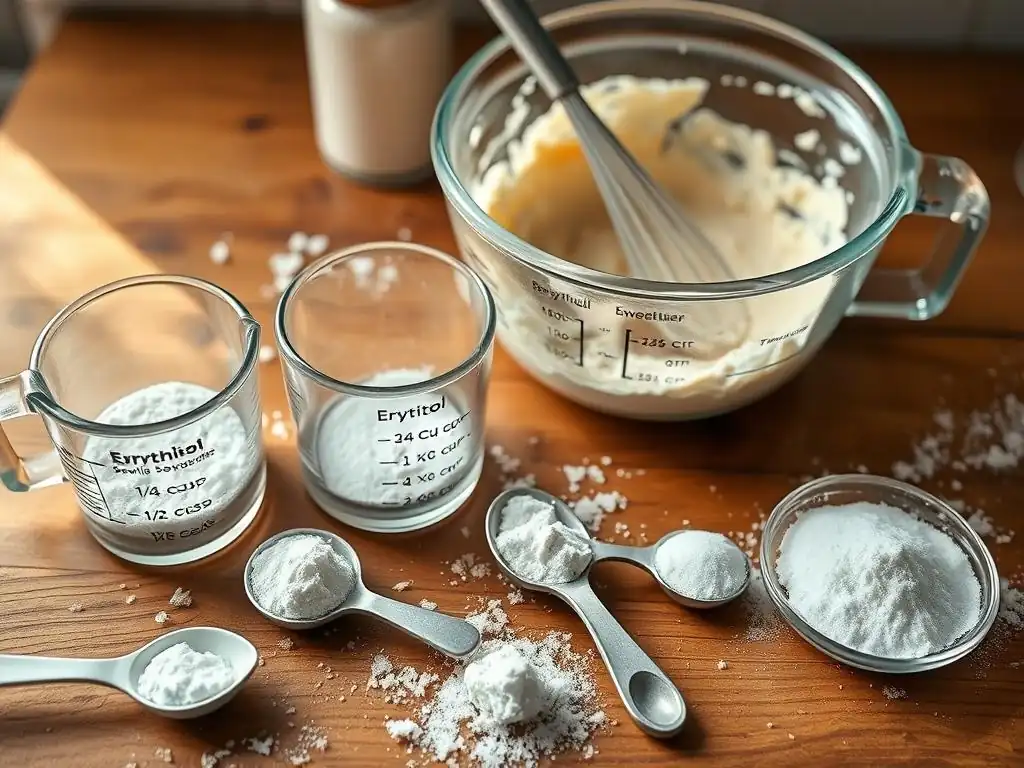
In baking, precision is paramount. Unlike cooking, where you can often adjust seasonings and ingredients on the fly, baking relies on chemical reactions and precise ratios to achieve the desired texture, rise, and flavor. This is magnified when working with sugar substitutes, as they behave differently from sugar and from each other. An accurate sugar substitute measurement guide isn't just helpful; it's often the difference between a baking triumph and a disappointing fail.
Getting the measurement wrong with sugar substitutes can lead to a host of problems, from a lack of sweetness or an overwhelming artificial taste to issues with the structure and appearance of your baked goods. Since many substitutes don't provide the same bulk, moisture retention, or browning properties as sugar, even small errors in measurement can throw off the delicate balance of a recipe.
Avoiding Common Baking Fails with Precise Measurements
One of the most common issues when using sugar substitutes is achieving the correct sweetness level without introducing off-flavors. Using too much of a highly concentrated sweetener like stevia or monk fruit can result in a bitter, metallic, or overly artificial taste that is difficult to mask. Conversely, using too little of a bulk sweetener like erythritol will leave your baked goods bland and lacking the expected sweetness. Following a precise sugar substitute measurement guide helps you hit that sweet spot consistently.
Beyond sweetness, inaccurate measurement can ruin the structure of your baked goods. Sugar contributes to tenderness, moisture, and browning. Bulk substitutes like erythritol can help replicate some of these functions, but if measured incorrectly (e.g., under-weighed), the batter might lack structure, leading to flat cookies or dense cakes. Liquid sweeteners, if used in excess, can add too much moisture, resulting in a gummy texture. Precise measurement ensures you're adding the right amount of sweetener and potentially the necessary bulk or liquid to maintain recipe integrity.
How Incorrect Measurement Impacts Texture and Taste
The texture of baked goods is heavily influenced by the type and amount of sweetener used. Sugar helps create tenderness by interfering with gluten development and protein coagulation. It also aids in moisture retention, keeping cakes and muffins soft over time. Sugar substitutes often don't perform these functions as effectively. For instance, erythritol can sometimes crystallize upon cooling if used in high concentrations, leading to a gritty texture. Using a reliable sugar substitute measurement guide helps minimize this risk.
Taste is, of course, directly impacted by sweetness levels, but also by the inherent flavor profiles of the substitutes themselves. Some substitutes have distinct aftertastes (like the cooling effect of erythritol or potential bitterness of stevia). Using the correct measurement minimizes these less desirable flavors. For example, a recipe calling for 1/2 cup of erythritol might yield a pleasant sweetness with minimal cooling, but accidentally adding a full cup could make the cooling sensation overwhelming. Adhering to accurate measurements is crucial for balancing sweetness with the substitute's natural characteristics.
Sugar Substitute Conversion Chart for Baking
Converting traditional sugar measurements to sugar substitute measurements can be tricky due to the wide variation in sweetness intensity and density. While a universal sugar substitute measurement guide doesn't exist for all scenarios, understanding common conversion ratios for specific substitutes is incredibly helpful. Always check the packaging of your chosen sugar substitute, as manufacturers often provide their recommended conversion ratios based on their specific product formulation.
Keep in mind that these conversions are primarily based on achieving equivalent sweetness. They often don't account for the bulk, moisture, or browning properties that sugar provides. For best results, use recipes specifically developed for sugar substitutes or be prepared to experiment and adjust based on your findings and a reliable sugar substitute measurement guide.
Converting Sugar to Erythritol: A Practical Table
Erythritol is often used as a cup-for-cup replacement for granulated sugar by volume, but remember it's less sweet (about 70%) and less dense. Here's a general guide, but weighing is always more accurate for your sugar substitute measurement guide:
| Granulated Sugar (Volume) | Granulated Sugar (Weight) | Granular Erythritol (Volume Approx.) | Granular Erythritol (Weight Approx.) | Notes |
|---|---|---|---|---|
| 1 teaspoon | ~4g | 1 teaspoon | ~3g | Use for small amounts |
| 1 tablespoon | ~12g | 1 tablespoon | ~9g | Common in cookies |
| 1/4 cup | ~50g | 1/4 cup | ~30-35g | For smaller recipes |
| 1/2 cup | ~100g | 1/2 cup | ~60-70g | Standard cake/muffin amounts |
| 1 cup | ~200g | 1 cup | ~120-140g | For larger batches, weighing recommended |
Note: Weights are approximate and can vary by brand and particle size. For critical applications, weighing is the most accurate sugar substitute measurement guide.
Stevia Conversion Ratios for Recipes
Stevia is highly concentrated, so conversions are usually in much smaller units. These ratios are approximate for pure stevia extract; blends will have different ratios. Always refer to the product label for the most accurate sugar substitute measurement guide.
| Granulated Sugar (Sweetness Equivalent) | Pure Stevia Extract (Powder) Approx. | Pure Stevia Extract (Liquid) Approx. | Notes |
|---|---|---|---|
| 1 teaspoon | Pinch to 1/64 teaspoon | 1-2 drops | For sweetening drinks or small servings |
| 1 tablespoon | 1/32 - 1/16 teaspoon | 2-4 drops | Small recipe adjustments |
| 1/4 cup | 1/16 - 1/8 teaspoon | 5-8 drops | Careful measurement needed |
| 1/2 cup | 1/8 - 1/4 teaspoon | 10-15 drops | Use specialized tiny spoons |
| 1 cup | 1/4 - 1/2 teaspoon | 15-25 drops | Requires extreme precision and tiny scoops |
Note: Sweetness varies greatly by brand and form. This table is a general guideline. Always start with less and add more if needed, using a precise sugar substitute measurement guide from the product manufacturer.
Using Monk Fruit Sweetener: Conversion Tips and Tricks
Like stevia, monk fruit extract is very potent. However, it's most commonly sold in blends with erythritol or other fillers, designed for 1:1 volume replacement with sugar. If you have a 1:1 blend, you can often use the same volume as sugar, but confirm with the packaging.
For pure monk fruit extract, the ratios are similar to pure stevia extract, requiring very small measurements. Using specialized tiny measuring spoons is essential for accuracy. If using a blend marketed as 1:1, treat it like sugar for volume measurement, using the level-and-sweep method. However, for critical baking where consistency is paramount, weighing the blend according to the manufacturer's recommendations (if provided) offers the most reliable sugar substitute measurement guide. Remember that even 1:1 blends might not perform identically to sugar in terms of browning or moisture retention.
Tools for Accurate Sugar Substitute Measurement
Having the right tools is fundamental to accurate baking, and this is particularly true when dealing with the varied textures and concentrations of sugar substitutes. Standard measuring cups and spoons are a good starting point, but understanding their limitations and incorporating more precise tools like a kitchen scale will significantly improve your results when following a sugar substitute measurement guide.
Investing in quality measuring tools designed for both volume and weight is a smart move for anyone serious about low-sugar baking. These tools help eliminate guesswork and ensure you're adding the exact amount of sweetener the recipe intends, contributing directly to the success of your final product.
The Best Measuring Cups and Spoons for Sugar-Free Baking
For volume measurement, a good set of dry measuring cups (with flat rims for leveling) and liquid measuring cups (with spouts and measurement lines) is essential. Dry measuring cups are used for granular substitutes like erythritol or 1:1 monk fruit blends.
Ensure you have a complete set covering common sizes like 1/4 cup, 1/3 cup, 1/2 cup, and 1 cup. For smaller amounts of potent sweeteners like pure stevia or monk fruit extract, a set of tiny measuring spoons (sometimes called "dash," "pinch," "smidgen," and "drop" spoons) is invaluable, as standard measuring spoons might be too large for the minuscule quantities required.
When measuring dry, granular substitutes, use the "scoop and level" method: scoop the substitute into the measuring cup until it overflows slightly, then use a straight edge (like a knife or spatula) to sweep off the excess, ensuring the substitute is level with the rim. For liquid stevia or monk fruit drops, use spoons designed for liquids or count drops carefully over a separate container before adding to your mix to avoid accidentally adding too many directly into your batter. This attention to detail is part of a robust sugar substitute measurement guide.
Utilizing a Kitchen Scale for Precise Sugar Substitute Quantities
While volume measurements are convenient, weighing your ingredients on a kitchen scale is the gold standard for accuracy, especially with sugar substitutes. The density of granular substitutes like erythritol can vary, meaning a cup might contain a different weight depending on the brand or how it's packed. A digital kitchen scale eliminates this variability, providing the most precise sugar substitute measurement guide. Many baking recipes, particularly those from professional sources, provide ingredient weights in grams, which is ideal for use with a scale.
To use a kitchen scale for sugar substitute measurement, place your mixing bowl or container on the scale and tare it (reset the weight to zero). Then, add the sugar substitute directly to the bowl until the scale displays the desired weight in grams or ounces. This method is faster, cleaner, and significantly more accurate than using measuring cups, ensuring you get the exact amount every time, which is critical for consistent low-sugar baking results.
Escali Primo Digital Kitchen Scale and Pyrex Glass Measuring Cups
Specific tools can make a difference. The Escali Primo Digital Kitchen Scale is a popular choice among bakers for its accuracy, ease of use, and ability to weigh in both grams and ounces up to a reasonable capacity (often 11 lbs or 5 kg). Its tare function is simple, and the display is easy to read. Using a reliable digital scale like the Escali Primo provides the most accurate sugar substitute measurement guide for weight-based recipes.
For liquid measurements or when using volume for granular substitutes, Pyrex Glass Measuring Cups are a staple. They come in various sizes (like 1-cup, 2-cup, and 4-cup), have clear markings, and are durable. The spout makes pouring liquids easy, and the handle provides a secure grip. While primarily for liquids, the larger sizes can also be used to hold dry ingredients while weighing them on a scale. Combining a quality digital scale like the Escali Primo with reliable volume measures like Pyrex cups gives you a comprehensive toolkit for accurate sugar substitute measurement in any baking scenario.
Mastering the Technique: Measuring Sugar Substitutes Like a Pro
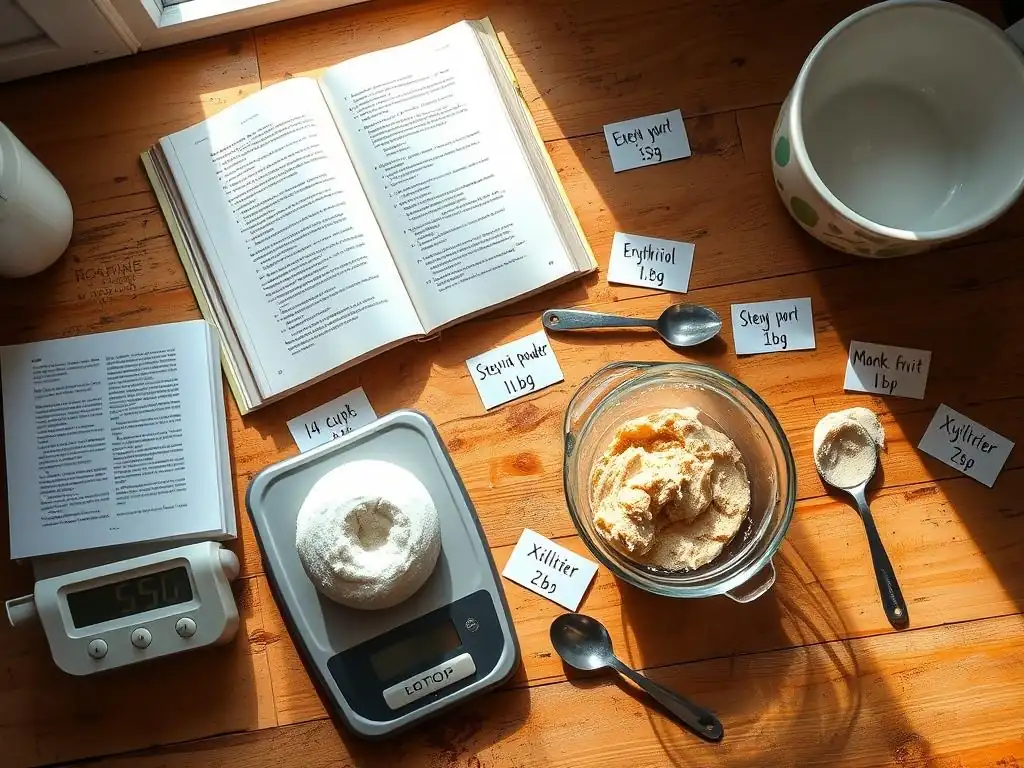
Knowing which tools to use is only half the battle; mastering the technique of measurement is equally important for accurate sugar substitute measurement. Different types of sugar substitutes require slightly different approaches to ensure you're getting the right amount into your mixing bowl. Consistency in technique is just as vital as using the correct measurement on your scale or in your cup.
Whether dealing with fine powders, granular crystals, or concentrated liquids, a specific technique will yield the most consistent results. Let's look at the best practices for measuring common forms of sugar substitutes to enhance your sugar substitute measurement guide skills.
How to Properly Pack and Level Erythritol
When measuring granular erythritol (or 1:1 sugar substitute blends) by volume using dry measuring cups, the standard "scoop and level" method is appropriate. Do not pack granular erythritol into the cup the way you might brown sugar; this will result in too much product and an overly sweet or cooling flavor in your baked goods.
To properly measure granular erythritol by volume: Gently spoon the erythritol into the measuring cup, allowing it to fill naturally without pressing down. Once the cup is overflowing, use a straight-edged utensil (like the back of a knife or a bench scraper) to sweep across the top of the cup, leveling the erythritol even with the rim. This technique ensures you're getting a consistent volume each time, which is a key part of an effective sugar substitute measurement guide for granular products.
Measuring Liquid Stevia Accurately: Avoiding Spillage and Waste
Liquid stevia extract is highly concentrated, and recipes typically call for just a few drops or a fraction of a teaspoon. Accurate measurement is paramount to avoid over-sweetening. If your recipe calls for drops, carefully count them directly from the dropper provided with the product.
If the recipe calls for a fraction of a teaspoon (like 1/4 teaspoon or less), use your set of tiny measuring spoons. To measure liquid precisely, fill the appropriate tiny spoon just to the brim without it overflowing.
For maximum accuracy and to avoid waste, it's often helpful to measure the liquid stevia into a separate small container or spoon first, rather than adding it directly to your main mixing bowl, especially when working with wet ingredients where it's harder to see the small amount being added. This extra step ensures you're adding the exact amount specified in your sugar substitute measurement guide.
Ensuring Consistent Monk Fruit Sweetener Measurements
Monk fruit sweetener, especially the 1:1 blends, is often measured like granular sugar. If using a 1:1 blend by volume, follow the same "scoop and level" method described for erythritol. Avoid packing the blend into the cup unless the recipe specifically instructs you to do so (which is rare for these types of sweeteners).
For pure monk fruit extract, which is highly concentrated and measured in tiny amounts, use the same precision techniques as for pure stevia extract – employing tiny measuring spoons or counting drops carefully. The key to consistency with monk fruit, whether blend or pure, is using the same method every time you bake a particular recipe.
If you measure by volume one day and by weight the next (for a 1:1 blend), you might get slightly different amounts due to density variations, even if the conversion chart suggests they are equivalent. Sticking to one reliable sugar substitute measurement guide method per recipe ensures reproducible results.
Adjusting Baking Times and Temperatures with Sugar Substitutes
Switching from sugar to sugar substitutes can affect more than just sweetness; it can also influence how your baked goods cook. Sugar plays a role in moisture retention, structure, and browning. Since many substitutes don't replicate these functions perfectly, you may find yourself needing to make adjustments to baking times and temperatures. This is a crucial aspect often covered in a comprehensive sugar substitute measurement guide, as getting the measurement right is only the first step.
Understanding how your chosen sugar substitute behaves under heat is essential for adapting recipes successfully. Some substitutes can cause baked goods to brown less readily, while others might affect how quickly or slowly they set. Being prepared to make small adjustments can save you from undercooked or overcooked results.
How Sugar Substitutes Affect Baking Time
Sugar contributes to moisture and tenderness, which can impact how quickly baked goods dry out and set in the oven. When using sugar substitutes, particularly bulk sweeteners like erythritol or xylitol, you might find that your baked goods dry out faster or cook slightly quicker than their sugar-sweetened counterparts. This is because these substitutes may not hold onto moisture in the same way sugar does.
Conversely, if a recipe relies heavily on sugar for structure, and you replace it with a substitute that doesn't provide the same bulk (like a concentrated stevia or monk fruit blend without fillers), the batter might be wetter, potentially requiring a slightly longer bake time. It's always best to start checking for doneness a few minutes earlier than the original recipe suggests when using a sugar substitute measurement guide for conversion, especially if it's your first time trying the recipe with the substitute.
Look for visual cues like edges pulling away from the pan or a toothpick inserted into the center coming out clean.
Temperature Considerations When Baking with Sugar Alternatives
Browning is a complex chemical process (Maillard reaction and caramelization) that sugar actively participates in. Many sugar substitutes, particularly sugar alcohols like erythritol, do not caramelize or brown in the same way or at the same temperature as sugar. This can result in baked goods that look pale even when fully cooked.
To compensate for this lack of browning, you might need to adjust your oven temperature. Reducing the temperature by 25°F (about 15°C) and potentially increasing the baking time slightly can help prevent the outside from cooking too quickly before the inside is done, while also allowing for more even cooking without excessive drying.
Alternatively, if a recipe specifically relies on surface browning for flavor or appearance (like a crumble topping), you might need to finish the item under a broiler for a minute or two, watching it very closely to prevent burning. These temperature adjustments are important considerations alongside your sugar substitute measurement guide.
Troubleshooting Common Sugar Substitute Baking Problems
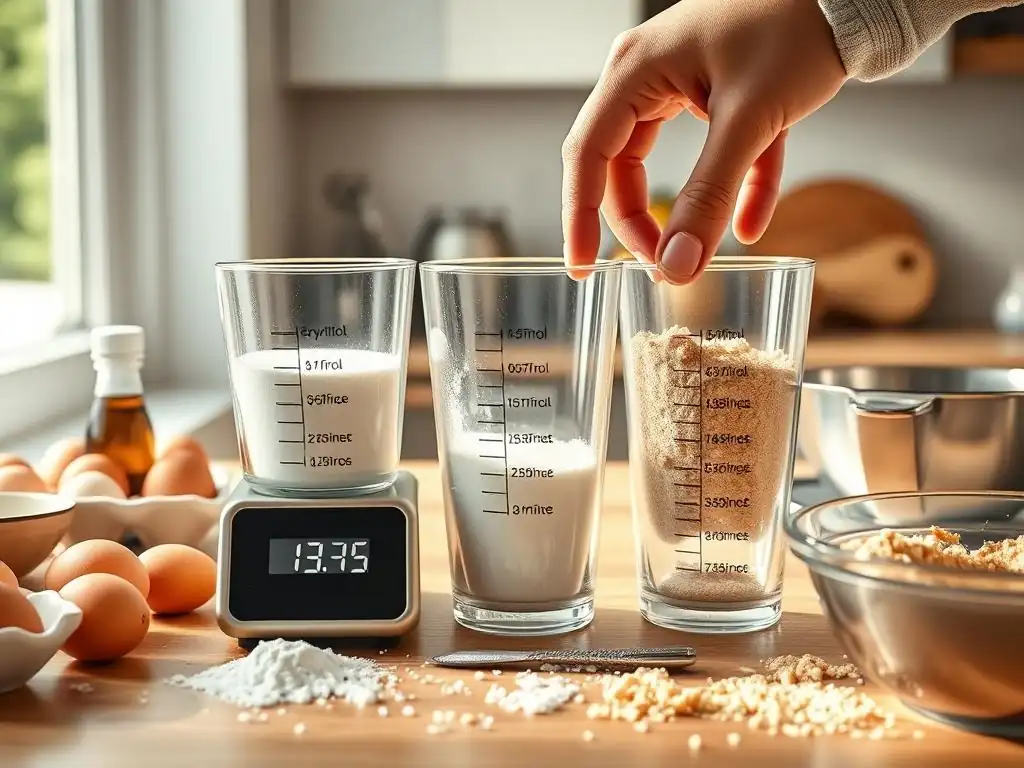
Even with accurate sugar substitute measurement, you might encounter issues when adapting or using low-sugar recipes. Common problems include dry textures, off-flavors, or a lack of appealing color. Don't be discouraged; many of these issues have simple solutions that involve understanding the unique properties of sugar substitutes. Think of troubleshooting as refining your sugar substitute measurement guide skills beyond just the initial scoop or weigh.
Being prepared to troubleshoot means having a few tricks up your sleeve to address the typical challenges that arise when sugar is replaced. Often, it involves tweaking the recipe slightly to compensate for what the substitute doesn't provide compared to sugar.
Dry Baked Goods - Add Moisture (Applesauce, Yogurt)
Sugar is a humectant, meaning it attracts and retains moisture. Many sugar substitutes, especially bulk ones like erythritol, lack this property, which can lead to baked goods that are drier or become stale faster.
- Solution: Increase the moisture content in your recipe slightly. This can be done by adding a tablespoon or two of ingredients like:
- Unsweetened applesauce
- Plain yogurt (dairy or non-dairy)
- Sour cream
- Melted butter or oil
- Extra egg yolk
Adding moisture helps compensate for the lack of sugar's humectant properties, resulting in a more tender and moist crumb. This adjustment works best when you've already followed a precise sugar substitute measurement guide but still find the texture dry.
Bitter Taste - Blend Sweeteners, Add Flavor Extracts
Pure stevia or monk fruit extract, if used in excess, can sometimes leave a bitter or metallic aftertaste. Some individuals are more sensitive to this than others.
- Solution:
- Blend Sweeteners: Often, blending two or more sugar substitutes can mitigate off-flavors. For example, combining erythritol with a smaller amount of stevia or monk fruit can provide full sweetness with less of the potential aftertaste from either used alone.
- Add Flavor Extracts: Incorporating strong flavor extracts can help mask subtle off-flavors. Vanilla extract is a classic choice, but almond extract, lemon zest, or even a pinch of salt can also help balance and improve the overall taste profile.
Ensuring your initial sugar substitute measurement guide was accurate is the first step, then use these flavoring techniques if any undesirable taste lingers.
Lack of Browning - Add a Pinch of Molasses or Use a Broiler
As mentioned earlier, many sugar substitutes don't brown like sugar, leading to pale baked goods.
- Solution:
- Add a Pinch of Molasses: For recipes where a slight change in flavor and color is acceptable (like cookies or gingerbread), adding a very small amount (e.g., 1 teaspoon per cup of substitute) of molasses can introduce compounds that aid in browning and add a depth of flavor. Molasses contains actual sugar, so factor in the minimal amount of carbs/sugar this adds.
- Use a Broiler: For items like muffins, scones, or casseroles with a topping, a quick minute or two under a preheated broiler (watch constantly!) can create a browned crust.
- Egg Wash: Brushing the tops of breads or pastries with an egg wash (beaten egg mixed with a little water or milk) before baking promotes a golden-brown finish.
These techniques address the visual aspect that an accurate sugar substitute measurement guide alone cannot provide, helping your low-sugar creations look as good as they taste.
Recipes That Shine with Accurate Sugar Substitute Measurements
The true test of a good sugar substitute measurement guide comes in the final product. When measured correctly, sugar substitutes can produce truly delicious baked goods that rival their traditional counterparts. Here are a couple of examples of recipes where accurate measurement is paramount to achieving the desired texture and flavor profile.
Using precise quantities ensures the sweetness is just right, the texture is pleasing, and any potential off-flavors are minimized. These recipes demonstrate how mastering sugar substitute measurement leads to successful low-sugar baking.
Achieving the perfect balance of chewiness and crispness in a chocolate chip cookie requires careful attention to the sugar substitute measurement guide for erythritol. If too much erythritol is used (especially if measured by volume and over-packed), the cookies can spread too much, become overly crisp, or develop a noticeable cooling sensation. If too little is used, they might lack sweetness and structure.
A typical recipe using erythritol might call for 1 cup (approx. 120-140g) of granular erythritol to replace 1 cup (200g) of sugar, often combined with a small amount of another sweetener like stevia or monk fruit blend for enhanced sweetness without increasing the erythritol volume too much. Accurately weighing the erythritol ensures the correct ratio of sweetener to flour, fat, and eggs, resulting in cookies that spread just right, have a pleasant texture, and are perfectly sweet without an overpowering cooling effect.
Sugar-Free Vanilla Cake with Stevia and Monk Fruit
Baking a tender, moist vanilla cake without sugar is a fantastic demonstration of precise sugar substitute measurement. Recipes often combine a bulk sweetener like erythritol with highly concentrated stevia or monk fruit extract to achieve both sweetness and the necessary bulk and structure. For example, a recipe might use 3/4 cup erythritol (approx. 90-105g) for bulk, plus the sweetness equivalent of 1/4 cup of sugar from a blend of stevia and monk fruit (e.g., 1/8 teaspoon pure stevia powder + 5 drops pure monk fruit liquid).
Getting the measurement of the concentrated sweeteners precisely right is critical here. Too much stevia or monk fruit will lead to a bitter cake, while too little will leave it bland. The accurate sugar substitute measurement guide for both the bulk sweetener and the concentrated sweeteners ensures the cake has the correct sweetness level, tender crumb (from the bulk substitute), and moist texture, showcasing that sugar-free cakes can be just as delightful.
Tips for Successful Low-Sugar Baking with Sugar Substitutes
Beyond accurate measurement, a few overarching tips can help ensure your low-sugar baking endeavors with sugar substitutes are consistently successful. These tips build upon the foundation of precise measurement and address other factors that influence the outcome of your baked goods.
Approaching low-sugar baking with a bit of knowledge about how substitutes behave will empower you to adapt recipes and troubleshoot issues effectively. Incorporating these tips into your baking routine, alongside a reliable sugar substitute measurement guide, will set you up for success.
Choosing the Right Sugar Substitute for Your Recipe
Not all sugar substitutes are created equal, and the best choice often depends on the specific recipe. For baked goods where sugar provides significant bulk and contributes to texture (like cakes, muffins, or cookies), bulk sweeteners or 1:1 blends containing erythritol, xylitol (use with caution around pets), or allulose are often preferred.
For recipes where only sweetness is needed and bulk is less critical (like frostings, sauces, or drinks), highly concentrated stevia or monk fruit extract can work well. Consider the properties of the substitute: does it brown? Does it dissolve easily? Does it have an aftertaste? Consulting a sugar substitute measurement guide that includes usage recommendations for different baked goods can help you make the best choice for your intended creation.
Blending Sugar Substitutes for Optimal Flavor
One of the most effective techniques for achieving a natural-tasting sweetness profile in low-sugar baking is to use a blend of sugar substitutes. As mentioned earlier, combining a bulk sweetener (like erythritol) with a small amount of a high-intensity sweetener (like stevia or monk fruit) can provide a more rounded sweetness that mimics sugar better than using a single substitute alone.
Many commercial 1:1 blends already utilize this principle. If you're creating your own blend or adapting a recipe, start with a base of a bulk substitute and add small amounts of a concentrated sweetener until the desired sweetness level is achieved. This approach leverages the strengths of different substitutes while minimizing their potential drawbacks, enhancing the effectiveness of your sugar substitute measurement guide.
Storing Baked Goods Made with Sugar Substitutes
Baked goods made with sugar substitutes can sometimes dry out faster than those made with traditional sugar, especially if using substitutes that don't retain moisture well. Proper storage is key to maintaining freshness and texture.
Store items like cakes, muffins, and quick breads in an airtight container at room temperature for a few days or in the refrigerator for longer storage. Cookies can be stored in an airtight container at room temperature. If you find that your baked goods consistently become dry quickly, consider incorporating some of the moisture-adding tips mentioned in the troubleshooting section in future batches. Freezing is also an option for longer storage; wrap items well to prevent freezer burn. Following your sugar substitute measurement guide precisely helps create the best possible starting texture, and proper storage helps preserve it.
Frequently Asked Questions
How does the volume of a sugar substitute compare to regular sugar in baking?
Generally, sugar substitutes don't have the same volume as regular sugar. You'll need a sugar substitute measurement guide to accurately convert, as some substitutes are much sweeter and require less volume for the same sweetness.
Why is it important to accurately measure sugar substitutes in recipes?
Accurate measurement is crucial because using too much sugar substitute can lead to unpleasant aftertastes or significantly alter the recipe's texture. A precise sugar substitute measurement guide is essential for consistent results.
What are some common mistakes people make when using sugar substitutes in baking?
A common mistake is substituting sugar 1:1 with a sugar substitute without considering the sweetness intensity. Also, failing to account for the sugar's role in moisture and browning can impact the final baked good.
Where can I find reliable sugar substitute measurement guidelines for different sweeteners?
BakeWithEase.com offers a comprehensive sugar substitute measurement guide that covers various popular sweeteners. Look for charts and tables detailing the proper conversion ratios for each substitute.
How do sugar substitutes affect the texture and browning of baked goods?
Sugar contributes to moisture, browning, and structure. Some substitutes may not replicate these qualities, requiring adjustments like adding extra moisture or using browning agents to achieve the desired result.
Final Reflection: Sweet Success Through Precise Measurement
The quest for healthier baking is sweeter than ever, but achieving consistent results with sugar substitutes requires precision. Many recipes fail not due to lack of skill, but due to a misunderstanding of how different sugar alternatives behave in baking. This article aimed to bridge that gap, providing a clear and comprehensive guide to accurate measurement, ensuring your sugar-free creations are as delicious as their sugary counterparts.
The impact of sugar substitutes on our culinary landscape is undeniable. We're increasingly conscious of added sugar's effects on our health, driving a demand for alternatives. The best way to find out if you can trust somebody is to trust them.
This applies equally to recipes: trusting a reliable measurement guide is key to baking success with any sugar substitute. The journey towards healthier baking is ongoing, and understanding the nuances of different sweeteners is a crucial step in this evolution. My own baking has been transformed by this newfound precision, resulting in consistently delightful results.
Now, it's your turn. Take the knowledge gained from this guide and experiment! Don't be afraid to try different substitutes and adjust your measurements based on your findings. Each successful bake, each perfectly textured cake or cookie, is a testament to your understanding and mastery of this crucial aspect of baking. Embrace the challenge, refine your technique, and enjoy the sweet rewards of precise measurement. Happy baking!
Unlock Perfectly Sweet Treats: Master Sugar Substitute Baking!
Thanks for joining us on this journey to sweeter, healthier baking! You've now got the knowledge to confidently substitute sugar in your favorite recipes. Ready to put your newfound skills to the test?
- Bake your dream dessert: Try substituting sugar in your go-to recipe using the ratios we discussed. Share your results with us – we’d love to see your creations!
- Experiment with different substitutes: Explore the unique characteristics of each sweetener and discover your personal favorites. Which one becomes your new baking staple?
- Challenge a friend to a sugar-substitute baking showdown: See who can create the most delicious treat using alternative sweeteners!
What's your favorite sugar substitute and why? Let's discuss in the comments below!