
Citrus Pudding Trio: GlutenFree Lemon, Orange, and Grapefruit


Welcome to BakeWithEase, where baking dreams become delicious reality! Ever wondered if you could indulge in a creamy, citrusy delight without the gluten? Prepare to be amazed! Dive into our Gluten-Free Citrus Pudding Recipes and discover a trio of zesty flavors – lemon, orange, and grapefruit – that will tantalize your taste buds. What's the secret to achieving that perfect, silky texture? Keep reading to unlock the secrets and bake your way to a gluten-free paradise.
- BakeWithEase Presents: A Gluten-Free Citrus Pudding Extravaganza
- Understanding Gluten-Free Baking for Citrus Puddings
- Introducing the Gluten-Free Citrus Pudding Trio
- Gluten-Free Lemon Pudding Recipe
- Gluten-Free Orange Pudding Recipe
- Gluten-Free Grapefruit Pudding Recipe
- Troubleshooting Your Gluten-Free Citrus Puddings
- Serving and Storing Your Gluten-Free Citrus Puddings
- Variations and Adaptations for Gluten-Free Citrus Desserts
- The Ultimate Guide to Gluten-Free Citrus Pudding Recipes
-
Frequently Asked Questions
- What makes these citrus puddings gluten-free?
- Can I substitute other citrus fruits in these pudding recipes?
- Are these puddings suitable for vegans or those with dairy allergies?
- How long do these gluten-free citrus puddings typically last in the refrigerator?
- What's the best way to serve these citrus puddings?
- Final Reflection: A Zesty Journey into Gluten-Free Delight
- Unleash Your Inner Pastry Chef!
BakeWithEase Presents: A Gluten-Free Citrus Pudding Extravaganza
Welcome to BakeWithEase, your trusted guide in the world of baking! We understand that navigating dietary needs, like baking gluten-free, can sometimes feel daunting. But fear not! Baking gluten-free desserts doesn't mean sacrificing flavor or texture. In fact, it opens up a world of possibilities to create delightful treats that everyone can enjoy. Today, we're diving into the bright, zesty world of citrus with a focus on creating perfect glutenfree citrus pudding recipes.
Puddings are a classic comfort dessert, known for their smooth, creamy texture and rich flavor. Adapting them to be gluten-free is entirely achievable with the right ingredients and techniques. Our goal with this guide is to equip you with the knowledge and confidence to create not just one, but three distinct and equally delicious gluten-free citrus puddings: vibrant lemon, sweet orange, and intriguing grapefruit. Get ready to master these delightful glutenfree citrus pudding recipes!
Understanding Gluten-Free Baking for Citrus Puddings
The Challenge of Gluten-Free Baking
Baking without gluten presents unique challenges because gluten, a protein found in wheat, barley, and rye, provides structure, elasticity, and binding properties to baked goods. In traditional recipes, gluten forms a network that traps air, allowing cakes and breads to rise and hold their shape. Without this protein network, baked goods can become dense, crumbly, or dry.
Replacing gluten effectively requires understanding the function of different ingredients. For instance, while gluten provides structure, fats add moisture and tenderness, and starches help with binding and texture. Successful gluten-free baking, especially for delicate items like puddings, involves carefully selecting flours and starches that can mimic gluten's properties, ensuring your desserts have the desired smooth consistency and hold together beautifully.
Gluten-Free Flour Blends for Perfect Pudding Texture
Achieving the ideal texture in gluten-free citrus puddings relies heavily on the right combination of flours and starches. A single gluten-free flour often isn't sufficient; a blend is usually necessary to balance structure, tenderness, and moisture absorption. Common gluten-free flours include rice flour (white and brown), almond flour, oat flour (certified gluten-free), and sorghum flour.
To achieve the smooth, slightly thickened consistency characteristic of pudding, starches are crucial binders. Tapioca starch, cornstarch, potato starch, and arrowroot powder are excellent choices. For a typical gluten-free pudding, a blend might use a neutral-flavored flour like white rice flour for bulk and structure, combined with tapioca starch or cornstarch for thickening and creating that desirable silky mouthfeel. The ratio of flour to starch and the type of starch used will significantly impact the final consistency of your glutenfree citrus pudding recipes.
Key Ingredients for Gluten-Free Citrus Desserts
Beyond the flour blend, several other ingredients are essential for successful gluten-free citrus puddings. Eggs play a vital role, providing richness, structure, and helping to set the pudding as it bakes or chills. Whole milk or cream contributes to the luxurious, creamy texture and carries the citrus flavor beautifully. For dairy-free options, full-fat coconut milk or a rich nut milk blend can be used, though they may alter the flavor subtly.
Of course, the star ingredients are the citrus fruits themselves. Freshly squeezed juice and zest are paramount for vibrant, authentic flavor. Using store-bought juice often lacks the intensity and aromatic oils found in fresh zest. Sugar balances the tartness of the citrus, and a pinch of salt enhances all the flavors. Butter, or a dairy-free alternative, adds richness and helps create a smooth, velvety finish. These simple yet crucial components are the building blocks for delightful glutenfree citrus pudding recipes.
Introducing the Gluten-Free Citrus Pudding Trio
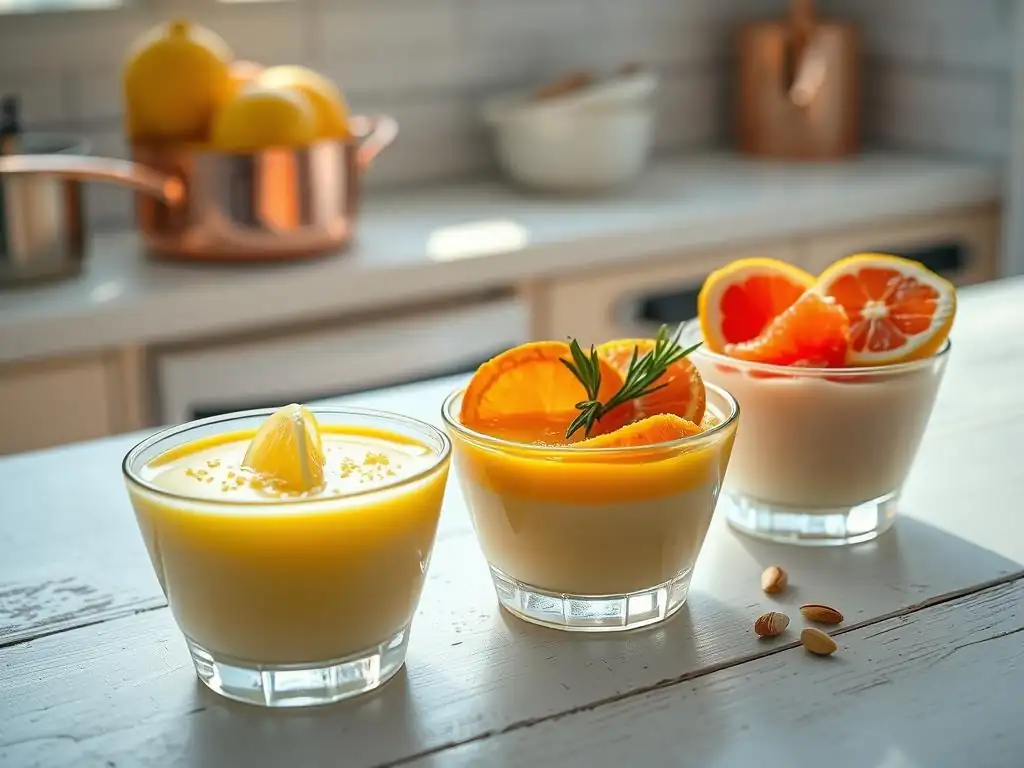
A Symphony of Citrus Flavors
Citrus fruits offer a spectrum of flavors, from the sharp tang of lemon to the sweet brightness of orange and the complex, bittersweet notes of grapefruit. By creating a trio of gluten-free citrus puddings, we explore how the same basic pudding structure can be adapted to highlight these distinct profiles. This allows you to appreciate the unique characteristics of each fruit while mastering the fundamental techniques of gluten-free pudding making.
Imagine a dessert plate featuring three small ramekins: one a sunny yellow lemon pudding, another a warm orange hue, and the third a delicate pinkish grapefruit. Each offers a different sensory experience, providing a refreshing and light end to a meal. This trio is perfect for entertaining or simply enjoying a variety of flavors at home, proving that glutenfree citrus pudding recipes can be both simple and sophisticated.
Why Three Citrus Puddings? (Lemon, Orange, Grapefruit)
Focusing on lemon, orange, and grapefruit allows us to demonstrate how varying the amount of sugar and the cooking method slightly can balance the natural acidity and bitterness of each fruit. Lemon requires the most sugar to counteract its intense tartness, while orange needs less. Grapefruit presents a unique challenge with its inherent bitterness, requiring careful sugar adjustment and perhaps a touch less zest than lemon or orange to avoid overwhelming the palate.
Exploring these three fruits provides a comprehensive lesson in adapting gluten-free citrus pudding recipes. You'll learn how small tweaks in ingredients and technique can yield dramatically different, yet equally delicious, results. It's a fantastic way to build confidence in modifying recipes and understanding the nuances of flavor profiles in gluten-free baking.
Gluten-Free Lemon Pudding Recipe
Ingredients for the Gluten-Free Lemon Pudding
To make a classic tangy gluten-free lemon pudding, you'll need fresh ingredients. Here's a list of typical components:
- Granulated sugar: Approximately 1 cup
- Gluten-free flour blend: About 1/4 cup (ensure it contains a binder like xanthan gum or add separately)
- Cornstarch or tapioca starch: Roughly 2 tablespoons
- Salt: A pinch (about 1/4 teaspoon)
- Whole milk or dairy-free alternative: About 2 cups
- Large eggs: 3, yolks only (reserve whites for another use)
- Unsalted butter: 2 tablespoons, cut into small pieces
- Fresh lemon juice: 1/2 cup (from about 2-3 lemons)
- Lemon zest: 1-2 teaspoons (from 1-2 lemons)
- Vanilla extract: 1/2 teaspoon
These quantities are approximate and can be adjusted slightly based on desired sweetness and thickness. Using fresh lemon juice and zest is crucial for that bright, authentic lemon flavor in your glutenfree citrus pudding recipes.
Step-by-Step Lemon Pudding Instructions
Making this gluten-free lemon pudding involves cooking the base carefully to prevent scorching and achieve the right thickness.
- In a medium saucepan, whisk together the sugar, gluten-free flour blend, cornstarch (or tapioca starch), and salt.
- Gradually whisk in the milk until smooth, ensuring no lumps remain.
- Place the saucepan over medium heat and cook, stirring constantly with a whisk or rubber spatula, until the mixture thickens and begins to bubble, about 8-10 minutes. Be patient and stir corners and bottom to prevent sticking.
- In a separate bowl, whisk the egg yolks. Temper the yolks by slowly whisking about half a cup of the hot pudding mixture into them. This prevents the yolks from scrambling.
- Pour the tempered yolks back into the saucepan with the remaining pudding mixture.
- Cook for another 1-2 minutes, stirring constantly, until the pudding is very thick. Do not boil vigorously once yolks are added.
- Remove from heat and stir in the butter until melted and smooth.
- Stir in the fresh lemon juice, lemon zest, and vanilla extract.
- Pour the pudding into individual ramekins or a serving dish.
- Press plastic wrap directly onto the surface of the pudding to prevent a skin from forming as it cools.
- Chill in the refrigerator for at least 3-4 hours, or until fully set.
Following these steps carefully will result in a smooth, luscious glutenfree lemon pudding, a star among glutenfree citrus pudding recipes.
Tips for a Tangy and Perfect Lemon Pudding
To ensure your gluten-free lemon pudding is wonderfully tangy and perfectly set, keep a few tips in mind. Firstly, use fresh lemons. The flavor difference between fresh and bottled juice is significant, and the zest contains potent oils that contribute greatly to the aroma and taste. Don't skip the zest!
Secondly, when cooking the pudding base, stir constantly and scrape the bottom and sides of the pan. This prevents lumps and scorching, which can ruin the texture and flavor. Tempering the egg yolks properly is also non-negotiable; rushing this step can result in scrambled eggs in your pudding. Finally, chilling time is essential. Allowing the pudding to chill for at least 3-4 hours ensures it sets fully and the flavors meld beautifully, making it a truly perfect glutenfree lemon pudding.
Gluten-Free Orange Pudding Recipe
Ingredients for the Gluten-Free Orange Pudding
Creating a sweet and aromatic gluten-free orange pudding requires similar base ingredients to the lemon version, with the key difference being the citrus component. Here's a typical list:
- Granulated sugar: Approximately 3/4 cup (or slightly less than lemon)
- Gluten-free flour blend: About 1/4 cup
- Cornstarch or tapioca starch: Roughly 2 tablespoons
- Salt: A pinch (about 1/4 teaspoon)
- Whole milk or dairy-free alternative: About 2 cups
- Large eggs: 3, yolks only
- Unsalted butter: 2 tablespoons, cut into small pieces
- Fresh orange juice: 1/2 cup (from about 1-2 oranges)
- Orange zest: 1-2 teaspoons (from 1-2 oranges)
- Vanilla extract: 1/2 teaspoon
Notice the slightly reduced sugar compared to the lemon pudding, as oranges are naturally sweeter. The quantity of orange juice and zest can be adjusted based on the intensity of flavor desired. These components combine to create a delightful glutenfree orange pudding, a key part of our glutenfree citrus pudding recipes trio.
Detailed Orange Pudding Preparation Guide
The process for making gluten-free orange pudding closely mirrors the lemon version, with emphasis on gentle cooking and proper thickening.
- In a medium saucepan, whisk together the sugar, gluten-free flour blend, cornstarch (or tapioca starch), and salt.
- Gradually whisk in the milk until the dry ingredients are fully incorporated and the mixture is smooth.
- Cook over medium heat, stirring continuously, until the mixture thickens and bubbles gently, which usually takes about 8-10 minutes. Pay close attention to the bottom of the pan.
- While the base is cooking, whisk the egg yolks in a separate bowl. Once the pudding base is hot and thickened, carefully whisk about half a cup of it into the egg yolks to temper them.
- Pour the tempered yolks back into the saucepan with the remaining pudding mixture.
- Continue to cook and stir for another 1-2 minutes until the pudding is very thick, ensuring it doesn't come to a rolling boil after the yolks are added.
- Remove the saucepan from the heat. Stir in the butter until it is completely melted and incorporated.
- Add the fresh orange juice, orange zest, and vanilla extract, stirring until everything is evenly distributed.
- Pour the finished pudding into individual ramekins or your chosen serving dish.
- Cover the surface of the pudding directly with plastic wrap to prevent a skin from forming as it cools.
- Refrigerate for at least 3-4 hours, or until the pudding is well set and chilled.
This method ensures a smooth, creamy glutenfree orange pudding that is rich in flavor, making it a perfect addition to your collection of glutenfree citrus pudding recipes.
Achieving a Rich and Aromatic Orange Pudding
To elevate your gluten-free orange pudding, focus on maximizing the orange flavor and achieving a luxurious texture. Using high-quality, fresh oranges with fragrant zest is paramount. Consider using a variety known for its strong flavor, like Navel or Valencia oranges. Ensure you only grate the colored part of the peel for the zest, avoiding the bitter white pith underneath.
For added richness, you can use half-and-half or heavy cream instead of milk, though this will increase the fat content. Cooking the pudding gently and patiently is key to achieving a smooth, lump-free consistency. Overheating can cause the starches to break down or the eggs to curdle. Chilling time is equally important; it allows the flavors to deepen and the pudding to set properly, resulting in a wonderfully rich and aromatic glutenfree orange pudding.
Gluten-Free Grapefruit Pudding Recipe

Ingredients for the Gluten-Free Grapefruit Pudding
Creating a gluten-free grapefruit pudding introduces a delightful bitter-sweet complexity. The ingredients are similar to the other puddings, with careful consideration for the grapefruit's unique profile.
- Granulated sugar: Approximately 1 cup (similar to lemon, to balance bitterness)
- Gluten-free flour blend: About 1/4 cup
- Cornstarch or tapioca starch: Roughly 2 tablespoons
- Salt: A pinch (about 1/4 teaspoon)
- Whole milk or dairy-free alternative: About 2 cups
- Large eggs: 3, yolks only
- Unsalted butter: 2 tablespoons, cut into small pieces
- Fresh grapefruit juice: 1/2 cup (from about 1 large grapefruit)
- Grapefruit zest: 1 teaspoon (use less than lemon/orange if sensitive to bitterness)
- Vanilla extract: 1/2 teaspoon
The sugar quantity here is often comparable to lemon pudding to temper the bitterness of the grapefruit. Using fresh juice from a ripe grapefruit is important for the best flavor balance. This combination forms the basis for an intriguing glutenfree grapefruit pudding, a unique member of our glutenfree citrus pudding recipes.
Grapefruit Pudding: A Step-by-Step Baking Process
The baking process for gluten-free grapefruit pudding is essentially the same as the other citrus puddings, focusing on controlled heating and whisking.
- Combine the sugar, gluten-free flour blend, cornstarch (or tapioca starch), and salt in a medium saucepan, whisking them together thoroughly.
- Gradually whisk in the milk until the mixture is smooth and free of any dry clumps.
- Place the saucepan over medium heat and cook, stirring continuously with a whisk or rubber spatula, until the pudding base thickens and begins to bubble gently. This typically takes around 8-10 minutes. Ensure you scrape the bottom and sides of the pan constantly.
- In a separate bowl, whisk the egg yolks. Once the pudding base is hot and thickened, temper the yolks by slowly whisking about half a cup of the hot mixture into them.
- Pour the tempered yolks back into the saucepan with the remaining pudding base.
- Cook and stir for another 1-2 minutes until the pudding is very thick, but avoid boiling vigorously.
- Remove the saucepan from the heat and stir in the butter until it is fully melted and incorporated into the pudding.
- Stir in the fresh grapefruit juice, grapefruit zest, and vanilla extract until well combined.
- Pour the finished pudding into individual ramekins or a serving dish.
- Cover the surface of the pudding directly with plastic wrap to prevent a skin from forming while it cools.
- Refrigerate for at least 3-4 hours, or until the pudding is completely set and chilled.
Following these steps will yield a smooth, complex glutenfree grapefruit pudding, adding a sophisticated twist to your repertoire of glutenfree citrus pudding recipes.
Mastering the Bitter-Sweet Balance in Grapefruit Pudding
The key to a successful gluten-free grapefruit pudding lies in mastering its unique bitter-sweet profile. Grapefruit naturally contains naringin, a compound responsible for its bitterness. The amount of sugar needed can vary depending on the specific grapefruit variety (e.g., pink grapefruits are often sweeter than white) and personal preference. Start with the suggested amount of sugar and taste before chilling, adjusting if necessary.
Using slightly less zest than you might for lemon or orange can also help manage bitterness, as many bitter compounds are concentrated in the pith and outer zest layer. Ensure you only use the colored part of the peel. Chilling the pudding significantly mellows the flavors and enhances the sweetness, so don't judge the final balance until it's fully chilled. This careful approach ensures your glutenfree grapefruit pudding is a delightful balance of sweet and tart, not overwhelmingly bitter.
Troubleshooting Your Gluten-Free Citrus Puddings
Common Gluten-Free Baking Issues and Solutions
Even with careful preparation, gluten-free baking can sometimes present challenges. One common issue with puddings is a grainy or lumpy texture. This often occurs if the dry ingredients weren't fully whisked into the milk before heating, or if the mixture wasn't stirred constantly while cooking, leading to scorching or uneven thickening. Ensuring a smooth slurry at the start and diligent stirring are key solutions.
Another issue can be puddings that don't set properly. This might be due to insufficient cooking time (not allowing the starch to fully thicken), insufficient starch or flour in the recipe, or not chilling the pudding long enough. Ensuring the pudding bubbles gently and thickens significantly on the stovetop, and then allowing ample chilling time, will help achieve a firm set. These are typical considerations when working with glutenfree citrus pudding recipes.
Achieving the Ideal Pudding Consistency
The ideal consistency for a pudding is smooth, creamy, and thick enough to hold its shape slightly when spooned, but not rubbery or overly stiff. If your pudding is too thin, it likely needs more cooking time on the stovetop to activate the starch fully. Alternatively, you might need to slightly increase the amount of starch (cornstarch or tapioca) used in the recipe in future attempts.
If the pudding is too thick, it could be overcooked, or too much starch/flour was used. For an already cooked pudding that is too thick, you can try whisking in a tablespoon or two of milk or cream after it has chilled, though this can sometimes affect the final set. Adjusting the starch amount in subsequent batches is the best long-term solution for perfecting your glutenfree citrus pudding recipes consistency.
Adjusting Sweetness and Citrus Intensity
Balancing sweetness and citrus intensity is a matter of personal taste and can vary depending on the specific fruit used and its ripeness. If your pudding is too tart (especially lemon or grapefruit), you can gently heat a small portion of the chilled pudding with a tablespoon or two of sugar, dissolving the sugar completely, then reincorporating it into the main batch and chilling again. However, this can sometimes slightly alter the texture.
If the citrus flavor isn't strong enough, you can stir in a little more fresh juice or zest after cooking, before chilling. Be mindful that adding too much liquid after cooking can thin the pudding. For a stronger flavor in future batches, consider increasing the amount of zest used or slightly reducing the amount of milk to concentrate the flavors. Experimenting with these adjustments will help you tailor these glutenfree citrus pudding recipes to your perfect taste.
Serving and Storing Your Gluten-Free Citrus Puddings
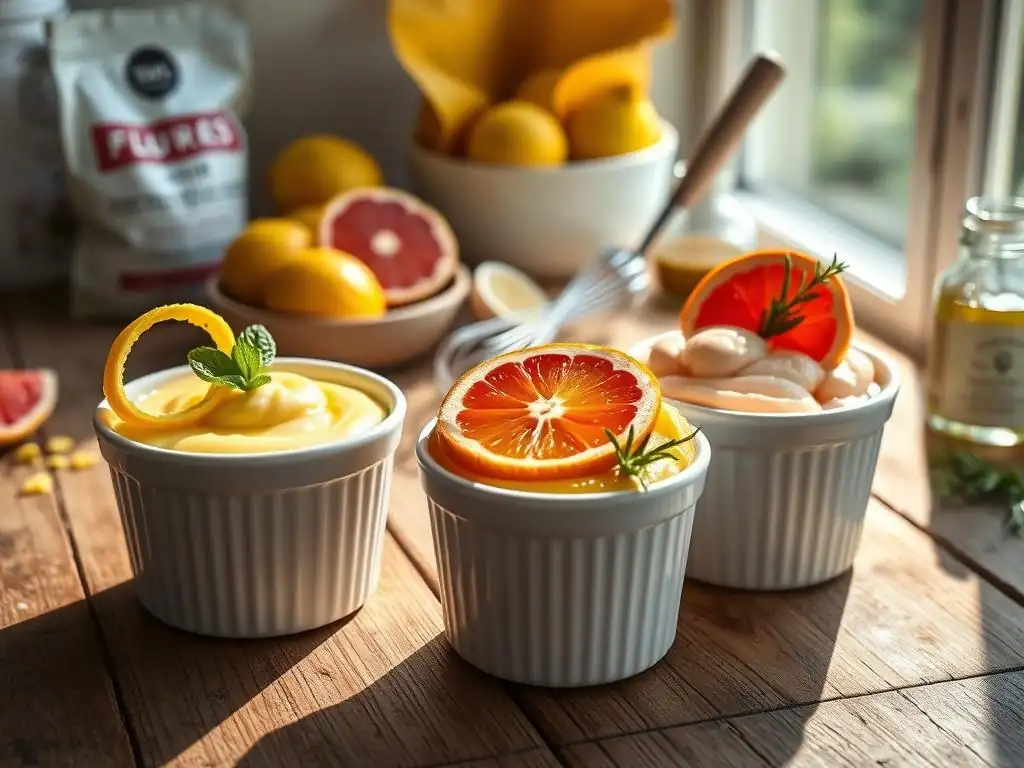
Creative Serving Suggestions
Serving gluten-free citrus puddings offers many opportunities for creative presentation. While delicious on their own, they pair beautifully with various toppings. A dollop of freshly whipped cream or coconut whipped cream (for a dairy-free option) adds richness and a lovely contrast in texture. A sprinkle of fresh citrus zest or thin candied citrus slices enhances the flavor and visual appeal.
Consider serving the trio together in small ramekins for a tasting experience. Other delightful additions include fresh berries (strawberries, raspberries, blueberries), a sprinkle of toasted coconut flakes, or a light drizzle of a fruit coulis that complements the citrus flavor. For instance, a raspberry coulis with lemon pudding or a mango coulis with grapefruit pudding can be exquisite. These simple additions elevate your glutenfree citrus pudding recipes.
Proper Storage for Optimal Freshness
Proper storage is essential to maintain the quality and freshness of your gluten-free citrus puddings. Once the puddings have cooled slightly after cooking, cover the surface of each pudding directly with plastic wrap. This prevents the formation of a rubbery "skin" on top and helps maintain moisture.
Store the covered puddings in the refrigerator. They will typically keep well for 3-4 days. The flavors often deepen slightly on the second day. Avoid leaving the puddings at room temperature for extended periods, as this can compromise their texture and safety. While freezing is possible, it can sometimes affect the smooth texture, making it slightly grainy upon thawing, so refrigeration is generally preferred for these glutenfree citrus pudding recipes.
Variations and Adaptations for Gluten-Free Citrus Desserts
Exploring Other Citrus Fruits in Gluten-Free Puddings
While lemon, orange, and grapefruit are classic choices, the world of citrus offers many other possibilities for gluten-free puddings. Consider using tangerines, mandarins, or clementines for a sweeter, less acidic orange-like flavor; you might need to adjust the sugar downwards slightly. Limes can be used for a vibrant, tart lime pudding, similar to the lemon version but with a distinct aroma.
More exotic citrus like Meyer lemons (sweeter than regular lemons) or blood oranges (with a unique berry-like note) can also create fascinating pudding flavors. When experimenting with new citrus, taste the juice first to gauge its acidity and sweetness, then adjust the sugar in the recipe accordingly. This allows for endless variations on your glutenfree citrus pudding recipes.
Adding Spices and Extracts for Unique Flavors
Beyond the core citrus and vanilla, incorporating other spices and extracts can add depth and complexity to your gluten-free citrus puddings. A pinch of ground ginger or cardamom can pair beautifully with orange or grapefruit pudding, adding warmth. A tiny amount of almond extract can complement the citrus notes without overpowering them.
For a more adventurous twist, consider adding a touch of star anise or a cinnamon stick to the milk while it heats, straining it out before adding the dry ingredients. A splash of liqueur, like Grand Marnier with orange or limoncello with lemon, can be stirred in at the end for an adult version (ensure it's gluten-free if necessary). These additions allow you to personalize your glutenfree citrus pudding recipes.
Vegan Options for Gluten-Free Citrus Puddings
Adapting these gluten-free citrus pudding recipes to be vegan is entirely possible. The key is replacing the dairy milk, butter, and egg yolks. For the milk, use full-fat canned coconut milk, cashew milk, or a rich blend of plant-based milks. These provide the necessary creaminess.
Butter can be replaced with a good quality vegan butter or coconut oil. The egg yolks, which provide richness and help set the pudding, can be replaced with a combination of cornstarch or tapioca starch and perhaps a small amount of a commercial egg replacer designed for custards, or simply increasing the primary thickener. You'll likely need to adjust the cooking time and potentially the starch quantity to achieve the correct set without the eggs. With these substitutions, you can enjoy delicious glutenfree citrus pudding recipes that are also vegan.
The Ultimate Guide to Gluten-Free Citrus Pudding Recipes
Mastering the Art of Gluten-Free Citrus Desserts
Mastering gluten-free citrus pudding recipes is a rewarding journey that builds confidence in adapting traditional baking techniques. By understanding the role of gluten-free flours and starches, paying attention to temperature and stirring during the cooking process, and learning to balance the distinct flavors of different citrus fruits, you can consistently produce delicious results.
Remember that practice makes perfect. Don't be discouraged if your first attempt isn't flawless. Note what worked well and what could be improved, and make small adjustments next time. Experiment with different gluten-free flour blends or slight variations in cooking time. Soon, you'll be confidently whipping up smooth, flavorful glutenfree citrus puddings that are sure to impress.
Enjoying Your Homemade Gluten-Free Treats
There's immense satisfaction in creating delicious desserts from scratch, especially when they cater to dietary needs. These glutenfree citrus pudding recipes offer a refreshing and elegant option for anyone avoiding gluten, providing a burst of bright flavor in every spoonful. Whether you prefer the classic tang of lemon, the sweet warmth of orange, or the sophisticated bite of grapefruit, there's a pudding here for you.
So, gather your ingredients, zest those fruits, and enjoy the process of creating these delightful gluten-free treats. Share them with friends and family, or savor them all to yourself. These glutenfree citrus pudding recipes are a testament to the fact that gluten-free baking can be both accessible and incredibly delicious. Enjoy every bite!
Frequently Asked Questions
What makes these citrus puddings gluten-free?
These puddings are gluten-free because they use gluten-free flour blends or alternatives like almond flour or tapioca starch instead of traditional wheat flour. The recipe is carefully designed to avoid any ingredients containing gluten.
Can I substitute other citrus fruits in these pudding recipes?
Yes, you can experiment! While the recipe highlights lemon, orange, and grapefruit, you could substitute other citrus fruits. Just be mindful of the varying sweetness and acidity levels, adjusting sugar accordingly.
Are these puddings suitable for vegans or those with dairy allergies?
As written, the recipes likely contain dairy. However, they can often be adapted by using dairy-free milk alternatives like almond milk or coconut milk and vegan butter substitutes.
How long do these gluten-free citrus puddings typically last in the refrigerator?
These puddings are best consumed within 3-4 days when stored properly in the refrigerator. Ensure they are in airtight containers to maintain their freshness and prevent them from absorbing odors.
What's the best way to serve these citrus puddings?
These puddings can be served warm or chilled. Consider garnishing with fresh citrus zest, a dollop of whipped cream (or a dairy-free alternative), or a sprinkle of toasted nuts for added texture and flavor.
Final Reflection: A Zesty Journey into Gluten-Free Delight
The vibrant world of gluten-free baking continues to blossom, and this citrus pudding trio stands as a testament to its delicious possibilities. These three recipes, showcasing the unique flavors of lemon, orange, and grapefruit, prove that dietary restrictions needn't compromise on taste or texture. The creamy richness, balanced by the bright acidity of the citrus fruits, offers a refreshing and satisfying dessert experience for everyone, regardless of dietary needs.
The enduring appeal of citrus desserts lies in their ability to evoke feelings of sunshine and warmth, a welcome comfort in any season. These puddings, simple yet elegant, offer a delightful escape from the ordinary. A little bit of sunshine is good for the soul,
and these puddings certainly deliver that sunshine in every spoonful. Their adaptability also speaks to the growing demand for inclusive recipes that cater to various dietary preferences, highlighting the power of culinary creativity to bridge gaps and unite palates.
Now, I invite you to step into your kitchen and embark on your own citrus adventure. Experiment with different citrus combinations, perhaps adding a touch of zest or a sprinkle of herbs. Don't be afraid to personalize these recipes and make them your own. The joy of baking lies not just in the final product, but in the process of creation, the exploration of flavors, and the sharing of deliciousness with loved ones. Let these gluten-free citrus puddings be your inspiration to explore the boundless possibilities of a vibrant and inclusive culinary world.
Here's a Call to Action (CTA) for a BakeWithEase article about a Citrus Pudding Trio:
Unleash Your Inner Pastry Chef!
Thanks for joining us on this zesty adventure! We hope you've found inspiration (and maybe a little craving) for these delightful gluten-free citrus puddings. Now it's time to bring that citrus sunshine into your kitchen.
- Bake your favorite pudding: Choose your citrus champion – lemon, orange, or grapefruit – and get baking! This recipe is designed for success, even for beginners.
- Share your creation: Tag us on social media (@BakeWithEase) with a picture of your stunning pudding. We'd love to see your citrus masterpiece!
- Experiment with flavors: Try adding a touch of cardamom to the lemon, a hint of ginger to the orange, or some fresh mint to the grapefruit. Let your creativity shine!
Ready to transform your taste buds? What unique twist will you add to your citrus pudding creation?