
How to Bake Moist Keto Chocolate Chip Cookies Every Time

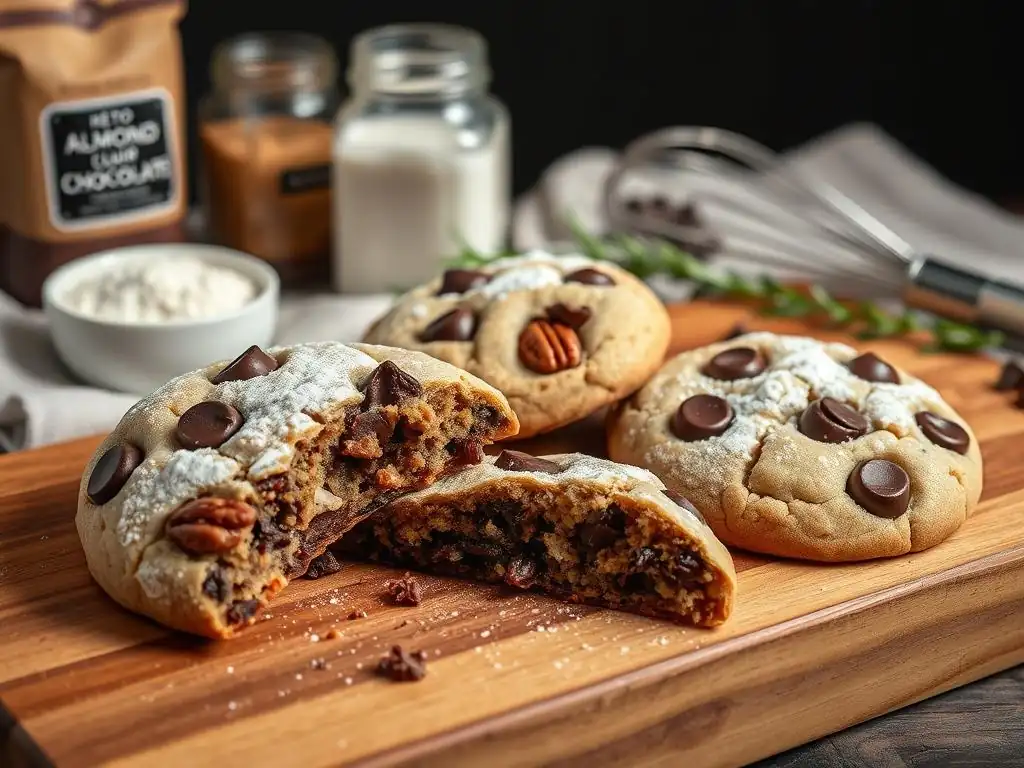
Welcome to BakeWithEase, your guide to unlocking baking perfection! Are you ready to indulge in guilt-free deliciousness? We know the struggle of finding keto-friendly treats that actually taste good. This article dives deep into the secrets of crafting moist keto chocolate chip cookies that will redefine your expectations. But what's the key ingredient to achieving that perfect texture? Discover the answer and embark on a baking adventure that's both healthy and heavenly!
- Baking Perfect Keto Chocolate Chip Cookies: A Moisture-Focused Guide
- Introduction: Achieving the Ideal Texture in Keto Chocolate Chip Cookies
- Keto Baking Essentials for Chocolate Chip Cookies
- Step-by-Step Guide: Baking Moist Keto Chocolate Chip Cookies
- Tips for Guaranteeing Moist Keto Chocolate Chip Cookies
- Troubleshooting Common Keto Chocolate Chip Cookie Issues
- Variations on the Classic Keto Chocolate Chip Cookie Recipe
- Conclusion: Savoring Your Delicious and Moist Keto Chocolate Chip Cookies
-
Frequently Asked Questions
- How can I ensure my keto chocolate chip cookies are moist and not dry?
- What kind of chocolate chips are best for keto chocolate chip cookies?
- What are the best keto-friendly sweeteners to use in these cookies?
- Can I substitute almond flour in this recipe with another keto-friendly flour?
- How long should I bake keto chocolate chip cookies to achieve the perfect texture?
- Final Reflection: The Enduring Quest for the Perfect Keto Cookie
- Unleash Your Inner Keto Baker!
Baking on a ketogenic diet presents unique challenges, especially when aiming for that classic cookie texture. Often, keto baked goods can turn out dry or crumbly due to the nature of low-carb flours and sugar substitutes. However, achieving a perfectly soft and chewy, truly moist keto chocolate chip cookie is absolutely possible with the right techniques and ingredients. This guide will walk you through the essentials, ensuring your baked treats are not only keto-compliant but also delightfully moist every single time.
Our goal is to help you bake moist keto chocolate chip cookies that rival their traditional counterparts in texture and flavor. By understanding how different low-carb ingredients behave and employing specific baking methods, you can avoid the common pitfalls of dry, brittle keto cookies. Whether you're a seasoned keto baker or just starting out, the principles outlined here will empower you to create delicious, satisfying cookies that fit seamlessly into your low-carb lifestyle.
Mastering Keto Baking Techniques
Keto baking requires a slightly different approach compared to traditional baking. Since we're replacing wheat flour, which provides gluten structure, and sugar, which contributes to moisture and tenderness, we need to compensate with other ingredients and techniques. For example, low-carb flours like almond or coconut flour absorb liquids differently, often requiring more moisture than wheat flour. Additionally, sugar alcohols used as sweeteners can sometimes lead to a drier texture if not balanced properly.
Successfully baking moist keto chocolate chip cookies involves paying close attention to ingredient ratios, mixing methods, and baking times. Techniques such as chilling the dough are crucial for preventing excessive spread and promoting a better texture. Understanding how different fats and binders work in a low-carb context is also key. For instance, using softened butter versus melted butter can significantly impact the final cookie's structure and moisture retention.
Traditional chocolate chip cookies, while delicious, are typically loaded with ingredients that are incompatible with a ketogenic diet. White flour is a high-carb grain, and granulated sugar is a simple carbohydrate that spikes blood glucose and insulin levels. A single standard chocolate chip cookie can contain upwards of 20-30 grams of net carbohydrates, depending on its size and ingredients.
Consuming traditional cookies would easily exceed the typical daily net carb limit of 20-50 grams required to maintain ketosis. Beyond the carb count, the sugar content contributes to inflammation and can hinder weight loss efforts often associated with a keto diet. This makes finding delicious, low-carb alternatives like moist keto chocolate chip cookies essential for those following this lifestyle who still crave occasional sweet treats.
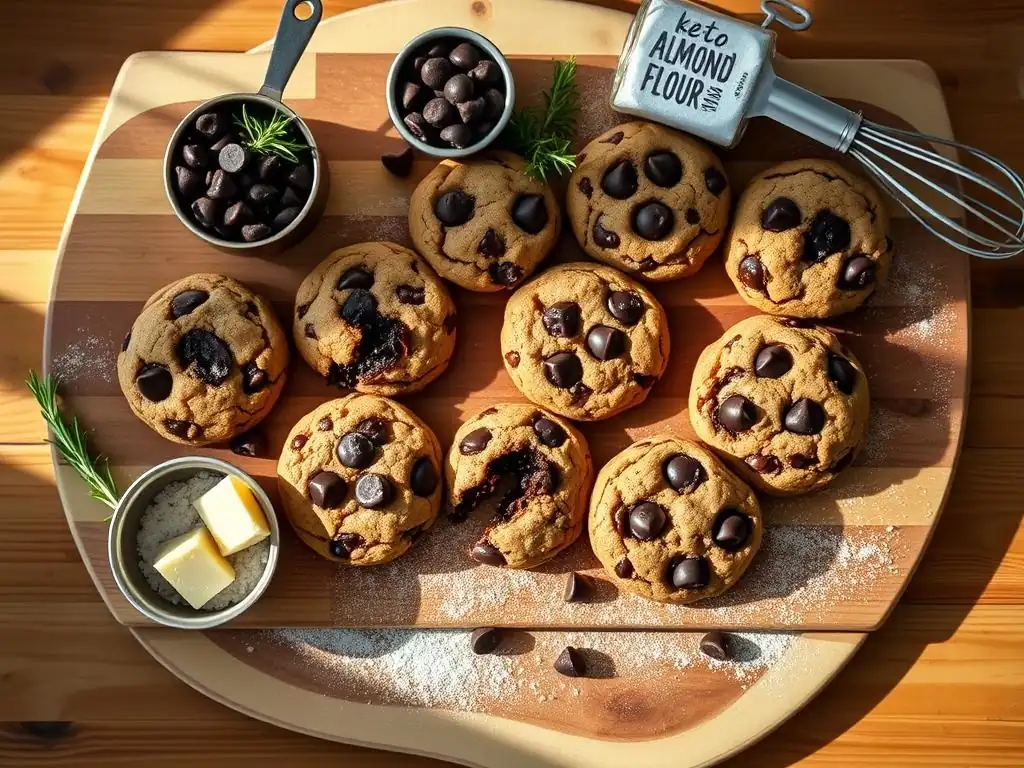
Selecting the right ingredients is the first and most critical step in creating moist keto chocolate chip cookies. Unlike traditional recipes, keto baking relies on specific low-carb alternatives for flour and sugar. The quality and type of these ingredients directly impact the texture, flavor, and overall success of your cookies. Using high-quality almond flour and the correct type of sweetener, for instance, can make a significant difference in achieving that desired soft and chewy texture.
Beyond the main substitutes, ingredients like butter, eggs, and vanilla extract play familiar roles but interact differently with keto flours. Ensuring these are at the correct temperature and measured precisely is vital. For example, using softened butter is crucial for creating a creamy dough that spreads just right during baking, contributing to a more tender and moist result.
Almond Flour: The Base for Keto Cookies
Almond flour is the most common base for many keto baked goods, including moist keto chocolate chip cookies. It's made from ground almonds and is significantly lower in carbs than wheat flour. A typical quarter cup of almond flour contains around 6 grams of total carbs and 3 grams of fiber, resulting in just 3 grams of net carbs, compared to approximately 22 grams of net carbs in the same amount of wheat flour.
Using blanched, finely ground almond flour is usually best for cookies, as it provides a finer texture and lighter color than unblanched or coarsely ground varieties. However, almond flour lacks gluten, which means your cookies won't have the same elasticity as traditional ones. This is why combining it with other ingredients and techniques is necessary to achieve a soft, rather than crumbly, texture.
Coconut Flour: Enhancing Structure and Moisture Retention
Coconut flour is another popular low-carb flour, but it behaves very differently from almond flour. It is much more absorbent, often requiring significantly less volume than almond flour in a recipe. A quarter cup of coconut flour contains roughly 16 grams of total carbs and 10 grams of fiber, yielding 6 grams of net carbs – slightly higher net carbs than almond flour per volume, but you use far less.
Adding a small amount of coconut flour to an almond flour base can help improve the structure of keto cookies and aid in moisture retention. It can prevent cookies from spreading too much and give them a slightly softer crumb. However, using too much coconut flour will result in a very dry, dense, or crumbly cookie, so it must be used sparingly and balanced with adequate liquids and fats.
Erythritol and Stevia: Achieving Desired Sweetness
Achieving the right sweetness without sugar is key in keto baking. Erythritol is a popular sugar alcohol sweetener that is often used in keto recipes. It has about 70% of the sweetness of sugar and very low net carbs (often listed as 0 net carbs, as it's not metabolized like sugar). However, it can sometimes leave a cooling sensation or crystallize if used in large quantities.
Combining erythritol with other sweeteners like stevia can help mitigate these issues and provide a more balanced sweetness profile. Stevia is a natural sweetener derived from the stevia plant and is significantly sweeter than sugar (hundreds of times sweeter). Using a blend, such as erythritol with a touch of liquid stevia or a blend containing both, allows you to control the sweetness level effectively without adding significant carbs or calories, resulting in perfectly sweet moist keto chocolate chip cookies.
Lily's Chocolate Chips: A Sugar-Free Indulgence
Traditional chocolate chips are made with sugar, making them unsuitable for a keto diet. Fortunately, several brands offer sugar-free chocolate chips sweetened with alternatives like erythritol and stevia. Lily's Sweets is a well-known brand in the keto community, offering chocolate chips that are sweetened with erythritol and stevia, containing no added sugar.
Lily's Dark Chocolate Baking Chips, for example, contain about 13 grams of total carbs per 30g serving, with 8g of fiber and 3g of erythritol, resulting in just 2g of net carbs. Using these sugar-free chocolate chips allows you to enjoy the classic chocolate chip flavor in your moist keto chocolate chip cookies without derailing your ketosis. Other brands like ChocZero also offer similar low-carb options, often sweetened with monk fruit.
Having the right tools can significantly simplify the process of baking moist keto chocolate chip cookies and contribute to better results. While you don't need a professional kitchen setup, a few essential items will make your baking experience smoother and more successful. Using accurate measuring cups and spoons, for instance, is crucial because keto ingredient ratios are often more sensitive than traditional ones.
A stand mixer or hand mixer is highly recommended for creaming the butter and sweeteners, which is a vital step for developing the right texture. Quality baking sheets and parchment paper prevent sticking and ensure even baking. An oven thermometer is also incredibly useful to verify your oven's actual temperature, as oven temperature fluctuations can easily lead to over- or under-baked cookies, impacting their moisture level.
Creating the perfect dough is the foundation for baking moist keto chocolate chip cookies. The process involves carefully combining dry and wet ingredients, paying attention to order and consistency. Unlike wheat-based doughs, keto doughs often come together differently and can be more delicate. Following the steps precisely helps ensure the ingredients are properly incorporated and the dough has the right hydration level.
Miscalibrating the ratios or mixing incorrectly can lead to issues like dry, crumbly dough or cookies that spread too much. Taking your time during this stage and ensuring ingredients like butter and eggs are at room temperature will make a significant difference in the final dough consistency and the resulting cookie texture.
Blending Dry Ingredients: Almond Flour, Coconut Flour, and Baking Soda
Begin by whisking together your dry ingredients in a medium bowl. This typically includes the almond flour, a small amount of coconut flour (if using), baking soda, and salt. Whisking ensures these ingredients are evenly distributed. For example, if a recipe calls for 1 ½ cups of almond flour and 2 tablespoons of coconut flour, combine these along with ½ teaspoon of baking soda and ¼ teaspoon of salt.
Properly blending the dry ingredients prevents pockets of leavening agent or salt in the final cookies. Baking soda is crucial for providing lift and helping the cookies spread slightly, contributing to a softer texture. Ensuring it's evenly mixed throughout the flours is a simple step that greatly impacts the outcome of your moist keto chocolate chip cookies.
Combining Wet Ingredients: Eggs, Butter, and Vanilla Extract
In a separate, larger bowl, cream together the softened butter and your chosen keto sweeteners (like erythritol or a blend). Creaming involves beating the butter and sweetener together until light and fluffy, usually for 2-3 minutes using a mixer. This process incorporates air, which contributes to the cookie's texture. Use room temperature butter for best results – if it's too cold, it won't cream properly; if it's melted, the cookies will spread excessively.
Once creamed, beat in the egg(s) one at a time, mixing until each is fully incorporated before adding the next. Finally, stir in the vanilla extract. Vanilla adds depth of flavor and complements the chocolate chips. Ensuring these wet ingredients are well combined and emulsified is key before adding the dry mixture.
Incorporating Sweeteners and Sugar-Free Chocolate Chips
While the main sweetener is creamed with the butter, some recipes might call for adding a touch more sweetener or incorporating the sugar-free chocolate chips at a specific stage. Generally, after the wet ingredients are combined, the dry ingredients are gradually added to the wet mixture, mixing until just combined. Do not overmix, as this can lead to tougher cookies, even with gluten-free flours.
Finally, gently fold in the sugar-free chocolate chips using a spatula or wooden spoon. Distribute them evenly throughout the dough. For a standard batch yielding about 12-15 cookies, you might use around 1/2 to 3/4 cup of sugar-free chocolate chips (e.g., 85-115 grams). Ensure the chips are fully incorporated for delicious chocolatey bites in every moist keto chocolate chip cookie.
Step 2: Chilling the Dough for Enhanced Texture
Chilling the dough is a non-negotiable step for achieving the best texture in moist keto chocolate chip cookies. Keto doughs, especially those made with almond flour and butter, tend to be softer than traditional doughs due to the lack of gluten and different fat behavior. Chilling allows the fats to firm up and the flours to fully hydrate, which prevents excessive spreading during baking.
Refrigerate the dough for at least 30 minutes, but ideally 1-2 hours. You can even chill it overnight. This period allows the flavors to meld and the structure to stabilize. Dough that is properly chilled will hold its shape better when placed on the baking sheet, resulting in thicker, chewier cookies rather than thin, crispy ones.
Proper shaping and baking are crucial steps that directly influence the texture and moistness of your keto cookies. Consistency in size and shape ensures even baking, preventing some cookies from being overdone while others are still raw. The oven temperature and baking time must be carefully controlled to achieve the desired level of doneness without drying out the cookies.
Using a cookie scoop or measuring spoon helps create uniform portions. Placing them correctly on the baking sheet and monitoring them throughout the baking process are key to success. Remember that keto cookies might not brown as much as traditional cookies due to the absence of sugar, so visual cues for doneness will be slightly different.
Preheating the Oven for Consistent Results
Always preheat your oven thoroughly before baking. A properly preheated oven ensures that the cookies begin baking at the correct temperature from the moment they enter, promoting even leavening and spread. Most recipes for moist keto chocolate chip cookies call for a temperature between 325°F and 350°F (160°C to 175°C). Using an oven thermometer is highly recommended to verify your oven's accuracy, as many ovens can be off by 25°F or more.
Placing cookies into an oven that hasn't reached the target temperature can result in excessive spreading and uneven baking. Allowing the oven to preheat for at least 15-20 minutes after it indicates it has reached the temperature is a good practice to ensure the heat is stable throughout the oven cavity.
Shaping the Cookies: Achieving Uniform Size and Shape
Using a cookie scoop is the easiest way to create uniformly sized balls of dough. A standard medium scoop (about 1.5 tablespoons or 45-50 grams of dough) works well for most cookie recipes. Scoop the dough and roll it gently between your palms to form a smooth ball, or simply place the scoopful directly onto the baking sheet.
Place the dough balls about 2 inches apart on a baking sheet lined with parchment paper. Since keto cookies don't spread as much as traditional ones, you can place them slightly closer, but allowing space is still important for air circulation. Slightly flattening the tops of the dough balls before baking can help them spread a little more evenly and achieve a classic cookie shape.
Optimal Baking Time and Temperature for Moistness
Baking time is critical for achieving moist keto chocolate chip cookies. Overbaking is the quickest way to end up with dry, hard cookies. The optimal temperature is typically 325°F to 350°F (160°C to 175°C). Baking time will vary depending on your oven, the size of your cookies, and the specific recipe, but it often ranges from 10 to 15 minutes.
Look for visual cues: the edges should appear lightly golden brown and set, while the centers still look slightly soft or underdone. Keto cookies will continue to set as they cool on the baking sheet. Removing them when the centers are still slightly soft is key to ensuring they remain moist after cooling. For instance, at 350°F, a medium-sized cookie might be done in 11-13 minutes.
Proper cooling and storage are the final steps to ensure your moist keto chocolate chip cookies retain their delightful texture. Just like traditional cookies, keto versions continue to cook slightly on the hot baking sheet after being removed from the oven. Rushing the cooling process can impact their final consistency.
How you store your cookies also plays a significant role in preserving their moisture and freshness. Storing them incorrectly can lead to them drying out quickly or becoming stale. Taking a few simple steps after baking will help keep your cookies soft and delicious for several days.
Allowing Cookies to Cool on a Wire Rack
Once you remove the baking sheet from the oven, let the cookies rest on the sheet for 5-10 minutes. This allows them to finish setting up without overcooking. They will still be quite delicate at this stage. After this initial cooling period on the sheet, carefully transfer the cookies to a wire cooling rack using a spatula.
Allow the cookies to cool completely on the wire rack before storing them. Cooling on a rack allows air to circulate around the cookies, preventing condensation that could make them soggy, while also allowing the residual heat to dissipate fully. This step is essential for achieving the perfect final texture in your moist keto chocolate chip cookies.
Storing Cookies to Preserve Moisture
To keep your moist keto chocolate chip cookies soft, store them in an airtight container at room temperature. Ensure the cookies are completely cool before placing them in the container; otherwise, condensation will form, making them soggy. A glass or plastic container with a tight-fitting lid works well.
If you are stacking the cookies, you can place a piece of parchment paper between layers to prevent them from sticking together. Properly stored at room temperature, keto cookies typically stay fresh and moist for 3-5 days. For longer storage, they can be frozen in a freezer-safe container or bag for up to 2-3 months; thaw them at room temperature before enjoying.
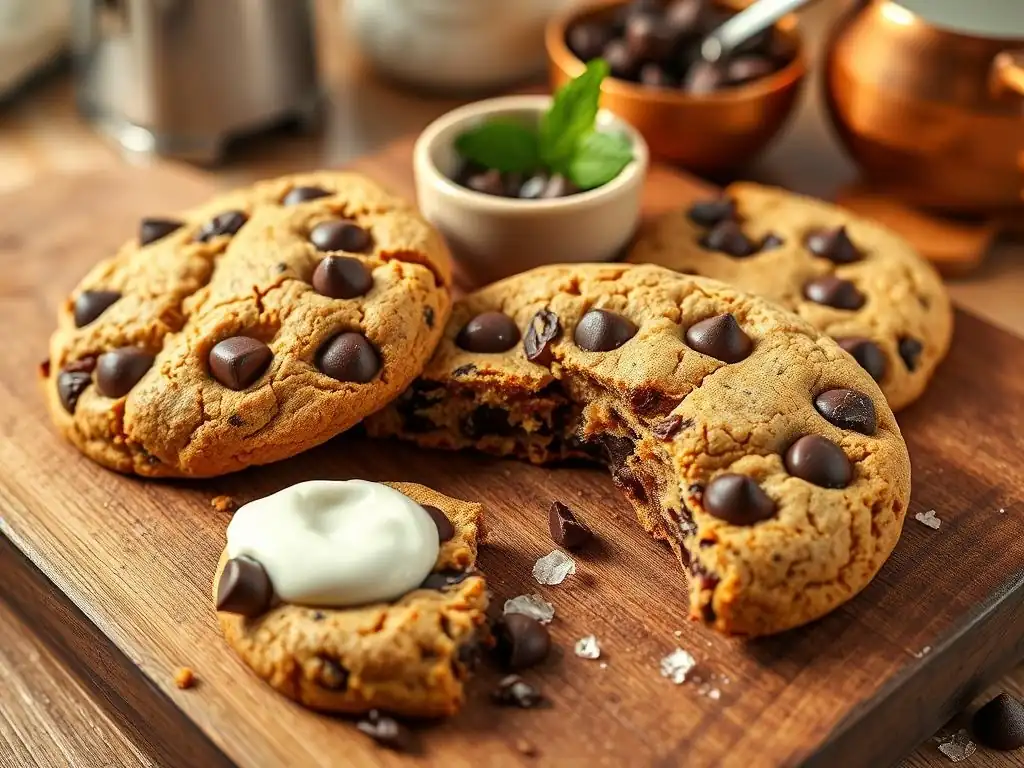
Achieving consistently moist keto chocolate chip cookies can sometimes feel like a challenge, but a few key tips can make a big difference. These techniques focus on managing moisture levels and using ingredients in a way that promotes a soft, chewy texture rather than a dry, crumbly one. Small adjustments in your process can lead to significant improvements in the final cookie.
Paying attention to ingredient temperatures, avoiding the temptation to overbake, and considering minor additions to the dough are all strategies that contribute to a more desirable texture. These tips are based on the unique properties of keto-friendly ingredients and how they react during the baking process.
Using Room Temperature Butter for Creamy Texture
As mentioned earlier, using softened, room temperature butter is crucial. Butter that is too cold won't cream properly with the sweetener, resulting in a less airy dough and potentially tougher cookies. Melted butter, on the other hand, causes excessive spread, leading to thin, crispy cookies that lack moisture.
Room temperature butter should be soft enough that you can easily indent it with your finger, but not so soft that it's greasy or shiny. Creaming softened butter with the sweetener creates a fluffy base that helps produce tender, moist keto chocolate chip cookies. This step incorporates tiny air pockets that contribute to the cookie's rise and texture during baking.
Overbaking is perhaps the most common reason for dry keto cookies. Because keto cookies don't brown as much as traditional ones due to the lack of sugar caramelization, it can be tricky to tell when they are done. Relying solely on golden-brown edges is the best approach.
Remove the cookies from the oven when the edges are set and just starting to turn a light golden hue, and the centers still look slightly soft or even undercooked. They will continue to firm up as they cool on the hot baking sheet. A cookie that looks perfectly baked in the oven will likely be overbaked once cooled. Err on the side of underbaking slightly for maximum moistness.
Adding Moisture-Boosting Ingredients: A Pinch of Xanthan Gum
Sometimes, even with the right techniques, keto doughs can benefit from a little extra help with binding and moisture. Xanthan gum is a common additive in gluten-free and keto baking that acts as a binder and thickener. Just a small amount can significantly improve the texture of your moist keto chocolate chip cookies, preventing crumbliness and promoting chewiness.
Adding ¼ to ½ teaspoon of xanthan gum per cup of low-carb flour blend (like almond/coconut flour mix) can make a noticeable difference. It helps mimic the role of gluten by providing structure and elasticity to the dough, which in turn helps the cookies hold together better and retain moisture.
Tailoring Sweetness to Individual Preferences
The perception of sweetness varies greatly from person to person, and keto sweeteners can have different impacts on flavor and texture. While recipes provide a starting point, don't hesitate to adjust the amount and type of sweetener to suit your taste. Some people prefer erythritol, while others find it leaves a cooling aftertaste and prefer blends with stevia or monk fruit.
Taste a tiny bit of the dough (before adding eggs, for safety) or bake a test cookie to check the sweetness level. You can slightly increase or decrease the amount of sweetener in future batches. Getting the sweetness right enhances the overall flavor of your moist keto chocolate chip cookies without relying on traditional sugar.
Even with the best recipe and techniques, sometimes things don't go exactly as planned in keto baking. Understanding common issues and how to fix them can save your batch of moist keto chocolate chip cookies. Problems like excessive spreading, dryness, or insufficient sweetness are often easily remedied once you know the likely cause.
Identifying the source of the problem, whether it's related to ingredient temperature, measurement errors, or baking time, is the first step towards a successful fix. Don't get discouraged if your first batch isn't perfect; keto baking is a learning process, and adjustments are often needed.
If your keto chocolate chip cookies spread into thin, flat discs, several factors could be the culprit. The most common reasons are using melted or overly soft butter, not chilling the dough sufficiently, or your oven temperature being too low (causing the butter to melt before the cookies set). Using too little flour or too much leavening agent can also contribute.
To fix this, ensure your butter is only softened, not melted. Chill the dough for at least 1-2 hours (or even longer). Verify your oven temperature with a thermometer and adjust if necessary. If the recipe seems inconsistent, you might need to slightly increase the almond flour or add a pinch of xanthan gum in future batches to help with structure.
Dry, crumbly cookies are a common frustration in keto baking. The primary cause is almost always overbaking. Even a minute or two too long in the oven can turn a potentially moist keto chocolate chip cookie into a dry crumb. Using too much low-carb flour, particularly coconut flour, or not enough fat (butter) or liquid (egg) can also lead to dryness.
To prevent dryness, strictly adhere to the recommended baking time and remove cookies when the edges are just set and centers look soft. Ensure your measurements are accurate, especially for flours. If a recipe consistently yields dry results, try slightly reducing the flour amount or increasing the butter or egg by a small amount in your next attempt.
Insufficient Sweetness: Adjusting Sweetener Proportions
If your moist keto chocolate chip cookies lack the desired sweetness, it's usually an issue with the type or amount of sweetener used. Different keto sweeteners have varying sweetness levels compared to sugar and to each other. For example, erythritol is less sweet than allulose or monk fruit extract. Your personal sensitivity to sweetness also plays a role.
To adjust sweetness, you can add a bit more of your chosen sweetener blend in the next batch. If using a bulk sweetener like erythritol, you might need to increase the amount. If using a concentrated sweetener like liquid stevia or monk fruit extract, add a drop or two more. Remember to test the dough (without raw egg) or bake a single test cookie to check the sweetness before baking the entire batch.
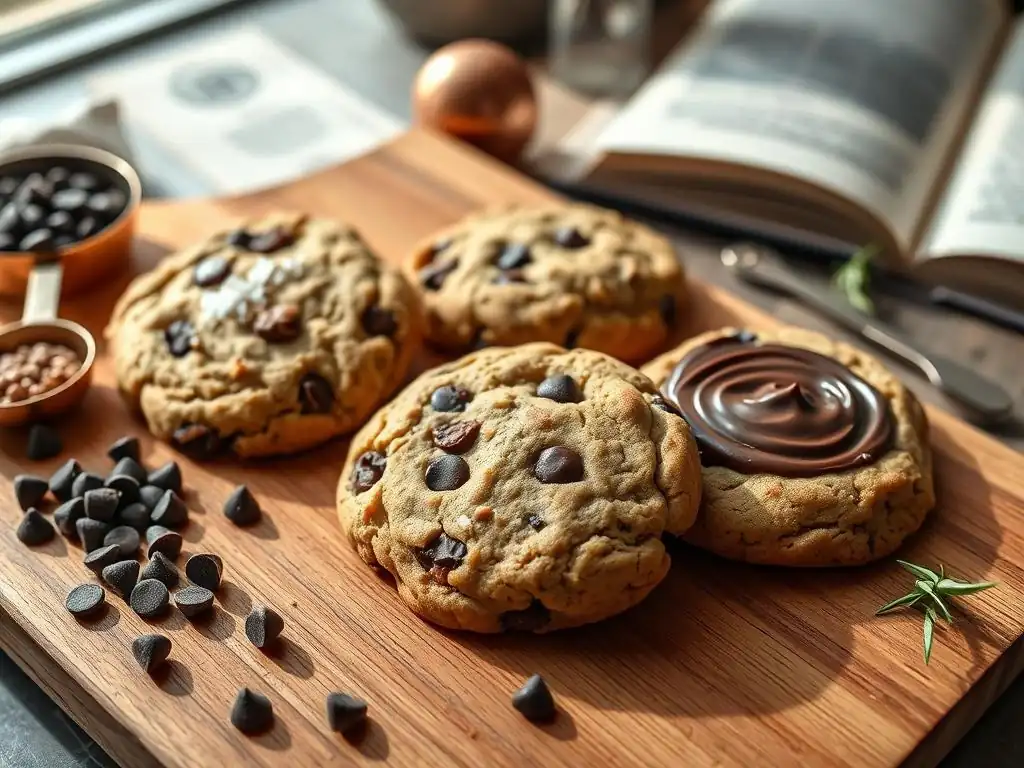
Once you've mastered the basic moist keto chocolate chip cookie, you can easily explore variations to add different flavors and textures. Keto baking is versatile, and the base recipe can be adapted to create a range of delicious low-carb treats. These variations allow you to customize your cookies and keep your keto baking repertoire exciting.
Adding nuts, different types of sugar-free chocolate, or spices can transform the classic recipe. These simple additions don't typically require major changes to the baking process, making them easy ways to experiment and find new favorites while maintaining the low-carb profile.
Adding Walnuts or Pecans for Added Texture
Incorporating chopped nuts like walnuts or pecans is a simple way to add crunch and depth of flavor to your moist keto chocolate chip cookies. Nuts are keto-friendly and provide healthy fats and fiber. Walnuts, for example, contain about 4 grams of total carbs and 2 grams of fiber per quarter cup, resulting in 2 grams of net carbs. Pecans are similar, with about 4 grams of total carbs and 3 grams of fiber, yielding 1 gram of net carb per quarter cup.
Simply fold about ½ cup (approx. 50-60 grams) of chopped walnuts or pecans into the dough along with the sugar-free chocolate chips. The nuts toast slightly as the cookies bake, enhancing their flavor. Ensure the nuts are chopped into small pieces so they distribute evenly throughout the dough.
For chocolate lovers, turning your moist keto chocolate chip cookies into double chocolate delights is easy. This variation involves adding cocoa powder to the dough base. Use unsweetened cocoa powder for a rich, intense chocolate flavor without added sugar.
Replace a small amount of the almond flour (e.g., 1/4 cup) with unsweetened cocoa powder, or add 1/4 to 1/3 cup of cocoa powder to the existing dry ingredients, potentially reducing the total flour slightly to maintain consistency. Combine it with the dry ingredients before adding to the wet mixture. Ensure the cocoa powder is well-whisked with the flours to avoid clumps. This will create a darker dough and a deeper chocolate flavor profile.
Incorporating Cinnamon or Nutmeg for Flavor Depth
Adding spices like cinnamon or nutmeg can provide a warm, comforting note to your moist keto chocolate chip cookies. These spices pair wonderfully with chocolate and can enhance the overall flavor complexity without adding carbs. A little goes a long way; typically, only a small amount is needed.
Whisk 1/2 teaspoon of ground cinnamon or 1/4 teaspoon of ground nutmeg into the dry ingredients along with the flours, baking soda, and salt. These spices are keto-friendly and can add a subtle yet noticeable layer of flavor. They are particularly delicious when paired with dark sugar-free chocolate chips.
Baking moist keto chocolate chip cookies might require a slightly different approach than traditional baking, but the results are incredibly rewarding. By understanding the nuances of low-carb ingredients, paying close attention to techniques like chilling and baking time, and troubleshooting common issues, you can consistently produce soft, chewy, and delicious cookies that fit perfectly into your ketogenic lifestyle. Enjoying a warm, freshly baked cookie is a simple pleasure that doesn't have to be sacrificed on keto.
These cookies are perfect for satisfying a sweet craving, enjoying with a cup of coffee or tea, or sharing with friends and family (keto or not!). The satisfaction of creating a truly moist and flavorful low-carb treat from scratch is immense. Don't be afraid to experiment with the variations suggested or even come up with your own flavor combinations.
Expanding Your Keto Baking Repertoire
Mastering moist keto chocolate chip cookies is just the beginning! The techniques and knowledge gained from this recipe can be applied to other keto baked goods. Understanding how almond flour, coconut flour, and sugar substitutes interact will help you tackle recipes for keto brownies, muffins, cakes, and more. Each new recipe is an opportunity to refine your keto baking skills and discover new low-carb favorites.
Explore different types of keto-friendly flours and sweeteners, experiment with various flavorings and mix-ins, and continue to practice your techniques. As you gain experience, you'll become more intuitive about how keto ingredients behave and how to adjust recipes to achieve the perfect texture and flavor every time.
One of the best parts of baking is sharing the results. Your delicious and moist keto chocolate chip cookies are perfect for bringing to gatherings, gifting to friends, or simply enjoying with loved ones at home. Many people, even those not on a keto diet, are surprised by how good well-made keto treats can be.
Sharing your successful bakes can also inspire others who are exploring low-carb or gluten-free lifestyles. Don't hesitate to brag a little about how moist and delicious your keto cookies turned out! It's a testament to the fact that dietary restrictions don't mean sacrificing flavor or texture when it comes to baking.
Frequently Asked Questions
The key to moist keto cookies is using the right keto-friendly fats, like almond butter or coconut oil, and avoiding overbaking. Also, ensure your dry ingredients are accurately measured.
Look for sugar-free chocolate chips specifically designed for keto diets. Many brands use sweeteners like erythritol or stevia to maintain a low-carb count.
Popular choices include erythritol, stevia, and monk fruit sweeteners. Start with a smaller amount than sugar, as they can be sweeter, and adjust to taste.
Can I substitute almond flour in this recipe with another keto-friendly flour?
While almond flour is common, you can try coconut flour or a blend of keto-friendly flours. Note that coconut flour is very absorbent, so you'll need to adjust the liquid ingredients significantly.
Baking time varies depending on your oven, but generally, bake until the edges are golden brown and the center is still slightly soft. Overbaking is the enemy of moisture! A good starting point is 8-12 minutes at 350°F.
The pursuit of the moist, melt-in-your-mouth keto chocolate chip cookie is more than just a culinary challenge; it's a testament to the power of adaptation and delicious innovation. The ketogenic diet, while restrictive in some ways, has opened up a world of creative possibilities for those seeking delicious, low-carb alternatives. This article has explored the key techniques and ingredients that ensure consistently moist and flavorful keto cookies, proving that dietary restrictions don't have to mean sacrificing taste.
The journey to mastering the perfect keto cookie reflects a broader cultural shift towards mindful eating and personalized dietary choices. We are increasingly aware of the impact of food on our health and well-being, and the keto diet, with its focus on healthy fats and reduced carbohydrates, is a significant part of this conversation. The best things in life are worth fighting for, and a truly moist keto cookie is definitely one of them.
This playful sentiment highlights the dedication and experimentation involved in achieving culinary success within dietary constraints, a dedication shared by many who embrace the keto lifestyle.
Now, it's your turn. Don't be afraid to experiment with the techniques and recipes outlined in this article. Embrace the challenge of creating your own perfect keto chocolate chip cookie, tweaking ingredients and methods to find your ideal balance of texture and flavor. The journey itself is a rewarding one, filled with delicious discoveries and the satisfaction of mastering a culinary skill. So, roll up your sleeves, preheat your oven, and embark on your own delicious keto baking adventure!
Unleash Your Inner Keto Baker!
Thanks for joining me on this delicious journey into the world of keto baking! You now have the secrets to creating incredibly moist and satisfying keto chocolate chip cookies. Ready to take your baking to the next level?
- Master the art of keto cookie perfection: Try the recipe again, experimenting with different types of keto-friendly chocolate chips to discover your absolute favorite combination. This is your chance to perfect your technique!
- Share your baking triumphs: Show off your amazing keto cookies on social media using #BakeWithEaseKetoCookies – let’s inspire others!
- Explore more keto recipes: Dive deeper into our extensive recipe library for even more delectable low-carb treats.
So, what incredible keto creation will you bake next?