
How to Store NutFree Baked Goods for LongLasting Freshness

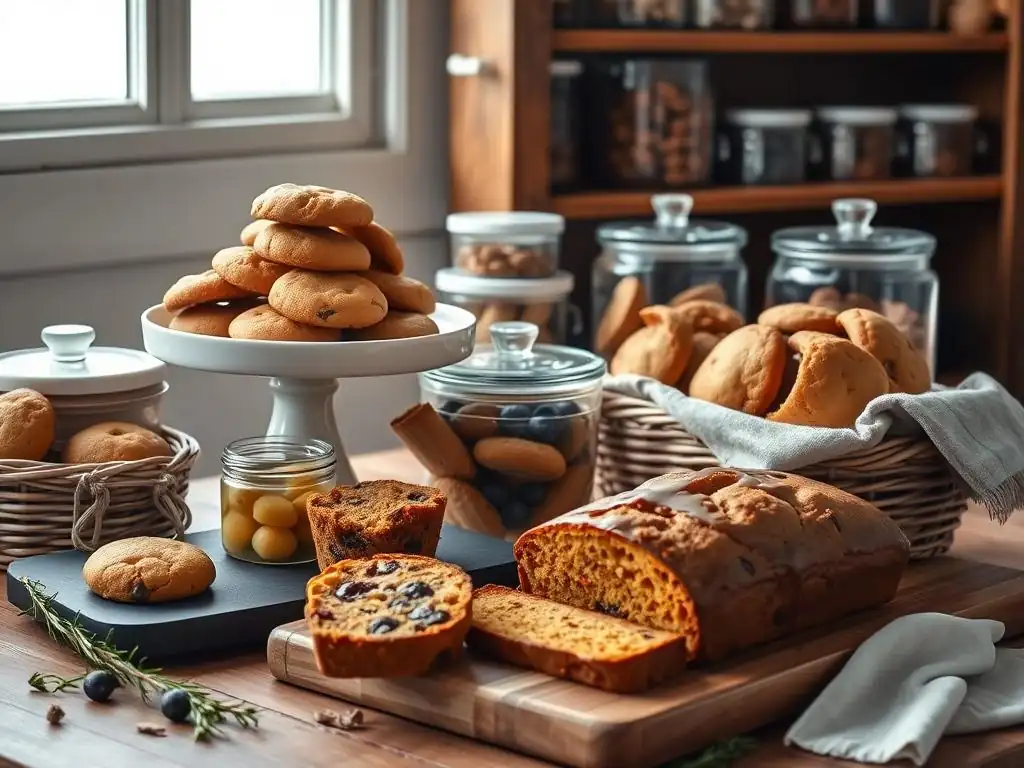
Welcome to BakeWithEase, your trusted guide to delightful baking adventures! Are you tired of your delicious nut-free baked goods losing their freshness too quickly? Unlock the secrets to Nutfree baked goods storage in our latest article and discover how to keep your treats tasting as perfect as the day they were baked. Intrigued? Let's dive in and ensure every bite is a moment of pure, allergen-friendly bliss!
- Maintaining Freshness: A Guide to Storing Gluten-Free Baked Goods
- Introduction to Gluten-Free Baking and Proper Storage
- Understanding the Enemies of Freshness: Moisture, Air, and Temperature Fluctuations
- Best Storage Methods for Different Types of Gluten-Free Baked Goods
- Choosing the Right Storage Containers for Gluten-Free Treats
- Step-by-Step Guide: Storing Gluten-Free Baked Goods for Maximum Freshness
- Freezing Gluten-Free Baked Goods: A Comprehensive Guide
- Troubleshooting Common Gluten-Free Storage Problems
- Tips for Maintaining Freshness Without Preservatives in Gluten-Free Baking
- Conclusion: Enjoying Fresh, Delicious Gluten-Free Baked Goods
-
Frequently Asked Questions
- What are the best containers to use for storing nut-free baked goods?
- How long can I typically store nut-free baked goods at room temperature?
- Can I freeze nut-free baked goods to extend their shelf life significantly?
- What's the best way to thaw frozen nut-free baked goods?
- Are there any specific types of nut-free baked goods that require special storage considerations?
- Final Reflection: Preserving Deliciousness, Protecting Wellbeing
- Unlock the Secret to Longer-Lasting Nut-Free Treats!
Maintaining Freshness: A Guide to Storing Gluten-Free Baked Goods
Introduction to Gluten-Free Baking and Proper Storage
Why Proper Storage Matters for Gluten-Free Baked Goods
Proper storage is absolutely crucial for maintaining the quality and safety of your delicious nut-free baked goods. Unlike commercially produced items that often contain preservatives, homemade nut-free treats are more susceptible to staling, drying out, or even developing mold if not stored correctly. This is particularly true for items made with alternative flours, which can sometimes behave differently regarding moisture retention compared to traditional wheat-based goods. Implementing effective nut-free baked goods storage strategies ensures that the time and effort you put into baking result in enjoyable treats for as long as possible.
Furthermore, incorrect storage can lead to food safety issues. Nut-free environments are essential for individuals with nut allergies, and proper storage helps prevent cross-contamination if you bake in a shared kitchen. Beyond safety, the texture and flavor you worked hard to achieve can degrade rapidly. A perfectly moist nut-free cake can become dry and crumbly, or a crisp nut-free cookie can turn soft and unappealing. Mastering the art of storing nut-free baked goods means preserving that fresh-from-the-oven taste and texture for future enjoyment, minimizing waste, and ensuring safety.
Maintaining Quality: The Key to Enjoying Your Gluten-Free Treats
The key to truly enjoying your nut-free baked goods days after they've been baked lies in proactive quality maintenance through proper storage. This involves understanding the unique characteristics of nut-free recipes and how environmental factors impact them. For instance, many nut-free recipes rely on ingredients like rice flour, almond flour substitutes (like sunflower seed flour), or oat flour (certified nut-free), which can absorb or release moisture differently than wheat flour. Effective nut-free baked goods storage methods are designed to counteract these tendencies, locking in moisture for cakes and breads while keeping cookies crisp.
Maintaining quality also means protecting your treats from external factors like strong odors in your pantry or refrigerator. Baked goods can easily absorb smells, which can ruin their delicate flavor profile. Using appropriate, sealed containers is a fundamental part of maintaining quality during nut-free baked goods storage. By taking these steps, you ensure that each bite of your stored nut-free brownies or muffins is as delightful as the first, making your baking efforts truly worthwhile and allowing you to enjoy your creations over several days or even weeks if frozen correctly.
Understanding the Enemies of Freshness: Moisture, Air, and Temperature Fluctuations
Moisture is a double-edged sword when it comes to nut-free baked goods storage. For items like cakes, muffins, and breads, retaining moisture is paramount to keeping them soft and tender. If exposed to dry air, the moisture within the baked good evaporates, leading to a dry, crumbly texture. This staling process is accelerated in lower humidity environments. For example, a nut-free vanilla cake left uncovered on the counter might lose about 15-20% of its moisture within just a few hours, becoming noticeably dry.
Conversely, too much moisture can be detrimental, particularly for nut-free cookies designed to be crisp. If crispy nut-free cookies are stored in a humid environment or sealed while still warm (trapping steam), they will absorb excess moisture from the air or their own residual heat. This causes the sugar and flour structure to soften, turning a crisp cookie into a soggy one.
Humidity levels above 60% can significantly impact the texture of crispy baked goods within a day or two. Proper nut-free baked goods storage must balance these needs, protecting moist items from drying out while shielding crisp items from humidity.
The Role of Air in Staling Gluten-Free Baked Goods
Air, specifically the oxygen within it, is a primary culprit in the staling process and can also contribute to spoilage of nut-free baked goods. Exposure to air causes oxidation, which can affect the fats in your baked goods, leading to off-flavors often described as "stale." Beyond oxidation, air circulation facilitates the evaporation of moisture from items like cakes and breads, as discussed previously. An uncovered nut-free loaf of bread can begin to feel dry and hard on the crust within just a few hours due to air exposure.
Furthermore, airborne mold spores are everywhere. When nut-free baked goods are left exposed to air, these spores can land on the surface. Given the right conditions (moisture and warmth), these spores will germinate and grow, leading to visible mold formation. Sealing baked goods in airtight containers minimizes exposure to oxygen and airborne contaminants, significantly slowing down both staling and the potential for mold growth. Effective nut-free baked goods storage relies heavily on creating a barrier between the baked good and the surrounding air.
Protecting Gluten-Free Treats from Temperature Fluctuations
Temperature fluctuations can wreak havoc on the texture and shelf life of nut-free baked goods. When items are repeatedly heated and cooled, it affects the starch molecules within them, accelerating the staling process. For example, storing nut-free cookies in a location that gets warm during the day and cool at night can cause them to lose their desired texture much faster than if stored at a consistent room temperature. Extreme heat can also cause fats to melt and seep, altering texture, while freezing and thawing improperly can damage the structure, leading to dryness or crumbling.
Condensation is another issue caused by temperature changes, especially when moving baked goods from a cold environment (like a refrigerator) to warmer room temperature. As the cold item warms up, moisture from the air condenses on its surface. This added surface moisture is detrimental to crisp items and can create a favorable environment for mold growth on any baked good. Storing nut-free baked goods in a cool, consistent environment, away from direct sunlight or heat sources like ovens, is crucial for maintaining their quality and extending their shelf life.
Best Storage Methods for Different Types of Gluten-Free Baked Goods
Storing Gluten-Free Cakes: Tips and Techniques
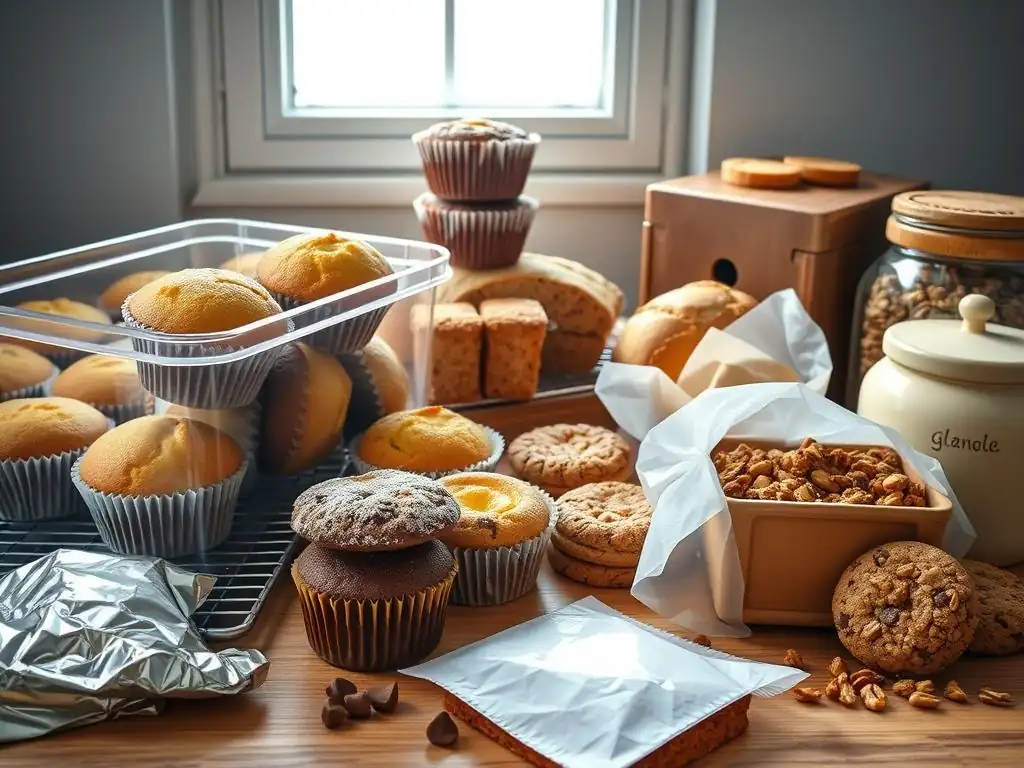
Storing nut-free cakes properly is essential to keep them moist and delicious. The best method depends on whether the cake is frosted or not. An unfrosted nut-free cake, such as a pound cake or bundt cake, can be stored at room temperature for 2-3 days, wrapped tightly in plastic wrap or aluminum foil, or placed in an airtight container. This prevents moisture loss. For longer storage up to a week, refrigeration is an option, but ensure it's well-wrapped to prevent drying and absorption of fridge odors.
Frosted nut-free cakes, especially those with cream cheese or whipped cream frostings, require refrigeration for safety and freshness. Before refrigerating, if the frosting is firm, you can place the cake uncovered in the fridge for about 15-20 minutes to allow the frosting to set slightly. Then, cover it loosely with plastic wrap or place it in a cake carrier. This initial chilling prevents the wrap from sticking to the frosting. When ready to serve, let the cake sit at room temperature for 30-60 minutes to allow the cake itself to soften slightly, enhancing the texture.
Gluten-Free Layer Cakes: Maintaining Frosting Freshness
Maintaining the freshness and appearance of frosting on nut-free layer cakes is key to their appeal. For buttercream or ganache-frosted nut-free layer cakes, refrigeration is generally recommended after the first day, or immediately if the frosting contains dairy or eggs and the ambient temperature is warm (above 70°F or 21°C). To store, chill the cake briefly (as mentioned above) until the frosting is firm. Then, cover the cake dome or carrier securely to prevent drying and odor absorption.
When storing individual slices of nut-free layer cake, press plastic wrap directly onto the cut surface before covering the slice or placing it in a container. This minimizes air exposure to the moist interior. Properly stored nut-free layer cakes with stable frostings can last 3-4 days in the refrigerator. For longer storage, freezing is the best option; wrap individual slices or the whole cake securely (more on freezing later) to protect the frosting and cake layers.
Gluten-Free Bundt Cakes: Preventing Dryness
Nut-free bundt cakes, often denser than layer cakes, are particularly susceptible to drying out due to their larger surface area exposed to air. The primary goal when storing nut-free bundt cakes is to seal in moisture. Once completely cooled, wrap the entire cake tightly in several layers of plastic wrap, ensuring no part is exposed. Follow this with a layer of aluminum foil for added protection against air and odors.
Alternatively, a large, airtight cake container specifically designed for bundt cakes works well. If the cake is unfrosted, it can be stored at room temperature for 2-3 days using these methods. For longer storage, up to a week, refrigerate the well-wrapped cake. Always ensure the cake is fully cooled before wrapping; otherwise, condensation will form inside the wrapping, making the cake soggy and promoting mold growth. Proper wrapping is the cornerstone of preventing dryness in nut-free bundt cakes during storage.
Storing nut-free cookies requires a different approach depending on whether they are meant to be soft and chewy or crisp and crunchy. Mixing different types of cookies in the same container is a common mistake; soft cookies will transfer moisture to crisp ones, ruining the texture of both. Always store different types of nut-free cookies separately in airtight containers.
For soft and chewy nut-free cookies, the goal is to retain their moisture. Store them in an airtight container at room temperature. To help maintain softness, you can place a slice of bread or a small piece of apple peel in the container with the cookies. The cookies will absorb moisture from the bread or apple, staying soft for several days. Be sure to replace the bread or apple every day or two to prevent mold.
Gluten-Free Soft Cookies: Preventing Hardening
Nut-free soft cookies, like drop cookies or certain bar cookies, can turn hard quickly if exposed to air. Preventing hardening is all about locking in their internal moisture. After cooling completely on a wire rack, transfer them to an airtight container. Avoid overcrowding the container; stacking too many cookies can sometimes lead to them sticking together or losing their shape.
As mentioned, adding a moisture source is a classic trick. A small piece of fresh bread (gluten-free or regular, as it's just for moisture) or an apple slice placed in the container works wonders. The cookies will pull moisture from this addition, helping them stay soft and chewy for up to 3-5 days at room temperature. Remember to swap out the bread or apple every couple of days to keep it fresh and prevent mold from growing on the moisture source itself.
Gluten-Free Crispy Cookies: Avoiding Soggy Textures
Crispy nut-free cookies, such as shortbread, biscotti, or certain cutout cookies, lose their desired crunch when they absorb moisture. The key to keeping them crisp is protecting them from humidity. Store crispy nut-free cookies in an airtight container at room temperature. Unlike soft cookies, you do not want to add any moisture source.
For extra protection in humid environments, you can include a food-safe desiccant packet (like the silica gel packets found in some food packaging, ensure they are marked as food-safe) in the container. Alternatively, lining the container with a paper towel can absorb some ambient moisture. Ensure the cookies are completely cool before storing, as residual heat creates steam, which will make them soggy. Properly stored, crispy nut-free cookies can maintain their crunch for 5-7 days or even longer.
Storing Gluten-Free Breads and Muffins: Extending Shelf Life
Nut-free breads and muffins require careful storage to prevent them from drying out or becoming moldy. Freshly baked nut-free loaf bread is best stored at room temperature for the first 1-2 days, wrapped tightly. A bread box can also help regulate humidity, keeping the crust from becoming too hard while preventing the interior from drying out. Avoid refrigerating most nut-free breads, as this can actually accelerate the staling process, making them dry and dense faster than leaving them at room temperature.
Nut-free muffins are similar to cakes in their storage needs. Once completely cooled, store them in an airtight container at room temperature for up to 2-3 days. Lining the container with a paper towel can absorb excess moisture and prevent the tops from becoming sticky. For longer storage, both nut-free breads and muffins freeze exceptionally well when properly wrapped.
Gluten-Free Loaf Breads: Sealing in Moisture
Sealing in moisture is the primary goal for storing nut-free loaf breads. After the bread has cooled completely (this can take 2-3 hours for a standard loaf), wrap it tightly. A common method is to wrap the loaf first in plastic wrap, pressing it firmly against the surface to remove as much air as possible. Then, add a layer of aluminum foil or place the wrapped loaf inside a resealable plastic bag or a dedicated bread bag.
Storing the wrapped loaf cut-side down after you've started slicing can also help retain moisture from the exposed interior. While a traditional bread box offers some humidity control at room temperature for a couple of days, airtight wrapping provides better protection against drying out and is essential for longer room temperature storage (up to 3-4 days total) or before freezing.
Gluten-Free Muffins: Preventing Stickiness
Nut-free muffins, especially those with fruit or streusel toppings, can become sticky on top when stored, particularly if condensation forms. To prevent this, ensure the muffins are completely cool before storing – even slight warmth will create steam in a sealed container. Store them in a single layer in an airtight container if possible. If stacking is necessary, place a piece of parchment paper between layers.
Lining the bottom of the airtight container with a paper towel helps absorb any residual moisture or condensation, keeping the muffin tops from getting sticky and potentially inhibiting mold growth. Stored this way at room temperature, nut-free muffins will stay fresh and non-sticky for 2-3 days. For longer storage, refrigeration (up to a week) or freezing (up to 3 months) are good options, using airtight containers or freezer bags.
Choosing the Right Storage Containers for Gluten-Free Treats
Airtight Containers: The Foundation of Freshness
Airtight containers are the cornerstone of effective nut-free baked goods storage. Their primary function is to create a barrier that prevents the exchange of air and moisture between the baked good and the environment. This significantly slows down the staling process (by reducing air exposure and moisture loss) and protects against airborne contaminants like mold spores and off-odors. A container is considered airtight if its lid creates a tight seal that you can feel or hear click into place, or if it has a rubber or silicone gasket around the rim.
Using airtight containers helps maintain the desired texture – keeping moist items moist and crisp items crisp – for a longer period compared to simply covering items with plastic wrap or foil (though these can be used in conjunction with containers or for wrapping items that don't fit standard containers). Look for containers specifically designed for food storage. Investing in a few good quality airtight containers in various sizes is essential for maximizing the freshness and shelf life of your nut-free baked goods.
Plastic vs. Glass: Which is Better for Gluten-Free Storage?
Both plastic and glass airtight containers have their pros and cons for nut-free baked goods storage. Glass containers are non-porous, meaning they will not absorb odors or stains over time, making them excellent for maintaining pure flavors. They are also durable and can often go from refrigerator to microwave (if the lid is removed and the glass is tempered). However, glass is heavier and more prone to breaking.
Plastic containers are lightweight, less fragile, and often more affordable and readily available in various shapes and sizes, including those specifically designed for cakes, pies, or cookies. Ensure you choose high-quality, BPA-free plastic containers that are marked as food-safe. While some plastic containers can absorb odors over time, a thorough washing usually mitigates this. Ultimately, the best choice depends on your preference, budget, and the specific type of nut-free baked good you are storing, but the key is that the container is airtight.
Using Freezer-Safe Bags for Long-Term Gluten-Free Storage
Freezer-safe bags are indispensable for long-term nut-free baked goods storage in the freezer. These bags are thicker and more durable than standard food storage bags, designed to withstand the cold temperatures without becoming brittle and to prevent freezer burn. Freezer burn occurs when food is exposed to air in the freezer, causing dehydration and oxidation, resulting in dry, discolored spots and off-flavors.
When using freezer-safe bags for nut-free treats, press out as much air as possible before sealing. For items like individual cookies, muffins, or slices of cake, placing them in a single layer in the bag or wrapping them individually in plastic wrap before bagging adds an extra layer of protection against freezer burn. Freezer bags are space-efficient and conform to the shape of the items, making them ideal for storing irregularly shaped baked goods or multiple small items.
Step-by-Step Guide: Storing Gluten-Free Baked Goods for Maximum Freshness
Step 1: Cooling Completely Before Storage
This is perhaps the most critical, yet often overlooked, step in nut-free baked goods storage. Always allow your nut-free baked goods to cool completely on a wire rack before storing them. Storing warm or hot items in a sealed container, bag, or wrap will trap steam. This trapped moisture creates condensation, which makes crisp items soggy, can cause cakes and breads to become gummy or sticky, and provides a perfect breeding ground for mold.
For cookies, this might just take 15-30 minutes on the cooling rack. Cakes and breads, especially larger loaves or bundt cakes, may need 2-3 hours to cool entirely to room temperature. Muffins typically cool down in 30-45 minutes. Patience is key here; waiting until the item is cool to the touch all the way through will significantly improve the outcome of your nut-free baked goods storage efforts.
Step 2: Selecting the Appropriate Container
Once your nut-free baked goods are fully cooled, choose the right storage container based on the type of baked good and how long you plan to store it. For soft cookies, use an airtight container at room temperature, potentially with a bread slice. For crispy cookies, an airtight container without added moisture is needed. Cakes and muffins do well in airtight containers or wrapped tightly if they don't fit a standard container.
Consider the size of the container; it should be large enough to hold the baked goods without crushing them but not so large that there's excessive empty space, which can trap air. Ensure the container is clean and dry before use. For longer-term storage in the freezer, opt for freezer-safe airtight containers or freezer bags.
Step 3: Adding Moisture Absorbers (If Necessary) [Example: Paper Towel]
This step is specific to certain types of nut-free baked goods or storage methods. For crispy cookies, adding a food-safe desiccant packet or simply lining the container with a paper towel can help absorb excess humidity and maintain crispness. For muffins or bar cookies prone to getting sticky tops, lining the container with a paper towel can absorb condensation.
Conversely, for soft nut-free cookies that need to retain moisture, this step would involve adding a moisture source like a slice of bread or apple peel, not an absorber. Understand the texture you want to preserve and use moisture control methods accordingly during nut-free baked goods storage.
Step 4: Sealing and Labeling Your Gluten-Free Baked Goods
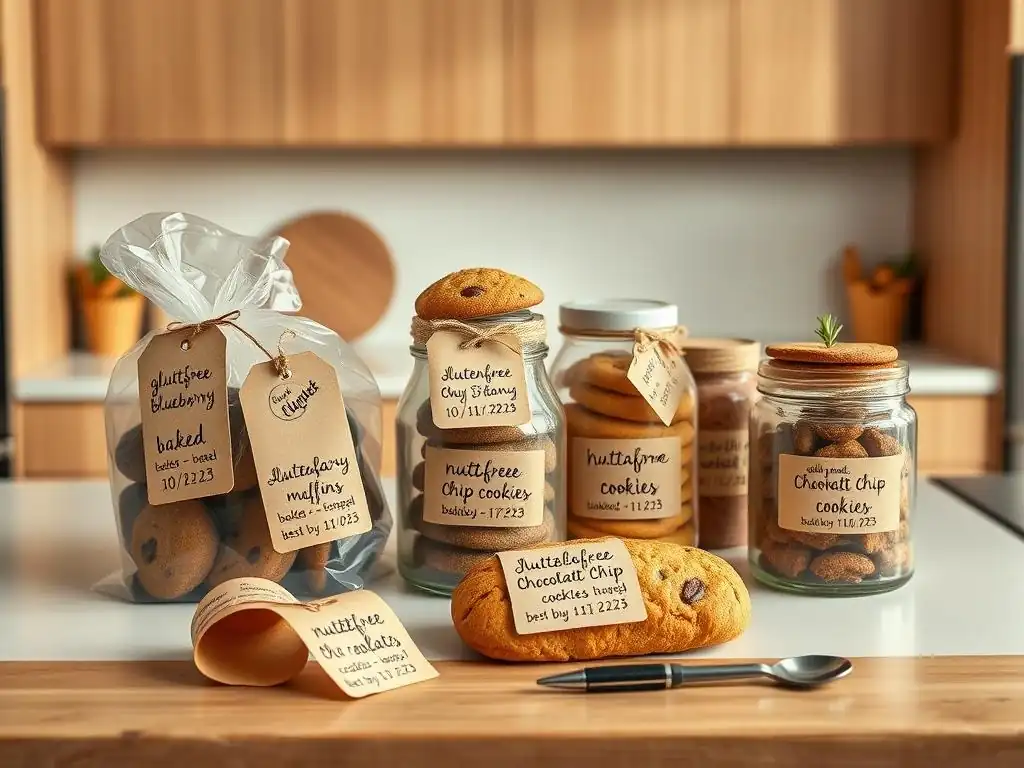
Properly sealing your container or wrapping is crucial to create that essential barrier against air and moisture. Ensure the lid is firmly in place, creating a tight seal. If using plastic wrap, wrap tightly, pressing out air, and follow with foil or a bag if needed. For freezer bags, press out as much air as possible before sealing.
Labeling is vital, especially for frozen items or if you store different types of nut-free baked goods. Include the name of the baked good and the date it was baked. This helps you keep track of how long items have been stored and ensures you use older items first, preventing them from exceeding their recommended storage time. Clear labeling is a simple but effective part of organized nut-free baked goods storage.
Step 5: Choosing the Right Storage Location (Room Temperature, Fridge, Freezer)
The final step is placing your properly prepared nut-free baked goods in the optimal storage location. Room temperature (around 68-72°F or 20-22°C) is suitable for most unfrosted cakes, cookies, breads, and muffins for a few days, provided they are stored in airtight containers away from direct sunlight or heat.
Refrigeration (around 35-40°F or 2-4°C) is necessary for items with perishable fillings or frostings (like cream cheese) and extends the life of many baked goods up to a week, although it can sometimes alter the texture of breads. The freezer (0°F or -18°C or below) is best for long-term nut-free baked goods storage, preserving quality for several months. Choose the location that best suits the type of baked good and how soon you plan to consume it.
Freezing Gluten-Free Baked Goods: A Comprehensive Guide
Preparing Gluten-Free Baked Goods for Freezing
Freezing is an excellent method for extending the shelf life of nut-free baked goods for months while largely preserving their quality. Proper preparation is key to preventing freezer burn and maintaining texture. Ensure the baked goods are completely cooled before freezing – freezing warm items will lead to ice crystals and freezer burn.
For items like cookies, muffins, or individual slices of cake or bread, it's often beneficial to 'flash freeze' them first. Place the items in a single layer on a baking sheet lined with parchment paper and freeze until solid (usually 1-2 hours). Once solid, transfer the items to an airtight freezer bag or container.
This prevents them from sticking together, allowing you to take out just what you need. For whole cakes or loaves of bread, wrap them very tightly in multiple layers of plastic wrap and then a layer of aluminum foil or place them in a large freezer bag. Removing as much air as possible is crucial.
Best Practices for Thawing Frozen Gluten-Free Treats
Thawing nut-free baked goods properly is just as important as freezing them correctly to maintain texture and prevent sogginess. The best method for thawing most baked goods is slowly at room temperature. Transfer the frozen item (still in its wrapping or container) from the freezer to the counter. Keeping it wrapped during thawing helps manage condensation; as the item warms, condensation forms on the outside of the wrapping instead of on the baked good itself.
Allow ample time for thawing. Individual cookies might thaw in 30-60 minutes. Muffins or slices of cake/bread could take 1-2 hours. A whole loaf of bread or a whole cake might require 4-8 hours or even overnight, depending on its size and density. Avoid thawing in the microwave unless you plan to eat it immediately, as it can lead to uneven heating and a tough or dry texture. Once thawed, treat the item as fresh and consume within a day or two.
How Long Can You Freeze Gluten-Free Baked Goods?
The length of time nut-free baked goods can be frozen while maintaining good quality varies slightly depending on the type, but a general guideline exists. Most nut-free cookies and muffins can be frozen for up to 3 months without significant loss of quality. Nut-free cakes and loaves of bread can also be frozen for about 2-3 months.
While technically safe to eat for much longer if kept continuously frozen, the texture and flavor may start to degrade past this timeframe, increasing the risk of freezer burn affecting quality. Always label your frozen nut-free baked goods with the date they were frozen to help you keep track and ensure you enjoy them at their best quality within the recommended freezing period. Proper wrapping is the most significant factor in achieving the maximum recommended freezer life.
Troubleshooting Common Gluten-Free Storage Problems
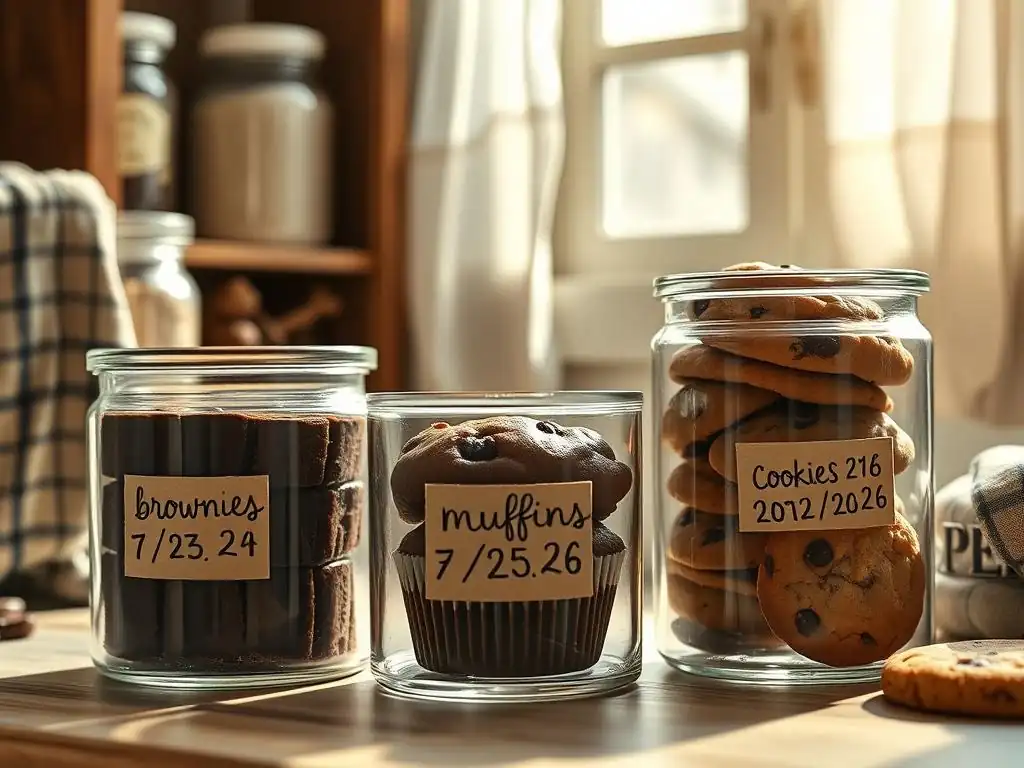
If your nut-free cookies have gone stale, it's likely due to exposure to air, which caused them to either dry out (if they were soft cookies) or absorb moisture (if they were crisp cookies). This happens when cookies are not stored in an airtight container, or if the container wasn't sealed properly. Storing soft and crisp cookies together is another common cause of staling, as moisture transfers between them.
To potentially revive stale nut-free soft cookies, you can try placing them in an airtight container with a slice of fresh bread or an apple slice for a few hours or overnight. The cookies should absorb some moisture. For stale crispy cookies that have gone soft, briefly reheating them in a low oven (around 300°F or 150°C) for 5-10 minutes can sometimes help dry them out and restore some crispness, but be careful not to burn them. Prevention through proper airtight nut-free baked goods storage is the best strategy.
My Gluten-Free Cake is Dry: How to Revive It?
A dry nut-free cake is usually a result of moisture loss, often from being left uncovered or improperly sealed during storage. Unlike wheat cakes, some nut-free cakes can dry out more quickly depending on the flour blend used. While you can't fully restore a cake to its original moistness, you can make it more palatable.
One method is to brush the cake layers with a simple syrup or a complementary liquid (like fruit juice or milk) before serving. For a whole cake, you can poke small holes in the top with a skewer and gently pour or brush on the liquid, allowing it to soak in.
Another option is to serve the dry cake with a moist accompaniment, such as whipped cream, ice cream, fruit compote, or a pouring custard or sauce. For very dry cakes, repurposing them into cake pops, trifles, or bread pudding (using a moist custard base) are great ways to salvage them.
My Gluten-Free Bread is Moldy: Prevention Tips
Mold growth on nut-free bread indicates exposure to airborne mold spores combined with sufficient moisture and temperature. This often happens when bread is stored in a humid environment, sealed while still warm (trapping steam), or stored for too long, especially at room temperature in warm conditions. Refrigerating bread can sometimes delay mold growth, but it accelerates staling.
Prevention is key: ensure your nut-free bread is completely cool before storing. Store it in an airtight container or bag at room temperature for a few days. If you won't finish the loaf within 3-4 days, it's best to slice and freeze it immediately after cooling. Avoid storing bread in humid places like above the stove or near a sink. If you see any mold, discard the entire loaf, as mold roots can penetrate deeper than what's visible on the surface.
Tips for Maintaining Freshness Without Preservatives in Gluten-Free Baking
Using Natural Humectants in Gluten-Free Recipes [Example: Yogurt, Mashed Banana]
Incorporating natural humectants into your nut-free recipes can help baked goods retain moisture and stay fresh longer without relying on artificial preservatives. Humectants are substances that attract and hold onto water molecules. Examples of natural humectants commonly used in baking include ingredients like yogurt, sour cream, applesauce, mashed banana, pumpkin puree, honey, molasses, and brown sugar (compared to white sugar).
Adding ingredients like a spoonful of nut-free yogurt or some mashed banana to your nut-free muffin or cake batter can significantly improve the texture and extend its moistness for an extra day or two. Using brown sugar in nut-free cookies instead of entirely white sugar can also contribute to a softer, chewier texture that lasts longer. Experimenting with these ingredients can boost both flavor and the natural shelf life of your nut-free baked goods.
Focusing on High-Quality Ingredients for Better Shelf Life
The quality of the ingredients you use directly impacts the freshness and shelf life of your nut-free baked goods. Fresh, high-quality flours (like certified nut-free oat flour or fresh rice flour blends) and fats (like fresh butter or oil) are less likely to spoil quickly than older or lower-quality ingredients. Fats, in particular, can go rancid over time, negatively affecting flavor.
Ensuring your leavening agents (baking soda and baking powder) are fresh is also important; while not directly related to moisture, effective leavening contributes to a lighter texture, which can sometimes seem fresher longer than dense, heavy baked goods. Storing your baking ingredients properly – keeping flours in airtight containers, especially alternative flours which can be prone to rancidity or absorbing moisture – also contributes to the overall potential freshness of the finished nut-free baked goods.
Baking Smaller Batches to Minimize Storage Time
One of the simplest ways to ensure you always enjoy fresh nut-free baked goods is to bake smaller batches more frequently. While appealing to have a large supply on hand, the longer baked goods are stored, the more their quality degrades, regardless of storage method. Baking just enough to be consumed within a few days minimizes the need for extended storage and ensures you are always eating items close to their peak freshness.
This approach is particularly useful for items that don't freeze well or that you prefer to eat fresh, like certain types of nut-free breads or delicate pastries. If you enjoy baking regularly, scaling down recipes to produce fewer cookies, muffins, or a smaller cake means less worry about long-term nut-free baked goods storage and more opportunities to enjoy that just-baked taste and aroma.
Conclusion: Enjoying Fresh, Delicious Gluten-Free Baked Goods
Frequently Asked Questions
What are the best containers to use for storing nut-free baked goods?
The best containers are airtight containers like plastic containers with tight-fitting lids or glass jars with rubber seals. This helps to prevent the baked goods from drying out and maintain optimal freshness.
How long can I typically store nut-free baked goods at room temperature?
Most nut-free baked goods can be stored at room temperature for 2-3 days, provided they are properly sealed. Keep them away from direct sunlight and heat sources.
Can I freeze nut-free baked goods to extend their shelf life significantly?
Yes, freezing is an excellent way to extend the shelf life. Wrap the nut-free baked goods tightly in plastic wrap and then place them in a freezer-safe bag for up to 2-3 months.
What's the best way to thaw frozen nut-free baked goods?
The best way is to thaw them gradually in the refrigerator overnight. This helps to prevent them from becoming soggy or losing texture. Alternatively, you can thaw at room temperature for a faster defrost.
Are there any specific types of nut-free baked goods that require special storage considerations?
Nut-free baked goods with frosting or fillings may require refrigeration to prevent spoilage, especially if the frosting contains dairy or cream cheese. Always check the recipe's storage instructions for the best results.
Final Reflection: Preserving Deliciousness, Protecting Wellbeing
The quest for long-lasting freshness in nut-free baked goods is more than just a culinary pursuit; it's a vital aspect of ensuring safe and enjoyable consumption for those with allergies. The methods detailed in this article – from proper cooling and packaging to the strategic use of freezing and refrigeration – are not merely suggestions, but essential tools for maintaining the quality and safety of these specialized treats. Ignoring these practices risks compromising both taste and the well-being of those who rely on nut-free options.
The impact of nut allergies on individuals and families is profound, extending far beyond dietary restrictions. It necessitates a heightened awareness and meticulous approach to food handling and storage. This article aims to empower individuals to take control of this aspect of allergy management, fostering a sense of confidence and security in providing delicious and safe baked goods. Food is symbolic of love when words are inadequate.
- Alan D. Wolfelt. This sentiment rings especially true when considering the care and attention required to create and preserve nut-free baked goods for loved ones.
Now, consider your own baking practices. Are you employing the best methods to ensure the longevity and safety of your nut-free creations? Take a moment to review the techniques discussed here, and identify areas where you can improve. By embracing these strategies, you're not just preserving deliciousness; you're actively contributing to a safer and more inclusive culinary environment for everyone. Let's work together to make sure everyone can enjoy the sweet rewards of baking, free from worry.
Unlock the Secret to Longer-Lasting Nut-Free Treats!
Thanks for joining us on this journey to perfectly preserved nut-free baked goods! You've now got the knowledge to keep your creations fresh and delicious for longer. Ready to put your new skills to the test?
- Master the art of proper storage: Put your newfound knowledge into practice immediately by reviewing your current storage methods and making any necessary adjustments. Think airtight containers, proper temperatures, and even freezer techniques!
- Share your success: Show us your perfectly preserved baked goods! Snap a picture and share it on social media using #BakeWithEaseNutFree. Let's inspire each other!
- Experiment with different preservation methods: Don't be afraid to try different techniques—maybe even those you might not have considered before. You might uncover your new favorite approach to keeping your baking fresh.
What's your favorite tip for keeping nut-free baked goods fresh and delicious? Share your wisdom in the comments below!