
Keeping Your Thanksgiving Baked Goods Fresh Until Serving Time

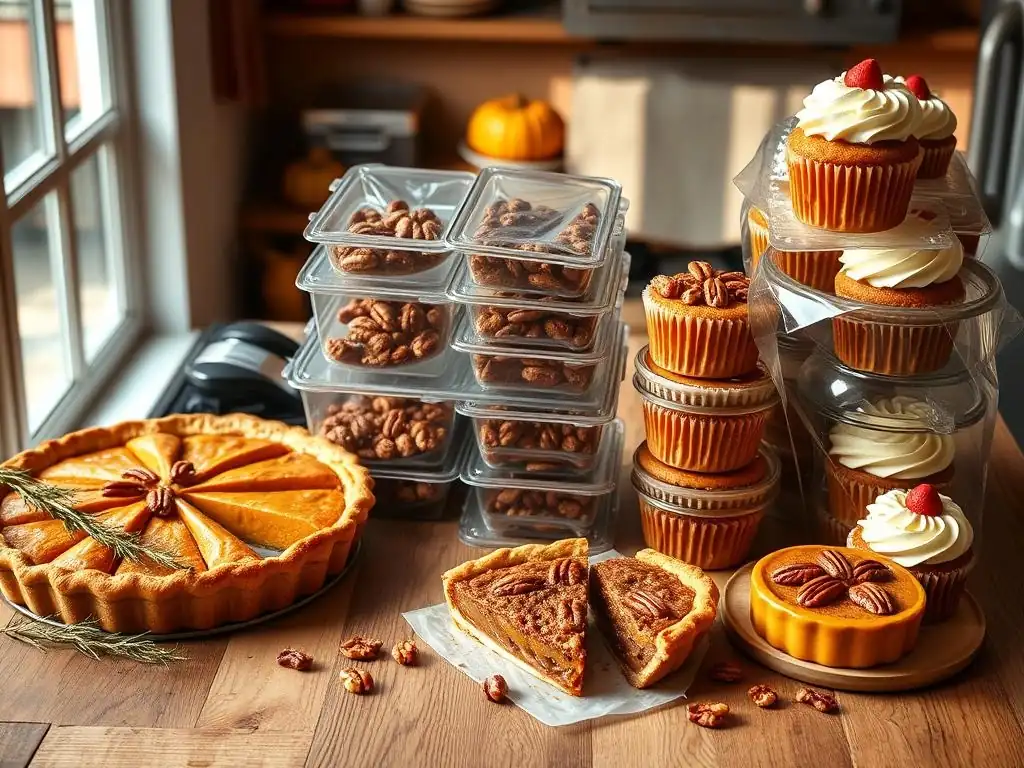
Welcome to BakeWithEase, your secret ingredient to baking bliss! Ever wondered how to keep those delicious Thanksgiving baked goods tasting as amazing on Thursday as they do fresh out of the oven? Discover the secrets to preserving flavor and texture in our guide on how to keep your Thanksgiving baked goods stay fresh, ensuring a delightful holiday feast for everyone. Let's dive into the art of preservation and make this Thanksgiving your most delicious yet!
- Introduction: Ensuring Your Thanksgiving Desserts Are Delightfully Fresh
- Understanding the Enemies of Freshness: How to Keep Baked Goods From Going Stale
- Essential Storage Techniques for Thanksgiving Baked Goods
- Refrigerating Thanksgiving Baked Goods: Tips and Tricks
- Freezing Thanksgiving Baked Goods for Ultimate Freshness
- Specific Storage Solutions for Common Thanksgiving Desserts
- Reviving Slightly Stale Thanksgiving Baked Goods
- Final Tips: Planning Ahead for Fresh Thanksgiving Desserts
- Conclusion: Enjoying Deliciously Fresh Thanksgiving Treats
-
Frequently Asked Questions
- How long can I realistically expect Thanksgiving baked goods to stay fresh?
- What are the best storage methods for different types of Thanksgiving baked goods?
- How does freezing impact the freshness of Thanksgiving baked goods?
- Can refrigeration help Thanksgiving baked goods stay fresh longer?
- What are some signs that my Thanksgiving baked goods are no longer fresh and should be discarded?
- Final Reflection: The Sweet Science of Thanksgiving Preservation
- Unlock the Secrets to Perfectly Fresh Thanksgiving Treats!
Introduction: Ensuring Your Thanksgiving Desserts Are Delightfully Fresh
Thanksgiving is a time for gathering, gratitude, and, of course, delicious food – especially an array of tempting baked goods. From flaky pies to moist cakes and chewy cookies, these sweet treats are often the stars of the holiday table. However, perfecting your Thanksgiving baked goods is only half the battle; ensuring they remain fresh and flavorful until they are sliced, served, and savored is equally important. Nobody wants a dry cake or a soggy pie crust after putting in hours of effort!
Keeping your Thanksgiving baked goods stay fresh requires understanding the science behind staling and employing smart storage techniques. Whether you're baking days in advance to ease holiday stress or just a few hours before guests arrive, knowing how to properly store your creations will make all the difference. This guide from Bake With Ease will walk you through the essential tips and tricks to preserve the quality of your holiday treats, ensuring every bite is as wonderful as you intended it to be.
Understanding the Enemies of Freshness: How to Keep Baked Goods From Going Stale
Baked goods begin to lose their freshness from the moment they come out of the oven. The primary culprits are moisture loss (or gain, in some cases) and oxidation. Staling in bread, for instance, isn't just about drying out; it's a process called retrogradation, where starch molecules recrystallize, making the texture harder and less appealing. For cakes and pastries, drying out is a major concern, leading to crumbly textures and diminished flavor. Understanding these processes is the first step in making your Thanksgiving baked goods stay fresh.
Oxidation affects fats in baked goods, leading to off-flavors, often described as rancid. Exposure to air over time contributes to this degradation. While you can't stop these natural processes entirely, proper storage significantly slows them down. By controlling the environment – specifically temperature, humidity, and air exposure – you can extend the lifespan of your Thanksgiving treats and ensure they are at their peak when it's time to serve dessert.
The Role of Moisture in Maintaining Thanksgiving Pastry Quality
Moisture content is critical for the texture and palatability of many Thanksgiving baked goods. Cakes and muffins need to retain moisture to stay soft and tender, while cookies require the right balance – some are meant to be crisp, others chewy. When baked goods are exposed to dry air, moisture evaporates, leading to a hard, stale texture. Conversely, if stored in overly humid conditions or improperly wrapped, crisp items like pie crusts or certain cookies can absorb moisture and become soggy.
Consider a pumpkin pie, which has a high moisture filling. Storing it uncovered in the refrigerator will cause the filling's moisture to evaporate, drying it out, and also potentially lead to the crust absorbing moisture from the humid fridge environment, resulting in a soggy bottom. Proper wrapping and storage techniques are designed to create a controlled microenvironment around the baked good, regulating moisture exchange with the surrounding air and helping your Thanksgiving baked goods stay fresh longer.
Preventing Oxidation: Keeping Your Cakes and Pies From Drying Out
Oxidation is the chemical process where exposure to oxygen changes the composition of fats and other components in baked goods, leading to staling and flavor degradation. For example, the fats in butter or oil used in a cake can oxidize, giving it an unpleasant taste over time. This is often coupled with moisture loss, as air circulation facilitates both processes. Preventing oxidation is largely about minimizing air exposure.
Sealing baked goods in airtight containers or wrapping them tightly is the most effective way to reduce contact with oxygen. This not only slows down oxidation but also helps maintain the internal moisture balance. For delicate items like frosted cakes, this might involve using a cake dome or placing the cake box inside a larger sealed bag. Taking these steps is essential for ensuring your Thanksgiving baked goods stay fresh and delicious, free from off-flavors caused by oxidation.
Essential Storage Techniques for Thanksgiving Baked Goods
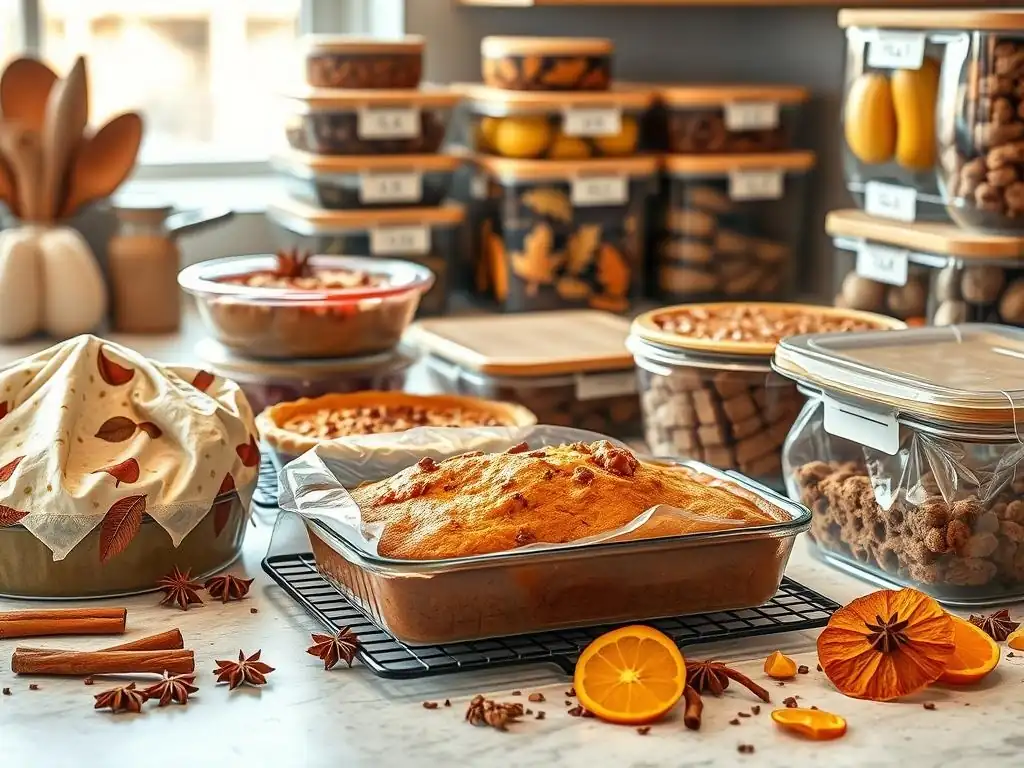
Mastering a few basic storage techniques is fundamental to keeping your Thanksgiving baked goods stay fresh. The method you choose will depend on the type of baked good, how long you need to store it, and when you plan to serve it. However, some principles apply across the board, forming the foundation of good storage practices.
From the moment they leave the oven, how you handle your baked goods dictates their longevity. Proper cooling, selecting the right containers, and understanding the nuances of room temperature versus refrigerated storage are all critical steps. Implementing these techniques proactively will save you the disappointment of stale or dried-out treats on Thanksgiving Day.
Cooling Baked Goods Completely Before Storing: A Crucial First Step
This is perhaps one of the most overlooked but vital steps in storing baked goods. Warm or hot items placed directly into airtight containers will create condensation inside. This trapped moisture is detrimental to freshness, leading to soggy textures, especially for items like cookies or pie crusts, and can even promote mold growth.
Always allow cakes, cookies, pies, breads, and other baked goods to cool completely on a wire rack before storing them. A wire rack allows air circulation around the entire item, facilitating even cooling and preventing a soggy bottom. For standard-sized cakes or loaves of bread, this might take 2-3 hours. For smaller items like cookies or muffins, 30-60 minutes might suffice. Ensure the item is cool to the touch throughout before proceeding to the next storage step to help your Thanksgiving baked goods stay fresh.
Selecting the Right Storage Containers: Airtight is Key
The type of container you use plays a significant role in preserving freshness. The goal is generally to minimize air exposure, making airtight containers the gold standard for most Thanksgiving baked goods. These containers prevent moisture loss (or unwanted moisture gain) and slow down oxidation.
Plastic, glass, or metal containers with tight-fitting lids are all suitable options. The key is the seal – it should be snug enough to prevent air exchange. For items that don't fit neatly into standard containers, such as oddly shaped cakes or multiple layers of cookies, wrapping techniques combined with containers or bags may be necessary. Choosing the right container is a simple yet effective way to ensure your Thanksgiving baked goods stay fresh.
Best Container Materials for Different Types of Thanksgiving Desserts
Different materials offer slight advantages depending on the baked good. Glass containers are non-reactive, don't retain odors, and allow you to see the contents easily. They are excellent for cakes, brownies, and cookies. Plastic containers are lightweight and often more affordable, widely available in various shapes and sizes, suitable for most items. Metal tins, especially those with tight-fitting lids, are traditional for cookies and can help maintain a crisp texture if the cookies are completely cool before storing.
For items with strong odors, like gingerbread, glass or metal might be preferable over plastic to prevent odor absorption. For moist cakes, ensuring the container is large enough not to smudge frosting is also a practical consideration. The material choice ultimately comes down to convenience, availability, and the specific needs of the baked good you want to make sure your Thanksgiving baked goods stay fresh.
Room Temperature Storage: When It Works and When It Doesn't
Many Thanksgiving baked goods can be stored safely at room temperature for a few days, provided they are stored correctly. This is often the preferred method for items intended to be served with a specific texture, like a crisp cookie or a soft bread. Room temperature storage is also convenient, freeing up valuable refrigerator space during the busy holiday.
However, not all baked goods are suitable for room temperature storage. Items containing perishable fillings or toppings, such as cream cheese frosting, whipped cream, or certain fruit fillings (especially if not cooked down sufficiently), require refrigeration to prevent bacterial growth. Understanding which items are safe at room temperature is key to both freshness and food safety for your Thanksgiving baked goods.
Baked Goods That Thrive at Room Temperature
Many classic Thanksgiving baked goods store well at room temperature. This includes most types of cookies (like sugar cookies, shortbread, gingerbread), plain cakes (pound cake, bundt cake, unfrosted layer cakes), muffins, brownies, and most types of bread and rolls. Fruit pies made with cooked fillings (like apple, cherry, pecan) can also typically be stored at room temperature for 1-2 days after baking.
For optimal results, ensure these items are stored in airtight containers once fully cooled. Cookies can be layered with parchment paper in tins or containers. Cakes can be stored in cake carriers or covered with plastic wrap and then placed under a cake dome. Proper room temperature storage helps maintain the intended texture and flavor, keeping these Thanksgiving baked goods stay fresh and ready to eat.
Baked Goods That Require Refrigeration
Certain Thanksgiving treats must be refrigerated due to their ingredients. This primarily includes items with dairy-based or egg-based fillings that are not extensively cooked, or those with perishable frostings. Pumpkin pie, sweet potato pie, and pecan pie (especially those with less firm, more custard-like fillings) are generally best stored in the refrigerator after cooling. Pies containing fresh fruit that isn't fully cooked down should also be refrigerated.
Cakes or cupcakes with cream cheese frosting, whipped cream toppings, or custard fillings require refrigeration. Any baked good containing fresh cream or soft cheeses needs to be kept cold to prevent spoilage. While refrigeration helps with food safety, it can sometimes affect texture, potentially drying out cakes or making crusts less crisp. Therefore, proper wrapping is even more crucial for refrigerated Thanksgiving baked goods to stay fresh.
Refrigerating Thanksgiving Baked Goods: Tips and Tricks
Refrigeration is necessary for food safety for many items, but it can also be a dry environment that pulls moisture out of baked goods. The cold air in a refrigerator is typically very dry, which can quickly lead to staling, especially for cakes and breads. Therefore, when refrigerating, extra care must be taken to protect the baked goods from moisture loss.
While refrigeration slows down microbial growth and helps perishable items last longer, it's not a magic bullet for freshness of non-perishable items. A cake might be safe to eat after a few days in the fridge, but its texture might be significantly drier than if stored properly at room temperature. Mastering refrigeration techniques ensures you balance food safety with maintaining the best possible quality for your Thanksgiving baked goods.
How to Prevent Refrigerated Baked Goods From Drying Out
The key to preventing drying in the refrigerator is creating a strong barrier against the dry air. This means going beyond simply placing an item on a plate and covering it loosely. Air circulation within the fridge, designed to keep temperatures even, will actively pull moisture from uncovered or poorly wrapped food.
Using airtight containers is the first line of defense. For items that don't fit perfectly, wrapping them very thoroughly is essential. Consider wrapping cakes first in plastic wrap, then in a layer of aluminum foil before placing them in a container or cake carrier. Pies should be wrapped tightly in plastic wrap or foil after cooling. Minimizing air contact is paramount for keeping refrigerated Thanksgiving baked goods stay fresh.
Proper Wrapping Techniques for Refrigerated Desserts
Effective wrapping involves using materials that create a tight seal. Plastic wrap is excellent for this purpose, conforming closely to the shape of the baked good. Wrap items while they are cool but before they have been in the dry fridge air for long. For cakes, if frosted, you can chill the cake briefly uncovered until the frosting is firm enough to wrap without smudging (about 15-30 minutes in the fridge), then wrap tightly.
For items like pie, wrap the entire pie tightly with plastic wrap, ensuring the edges are well-sealed. For extra protection, especially if storing for more than a day or two, add a layer of aluminum foil over the plastic wrap. This double layer provides a more robust barrier against moisture loss and external odors in the refrigerator, helping your Thanksgiving baked goods stay fresh and flavorful.
Recommended Refrigeration Times for Different Thanksgiving Treats
While specific times can vary based on ingredients and storage conditions, general guidelines exist. Most perishable Thanksgiving baked goods, like pumpkin or sweet potato pie, pecan pie, and cakes with cream cheese or whipped cream frosting, can be safely refrigerated for 3-5 days. Fruit pies (cooked) can often last 2-3 days refrigerated if not eaten at room temperature first.
Plain cakes or muffins that can be refrigerated (though room temperature is often better for texture) will also last 3-5 days. Always use your best judgment – if something looks or smells off, it's better to discard it. These timeframes are general recommendations to help you plan when to bake and ensure your Thanksgiving baked goods stay fresh and safe for your guests.
Freezing Thanksgiving Baked Goods for Ultimate Freshness
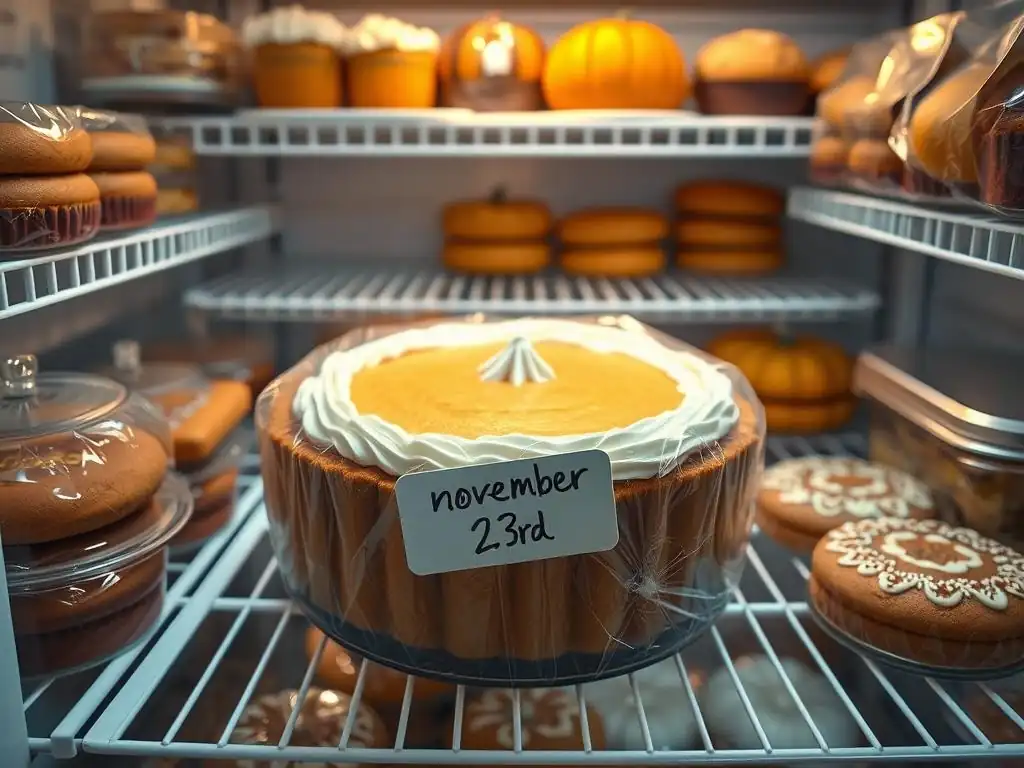
Freezing is an excellent option for preserving Thanksgiving baked goods for longer periods, whether you're baking well in advance or want to enjoy leftovers weeks later. Freezing effectively halts the staling process and prevents microbial growth. However, not all baked goods freeze equally well, and proper preparation is key to avoiding freezer burn and maintaining quality upon thawing.
Freezing is particularly useful for components or entire baked goods that you want to get a head start on. Unbaked pie dough, baked pie shells, unfrosted cakes, cookies (baked or unbaked dough), and most types of bread freeze beautifully. With the right techniques, you can pull out your frozen treats, thaw them properly, and have them taste almost as fresh as the day they were baked, ensuring your Thanksgiving baked goods stay fresh for the long haul.
Which Baked Goods Freeze Best? A Guide to Freezing Success
Generally, items with lower moisture content or dense textures freeze more successfully. This includes:
- Cakes: Unfrosted pound cakes, bundt cakes, and dense layer cakes freeze very well. Frosted cakes can be frozen, but the frosting texture might change slightly upon thawing.
- Cookies: Most types of cookies, baked or as dough, freeze excellently. Drop cookie dough can be scooped and frozen as individual portions.
- Pies: Baked fruit pies freeze well. Pumpkin and pecan pies can also be frozen baked, though the texture might be slightly altered. Unbaked pie dough is also a great candidate for freezing.
- Breads: Loaves of bread, rolls, muffins, and quick breads freeze beautifully.
Items that don't freeze as well include those with delicate textures, high moisture fillings (like custards or meringues), or fresh fruit that wasn't cooked down. Understanding these nuances helps you decide which Thanksgiving baked goods to freeze to stay fresh.
Preparing Baked Goods for Freezing: The Importance of Double Wrapping
To protect baked goods from freezer burn (which happens when air reaches the surface, causing dehydration and oxidation), proper wrapping is critical. The goal is to create an airtight seal. For most items, this means double wrapping.
First, wrap the completely cooled baked good tightly in plastic wrap, pressing out as much air as possible. Ensure the plastic wrap adheres well to the surface. Then, add a second layer of protection using aluminum foil or placing the plastic-wrapped item into a freezer-safe bag or container. This double layer provides an extra barrier against the dry, circulating air in the freezer. Label with the contents and date for easy identification and tracking, ensuring your Thanksgiving baked goods stay fresh in the freezer.
Thawing Frozen Baked Goods: Gentle Techniques for Optimal Results
Thawing frozen baked goods properly is just as important as freezing them correctly. Rapid thawing or thawing at room temperature for too long can lead to condensation, resulting in soggy textures. Gentle, slow thawing is usually the best approach to maintain quality.
Keep the baked goods wrapped while thawing. This prevents condensation from forming on the surface as the item warms up, allowing moisture to be reabsorbed evenly. The thawing location matters, too, influencing both the time it takes and the final texture. Choosing the right thawing method helps ensure your Thanksgiving baked goods stay fresh and delicious once they are ready to be served.
Thawing at Room Temperature vs. Thawing in the Refrigerator
- Refrigerator Thawing: This is generally the recommended method for most items, especially cakes, pies, and loaves of bread. It's the slowest method but the gentlest, minimizing condensation. Place the wrapped item in the refrigerator and allow it to thaw completely. A whole cake or loaf of bread might take 24 hours or more. A pie might take 12-24 hours. Once thawed, you can unwrap and let it come to room temperature on the counter for serving, if desired.
- Room Temperature Thawing: This method is suitable for smaller items like cookies, muffins, or individual portions. Place the wrapped item on the counter and let it thaw. Cookies might take 1-2 hours, while muffins or rolls could take 2-3 hours. Avoid leaving items like pies or large cakes to thaw entirely at room temperature, as the exterior might thaw too quickly while the interior remains frozen, leading to excessive condensation and potential food safety issues. Gentle thawing is key for Thanksgiving baked goods to stay fresh after freezing.
Specific Storage Solutions for Common Thanksgiving Desserts
Each type of Thanksgiving baked good has unique characteristics that influence the best storage method. A pie's flaky crust requires different considerations than a cake's moist crumb or a cookie's crisp edge. Tailoring your storage approach to the specific dessert is crucial for maintaining its intended texture and flavor.
Let's look at some of the most popular Thanksgiving treats and the best ways to store them to ensure they remain delightful until they grace your holiday table. Implementing these specific tips will help your Thanksgiving baked goods stay fresh and taste their best.
Keeping Thanksgiving Pies Fresh: Apple, Pumpkin, and Pecan
Pies present a common challenge: balancing a moist filling with a crisp crust. The high moisture content of many pie fillings can migrate into the crust, making it soggy, especially the bottom crust.
- Apple Pie: After cooling completely, most apple pies can be stored loosely covered at room temperature for 1-2 days. For longer storage (3-4 days), refrigerate, but wrap tightly first to prevent drying.
- Pumpkin and Sweet Potato Pie: These custard-based pies must be refrigerated after cooling due to their egg and dairy content. Wrap tightly in plastic wrap or foil once cooled. They will last 3-5 days in the fridge.
- Pecan Pie: Similar to pumpkin pie, pecan pie should be refrigerated after cooling and wrapped tightly. It lasts 3-5 days in the fridge.
For all pies, especially if refrigerating, storing them in a pie carrier or a large container helps protect the crust from damage. Proper cooling and wrapping are key steps for Thanksgiving baked goods stay fresh, particularly for pies.
Preventing Soggy Crusts in Stored Pies
Soggy crusts are a common pie problem during storage. Here are a few tricks:
- Cool Completely: Ensure the pie is entirely cool before storing. Warm pies create steam, which gets trapped and makes the crust soggy.
- Vent Initially (if room temp): If storing a fruit pie at room temperature for a short period, you might leave it loosely covered initially to allow any residual steam to escape, then cover more tightly once fully cool.
- Airtight for Fridge: When refrigerating, paradoxically, an airtight seal is best. While the fridge is dry, moisture from the pie itself can cause sogginess if not contained. An airtight wrap keeps the pie's moisture where it belongs.
- Reheat: A quick reheat in a moderate oven (350°F or 175°C) for 10-15 minutes before serving can often help re-crisp a slightly softened crust, making your Thanksgiving baked goods stay fresh-tasting.
Storing Thanksgiving Cakes: From Bundt Cakes to Layer Cakes
Cakes are prone to drying out, losing their tender crumb. The method depends heavily on whether the cake is frosted and the type of frosting.
- Unfrosted Cakes (Bundt, Pound Cake, Loaves): Once completely cool, wrap tightly in plastic wrap, then a layer of foil. Store at room temperature for 3-4 days. For longer storage, freeze using the double-wrapping method.
- Frosted Cakes (Buttercream): If frosted with a stable frosting like American buttercream, cakes can usually be stored at room temperature for 2-3 days if covered properly (cake dome or container). If storing longer, or if the frosting contains perishable ingredients, refrigerate.
- Frosted Cakes (Cream Cheese, Whipped Cream): These must be refrigerated. Chill briefly to set frosting, then cover loosely with plastic wrap or a container that doesn't touch the frosting. For longer refrigeration, consider a cake carrier or placing the cake box inside a large bag to prevent drying.
Proper handling ensures your Thanksgiving baked goods stay fresh, especially delicate cakes.
Maintaining Moisture in Cakes Over Time
Preventing moisture loss is the primary goal when storing cakes.
- Wrap Cut Surfaces: For cut cakes, press plastic wrap directly onto the cut surfaces before covering the rest of the cake. This prevents those exposed areas from drying out fastest.
- Airtight is Best: Whether at room temperature or refrigerated, an airtight container or very tight wrapping is key to trapping moisture inside the cake.
- Don't Over-Refrigerate: If a cake doesn't need refrigeration for safety, room temperature storage often maintains a better texture for the first few days. Refrigeration significantly speeds up the staling process for the cake's crumb itself. These steps help Thanksgiving baked goods stay fresh and moist.
Cookies generally have a longer shelf life than cakes or pies, but they can still go stale, lose their crispness, or become too soft.
- Crisp Cookies (Gingerbread, Shortbread): Store in a loosely covered container or a cookie tin at room temperature. A completely airtight container can sometimes make crisp cookies soft over time due to residual moisture.
- Soft/Chewy Cookies (Sugar Cookies, Oatmeal): Store in an airtight container at room temperature. Adding a slice of bread or an apple wedge to the container can help keep them soft by providing a source of moisture (replace the bread/apple every day or two).
- Decorated Cookies: If decorated with royal icing, they can be stored in layers separated by parchment paper in an airtight container at room temperature once the icing is fully hardened.
Different cookie types require slightly different approaches to make these Thanksgiving baked goods stay fresh.
Preventing Cookies From Becoming Stale or Soft
- Cool Completely: Always wait until cookies are entirely cool before storing. Storing warm cookies creates condensation, leading to sogginess.
- Separate Types: Store crisp cookies separately from soft/chewy ones. Storing them together will cause the crisp cookies to absorb moisture from the soft ones.
- Airtight for Soft/Chewy: Use airtight containers to keep soft cookies from drying out.
- Loosely Covered for Crisp: Use tins or containers with a slightly looser lid for crisp cookies to allow minimal air circulation.
- Freezing: Freezing is an excellent option for most cookies, preserving their texture for months. Use airtight containers or bags. Properly stored cookies ensure your Thanksgiving baked goods stay fresh.
Storing Thanksgiving Breads and Rolls: Yeast Breads and Quick Breads
Bread staling is primarily due to starch retrogradation, which happens fastest at refrigerator temperatures just above freezing (around 35-40°F or 1-4°C). Therefore, bread is usually best stored at room temperature or frozen.
- Yeast Breads (Dinner Rolls, Loaves): Store at room temperature in a bread box, a paper bag inside a plastic bag, or a plastic bag. A paper bag helps maintain a crisp crust, while a plastic bag keeps the interior softer. For longer storage, freeze whole loaves or slices wrapped tightly.
- Quick Breads (Pumpkin Bread, Cranberry Nut Bread): These moist breads are best stored tightly wrapped in plastic wrap at room temperature for 2-3 days. For longer storage (up to a week), refrigerate, still tightly wrapped. For extended storage, freeze.
Knowing the best method for bread is key to ensuring your Thanksgiving baked goods stay fresh and have the desired texture.
Keeping Bread Crusts Crisp or Soft, Depending on Preference
- Crisp Crust: Store in a paper bag at room temperature. This allows air circulation, preventing the crust from becoming soggy. Bread boxes also help regulate humidity to maintain crust texture.
- Soft Crust: Store in a plastic bag or tightly wrapped in plastic wrap at room temperature. This traps moisture, keeping the crust softer and the interior crumb moist.
- Reheating: To revive a crisp crust on refrigerated or slightly stale bread, a quick warm-up in a hot oven (350-400°F or 175-200°C) for 5-10 minutes can work wonders. This is a great trick to make your Thanksgiving baked goods stay fresh-tasting.
Reviving Slightly Stale Thanksgiving Baked Goods
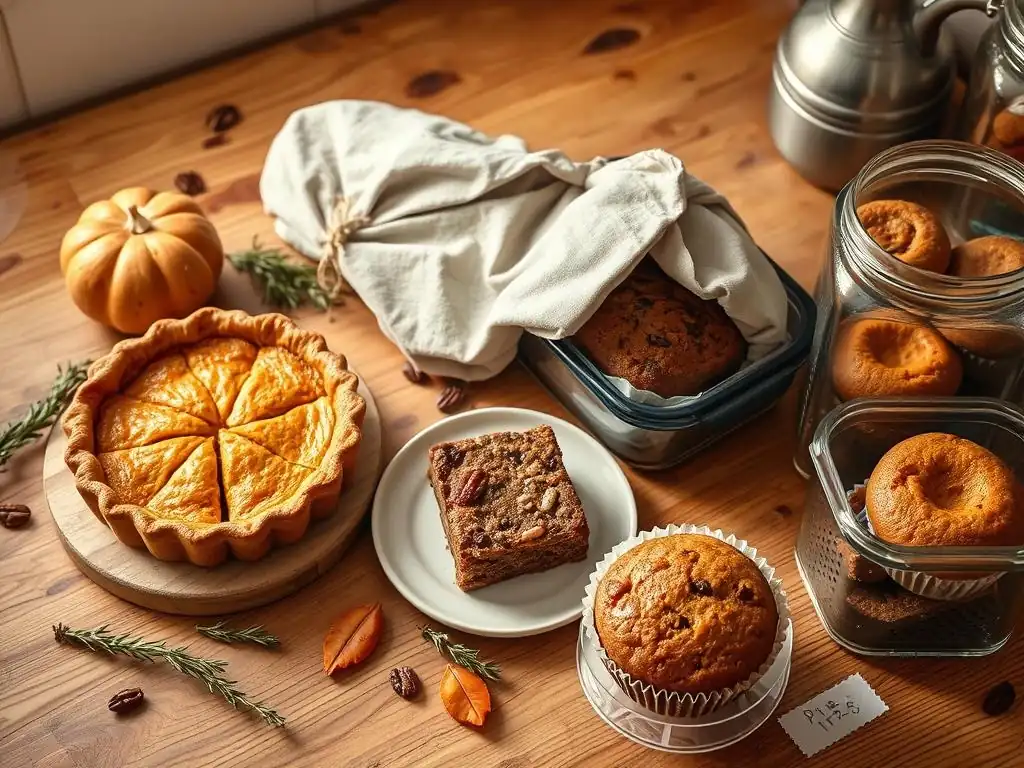
Even with the best storage practices, sometimes a baked good might lose a little of its initial freshness. Don't despair! Often, slightly stale items can be revived or repurposed creatively, giving them a second life and ensuring nothing goes to waste during your Thanksgiving celebrations.
Knowing a few simple tricks can save a dry cake or a slightly soft cookie. These methods leverage moisture and heat to restore pleasant textures and flavors, proving that your Thanksgiving baked goods can stay fresh-feeling even if they've been sitting out a bit longer than planned.
Simple Tricks to Refresh Dry Cakes and Muffins
If a cake or muffin is slightly dry but not yet truly stale, you can often restore some moisture:
- Microwave Briefly: A very short zap in the microwave (5-15 seconds) can soften a muffin or slice of cake by warming the moisture within. Be careful not to overheat, which can make it tough.
- Add Moisture When Serving: Serve with a sauce (like warm apple cider sauce for apple cake), whipped cream, ice cream, or a drizzle of syrup.
- Brush with Syrup: For unfrosted cakes, you can gently brush the top and sides with a simple syrup or a complementary liqueur to add moisture back. This is a classic baker's trick to make Thanksgiving baked goods stay fresh-feeling.
Reheating Pies and Pastries to Restore Their Flavor
Warming up many Thanksgiving pastries can significantly enhance their flavor and texture, especially pies with fruit fillings or items with flaky crusts.
- Fruit Pies: Reheat slices or a whole pie in a preheated oven (350°F or 175°C) until warm throughout and the crust is crisp again, typically 15-20 minutes for slices or 25-30 minutes for a whole pie.
- Pastries (like Danishes or Croissants): A quick warm-up in a toaster oven or regular oven can revive their flaky texture.
Reheating not only improves texture but also warms the spices and flavors, making your Thanksgiving baked goods taste freshly baked.
Making Stale Bread Crumb Croutons or Bread Pudding
Bread that has gone past its prime for slicing still has plenty of potential. Stale bread is actually preferable for certain uses!
- Croutons: Cut stale bread into cubes, toss with olive oil, herbs, salt, and pepper, and bake until crisp. Excellent for salads or topping soups.
- Bread Pudding: Stale bread is ideal for absorbing the custard mixture in bread pudding. This classic dessert is a delicious way to use up leftover holiday bread.
- Stuffing/Dressing: Many Thanksgiving stuffing recipes call for dried or stale bread cubes. Cut your bread a day or two in advance and let it air dry, or lightly toast fresh cubes, to get the perfect texture.
These creative uses ensure your Thanksgiving baked goods contribute to the feast even if they aren't served in their original form.
Final Tips: Planning Ahead for Fresh Thanksgiving Desserts
Successful Thanksgiving baking is often about timing and planning. Deciding what to bake when, and how you'll store it until the big day, is key to reducing stress and ensuring everything is at its peak freshness. A little foresight goes a long way in making your Thanksgiving baked goods stay fresh and ready to impress.
Consider your menu, your baking capacity, and your storage space. Some items can be baked days or even weeks in advance and frozen, while others are best made just a day or two ahead. Planning your baking schedule around the optimal storage time for each item will guarantee a delicious outcome.
Baking Schedules: Determining When to Bake for Maximum Freshness
- Weeks Ahead (Freezing): Pie dough, unbaked cookie dough, unfrosted dense cakes (like pound cake), baked and cooled pies (fruit, pumpkin, pecan), baked cookies, and bread loaves can often be baked and frozen weeks in advance. Thaw properly as needed.
- 2-3 Days Ahead (Room Temp/Refrigerate): Most cakes (unfrosted or with stable frosting), muffins, quick breads, baked cookies, and fruit pies can be baked and stored at room temperature or refrigerated as appropriate.
- 1 Day Ahead (Refrigerate): Custard pies (pumpkin, pecan) are best baked no more than 1-2 days in advance and refrigerated.
- Thanksgiving Morning: Items that are best served warm or extremely fresh, like yeast rolls or certain delicate pastries, might be best baked or finished on the day.
Planning allows you to spread out the work and ensures that each item is stored for the minimum necessary time before serving, helping Thanksgiving baked goods stay fresh.
Transporting Baked Goods: Ensuring Safe and Fresh Arrival
If you're bringing your Thanksgiving baked goods to another location, proper transportation is essential to maintain their freshness and appearance.
- Secure Packaging: Use sturdy containers, carriers, or boxes that fit the baked goods snugly to prevent shifting and damage during transport.
- Prevent Temperature Fluctuations: Avoid leaving items in a hot or cold car for extended periods. For items requiring refrigeration, use a cooler bag with ice packs.
- Protect Delicate Frosting: Use cake carriers or boxes tall enough so the lid doesn't touch the frosting. If transporting unfrosted cakes and frosting separately to assemble on arrival, ensure both are properly stored.
- Handle with Care: Drive carefully! Sudden stops or turns can cause baked goods to slide and get damaged.
Careful planning and transport ensure your beautifully baked Thanksgiving baked goods arrive safely and stay fresh until they are ready to be enjoyed.
Conclusion: Enjoying Deliciously Fresh Thanksgiving Treats
Thanksgiving is a time for abundance, and your baked goods should be abundant in flavor and perfect in texture. By understanding the factors that cause staling – moisture loss, oxidation, and starch retrogradation – and implementing smart storage strategies, you can significantly extend the freshness of your holiday creations. From selecting the right airtight containers and mastering wrapping techniques to knowing when to store at room temperature, refrigerate, or freeze, each step plays a vital role.
Whether you're baking pies days ahead or cookies the morning of, these tips from Bake With Ease will help ensure your Thanksgiving baked goods stay fresh, delicious, and delightful, contributing to a truly memorable holiday feast. Happy baking and happy Thanksgiving!
Frequently Asked Questions
How long can I realistically expect Thanksgiving baked goods to stay fresh?
Generally, most Thanksgiving baked goods, if stored properly, will stay fresh for 2-3 days at room temperature. Some items, like fruit pies, might last slightly longer, while others, like delicate cookies, might dry out faster. Proper storage is key.
What are the best storage methods for different types of Thanksgiving baked goods?
Cakes and pies should be stored in airtight containers or wrapped tightly in plastic wrap to prevent drying. Cookies are best kept in airtight containers at room temperature. Breads can be stored in bread boxes or wrapped in linen towels.
How does freezing impact the freshness of Thanksgiving baked goods?
Freezing is a great way to extend the shelf life of many baked goods. Cakes, pies, and breads can be frozen for up to 2-3 months. Make sure to wrap them tightly in plastic wrap and then aluminum foil to prevent freezer burn.
Can refrigeration help Thanksgiving baked goods stay fresh longer?
While refrigeration can slow spoilage, it can also dry out many baked goods, especially cakes and breads. It's best to avoid refrigerating unless the recipe specifically requires it or the item contains a perishable filling.
What are some signs that my Thanksgiving baked goods are no longer fresh and should be discarded?
Look for signs like mold growth, a stale or unpleasant odor, or a hard, dry texture. If you're unsure, it's always best to err on the side of caution and discard the item.
Final Reflection: The Sweet Science of Thanksgiving Preservation
The art of keeping Thanksgiving baked goods fresh isn't just about avoiding disappointment; it's about preserving the heart of the holiday. A perfectly crafted pie, a warm, yeasty roll, or a delicate cookie – these aren't just treats; they're tangible expressions of love and tradition, meant to be savored, not wasted. This year, let's ensure every crumb is enjoyed to the fullest.
The pressure to create the perfect Thanksgiving spread is immense, and the fear of stale goods adds another layer of stress. The methods discussed in this article – from proper storage techniques to creative reheating strategies – are more than just culinary tips; they're tools for managing expectations and enhancing the overall holiday experience. As the old adage goes, A well-fed family is a happy family,
and keeping those Thanksgiving treats fresh contributes significantly to that happiness.
So, as you prepare for your own Thanksgiving feast, consider the lessons learned. Don't let the worry of stale goods overshadow the joy of creating and sharing. Experiment with the techniques outlined, find what works best for you, and most importantly, enjoy the process and the delicious results. This Thanksgiving, let your baked goods be a testament to your care and a symbol of the abundance and warmth of the season.
Unlock the Secrets to Perfectly Fresh Thanksgiving Treats!
Thanks for joining us on this delicious journey to Thanksgiving baking success! We hope you've learned valuable tips to keep your creations at their peak freshness. Now it's time to put your newfound knowledge into action.
- Master the Art of Proper Storage: Immediately after cooling, store your pies, breads, and cookies using the techniques discussed in the article. This is your key to maintaining that perfect texture and flavor!
- Share your Baking Wisdom: Spread the word! Tell your friends and family about these amazing freshness-keeping techniques. Let's make Thanksgiving baking easier for everyone!
- Experiment & Delight: Try out a few different storage methods this year to see what works best for you and your recipes. Which method produces the most delicious results?
Ready to impress your guests with perfectly fresh Thanksgiving treats? What's your favorite method for keeping baked goods at their best?