
How to Bake Multiple Desserts for Thanksgiving Without Stress

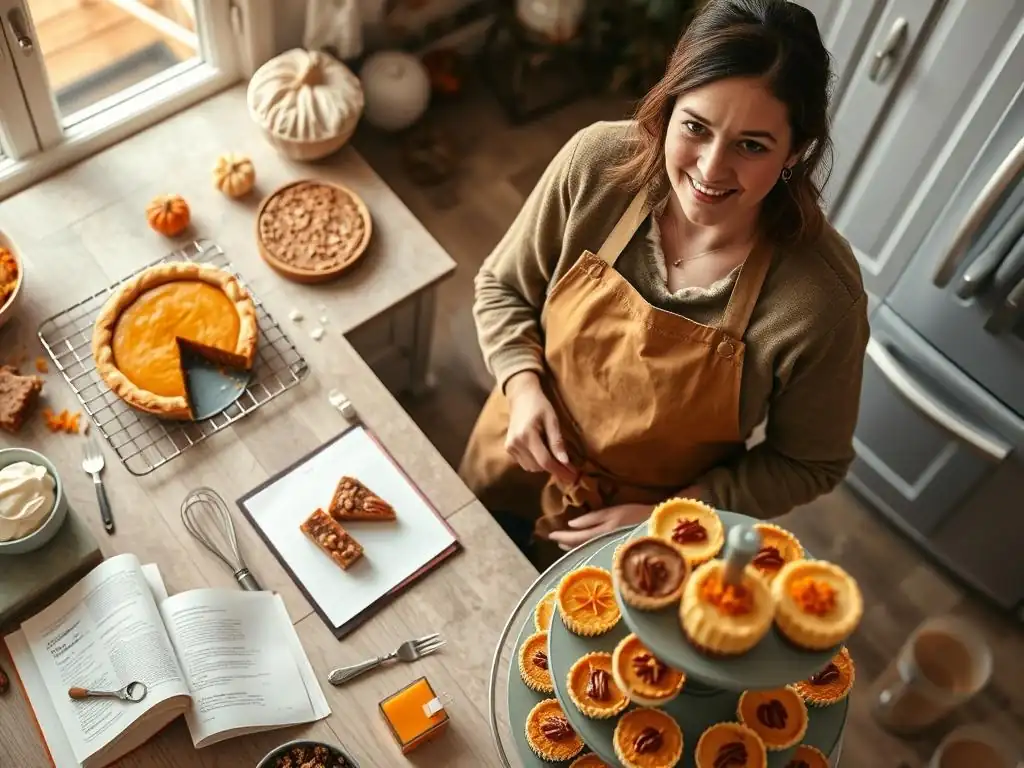
Welcome to BakeWithEase, your culinary sanctuary for all things baking! Are you ready to conquer your Thanksgiving dessert table but dread the potential chaos? Imagine a stress-free holiday, filled with delectable treats. This article unveils essential Thanksgiving dessert baking tips to help you bake multiple desserts without losing your sanity (or your taste buds!). Discover the secrets to efficient planning, smart shortcuts, and foolproof recipes that will make you the star baker of the season. Curious to learn how to pull off a Thanksgiving dessert masterpiece? Let's get baking!
- Mastering Thanksgiving Dessert Baking: A Strategic Guide
- Strategic Planning for a Smooth Thanksgiving Dessert Bake
- Streamlined Execution: Baking Multiple Thanksgiving Desserts
- Essential Tools and Equipment for Thanksgiving Baking
- Time-Saving Techniques for Thanksgiving Dessert Production
- Troubleshooting Common Thanksgiving Dessert Baking Issues
- Make-Ahead Thanksgiving Dessert Recipes for Stress-Free Serving
- Storing and Presenting Your Thanksgiving Dessert Creations
- Thanksgiving Dessert Baking Checklist: Stay on Track
-
Frequently Asked Questions
- What's the best way to plan my Thanksgiving dessert baking schedule to avoid feeling overwhelmed?
- How can I simplify my Thanksgiving dessert recipes without sacrificing taste?
- What are some easy Thanksgiving dessert options suitable for beginner bakers?
- How can I ensure all my Thanksgiving desserts are ready at the right temperature for serving?
- What are some creative Thanksgiving dessert variations that still incorporate traditional flavors?
- Final Reflection: Mastering the Thanksgiving Dessert Symphony
- Unleash Your Inner Thanksgiving Baker!
Mastering Thanksgiving Dessert Baking: A Strategic Guide
Strategic Planning for a Smooth Thanksgiving Dessert Bake
Successfully baking multiple desserts for Thanksgiving requires more than just great recipes; it demands strategic planning. Thinking ahead about your dessert selection, timeline, and ingredient preparation is the first crucial step in making Thanksgiving dessert baking stress-free. These initial planning stages lay the groundwork for a smooth and enjoyable baking experience, ensuring you have delicious treats ready for your holiday feast without last-minute panic.
Selecting Complementary Thanksgiving Desserts
Choosing the right array of Thanksgiving desserts is key to pleasing diverse palates and managing your workload effectively. Aim for a balance of flavors and textures. For instance, pairing a rich, spiced pumpkin pie with a tart, crisp apple pie offers variety. Consider including something creamy like a cheesecake or a lighter option such as fruit bars or cookies to provide alternatives to traditional pies. A well-rounded selection not only delights guests but also allows you to spread different baking tasks across different days, utilizing varied techniques and temperatures.
When planning your Thanksgiving dessert menu, think about how many people you're serving and what their preferences might be. A typical Thanksgiving gathering might feature 3-4 different desserts. For example, serving 10-12 people could mean one standard 9-inch pumpkin pie, one 9-inch apple pie, and perhaps a batch of 24 pecan bars. This variety ensures everyone finds something they love while being a manageable quantity for a single baker. These Thanksgiving dessert baking tips start with smart menu choices that align with your capacity and kitchen resources.
Developing a Realistic Thanksgiving Baking Schedule
A detailed timeline is perhaps the most impactful Thanksgiving dessert baking tip for reducing stress. Break down the baking process for each dessert into smaller, manageable steps and assign them to specific days leading up to Thanksgiving. tasks like making pie dough, preparing fillings, or baking cookies can often be done 1-3 days in advance. Save assembly, frosting, or final garnishes for Thanksgiving morning or the day before.
Start building your schedule about a week out. Day 1 (e.g., Saturday before Thanksgiving): Plan the menu, finalize the shopping list. Day 2 (Sunday): Shop for all non-perishable ingredients. Day 3 (Monday): Shop for perishables, make pie doughs. Day 4 (Tuesday): Bake pies (like pumpkin or pecan, which store well), make cookie dough. Day 5 (Wednesday): Bake cookies/bars, make frosting/whipped cream, assemble desserts if possible. Day 6 (Thursday - Thanksgiving): Add final touches, whip cream, arrange on platters. This structured approach transforms the daunting task of baking multiple Thanksgiving desserts into a series of smaller, achievable goals.
Efficient Ingredient Preparation: The Key to Stress Reduction
Approaching Thanksgiving dessert baking with a fully prepped pantry and kitchen is a game-changer. Efficient ingredient preparation, often called "mise en place," means having everything measured, chopped, sifted, and ready before you start mixing. This prevents frantic searching for ingredients mid-recipe and minimizes errors. soft butter left out overnight, toasted nuts chopped and stored in airtight containers, and measured dry ingredients bagged together can save significant time on baking day.
Consider prepping ingredients that appear in multiple recipes simultaneously. If both your apple pie and pecan bars require toasted pecans, toast them all at once. If several recipes call for flour and baking soda, measure those amounts for each recipe and store them in separate, labeled bowls or bags.
For instance, measuring out 3 cups of all-purpose flour for pie crusts and another 2 cups for a cake mix all in one go on Tuesday means you just grab the pre-measured bags when you're ready to bake on Wednesday. These precise Thanksgiving dessert baking tips around preparation are crucial for a smooth workflow.
Streamlined Execution: Baking Multiple Thanksgiving Desserts
With planning complete and ingredients prepped, the focus shifts to execution. Streamlining the actual baking process when tackling multiple Thanksgiving desserts is where efficiency pays off. This involves smart scheduling of baking tasks, knowing what can be done ahead, and optimizing the use of your oven.
Pre-Thanksgiving Baking: Maximizing Efficiency
One of the most effective Thanksgiving dessert baking tips is to bake items that keep well before the big day. Many pies, like pumpkin, pecan, and some fruit pies (apple, cherry), can be baked 1-2 days in advance and stored appropriately. Cookies, brownies, and bar cookies are excellent candidates for pre-baking; they often taste even better after a day or two as flavors meld. Cheesecakes also benefit from chilling overnight, making them perfect for Wednesday baking.
By baking pies on Tuesday and cookies/bars on Wednesday, you significantly reduce the workload on Thanksgiving Day. For example, you might bake two pumpkin pies and one pecan pie on Tuesday afternoon, requiring about 2.5-3 hours including prep and cooling time. Wednesday could be dedicated to baking a batch of 3 dozen gingerbread cookies and a pan of 9x13 inch pumpkin bars, potentially taking another 2-3 hours. This phased approach spreads the effort, making the overall Thanksgiving dessert baking process much more manageable.
Thanksgiving Day: Final Touches and Assembly
Thanksgiving Day should ideally be focused on the final, fresh components and assembly, not intense baking. This includes tasks like whipping cream for topping pies, making a quick glaze or frosting, sprinkling powdered sugar, or arranging desserts on serving platters. These tasks are usually quick and add that fresh, appealing look just before serving.
For instance, if you baked your pies on Tuesday, Thanksgiving morning might involve whipping 2 cups of heavy cream with a little sugar and vanilla – a task that takes only 5-10 minutes with a mixer. If you made a cheesecake on Wednesday, Thursday is for adding a fruit topping or chocolate ganache, which might take another 15-20 minutes. Limiting Thanksgiving Day tasks to minimal, high-impact steps keeps your kitchen less chaotic and allows you to enjoy the holiday. These finishing touches are key Thanksgiving dessert baking tips for presentation.
Optimizing Oven Space and Baking Order
When you do need to use the oven on Thanksgiving Day or the day before, think strategically about oven temperature and cook time. Bake items that require similar temperatures together. If you're baking a last-minute batch of rolls at 375°F and your apple pie bakes best at 400°F, consider if the pie can bake at 375°F for a slightly longer time, or plan to bake them sequentially. Utilize multiple oven racks if possible, ensuring adequate air circulation by not overcrowding.
Prioritize baking items that must be served warm last, or plan their baking around other kitchen activities. For example, if you're reheating a casserole at 350°F, perhaps a batch of sugar cookies can bake alongside it if they also require a similar temperature. Always factor in preheating time (often 15-20 minutes) and cooling time for baked goods. A common oven optimization strategy is to bake pies first when the oven is clean, then move on to items like casseroles or roasted vegetables that might drip. These practical Thanksgiving dessert baking tips help manage the busiest appliance in the kitchen.
Essential Tools and Equipment for Thanksgiving Baking
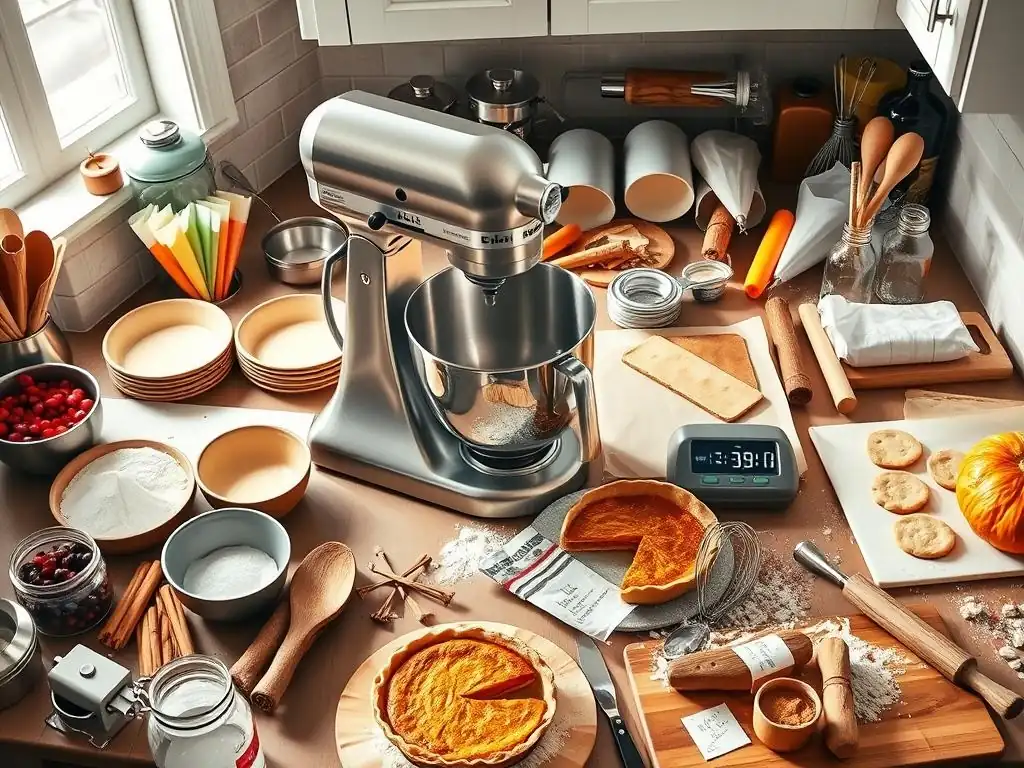
Having the right tools can significantly streamline the Thanksgiving dessert baking process. While you don't need a professional kitchen setup, a few key pieces of equipment can save time, improve results, and make baking multiple items much easier. Investing in quality bakeware and some helpful gadgets is a valuable aspect of effective Thanksgiving dessert baking tips.
Recommended Baking Pans for Key Thanksgiving Desserts
Possessing multiple pans of common sizes is a major advantage when baking for Thanksgiving. For pies, having two or three 9-inch pie plates (glass or ceramic are excellent for even heat distribution) allows you to prepare multiple pies simultaneously. Standard 12-cup muffin tins are essential for cupcakes or mini tarts. A sturdy 9x13 inch rectangular pan is versatile for sheet cakes, brownies, or bar cookies. Having duplicates of these high-use pans means you don't have to wait for one batch to cool and the pan to be cleaned before starting the next.
For instance, if your menu includes a pumpkin pie and a pecan pie, having two 9-inch pie plates means you can line both with dough and fill them back-to-back, then bake them together if your oven allows, saving significant time compared to washing and reusing a single pan. Similarly, if you're making a large batch of cookies, having multiple baking sheets (at least two, preferably three) allows you to have one tray in the oven, one being filled with dough, and one cooling, creating a continuous workflow.
Time-Saving Gadgets for Efficient Baking
Certain kitchen gadgets can dramatically cut down on prep time for Thanksgiving desserts. A food processor is invaluable for making quick, perfect pie dough with minimal handling. A stand mixer is a workhorse for whipping large quantities of cream, kneading dough for yeasted baked goods like cinnamon rolls, or creaming butter and sugar for cakes and cookies. Even smaller gadgets like a sturdy whisk, a set of reliable measuring cups and spoons, and a good quality rubber spatula contribute to efficiency and accuracy.
Consider how a stand mixer handles tasks that would take much longer manually. Whipping 4 cups of heavy cream for multiple pies takes less than 5 minutes in a stand mixer, compared to potentially 10-15 minutes with a hand mixer or whisk. Using a food processor to make two batches of pie dough might take a total of 10 minutes of active time, versus 20-30 minutes by hand. These tools are essential Thanksgiving dessert baking tips for scaling up production.
Stand Mixer Attachments for Thanksgiving Prep
A stand mixer becomes even more versatile with its various attachments, which are particularly useful during intensive Thanksgiving dessert baking. The paddle attachment is standard for creaming butter and sugar, mixing batters, and making cookie dough. The whisk attachment is perfect for whipping egg whites for meringues or chiffon cakes, and for whipping cream. If you're making yeasted breads or rolls to accompany your desserts, the dough hook attachment is invaluable for kneading large batches of dough efficiently.
Using the dough hook for a batch of dinner rolls (which might accompany dessert!) saves you 10-15 minutes of strenuous hand-kneading. The paddle attachment makes quick work of incorporating ingredients for a large pumpkin bar recipe that uses over a pound of butter and sugar. Having these attachments ready and knowing when to use them maximizes the utility of your stand mixer, making it a central piece of equipment for tackling your Thanksgiving baking list.
Time-Saving Techniques for Thanksgiving Dessert Production
Beyond planning and tools, employing smart baking techniques can significantly reduce the time and effort required for baking multiple Thanksgiving desserts. These techniques focus on optimizing workflows and strategically leveraging available resources, including high-quality store-bought options.
Advanced Mise en Place Strategies for Thanksgiving
Taking mise en place a step further involves not just measuring ingredients but also preparing components of your desserts ahead of time. This could mean making pie crusts and chilling them, preparing streusel toppings and storing them in the refrigerator, or making and chilling cookie dough balls ready for baking. For a dessert like layered bars, you might pre-bake the crust layer and have fillings ready to assemble later.
For example, on Tuesday, you could make the crumb topping for your apple crisp and store it in the fridge. You could also mix the filling for your pecan pie and keep it covered. On Wednesday, you might bake off several dozen cookie dough balls you prepped on Monday. This means that on Thanksgiving Day, your tasks are reduced to simply assembling (like adding the streusel to the apple crisp and baking) or adding final touches (like glazing cookies), drastically cutting down on active time. These are key Thanksgiving dessert baking tips for staying calm under pressure.
Thoughtful Use of High-Quality Store-Bought Ingredients
While the goal is often homemade deliciousness, strategically incorporating a few high-quality store-bought ingredients can be a significant time-saver without compromising quality. Excellent options include pre-made puff pastry for elegant tarts, good quality jams or preserves for fillings, or even premium store-bought caramel sauce for drizzling. The key is to choose items that are genuinely good and that replace a time-consuming step you might not have capacity for.
For instance, making puff pastry from scratch is a multi-hour process. Using a sheet of high-quality frozen puff pastry to create a quick cranberry or apple tart takes minutes of prep time before baking. Instead of making caramel from scratch, a jar of gourmet caramel sauce can elevate a pecan pie or ice cream topping with minimal effort. This isn't about cutting corners entirely, but about making smart choices to manage your time effectively while still presenting impressive Thanksgiving desserts.
Shortcut: Utilizing Graham Cracker Crusts for Pies
For certain types of pies or tarts, using a pre-made graham cracker or cookie crust is a fantastic time-saving shortcut. While homemade pie crust is traditional for fruit or pumpkin pies, a pre-baked crumb crust works wonderfully for no-bake cheesecakes, cream pies (like banana cream or chocolate cream), or even some types of tarts. This eliminates the steps of making and blind-baking a pastry crust, saving at least 20-30 minutes per pie.
A store-bought graham cracker crust is ready to fill straight from the package, perfect for a quick and easy no-bake pumpkin cheesecake or a layered chocolate pudding pie. Even making a crumb crust from scratch (crushed cookies or graham crackers mixed with melted butter) takes only about 10-15 minutes of active time and a short bake or chill, significantly faster than traditional pastry dough. These simple Thanksgiving dessert baking tips centered on smart crust choices can free up valuable time.
Troubleshooting Common Thanksgiving Dessert Baking Issues
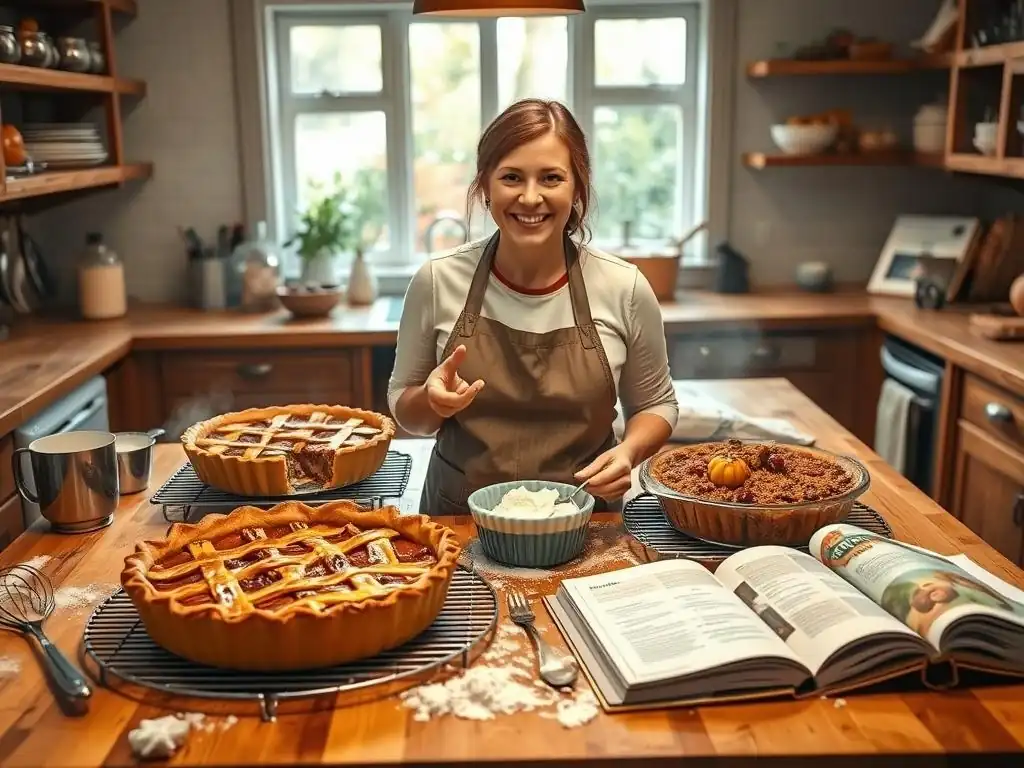
Even with the best planning and techniques, baking can sometimes present challenges. Knowing how to troubleshoot common issues with Thanksgiving desserts can prevent disappointment and help you salvage a recipe. Being prepared for potential problems is part of mastering Thanksgiving dessert baking.
Preventing Soggy Pie Crusts
Soggy pie crusts, particularly the bottom crust of fruit pies or quiches, are a common frustration. This usually happens when the filling's moisture seeps into the dough before it has a chance to set. To combat this, several Thanksgiving dessert baking tips are essential:
- Blind Baking: Partially or fully pre-baking the bottom crust before adding the filling creates a barrier. For fruit pies, partial blind baking (baking the crust until the edges are set but not fully browned, often 15-20 minutes at 375-400°F with pie weights) is usually sufficient.
- Egg Wash/Butter Layer: Brushing the bottom crust with a thin layer of beaten egg white or melted butter before adding the filling can also help seal it.
- Hot Baking Temperature: Starting the pie at a higher temperature (e.g., 400-425°F for the first 15-20 minutes) can help the bottom crust set quickly before reducing the heat to finish baking.
- Thickening Filling: Ensure fruit fillings are adequately thickened with flour, cornstarch, or tapioca to minimize excess liquid. Using about 1/4 cup flour or 2-3 tablespoons cornstarch per 6 cups of fruit is a general guideline.
Addressing Common Cake Baking Problems
Cakes not rising, sinking in the middle, or having a tough texture are frequent issues. These problems often stem from incorrect leavening, improper mixing, or oven temperature inconsistencies. If a cake sinks in the middle, it's usually underbaked or the oven door was opened too early. Ensure baking powder/soda is fresh (test by adding a pinch to hot water - it should fizz). Avoid overmixing the batter once flour is added, as this develops gluten and leads to toughness.
Always preheat your oven fully to the correct temperature; an oven thermometer can verify accuracy. Bake cakes until a skewer inserted into the center comes out clean. For a standard 9-inch cake layer baked at 350°F, this is typically 28-35 minutes. If a cake domes excessively and cracks, the oven might be too hot or the pan too full; reducing the temperature slightly or not overfilling the pan (typically 2/3 full) can help. These precise Thanksgiving dessert baking tips for cakes ensure a perfect crumb.
Adjusting Baking Times for Convection Ovens
Convection ovens, which use a fan to circulate hot air, bake more quickly and evenly than conventional ovens. This is a great advantage when baking multiple items, but requires adjusting recipes designed for conventional ovens. As a general rule, reduce the baking temperature by 25°F or reduce the baking time by 25%.
For example, if a recipe calls for baking cookies at 350°F for 12 minutes in a conventional oven, you would typically bake them at 325°F for 10-12 minutes in a convection oven. Or, you could keep the temperature at 350°F but start checking for doneness around 9-10 minutes. When baking multiple trays of cookies or multiple pies simultaneously on different racks, a convection oven is excellent at ensuring even browning, making it a valuable asset for Thanksgiving dessert baking. Always start checking for doneness earlier than the recipe suggests when using convection.
Make-Ahead Thanksgiving Dessert Recipes for Stress-Free Serving
Building your Thanksgiving dessert menu around recipes that can be made partially or entirely ahead of time is perhaps the ultimate stress-relieving strategy. Many classic holiday desserts actually benefit from being made in advance, allowing flavors to deepen and textures to set properly.
Classic Pie Recipes Perfect for Making Ahead
Several Thanksgiving pies are ideal candidates for pre-baking. Pumpkin pie and pecan pie can be fully baked 1-2 days before Thanksgiving. Their custardy or gooey fillings set up nicely as they cool and chill, and the flavors meld beautifully. Store them loosely covered in the refrigerator. Fruit pies like apple or cherry can also be baked a day ahead; while some purists prefer them warm, they are perfectly delicious served at room temperature and save significant oven space on the big day.
For example, baking your pumpkin pie on Tuesday afternoon means it has over 24 hours to chill and set firm before serving on Thursday. A pecan pie baked on Wednesday morning will have ample time to cool and become perfectly gooey. These pies can be baked, cooled on a wire rack, and then stored, requiring only a quick garnish of whipped cream or a dusting of powdered sugar before serving. These are top Thanksgiving dessert baking tips for freeing up Thanksgiving Day.
Cakes and Bars That Improve With Time
Many cakes and bar cookies also benefit from being made a day or two in advance. unfrosted cakes (like pound cake, spice cake, or chocolate cake layers) can be baked, cooled completely, wrapped well, and stored at room temperature or chilled. Bar cookies such as brownies, blondies, or pumpkin bars often have a better texture and richer flavor the day after they are baked, as the moisture distributes evenly.
A batch of brownies baked on Wednesday will be perfectly fudgy and easier to cut cleanly on Thursday. A spice cake baked on Tuesday can be frosted on Wednesday, giving the frosting time to set and the flavors to meld into the cake. Cookies stored in airtight containers maintain their freshness and are ready to plate instantly. Incorporating these into your plan is a key Thanksgiving dessert baking tip for a relaxed holiday morning.
Freezing and Thawing Techniques for Thanksgiving Desserts
For even earlier preparation, some Thanksgiving dessert components or entire desserts can be frozen weeks in advance. Unbaked pie dough disks freeze beautifully for up to 3 months. Baked cookies and brownies freeze well for 1-2 months in airtight containers. Some baked pies, like apple and pecan (though textures might change slightly), can be frozen after baking and cooling.
To freeze baked pie dough, wrap disks tightly in plastic wrap and then foil. Thaw overnight in the refrigerator before rolling. To freeze baked cookies, cool completely, then place in a single layer on a baking sheet to flash freeze for about an hour before transferring to an airtight container or freezer bag. Thaw cookies at room temperature. If freezing a baked pie, cool completely, wrap tightly in plastic wrap and foil, and freeze. Thaw in the refrigerator for 24-48 hours. Knowing what can be frozen is a power-user Thanksgiving dessert baking tip!
Storing and Presenting Your Thanksgiving Dessert Creations
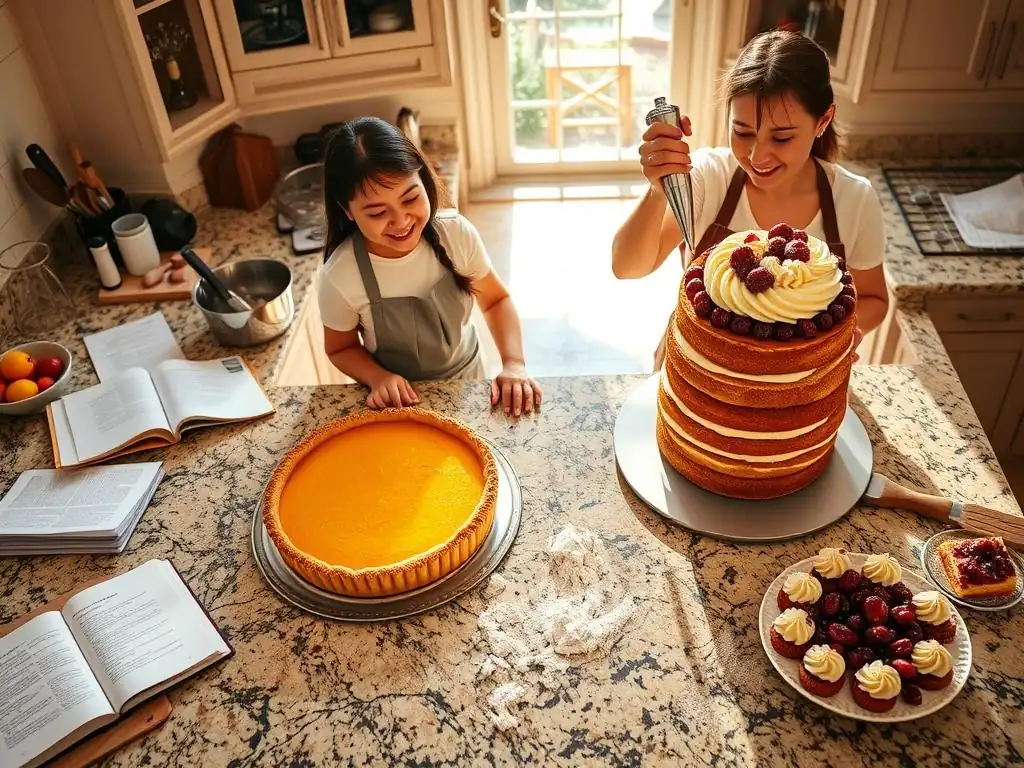
Proper storage ensures your delicious Thanksgiving desserts remain fresh and appealing until they are served. Thinking about presentation ahead of time adds a touch of elegance and makes serving easier on Thanksgiving Day.
Optimal Storage Methods for Maintaining Quality
Different desserts require different storage methods to maintain their best quality.
- Pies: Custard pies (pumpkin, pecan) must be refrigerated, loosely covered, after cooling. Fruit pies can typically be stored at room temperature for 1-2 days, loosely covered, but refrigeration is recommended if they contain dairy (like a streusel topping with butter) or if your house is warm.
- Cakes: Unfrosted cakes should be wrapped tightly in plastic wrap. Frosted cakes are best stored loosely covered (a cake dome is ideal) at room temperature unless the frosting is cream cheese or dairy-based, in which case refrigeration is necessary.
- Cookies and Bars: Store in airtight containers at room temperature. To prevent cookies from sticking or flavors from mingling if storing different types together, layer them with parchment paper.
- Cream-Based Desserts: Cheesecakes, puddings, mousses, and desserts with whipped cream must be kept refrigerated.
Proper storage, like keeping cookies in a cookie tin lined with wax paper or ensuring your pumpkin pie is covered in the fridge, is a simple yet vital Thanksgiving dessert baking tip to prevent spoilage and drying out.
Creative Presentation Ideas for Thanksgiving Desserts
Presentation elevates your homemade Thanksgiving desserts from simple treats to showstopping finales. Plan how you will display them. Use attractive platters, cake stands, or tiered stands to showcase your variety. Consider adding simple garnishes just before serving.
For a pumpkin pie, a swirl of freshly whipped cream or a stencil dusting of cinnamon is classic. Apple pie can be served with a scoop of vanilla ice cream or a slice of cheddar cheese (a New England tradition!). Brownies can be dusted with powdered sugar or drizzled with chocolate sauce. Arranging a selection of cookies or bars on a festive platter creates an inviting display. Even simple touches, like using a decorative pie plate or adding a few sugared cranberries as garnish, enhance the visual appeal and show off your Thanksgiving dessert baking skills.
Coffee and Tea Pairings for Thanksgiving Desserts
Thinking about beverages to accompany your Thanksgiving desserts adds another layer to the guest experience. Offering coffee and tea is standard, but consider pairing specific roasts or blends with your dessert selection.
A robust dark roast coffee pairs well with rich chocolate desserts or pecan pie. Lighter roasts or a medium blend complement fruit pies and lighter cakes. For tea drinkers, black tea is a versatile choice, while spiced teas (like chai) or herbal teas (like chamomile or peppermint) offer comforting alternatives. Consider decaf options for after-dinner enjoyment. Offering a selection of warm beverages alongside your array of Thanksgiving desserts provides a perfect end to the holiday meal and is a thoughtful final touch to your Thanksgiving baking efforts.
Thanksgiving Dessert Baking Checklist: Stay on Track
Keeping track of tasks, ingredients, and timing can feel overwhelming when baking multiple Thanksgiving desserts. A comprehensive checklist and detailed shopping list are invaluable tools to keep you organized and ensure nothing is forgotten amidst the holiday hustle. These organizational Thanksgiving dessert baking tips are crucial for a smooth process.
Comprehensive Thanksgiving Dessert Baking Checklist
Break down your baking process into actionable steps organized by day. Use a checklist you can physically tick off.
- 1 Week Before:
- [ ] Finalize dessert menu.
- [ ] Check pantry for staples (flour, sugar, spices, leavening).
- [ ] Inventory baking pans and equipment.
- [ ] Create detailed shopping list.
- 4-5 Days Before (e.g., Saturday/Sunday):
- [ ] Shop for non-perishable ingredients.
- [ ] Make and chill pie doughs.
- [ ] Toast nuts if needed.
- 2-3 Days Before (e.g., Tuesday):
- [ ] Shop for perishable ingredients (eggs, dairy, fruit).
- [ ] Bake pies that store well (pumpkin, pecan).
- [ ] Make cookie doughs/bar batters.
- 1 Day Before (e.g., Wednesday):
- [ ] Bake remaining cookies/bars/cakes.
- [ ] Make frostings, whipped cream bases, or sauces.
- [ ] Assemble desserts that need to chill (cheesecake, layered desserts).
- [ ] Clean as you go!
- Thanksgiving Day:
- [ ] Whip cream/make final frostings.
- [ ] Add final garnishes.
- [ ] Arrange desserts on platters.
- [ ] Prepare coffee/tea.
- [ ] Relax and enjoy!
Using a checklist like this transforms the abstract concept of "Thanksgiving dessert baking" into a series of concrete, manageable steps.
Detailed Shopping List Template for Thanksgiving Desserts
A well-organized shopping list prevents multiple trips to the store. Group items by category (dairy, produce, baking aisle) to navigate the grocery store efficiently. Be specific about quantities needed for each recipe.
- Produce:
- [ ] Apples (specify variety, e.g., 3 lbs Granny Smith)
- [ ] Fresh cranberries (1 bag)
- [ ] Lemons (2)
- [ ] Canned pumpkin puree (2 x 15oz cans)
- Dairy/Refrigerated:
- [ ] Unsalted butter (4 lbs)
- [ ] Large eggs (2 dozen)
- [ ] Heavy cream (1 quart)
- [ ] Cream cheese (2 x 8oz blocks)
- [ ] Milk (1 pint)
- Baking Aisle:
- [ ] All-purpose flour (5 lbs bag)
- [ ] Granulated sugar (4 lbs bag)
- [ ] Brown sugar (light and dark, 1 box each)
- [ ] Pecans (chopped or halves, specify quantity, e.g., 2 cups)
- [ ] Chocolate chips (1 bag)
- [ ] Vanilla extract (1 bottle)
- [ ] Baking powder
- [ ] Baking soda
- [ ] Cinnamon, Nutmeg, Cloves, Ginger (check quantities needed)
- [ ] Graham crackers (2 boxes)
- [ ] Pie weights
- [ ] Pre-made pie crusts (optional, specify number)
- [ ] Parchment paper
Creating a detailed list ensures you have every ingredient required for your Thanksgiving dessert baking marathon, minimizing last-minute stress and allowing you to focus on the joy of baking.
Frequently Asked Questions
What's the best way to plan my Thanksgiving dessert baking schedule to avoid feeling overwhelmed?
The key is to bake ahead! Choose desserts that can be made days in advance, like pies or cookies. Also, prioritize recipes based on complexity and time required.
How can I simplify my Thanksgiving dessert recipes without sacrificing taste?
Focus on flavor profiles that complement each other. Use pre-made ingredients like pie crust or cake mix to save time.
What are some easy Thanksgiving dessert options suitable for beginner bakers?
Consider no-bake desserts like parfaits or cheesecakes. Simple cookie recipes or fruit crisps are also beginner-friendly and delicious.
How can I ensure all my Thanksgiving desserts are ready at the right temperature for serving?
Plan your oven usage carefully, staggering baking times. Keep warm desserts in a low oven or use a warming drawer.
What are some creative Thanksgiving dessert variations that still incorporate traditional flavors?
Try a pumpkin spice cheesecake or an apple pie with a streusel topping. You could also make pumpkin pie bars instead of a traditional pie for easier serving.
Final Reflection: Mastering the Thanksgiving Dessert Symphony
The art of baking multiple desserts for Thanksgiving without succumbing to holiday chaos is more than just a culinary skill; it's a testament to mindful planning and efficient execution. This year, more than ever, with the rising cost of ingredients and the pressure to create a memorable feast, mastering this art is crucial for both your sanity and your budget. The tips outlined in this article – from strategic scheduling and ingredient prep to smart baking techniques and creative repurposing – are designed to empower you to confidently tackle even the most ambitious dessert spread.
The joy of Thanksgiving isn't solely in the main course; it's in the shared experience of savoring delicious treats with loved ones. The pressure to create a perfect dessert table, however, can often overshadow this joy. The best things in life are the people we love, the places we've been, and the memories we've made along the way.
This quote perfectly encapsulates the spirit of Thanksgiving, and by streamlining your dessert baking process, you free yourself to truly appreciate those precious moments with family and friends, rather than being stuck in the kitchen.
This Thanksgiving, I challenge you to approach your dessert baking not as a daunting task, but as a creative adventure. Embrace the strategies discussed, experiment with flavors, and most importantly, remember that imperfections are part of the charm. Don't be afraid to delegate tasks, enlist help, or even simplify your menu. The goal is to create a joyful experience, not a culinary competition. So, breathe deep, plan ahead, and enjoy the sweet rewards of a stress-free Thanksgiving dessert extravaganza!
Unleash Your Inner Thanksgiving Baker!
Thanks for spending some time with us and learning how to conquer your Thanksgiving baking! We hope you're feeling more confident and less stressed about creating a delicious dessert spread. Now it's time to put your newfound knowledge into action.
- Craft your perfect Thanksgiving dessert menu: Use the tips and techniques from the article to plan your baking schedule and choose recipes that suit your skill level and time constraints. This is your chance to shine!
- Share your baking journey: We'd love to see your creations! Post pictures on social media using #BakeWithEaseThanksgiving and tag us — let's inspire each other!
- Explore advanced baking techniques: Want to take your skills to the next level? Check out our other articles on advanced techniques for pie crusts, frostings, and more.
What delicious dessert are you most excited to bake this Thanksgiving? Let us know in the comments!