
Master the Moistest Carrot Cake for Spring

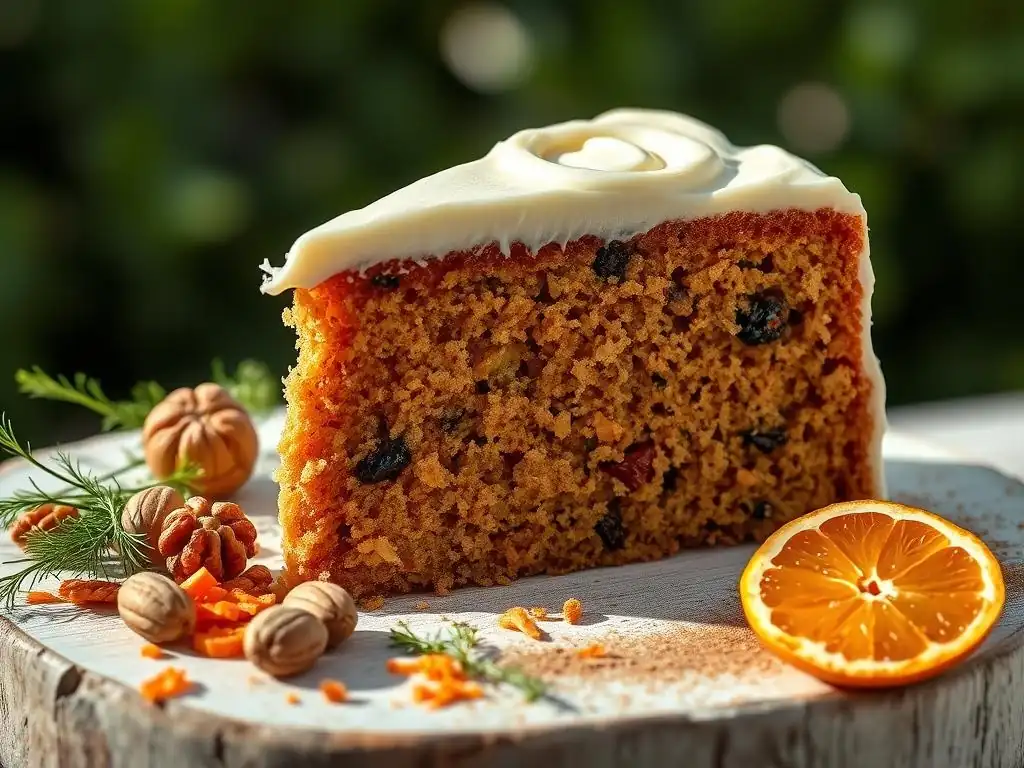
Welcome to BakeWithEase, where baking becomes a joy, not a chore! Spring is in the air, and what better way to celebrate than with a slice of pure deliciousness? Get ready to unlock the secrets to a truly unforgettable Moist Spring Carrot Cake. But what makes this carrot cake different? Prepare to discover the tips and tricks that will elevate your baking and leave everyone craving more. Let's get started!
- Master the Moistest Carrot Cake for Spring | BakeWithEase.com
- Introduction: Welcome Spring with the Perfect Moist Carrot Cake
- Essential Ingredients for Your Spring Carrot Cake Masterpiece
-
Step-by-Step Guide to Baking the Moistest Spring Carrot Cake
- Preparing Your Baking Pans for Success
- Combining the Dry Ingredients: Achieving Uniformity
- Incorporating the Wet Ingredients: The Key to a Smooth Batter
- Adding the Carrots and Nuts: Achieving Perfect Distribution
- Baking to Perfection: Time and Temperature for Moistness
- Cooling and Preparing for Frosting
- Cream Cheese Frosting: The Perfect Complement to Moist Carrot Cake
- Variations and Additions for Your Spring Carrot Cake
- Tips and Tricks for the Moistest Carrot Cake Ever
- Spring Carrot Cake Serving Suggestions and Pairings
- Troubleshooting Common Carrot Cake Baking Problems
- Conclusion: Enjoy Your Deliciously Moist Spring Carrot Cake!
- Frequently Asked Questions
- Final Reflection: The Enduring Allure of a Perfectly Moist Carrot Cake
- Unlock Your Inner Baker: Master the Art of Moist Carrot Cake!
Master the Moistest Carrot Cake for Spring | BakeWithEase.com
Introduction: Welcome Spring with the Perfect Moist Carrot Cake
Why This Carrot Cake Recipe is Perfect for Spring Baking
Spring is a time of renewal, fresh ingredients, and bright flavors, and what better way to celebrate the season than with a delicious, moist spring carrot cake? As the days get longer and warmer, our palates often crave lighter yet comforting treats.
This recipe delivers exactly that – it's packed with the natural sweetness of carrots and warm spices, offering a delightful contrast that feels perfectly suited for spring gatherings, picnics, or simply enjoying with a cup of tea on a sunny afternoon. The focus on moisture ensures that each bite is tender and flavorful, making it a standout dessert for any springtime occasion.
Beyond its seasonal appeal, this specific moist spring carrot cake recipe is designed for bakers of all levels. We break down the process into manageable steps, explaining the 'why' behind each technique. Unlike some dry or crumbly versions, this recipe prioritizes ingredients and methods that lock in moisture, resulting in a cake that stays delicious for days. It's a reliable recipe you'll return to year after year when you want to bake a truly exceptional carrot cake that embodies the spirit of spring.
BakeWithEase' Secret to a Super Moist Carrot Cake
Achieving a super moist spring carrot cake isn't just about adding more liquid; it's a combination of carefully selected ingredients and techniques. One of our key secrets lies in the amount and preparation of the carrots themselves. We recommend using a generous quantity of freshly grated carrots, as their natural moisture is crucial. Furthermore, allowing the grated carrots to sit briefly before adding them to the batter can sometimes release a bit more liquid, contributing to the overall moistness.
Another vital component in our quest for the ultimate moist spring carrot cake is the type and quantity of oil used. Vegetable oil or canola oil are preferred over butter in the cake batter because they remain liquid at room temperature, which helps the cake retain a tender, moist crumb. We use a specific ratio of oil to dry ingredients that ensures the cake is rich and moist without being greasy. This fat coats the flour particles, preventing excessive gluten development and resulting in a softer texture that is the hallmark of a truly moist cake.
Essential Ingredients for Your Spring Carrot Cake Masterpiece
The Right Carrots for Ultimate Flavor and Moisture
The foundation of any great carrot cake is, naturally, the carrots. For the most moist spring carrot cake, we recommend using fresh, firm carrots rather than pre-shredded varieties, which can be drier and less flavorful. Look for medium-sized carrots that are brightly colored and feel heavy for their size – this often indicates good moisture content. Approximately 3-4 medium carrots typically yield the required amount of grated carrots for a standard 9x13 inch cake or two 8 or 9-inch rounds.
When grating the carrots, a box grater or food processor with a shredding attachment works best. We suggest using the medium grating size. Using a finer grate can sometimes make the cake too dense or even gummy, while a very coarse grate might result in noticeable, slightly tough carrot pieces in the finished cake. The medium grate provides the perfect balance, distributing moisture evenly throughout the batter and blending seamlessly into the cake's texture.
Flour Power: Choosing the Best Flour for Carrot Cake Texture
For a tender and moist spring carrot cake, using the right type of flour is essential. All-purpose flour is the standard choice for most home baking and works perfectly for this recipe. It has a moderate protein content (around 10-12%), which provides enough structure for the cake to hold together while still allowing for a tender crumb, especially when combined with the high moisture ingredients in this recipe.
While you could experiment with other flours, all-purpose offers the most reliable results for consistency and texture in a moist spring carrot cake. Avoid using high-protein flours like bread flour, as they will develop too much gluten, resulting in a tougher cake. Cake flour, with its lower protein content, could potentially yield a very tender cake, but it might lack some structural integrity needed to support the weight of the carrots, nuts, and frosting. Stick with good quality all-purpose flour for best results.
Sweetness Perfected: Selecting the Ideal Sugar for Moistness
The type of sugar used significantly impacts both the sweetness and the moisture of your moist spring carrot cake. This recipe typically calls for a combination of granulated sugar and brown sugar. Granulated sugar provides clean sweetness and helps create the cake's structure, while brown sugar is key to achieving that desired moist texture and adds a subtle depth of flavor with its molasses content. Light brown sugar is generally preferred for its balance of moisture and flavor, though dark brown sugar can be used for a richer, more pronounced molasses note.
Brown sugar is hygroscopic, meaning it attracts and retains moisture from the air and other ingredients. This property is invaluable in preventing the cake from drying out during baking and storage, contributing significantly to the moist spring carrot cake outcome. The ratio of brown sugar to granulated sugar can be adjusted slightly based on preference, but a balance is needed to ensure proper leavening and structure, which are primarily influenced by the granulated sugar.
Spice is Nice: Aromatic Spices for Spring Carrot Cake
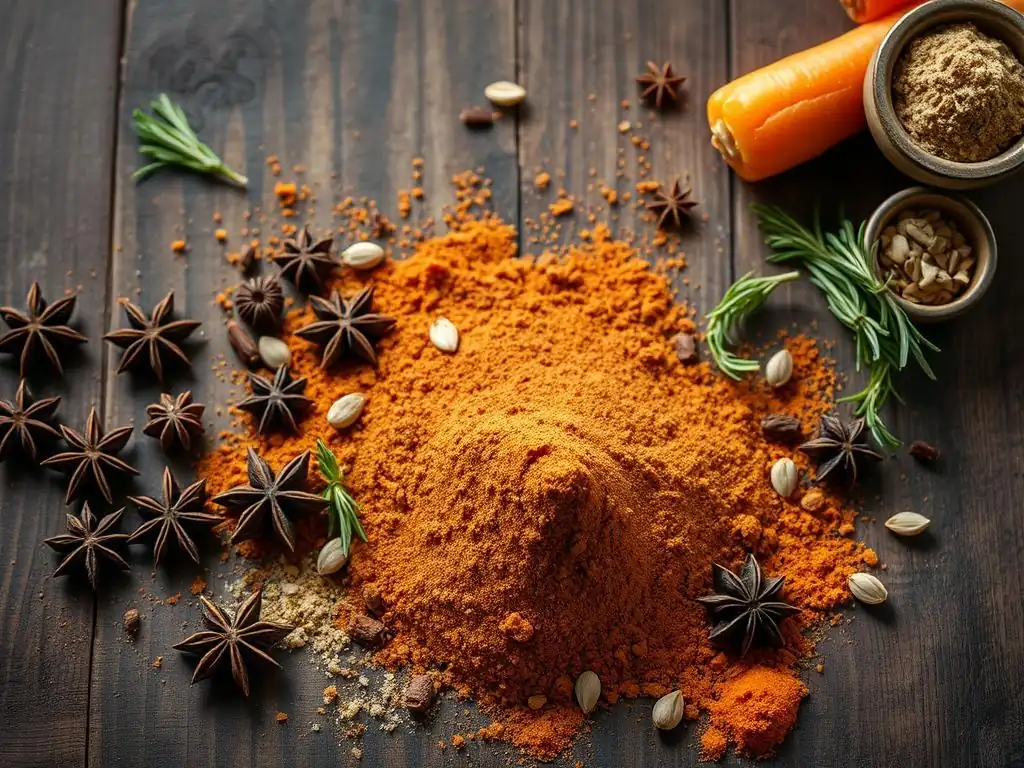
Spices are the heart and soul of carrot cake, providing warmth and complexity that complements the sweetness of the carrots. For a classic moist spring carrot cake, a blend of cinnamon, nutmeg, and sometimes ginger and cloves is standard. Ground cinnamon is usually the dominant spice, often used in a larger quantity (e.g., 2 teaspoons) compared to the others.
A typical spice blend might include 2 teaspoons of ground cinnamon, 1/2 teaspoon of ground nutmeg, 1/4 teaspoon of ground ginger, and a pinch (around 1/8 teaspoon) of ground cloves. Using fresh spices makes a noticeable difference in flavor intensity. Spices lose potency over time, so check the freshness of your spice rack – if they don't smell strongly aromatic, it's time to replace them. This aromatic blend elevates the moist spring carrot cake from good to unforgettable.
The Binding Agents: Eggs and Oil for Structure and Moistness
Eggs play a critical role in the structure and richness of a moist spring carrot cake. They act as a binder, holding the ingredients together, and contribute to the cake's leavening when whipped. This recipe typically uses 3-4 large eggs. Ensure your eggs are at room temperature before mixing, as they emulsify more easily with the wet ingredients, leading to a smoother batter and a finer crumb.
As mentioned earlier, oil is the primary fat source in this moist spring carrot cake recipe, contributing significantly to its signature texture. Using a neutral-flavored oil like vegetable, canola, or even melted coconut oil (if you enjoy the subtle flavor) ensures that the carrot and spice flavors shine through. The amount of oil is calibrated to provide maximum moisture without making the cake heavy or greasy. For a standard recipe using about 2-2.5 cups of flour, you might use anywhere from 1 to 1.5 cups of oil, depending on the desired richness and moisture level.
Step-by-Step Guide to Baking the Moistest Spring Carrot Cake
Preparing Your Baking Pans for Success
Proper pan preparation is crucial to ensure your moist spring carrot cake doesn't stick and releases cleanly after baking. For a 9x13 inch pan or two 8 or 9-inch round pans, start by greasing the bottom and sides thoroughly. Butter or a non-stick cooking spray specifically for baking (which often contains flour) works well.
After greasing, it's highly recommended to flour the pan as well. Add a few tablespoons of all-purpose flour to the greased pan, then tilt and rotate the pan to coat the bottom and sides evenly. Tap out any excess flour.
For extra insurance, especially with moist cakes, you can line the bottom of the pan(s) with parchment paper after greasing and flouring. Cut a piece of parchment to fit the bottom, place it in the pan, and then grease and flour the parchment itself along with the sides of the pan. This creates a non-stick barrier that guarantees easy removal.
Combining the Dry Ingredients: Achieving Uniformity
In a large bowl, whisk together all the dry ingredients for your moist spring carrot cake: the all-purpose flour, both granulated and brown sugars, baking soda, baking powder, salt, and all the wonderful spices (cinnamon, nutmeg, ginger, cloves). Sifting the dry ingredients is an optional step, but it helps to aerate them and remove any lumps, ensuring they combine more evenly.
Whisking these ingredients thoroughly is key. This disperses the leavening agents (baking soda and baking powder), salt, and spices evenly throughout the flour. If these aren't distributed uniformly, you could end up with pockets of salt or leavener, leading to uneven rising or flavor. A good minute or two of whisking with a balloon whisk is usually sufficient to ensure everything is well combined before adding the wet ingredients.
Incorporating the Wet Ingredients: The Key to a Smooth Batter
In a separate bowl or the bowl of a stand mixer, combine the wet ingredients for your moist spring carrot cake. This typically includes the room temperature eggs and the oil. You might also add vanilla extract at this stage. Whisk or beat these ingredients together until they are well combined and slightly emulsified.
Now, gradually add the dry ingredients to the wet ingredients. You can do this in stages, mixing on low speed or by hand with a spatula until just combined after each addition. Avoid overmixing the batter once the wet and dry ingredients come together. Overmixing develops gluten, which can lead to a tougher cake. Mix only until no dry streaks of flour are visible. The batter for a moist spring carrot cake will be quite thick at this stage.
Adding the Carrots and Nuts: Achieving Perfect Distribution
With the wet and dry ingredients just combined, it's time to fold in the stars of the show: the grated carrots and any optional add-ins like chopped nuts (pecans or walnuts are classic choices) or raisins. Use a spatula or wooden spoon for this step.
Add the grated carrots and nuts/raisins to the batter. Gently fold them in until they are evenly distributed throughout the thick batter. Be careful not to overmix – just incorporate them until they are dispersed. This ensures that every slice of your moist spring carrot cake has plenty of flavor and texture from the add-ins. For a standard recipe, you'll likely add about 2-3 cups of grated carrots and 1 cup of chopped nuts or raisins.
Baking to Perfection: Time and Temperature for Moistness
Baking at the correct temperature and for the right amount of time is crucial for a moist spring carrot cake. Preheat your oven to the specified temperature, usually around 350°F (175°C). Ensure the oven has been preheating for at least 15-20 minutes to reach and stabilize at the correct temperature. Uneven oven temperatures can lead to uneven baking.
Pour the batter into your prepared pan(s) and spread it evenly. Place the pan(s) in the center of the preheated oven. Baking time will vary depending on the size and shape of your pan(s).
A 9x13 inch cake might take 30-40 minutes, while two 8 or 9-inch rounds could take 25-35 minutes. Start checking for doneness at the lower end of the time range. The cake is done when the edges pull slightly away from the pan and a wooden skewer or toothpick inserted into the center comes out clean or with just a few moist crumbs attached, but no wet batter.
Cooling and Preparing for Frosting
Once your moist spring carrot cake is perfectly baked, resist the urge to remove it from the pan immediately. Let the cake cool in the pan on a wire rack for about 10-15 minutes. This allows the cake to set further and makes it less likely to break when you remove it.
After the initial cooling period in the pan, carefully invert the cake onto the wire rack to cool completely. If you used parchment paper, you can gently peel it off at this stage. Ensure the cake is completely cool before frosting, which can take 1-2 hours. Frosting a warm cake will cause the frosting to melt and slide off. Allowing the cake to cool completely also helps the internal structure set, contributing to the overall stability and texture of your moist spring carrot cake.
Cream Cheese Frosting: The Perfect Complement to Moist Carrot Cake
Ingredients for a Tangy and Sweet Cream Cheese Frosting
No moist spring carrot cake is complete without a luscious cream cheese frosting. This classic pairing offers a delightful tangy contrast to the cake's sweetness and spice. The essential ingredients are full-fat block cream cheese, unsalted butter, powdered sugar (also known as confectioners' sugar or icing sugar), and vanilla extract. Some recipes also include a pinch of salt or a splash of lemon juice for extra tang.
Using full-fat block cream cheese is crucial for the correct consistency; avoid using cream cheese spreads from a tub, as they have a higher water content and will result in a runnier frosting. Ensure both the cream cheese and butter are softened to room temperature.
Cold ingredients will result in a lumpy frosting, while overly soft or melted butter can make it greasy. A typical recipe for frosting a 9x13 inch cake or two layers might use two 8-ounce blocks of cream cheese (450g total), 1/2 cup (1 stick or 113g) of unsalted butter, about 4 cups (450-500g) of powdered sugar, and 1-2 teaspoons of vanilla extract.
Achieving the Perfect Cream Cheese Frosting Consistency
Achieving the perfect consistency for your cream cheese frosting is key to both ease of application and the final look of your moist spring carrot cake. Start by beating the softened cream cheese and softened butter together in a bowl using an electric mixer (handheld or stand mixer) until the mixture is completely smooth and creamy, with no lumps. This should take about 2-3 minutes on medium speed. Scrape down the sides and bottom of the bowl frequently.
Gradually add the powdered sugar, one cup at a time, mixing on low speed until just incorporated before adding the next. Once all the sugar is added, increase the speed to medium and beat for another 1-2 minutes until the frosting is light and fluffy. Be careful not to overbeat, as this can incorporate too much air and make the frosting unstable. Stir in the vanilla extract.
If the frosting is too thick, you can add a tablespoon of milk or cream at a time until the desired consistency is reached. If it's too thin, add a little more powdered sugar. The ideal consistency should be spreadable but firm enough to hold its shape.
Frosting Your Carrot Cake: Tips for a Beautiful Finish
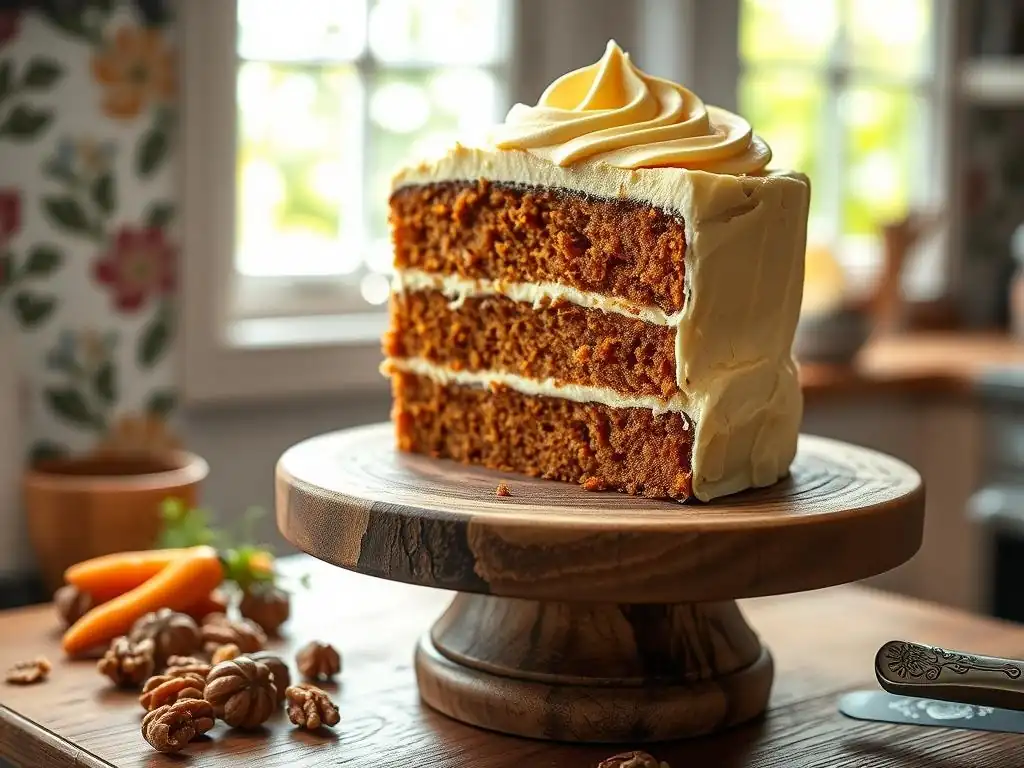
Once your moist spring carrot cake layers are completely cool and your cream cheese frosting is ready, it's time to assemble and decorate. If you baked two layers, place the first layer on your serving plate or cake stand. Spread a generous amount of frosting evenly over the top of the first layer, extending it almost to the edge.
Carefully place the second layer on top. Use an offset spatula to spread the remaining frosting over the top and down the sides of the cake. For a rustic look, you can simply swirl the frosting.
For a smoother finish, dip your spatula in hot water, wipe it dry, and then use it to smooth the frosting. You can decorate the top with chopped nuts, shredded coconut, or even small carrot decorations made from marzipan or fondant. Chilling the frosted moist spring carrot cake for at least 30 minutes before slicing helps the frosting set and makes for cleaner cuts.
Variations and Additions for Your Spring Carrot Cake
Adding Pineapple for Extra Moistness and Tropical Flavor
Incorporating crushed pineapple is a popular variation that significantly enhances the moisture and adds a lovely tropical tang to your moist spring carrot cake. The natural acidity and moisture in pineapple work wonders to keep the cake tender. Use canned crushed pineapple packed in juice, not syrup.
For a standard recipe using about 2.5 cups of flour, you can typically add one 8-ounce can of well-drained crushed pineapple. It's crucial to drain the pineapple thoroughly to avoid adding excessive liquid that could make the cake too wet or dense. Gently fold the drained crushed pineapple into the batter along with the grated carrots and nuts. The enzymes in fresh pineapple can interfere with the cake setting, so canned is the safer and more reliable option for this moist spring carrot cake variation.
Incorporating Raisins or Cranberries for a Fruity Twist
Adding dried fruits like raisins or dried cranberries introduces chewy texture and bursts of sweetness or tartness to your moist spring carrot cake. Raisins are a classic addition, providing concentrated sweetness. You can use regular or golden raisins.
Dried cranberries offer a more tart flavor profile, which pairs wonderfully with the sweet cake and tangy frosting. About 1 cup of raisins or cranberries is a good starting point for a standard recipe. For extra plumpness and moisture, you can soak the raisins or cranberries in hot water, orange juice, or even a little rum for about 15-20 minutes before draining them well and folding them into the batter. This ensures they don't absorb moisture from the cake as it bakes, contributing positively to the overall moist spring carrot cake texture.
Toasted Nuts: Enhancing Texture and Nutty Flavor
Adding nuts, such as chopped pecans or walnuts, provides a delightful crunch and nutty flavor that complements the moist spring carrot cake. While adding raw nuts is common, toasting them beforehand elevates their flavor significantly.
To toast nuts, spread them in a single layer on a baking sheet. Bake in a preheated oven at 300°F (150°C) for 8-12 minutes, stirring halfway through, until they are fragrant and lightly browned. Let them cool completely before chopping and folding them into the batter. This simple step brings out the nuts' natural oils and deepens their flavor, adding another layer of complexity to your moist spring carrot cake. Use about 1 cup of chopped toasted nuts for a standard recipe.
Spiced Variations: Experimenting with Different Spice Blends
While cinnamon, nutmeg, ginger, and cloves form the classic spice blend for moist spring carrot cake, feel free to experiment and personalize your recipe. You could increase the amount of ginger for a spicier kick or add a pinch of cardamom for an exotic note.
Consider adding a touch of allspice, which combines flavors reminiscent of cinnamon, nutmeg, and cloves. A small amount, perhaps 1/4 teaspoon, can add complexity. Some bakers also like to include a tiny pinch of black pepper or cayenne pepper for a surprising warmth that enhances the other spices. Adjust the quantities based on your personal preference, but start small when introducing new spices to ensure they don't overpower the delicate flavors of your moist spring carrot cake.
Tips and Tricks for the Moistest Carrot Cake Ever
Ensuring Perfectly Grated Carrots
The consistency of your grated carrots is vital for a moist spring carrot cake. As mentioned, using fresh, firm carrots and grating them yourself on a medium setting is ideal. Avoid the very fine side of the grater, which can turn carrots into a mushy paste, or the large shredding side, which leaves large, sometimes tough pieces.
After grating, measure the carrots accurately. Recipes usually specify a volume (e.g., 2 cups packed). Gently pressing the grated carrots into the measuring cup ensures you get the right amount. Some bakers like to let the grated carrots sit for 10-15 minutes after grating to release a little extra moisture, then give them a light pat with a paper towel if they seem excessively wet, though usually, this isn't necessary with medium grating. Consistent grating size ensures even distribution of moisture and texture throughout the moist spring carrot cake.
Preventing a Soggy Bottom: Baking Rack Essentials
A common issue with moist cakes can be a slightly undercooked or soggy bottom. One simple trick to help prevent this with your moist spring carrot cake is to ensure proper air circulation around the pan during baking. Place your cake pan on an oven rack in the center of the oven.
Avoid placing the pan directly on the oven floor or on a solid baking sheet, as this can block heat circulation to the bottom of the pan. Using a standard wire oven rack allows hot air to circulate freely underneath the pan, promoting even baking from the bottom up and helping to prevent that dreaded soggy layer. This small adjustment contributes significantly to achieving a perfectly baked moist spring carrot cake.
The Toothpick Test: Knowing When Your Cake is Done
Determining exactly when your moist spring carrot cake is done baking is crucial for preventing it from drying out. The toothpick test is the most reliable method. Insert a wooden skewer or toothpick into the very center of the cake.
When the skewer is pulled out, it should come out clean or with only a few moist crumbs attached. If you see wet batter on the skewer, the cake needs more time. If the skewer comes out completely clean with no crumbs, the cake might be slightly overbaked, though a few moist crumbs are ideal for a truly moist spring carrot cake. Start checking a few minutes before the recipe's suggested minimum baking time, as oven temperatures can vary.
Storing Your Carrot Cake to Maintain Moistness
Proper storage is key to keeping your moist spring carrot cake delicious for several days. Once the cake is completely cooled (and frosted), store it in an airtight container at room temperature for up to 2-3 days. The frosting helps seal in moisture.
For longer storage, the cake can be refrigerated for up to a week. Ensure it's in a well-sealed container to prevent it from absorbing odors from the refrigerator. If you want to store it for an extended period, wrap unfrosted cake layers tightly in plastic wrap and then aluminum foil, and freeze them for up to 2-3 months.
Thaw them overnight in the refrigerator before frosting. Frosted cake can also be frozen in an airtight container for a shorter period, though the frosting texture might change slightly upon thawing. Correct storage locks in that desirable moist spring carrot cake texture.
Spring Carrot Cake Serving Suggestions and Pairings
Elegant Presentation Ideas for Your Carrot Cake
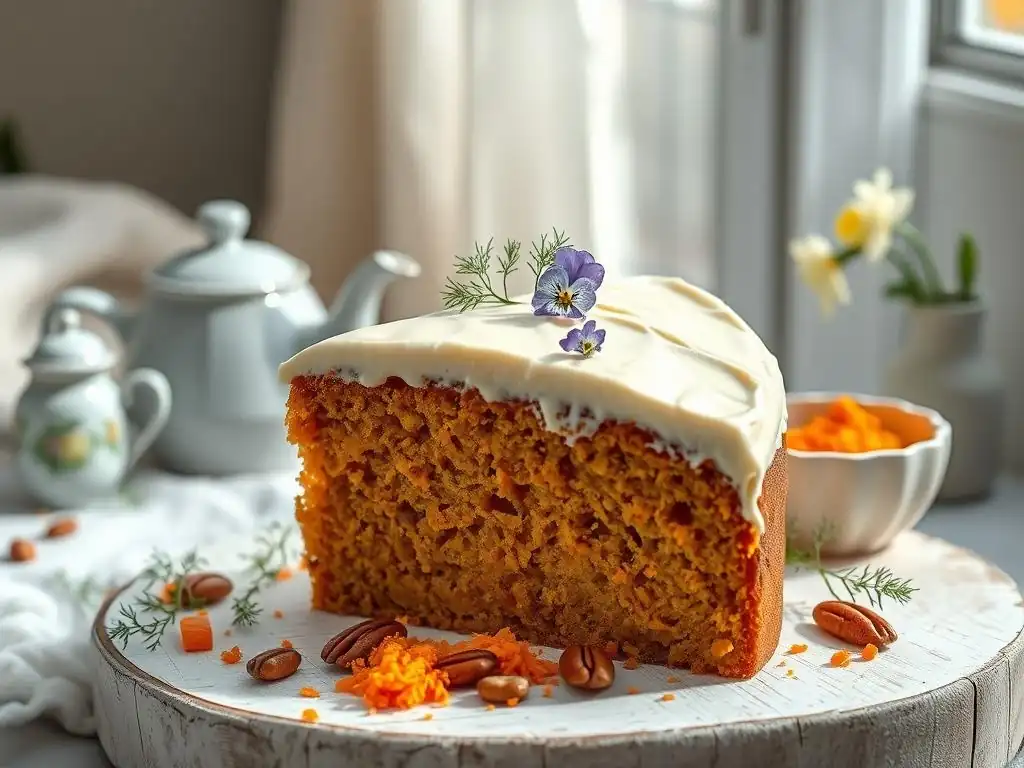
Presenting your moist spring carrot cake beautifully enhances the enjoyment. For a multi-layered cake, ensure the frosting is smooth or artfully swirled. You can garnish the top with chopped toasted nuts, a sprinkle of cinnamon, or candied carrot curls.
If you baked a single layer or bundt cake, a simple dusting of powdered sugar over the cream cheese frosting or a drizzle of glaze can be elegant. Consider serving slices with a dollop of extra cream cheese frosting on the side or a sprinkle of edible flowers for a spring touch. Presenting the cake on a pretty cake stand elevates it further, making your moist spring carrot cake a stunning centerpiece for your spring table.
Perfect Beverage Pairings for a Springtime Treat
The rich, sweet, and spicy flavors of moist spring carrot cake pair wonderfully with a variety of beverages. For a classic pairing, a cup of hot coffee or tea (such as a black tea or a spiced chai) is always a hit. The warmth and slight bitterness of these drinks balance the sweetness of the cake.
For a lighter, springtime feel, consider serving your moist spring carrot cake with a glass of cold milk, a refreshing iced coffee, or even a sparkling cider. If you're entertaining, a dessert wine like a Moscato or a spiced rum punch can offer a more adult pairing that complements the cake's flavors beautifully. Choose a beverage that you enjoy and that feels right for the springtime occasion you're celebrating with your moist spring carrot cake.
Troubleshooting Common Carrot Cake Baking Problems
Dry Carrot Cake: Identifying and Preventing the Issue
A dry carrot cake is a common disappointment, especially when aiming for a moist spring carrot cake. This usually happens due to incorrect measurements, overmixing, or overbaking. Ensure you are measuring your flour correctly, preferably by weight (using a kitchen scale) or by spooning flour into the measuring cup and leveling it off, rather than scooping directly from the bag. Too much flour is a primary culprit for dryness.
Overmixing the batter develops too much gluten, leading to a tough, dry crumb. Mix only until the ingredients are just combined. Most importantly, avoid overbaking. Use the toothpick test and remove the cake from the oven as soon as it passes the test (with moist crumbs). Baking even a few minutes too long can significantly dry out a moist spring carrot cake. Also, ensure you are using the specified amount of oil, as it's key to moisture.
Sinking Middle: Troubleshooting and Solutions
A cake with a sunken middle can be frustrating. This is often caused by opening the oven door too early, insufficient leavening, or overmixing. Avoid opening the oven door during the first two-thirds of the baking time, as the sudden temperature change can cause the cake to collapse before its structure is set.
Ensure your baking soda and baking powder are fresh. Leavening agents lose their potency over time. You can test baking soda by adding a pinch to vinegar (it should fizz) and baking powder by adding a pinch to hot water (it should fizz). Also, as mentioned regarding dryness, overmixing can incorporate too much air which then collapses in the oven, or it can overdevelop gluten, hindering the cake's ability to rise properly. Following the recipe's mixing instructions closely is key to preventing a sinking middle in your moist spring carrot cake.
Uneven Baking: Achieving a Level Cake
Uneven baking, where one part of the cake is done while another is still raw or overcooked, can result in a less than perfect moist spring carrot cake. This is most often due to an oven that heats unevenly or incorrect pan placement.
Calibrate your oven if you suspect it's not heating accurately. An oven thermometer can help you verify the actual temperature. Ensure the cake pan is placed in the center of the middle oven rack, away from the heating elements or oven walls. Avoid baking multiple cakes too close together or placing them on different racks, as this can impede air circulation. Rotating the pan halfway through the baking time (gently and quickly) can also help promote more even baking, leading to a uniformly baked moist spring carrot cake.
Conclusion: Enjoy Your Deliciously Moist Spring Carrot Cake!
You've now mastered the art of baking the perfect moist spring carrot cake. From selecting the right ingredients and understanding their roles to following precise steps and troubleshooting common issues, you have all the knowledge needed to create a truly exceptional cake. This recipe is designed to deliver maximum moisture, flavor, and that wonderful tender crumb that makes carrot cake so beloved. Whether you're baking for a special occasion or simply treating yourself, this cake is sure to bring a taste of springtime joy to your kitchen.
We love seeing what our community bakes! Once you've made your delicious moist spring carrot cake using our guide, we encourage you to share your results. Did you add pineapple or nuts? How did your cream cheese frosting turn out? Your successes and experiences inspire other bakers. Baking is a journey, and sharing helps everyone grow. Get ready to enjoy the fruits of your labor – a truly magnificent moist spring carrot cake!
Frequently Asked Questions
What makes BakeWithEase's carrot cake recipe stand out?
Our recipe focuses on moisture retention through the use of oil and finely grated carrots. It also incorporates specific techniques for combining ingredients to avoid over-mixing, ensuring a tender crumb.
Is this carrot cake recipe suitable for beginner bakers?
Yes! We provide step-by-step instructions and easy-to-find ingredients, making it perfect for bakers of all skill levels, even those new to carrot cake.
Can I substitute any ingredients in the carrot cake recipe?
While we recommend following the recipe for best results, you can experiment with substitutions like using applesauce for some of the oil, but this might affect the overall moisture content.
What is the best way to store leftover carrot cake?
To maintain its moist texture, store the carrot cake in an airtight container at room temperature for up to three days, or in the refrigerator for up to a week.
What kind of frosting pairs best with this moist spring carrot cake?
We recommend a classic cream cheese frosting, as its tangy flavor complements the sweetness of the cake and the spice of the carrots perfectly.
Final Reflection: The Enduring Allure of a Perfectly Moist Carrot Cake
The quest for the moistest spring carrot cake isn't just about a delicious dessert; it's a reflection of our desire for comfort, connection, and the celebration of new beginnings. This seemingly simple cake, bursting with vibrant spring flavors and a luxuriously tender crumb, embodies the spirit of renewal and the joy of sharing. Its enduring popularity speaks volumes about our collective yearning for simple pleasures and the power of food to bring people together.
The journey to mastering the perfect moist carrot cake has been a deeply rewarding one, highlighting the importance of precision in baking and the subtle nuances that elevate a good cake to a truly exceptional one. Baking is a labor of love, and the reward is a taste of happiness.
This sentiment rings especially true when it comes to a cake as beloved as the spring carrot cake. Its consistent presence in our culinary landscape, from family gatherings to springtime celebrations, underscores its cultural significance and its ability to evoke cherished memories and create new ones.
Now, I invite you to take what you've learned and embark on your own culinary adventure. Don't be afraid to experiment with spices, glazes, and frostings – let your creativity bloom just like the spring flowers that inspire this delightful treat. The perfect moist spring carrot cake awaits your personal touch, ready to be shared and savored, a testament to your own baking prowess and a symbol of the sweet moments life offers. Go forth and bake!
Unlock Your Inner Baker: Master the Art of Moist Carrot Cake!
Thanks for taking the time to explore the secrets of the perfect moist carrot cake! We hope you've gained some valuable tips and tricks to elevate your baking game. Now it's time to put your newfound knowledge into practice!
- Bake your masterpiece! Use the recipe and techniques outlined in the article to create your own incredibly moist and delicious carrot cake. Don't forget to share a picture on social media using #BakeWithEaseCarrotCake!
- Experiment with flavors: Try adding different spices, nuts, or glazes to create your signature carrot cake. What unique twist will you add?
- Share the deliciousness: Impress friends and family with your baking skills—this cake is guaranteed to be a crowd-pleaser!
Ready to transform your baking? What creative ingredient will you add to your next carrot cake adventure?