
Secrets to Perfectly Baked Celebration Cupcakes Every Time

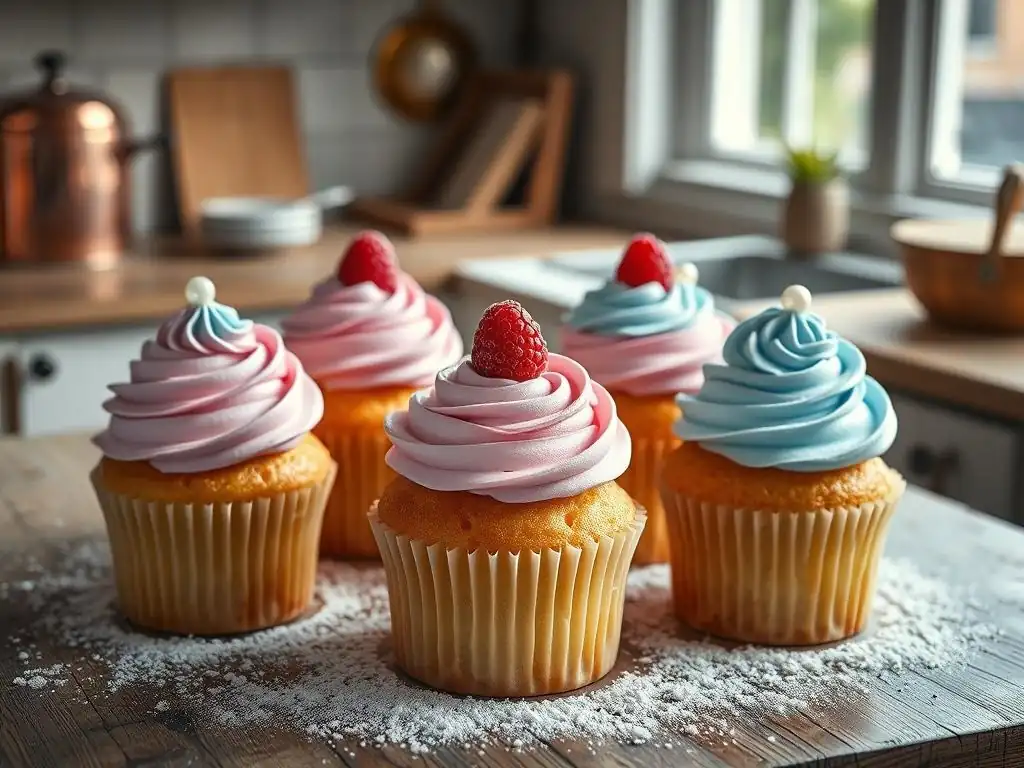
Welcome to BakeWithEase, your secret ingredient to baking bliss!
Ready to elevate your celebrations with treats that truly impress? Ever wondered how to achieve bakery-quality cupcakes at home? Our guide unveils the secrets to a perfectly baked celebration cupcakes recipe, ensuring every bite is a moment of pure joy. Discover the tips and tricks that will transform you into a cupcake connoisseur and leave your guests begging for more. Let's get baking!
- Secrets to Perfectly Baked Vanilla Cupcakes Every Time
- BakeWithEase Presents: Mastering the Perfectly Baked Vanilla Cupcakes Recipe
- The Ultimate Guide to Baking Flawless Vanilla Cupcakes
- Key Ingredients for Vanilla Cupcake Success
- Step-by-Step: The Perfectly Baked Vanilla Cupcake Recipe
- Troubleshooting Common Cupcake Baking Problems
- Pro Tips for Vanilla Cupcake Perfection
- Cooling and Storing Your Vanilla Cupcakes
- Elevating Your Vanilla Cupcakes: Frosting and Decoration Ideas
- Variations on the Classic Vanilla Cupcake Recipe
- BakeWithEase: Your Vanilla Cupcake Resource
-
Frequently Asked Questions
- What makes BakeWithEase.com the best place to find a "perfectly baked celebration cupcakes recipe"?
- What if I'm a beginner baker; can I still achieve "perfectly baked celebration cupcakes"?
- What are some secrets to achieving "perfectly baked celebration cupcakes" every time?
- What types of celebration cupcakes recipes can I find on BakeWithEase.com?
- Where do I find the "Secrets to Perfectly Baked Celebration Cupcakes Every Time" recipe on BakeWithEase.com?
- Final Reflection: The Sweet Science of Celebration
- Unlock Your Inner Cupcake Artist!
Secrets to Perfectly Baked Vanilla Cupcakes Every Time
BakeWithEase Presents: Mastering the Perfectly Baked Vanilla Cupcakes Recipe
Welcome to BakeWithEase! Today, we're diving deep into the art and science of creating perfectly baked celebration cupcakes. While the world of cupcakes offers endless flavors and decorations, mastering the classic vanilla base is fundamental. A truly great vanilla cupcake is moist, tender, boasts a fine crumb, and has a delightful vanilla aroma – the perfect canvas for any frosting and decoration you can imagine for your special occasions.
This guide will walk you through every step, from selecting the right ingredients to troubleshooting common mishaps, ensuring that the next time you bake for a celebration, your vanilla cupcakes are nothing short of spectacular. We believe that with the right knowledge and techniques, baking flawless vanilla cupcakes is achievable for everyone, regardless of their experience level. Let's uncover the secrets to making your perfectly baked celebration cupcakes recipe a guaranteed success!
The Ultimate Guide to Baking Flawless Vanilla Cupcakes
Baking flawless vanilla cupcakes isn't just about following a recipe; it's about understanding the 'why' behind each step. From the initial mixing to the final cooling, every action influences the texture, rise, and flavor of your finished product. We'll explore the crucial details that elevate a good cupcake to a truly great one, focusing on precision, technique, and quality ingredients.
Achieving that coveted light and airy texture with a moist crumb requires attention to detail. We'll discuss how ingredient temperatures impact emulsification, why mixing correctly prevents tough cupcakes, and how oven dynamics play a vital role in even baking. By the end of this guide, you'll have the confidence and knowledge to consistently produce perfectly baked celebration cupcakes that will impress everyone.
Why Your Cupcakes Aren't Perfect (And How to Fix It)
Many home bakers encounter frustrating issues like sinking centers, dry textures, or uneven domes. One common culprit is inaccurate measurement; using volume measures (cups) rather than weight can lead to significant discrepancies, especially with flour. For instance, a cup of all-purpose flour can weigh anywhere from 120g to 150g depending on how it's scooped and packed.
This variation directly impacts the wet-to-dry ingredient ratio, leading to unpredictable results like a heavy, dense crumb or a batter that's too wet and prone to sinking. Investing in a simple digital kitchen scale, often available for under $20, can instantly improve your baking accuracy by over 90%.
Another frequent issue stems from ingredient temperatures and mixing technique. Using cold eggs or butter straight from the refrigerator prevents proper emulsification, where fat and liquid combine smoothly. This can result in a greasy texture or a batter that separates. Overmixing the batter is equally detrimental; once the flour is added, gluten development begins.
Excessive mixing toughens the gluten strands, leading to dense, tough cupcakes instead of light, tender ones. A good rule of thumb is to mix just until the dry ingredients are incorporated, often requiring only 30-60 seconds on low speed after adding flour. Recognizing these common pitfalls and adjusting your techniques accordingly is the first step towards consistently baking perfectly baked celebration cupcakes.
Key Ingredients for Vanilla Cupcake Success
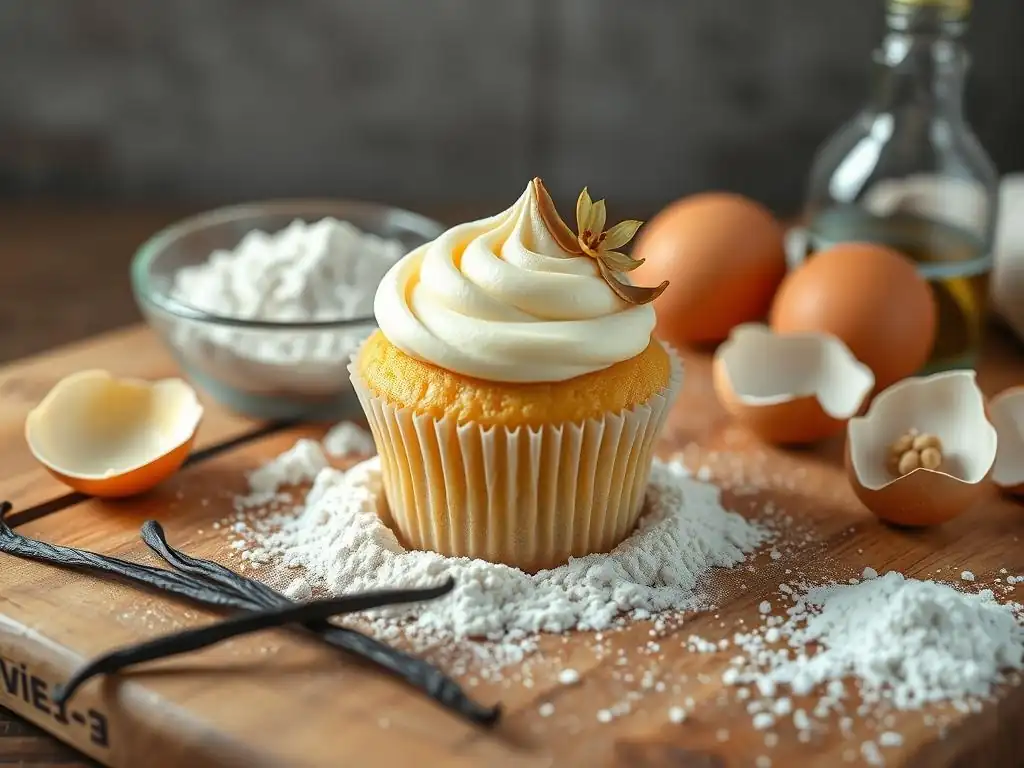
Choosing the Right Flour for Moist Cupcakes
The type of flour you use significantly impacts the texture of your vanilla cupcakes. All-purpose flour is the standard choice for many recipes and works well for perfectly baked celebration cupcakes. It typically has a protein content ranging from 10% to 12%. This moderate protein level provides enough structure to support the cupcake's rise without making it tough. For an even softer, more tender crumb, some bakers prefer using cake flour, which has a lower protein content, usually between 6% and 8%.
When using all-purpose flour, ensure it's spooned lightly into your measuring cup and leveled off, or better yet, weigh it for accuracy (approximately 125 grams per cup). If substituting cake flour, you might need to adjust the amount slightly as it's lighter; a common substitution is using 1 cup plus 2 tablespoons of cake flour for every cup of all-purpose flour called for. Sifting your flour, regardless of type, can also help aerate it and remove lumps, contributing to a finer, more even crumb structure in your perfectly baked celebration cupcakes.
The Importance of Quality Butter and Sugar
Butter and sugar are not just flavor agents; they play crucial roles in the structure and texture of perfectly baked vanilla cupcakes. High-quality unsalted butter is preferred because it allows you to control the salt level in your recipe, preventing unexpected saltiness. Butter contributes richness, moisture, and helps create a tender crumb by coating flour particles and inhibiting excessive gluten development. Creaming softened butter with sugar is a foundational step in many cupcake recipes. This process whips air into the mixture, creating tiny pockets that expand during baking, contributing to the cupcake's rise and light texture.
Granulated sugar sweetens the cupcakes and aids in the creaming process. It also helps retain moisture, contributing to a soft, moist texture. The sharp edges of sugar crystals cut into the softened butter, creating those essential air pockets.
Ensure your butter is properly softened (not melted) – it should yield slightly when pressed but still hold its shape. Using cold butter will result in poor creaming and a dense texture, while melted butter will make the cupcakes greasy. Achieving the correct butter and sugar creaming stage, where the mixture is lightened in color and fluffy, is vital for the volume and tender crumb of your perfectly baked celebration cupcakes.
Leavening Agents: Baking Powder vs. Baking Soda for Cupcakes
Leavening agents are what make your cupcakes rise, creating that desirable light and airy texture. The choice between baking powder and baking soda, or often a combination of both, depends on the other ingredients in the recipe. Baking soda is a base that requires an acid to activate and produce carbon dioxide gas. Common acids in baking include buttermilk, yogurt, sour cream, brown sugar, honey, molasses, and cocoa powder. Recipes containing these acidic ingredients often use baking soda, sometimes in combination with baking powder.
Baking powder is a complete leavening agent containing both an acid and a base, requiring only moisture and heat to react and produce gas. Most baking powders are "double-acting," meaning they produce a small amount of gas when mixed with wet ingredients and a second, more significant release of gas when exposed to oven heat. Recipes without significant acidic ingredients typically rely solely on baking powder for lift.
Using the correct type and amount of leavening specified in a recipe is crucial for achieving the proper rise and structure in your perfectly baked celebration cupcakes. Using too much can cause rapid rising followed by sinking, while too little will result in flat, dense cupcakes.
Flavor Enhancers: Vanilla Extract and Other Options
Vanilla extract is the star flavor enhancer in vanilla cupcakes, and its quality makes a noticeable difference. Pure vanilla extract, made from soaking vanilla beans in alcohol and water, offers a complex, natural vanilla flavor. Artificial vanilla extract, while less expensive, tends to have a simpler, sometimes harsher flavor profile. For the best taste in your perfectly baked celebration cupcakes, opt for pure vanilla extract. The amount typically used in a standard batch of 12-18 cupcakes is around 1 to 2 teaspoons, but you can adjust slightly based on the strength of your extract and personal preference.
Beyond extract, consider using vanilla bean paste or the seeds scraped directly from a vanilla bean for an even richer, more aromatic vanilla flavor and visible speckles. One teaspoon of vanilla bean paste or one whole vanilla bean is roughly equivalent in flavor intensity to one teaspoon of pure vanilla extract. Other flavor enhancers can complement the vanilla base without overpowering it.
A pinch of salt balances the sweetness and enhances the vanilla flavor. A touch of almond extract (just 1/4 to 1/2 teaspoon for a batch) can add a subtle complexity, or a hint of lemon zest can brighten the overall taste profile. Experimenting with these additions can elevate your perfectly baked celebration cupcakes recipe.
Step-by-Step: The Perfectly Baked Vanilla Cupcake Recipe
Preparing Your Baking Equipment and Ingredients
Before you even turn on your mixer, proper preparation is key to a smooth baking process and successful perfectly baked vanilla cupcakes. Start by gathering all your ingredients and equipment. Ensure your oven is preheated to the correct temperature – typically 350°F (175°C) for standard cupcakes. An oven thermometer can verify your oven's accuracy, as many home ovens can be off by 25°F or more. Line a standard 12-cup muffin tin with paper liners. Using two liners per cup can help prevent dark spots on the sides of lighter-colored cupcakes and make them easier to handle.
Measure all your ingredients precisely before you begin mixing. This practice, known as "mise en place," minimizes errors and ensures you don't forget anything. Crucially, make sure your cold ingredients, such as butter, eggs, and milk (if using), are at room temperature unless the recipe specifically states otherwise.
Room temperature ingredients emulsify better, leading to a smoother batter and a more uniform texture in your perfectly baked celebration cupcakes. Butter should be soft enough to indent easily but not greasy or melted, typically around 65-70°F (18-21°C). Eggs can be brought to room temperature quickly by placing them in a bowl of warm water for 5-10 minutes.
Mixing the Batter: Achieving the Right Consistency
The method for mixing vanilla cupcake batter often involves the creaming method, starting with softened butter and sugar. Cream these two ingredients together in a large bowl using an electric mixer on medium speed until the mixture is light, fluffy, and pale yellow. This process usually takes 3-5 minutes. Scrape down the sides and bottom of the bowl frequently to ensure even mixing. Next, add the eggs one at a time, beating well after each addition until fully incorporated. This stage is crucial for building structure and richness.
In a separate bowl, whisk together your dry ingredients (flour, leavening agents, salt). In another bowl or jug, combine your wet ingredients (milk, vanilla extract, etc.). Alternate adding the dry and wet ingredients to the butter mixture, beginning and ending with the dry ingredients (e.g., 1/3 dry, 1/2 wet, 1/3 dry, 1/2 wet, 1/3 dry). Mix on low speed just until the streaks of flour disappear.
Overmixing at this stage develops too much gluten, resulting in tough cupcakes. A slightly lumpy batter is better than an overmixed one. The final batter should be smooth but not overly elastic, ensuring perfectly baked celebration cupcakes with a tender crumb.
Filling the Cupcake Liners: Avoid Overfilling!
Properly filling your cupcake liners is essential for achieving uniform, well-domed perfectly baked celebration cupcakes. Overfilling is one of the most common mistakes leading to overflow, uneven tops, and sometimes sinking centers. A general guideline is to fill each liner about two-thirds full. This allows sufficient space for the batter to rise during baking without spilling over the sides of the liner.
Using a scoop, such as an ice cream scoop or a specific cupcake scoop, is highly recommended for portioning the batter evenly. A standard size scoop (around 1/4 cup or 60ml capacity) works well for filling standard muffin tins to the correct level. Even distribution of batter ensures that all cupcakes in the tin bake at a similar rate, preventing some from being overdone while others are underbaked. Filling neatly also results in cleaner edges, making your perfectly baked celebration cupcakes more visually appealing before they're even frosted.
Baking Time and Temperature: The Key to Even Baking
Baking at the correct temperature for the right amount of time is critical for perfectly baked vanilla cupcakes. Most vanilla cupcake recipes call for a temperature of 350°F (175°C). This moderate temperature allows the cupcakes to rise gradually and bake through evenly without burning the edges or drying out the center. Using an oven thermometer is highly recommended, as oven temperatures can fluctuate significantly. If your oven runs hot or cold, adjust the temperature accordingly.
The typical baking time for standard vanilla cupcakes at 350°F (175°C) is between 18 and 22 minutes. However, this time can vary based on your specific oven, the size of your cupcake tin, and even the humidity of your kitchen. Look for visual cues: the cupcakes should be golden brown around the edges, and the tops should spring back lightly when gently touched.
Baking for too short a time can result in sunken centers, while baking for too long will lead to dry cupcakes. Learn how to test for doneness effectively, as described in a later section, to ensure your perfectly baked celebration cupcakes are baked just right.
Troubleshooting Common Cupcake Baking Problems
Cupcakes Sinking in the Middle: Causes and Solutions
Sinking centers are a frustrating issue that can plague even experienced bakers trying to achieve perfectly baked celebration cupcakes. Several factors can cause this. One primary reason is underbaking. If removed from the oven before the internal structure is fully set, the center will collapse as it cools. Ensure you are baking for the full recommended time and testing for doneness properly using the toothpick test (it should come out clean or with a few moist crumbs, not wet batter).
Another common cause is overmixing the batter, particularly after adding the flour. This develops too much gluten, creating a structure that rises too quickly and then falls. Using ingredients that are too cold can also contribute, as they don't emulsify properly, leading to a weaker structure. Additionally, opening the oven door too early during baking allows cold air to rush in, causing the cupcakes to deflate before they are set.
Avoid opening the oven door for at least the first two-thirds of the baking time. Rapid temperature changes, like placing hot cupcakes directly into a cold draft, can also cause sinking. Always cool cupcakes gradually on a wire rack.
Dry Cupcakes: How to Keep Them Moist and Delicious
Dry cupcakes are often the result of overbaking or incorrect ingredient ratios. Baking for even a few minutes too long can evaporate too much moisture, leaving you with crumbly, dry perfectly baked vanilla cupcakes. Always test for doneness at the minimum recommended baking time and check frequently thereafter. Using an oven thermometer helps ensure your oven isn't running too hot, which would accelerate drying.
Incorrect measurements, particularly too much flour or too little fat (butter, oil) or liquid (milk, eggs), can also lead to dryness. Using a kitchen scale for accuracy is highly recommended. Substituting ingredients incorrectly can also impact moisture; for example, using a low-fat alternative for butter will likely result in a drier cupcake. Ensure your ingredients are at room temperature, as this helps them incorporate properly and creates a more stable emulsion that holds moisture better. Storing cupcakes improperly can also dry them out; ensure they are stored in an airtight container once cooled.
Flat Cupcakes: Getting the Perfect Dome
If your perfectly baked vanilla cupcakes are coming out flat instead of with a nice dome, the issue likely lies with your leavening agents or mixing. Expired baking powder or baking soda will not produce enough gas to lift the batter adequately. Check the expiration dates on your leavening agents; they lose potency over time, especially if exposed to moisture. Using too little leavening is another straightforward cause. Double-check your measurements.
Overmixing the batter can also lead to flat tops. While creaming butter and sugar incorporates air, overmixing after adding flour can deflate the batter and develop tough gluten, restricting the rise. The batter should be mixed just until the flour is incorporated. Ensure your oven is preheated correctly; if the oven isn't hot enough, the leavening won't activate properly or quickly enough to set the structure before it spreads flat. Filling the liners too full can also contribute to a flat, overflowing top rather than a controlled dome.
Uneven Baking: Ensuring Consistent Results
Unevenly baked perfectly baked celebration cupcakes – where some are dark or overdone while others are pale or underbaked – are usually a sign of hot spots in your oven or inconsistent batter distribution. Most ovens have temperature variations, often hotter towards the back or sides. To mitigate this, rotate your cupcake tin halfway through the baking time. For example, if baking for 20 minutes, rotate the tin 180 degrees after 10 minutes.
Ensure your batter is evenly distributed among the liners, ideally using a scoop. This ensures each cupcake is the same size and will therefore bake at the same rate. Avoid placing the cupcake tin too close to the heating elements. Using a standard oven rack position (usually the middle rack) is best. If you're baking multiple tins at once, avoid crowding the oven, as this restricts airflow and can lead to uneven baking. Bake one tin at a time for the most consistent results, or if using multiple racks, swap and rotate the tins halfway through.
Pro Tips for Vanilla Cupcake Perfection
Using a Kitchen Scale for Accurate Measurements
For consistently perfect perfectly baked vanilla cupcakes, using a kitchen scale is the single best investment you can make. Unlike volume measurements (cups and spoons), weight measurements are precise and eliminate variability caused by packing density. Flour, in particular, can vary significantly in weight per cup (as much as 20-30 grams), drastically altering the dry-to-wet ratio and affecting the texture and rise.
Most professional bakers and serious home bakers rely solely on weight measurements for dry ingredients like flour, sugar, leavening agents, and even butter. Many online recipes now include grams alongside volume measurements. Aiming for precision in your measurements removes a major variable in baking, making it easier to troubleshoot other potential issues and consistently achieve perfectly baked celebration cupcakes with the desired texture and structure.
The Importance of Room Temperature Ingredients
We've mentioned it before, but the importance of using room temperature ingredients for vanilla cupcakes cannot be overstated. Cold butter, eggs, and milk do not emulsify properly with the other ingredients. When cold butter is creamed with sugar, it doesn't incorporate as much air as softened butter, resulting in a denser cake. Cold eggs can cause the batter to curdle when added to the creamed mixture, leading to a less smooth batter and potentially a less uniform texture.
Room temperature ingredients (typically 65-70°F or 18-21°C) mix together more easily and create a smooth, well-emulsified batter. This emulsion helps trap air during mixing and creates a stable structure that rises evenly in the oven, contributing to a fine crumb and moist texture in your perfectly baked celebration cupcakes. Plan ahead and take your cold ingredients out of the refrigerator 30-60 minutes before you plan to start mixing.
Rotating the Cupcake Tin for Even Baking
Even with a well-calibrated oven, slight temperature variations are common. The back of the oven might be hotter than the front, or one side might be warmer than the other. This can lead to some cupcakes baking faster or rising higher than others in the same tin. To counteract this, rotate your cupcake tin 180 degrees halfway through the estimated baking time.
For example, if your recipe suggests a baking time of 18-22 minutes, rotate the tin around the 9-11 minute mark. This simple step exposes all the cupcakes to different temperature zones within the oven for an equal amount of time, promoting more even rising and browning across the entire batch. This small adjustment can make a big difference in achieving consistently perfectly baked celebration cupcakes.
Testing for Doneness: The Toothpick Test
Knowing exactly when your vanilla cupcakes are done baking is crucial to avoid underbaking (leading to sinking) or overbaking (leading to dryness). The most reliable method is the toothpick test. Gently insert a toothpick or a thin cake tester into the center of one of the cupcakes (avoiding the edges).
If the toothpick comes out clean with no wet batter attached, the cupcake is done. If it comes out with wet batter, continue baking for another 1-2 minutes and test again. A few moist crumbs clinging to the toothpick are acceptable and often indicate a perfectly moist cupcake. If the toothpick comes out with sticky, wet batter, it needs more time. This simple test is your best tool for ensuring your perfectly baked celebration cupcakes are cooked through without being dried out. Test a couple of cupcakes in different parts of the tin to account for potential uneven baking.
Cooling and Storing Your Vanilla Cupcakes
Proper Cooling Techniques to Prevent Soggy Cupcakes
Once your perfectly baked vanilla cupcakes are out of the oven and have passed the toothpick test, proper cooling is essential. Leaving cupcakes in the hot tin for too long can lead to continued baking (carrying over heat) and can cause the bottoms to become soggy from trapped steam. After removing the tin from the oven, let it rest on a wire rack for just 5-10 minutes. This allows the cupcakes to set slightly before being moved.
After this brief resting period, carefully transfer the cupcakes from the tin directly onto a wire cooling rack to cool completely. Cooling on a wire rack allows air to circulate around the entire cupcake, preventing condensation from forming on the bottom and making them soggy. Ensure the cupcakes are completely cool before attempting to frost them, which can take 30-60 minutes depending on room temperature. Frosting warm cupcakes will melt the frosting.
Storing Cupcakes for Maximum Freshness
Proper storage is key to keeping your perfectly baked celebration cupcakes moist and delicious after they've cooled. Cupcakes, especially unfrosted ones, are best stored at room temperature in an airtight container. Exposure to air causes them to dry out quickly. A plastic or glass container with a tight-fitting lid works well.
If your cupcakes are frosted, especially with a buttercream that contains butter, they can also be stored at room temperature in an airtight container for 2-3 days, provided the room isn't excessively warm (above 75°F or 24°C). For longer storage or if the frosting contains perishable ingredients like cream cheese or fresh fruit, refrigerate the frosted cupcakes in an airtight container. Bring refrigerated cupcakes back to room temperature for about 20-30 minutes before serving for the best texture and flavor.
Unfrosted cupcakes can be frozen for up to 2-3 months; wrap them individually in plastic wrap, then place them in a freezer bag or container. Thaw at room temperature before frosting.
Elevating Your Vanilla Cupcakes: Frosting and Decoration Ideas
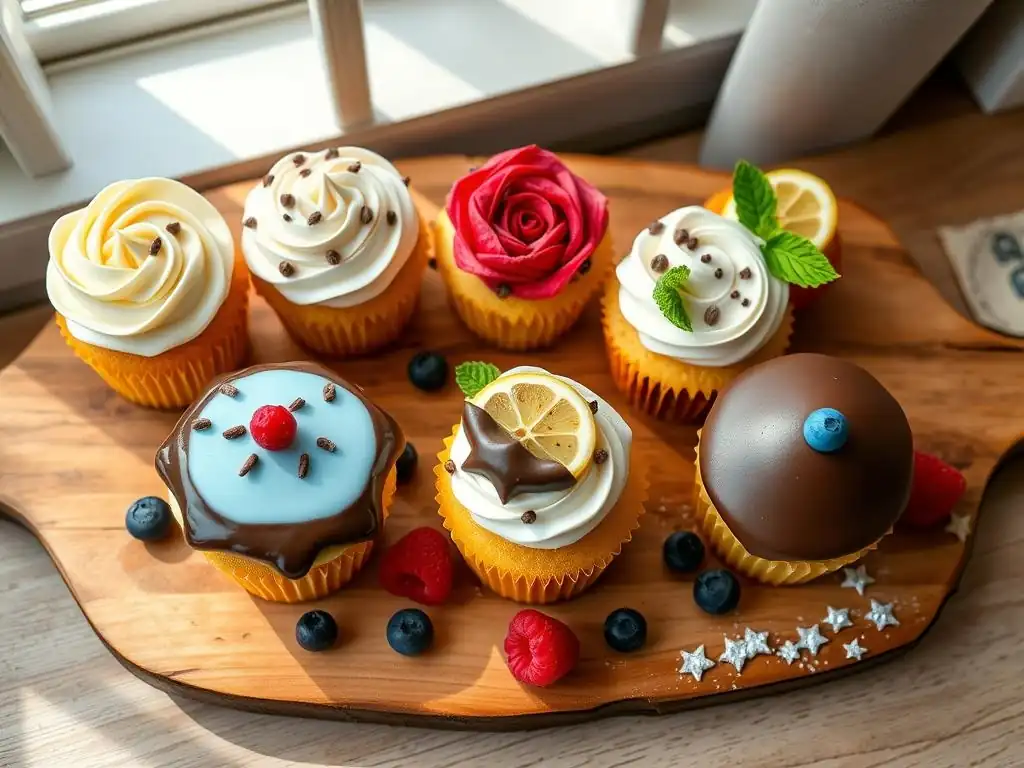
Choosing the Right Frosting for Your Cupcakes
The right frosting can transform perfectly baked vanilla cupcakes into stunning celebration treats. The classic choice is American buttercream, which is sweet, easy to make, and holds its shape well for piping decorations. However, other frostings pair wonderfully with vanilla. Cream cheese frosting offers a tangy contrast to the sweet cake. Swiss meringue buttercream and Italian meringue buttercream are less sweet, incredibly smooth, and ideal for delicate piping work.
For a lighter option, whipped cream frosting is airy and pairs well with fruit toppings. Ganache, made from chocolate and cream, provides a rich, decadent topping. When choosing a frosting, consider the occasion and how the cupcakes will be stored and transported. Buttercream and ganache are generally more stable than whipped cream. Ensure your frosting is the right consistency for piping or spreading smoothly over your perfectly baked celebration cupcakes.
Decorating Techniques for Stunning Vanilla Cupcakes
Once frosted, the fun of decorating begins! Simple techniques can turn basic perfectly baked celebration cupcakes into festive creations. Piping frosting using a piping bag fitted with a large tip (like a round tip or star tip) is a popular way to create beautiful swirls, rosettes, or simple mounds. Practice on a piece of parchment paper first to get the hang of the pressure and movement.
Beyond piping, you can add sprinkles, edible glitter, chocolate shavings, or chopped nuts for texture and visual appeal. Fresh berries, citrus zest, or a dusting of powdered sugar can add simple elegance. For special occasions, consider edible flowers, custom fondant toppers, or small candies. The key is to have fun and let your creativity flow! Even a simple swirl of frosting and a few sprinkles can make your perfectly baked celebration cupcakes look inviting and festive.
American Buttercream Frosting Recipe
A simple and reliable American buttercream is perfect for topping perfectly baked vanilla cupcakes.
- Yields: Enough for 12-18 cupcakes
- Prep time: 10 minutes
Ingredients:
- 1 cup (2 sticks or 227g) unsalted butter, softened
- 4 cups (about 450-500g) confectioners' sugar, sifted
- 1/4 cup (60ml) milk or heavy cream
- 1-2 teaspoons pure vanilla extract
- Pinch of salt (optional, balances sweetness)
Instructions:
- In a large bowl, beat the softened butter with an electric mixer on medium speed until creamy and smooth, about 2-3 minutes.
- Gradually add the sifted confectioners' sugar, one cup at a time, mixing on low speed until combined. Scrape down the sides of the bowl as needed.
- Once all the sugar is incorporated, the mixture will be thick and crumbly.
- Add the milk or cream and vanilla extract.
- Increase the mixer speed to medium-high and beat for 3-5 minutes until the frosting is light, fluffy, and smooth. Add the pinch of salt if desired.
- If the frosting is too thick, add milk or cream a teaspoon at a time. If it's too thin, add more sifted confectioners' sugar a tablespoon at a time.
Simple Swirl Decoration Tutorial
Creating a classic frosting swirl on your perfectly baked vanilla cupcakes is easy with a piping bag and a large star tip (like a Wilton 1M or 2D).
- Fit a piping bag with your chosen star tip.
- Fill the piping bag about two-thirds full with your prepared buttercream frosting. Twist the top of the bag to seal it and push the frosting down towards the tip.
- Hold the piping bag perpendicular to the top of the cooled cupcake.
- Starting from the outside edge of the cupcake, apply steady pressure to the bag, moving in a circular motion towards the center. As you circle inwards, slightly overlap the previous layer of frosting.
- When you reach the center, stop applying pressure and pull the bag straight up to create a peak.
- Repeat for all perfectly baked celebration cupcakes. You can vary the pressure and starting point (center out or outside in) to create different swirl styles.
Variations on the Classic Vanilla Cupcake Recipe
Chocolate Vanilla Swirl Cupcakes Recipe
Elevate your perfectly baked celebration cupcakes by adding a simple chocolate swirl. This variation typically involves preparing the standard vanilla batter and then swirling in a small amount of chocolate batter (made by adding cocoa powder and a little extra liquid to a portion of the vanilla batter) before baking. The result is a visually appealing marble effect with a delightful combination of vanilla and chocolate flavors.
Brown Butter Vanilla Cupcakes Recipe
Browning the butter before adding it to the batter introduces a rich, nutty depth of flavor that complements the vanilla beautifully. This variation involves melting butter and cooking it gently until the milk solids turn brown and fragrant. Once cooled slightly, the brown butter is used in place of softened butter in the standard creaming method. This extra step adds complexity, making these perfectly baked celebration cupcakes taste even more sophisticated.
Vanilla Bean Cupcakes with Salted Caramel Recipe
For an intensely vanilla flavor, this variation uses vanilla bean paste or scraped vanilla bean seeds directly in the batter. The visible speckles signal the use of real vanilla. Paired with a salted caramel filling or frosting, these perfectly baked celebration cupcakes offer a balance of sweet and salty, creating a truly decadent treat perfect for special occasions.
Almond Extract Vanilla Cupcakes Recipe
A simple way to add a subtle twist to your perfectly baked vanilla cupcakes is by incorporating a small amount of almond extract alongside the vanilla extract. Almond extract has a potent flavor, so only a fraction is needed (often 1/4 to 1/2 teaspoon per batch). It adds a slightly nutty, aromatic note that enhances the overall flavor profile without overpowering the classic vanilla taste, offering a familiar yet slightly different perfectly baked celebration cupcakes experience.
BakeWithEase: Your Vanilla Cupcake Resource
At BakeWithEase, we are passionate about helping you master baking, especially for those cherished celebration moments. We hope this comprehensive guide empowers you to bake the most perfectly baked vanilla cupcakes you've ever made. Remember, practice makes perfect, and every batch is a learning opportunity. Don't be discouraged by less-than-perfect results; simply adjust and try again!
We love seeing what our community bakes! Once you've made your perfectly baked celebration cupcakes using our tips and techniques, we encourage you to share photos of your creations. Seeing your successes (and even your learning moments!) inspires us and fellow bakers.
Explore More Baking Recipes on BakeWithEase.com
Ready to expand your baking repertoire? BakeWithEase.com is filled with easy-to-follow recipes, detailed guides, and helpful tips for all your baking needs. Whether you're interested in mastering sourdough, perfecting flaky pie crusts, or exploring other celebration treats, you'll find resources to help you bake with ease and confidence. Continue your baking journey with us!
Frequently Asked Questions
What makes BakeWithEase.com the best place to find a "perfectly baked celebration cupcakes recipe"?
BakeWithEase.com provides simple, step-by-step guides and uses easy-to-find ingredients, making it accessible for all baking levels. Our focus is on mastering baking techniques to achieve consistent results.
What if I'm a beginner baker; can I still achieve "perfectly baked celebration cupcakes"?
Absolutely! Our recipes are designed with beginners in mind, offering clear instructions and tips to avoid common mistakes. Practice makes perfect, and we provide the guidance to get you there.
What are some secrets to achieving "perfectly baked celebration cupcakes" every time?
Key secrets include accurate measurements, using room temperature ingredients, and avoiding over-mixing the batter. Ensuring proper oven temperature is also crucial.
What types of celebration cupcakes recipes can I find on BakeWithEase.com?
We offer a wide variety, including classic vanilla and chocolate, as well as more adventurous flavors like red velvet, lemon, and even spiced cupcakes. Expect to find recipes with diverse toppings.
Where do I find the "Secrets to Perfectly Baked Celebration Cupcakes Every Time" recipe on BakeWithEase.com?
You can find the recipe easily by searching for "celebration cupcakes" on our website, or by navigating to the Cakes & Cupcakes section. The recipe is designed to help you achieve perfectly baked cupcakes every time.
Final Reflection: The Sweet Science of Celebration
The pursuit of the perfectly baked celebration cupcake transcends mere culinary skill; it's about crafting joy, one delicious bite at a time. This article explored the seemingly simple yet surprisingly nuanced process of achieving consistently flawless cupcakes, highlighting the importance of precise measurements, proper mixing techniques, and understanding the science behind baking. These aren't just steps in a recipe; they're the keys to unlocking a truly memorable celebration.
The impact of a perfectly executed cupcake, especially in the context of a celebration, is undeniable. It's a small gesture that speaks volumes about care, attention to detail, and the desire to create a special moment. A cake is a celebration of life, a moment of joy, a reason to gather together.
This sentiment, though not specifically about cupcakes, perfectly captures the emotional weight these little treats carry. From birthdays to anniversaries, graduations to simple gatherings with loved ones, the cupcake's role in enhancing these occasions is significant and continues to grow in our increasingly visually-driven culture.
Now, consider your own baking journey. What have you learned about precision and patience from this exploration? Perhaps you'll experiment with different flavor combinations, or maybe you'll focus on mastering the perfect swirl of frosting. Whatever your next baking adventure may be, remember the principles outlined here: meticulous preparation, a keen understanding of ingredients, and a dash of heartfelt intention are the secret ingredients to baking success, and to creating truly unforgettable celebrations. Go forth and bake!
Unlock Your Inner Cupcake Artist!
Thanks for joining us on this delicious journey into the world of perfect celebration cupcakes! We hope you've gained valuable tips and tricks to elevate your baking game. Ready to put your new skills to the test?
- Bake a batch of your own celebratory cupcakes using your newly acquired knowledge – maybe try a unique flavour combination!
- Share your baking masterpiece on social media using #BakeWithEaseCupcakes and inspire others! We'd love to see your creations!
- Leave a comment below and share your favorite cupcake tip or a question you still have about achieving perfect results.
What incredible cupcake creations will you bake next?