
GlutenFree Birthday Cake That Tastes Absolutely Amazing

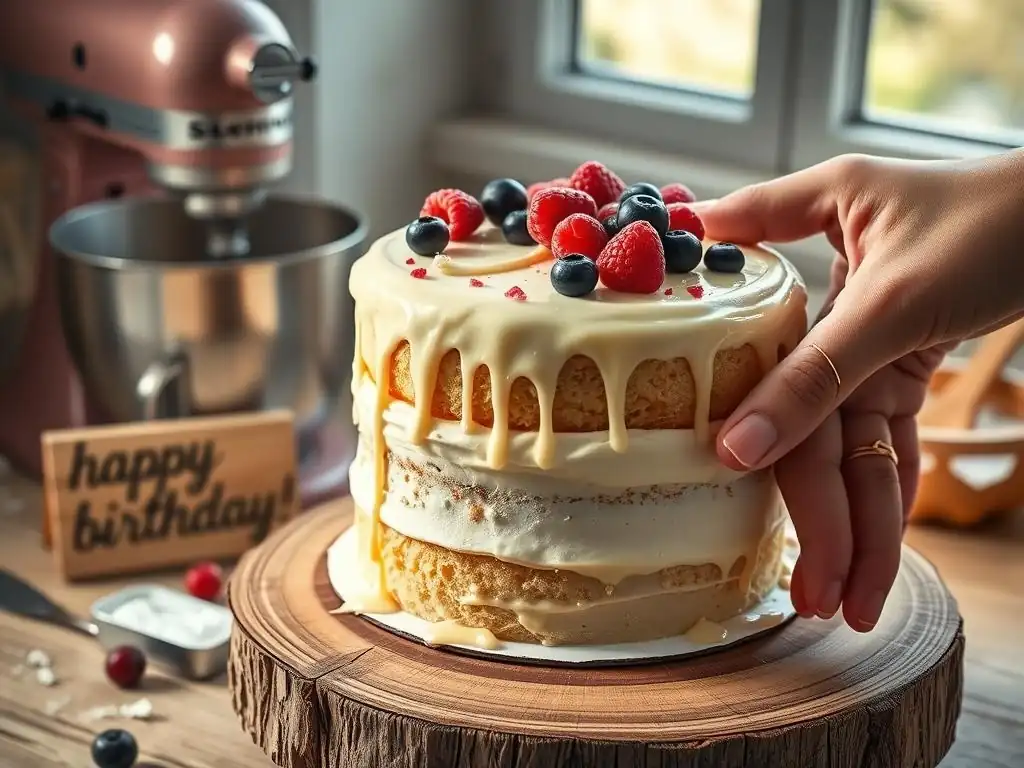
Welcome to BakeWithEase, your trusted guide to baking bliss! Are you ready to indulge in a truly delightful birthday treat? Discover our Glutenfree Birthday Cake Recipe that defies expectations and delivers incredible flavor. But how can a gluten-free cake taste so amazing? Read on to unlock the secrets and bake a masterpiece that will have everyone asking for seconds!
- Introduction to Glutenfree Birthday Cake Recipes for Every Celebration
- Essential Ingredients for a Moist and Flavorful Glutenfree Birthday Cake
- Step-by-Step Guide to Baking an Amazing Glutenfree Birthday Cake
- Creative and Delicious Glutenfree Birthday Cake Flavors and Variations
- Decorating Your Glutenfree Birthday Cake to Impress Guests
- Troubleshooting Common Challenges in Glutenfree Birthday Cake Baking
- Storing and Serving Tips for Glutenfree Birthday Cakes
- Conclusion: Mastering the Art of Glutenfree Birthday Cake Baking
-
Frequently Asked Questions
- How can I adapt a traditional birthday cake recipe to be gluten-free?
- What are some common gluten-free flour alternatives for baking a birthday cake?
- What ingredients should I pay extra attention to when baking a gluten-free birthday cake?
- What are some tips for achieving a moist texture in a gluten-free birthday cake?
- Can I use any frosting on a gluten-free birthday cake?
- Final Reflection: The Sweetness of Inclusion, One Gluten-Free Cake at a Time
- Unleash Your Inner Baker: Create a Gluten-Free Masterpiece!
Introduction to Glutenfree Birthday Cake Recipes for Every Celebration
Baking a birthday cake is a special way to show someone you care, and ensuring everyone can enjoy a slice makes it even better. For those with gluten sensitivities, celiac disease, or simply choosing a gluten-free lifestyle, finding a delicious gluten-free birthday cake recipe that truly wows can sometimes feel like a challenge. But fear not! Modern gluten-free baking has come leaps and bounds, offering incredible textures and flavors that rival traditional cakes.
This guide is designed to walk you through creating a gluten-free birthday cake that tastes absolutely amazing, suitable for any age or celebration. We'll explore essential ingredients, step-by-step techniques, creative flavor combinations, and helpful tips to ensure your gluten-free creation is a resounding success. Get ready to bake a memorable centerpiece that everyone will rave about!
Why Choose a Glutenfree Birthday Cake for Your Special Day
Choosing a gluten-free birthday cake ensures that guests with gluten sensitivities or celiac disease can safely participate in the celebration's highlight – cutting and eating the cake! An estimated 1 in 100 people worldwide has celiac disease, and many more have non-celiac gluten sensitivity. By opting for a gluten-free cake, you're being an incredibly thoughtful host, making sure no one feels left out during this joyous occasion. It's a simple act that makes a big difference.
Beyond dietary needs, a gluten-free birthday cake recipe can also be a fantastic choice for anyone looking to explore new baking techniques and ingredients. Often, gluten-free cakes incorporate alternative flours like almond or coconut, which can add unique flavors and richness. Using ingredients like ground nuts or seeds can also boost nutritional value compared to traditional wheat flour cakes. It opens up a world of creative possibilities in the kitchen.
Benefits of Glutenfree Baking for Birthday Cakes and Desserts
One significant benefit is inclusivity. When you bake a gluten-free birthday cake, you create a dessert that a broader range of people can enjoy. This is especially important at gatherings where you might not be fully aware of everyone's dietary restrictions or preferences. For example, at a child's birthday party, having a gluten-free option ensures that a friend with celiac disease doesn't have to miss out on the fun of cake time.
Furthermore, mastering a gluten-free birthday cake recipe can expand your baking repertoire and confidence. Gluten-free baking requires a slightly different approach than traditional baking, focusing on balancing various flours and binders to achieve the desired texture. Successfully baking a moist, flavorful gluten-free cake is a rewarding accomplishment that demonstrates versatility and skill in the kitchen, proving that dietary restrictions don't have to mean compromising on taste or celebration.
Essential Ingredients for a Moist and Flavorful Glutenfree Birthday Cake
Creating a truly amazing gluten-free birthday cake starts with understanding the role of each ingredient. Unlike traditional cakes that rely on wheat gluten for structure, gluten-free cakes use a blend of alternative flours, starches, and binders to achieve a similar result. The right combination is key to avoiding dry, crumbly, or dense textures.
You'll also find that ingredients like fats, sweeteners, and leavening agents play an even more critical role in providing moisture, tenderness, and rise in a gluten-free batter. Using room temperature ingredients, especially eggs and fats, helps create a smooth emulsion, which contributes to a fine crumb structure in the final cake. Pay close attention to ingredient quality and measurement – precise measurements are particularly important in gluten-free baking.
Best Glutenfree Flours and Blends for Birthday Cake Baking
Choosing the right gluten-free flour is perhaps the most crucial step in any gluten-free birthday cake recipe. Single gluten-free flours like rice or almond flour often can't provide the balanced structure needed for a fluffy cake on their own. Instead, a blend of different flours and starches works best. Common blends often include a mix of a starchy flour (like tapioca starch, potato starch, or cornstarch) and a protein-rich flour (like brown rice flour, sorghum flour, or oat flour – ensure certified gluten-free). Some blends also incorporate nut flours like almond flour for added moisture and flavor.
Many reputable brands offer pre-mixed "cup-for-cup" or "all-purpose" gluten-free flour blends designed to substitute wheat flour in recipes. While convenient, results can vary significantly between brands due to different ingredient ratios. A common ratio in homemade blends might be around 40% starchy flour, 40% whole grain/protein flour, and 20% nut flour or another specialty flour. Experimenting with a few different blends or recipes specifically developed for a particular blend is often necessary to find your perfect gluten-free birthday cake recipe.
Natural Sweeteners and Flavor Enhancers for Glutenfree Cakes
Natural sweeteners can add more than just sweetness to a gluten-free birthday cake; they can also contribute moisture and complex flavors. Options like maple syrup, honey, agave nectar, or coconut sugar can be used, though they may require adjustments to liquid ratios in the recipe compared to granulated sugar. For instance, using a liquid sweetener might mean slightly reducing other liquids in the batter. Applesauce or mashed banana can also serve as partial sugar substitutes while adding moisture and fiber, though they will impart their own flavor.
Flavor enhancers are vital for making a gluten-free birthday cake truly amazing. Pure vanilla extract is a staple, but don't stop there. Citrus zest (lemon, orange), almond extract, spices like cinnamon or nutmeg, and even a pinch of salt can deepen the flavor profile. Adding a teaspoon of instant espresso powder can dramatically enhance the chocolate flavor in a cocoa-based gluten-free birthday cake recipe without making it taste like coffee.
Glutenfree Leavening Agents and Texture Improvers
Leavening agents are essential for giving a gluten-free birthday cake its rise and lightness. Baking soda and baking powder perform the same chemical reactions as they do in traditional baking, but their balance with acidic ingredients and liquids is crucial in gluten-free batters. Ensure your leavening agents are fresh, as expired baking powder, for example, can lead to a dense cake. Typical usage might be around 1 to 1.5 teaspoons of baking powder per cup of gluten-free flour blend, often combined with baking soda if the recipe contains acidic ingredients like buttermilk or yogurt.
Texture improvers like xanthan gum or psyllium husk powder are often necessary in gluten-free baking to mimic the binding and structure provided by gluten. Xanthan gum is commonly used at a rate of about 1/4 to 1/2 teaspoon per cup of gluten-free flour blend for cakes, while psyllium husk might require slightly more. These binders absorb liquid and create a gel-like structure that prevents the cake from crumbling. Eggs also act as binders and contribute to richness and structure; for vegan options, flax eggs or commercial egg replacers serve a similar purpose, though they may slightly alter texture.
Step-by-Step Guide to Baking an Amazing Glutenfree Birthday Cake
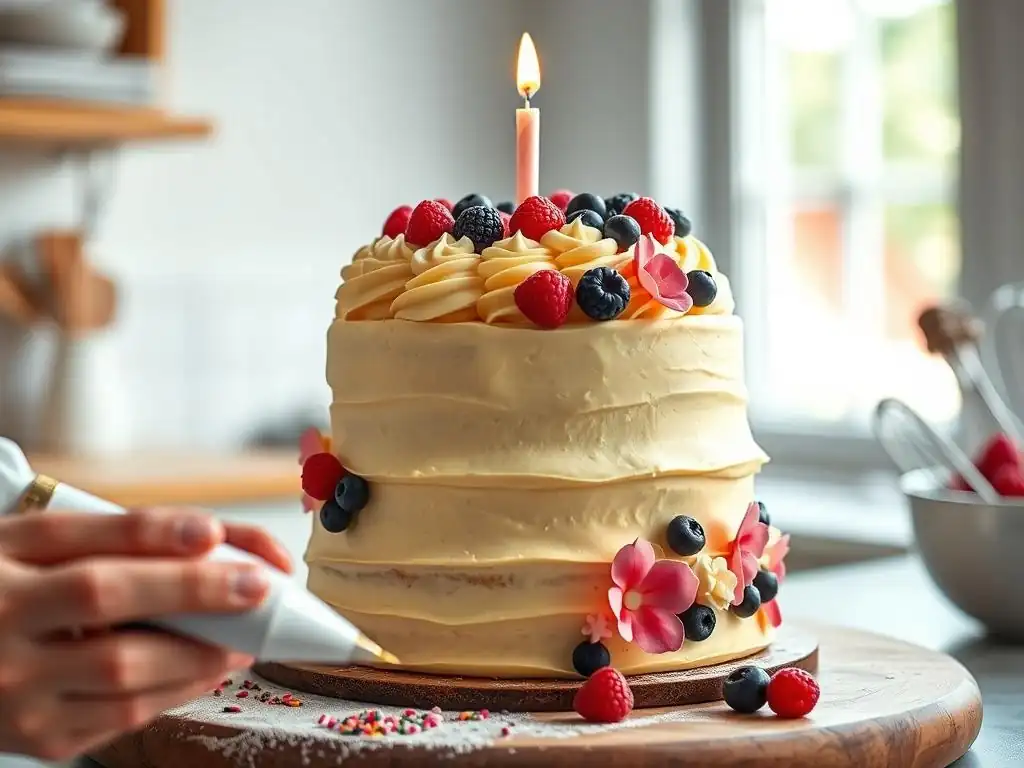
Baking a gluten-free birthday cake involves careful steps, but it's entirely manageable with the right approach. Preparation is key: ensure all your ingredients are measured accurately, and your oven is preheated to the correct temperature. Gluten-free batters can behave differently than wheat batters, so understanding these nuances is essential for success.
Following a reliable gluten-free birthday cake recipe precisely is the best starting point. Don't be tempted to make too many substitutions on your first attempt. As you gain confidence, you can begin to experiment with different flavor profiles or ingredients. Remember that success in gluten-free baking often comes down to precision and patience.
Preparing Your Glutenfree Batter: Tips for Perfect Consistency
Achieving the right batter consistency is crucial for a moist and tender gluten-free birthday cake. Unlike wheat batters, which can become tough if overmixed due to gluten development, gluten-free batters lack this issue. However, overmixing can still incorporate too much air initially, which can then collapse during baking, leading to a dense cake. Mix just until the ingredients are combined and no dry streaks of flour remain.
Another tip is to let your gluten-free batter rest for 10-15 minutes before pouring it into the pan. This allows the gluten-free flours and binders (like xanthan gum) to absorb moisture fully, thickening the batter slightly and improving the texture of the final cake. For instance, a batter that seems slightly thin right after mixing might reach the perfect consistency after this short rest. Ensure all wet and dry ingredients are well incorporated but avoid vigorous beating after the initial mixing stage.
Baking Time and Temperature Recommendations for Glutenfree Cakes
Accurate oven temperature is vital for any cake, but perhaps even more so for a gluten-free birthday cake. Many gluten-free recipes recommend baking at a slightly lower temperature, such as 325°F (160°C) or 350°F (175°C), to allow the cake to bake through evenly without drying out or burning the edges before the center is cooked. It's a good idea to use an oven thermometer to verify your oven's actual temperature.
Baking time will vary significantly depending on the size and depth of your cake pans. An 8-inch round cake layer might take 30-40 minutes, while cupcakes could be done in 20-25 minutes. Always check for doneness using a toothpick inserted into the center – it should come out clean or with a few moist crumbs attached. Avoid opening the oven door frequently during the first two-thirds of the baking time, as this can cause the cake to sink.
Cooling and Handling Glutenfree Birthday Cakes to Prevent Crumbling
Gluten-free cakes can be more delicate than their wheat counterparts, especially when warm. To prevent crumbling, allow the cake to cool in its pan on a wire rack for about 10-15 minutes after removing it from the oven. This allows the structure to set slightly as it cools. Trying to remove it too soon is a common cause of breakage.
After the initial cooling period in the pan, carefully invert the cake onto a wire rack to cool completely. Ensure the wire rack has spaces small enough to support the cake evenly. If you need to move the cake layers before frosting, use a cake lifter or a flat plate to support the entire bottom surface. Chilling the cooled cake layers in the refrigerator for 30-60 minutes or even freezing them briefly can also make them much easier to handle and frost, especially when preparing a tiered gluten-free birthday cake.
Creative and Delicious Glutenfree Birthday Cake Flavors and Variations
The world of gluten-free birthday cake flavors is just as vast and exciting as traditional cakes! Once you have a reliable base recipe, you can easily adapt it to create countless variations. Don't feel limited to just vanilla and chocolate; explore fruits, nuts, spices, and extracts to craft a unique and delicious gluten-free birthday cake that perfectly suits the birthday person's taste.
Thinking about flavor combinations that work well together is key. For example, lemon pairs beautifully with berries, while chocolate is enhanced by coffee or mint. Consider the frosting and filling flavors that will complement your cake base. A well-executed flavor combination can elevate a simple gluten-free birthday cake recipe into something truly spectacular.
Classic Vanilla and Chocolate Glutenfree Birthday Cake Recipes
Classic flavors are classics for a reason – they're universally loved! A delicious gluten-free vanilla birthday cake recipe can be achieved by using a quality gluten-free flour blend, pure vanilla extract (avoid imitation for the best flavor), and ensuring sufficient fat (butter, oil, or vegan alternative) and moisture (milk, buttermilk, or non-dairy milk) in the batter. Adding a touch of almond extract can also enhance the vanilla flavor profile.
For a rich gluten-free chocolate birthday cake, high-quality unsweetened cocoa powder is essential. Using Dutch-processed cocoa can yield a darker, smoother chocolate flavor. Many successful gluten-free chocolate cake recipes also incorporate hot liquid, such as hot water or brewed coffee, which helps bloom the cocoa powder, intensifying the chocolate taste and contributing to a moist crumb. A standard ratio might involve 1/2 to 3/4 cup of cocoa powder per 1.5 to 2 cups of gluten-free flour blend.
Unique Fruit and Nut Combinations for Glutenfree Cake Lovers
Adding fruit and nuts can introduce wonderful textures and flavors to a gluten-free birthday cake. Consider combinations like a lemon cake with fresh blueberries folded into the batter, an almond cake featuring ground almonds in the flour mix and topped with toasted slivered almonds, or a spiced cake with finely diced apple or pear. The moisture from fresh fruit needs to be accounted for; sometimes, dusting berries in a little gluten-free flour before adding them helps prevent them from sinking.
Nut flours like almond flour or hazelnut flour can replace a portion of the gluten-free flour blend (often 25-50%) to add richness, moisture, and a distinctive flavor. For example, a gluten-free birthday cake recipe might use 1 cup of almond flour alongside 1 cup of a general gluten-free blend. Ensure nuts are fresh to avoid off-flavors. Incorporating dried fruits like cranberries or cherries, or zests from citrus fruits, also provides bursts of flavor throughout the cake.
Dairy-Free and Vegan Options for Glutenfree Birthday Cakes
Creating a gluten-free birthday cake that is also dairy-free or fully vegan is achievable with the right substitutions. For dairy-free cakes, simply replace dairy milk with non-dairy milk (like almond, oat, soy, or coconut milk) and butter with a solid stick vegan butter alternative or oil. Ensure your chocolate chips or cocoa powder are also dairy-free if using them.
For a vegan and gluten-free birthday cake recipe, you'll also need to replace eggs. Common egg substitutes include flax eggs (1 tbsp flax meal + 3 tbsp water per egg), chia eggs, commercial egg replacers, applesauce (use about 1/4 cup per egg, works best for up to 2-3 eggs), or aquafaba (the liquid from canned chickpeas, whipped). Each substitute can affect texture differently, so it's often best to use a recipe specifically developed as a vegan gluten-free birthday cake recipe for reliable results.
Decorating Your Glutenfree Birthday Cake to Impress Guests
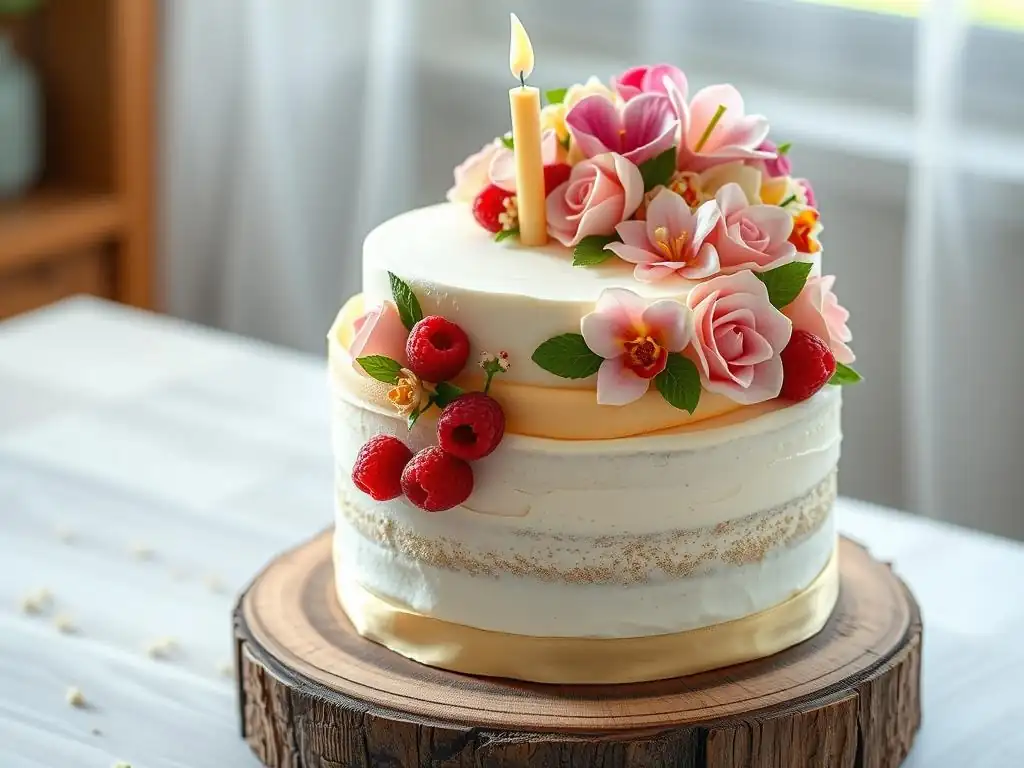
Decorating is the final touch that transforms your baked layers into a festive gluten-free birthday cake centerpiece. Frosting, fillings, and edible decorations allow you to personalize the cake and add visual appeal. Just like the cake itself, gluten-free and dairy-free frosting options are plentiful and delicious.
Taking the time to properly frost and decorate not only makes the cake look beautiful but can also help keep the cake layers moist. A good layer of frosting acts as a barrier, preventing the cake from drying out. Plan your decoration approach before you start, especially if you're attempting specific designs or techniques.
Glutenfree Frosting Recipes That Complement Your Cake Flavor
A classic American buttercream is simple to make gluten-free by ensuring the powdered sugar is free from anti-caking agents that might contain gluten (most are fine, but checking the label is wise). You can use dairy butter or a vegan butter stick. A standard ratio is about 1 part butter to 2-3 parts powdered sugar, plus liquid (milk or non-dairy milk) and flavorings like vanilla.
Cream cheese frosting is another popular choice, easily made gluten-free and dairy-free using vegan cream cheese alternatives and vegan butter. For a richer option, a chocolate ganache made with dairy-free chocolate and coconut cream or a non-dairy heavy cream alternative is decadent and naturally gluten-free. Ensure any flavorings or colorings used are also gluten-free.
Techniques for Smooth and Beautiful Glutenfree Cake Decorations
Getting a smooth finish on your gluten-free birthday cake can be tricky if the cake is crumbly. The key is the "crumb coat." Apply a thin layer of frosting all over the cake (top and sides) to trap any loose crumbs. Chill the cake in the refrigerator for 20-30 minutes until this layer is firm.
Once the crumb coat is chilled, apply the final layer of frosting. Use an offset spatula or bench scraper to smooth the sides and top. For clean edges, chill the frosted cake again briefly, then use a hot, dry spatula to gently smooth the surface. Piping borders or designs using a piping bag and various tips is also a great way to add flair and cover any imperfections.
Using Edible Toppings and Natural Decorations for Glutenfree Cakes
Edible decorations add texture, color, and fun to a gluten-free birthday cake. Fresh fruits like berries, sliced kiwi, or mandarin orange segments are naturally gluten-free and add vibrant color and freshness. Toasted nuts or shredded coconut can add crunch, provided there are no nut allergies among guests.
Be mindful when choosing sprinkles or other packaged decorations; always check the label to ensure they are certified gluten-free. Many standard sprinkles contain wheat starch. For a natural look, consider using edible flowers, chocolate shavings (made from gluten-free chocolate), or creating simple designs with melted chocolate or a contrasting frosting color. A dusting of cocoa powder or powdered sugar through a stencil can also create an elegant effect on your gluten-free birthday cake.
Troubleshooting Common Challenges in Glutenfree Birthday Cake Baking
Even experienced bakers encounter issues, and gluten-free baking can present unique challenges. Don't be discouraged if your first gluten-free birthday cake recipe isn't perfect. Understanding common problems and how to fix them will help you improve with each attempt. Most issues relate to texture – dry, crumbly, or dense cakes are the most frequent complaints.
The key to troubleshooting is often identifying the cause, which usually involves the flour blend, moisture levels, mixing technique, or baking temperature/time. Keep notes on what you did and the result; this will help you pinpoint variables for future adjustments. Patience and a willingness to experiment are your best tools.
How to Fix Dry or Crumbly Glutenfree Cakes
Dryness and crumbliness are common issues in gluten-free baking, often due to insufficient moisture or an imbalanced flour blend. If your cake turns out dry, you can try brushing the cooled layers with a simple syrup (equal parts sugar and water, heated until sugar dissolves, then cooled) before frosting. This adds moisture back into the crumb.
For future bakes using that gluten-free birthday cake recipe, consider adding a bit more fat (like an extra tablespoon or two of butter or oil), using a more moist ingredient like applesauce or yogurt as a partial substitute for some fat or liquid, or ensuring your flour blend contains enough starchy flours or binders. Over-baking is also a major culprit; reduce the baking time or temperature slightly in your next attempt.
Solutions for Dense or Heavy Glutenfree Birthday Cake Textures
A dense or heavy gluten-free birthday cake often indicates an issue with leavening or structure. First, check the freshness of your baking powder and baking soda; they lose potency over time. You can test baking powder by adding a teaspoon to a small amount of hot water – it should fizz vigorously. For baking soda, add a pinch to vinegar – it should also fizz.
Ensure you are using enough leavening appropriate for the amount and type of gluten-free flour blend. Using the correct amount of binder (like xanthan gum) is also crucial; too little won't provide structure, while too much can make the cake gummy or heavy. Make sure you're not under-mixing, which can leave pockets of unactivated leavening, or over-mixing after adding the flour, which can sometimes compact the batter. Baking at too low a temperature can also prevent proper rise.
Avoiding Common Mistakes in Glutenfree Birthday Cake Preparation
One frequent mistake is using a "cup-for-cup" gluten-free flour blend interchangeably in recipes not specifically developed for that blend. While convenient, these blends vary, and results can be unpredictable. For best results, find a gluten-free birthday cake recipe that calls for a specific blend or provides instructions for creating your own blend.
Another common error is inaccurate measuring, especially of flour. Scooping flour directly with a measuring cup can compact it, resulting in too much flour and a dry cake. It's better to spoon the flour into the measuring cup and level it off, or ideally, measure flour by weight using a kitchen scale (e.g., 1 cup of a typical gluten-free blend weighs around 120-140 grams). Lastly, ensure all ingredients, particularly eggs and fats, are at room temperature for better emulsion and texture.
Storing and Serving Tips for Glutenfree Birthday Cakes
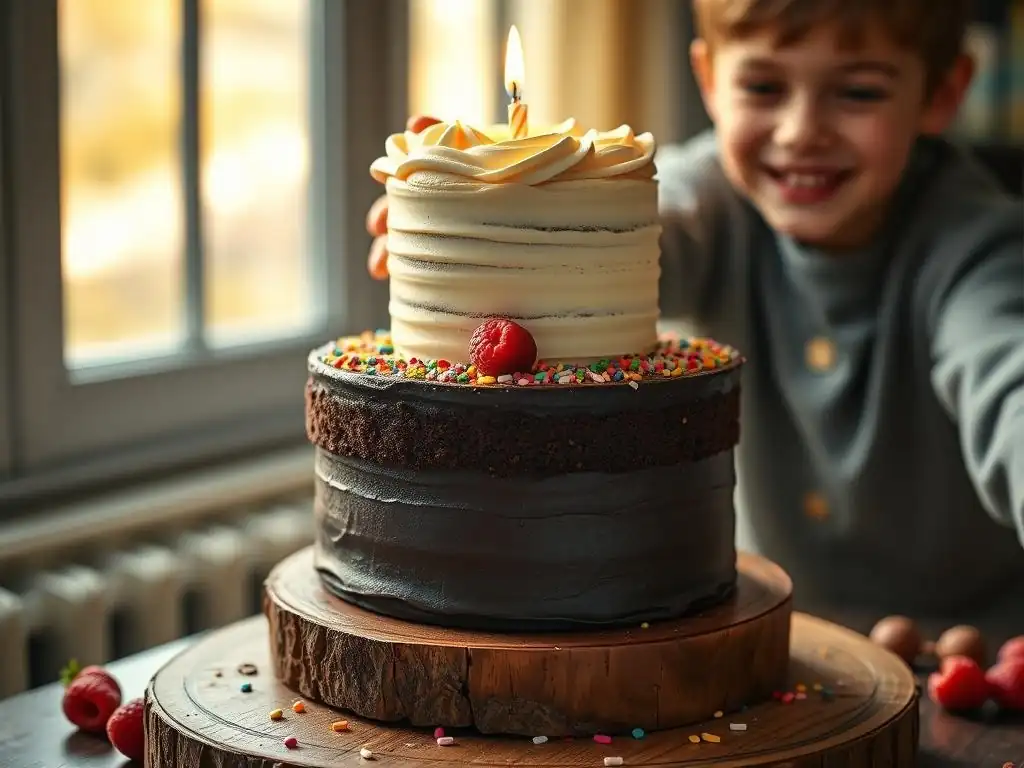
Proper storage is essential to keep your delicious gluten-free birthday cake fresh, moist, and flavorful. How you store it depends on whether it's frosted and the type of frosting used. Generally, gluten-free cakes can dry out faster than wheat cakes, so protecting them from air is key.
Serving the cake at the right temperature can also enhance its flavor and texture. Bringing a refrigerated cake to room temperature before serving allows the fats in the cake and frosting to soften slightly, resulting in a more tender and flavorful bite. Presentation matters too – thoughtful serving can make the celebration feel even more special.
Best Practices for Keeping Glutenfree Cakes Fresh and Moist
If your gluten-free birthday cake is unfrosted, wrap individual layers tightly in plastic wrap and store at room temperature for a day or two, or refrigerate for up to 5 days. For longer storage, wrap well and freeze for up to 2-3 months. Thaw in the refrigerator.
Frosted gluten-free birthday cakes should be stored in an airtight container. Cakes with perishable fillings or frostings (like cream cheese frosting or fresh fruit fillings) must be refrigerated. Refrigeration can sometimes slightly dry out gluten-free cakes, so let the cake sit at room temperature for 30-60 minutes before serving. Cakes with stable frostings (like buttercream) can often be stored at cool room temperature for 2-3 days if covered well, but refrigeration is safest.
Creative Serving Ideas for Glutenfree Birthday Cakes and Desserts
Serving a gluten-free birthday cake can be a simple slice-and-serve affair, but adding a few touches can make it feel more special. Consider pairing slices with fresh berries, a dollop of whipped cream (dairy or non-dairy), or a scoop of complementary ice cream or sorbet (check labels for gluten-free status).
For presentation, use a decorative cake stand. If serving individual slices, garnish plates with a swirl of sauce (like raspberry coulis or chocolate sauce) or a sprinkle of powdered sugar. For a buffet, label the gluten-free birthday cake clearly to avoid cross-contamination with gluten-containing items. Cutting clean slices is easier with a sharp knife dipped in hot water and wiped dry between cuts.
Conclusion: Mastering the Art of Glutenfree Birthday Cake Baking
Baking a gluten-free birthday cake that tastes absolutely amazing is a rewarding endeavor. It requires attention to detail, understanding the unique properties of gluten-free ingredients, and a willingness to learn from each baking experience. By focusing on quality ingredients, proper techniques, and creative flavor combinations, you can produce cakes that are not only safe for everyone but genuinely delicious and celebrated.
Don't be afraid to start with a simple, well-tested gluten-free birthday cake recipe and gradually try more complex flavors or decorations as you build confidence. Every baking attempt is a learning opportunity, and the satisfaction of creating a beautiful, tasty cake that everyone can enjoy is immense.
Encouragement to Experiment with Glutenfree Cake Recipes
Now that you have a deeper understanding of the elements involved, we encourage you to dive in and start baking! Don't be discouraged by initial challenges. Gluten-free baking is a skill that improves with practice. Try different gluten-free birthday cake recipes, experiment with flavor variations, and find what works best with your preferred ingredients and oven.
Maybe you'll discover that a specific blend works wonders for your vanilla cake, or that adding a touch of applesauce makes your chocolate cake extra moist. The journey of mastering a gluten-free birthday cake recipe is filled with delicious possibilities. Have fun with it, and celebrate your successes!
How BakeWithEase Supports Your Glutenfree Baking Journey
At BakeWithEase.com, we are committed to providing you with the resources and guidance you need to bake with confidence, regardless of dietary requirements. You can find a growing collection of tested gluten-free birthday cake recipes and other gluten-free dessert ideas on our website, complete with detailed instructions and tips.
Our goal is to make baking accessible and enjoyable for everyone. Whether you're looking for a simple gluten-free birthday cake recipe for a child's party or an elegant tiered creation for a milestone celebration, BakeWithEase is here to support you every step of the way with reliable recipes and helpful advice. Happy Baking!
Frequently Asked Questions
How can I adapt a traditional birthday cake recipe to be gluten-free?
Adapting a traditional recipe requires substituting wheat flour with a gluten-free flour blend. You may also need to add a binder like xanthan gum for structure.
What are some common gluten-free flour alternatives for baking a birthday cake?
Popular choices include almond flour, rice flour, and tapioca starch. Using a pre-made gluten-free flour blend often yields the best results.
What ingredients should I pay extra attention to when baking a gluten-free birthday cake?
Ensure your baking powder and vanilla extract are certified gluten-free. Also, be mindful of cross-contamination during preparation.
What are some tips for achieving a moist texture in a gluten-free birthday cake?
Adding ingredients like applesauce, sour cream, or yogurt can help retain moisture. Avoid over-baking the cake.
Can I use any frosting on a gluten-free birthday cake?
Most frosting recipes are naturally gluten-free, but always check the ingredient labels of pre-made frostings. Be cautious of potential cross-contamination from shared equipment.
Final Reflection: The Sweetness of Inclusion, One Gluten-Free Cake at a Time
The demand for delicious, allergy-friendly recipes is not just a trend; it's a reflection of our growing awareness and commitment to inclusivity. Creating a truly amazing gluten-free birthday cake isn't just about avoiding gluten; it's about ensuring everyone can participate in the joy of celebration, regardless of dietary restrictions. This recipe, therefore, represents more than just a culinary achievement; it's a symbol of thoughtful consideration and a testament to the power of deliciousness that transcends limitations.
The journey of developing this recipe, and witnessing the joy it brings to those who can't enjoy traditional cakes, has profoundly impacted my understanding of food's social role. It's not just sustenance; it's a powerful connector, a symbol of belonging, and a vehicle for shared experiences. Food is symbolic of love when words are inadequate.
– Alan D. Wolfelt. This quote perfectly encapsulates the emotional resonance of sharing a celebratory cake, and the importance of making sure everyone feels included in that shared moment of joy.
Now, I invite you to consider the impact of inclusive recipes in your own life. Perhaps you'll bake this cake for a loved one with dietary restrictions, or maybe you'll be inspired to adapt other recipes to be more inclusive. Whatever you choose, remember the power of food to bring people together and the importance of ensuring everyone feels celebrated, not excluded. Let's continue to bake a world where deliciousness knows no bounds.
Unleash Your Inner Baker: Create a Gluten-Free Masterpiece!
Thanks for joining us on this delicious journey into gluten-free baking! We hope you’ve gained the confidence to tackle amazing gluten-free cakes. Ready to put your new skills to the test?
- Bake the cake: Use our recipe (and your newfound expertise!) to create your own stunning gluten-free birthday cake. Tag us on social media if you do!
- Share the joy: Send a slice (or the whole cake!) to a friend or family member who appreciates delicious, inclusive treats.
- Experiment with flavors: Try substituting different fruits, extracts, or frostings to create your own unique signature gluten-free cake. What flavor combinations will you discover?
What unexpected ingredient will you add to your next gluten-free baking adventure?