
TroubleFree Baking: Solving Common Cupcake Problems for Celebrations

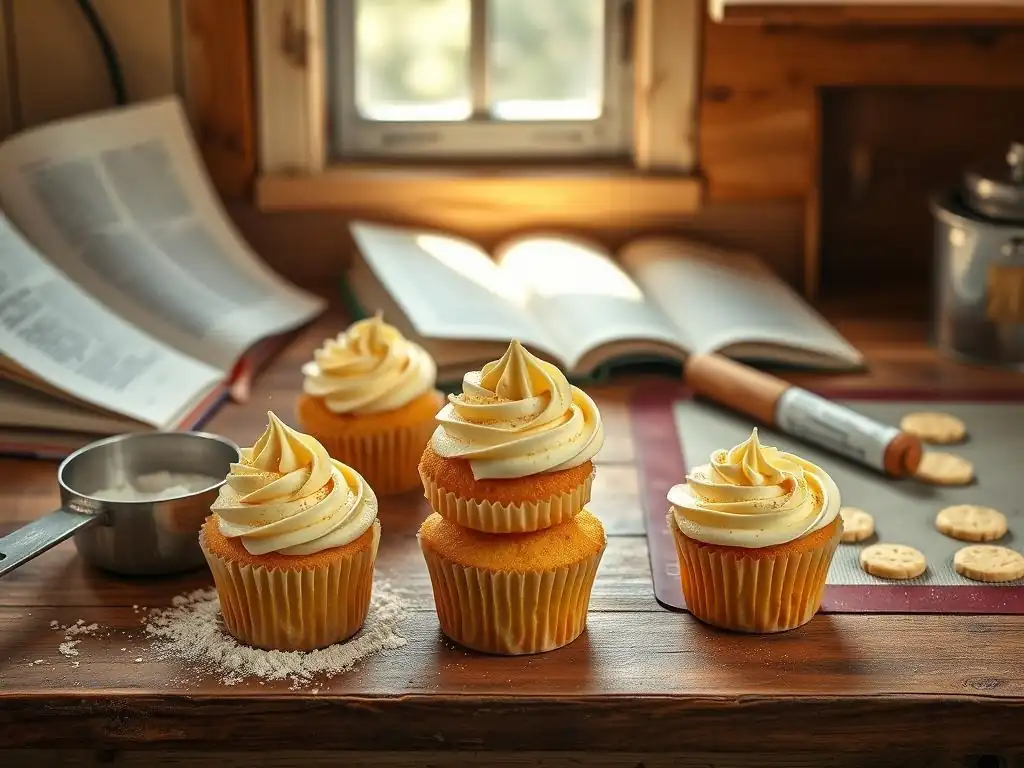
Welcome to BakeWithEase, your haven for mastering the delightful world of baking! Are you ready to transform your next celebration with perfect cupcakes? Dive in to discover our article on troublefree cupcake baking solutions and say goodbye to common baking mishaps. We'll guide you through simple techniques and expert tips, ensuring your cupcakes are the star of the show. Eager to unlock the secrets to consistently delicious and beautiful cupcakes? Let's get baking!
- Troublefree Cupcake Baking Solutions: Mastering Celebration Cupcake Challenges
- Identifying Typical Problems in Celebration Cupcake Baking
- Proven Troublefree Cupcake Baking Solutions for Perfect Results
- Ingredient Selection and Preparation for Troublefree Celebration Cupcakes
- Baking Environment and Equipment Tips for Troublefree Cupcake Baking
- Step-by-Step Guide to Troublefree Baking of Celebration Cupcakes
- Ingredient Selection and Preparation for Troublefree Celebration Cupcakes
- Baking Environment and Equipment Tips for Troublefree Cupcake Baking
- Step-by-Step Guide to Troublefree Baking of Celebration Cupcakes
- Preventive Measures and Best Practices for Consistent Cupcake Success
- Enhancing Your Celebration Cupcake Baking Skills with BakeWithEase
-
Frequently Asked Questions
- What are some common problems encountered during cupcake baking?
- How can I prevent my cupcakes from sinking in the middle?
- What causes cupcakes to be dry, and how can I avoid this?
- What are some tips for achieving a light and fluffy cupcake texture?
- Can I substitute ingredients in cupcake recipes, and if so, what are some safe substitutions?
- Final Reflection: The Sweet Success of Trouble-Free Cupcakes
- Unlock Your Inner Cupcake Artist!
Troublefree Cupcake Baking Solutions: Mastering Celebration Cupcake Challenges
Understanding Common Cupcake Baking Issues for Celebrations
Celebration baking carries a unique pressure; the cupcakes aren't just snacks, they're often centerpieces or party favors, expected to be picture-perfect and delicious. Many home bakers encounter recurring issues that can turn excitement into frustration. These include cupcakes that don't rise properly, have a strange texture, or whose frosting refuses to cooperate. Addressing these common pitfalls is key to achieving truly troublefree cupcake baking solutions. Understanding the science behind these problems, from ingredient interactions to oven dynamics, is the first step toward consistent success, ensuring your festive treats are memorable for all the right reasons.
The complexity often lies in seemingly simple steps. For instance, overmixing batter can develop gluten excessively, leading to tough cupcakes, while undermixing might leave pockets of flour. Temperature plays a critical role too; ingredients like butter or eggs not being at room temperature can prevent proper emulsion, affecting texture and rise. Even the type of sugar used can impact moisture and spread. Recognizing these nuances allows bakers to preemptively avoid many issues, making the path to perfect celebration cupcakes much smoother and implementing effective troublefree cupcake baking solutions right from the start.
Why Troubleshooting Cupcake Problems Matters in Festive Baking
In festive baking, the stakes feel higher. A birthday cake alternative, wedding favors, or holiday treats need to impress, not disappoint. A batch of sunken or dry cupcakes can be disheartening, especially when time and effort have been invested for a special occasion. Therefore, knowing how to troubleshoot common problems isn't just about fixing mistakes; it's about ensuring reliability and confidence in your baking, guaranteeing that your celebration cupcakes meet expectations.
Mastering troubleshooting techniques equips you with the knowledge to adapt and save a batch, or even prevent errors from happening in the first place. Imagine you notice your batter seems a little too thick; knowing why (perhaps too much flour or not enough liquid) allows you to make a small, informed adjustment.
This proactive approach minimizes waste, saves time, and crucially, ensures that the treats you present for a celebration are exactly as envisioned – delightful, beautiful, and a testament to your baking skill. It's about making the entire process less stressful and more enjoyable, leading to successful troublefree cupcake baking solutions every time.
Identifying Typical Problems in Celebration Cupcake Baking
Cupcake Batter Issues: Too Dense, Runny, or Uneven
The state of your batter is a direct indicator of the final cupcake's potential. A batter that is too dense often results from overmixing, which develops gluten excessively, or using too much flour relative to wet ingredients. Conversely, a runny batter might indicate insufficient flour, too much liquid, or not creaming butter and sugar properly to incorporate enough air. Uneven batter consistency, with lumps or streaks, usually points to inadequate mixing – perhaps ingredients weren't fully incorporated or were added too quickly.
These consistency issues significantly impact the final bake. A dense batter yields heavy, tough cupcakes that don't rise well. A runny batter can overflow liners or bake into flat, greasy discs. Uneven batter leads to inconsistent textures within the same batch, with some cupcakes being perfectly fine while others are flawed. For instance, if sugar isn't fully dissolved or flour isn't properly mixed in, you might get pockets of sweetness or dry spots. Identifying these problems early in the batter stage is crucial for implementing troublefree cupcake baking solutions.
Problems with Cupcake Texture: Dryness, Crumbliness, or Grittiness
Texture is paramount in a good cupcake. Dryness is a common complaint, often caused by overbaking, using too little fat or liquid, or improper measurement of dry ingredients (especially flour). Flour measured by volume rather than weight can easily be compacted, adding excess flour. Crumbliness can stem from similar issues as dryness but can also be a result of using too much leavening or not enough binder (like eggs). Grittiness is typically caused by sugar that hasn't fully dissolved, often due to under-creaming or adding sugar too quickly.
Addressing these textural issues requires attention to detail throughout the process. Ensuring ingredients are at room temperature allows for better emulsification, leading to a more tender crumb. Using a kitchen scale for dry ingredients provides accuracy, reducing the risk of adding too much flour. Proper creaming of butter and sugar (often for 3-5 minutes until light and fluffy) incorporates air and begins dissolving sugar crystals, contributing to a fine, even texture. Understanding these causes helps implement troublefree cupcake baking solutions for a perfectly moist crumb.
Cupcake Rising Challenges: Flat or Sunken Tops Explained
Achieving that perfect domed top is a hallmark of successful cupcakes, especially for celebrations where appearance matters. Flat tops can result from insufficient leavening agents, expired baking powder/soda, or oven temperature being too low, which prevents a proper spring. Overmixing can also inhibit rise by developing gluten that restricts expansion. Sunken tops, however, are often more dramatic and usually indicate too much leavening, opening the oven door too early during baking (causing a sudden temperature drop), or overbaking followed by rapid cooling.
Another common cause for sunken centers is underbaking. If the structure hasn't fully set before cooling, the center collapses. Using too much liquid or fat in the recipe can also contribute to sinking as it weighs down the batter. For example, a recipe with excessive buttermilk might rise beautifully initially but lack the structural integrity to hold its shape. Identifying the specific rising issue – whether it's flat or sunken – helps pinpoint the likely culprit, guiding you toward effective troublefree cupcake baking solutions like checking leavening freshness or calibrating oven temperature.
Frosting and Decoration Difficulties on Celebration Cupcakes
Even if the cake base is perfect, frosting and decoration woes can ruin the final look of celebration cupcakes. Common frosting problems include it being too runny (needs more powdered sugar or less liquid), too stiff (needs more liquid), grainy (sugar not dissolved, especially in buttercream), or splitting/curdling (temperature issues, often with butter). Decorations, like sprinkles or edible glitter, might not adhere properly if the frosting isn't the right consistency or has crusted over too much.
Applying frosting smoothly or creating defined swirls requires practice and the right tools, but the frosting's stability is key. A frosting that slides off or melts is often too warm or has too much liquid. For example, if making a meringue-based buttercream, not cooking the sugar syrup to the correct temperature (e.g., 240°F for soft-ball stage) can result in a runny, unstable frosting. Ensuring your frosting is at the correct temperature and consistency before application, and that your cupcakes are completely cool, are fundamental steps towards troublefree cupcake baking solutions for beautiful presentation.
Proven Troublefree Cupcake Baking Solutions for Perfect Results
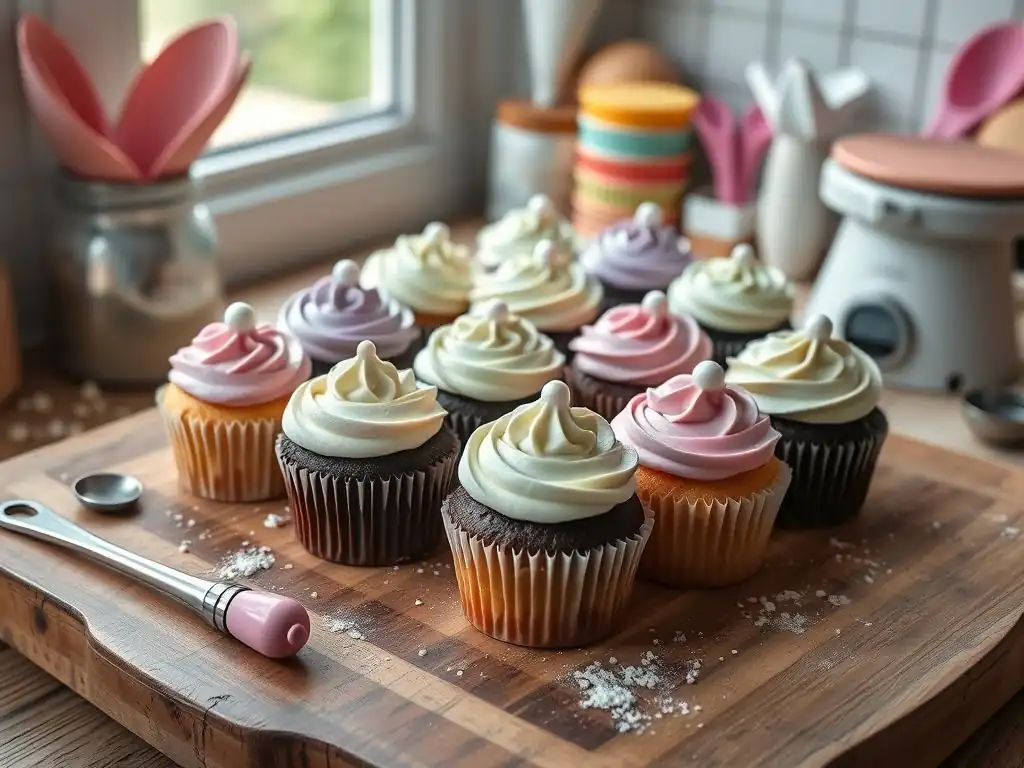
How to Achieve the Ideal Cupcake Batter Consistency
Achieving the perfect batter consistency is fundamental to troublefree cupcake baking. This typically means a smooth, thick but pourable texture, often described as falling in ribbons from a spoon or whisk. The key steps involve accurate measurement, proper ingredient temperatures, and careful mixing. Always weigh your dry ingredients, especially flour; 1 cup of all-purpose flour, when scoop-and-leveled, should weigh approximately 120-130 grams. Using room temperature butter and eggs (butter should yield slightly when pressed, eggs shouldn't feel cold) allows them to emulsify properly with sugar and other wet ingredients, creating a stable base that holds air.
Mixing technique is equally vital. Cream butter and sugar until light and fluffy (usually 3-5 minutes on medium speed). This incorporates air and dissolves sugar. Add eggs one at a time, mixing until just combined after each. Alternate adding dry and wet ingredients, starting and ending with dry. Mix only until the last streaks of flour disappear. Overmixing develops tough gluten; undermixing leaves lumps. This careful process ensures a homogenous batter with the right balance of structure and moisture, setting the stage for light, tender cupcakes and implementing effective troublefree cupcake baking solutions.
Techniques to Ensure Moist and Tender Cupcake Texture
Moisture and tenderness are hallmarks of a great cupcake. Several techniques contribute to this. Firstly, don't overmix the batter, as excessive gluten development leads to toughness. Secondly, ensure accurate measurement of fat and liquid ingredients, as they contribute moisture and richness. Using ingredients like buttermilk, sour cream, or yogurt can add moisture and tenderness due to their acidity reacting with baking soda. For example, replacing some milk with buttermilk in a standard recipe often results in a softer crumb.
Another crucial factor is baking time and temperature. Overbaking is a primary cause of dryness. Bake cupcakes just until a toothpick inserted into the center comes out clean or with a few moist crumbs, not wet batter. Using an oven thermometer to verify your oven's actual temperature is highly recommended, as oven thermostats can be off by 25-50°F.
Cooling cupcakes properly is also important; cool them in the pan for a few minutes (usually 5-10) before transferring them to a wire rack to cool completely. This gradual cooling helps retain moisture. These practices are essential troublefree cupcake baking solutions for a perfect texture.
Tips to Get Perfectly Risen Cupcakes Every Time
Achieving that lovely dome or even, flat top (depending on preference and recipe) requires careful attention to leavening, batter, and oven conditions. Ensure your baking powder and baking soda are fresh; test baking powder by adding a teaspoon to hot water – it should fizz vigorously. Test baking soda by adding a quarter teaspoon to a little vinegar – it should bubble instantly. Use the exact amount specified in the recipe; too much can cause rapid rising followed by collapse, while too little results in flat cupcakes.
Preheating your oven fully is critical – typically to 325-350°F (160-175°C). A hot oven provides the initial heat needed for leavening agents to activate and lift the batter quickly before the structure sets. Avoid opening the oven door during the first two-thirds of the baking time, as the sudden temperature drop can cause cupcakes to sink. Fill cupcake liners about two-thirds full; overfilling can lead to mushroom-shaped tops or overflow. By controlling these variables, you significantly increase your chances of perfectly risen cupcakes, demonstrating effective troublefree cupcake baking solutions.
Expert Advice on Frosting Application and Decoration Stability
Stable and beautiful frosting is the final touch for celebration cupcakes. Ensure your cupcakes are completely cool before frosting; even slight warmth will melt buttercream. If your buttercream is too soft, refrigerate it for 15-30 minutes, then re-whip. If it's too stiff, add a tiny amount (1/2 to 1 teaspoon) of milk or cream and whip until smooth. For grainy frosting, gently warm a small portion, whisk it back into the main batch, and whip thoroughly.
For smooth application, use an offset spatula or a piping bag with a tip. Using a piping bag allows for consistent swirls and designs. Practice your technique on parchment paper first if you're new to piping. To ensure decorations like sprinkles stick, apply them immediately after frosting before it crusts over.
If using heavier decorations or stacking, consider a stiffer frosting recipe or adding stabilizers like meringue powder. Store frosted cupcakes appropriately (often at room temperature or refrigerated depending on the frosting type) to maintain stability until serving. These simple tips are crucial troublefree cupcake baking solutions for a flawless finish.
Ingredient Selection and Preparation for Troublefree Celebration Cupcakes
Choosing the Right Flour, Sugar, and Leavening Agents
Selecting the correct ingredients is foundational for troublefree cupcake baking. For most standard cupcakes, all-purpose flour is suitable, providing a good balance of protein for structure. Cake flour, with its lower protein content (around 7-8% compared to 10-12% in AP flour), can yield a more tender, delicate crumb, which is excellent for certain recipes. Granulated sugar is standard, providing sweetness and structure, but superfine or castor sugar dissolves more readily, contributing to a smoother texture. Brown sugar adds moisture and a slightly different flavor profile.
Leavening agents—baking powder and baking soda—are critical for rise. Double-acting baking powder provides lift both when mixed with liquid and again when heated, offering a reliable rise. Baking soda requires an acidic ingredient (like buttermilk, yogurt, or vinegar) to activate. Ensure these are fresh; stale leavening is a primary cause of flat cupcakes. Using the type and amount specified in the recipe is key, as incorrect ratios can lead to poor rise or off-flavors (e.g., a soapy taste from too much baking soda). Careful selection sets the stage for successful troublefree cupcake baking solutions.
The Role of Fresh Ingredients in Successful Cupcake Baking
The freshness of ingredients significantly impacts the flavor, texture, and overall success of your cupcakes. Flour can absorb odors and lose quality over time. Fats, like butter and oil, can go rancid, imparting unpleasant flavors. Eggs should be fresh as they contribute structure, richness, and moisture; older eggs can affect lift and flavor. Dairy products like milk, buttermilk, and sour cream must be fresh for proper leavening activation (if using baking soda) and flavor.
Perhaps most critically, leavening agents lose potency over time. Baking powder and soda are best used within 6-12 months of opening. Using fresh ingredients ensures that they perform their intended function – whether it's providing lift, creating tenderness, or contributing flavor – optimally. Imagine using stale baking powder; your cupcakes simply won't rise as expected, leading to disappointment. Making a habit of checking expiry dates and storing ingredients properly (e.g., flour and leavening in airtight containers) is a simple yet effective preventative measure for troublefree cupcake baking solutions.
Proper Measurement and Mixing Techniques to Avoid Common Errors
Accurate measurement and careful mixing are non-negotiable for troublefree cupcake baking. Dry ingredients, especially flour, should be measured by weight using a kitchen scale for the most reliable results. If measuring by volume, gently spoon flour into the measuring cup and level it off with a straight edge; never scoop directly from the bag, as this compacts the flour and adds too much. Liquids should be measured in liquid measuring cups at eye level. Fats like butter should be measured accurately, whether by weight or using the markings on the wrapper.
Mixing technique varies depending on the recipe method (e.g., creaming method, reverse creaming), but general principles apply. Do not overmix once dry ingredients are added; mix only until just combined to avoid tough cupcakes. Scrape down the sides and bottom of the bowl frequently to ensure all ingredients are incorporated evenly. Add ingredients in the order specified by the recipe. For instance, adding eggs one at a time allows for better emulsification. Understanding and executing these precise steps minimizes errors and significantly contributes to consistent, troublefree cupcake baking solutions.
Baking Environment and Equipment Tips for Troublefree Cupcake Baking
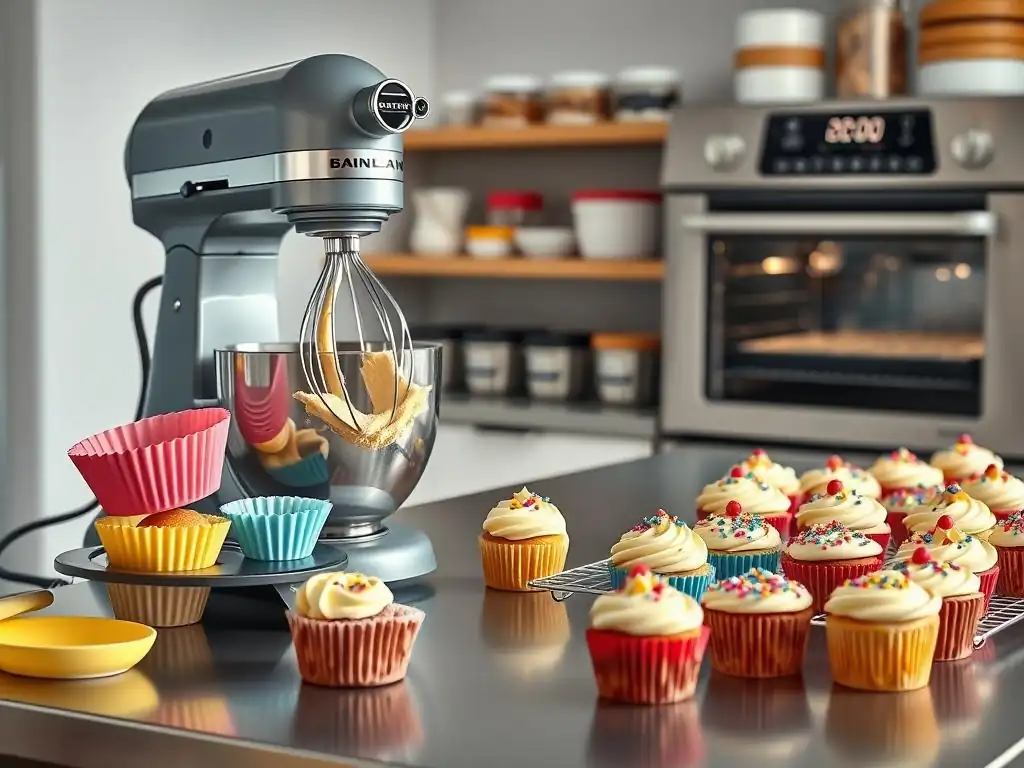
Oven Temperature Calibration and Baking Time Optimization
Your oven is one of the most critical pieces of equipment, and its accuracy significantly impacts baking results. Many home ovens have thermostats that are inaccurate, sometimes by 25-50°F or more. Using an inexpensive oven thermometer is highly recommended to verify the actual temperature. If your oven runs hot or cold, you can adjust the temperature setting accordingly (e.g., if it reads 375°F when set to 350°F, set it to 325°F). Proper preheating is also essential; allow the oven to reach the set temperature and stabilize for at least 15-20 minutes before putting cupcakes in.
Baking time is a guideline, not a strict rule. Always check for doneness using visual cues and the toothpick test starting a few minutes before the minimum time specified in the recipe. Cupcakes are typically done when they spring back lightly when gently pressed and a toothpick inserted into the center comes out clean or with a few moist crumbs. Overbaking leads to dry cupcakes, while underbaking causes them to sink. Adjusting baking time based on your specific oven and the cupcake size ensures optimal results and is a key troublefree cupcake baking solution.
Using the Right Bakeware and Liners for Even Heat Distribution
The choice of muffin tin and cupcake liners affects how cupcakes bake and release. Dark metal pans absorb more heat than lighter ones, potentially leading to darker bottoms or faster baking; adjust temperature or time if using dark pans. Standard light-colored aluminum or non-stick muffin tins are generally reliable. Ensure your pan is clean and free of grease build-up, which can affect heat transfer.
Cupcake liners, or paper cups, help prevent sticking and make handling easy. Use good quality liners that don't peel away from the cupcake after baking; heavier paper or foil liners often perform better. Ensure liners fit snugly in the muffin tin cavities. Filling liners consistently (usually 2/3 full) promotes even baking across the batch. Using the correct bakeware and liners contributes to even heat distribution, resulting in uniformly baked cupcakes, a simple yet effective troublefree cupcake baking solution.
Beyond temperature accuracy, other oven issues can impact cupcakes. Uneven baking across the pan often indicates hot spots in your oven. Rotating the muffin tin halfway through the baking time can help mitigate this, ensuring all cupcakes bake at a similar rate. If the tops are browning too quickly while the centers are underbaked, the temperature might be too high, or the cupcakes are placed on a rack too close to the top heating element. Try lowering the oven temperature slightly or moving the pan to a lower rack.
If cupcakes are consistently flat, ensure your oven temperature isn't too low or that you're not opening the door too often. If cupcakes are sinking, it could be related to underbaking or opening the door too early. Understanding your oven's quirks through observation and using an oven thermometer is crucial. Small adjustments based on these observations can solve persistent problems. These troubleshooting steps for oven-related issues are vital components of achieving reliable troublefree cupcake baking solutions.
Step-by-Step Guide to Troublefree Baking of Celebration Cupcakes
Preparing the Batter with Troublefree Techniques
Achieving a perfect batter is the first major step towards troublefree cupcake baking. Begin by ensuring all cold ingredients (butter, eggs, milk) are at room temperature. This allows for better emulsification. Preheat your oven and line your muffin tin with liners.
- Weigh or accurately measure dry ingredients (flour, sugar, leavening, salt) into a bowl and whisk briefly to combine and aerate.
- In a separate bowl, cream softened butter and sugar until light and fluffy (3-5 minutes).
- Add eggs one at a time, mixing well after each, scraping down the bowl as needed. Add vanilla or other extracts.
- In a third container, combine wet ingredients like milk, buttermilk, or sour cream.
- Alternately add dry and wet ingredients to the creamed mixture, starting and ending with the dry. Mix on low speed only until just combined, usually
15-30seconds after the last streaks of flour disappear. Do not overmix.
Following these steps precisely minimizes common batter issues like toughness or uneven texture, laying a solid foundation for troublefree cupcake baking solutions.
Baking Process: Monitoring and Adjusting for Best Results
The baking process requires vigilance to ensure perfect cupcakes. Place the filled muffin tin in the preheated oven, ideally on the center rack. Set a timer for the minimum baking time specified in the recipe. Avoid opening the oven door during the first two-thirds of the baking time to prevent temperature fluctuations that can cause sinking.
As the timer approaches zero, begin checking for doneness. Look for golden-brown edges and tops that spring back when gently touched. Use the toothpick test: insert a toothpick into the center of a cupcake; it should come out clean or with a few moist crumbs. If it comes out with wet batter, continue baking for 1-2 minute intervals, checking each time. If one side of the pan is baking faster, rotate the pan. Adjusting based on visual cues and the toothpick test, rather than relying solely on the timer, is crucial for preventing over- or underbaking and achieving consistent troublefree cupcake baking solutions.
Cooling and Decorating Celebration Cupcakes Without Flaws
Proper cooling is essential to prevent cupcakes from becoming dry or having their tops collapse. Once baked, remove the muffin tin from the oven. Let the cupcakes cool in the tin for 5-10 minutes. This allows their structure to set gently.
After the initial cooling period in the tin, carefully transfer the cupcakes to a wire cooling rack to cool completely. Ensure there is space between them for air circulation. Crucially, wait until the cupcakes are completely cooled to room temperature before attempting to frost or decorate them. Frosting warm cupcakes will cause the frosting to melt and slide off.
Once cooled, you can apply frosting smoothly using an offset spatula or pipe it on using a piping bag. Apply decorations immediately after frosting. Proper cooling and careful decoration are the final steps in ensuring your celebration cupcakes look as good as they taste, embodying effective troublefree cupcake baking solutions.
Ingredient Selection and Preparation for Troublefree Celebration Cupcakes
Choosing the Right Flour, Sugar, and Leavening Agents
Selecting the correct type and quality of flour, sugar, and leavening agents is a cornerstone of troublefree cupcake baking. All-purpose flour is versatile, but for a lighter crumb, consider using cake flour (e.g., a recipe might call for replacing 2 tablespoons of AP flour per cup with cornstarch, or using a dedicated cake flour). Sugar not only sweetens but also affects moisture and structure; granulated sugar is standard, while using a portion of brown sugar can enhance moisture and flavor. The grind of sugar matters; superfine sugar dissolves more easily, reducing the risk of a grainy texture.
Leavening agents are the engine of your cupcake's rise. Most recipes use double-acting baking powder, which reacts twice for a steady lift. Baking soda is used when acidic ingredients (like buttermilk or sour cream) are present, contributing to tenderness and browning. It's vital to use fresh leavening; expired baking powder or soda is a common culprit for flat cupcakes.
A simple freshness test for baking powder involves adding a teaspoon to hot water – it should bubble vigorously. For baking soda, mix a quarter teaspoon with a little vinegar; it should fizz instantly. Using the right type and ensuring freshness are fundamental troublefree cupcake baking solutions.
The Role of Fresh Ingredients in Successful Cupcake Baking
The quality and freshness of all your ingredients profoundly impact the final outcome of your celebration cupcakes. Stale flour can absorb off-flavors and may not perform as expected. Fats like butter or oil can go rancid, giving cupcakes an unpleasant taste. Eggs provide structure, richness, and act as a binder; fresh eggs perform better. Dairy products like milk and cream contribute moisture and richness and are necessary for activating baking soda; using fresh dairy ensures proper reaction and flavor.
Consider the impact of using fresh vs. old leavening agents. A recipe calling for 2 teaspoons of baking powder assumes that baking powder is potent. If it's old, you might only get half the expected rise, resulting in dense, sad cupcakes. Similarly, using fresh spices and extracts ensures vibrant flavor. Making it a habit to check expiry dates and store ingredients correctly (e.g., flour, sugar, and leavening in airtight containers away from heat and light; butter and eggs refrigerated) is a simple yet effective measure to guarantee ingredient performance and achieve consistent troublefree cupcake baking solutions.
Proper Measurement and Mixing Techniques to Avoid Common Errors
Precise measurement is non-negotiable in baking. For dry ingredients, using a kitchen scale is the most accurate method; for example, 1 cup of standard all-purpose flour weighs approximately 125 grams. If using volume measurements, spoon flour into the cup and level off, avoiding scooping directly from the bag which can add up to 25% too much flour. Liquids should be measured at eye level. Ensuring butter is properly softened (not melted) is also key for creaming.
Mixing technique is equally vital. The goal is usually to combine ingredients thoroughly while developing just enough gluten for structure, but not so much that the cupcakes become tough. In the creaming method, beating butter and sugar until light and fluffy incorporates air, which is essential for lift. Adding eggs one at a time ensures they emulsify properly.
When adding dry and wet ingredients alternately, mix on low speed just until the flour streaks disappear. Overmixing is a frequent error leading to tough, dense cupcakes. Understanding these principles and practicing careful measurement and mixing are fundamental troublefree cupcake baking solutions.
Baking Environment and Equipment Tips for Troublefree Cupcake Baking
Oven Temperature Calibration and Baking Time Optimization
An accurate oven temperature is paramount for consistent troublefree cupcake baking. Oven thermostats can be notoriously inaccurate, sometimes off by as much as 50°F or more. Using an inexpensive oven thermometer placed near where you bake can reveal your oven's true temperature. If your oven runs consistently hot or cold, adjust the dial accordingly (e.g., if it reads 375°F when set to 350°F, set it to 325°F for recipes calling for 350°F). Allow the oven ample time to preheat and stabilize, usually 15-20 minutes after the preheat indicator light turns off.
Baking time is a guide, not a strict rule. The actual time can vary based on oven accuracy, pan type, and even altitude. Start checking for doneness a few minutes before the recipe's minimum time.
Cupcakes are done when they are golden around the edges, the center springs back slightly when gently pressed, and a toothpick inserted comes out clean or with a few moist crumbs. Overbaking leads to dry cupcakes, while underbaking results in sunken centers. Learning to check for these signs ensures you pull the cupcakes at the perfect moment, a critical part of troublefree cupcake baking solutions.
Using the Right Bakeware and Liners for Even Heat Distribution
The choice of muffin tin and cupcake liners significantly impacts how evenly your cupcakes bake. Standard metal muffin tins, especially those made of light-colored aluminum or non-stick materials, are excellent for even heat distribution. Darker pans absorb more heat and can cause bottoms and edges to brown faster; if using dark pans, you might need to slightly reduce the oven temperature or baking time. Ensure your pan is clean and free of baked-on residue, which can create hot spots.
Cupcake liners, or paper cups, serve multiple purposes: they prevent sticking, make handling easy, and add a decorative touch. Use good quality liners that fit snugly in the muffin tin cavities. Flimsy liners can cause cupcakes to bake unevenly or stick. Foil liners or heavier paper liners often perform better than thin paper ones. Filling each liner consistently, typically about two-thirds full, ensures that all cupcakes in the batch rise and bake at a similar rate. Choosing the right bakeware and liners is a simple step towards achieving uniform, troublefree cupcake baking solutions.
Beyond temperature, ovens can present other challenges. Uneven baking across the pan is often caused by hot spots. Rotating the muffin tin halfway through the baking time can help distribute heat more evenly. If cupcakes on the top rack are browning too quickly, try moving the pan to a lower rack or shielding the tops loosely with foil during the last part of baking. If the bottoms are burning, the pan might be too close to the bottom element, or the temperature is too high for your pan type.
Persistent issues like flat or sunken tops can also be oven-related. If cupcakes consistently bake flat despite fresh leavening and proper mixing, your oven temperature might be too low, preventing proper initial rise. If they sink after rising beautifully, opening the oven door too early or a sudden temperature drop could be the cause. Observing how your cupcakes bake and using an oven thermometer helps diagnose these issues. Making small, informed adjustments to rack position, temperature, or baking time based on these observations is key to mastering troublefree cupcake baking solutions.
Step-by-Step Guide to Troublefree Baking of Celebration Cupcakes
Preparing the Batter with Troublefree Techniques
Embarking on the journey to troublefree cupcake baking begins with meticulous batter preparation. Start by gathering all your ingredients and ensuring they are at the correct temperature – usually room temperature for butter, eggs, and dairy. This promotes proper emulsification, resulting in a smoother batter and finer crumb. Preheat your oven to the specified temperature (e.g., 350°F or 175°C) and line your muffin tin with paper liners.
- Step 1: Accurately weigh or measure your dry ingredients (flour, sugar, leavening, salt). Whisk them together in a bowl to aerate and distribute the leavening evenly.
- Step 2: In a separate large bowl, cream the softened butter and sugar until light, fluffy, and pale yellow, typically
3-5minutes with an electric mixer. This incorporates air crucial for lift. - Step 3: Add eggs one at a time, mixing well after each addition, scraping down the bowl as needed. Incorporate extracts.
- Step 4: In a small bowl, combine your wet ingredients (milk, buttermilk, etc. ).
- Step 5: Alternately add the dry and wet ingredients to the creamed mixture, beginning and ending with the dry. Mix on low speed just until combined. Stop as soon as no dry streaks are visible, usually within
15-30seconds. Do not overmix.
This careful process minimizes common errors like toughness or lumps, setting you up for successful troublefree cupcake baking.
Baking Process: Monitoring and Adjusting for Best Results
The baking phase requires observation and readiness to adjust. Place the filled muffin tin in the center of the preheated oven. Avoid placing pans too close together if baking multiple batches, as this restricts airflow.
- Step 1: Set a timer for the minimum baking time suggested in the recipe (e.g.,
18minutes for a recipe range of18-22minutes). - Step 2: Avoid opening the oven door for the first
12-15minutes to maintain a stable temperature. - Step 3: As the timer nears the minimum time, check for visual cues: golden edges, tops that look set and perhaps slightly domed.
- Step 4: Perform the toothpick test: Insert a toothpick into the center of a cupcake. If it comes out clean or with a few moist crumbs, they are done. If there is wet batter, continue baking in
1-2minute increments, checking each time. - Step 5: If cupcakes are baking unevenly (e.g., one side browning faster), rotate the pan halfway through the remaining baking time.
Adjusting baking time based on doneness tests rather than strictly following the timer is a key strategy for preventing over- or underbaking and ensuring troublefree cupcake baking solutions.
Cooling and Decorating Celebration Cupcakes Without Flaws
Proper cooling is the final step before the fun of decorating begins. It prevents cupcakes from drying out or collapsing.
- Step 1: Remove the muffin tin from the oven once the cupcakes are done. Place the tin on a wire rack and let the cupcakes cool in the pan for
5-10minutes. This allows the internal structure to firm up gradually. - Step 2: After the initial cooling in the pan, carefully remove each cupcake and transfer it directly onto a wire cooling rack to cool completely. Ensure there is space between cupcakes for air circulation.
- Step 3: Allow cupcakes to cool completely to room temperature before applying frosting. This is perhaps the most critical cooling step; frosting warm cupcakes will cause the frosting to melt and slide off. This can take
30-60minutes or longer depending on ambient temperature. - Step 4: Once fully cooled, frost using an offset spatula or a piping bag. Apply decorations like sprinkles immediately after frosting before it sets.
Following these cooling and decorating steps meticulously ensures a beautiful, stable finish for your celebration cupcakes, completing the troublefree cupcake baking journey.
Preventive Measures and Best Practices for Consistent Cupcake Success
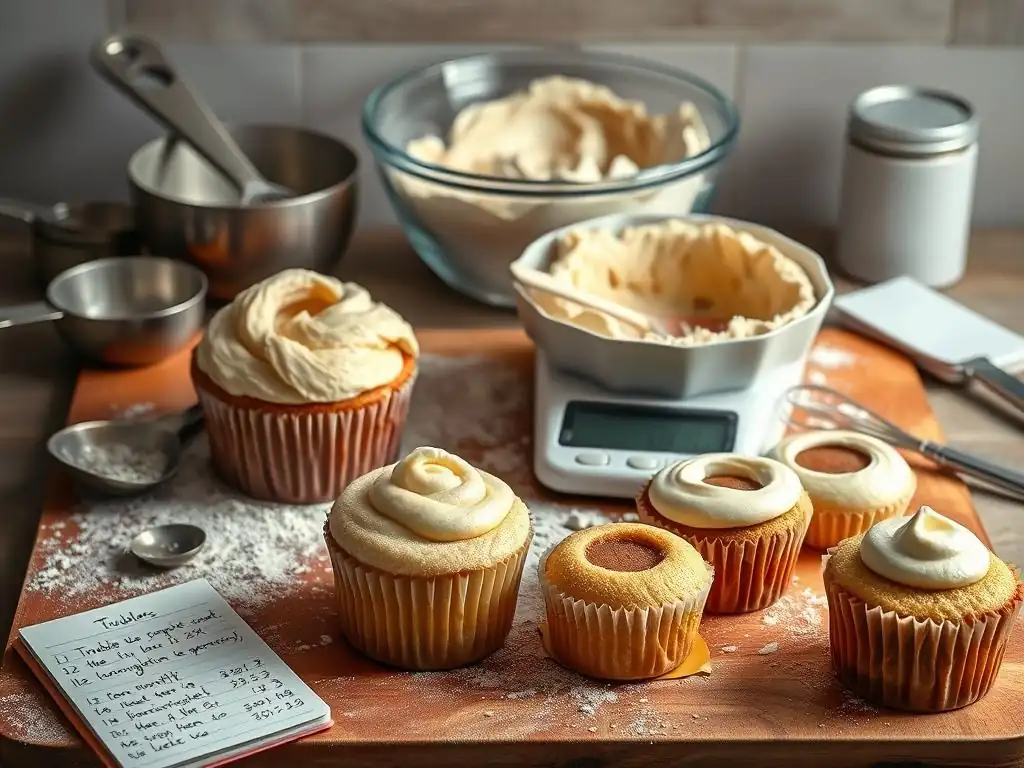
Storage and Handling Tips to Maintain Freshness and Texture
Proper storage is essential for keeping your troublefree celebration cupcakes fresh and delicious after baking. Unfrosted cupcakes can typically be stored at room temperature in an airtight container for 2-3 days. Placing a slice of bread in the container can help keep them moist, as the bread will dry out instead of the cupcakes. For longer storage, unfrosted cupcakes can be frozen for up to 3 months; wrap them individually in plastic wrap, then place in a freezer-safe bag or container. Thaw at room temperature.
Frosted cupcakes require different storage depending on the frosting type. Buttercream-frosted cupcakes can usually be stored at cool room temperature (below 75°F or 24°C) for 1-2 days, again in an airtight container. If the frosting contains perishable ingredients like cream cheese, fresh cream, or meringue, they must be refrigerated. Refrigerated cupcakes can sometimes dry out; bringing them to room temperature for 15-30 minutes before serving can improve texture. Gentle handling is also important to avoid crushing or damaging the delicate cake and frosting. Implementing these storage practices helps maintain the quality achieved through troublefree cupcake baking solutions.
Avoiding Common Mistakes in Celebration Cupcake Baking
Many common cupcake problems stem from preventable errors. One of the most frequent is inaccurate measurement, particularly over-measuring flour when using volume cups. Always weigh dry ingredients or use the spoon-and-level method. Another major pitfall is overmixing the batter, which develops gluten and results in tough, dense cupcakes; mix only until just combined after adding dry ingredients. Using cold ingredients is another common error; ensure butter, eggs, and dairy are at room temperature for proper emulsification and texture.
Other mistakes include using expired leavening agents, leading to flat cupcakes, or opening the oven door too early, causing them to sink. Overbaking is a primary cause of dry cupcakes; always check for doneness using the toothpick test and visual cues rather than strictly adhering to the recipe time. Lastly, frosting warm cupcakes leads to a messy disaster. By being mindful of these common pitfalls – measurement, mixing, ingredient temp, leavening freshness, oven vigilance, and proper cooling – you can proactively avoid most issues and ensure consistent troublefree cupcake baking solutions.
How to Adapt Recipes for Different Celebration Themes and Dietary Needs
Adapting a basic cupcake recipe allows you to cater to various celebration themes and dietary requirements while maintaining troublefree baking standards. For theme adaptation, consider flavorings and decorations. A vanilla base can become lemon by adding zest and juice, or chocolate by incorporating cocoa powder. Adding food coloring to batter or frosting matches color schemes. Swapping extracts (e.g., almond, peppermint) changes the flavor profile. Ensure flavor additions don't significantly alter liquid ratios.
For dietary needs, common adaptations include gluten-free, dairy-free, or vegan versions. Gluten-free baking often requires a specific blend of flours and starches; using a tested gluten-free cupcake recipe or a reliable GF flour blend (often requiring slightly more liquid) is key. Dairy-free alternatives like plant-based milks, yogurts, and butter substitutes can often be substituted 1:1, though slight adjustments might be needed. Vegan cupcakes replace eggs with binders like applesauce, mashed banana, flax eggs, or commercial egg replacers, and use dairy substitutes. Always use recipes specifically designed for these adaptations or follow reliable substitution guides to maintain texture and rise, ensuring troublefree cupcake baking solutions for everyone.
Enhancing Your Celebration Cupcake Baking Skills with BakeWithEase
Recommended Resources and Recipes for Troublefree Cupcake Baking
BakeWithEase.com is designed to be your ultimate guide to mastering baking, including achieving perfect, troublefree celebration cupcakes. We offer a wealth of resources specifically curated to help you understand the why behind baking techniques and troubleshoot common issues. Explore our collection of foundational cupcake recipes, starting with simple vanilla or chocolate bases that serve as excellent starting points for learning proper technique.
Our site features detailed guides on essential skills, such as how to measure ingredients accurately, the science of leavening agents, and tips for creaming butter and sugar correctly. Look for articles specifically addressing common problems like "Why Did My Cupcakes Sink?" or "Fixing Dry Cupcakes." We also provide step-by-step tutorials on frosting techniques and decoration ideas suitable for various celebrations. Utilizing these resources will build your confidence and equip you with the knowledge for consistent, troublefree cupcake baking solutions.
Tips for Scaling Up Cupcake Baking for Large Celebrations
Baking cupcakes for a large celebration, like a wedding or big birthday party, presents unique challenges compared to a small batch. Scaling up a recipe isn't always a simple multiplication. When multiplying a recipe, pay close attention to leavening agents and liquids; sometimes these don't scale linearly. For instance, doubling a recipe might require slightly less than double the baking powder to avoid over-rising and collapsing. It's often safer to bake multiple smaller batches than one giant batch of batter, as large quantities can be difficult to mix evenly and may require adjustments to baking time.
Ensure you have enough muffin tins and cooling racks to handle the volume. Baking multiple pans simultaneously in one oven can affect baking time and evenness due to reduced airflow and temperature fluctuations; consider rotating pans or slightly increasing baking time. Prepare your workspace for efficiency, measuring ingredients for several batches at once. Plan your time carefully, as cooling and decorating large quantities takes significant time. These considerations are vital for successfully scaling up your troublefree cupcake baking solutions for large events.
Encouraging Creativity While Maintaining Troublefree Baking Standards
Troublefree cupcake baking solutions provide a reliable foundation, freeing you to get creative with flavors, fillings, and decorations for your celebration cupcakes. Once you consistently achieve perfect cake texture and rise, you can experiment confidently. Try adding extracts like almond, mint, or coffee. Incorporate zests, spices like cinnamon or cardamom, or even finely chopped herbs into the batter. Fold in mix-ins like chocolate chips, berries, or nuts (ensure nuts are finely chopped to avoid sinking).
Consider adding fillings after baking; use an apple corer or knife to remove a small center portion, then pipe in jam, curd, ganache, or pastry cream. Decorate with creative frosting colors, piping techniques, sprinkles, edible glitter, fondant toppers, or fresh fruit. The key is to make creative additions after mastering the basic, reliable techniques. This allows you to troubleshoot any new issues related to the creative elements separately, ensuring the underlying cupcake remains a perfect base. Building this strong foundation allows your creativity to shine without compromising the fundamental quality of your troublefree celebration cupcakes.
Frequently Asked Questions
What are some common problems encountered during cupcake baking?
Cupcakes can sink in the middle, be dry, or have a tough texture. This often results from incorrect oven temperature, overmixing the batter, or inaccurate measuring of ingredients.
How can I prevent my cupcakes from sinking in the middle?
Ensure your oven is at the correct temperature and avoid opening the oven door frequently during baking. Also, be careful not to overfill the cupcake liners; fill them only about two-thirds full.
What causes cupcakes to be dry, and how can I avoid this?
Dry cupcakes often result from overbaking or using too much flour. Make sure to measure your ingredients accurately and check for doneness by inserting a toothpick; it should come out clean.
What are some tips for achieving a light and fluffy cupcake texture?
Avoid overmixing the batter, which develops gluten and leads to a tough texture. Use room-temperature ingredients and incorporate air into the batter gently for a lighter result.
Can I substitute ingredients in cupcake recipes, and if so, what are some safe substitutions?
While some substitutions are possible, be cautious. For example, applesauce can replace some of the oil for a healthier option, but avoid drastic changes that could affect the cupcake's structure and flavor.
Final Reflection: The Sweet Success of Trouble-Free Cupcakes
The pursuit of the perfect cupcake, once a daunting task fraught with potential disasters, is now within everyone's reach. This article has explored common cupcake baking pitfalls – from stubbornly flat tops to dry crumbles – and offered practical, accessible solutions for achieving consistently delicious results. The ability to bake perfect cupcakes is no longer a skill reserved for professional bakers; it's a skill anyone can master with the right knowledge and a little practice.
The impact of consistently successful baking extends far beyond the individual cupcake itself. It's about the joy of creating something beautiful and delicious to share with loved ones, the satisfaction of mastering a skill, and the confidence to tackle more complex baking challenges in the future. Baking is at once child's play and adult joy. And love, of course.
This quote perfectly encapsulates the emotional connection we forge with baking, especially when we overcome challenges and achieve a satisfying outcome. The ability to reliably bake delicious cupcakes empowers us to create lasting memories and celebrate life's special moments with confidence.
Now, it's your turn. Take the knowledge you've gained from this article and apply it to your next baking adventure. Don't be afraid to experiment, to adjust recipes to your preferences, and to embrace the occasional mishap as a learning opportunity. Remember, the journey to the perfect cupcake is as rewarding as the destination itself. So, gather your ingredients, preheat your oven, and let the sweet success of trouble-free cupcake baking begin!
Unlock Your Inner Cupcake Artist!
Thanks for joining us on this delicious journey into the world of perfect cupcakes! We hope you gained valuable tips to banish those baking blues and create truly unforgettable treats. Ready to take your cupcake game to the next level?
- Master the art of the fluffy cupcake: Put those new techniques into practice immediately! Try baking a batch using your favorite recipe, focusing on the specific tips we discussed.
- Share your cupcake creations: Show us your baking triumphs (and even your delightful disasters!) on social media using #BakeWithEaseCupcakes. We’d love to see your results!
- Consider experimenting with a new flavor combination inspired by today's article— think unexpected pairings for a truly unique bake!
So, what incredible flavor adventure will you embark on next?