
The Essential Role of Eggs in Beginner Baking Recipes

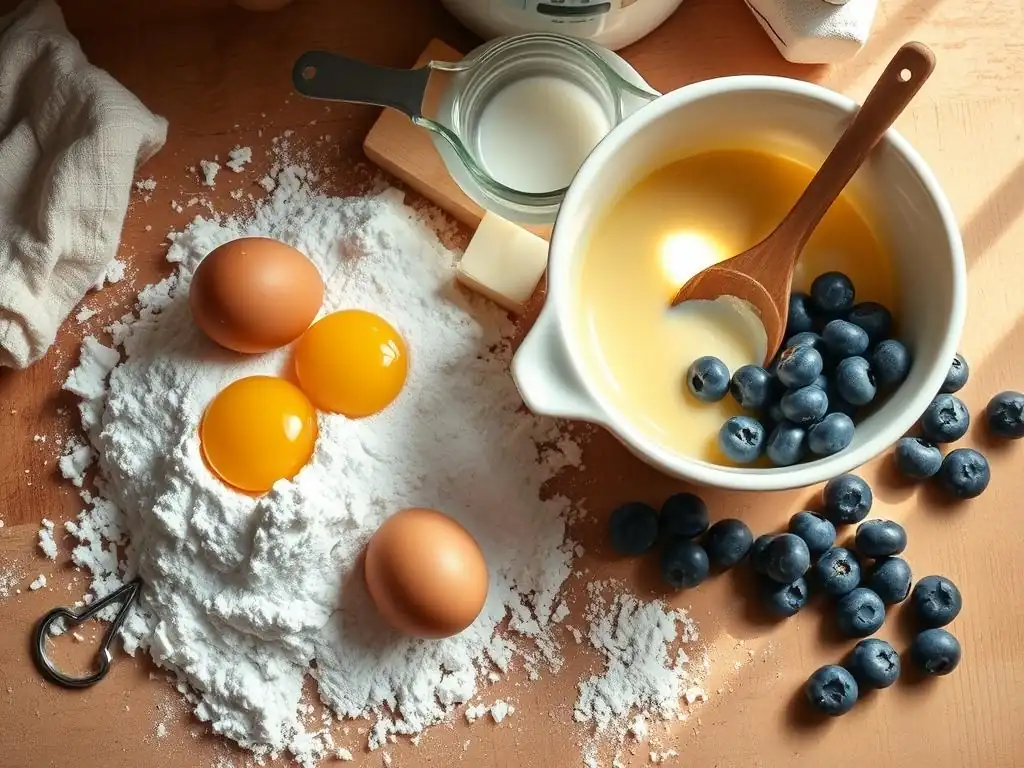
Welcome to BakeWithEase, your trusted guide to the delightful world of baking! Ever wondered what the secret ingredient is to perfectly light and airy cakes or chewy, delicious cookies? Dive into our latest article, " The Essential Role of Eggs in Beginner Baking Recipes," and unlock the mysteries behind this humble ingredient. Discover how eggs can transform your baking and elevate even the simplest recipes to new heights. Ready to crack the code to baking success? Let's get started!
- Introduction to Baking with Eggs: A Beginner's Guide (BakeWithEase.com)
- Why Eggs Are Crucial for Baking Success in Easy Recipes
- Mastering Beginner Baking Recipes: Choosing the Right Eggs
- Eggs and Basic Baking Techniques: A Perfect Match
- Troubleshooting Common Egg-Related Baking Problems for Beginners
- Simple Baking Recipes for Beginners: Featuring Eggs
- Tips and Tricks for Baking with Eggs for Absolute Beginners
- Conclusion: Eggs - The Unsung Hero of Beginner Baking
-
Frequently Asked Questions
- What role do eggs play in beginner baking recipes?
- How do eggs contribute to the texture of baked goods?
- What size eggs are typically called for in beginner baking recipes from BakeWithEase?
- Can I substitute eggs in beginner baking recipes from BakeWithEase?
- What are some common mistakes beginners make when using eggs in baking?
- Final Reflection: The Humble Egg: A Baker's Best Friend
- Unlock Your Inner Baker: Master the Art of the Egg!
Introduction to Baking with Eggs: A Beginner's Guide (BakeWithEase.com)
Embarking on your baking journey is exciting, and understanding the core ingredients is key to success. Among the stars of the baking world, eggs hold a special place. They are incredibly versatile and play multiple crucial roles in creating delicious baked goods, from fluffy cakes to chewy cookies. For anyone just starting out with eggs beginner baking recipes, learning about how these humble ingredients work is fundamental.
At BakeWithEase.com, we believe that demystifying baking starts with understanding ingredients. Eggs are far more than just binders; they contribute to structure, moisture, flavor, and even color in your favorite treats. Mastering their use in easy recipes will build a strong foundation for all your future baking adventures.
Why Eggs Are Crucial for Baking Success in Easy Recipes
Understanding the Functions of Eggs in Baking for Beginners
Eggs perform several vital functions in baking, making them indispensable in most beginner baking recipes. First and foremost, they act as a binder, holding ingredients together. Think of a cookie dough – without eggs, it would likely crumble apart. The proteins in the egg coagulate when heated, creating a network that provides structure. For instance, in a simple muffin recipe, the eggs help bind the flour, sugar, and wet ingredients, ensuring the muffins hold their shape and don't fall apart.
Beyond binding, eggs are powerful leavening agents. When whipped, egg whites trap air, creating a foam that expands during baking, leading to a light and airy texture in things like sponges or meringues. The yolks contribute richness, color, and fat, which tenderizes baked goods and adds moisture. In a basic pound cake, for example, the relatively high number of eggs (often 4-6 for a standard loaf) provides significant structure, richness, and a tight, moist crumb. They also contribute flavor and a beautiful golden hue.
The Science Behind Eggs: Binding, Leavening, and Moisture in Baking
The magic of eggs in baking is rooted in their composition: they are roughly 75% water, 12% protein, 11% fat (mostly in the yolk), and a small percentage of minerals and carbohydrates. When heat is applied, the proteins in both the yolk and white denature and coagulate. This process creates a stable matrix that gives structure to cakes, breads, and cookies. This is why a custard sets or a meringue holds its shape – the protein network has solidified.
Furthermore, the fat in the yolk coats flour particles, inhibiting gluten development, which results in a more tender product. The water content in eggs also plays a role, interacting with dry ingredients and contributing to the overall moisture of the finished baked good. When whipping eggs, particularly whites, mechanical action unfolds the proteins, allowing them to trap air bubbles. As these air bubbles heat up in the oven, they expand, providing lift – a natural form of leavening crucial for light textures in many eggs beginner baking recipes.
Mastering Beginner Baking Recipes: Choosing the Right Eggs
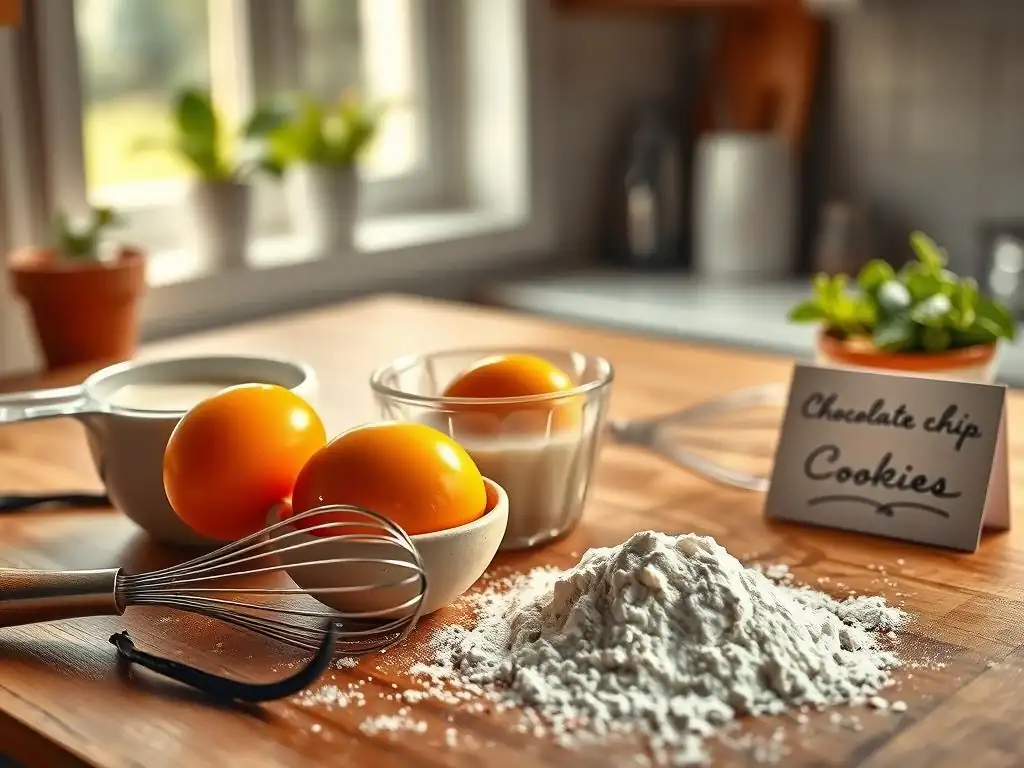
Types of Eggs for Baking: A Simple Guide for New Bakers
For most beginner baking recipes, standard chicken eggs are what's called for. You'll find various types at the grocery store, often categorized by hen's diet (e.g., organic, free-range, cage-free) or shell color (brown or white). For baking purposes, the color of the shell makes absolutely no difference to the egg's performance or nutritional content inside. A brown egg functions exactly the same as a white egg in your cake batter.
The key is consistency and quality. While there are different types of chicken eggs available, focusing on obtaining fresh, standard large eggs is the most important factor for reliable results in easy recipes. Don't worry about seeking out specific heritage breeds or duck eggs when you're just starting; the vast majority of recipes are developed using standard large hen eggs readily available in any supermarket.
Egg Size Matters: Impact on Beginner Baking Recipe Outcomes
Egg size is perhaps the most critical factor when selecting eggs for baking, especially in beginner baking recipes. Nearly all standard recipes published in cookbooks or online are developed using Large eggs. A Large egg, in the US, weighs approximately 50-57 grams (about 1.75 to 2 ounces) in its shell, with the edible portion weighing around 45-50 grams. Using a different size can significantly alter the balance of wet and dry ingredients.
For example, if a recipe calls for 3 Large eggs and you use Medium eggs instead, you're adding roughly 10-15 grams less liquid and protein per egg, totaling 30-45 grams less overall. This might not sound like much, but in delicate recipes like cakes or custards, this reduction in moisture and binding power can lead to a drier, less structured result.
Conversely, using Extra Large or Jumbo eggs will add too much liquid, potentially making cookies spread too much or cakes too dense. Stick to Large eggs unless the recipe specifically states otherwise to ensure the intended outcome of your easy recipes.
Freshness is Key: How to Select Quality Eggs for Baking
Freshness impacts how well eggs perform in baking, particularly when it comes to whipping egg whites for meringue or separating yolks from whites. While eggs are safe to eat for several weeks past the "best by" date if stored properly, their quality for specific baking tasks can diminish over time. Very fresh eggs have tighter whites that stand up tall and yolks that are firm and centered. As they age, the white thins out.
When selecting eggs at the store, check the "best by" or "sell by" date on the carton. Choose the carton with the furthest date for maximum freshness. While you can perform a float test at home (a fresh egg sinks in water, an older one floats), simply buying from a reputable source and checking the date is sufficient for most eggs beginner baking recipes. Using fresh eggs ensures better emulsification when combining with fats and superior volume when whipping whites, leading to more consistent and successful results.
Eggs and Basic Baking Techniques: A Perfect Match
Incorporating Eggs: Simple Mixing Methods for Beginner Bakers
Adding eggs correctly to your batter is a fundamental skill in beginner baking. One common method is adding eggs one at a time to creamed butter and sugar. This allows each egg to be fully incorporated and emulsified into the fat mixture before adding the next, preventing the mixture from curdling. For example, when making a basic butter cake, you'll typically cream butter and sugar until light and fluffy, then beat in eggs individually until smooth before adding dry ingredients.
Another method is whisking eggs together with other wet ingredients like milk or oil before adding them to the dry ingredients. This is common in muffin or quick bread easy recipes. The key is to mix just until the egg is incorporated, avoiding overmixing, which can develop too much gluten and result in a tough texture. Always scrape down the sides of the bowl to ensure everything is evenly combined.
Room Temperature Eggs: Why It Matters for Beginner Baking
Many beginner baking recipes, especially those involving creaming butter and sugar, specify using eggs at room temperature. This isn't just a finicky detail; it significantly impacts the texture of your baked goods. Cold eggs are less easily incorporated into fatty mixtures like creamed butter. The fat in the butter can seize up when cold eggs are added, leading to a curdled or separated batter that looks lumpy.
Room temperature eggs, on the other hand, emulsify much better with fats, creating a smooth, homogenous batter. This smooth base helps trap air effectively during the creaming process, contributing to a lighter texture in the final product. Furthermore, room temperature egg whites whip to a higher volume and more stable foam than cold whites, which is essential for recipes like meringues or soufflés. To quickly bring eggs to room temperature, place them in a bowl of warm (not hot) water for 5-10 minutes.
Whipping Eggs: Achieving Volume and Texture in Baking
Whipping eggs, particularly egg whites, is a technique used to incorporate air and create volume, crucial for light and airy baked goods in eggs beginner baking recipes. When egg whites are whipped, proteins unfold and create a network that traps air bubbles, forming a foam. This foam provides leavening power as it expands in the oven. For instance, angel food cake relies entirely on whipped egg whites for its structure and height.
Egg yolks can also be whipped, often with sugar, to create a light, creamy mixture called a sabayon or to add richness and structure to batters. The key to successful egg white whipping is using a clean, grease-free bowl and whisk (even a tiny bit of fat can prevent them from whipping properly). Start on low speed to break up the whites, then gradually increase speed.
You'll progress through stages: foamy, soft peaks (whites hold a soft shape that curls over), and stiff peaks (whites stand straight up). Understanding these stages is vital for achieving the desired texture in recipes like meringues or mousses.
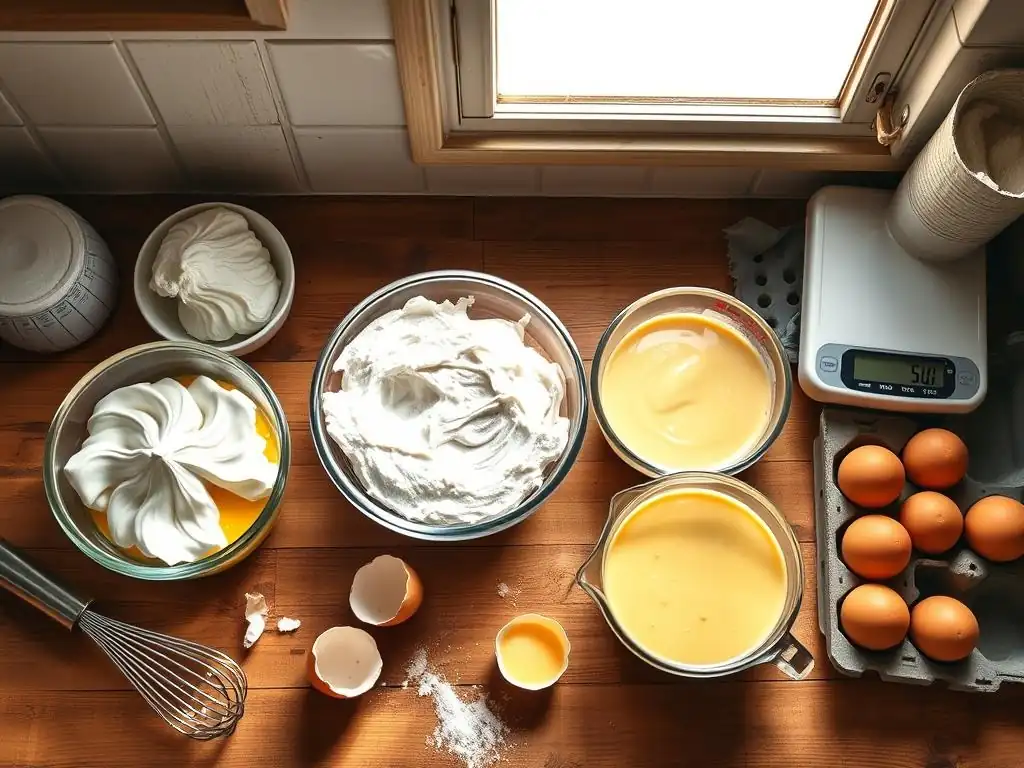
Getting the mixing just right is crucial when working with eggs in beginner baking recipes. Undermixing eggs can lead to uneven distribution throughout the batter, resulting in inconsistent texture, patches of uncooked egg, or poor structure. You might see streaks of white or yolk in the finished product. Ensure eggs are fully incorporated into the wet ingredients or creamed mixture before moving to the next step.
Conversely, overmixing, especially after eggs have been added along with flour, can be detrimental. Eggs contain protein, and while their coagulation provides structure, excessive mixing can overdevelop the gluten in the flour. This is particularly true in muffin or quick bread easy recipes. Overmixing will result in a tough, chewy texture instead of a tender crumb. Mix until just combined; a few small lumps are often acceptable in muffin batters.
Dealing with Curdled Batter: Preventing and Fixing Egg Problems
A common issue beginners face is a batter that looks curdled or separated after adding eggs to creamed butter and sugar. This typically happens when the eggs are too cold, or they are added too quickly. The cold eggs cause the fat in the butter to solidify and separate from the liquid. While it looks unappealing, a slightly curdled batter can often be salvaged, especially in eggs beginner baking recipes where flour is added later.
To prevent curdling, always use room temperature eggs and add them one at a time, beating well after each addition until fully incorporated before adding the next. If your batter does curdle slightly, continue mixing; sometimes, it will come back together. If not, don't panic. When you add the dry ingredients (like flour), they often help absorb the excess liquid and bring the batter back together. Adding a tablespoon of the measured flour along with the last egg can also sometimes help stabilize the mixture.
Egg Substitutes: When and How to Use Them in Beginner Baking
Sometimes, due to allergies, dietary choices, or simply running out, you might need an egg substitute in your beginner baking recipes. It's important to understand that no single substitute perfectly replicates all the functions of an egg. Substitutes often mimic one or two roles (binding, moisture) but rarely provide the same leavening or richness. For instance, in recipes where the egg is primarily a binder (like some cookies or brownies), applesauce (about 1/4 cup per egg), mashed banana, or a "flax egg" (1 tbsp flax meal + 3 tbsp water, let sit for 5 minutes) can work.
However, in recipes that rely heavily on eggs for structure and leavening, such as sponge cakes or meringues, simple substitutes often won't yield the same light texture and volume. Commercial egg replacers are designed to mimic some egg functions and can be more reliable in various easy recipes, but always check the package instructions. Be prepared for the final texture to be slightly different when using substitutes compared to using real eggs in your eggs beginner baking recipes.
Simple Baking Recipes for Beginners: Featuring Eggs
Easy Cake Recipes Using Eggs: A Starting Point for Beginners
Cakes are a fantastic way to see eggs perform their magic in beginner baking recipes. A simple vanilla or chocolate loaf cake is a great starting point. These recipes typically use 2-3 Large eggs for a standard loaf pan. The eggs contribute significantly to the structure, helping the cake rise and hold its shape. They also add moisture, richness, and help create a tender crumb.
Consider a basic 1-2-3-4 cake recipe (1 cup butter, 2 cups sugar, 3 cups flour, 4 eggs). The relatively high ratio of eggs provides substantial structure and a fine, moist crumb. You'll often cream the butter and sugar, then add the eggs one at a time, beating well after each. This technique demonstrates how eggs emulsify with fat to create a smooth batter that bakes into a wonderfully textured cake, perfect for boosting confidence with eggs beginner baking recipes.
Cookies are another staple for beginner baking, and eggs are crucial for their structure and texture. In most cookie recipes, eggs act as a primary binder, holding the dough together so it doesn't crumble when scooped or shaped. They also contribute to the chewiness or crispness, depending on the recipe's ratio of ingredients. A standard chocolate chip cookie recipe often calls for 1 or 2 Large eggs per batch (yielding typically 2-3 dozen cookies).
The eggs help bind the flour, sugar, and fat, ensuring the cookies spread just the right amount and hold their shape after baking. The protein in the eggs contributes to the cookie's structure, while the fat in the yolk adds richness and helps tenderize the dough, preventing tough cookies. Mastering how to beat eggs into your creamed butter and sugar mixture for cookies is a valuable skill in easy recipes.
Quick Bread Recipes with Eggs: Perfect for New Bakers
Quick breads, like muffins, scones, or banana bread, are excellent beginner baking recipes because they don't require yeast or extensive kneading. Eggs play a vital role in these recipes, contributing moisture, richness, and structure alongside chemical leaveners like baking soda or baking powder. A typical banana bread recipe for a standard loaf pan might use 1 or 2 Large eggs.
In quick breads, eggs are often whisked together with other wet ingredients (milk, oil, mashed banana) before being combined with the dry ingredients. They help bind the batter and provide structure as it bakes. The protein in the eggs sets during baking, preventing the bread from collapsing. They also contribute to a tender crumb and a pleasant golden color. Understanding the role of eggs in providing structure and moisture is key to successful quick bread easy recipes.
Tips and Tricks for Baking with Eggs for Absolute Beginners
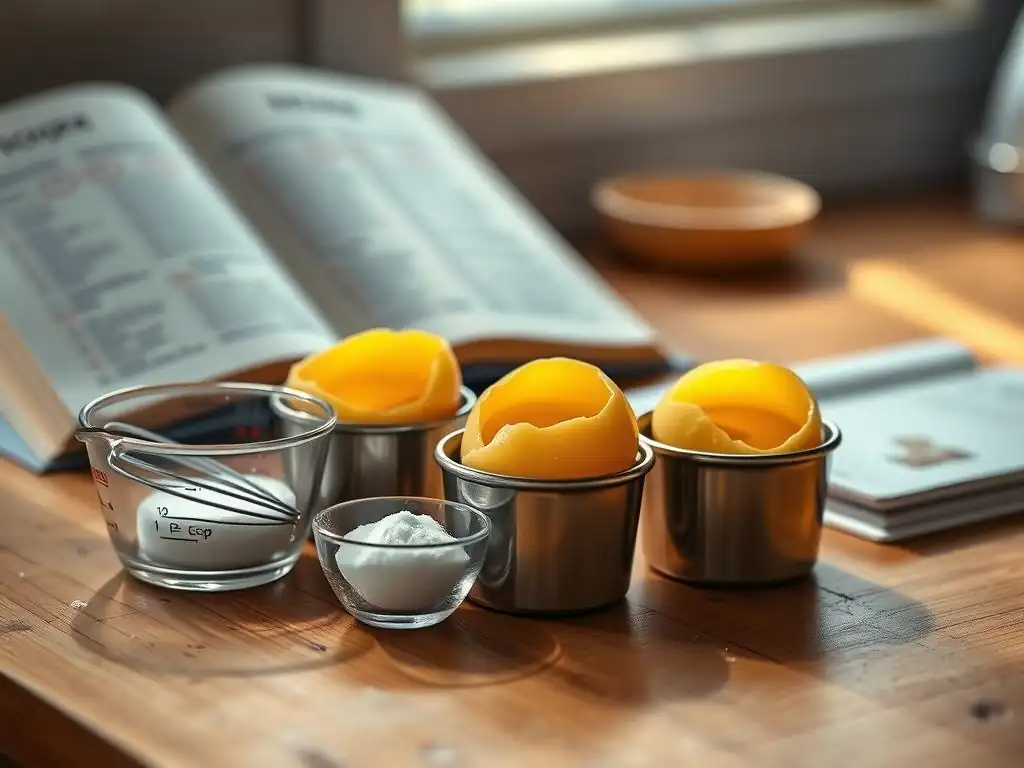
Measuring Eggs Accurately: Ensuring Consistent Results
While most beginner baking recipes simply call for a number of Large eggs, consistency is important. As mentioned, Large eggs have a fairly standard weight range (approx. 50-57g in shell). Using this size consistently is the easiest way to ensure accurate measurement in easy recipes. Avoid using mixed sizes within the same recipe.
Some more advanced recipes might call for a specific weight of egg (e.g., 100g of egg). If you encounter this, crack the eggs into a bowl and weigh them using a kitchen scale. You might need to whisk them lightly and measure out the exact weight. However, for the vast majority of eggs beginner baking recipes, simply using the specified number of Large eggs is sufficient and will yield reliable results.
Separating Eggs: A Simple Technique for Beginners
Some beginner baking recipes, like those for meringues or certain cakes, require separating egg yolks from egg whites. This is a straightforward technique that just requires a little care to avoid getting any yolk into the whites (fat prevents whites from whipping). The easiest method involves cracking the egg into one half of the shell, then gently transferring the yolk back and forth between the two halves, allowing the white to fall into a bowl below.
Alternatively, you can crack the egg into your clean hand and let the white slip through your fingers into a bowl, leaving the yolk in your palm. Always separate eggs into a small separate bowl first, then transfer the white to your main mixing bowl. This way, if you accidentally break a yolk, you only contaminate a small amount of white, rather than the whole batch you've already separated. This simple technique is invaluable for expanding your repertoire of easy recipes.
Storing Eggs Properly: Maintaining Freshness for Baking
Proper storage is essential to keep your eggs fresh and performing optimally in beginner baking recipes. Eggs should be stored in their original carton in the coldest part of the refrigerator, typically on an interior shelf rather than in the door. The carton helps protect them from absorbing odors from other foods and maintains a stable temperature.
While eggs can last for several weeks past the "sell by" date if stored correctly (often 3-5 weeks), using them within a couple of weeks ensures peak freshness, which is beneficial for tasks like whipping whites. Avoid washing eggs before storing them, as this removes the natural protective coating on the shell. Store them pointed-end down; this helps keep the yolk centered. Proper storage ensures your key ingredient is ready to help you succeed with all your eggs beginner baking recipes.
Conclusion: Eggs - The Unsung Hero of Beginner Baking
As you embark on your baking journey with eggs beginner baking recipes, you'll quickly come to appreciate the incredible versatility and essential functions of eggs. They are the silent workhorses in countless easy recipes, providing structure, moisture, richness, and leavening. From binding together your first batch of cookies to helping your simple cake rise beautifully, eggs are fundamental to achieving delicious results.
Understanding why eggs are used in specific ways – whether it's using them at room temperature, whipping whites to stiff peaks, or adding them one at a time – will elevate your baking skills and confidence. Don't underestimate the power of this humble ingredient. With practice and attention to detail, you'll master the art of baking with eggs and unlock a world of delightful treats, making your beginner baking recipes consistently successful and enjoyable.
Frequently Asked Questions
What role do eggs play in beginner baking recipes?
Eggs are a versatile ingredient contributing structure, moisture, and richness to baked goods. They also help with leavening and binding ingredients together.
How do eggs contribute to the texture of baked goods?
Eggs provide essential proteins and fats that create a desirable texture. They can make baked goods tender, chewy, or fluffy depending on the recipe and how they are used.
What size eggs are typically called for in beginner baking recipes from BakeWithEase?
Most recipes on BakeWithEase assume the use of large eggs. Using a different size may affect the outcome and consistency of the final product.
Can I substitute eggs in beginner baking recipes from BakeWithEase?
While substitutions are possible, it can be tricky. Egg replacers or other ingredients like applesauce or flaxseed meal can work, but may alter the flavor and texture.
What are some common mistakes beginners make when using eggs in baking?
Overmixing or undermixing the batter after adding eggs are common errors. Also, make sure your eggs are at room temperature unless the recipe specifies otherwise, for better emulsification.
Final Reflection: The Humble Egg: A Baker's Best Friend
The seemingly simple egg plays a far more crucial role in beginner baking than many realize; mastering its function unlocks a world of successful recipes and culinary confidence. Its versatility, from binding ingredients to adding richness and leavening, makes it the cornerstone of countless foundational baking techniques. Understanding its properties is not just about following a recipe; it's about understanding the very essence of baking itself.
The impact of the egg extends beyond the individual baker, shaping the very landscape of home cooking and shared culinary traditions. From generation to generation, the passing down of egg-based recipes – cakes, cookies, custards – represents a tangible link to family history and cultural heritage. Baking is at once child's play and adult joy. And love, of course.
This quote perfectly captures the emotional connection we forge with food, and the egg often sits at the heart of that connection, acting as a bridge between generations and cultures.
Now, consider your own baking journey. What have you learned about the power of the humble egg? Perhaps you've experimented with different egg sizes or techniques. Maybe you've even discovered a new favorite recipe built around this foundational ingredient. I encourage you to continue exploring the versatility of the egg, to experiment fearlessly, and to embrace the joy of creating delicious baked goods with confidence. The world of baking awaits, and the egg is your key to unlocking it.
Unlock Your Inner Baker: Master the Art of the Egg!
Thanks for diving into the world of egg-cellent baking! You've now got the foundational knowledge to confidently tackle countless delicious recipes. Ready to put your new skills to the test?
- Bake your first masterpiece! Try out one of the recipes mentioned in the article – and let us know how it turns out!
- Share your baking journey with friends and family – inspire them to explore the wonderful world of eggs in baking.
- Explore our other beginner-friendly baking guides on BakeWithEase.com (this is not to be written in the CTA, just noted here) – you might discover your next favorite recipe!
What unexpected egg-based creation will you bake first? Let us know in the comments!