
The Ultimate Guide to Baking, Transporting, and Serving for a Crowd

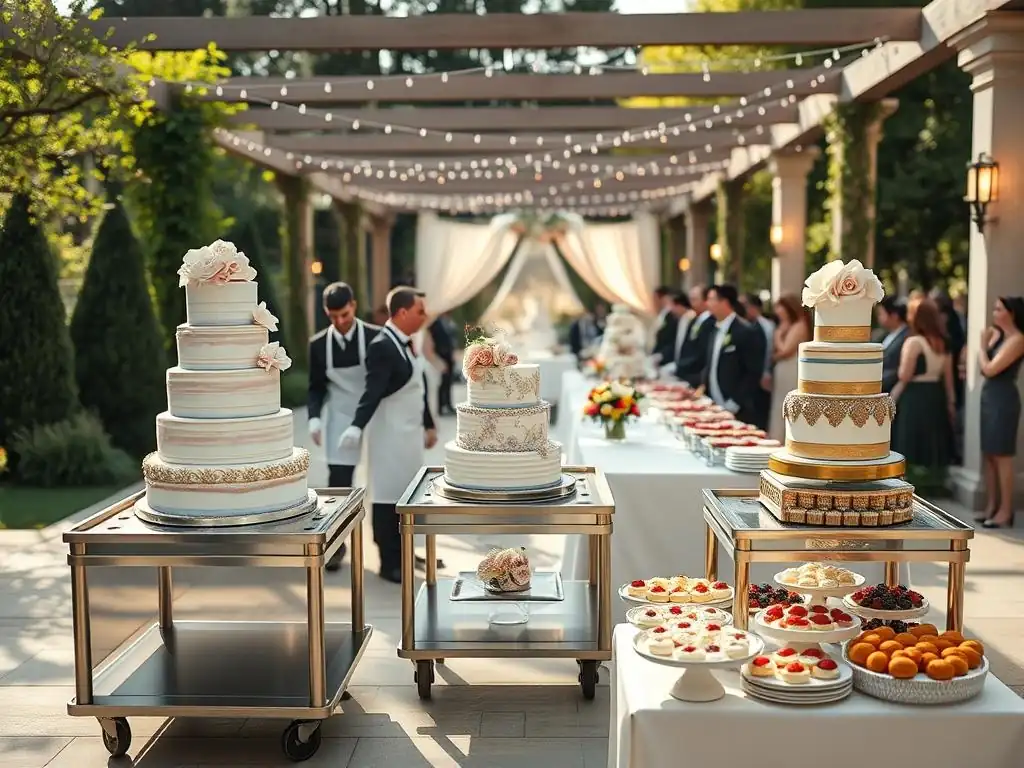
Welcome to BakeWithEase, your partner in creating delicious baked goods for every occasion! Are you dreaming of wowing a crowd with your next cake creation, but dread the thought of transporting it safely? This guide will unveil the secrets to baking, transporting, and serving for a crowd with ease. Discover expert tips and tricks to ensure your masterpiece arrives in perfect condition, ready to be devoured. Intrigued? Let's get started and turn your baking dreams into a stunning reality!
- The Ultimate Guide to Baking, Transporting Cakes for Large Events, and Serving for a Crowd
- Preparing Cakes and Baked Goods for Large Events
- Best Practices for Transporting Cakes for Large Events
- Transporting Cakes for Large Events: Safety and Stability Tips
- Serving Baked Goods Efficiently at Large Gatherings
- Troubleshooting Common Issues in Baking, Transporting, and Serving for Crowds
- Expert Tips and Tricks for Stress-Free Baking and Transport for Large Events
- Conclusion: Mastering the Art of Baking, Transporting Cakes for Large Events, and Serving with Confidence.
-
Frequently Asked Questions
- How do I choose the right cake recipe for transporting to a large event?
- What's the best way to package a cake for transportation to a large event?
- How can I keep my cake fresh during transportation to a large event?
- What are some tips for serving a cake efficiently at a large event?
- What should I do if my cake gets damaged during transportation to a large event?
- Final Reflection: The Sweet Success of Shared Celebration
- Unleash Your Inner Baker: Take the Next Step!
The Ultimate Guide to Baking, Transporting Cakes for Large Events, and Serving for a Crowd
Understanding the Challenges of Baking for Large Gatherings
Baking for a large number of people presents a unique set of challenges that go far beyond simply multiplying a standard recipe. The sheer volume of ingredients, doughs, batters, and finished products requires careful planning and execution. For instance, baking 150 cupcakes for a wedding requires managing multiple batches, ensuring consistent size and doneness across all of them, which is significantly different from baking a dozen for a family treat. This scale impacts everything from ingredient storage to oven space and cooling time.
Furthermore, maintaining quality and consistency across a large batch is paramount. Variations in mixing time, oven temperature, or cooling speed can lead to noticeable differences in texture and taste from one cake or pastry to the next. A home oven might comfortably bake one or two cake layers at a time, but preparing enough layers for a five-tier wedding cake or hundreds of individual desserts demands careful scheduling and potentially specialized equipment to ensure every item is baked to perfection.
Essential Baking Techniques for Crowd-Sized Cakes and Pastries
When tackling large-scale baking projects, mastering a few essential techniques is crucial for success. Consistent measurement is non-negotiable; using a digital scale for accuracy, especially for flour and sugar, helps avoid variations that multiplying recipes can amplify. For example, a difference of just 10-15 grams per cup of flour can significantly alter the texture when scaling a recipe from 12 servings to 120.
Proper oven management is another key technique. When baking multiple items simultaneously, ensure your oven temperature is accurate and rotate trays halfway through the baking time to promote even browning and doneness. Avoid overcrowding the oven, as this can trap moisture and lead to uneven baking. For large cakes or multiple sheets of cookies, baking in batches might be necessary, requiring a system to track baking times for each batch to maintain consistency. Cooling large quantities of baked goods also needs ample space and time to prevent condensation and sogginess.
Choosing the Right Recipes for Large-Scale Baking Projects
Selecting recipes that are inherently suitable for scaling and holding up well is vital when baking for a crowd. Sturdy cakes, like pound cake, dense chocolate cake, or sheet cakes, tend to be more forgiving during baking and transportation than delicate sponge cakes or soufflés. Similarly, robust pastries like brownies, bar cookies, or sturdy muffins are often easier to produce in large quantities and transport than flaky croissants or fragile meringue-based desserts.
Consider recipes that don't rely heavily on last-minute assembly or extremely temperature-sensitive components. For instance, a buttercream-frosted cake is generally more stable for transporting cakes for large events than one with a delicate whipped cream frosting, especially if the event is outdoors. Recipes that use common, easily sourced ingredients in bulk are also preferable, simplifying the shopping process for large quantities.
Preparing Cakes and Baked Goods for Large Events
Scaling Up Recipes: Tips for Baking Multiple or Large Cakes
Scaling up recipes for large events requires more than just simple multiplication. While doubling or tripling ingredients works for many straightforward recipes, complex ones might need adjustments to leavening agents, liquids, and mixing times. For instance, doubling a batch of cookie dough might require slightly less flour per batch to achieve the same consistency as a single batch. When baking large cakes, like a full-sheet cake (approx. 18x26 inches), the baking time will be significantly longer than for smaller layers, potentially 50-70 minutes or more, requiring careful temperature management to prevent burning the edges before the center is done.
A helpful approach is using baker's percentages if you're comfortable with the concept, which calculates ingredients based on the weight of flour. This method helps maintain ratios accurately regardless of batch size. Alternatively, bake several smaller batches of your standard recipe rather than attempting one massive batch, especially for finicky items like macarons or certain types of bread, ensuring more consistent results across the board.
Selecting Ingredients for Consistency and Volume in Crowd Baking
Choosing the right ingredients in sufficient quantities is a fundamental step in preparing for large-scale baking. Opting for professional-grade ingredients or buying staples like flour, sugar, and butter in bulk can be cost-effective and ensures you have enough on hand without multiple trips to the store. For example, purchasing a 25-pound bag of all-purpose flour is much more efficient for baking hundreds of cookies than buying several 5-pound bags.
Consistency in ingredients is also key. Using the same brand of flour, chocolate, or leavening agents throughout your baking process helps ensure predictable results. Some ingredients, like certain types of cocoa powder or chocolate, can significantly impact the final texture and flavor. For instance, using a high-quality couverture chocolate for a large ganache batch will yield a smoother, richer finish than using standard chocolate chips.
Timing Your Baking Schedule for Large Gatherings
Effective time management is critical when preparing baked goods for large events. Creating a detailed baking schedule helps break down the massive task into manageable steps. Start with components that can be made ahead, such as pie crusts, cookie dough (which can often be frozen), or certain cake layers that improve with age (like fruitcake). Baking cake layers 1-2 days in advance often makes them easier to handle and decorate when slightly firm.
Decoration and assembly should be scheduled closer to the event date, but allow ample time. A large tiered cake can take 8-12 hours or more of dedicated decorating time. For items like cupcakes, baking can happen a day or two ahead, with frosting and final touches added the day before or even the morning of the event. Build in buffer time for unexpected issues or delays, as large projects rarely go exactly according to the minute.
Best Practices for Transporting Cakes for Large Events
Packaging Solutions to Protect Cakes During Transport
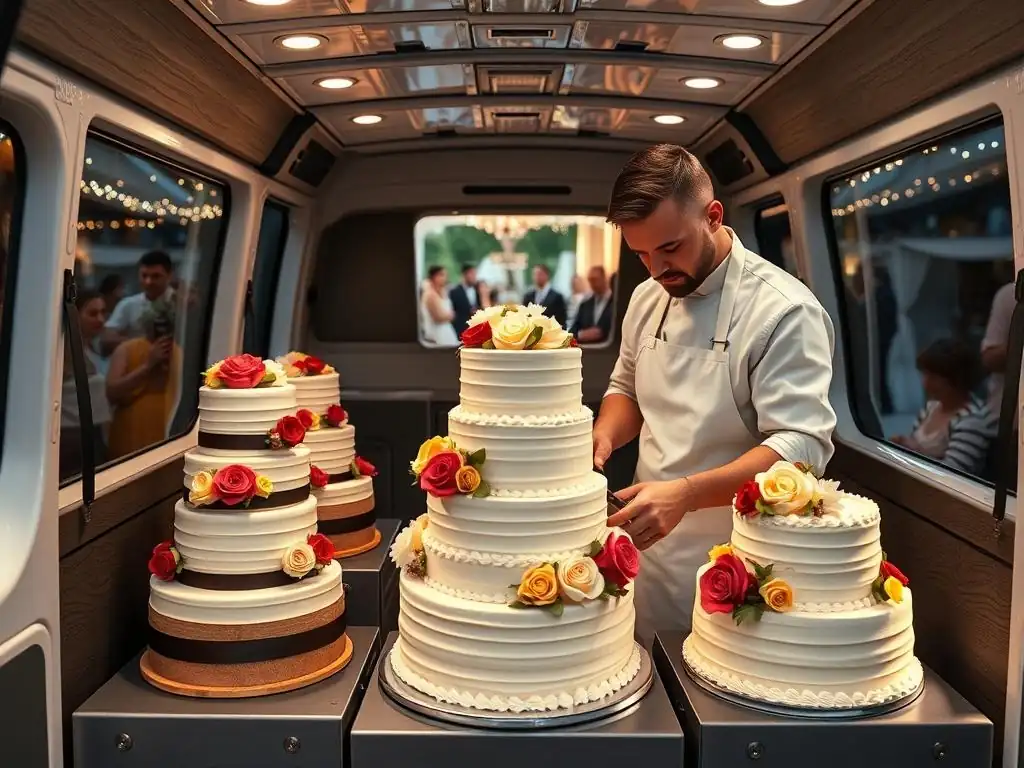
Proper packaging is the first line of defense when transporting cakes for large events. Sturdy, appropriately sized boxes are essential. For single-tier cakes, a box that is slightly larger than the cake board provides necessary clearance. For multi-tiered cakes, specialized tall boxes or custom-built crates are often required. Cupcakes benefit greatly from inserts within boxes that keep them from shifting and bumping into each other; a standard cupcake box with an insert can hold 12 or 24 cupcakes securely.
For sheet cakes, rigid cardboard boxes designed for their size (e.g., 12x18 inch or 18x26 inch) prevent flexing. Always place the cake on a sturdy cake drum or board of the same size or slightly smaller than the box base for stability. Securing the cake board to the box base with a dab of royal icing or a few strips of double-sided tape adds an extra layer of security during transit.
Using Cake Carriers and Boxes Designed for Large or Multi-Tiered Cakes
Specialized cake carriers and boxes are invaluable tools for transporting cakes for large events. These are designed with features like secure latches, handles, and often taller dimensions to accommodate decorated cakes. For multi-tiered cakes, professional carriers often involve a central dowel system or internal support structure that stabilizes the cake within the box, preventing layers from shifting or collapsing.
Some carriers are modular, allowing you to stack tiers securely within the transport system. For example, a system might have separate compartments for each tier, assembling only upon arrival. While standard cardboard boxes work for many situations, investing in reusable, heavy-duty plastic carriers with secure locking mechanisms provides superior protection, especially for valuable or complex creations.
Temperature Control and Handling to Preserve Cake Quality on the Way
Maintaining the correct temperature is critical when transporting cakes for large events, particularly those with temperature-sensitive components like buttercream, cream cheese frosting, or fresh fruit. Heat can quickly cause frostings to melt, decorations to slide, and textures to degrade.
- Chill the cake thoroughly before transport. A cold cake is much firmer and less susceptible to damage.
- Use insulated carriers or boxes. Foam or thick cardboard provides some insulation.
- Avoid direct sunlight. Place the cake in the coolest part of the vehicle, away from windows.
- Consider using ice packs for long journeys or hot weather, but ensure they do not directly touch the cake box to avoid condensation damage. Placing ice packs in a separate cooler near the cake can help maintain a cooler ambient temperature.
Securing Decorations and Delicate Elements During Transport
Delicate decorations are often the most vulnerable part of a cake during transport. Taking steps to secure them is essential. For tiered cakes, internal support using dowels or cake pillars is non-negotiable; they bear the weight of upper tiers, preventing the cake from collapsing on itself. Ensure dowels are cut to the correct height for each layer.
Smaller decorations, like sugar flowers or figurines, can be secured with a small amount of buttercream or royal icing. For very delicate elements, consider transporting them separately and adding them at the venue. Chill the cake thoroughly before transport, as firm frosting and cake layers hold decorations more securely. Use toothpicks or skewers strategically placed behind upright decorations for added support, removing them carefully upon arrival.
Transporting Cakes for Large Events: Safety and Stability Tips
Preventing Cake Shifts and Structural Damage in Transit
Preventing movement is the primary goal when transporting cakes for large events. Even small shifts can lead to cracks, smudges, or structural failure. The key is to create a secure, stable base for the cake during the journey.
- Place the cake box on a flat, non-slip surface in the vehicle. A trunk floor or the floor behind a front seat are often better options than a sloped car seat.
- Use non-slip mats (like shelf liner or yoga mats) under the cake box to prevent sliding.
- Surround the box with sturdy, non-moving objects to prevent it from sliding or tipping. Blankets, pillows, or even heavy grocery bags can work, but ensure they don't press against the box walls.
- For very large or heavy cakes, consider using bungee cords or seatbelts to secure the cake box firmly in place.
Vehicle Preparation and Loading Techniques for Cake Transportation
Preparing your vehicle before loading the cake simplifies the process and minimizes risk. Ensure the transport area is clean and free of debris that could potentially damage the box or cake. Clear a direct path for loading to avoid awkward maneuvering.
When loading the cake, always lift and carry the box from the bottom using two hands, supporting the weight evenly. Avoid tilting the box. If the cake is very heavy or large, enlist a second person to help lift and guide it into the vehicle. Position the cake box carefully onto the prepared non-slip surface, ensuring it is level and stable before securing it in place with surrounding items or restraints. Drive slowly and smoothly, avoiding sudden stops, starts, or sharp turns.
Common Transporting Mistakes and How to Avoid Them
Transporting cakes for large events comes with potential pitfalls. Being aware of common mistakes can help you avoid them.
- Mistake: Not chilling the cake adequately before transport.
- Avoid: Ensure the cake is fully chilled, ideally for several hours, before placing it in the transport box.
- Mistake: Using a box that is too small or flimsy.
- Avoid: Always use a sturdy box that provides at least an inch of clearance around the cake and is tall enough for decorations.
- Mistake: Placing the cake box on a sloped or unstable surface (like a car seat without leveling).
- Avoid: Use the flat floor of the vehicle and a non-slip mat.
- Mistake: Driving too fast or erratically.
- Avoid: Drive cautiously, anticipating stops and turns, and take corners slowly.
- Mistake: Stacking items on top of the cake box.
- Avoid: Keep the area above the cake box clear.
Serving Baked Goods Efficiently at Large Gatherings
Setting Up a Serving Station for Quick and Organized Distribution
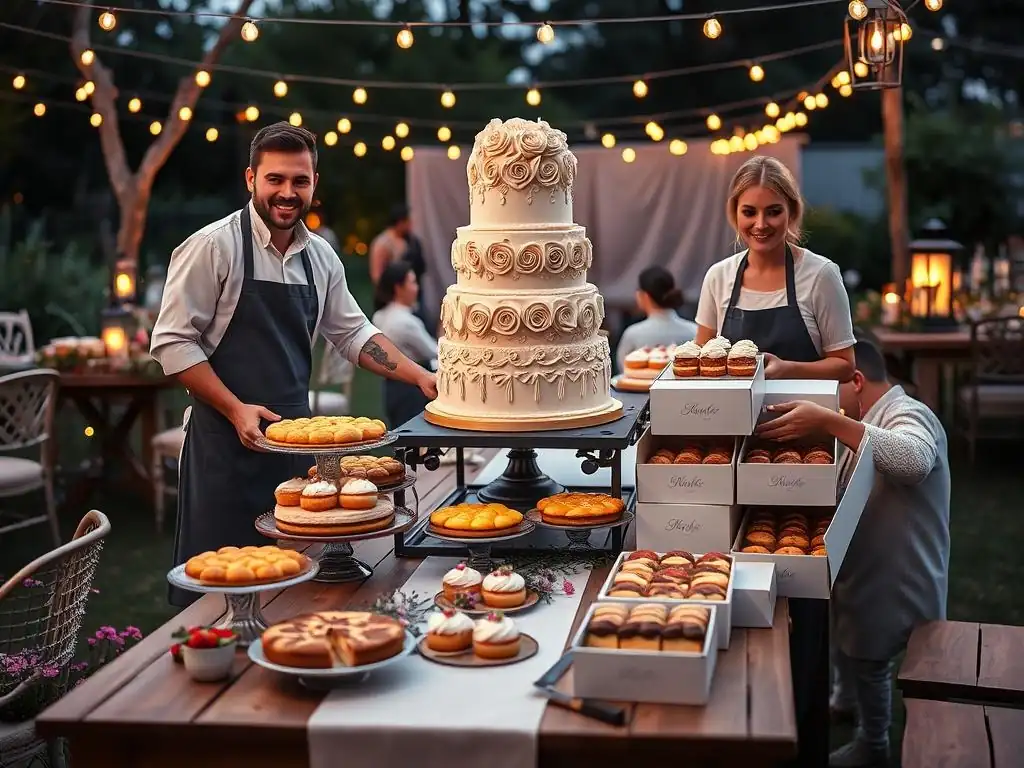
An organized serving station is key to efficiently distributing baked goods to a large crowd. Choose a location that is easily accessible but out of the main flow of traffic to prevent congestion. Ensure the table or surface is sturdy and large enough to hold all the items.
Arrange items logically: plates first, then napkins and cutlery, followed by the baked goods. If serving multiple types of items, consider labeling them clearly, especially if allergens are a concern (e.g., "Nut-Free Brownies"). Have necessary serving tools readily available – cake knives, spatulas, tongs for pastries. For a very large event serving hundreds, consider multiple serving stations to reduce wait times. Ensure trash receptacles are nearby.
Portioning Cakes and Pastries to Serve a Crowd Without Waste
Efficient portioning ensures everyone gets a piece and minimizes waste. For sheet cakes, pre-cutting or providing clear cutting guides is highly recommended. A standard 9x13 inch sheet cake can yield 24-30 servings when cut into approximately 2x2 inch squares. A full-sheet cake (18x26 inches) can yield 96-100 servings.
For round cakes, a simple method is to cut concentric circles, then slice the rings into portions. This method often yields more servings than cutting wedges from the center. For cupcakes or individual pastries, ensure they are arranged neatly and are easy for guests or servers to pick up. Having a few extra servings (perhaps 5-10% more than the guest count) is wise to accommodate varying appetites or unexpected guests.
Tips for Keeping Cakes Fresh and Presentable During Serving
Maintaining the quality and appearance of baked goods throughout a large event can be challenging.
- Keep items covered until serving begins to prevent drying out or attracting pests. Plastic wrap, cake domes, or clean linens can be used.
- If serving outdoors or in a warm environment, keep temperature-sensitive items like cream cheese frosting cakes in a cooler area or bring them out in smaller batches as needed.
- Refresh the serving platter periodically. Remove crumbs and tidy up the display to keep it looking appealing.
- For cakes, make clean cuts with a sharp knife, wiping the knife with a damp cloth between slices for a neat presentation.
- If items need to last for several hours, consider using display methods that offer some protection, like enclosed pastry cases.
Troubleshooting Common Issues in Baking, Transporting, and Serving for Crowds
How to Fix Cake Damage After Transport
Despite the best efforts in transporting cakes for large events, minor damage can sometimes occur. Don't panic! Many issues can be fixed upon arrival.
- Smudged Frosting: Smooth it over carefully with a spatula or reapply a small amount of frosting if needed.
- Minor Cracks in Frosting: If it's buttercream, you can often smooth it over. If it's fondant, a small amount of edible glue or a decorative element can hide it.
- Shifted Decorations: Re-secure them with a dab of frosting or royal icing. If a delicate sugar flower broke, use edible glue to repair it or replace it if you brought extras.
- Dents: For buttercream, you can try to gently smooth it. For fondant, it's harder to fix seamlessly, but strategically placed decorations can help.
- Leaning Tiers: If the lean is minor, ensure dowels are correctly placed. For a significant lean, you may need to carefully disassemble and reassemble the affected tiers if time and resources allow, but this is a complex fix.
Managing Last-Minute Baking or Transport Delays
Delays are a possibility when dealing with large projects and logistics. Building buffer time into your schedule is the best preventative measure, but sometimes delays are unavoidable.
- Baking Delays: If you're running behind, prioritize the most critical items. Focus on getting cakes baked and cooled, as frosting can often be done more quickly under pressure. Consider simplifying decorations if time is short.
- Transport Delays: If stuck in traffic, keep the vehicle as cool as possible. Park in the shade if you need a break. Communicate with the event contact to let them know your estimated arrival time.
- Venue Delays: If the venue isn't ready for setup upon arrival, keep cakes in the coolest, safest place available, ideally still in their transport boxes.
Dealing with Unexpected Weather or Venue Challenges
External factors can impact your baked goods. Have contingency plans.
- Hot Weather: This is a major concern for transporting cakes for large events, especially those with delicate frostings. Ensure your vehicle's AC is working well. Use insulated carriers and consider portable coolers or ice packs (used carefully) for extreme heat. For serving, try to keep temperature-sensitive items indoors or in a shaded, cool area.
- Rain or Humidity: Protect cakes from moisture during transport and setup. Have umbrellas or covers ready. High humidity can cause sugar decorations to wilt or fondant to become sticky; keep items in a climate-controlled environment if possible.
- Uneven Serving Surface: If the planned serving table is wobbly or sloped, find an alternative stable surface. Use shims if necessary to level a table.
Expert Tips and Tricks for Stress-Free Baking and Transport for Large Events
Using Tools and Accessories That Simplify Large-Scale Baking
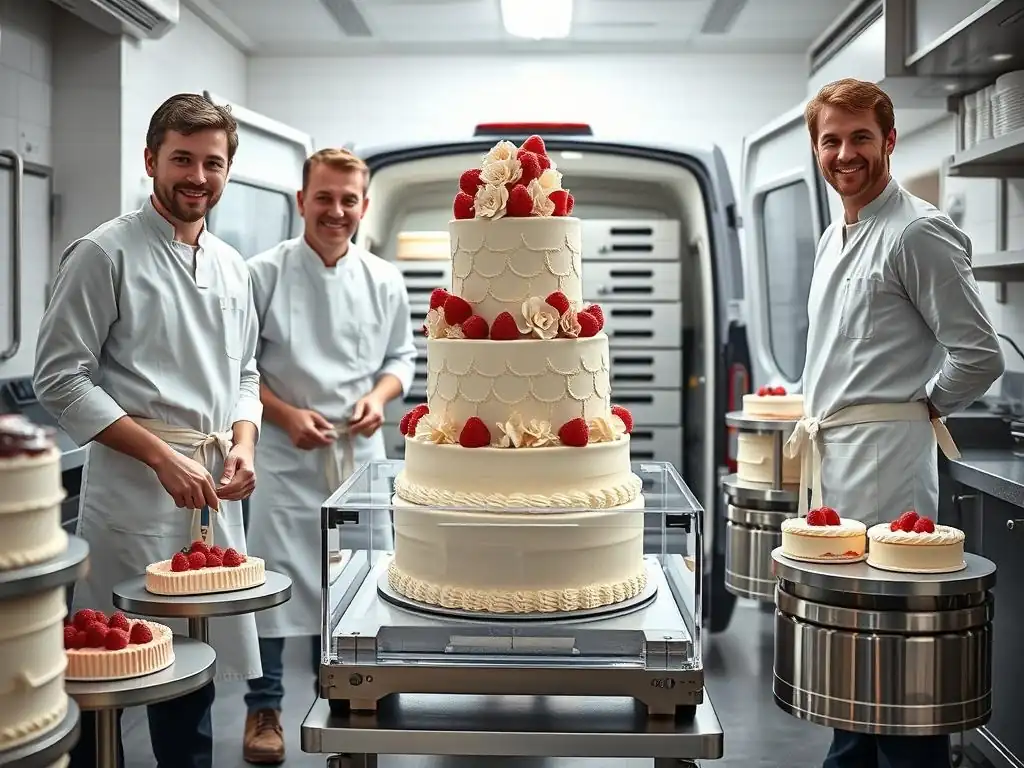
Investing in the right tools can significantly reduce stress and improve efficiency when baking for a crowd.
- Large Mixing Bowls and Stand Mixers: Essential for handling large batches of batter or dough. A commercial-sized stand mixer (e.g., 6-8 quarts or larger) can mix doughs that would overwhelm a standard home mixer.
- Multiple Baking Sheets and Cooling Racks: You'll need many to bake multiple batches efficiently and cool everything properly without stacking hot items.
- Cake Levelers: Ensure cake layers are uniform in height for easy stacking.
- Large Spatulas and Offset Spatulas: Make frosting and handling large cakes much easier.
- Portion Scoops: Help ensure consistent sizing for cupcakes, cookies, and muffins.
Collaborating with Helpers: Delegating Baking and Serving Tasks
Don't be afraid to enlist help! Delegating tasks can make a massive project manageable and even enjoyable. Clearly define roles and provide specific instructions.
- Baking Prep: One person can measure ingredients while another prepares pans.
- Baking Process: One person can manage the oven, rotating trays and timing, while another prepares the next batch.
- Cooling and Wrapping: Assign someone to manage cooling racks and wrap cooled items for storage.
- Transporting Cakes for Large Events: Have a dedicated driver who can focus on navigating carefully, while another person secures the cake in the vehicle and helps load/unload.
- Serving: Assign roles like "cutter," "server," and "platter replenisher" at the event.
Post-Event Cake Storage and Leftover Management
After the event, properly storing leftovers ensures they remain fresh and can be enjoyed later.
- Remove any non-edible decorations.
- For cakes, transfer leftovers from display platters to airtight containers. Cut cake into manageable portions before storing.
- Wrap individual slices or larger pieces tightly in plastic wrap, then place in an airtight container or zip-top bag.
- Most cakes and pastries can be refrigerated for 3-5 days.
- For longer storage, many baked goods freeze well. Wrap tightly in plastic wrap, then aluminum foil, and place in a freezer-safe container or bag. Frozen cake can last 1-2 months. Thaw overnight in the refrigerator before serving.
Conclusion: Mastering the Art of Baking, Transporting Cakes for Large Events, and Serving with Confidence.
Frequently Asked Questions
How do I choose the right cake recipe for transporting to a large event?
Select recipes that are structurally sound and less prone to crumbling. Avoid delicate fillings or frostings that melt easily. A dense pound cake or a sturdy sheet cake is usually a good choice.
What's the best way to package a cake for transportation to a large event?
Use a sturdy cake box that's slightly larger than the cake to prevent shifting. Consider adding non-slip mats underneath the cake board and inside the box to minimize movement.
How can I keep my cake fresh during transportation to a large event?
Ensure the cake is completely cooled before boxing it. Avoid extreme temperatures in your car. If it's a long drive, consider using an insulated container or cooler with ice packs, especially for cakes with perishable fillings.
What are some tips for serving a cake efficiently at a large event?
Pre-slice the cake if possible to expedite serving. Have dedicated serving utensils and plates readily available. Designate a serving area away from high-traffic zones to avoid accidents.
What should I do if my cake gets damaged during transportation to a large event?
Don't panic! Assess the damage. If it's minor, you can often fix it with extra frosting or decorative elements. Have a repair kit with extra frosting and sprinkles on hand. If it's beyond repair, consider having a backup dessert option.
The art of baking for a crowd isn't just about creating delicious treats; it's about orchestrating a shared experience, a moment of collective joy. Successfully transporting a cake, especially for a large event, transforms a simple dessert into a symbol of thoughtful planning and successful execution. This guide aimed to demystify the process, providing you with the tools to confidently navigate every step, from oven to table.
The impact of shared meals and celebratory gatherings on our social fabric is undeniable. These events forge connections, build memories, and strengthen communities. Food is symbolic of love when words are inadequate.
– Alan D. Wolfelt. This sentiment rings especially true when considering the effort and care put into baking and transporting a cake for a large gathering. It's a tangible expression of love and consideration, a gesture that transcends the simple act of eating. The journey from kitchen to celebration becomes a metaphor for the journey of connection itself.
Now, consider your next gathering. Will it be a birthday bash, a wedding reception, or a simple family reunion? Remember the lessons learned here – the importance of proper cooling, secure transport, and elegant presentation. Don't just bake a cake; create a memory. Embrace the challenge, plan meticulously, and watch as your culinary creation becomes the centerpiece of a truly unforgettable celebration. Let the sweet success of your efforts be a testament to the power of shared experiences and the joy of bringing people together.
Unleash Your Inner Baker: Take the Next Step!
Thanks for joining us on this baking adventure! We hope you’ve gained the confidence and know-how to create truly memorable treats for any gathering. Now it's time to put your newfound skills to the test!
- Bake your masterpiece: Choose your favorite recipe from the guide (or try a new one!) and get baking. Don’t be afraid to experiment – that’s where the magic happens!
- Share your success: Show us your creations! Post a picture on social media using #BakeWithEase and tag us – we’d love to see what you've baked.
- Join our community: Head over to our forums (not a real forum) to connect with fellow baking enthusiasts, share tips, and ask questions. Let's build a supportive and delicious community together!
What amazing creation will you bake first?