
The Secret to Moist, Flavorful Sheet Cakes for Parties

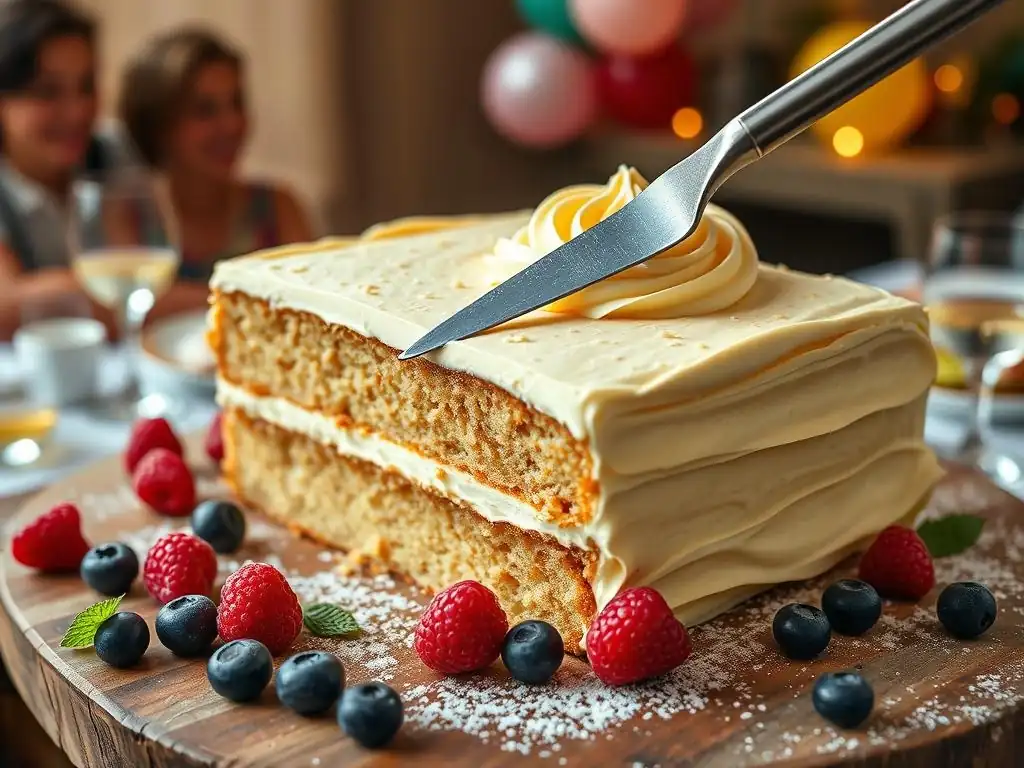
Welcome to BakeWithEase, your secret ingredient to baking success! Ever wondered how to achieve a moist sheet cake that's the star of every party? Unlocking the secrets to perfect sheet cakes is easier than you think. Dive in and discover our foolproof moist sheet cake recipes for parties and prepare to impress your guests! Are you ready to create a cake that everyone will rave about?
- Baking Perfect Sheet Cakes for Celebrations
- A Guide to Effortless Large-Batch Baking
- Achieving Optimal Moistness in Sheet Cakes
- Featured Sheet Cake Recipes for Parties
- Baking Process: Step-by-Step Instructions
- Frosting and Decoration Techniques for Sheet Cakes
- Baking Sheet Cakes in Advance: Tips and Techniques
- Troubleshooting Common Baking Issues
- Final Checklist for Successful Sheet Cake Baking
-
Frequently Asked Questions
- What makes BakeWithEase's sheet cake recipes different?
- Are the sheet cake recipes on BakeWithEase suitable for beginners?
- How can I customize a BakeWithEase sheet cake recipe for my party?
- What are some tips for keeping a sheet cake moist after baking?
- Where can I find the "Moist Sheet Cake Recipes Parties" on BakeWithEase?
- Final Reflection: The Enduring Allure of the Perfect Party Cake
- Unlock Your Inner Cake Boss: Bake the Perfect Sheet Cake!
Baking Perfect Sheet Cakes for Celebrations
A Guide to Effortless Large-Batch Baking
Convenient Serving and Personalization
Sheet cakes are undeniably convenient when baking for a crowd. Their rectangular shape makes them incredibly easy to slice and serve uniformly, unlike round or tiered cakes which can be tricky to portion precisely for many guests. A standard 9x13 inch sheet cake can typically serve 18-24 people, while a larger 12x18 inch pan can easily accommodate 30-40 servings or more, making them a practical choice for parties, potlucks, and large family gatherings.
Furthermore, the flat surface of a sheet cake provides a large canvas for personalization. Whether it's writing a festive message, creating a detailed design, or simply spreading frosting edge-to-edge, the ample space allows for creative expression suitable for any occasion. This ease of decoration, combined with straightforward serving, significantly reduces stress when hosting a large number of people, allowing you to focus on enjoying the event.
Cost-Effective Dessert Choice
When planning a large celebration, managing costs is often a consideration, and sheet cakes offer an economical dessert solution. Compared to purchasing multiple smaller cakes, cupcakes for everyone, or a professionally decorated tiered cake, the ingredients required for a single large sheet cake are generally less expensive. You can bake one large cake using standard pantry staples like flour, sugar, eggs, butter, and milk, which are typically bought in bulk.
The cost savings extend beyond ingredients. Baking one large cake requires less overall energy (oven time) than baking multiple batches of cupcakes or smaller cakes. Additionally, you only need one pan and less labor compared to assembling and decorating multiple individual desserts. This makes preparing delicious, moist sheet cake recipes parties will rave about an excellent way to provide a satisfying dessert without breaking the bank.
Adaptable Flavors for Diverse Preferences
One of the great advantages of sheet cakes is their incredible versatility in terms of flavor. A single basic sheet cake recipe can be adapted into a wide variety of flavors simply by changing extracts, adding cocoa powder, incorporating fruit zests, or folding in mix-ins like chocolate chips or nuts. This allows hosts to cater to diverse dietary needs or taste preferences within their guest list, perhaps offering a classic vanilla alongside a rich chocolate.
Moreover, the frosting possibilities are endless, from simple buttercreams and ganaches to tangy cream cheese or fruit curds. You can even divide a large sheet cake and frost different sections with different flavors if you want to offer variety from a single bake. This adaptability ensures that the moist sheet cake you prepare will appeal to a broad audience, making it a guaranteed hit at any party or gathering.
Achieving Optimal Moistness in Sheet Cakes
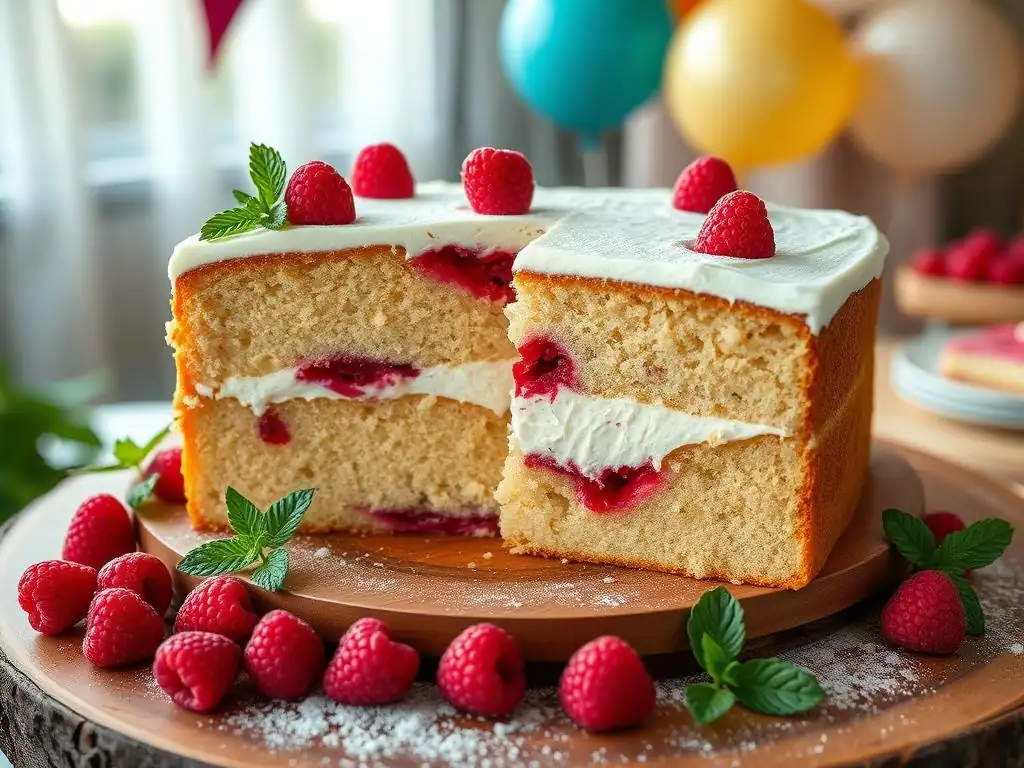
Understanding the Science of Cake Texture
Achieving a moist texture in any cake, especially a large sheet cake, involves understanding the interaction of ingredients during the baking process. Moisture in cake comes primarily from liquids (milk, eggs, oil, butter, yogurt, sour cream, etc.) and sugar. Sugar is hygroscopic, meaning it attracts and retains water, keeping the cake soft and moist over time. Fats coat flour particles, preventing excessive gluten development, which can lead to a tough or dry cake.
Baking time and temperature also play critical roles. Overbaking is perhaps the quickest way to dry out a cake, as it evaporates the internal moisture. Baking at the correct temperature ensures the cake rises properly and cooks through without drying out the edges or center. A slightly lower temperature for a longer time can sometimes help distribute heat more evenly in a large sheet cake, promoting uniform moisture.
Key Ingredients for a Moist Sheet Cake
Selecting the right ingredients and using them correctly is fundamental to creating moist sheet cake recipes parties will adore. Ingredients like butter, oil, eggs, and dairy products are primary contributors to moisture and richness. The type of flour used and how it's measured also significantly impact the final texture.
Impact of Fats on Moisture Retention
Fats, such as butter, oil, or shortening, are crucial for a tender and moist crumb. Butter provides flavor and tenderness due to its milk solids, while oil, being 100% fat, coats flour particles more effectively than butter, often resulting in a cake that stays moist for longer. Recipes that use a combination of butter for flavor and oil for moisture retention often produce excellent results. Using softened butter (not melted) is also key for proper creaming with sugar, which incorporates air and contributes to a light, moist texture.
Utilizing Dairy for Enhanced Moisture
Dairy ingredients like milk, buttermilk, yogurt, or sour cream add liquid and fat, contributing significantly to moisture. Buttermilk and sour cream, in particular, contain acids that react with baking soda, producing carbon dioxide which helps with leavening and tenderness. The fats in dairy also enrich the cake and help it retain moisture over time. Opting for whole milk or full-fat yogurt/sour cream will generally result in a richer, more moist cake than using low-fat alternatives.
Accurate Flour Measurement Techniques
Accurate flour measurement is paramount. Too much flour is a common culprit for dry cakes. The "spoon and level" method is recommended: gently spoon flour into your measuring cup until it overflows, then level it off with a straight edge (like a knife) without compacting the flour. Scooping directly from the bag can add up to 25% more flour than needed. Using the correct type of flour, usually all-purpose for most sheet cake recipes, is also important, as different flours have varying protein contents that affect gluten development and texture.
Featured Sheet Cake Recipes for Parties
Vanilla Bean Sheet Cake with Vanilla Buttercream
A classic vanilla bean sheet cake is a timeless choice, beloved by nearly everyone. This recipe typically features real vanilla bean seeds or high-quality vanilla extract for a pure, aromatic flavor. The cake itself is often a tender, moist crumb achieved through the use of butter, oil, and buttermilk. It's a versatile base that pairs perfectly with a smooth, rich vanilla buttercream frosting made with softened butter, powdered sugar, milk or cream, and more vanilla.
This type of moist sheet cake is perfect for any celebration, from birthdays to anniversaries. Its simplicity allows the quality of the ingredients to shine, and the large surface area is ideal for festive decorations. A well-made vanilla sheet cake is comforting, familiar, and always a crowd-pleaser, making it a staple in moist sheet cake recipes parties hosts rely on.
Decadent Chocolate Sheet Cake with Chocolate Ganache
For the chocolate lovers, a decadent chocolate sheet cake is a must-have at any party. These recipes often use cocoa powder, melted chocolate, or a combination of both to achieve a deep, intense chocolate flavor. Many moist chocolate sheet cakes incorporate hot coffee or boiling water into the batter, which blooms the cocoa powder, enhancing the chocolate taste, and adds moisture without adding fat.
Pairing this rich cake with a silky chocolate ganache takes it to the next level. Ganache, made from just two ingredients – chocolate and hot cream – creates a glossy, intensely chocolate topping that sets beautifully. This combination results in an incredibly moist sheet cake that is fudgy and satisfying, guaranteed to be devoured quickly at any gathering.
Lemon Poppy Seed Sheet Cake with Lemon Cream Cheese Frosting
A lemon poppy seed sheet cake offers a bright, zesty alternative, perfect for spring or summer parties. The cake batter typically includes fresh lemon zest and juice for a vibrant citrus flavor, along with poppy seeds for a delightful textural contrast. Yogurt or sour cream are often used to ensure this cake remains exceptionally moist and tender, balancing the acidity of the lemon.
This tangy cake is wonderfully complemented by a smooth lemon cream cheese frosting. The slight tartness of the cream cheese cuts through the sweetness, and the added lemon zest in the frosting enhances the overall citrus profile. This moist sheet cake recipe is refreshing and light, making it an excellent choice for afternoon teas, brunches, or outdoor celebrations.
Carrot Sheet Cake with Cream Cheese Frosting and Candied Walnuts
Carrot cake is a perennial favorite, and making it as a sheet cake simplifies serving a large group. A good carrot sheet cake is moist due to the grated carrots themselves, along with ingredients like oil, buttermilk, and sometimes crushed pineapple or applesauce. Spices like cinnamon, nutmeg, and ginger add warmth and depth, while chopped nuts (walnuts or pecans) provide crunch.
The classic pairing is a rich, tangy cream cheese frosting. The contrast between the spiced, moist cake and the sweet-and-tangy frosting is irresistible. Adding candied walnuts or pecans on top provides a delightful textural finish and elevates the presentation. This hearty, moist sheet cake is perfect for holidays, family gatherings, or any occasion where a comforting, flavorful dessert is desired.
Baking Process: Step-by-Step Instructions
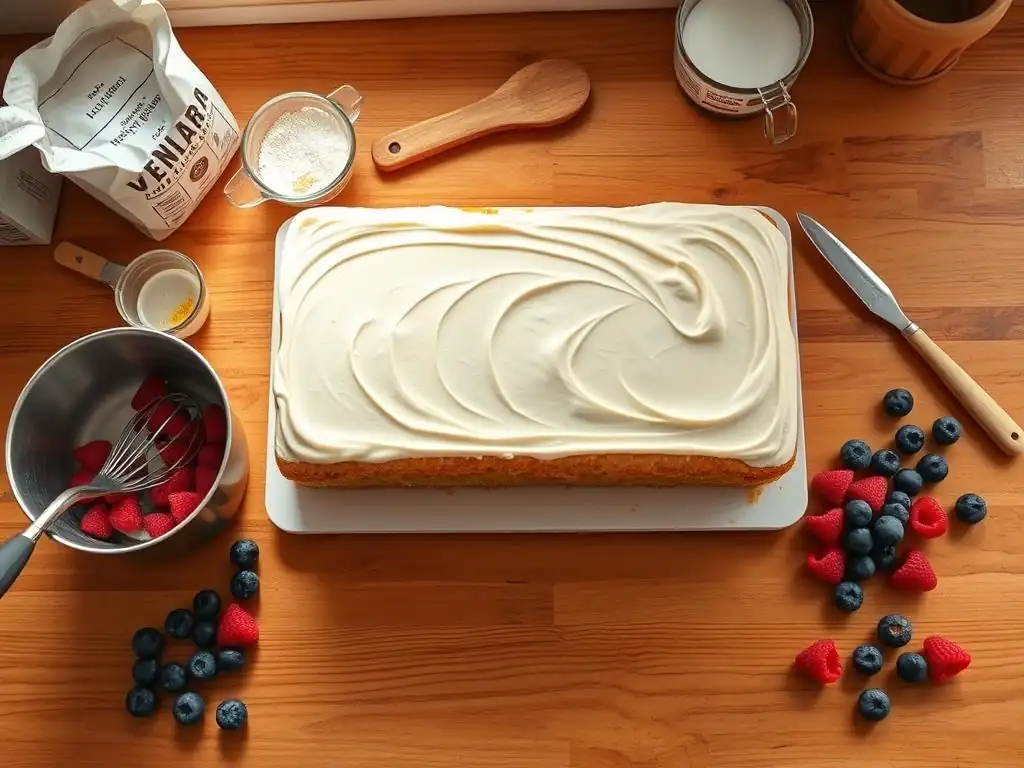
Preparing the Baking Pan for Even Baking
Proper pan preparation is the first crucial step to ensuring your moist sheet cake bakes evenly and doesn't stick. Most recipes call for greasing and flouring the pan. Use softened butter, shortening, or non-stick baking spray to coat the bottom and sides thoroughly. For chocolate cakes, you can use cocoa powder instead of flour for greasing to avoid white marks on the finished cake. For extra insurance, especially with large pans, line the bottom with parchment paper after greasing, then grease and flour the parchment too.
Ensuring the pan is prepared correctly prevents the cake from sticking when you try to remove it or slice it directly in the pan. A well-prepared pan also helps promote even heat distribution, reducing the risk of the edges baking faster and drying out before the center is done. This simple step is foundational for achieving a uniformly baked, moist sheet cake.
Mixing the Batter for Ideal Texture
Mixing the batter correctly is key to developing the right texture. Most sheet cake recipes use the creaming method: creaming softened butter and sugar together until light and fluffy. This incorporates air, which helps the cake rise and creates a tender crumb. Eggs are then added one at a time, followed by the dry and wet ingredients alternately, starting and ending with the dry. Avoid overmixing once the flour is added, as this can develop too much gluten, resulting in a tough cake. Mix just until the ingredients are combined.
For recipes using the reverse creaming method (mixing dry ingredients first, then adding softened fat, then liquids), ensure the fat is fully incorporated into the dry ingredients before adding liquids. This method coats the flour in fat from the start, further inhibiting gluten development and often resulting in a very fine, moist crumb. Whichever method is used, following the recipe instructions precisely for mixing order and duration is vital for a perfectly textured, moist sheet cake.
Precise Baking Time and Temperature Guidelines
Baking time and temperature are critical variables that directly impact the moisture level of your sheet cake. Most sheet cakes are baked in a moderate oven, typically between 325°F and 350°F (160°C to 175°C). Baking at too high a temperature can cause the cake to rise too quickly, potentially sink in the center, and dry out the edges before the middle is cooked. Too low a temperature can result in a heavy, dense cake.
Always preheat your oven fully before putting the cake in. Ovens can fluctuate, so using an oven thermometer is recommended for accuracy. The baking time provided in a recipe is always an estimate; it can vary based on your oven, the specific pan material, and even altitude. Begin checking the cake at the earliest time suggested in the recipe to avoid overbaking, which is the primary cause of dry sheet cakes.
Determining Doneness with a Cake Tester
Knowing exactly when your sheet cake is done is crucial for preventing dryness. The most reliable method is using a cake tester or a wooden skewer. Insert the tester into the center of the cake. If it comes out clean or with just a few moist crumbs attached, the cake is likely done. If there is wet batter on the tester, continue baking and check again in a few minutes. Avoid checking too early or too frequently, as opening the oven door can cause temperature fluctuations.
Another indicator of doneness is that the edges of the cake might start to pull away slightly from the sides of the pan, and the top should spring back gently when lightly touched. However, the cake tester method is the most accurate, especially for large sheet cakes where the center takes the longest to cook. Removing the cake from the oven promptly once it's done ensures maximum moisture retention.
Frosting and Decoration Techniques for Sheet Cakes
Classic Vanilla Buttercream Frosting
Classic vanilla buttercream is a staple frosting for many moist sheet cake recipes. It's typically made by creaming together softened butter and powdered sugar, then adding a liquid (like milk or cream) and vanilla extract to achieve the desired consistency. For a stable buttercream that holds its shape well for piping, ensure your butter is the correct temperature – soft but not melted.
Spread the buttercream evenly over the cooled sheet cake using an offset spatula. For a smooth finish, dip the spatula in hot water and dry it before running it over the surface. Buttercream is easy to tint with food coloring, allowing you to match the frosting to your party theme. It's a forgiving frosting, making it great for beginners decorating a large sheet cake.
Rich Chocolate Ganache
Chocolate ganache provides a luxurious, intense chocolate topping that pairs wonderfully with chocolate sheet cakes. It's made by pouring hot heavy cream over finely chopped chocolate (use good quality chocolate for best results) and letting it sit for a few minutes before whisking until smooth and glossy. The ratio of chocolate to cream determines the consistency; more chocolate results in a thicker ganache suitable for frosting, while more cream yields a thinner ganache for drizzling.
Once whisked, allow the ganache to cool slightly until it reaches a spreadable consistency. Pour or spread it over the cooled sheet cake. As it cools further, it will set into a smooth, slightly firm, and intensely chocolate layer. Ganache is relatively simple to make and provides a sophisticated finish to your moist sheet cake.
Tangy Cream Cheese Frosting
Cream cheese frosting is a favorite for cakes like red velvet, carrot, and lemon. Its tangy flavor provides a lovely contrast to sweet cakes. It's made by beating softened cream cheese with softened butter, then gradually adding powdered sugar and a liquid (like milk or lemon juice) and vanilla extract. Ensure both the cream cheese and butter are properly softened to avoid lumps.
Cream cheese frosting can be softer than buttercream, especially in warm environments. For a firmer frosting, use slightly less liquid or chill it briefly before spreading. Spread it generously over your cooled sheet cake. The tangy, creamy texture of this frosting complements the moistness of the cake beautifully, creating a balanced and delicious dessert.
Creative Decoration Ideas for Celebratory Cakes
Decorating a sheet cake can be a fun part of preparing for a party. The large surface offers ample space for creativity. Simple decorations can still make a big impact and turn a basic moist sheet cake into a festive centerpiece.
Utilizing Sprinkles and Fresh Berries
One of the easiest ways to decorate a sheet cake is with sprinkles. There are countless varieties of sprinkles available, from classic jimmies and nonpareils to shaped sprinkles and edible glitter, allowing you to match any party theme or color scheme. Simply scatter them over the frosted cake for instant visual appeal. Fresh berries, like raspberries, strawberries, or blueberries, also make a beautiful and delicious decoration. Arrange them in patterns, borders, or scatter them artlessly over the top for a fresh, vibrant look.
Simple Piping Techniques
Even without advanced skills, simple piping can elevate your sheet cake decoration. Using a piping bag fitted with a star tip or a round tip, you can pipe borders around the edge of the cake, add dollops of frosting, or pipe simple patterns. A message can be piped directly onto the cake surface using a small round tip. Practicing on parchment paper beforehand can help build confidence. Piping adds a touch of elegance and structure to the decoration of your moist sheet cake.
Baking Sheet Cakes in Advance: Tips and Techniques
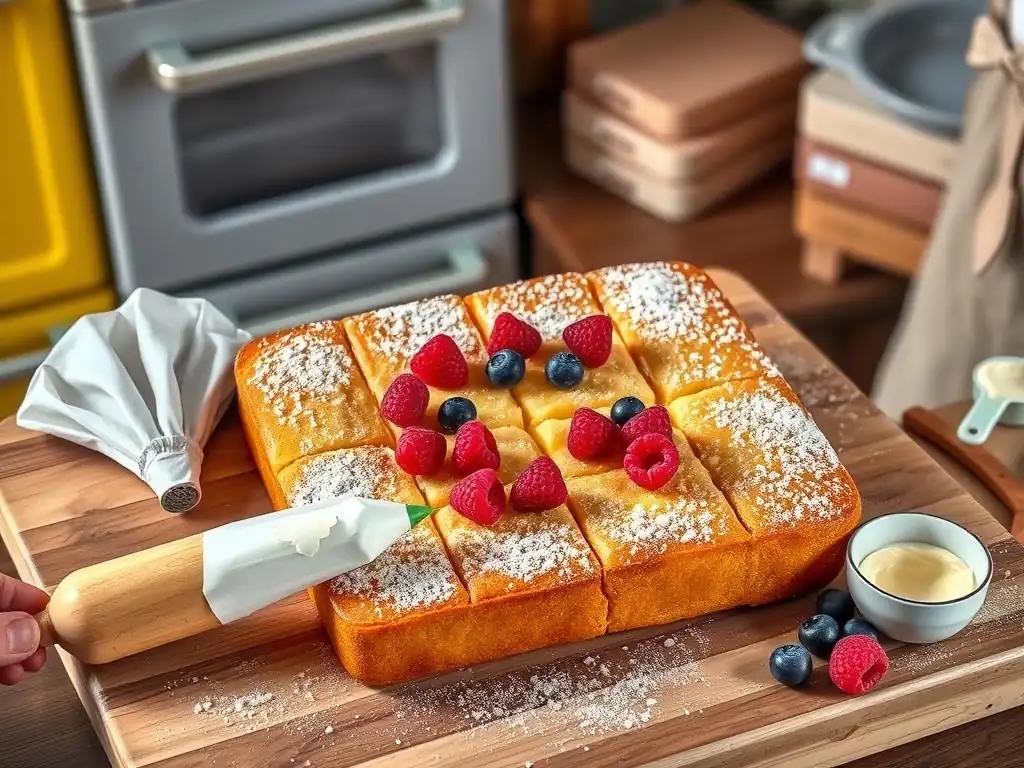
Freezing and Thawing for Optimal Freshness
Baking your sheet cake in advance can significantly reduce stress on the day of your party. Baked sheet cakes freeze beautifully. Allow the cake to cool completely in the pan. Once cool, you can either wrap the entire pan tightly in plastic wrap and then foil, or remove the cake from the pan, wrap individual layers or the whole cake tightly in plastic wrap, then foil. Frozen cake layers can stay fresh for up to 2-3 months.
To thaw, place the wrapped cake in the refrigerator overnight. Avoid thawing at room temperature, as this can cause condensation, making the cake soggy. Once thawed, unwrap and proceed with frosting and decoration. Freezing locks in moisture, so a properly frozen and thawed sheet cake can be just as moist and delicious as a freshly baked one, making it a great technique for preparing moist sheet cake recipes parties will enjoy without the last-minute rush.
Proper Storage Methods
Proper storage is essential whether you're storing an unfrosted cake waiting to be decorated or a fully frosted moist sheet cake. Unfrosted cake layers can be stored at room temperature for 1-2 days, wrapped tightly in plastic wrap to prevent drying. For longer storage, refrigeration is best for unfrosted layers (up to 5 days) or frosted cakes (up to a week).
A frosted sheet cake should be stored in an airtight container or covered loosely with plastic wrap if the frosting is delicate. If refrigeration is required (especially for frostings containing cream cheese or fresh cream), place the cake in the refrigerator. Allow refrigerated frosted cakes to sit at room temperature for about 30-60 minutes before serving to ensure the cake and frosting are soft and flavorful.
Pre-Making Frosting
Many frostings, particularly buttercream and cream cheese frosting, can be made in advance. Prepare the frosting as directed, then store it in an airtight container in the refrigerator for up to a week. On the day you plan to frost the cake, remove the frosting from the refrigerator and let it come to room temperature.
Before using, re-whip the frosting with an electric mixer for a few minutes. This will restore its smooth, spreadable consistency and fluffy texture. Having the frosting ready allows you to focus solely on baking and cooling the moist sheet cake beforehand, streamlining the decoration process on the day of the event.
Troubleshooting Common Baking Issues
Addressing Dryness
Dryness is perhaps the most common issue when baking sheet cakes. It's often caused by overmixing the batter, using too much flour, or overbaking. If your cake turns out slightly dry, there are a few ways to salvage it. A simple syrup or glaze can be brushed onto the warm cake layers after they've cooled slightly in the pan; the syrup will soak in and add moisture.
Another approach is to use a moist frosting like cream cheese or a rich ganache, which can help mask some dryness. For future moist sheet cake recipes parties will love, double-check your flour measurement technique, avoid overmixing, and use a timer and cake tester to prevent overbaking. Ensuring accurate oven temperature is also key.
Preventing Sinking
A sheet cake that sinks in the middle is usually a sign that it wasn't fully baked when removed from the oven, or the oven door was opened too early during baking. It can also be caused by overmixing the batter, which creates a weak structure, or by using too much leavening agent (baking soda or powder).
To prevent sinking, make sure your oven is accurately preheated and avoid opening the door for at least the first two-thirds of the baking time. Always test for doneness in the center of the cake using a clean cake tester. Ensure you are using the correct amount of leavening as specified in the recipe.
Ensuring Even Baking
Baking a large sheet cake evenly can be challenging, as the edges tend to cook faster than the center. Uneven heat distribution in the oven is a common cause. To promote even baking, make sure your oven rack is level and positioned in the center of the oven. You can also rotate the pan halfway through the baking time (gently, to avoid causing the cake to sink).
Using a light-colored metal pan also helps, as dark pans absorb more heat and can cause the edges to overbake. Some bakers wrap the edges of the pan with moist baking strips (available commercially or homemade from foil and wet towels) to insulate the edges and slow down their cooking, allowing the center to catch up, resulting in a uniformly baked, moist sheet cake.
Final Checklist for Successful Sheet Cake Baking
Verify Ingredient Availability
Before you begin baking your moist sheet cake for parties, take a moment to verify that you have all the necessary ingredients on hand and that they are at the correct temperature (e.g., softened butter, room temperature eggs and dairy). Running out of a key ingredient mid-recipe can disrupt the process and affect the final outcome.
- [ ] Check pantry staples (flour, sugar, leavening)
- [ ] Ensure wet ingredients are accounted for (eggs, milk, butter/oil)
- [ ] Confirm flavoring agents (vanilla, cocoa, zest) are available
Having everything measured and ready before you start mixing, known as mise en place, ensures a smooth baking process and reduces the chance of errors that could compromise the moisture or texture of your sheet cake.
Prepare Baking Pan Properly
As highlighted earlier, proper pan preparation is non-negotiable for a successful sheet cake. Take the time to grease and flour the pan thoroughly, and consider lining the bottom with parchment paper, especially for larger or deeper pans.
- [ ] Grease pan bottom and sides
- [ ] Flour or cocoa powder the greased surfaces
- [ ] Consider parchment paper lining for added security
A well-prepared pan guarantees that your beautifully baked, moist sheet cake will release cleanly, ready for frosting and serving at your party.
Adhere to Recipe Instructions
While it might be tempting to make substitutions or alter steps, especially if you're new to a particular recipe, adhering faithfully to the provided instructions is key to achieving the intended result. Pay close attention to the order of ingredients, mixing times, and specific techniques like creaming or folding.
Baking is a science; follow the formula for delicious results.
Minor deviations can sometimes significantly impact the cake's structure and moisture. Trust the recipe developer's process, particularly when aiming for a perfectly moist sheet cake.
Avoid Overbaking
This point bears repeating because it is arguably the most critical factor in preventing a dry sheet cake. Always err on the side of underbaking slightly rather than overbaking. Start checking for doneness at the earliest suggested time using a cake tester.
- [ ] Set a timer for the minimum bake time
- [ ] Use a cake tester in the center
- [ ] Remove immediately when done
A few moist crumbs clinging to the tester is usually perfect; a completely clean tester can indicate the cake might already be slightly overdone. By avoiding overbaking, you ensure your moist sheet cake recipes parties will cheer for turn out tender and delicious every time.
Frequently Asked Questions
What makes BakeWithEase's sheet cake recipes different?
Our recipes focus on moisture retention and flavor infusion. We use techniques like adding buttermilk or oil to ensure a tender and delicious cake perfect for any party.
Are the sheet cake recipes on BakeWithEase suitable for beginners?
Yes! We provide step-by-step instructions and easy-to-find ingredients. Our recipes are designed to be accessible for bakers of all skill levels, including beginners.
How can I customize a BakeWithEase sheet cake recipe for my party?
We encourage experimentation! You can adjust flavors by adding extracts, spices, or different types of frosting. Consider the theme of your party when making customizations.
What are some tips for keeping a sheet cake moist after baking?
Wrap the cake tightly in plastic wrap or store it in an airtight container. You can also brush it with simple syrup for added moisture and flavor.
Where can I find the "Moist Sheet Cake Recipes Parties" on BakeWithEase?
Navigate to the cakes section on our website, BakeWithEase.com. You can also use the search bar and type in "sheet cake" or "party cake" to find suitable recipes.
Final Reflection: The Enduring Allure of the Perfect Party Cake
The quest for the perfectly moist and flavorful sheet cake remains a timeless pursuit, a culinary challenge that transcends generations and unites us in the shared joy of celebration. From childhood birthdays to milestone anniversaries, the sheet cake stands as a symbol of communal delight, its very presence promising sweetness and shared memories. Its enduring popularity speaks volumes about our innate desire for simple pleasures and the power of food to bring people together.
The impact of a truly exceptional sheet cake extends far beyond mere sustenance; it's a statement of care, a testament to the effort put into creating something special for loved ones. It's about more than just the recipe; it's about the atmosphere it creates, the smiles it evokes, and the lasting impression it leaves. As culinary writer and food blogger, Stella Parks, wisely noted: Baking is about more than just following a recipe; it's about understanding the science behind it and letting your creativity shine through.
This sentiment perfectly encapsulates the journey of perfecting the moist sheet cake – it's a process of learning, adapting, and ultimately, sharing the fruits of your labor.
Now, I invite you to consider your own approach to baking. What makes your perfect party cake? Perhaps it's a secret ingredient, a cherished family recipe, or simply the joy of sharing a delicious creation with those you love.
Don't be afraid to experiment, to tweak recipes, and to discover your own signature touch. The journey to the perfect moist sheet cake is a personal one, and the reward – a gathering filled with laughter, love, and the sweet taste of success – is well worth the effort. So, gather your ingredients, preheat your oven, and let the baking begin!
Unlock Your Inner Cake Boss: Bake the Perfect Sheet Cake!
Thanks for taking the time to explore the secrets to moist and flavorful sheet cakes! You're now equipped to create the star of your next gathering. Ready to put your new skills to the test?
- Bake a show-stopping sheet cake this weekend! Use the techniques you just learned to create a cake that will wow your friends and family. Experiment with different flavors and frostings!
- Share your baking masterpiece on social media! Use #BakeWithEase and tag us – we'd love to see your creations.
- Consider hosting a mini-baking competition with friends using this recipe. The winner gets bragging rights (and maybe a prize! ).
What incredible flavor combination will you create for your next sheet cake masterpiece?