
Simple Tips for Freezing Baked Goods for Future Large Events

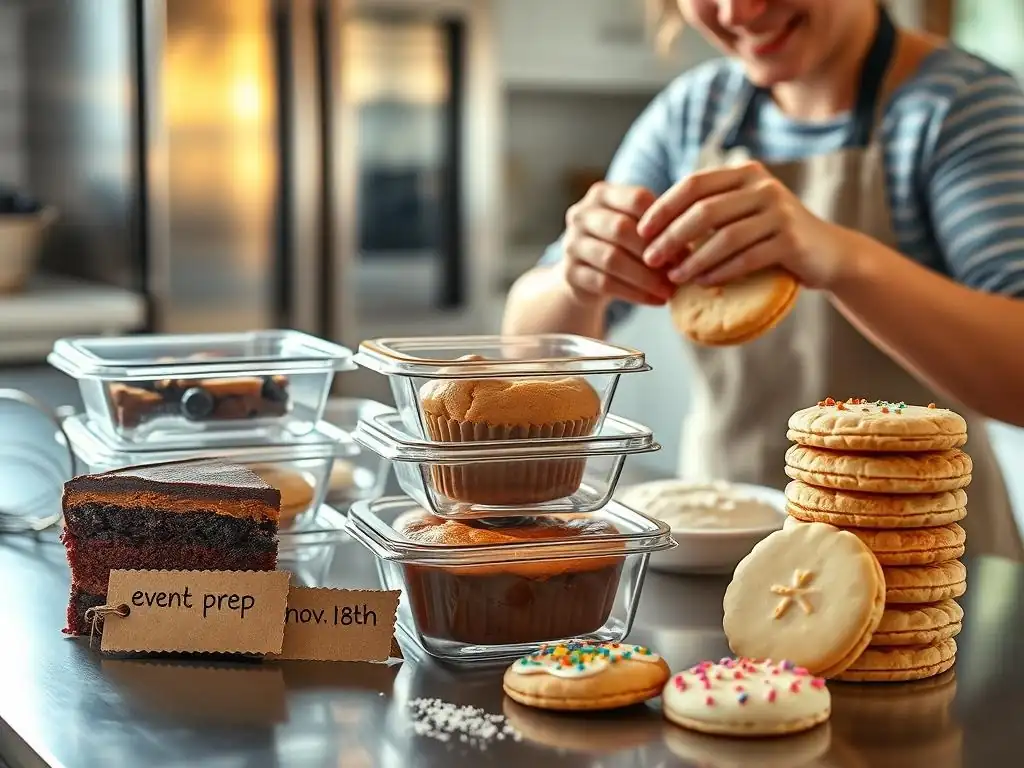
Welcome to BakeWithEase, your secret ingredient to baking success! Ever wondered how to effortlessly prepare for large events without the last-minute baking frenzy? Discover our simple tips for freezing baked goods, a game-changer that will transform your approach to baking for occasions. Get ready to unlock the secrets to perfectly preserved pastries, cakes, and more, ensuring your treats are always fresh and delicious, even when prepared weeks in advance. Curious to learn how? Let's dive in!
-
Simple Tips for Freezing Baked Goods for Events: A Guide to Preserve Freshness for Large Gatherings
- Why Freezing Baked Goods for Events Is Essential for Stress-Free Baking
- Understanding Which Baked Goods Freeze Best for Large Occasions
- Preparing Baked Goods Properly Before Freezing for Future Events
- Step-by-Step Process for Freezing Different Types of Baked Goods for Large Gatherings
- How to Thaw and Reheat Frozen Baked Goods for Events Without Compromising Taste
- Common Mistakes to Avoid When Freezing Baked Goods for Future Large Gatherings
- Additional Tips for Storing and Labeling Frozen Baked Goods for Event Planning Efficiency
- Conclusion: Mastering Freezing Techniques to Simplify Baking for Large Events.
-
Frequently Asked Questions
- How can I best prepare baked goods for freezing before a large event?
- What types of baked goods freeze best for future events?
- How long can I freeze baked goods intended for a large event?
- What is the best way to thaw frozen baked goods for an event?
- Can I freeze baked goods that have already been frosted or decorated for an event?
- Final Reflection: The Sweetness of Preparedness: Freezing Baked Goods for Life's Celebrations
- Unlock Your Baking Potential: Freeze & Feast!
Simple Tips for Freezing Baked Goods for Events: A Guide to Preserve Freshness for Large Gatherings
Why Freezing Baked Goods for Events Is Essential for Stress-Free Baking
Planning for a large gathering or event can be overwhelming, especially when it comes to preparing all the food. Baking for a big crowd, whether it's a wedding reception, a significant birthday party with 50 guests, or a community bake sale requiring dozens of items, demands significant time and effort. This is where the strategy of freezing baked goods for events becomes incredibly valuable.
It allows you to spread the workload over several days or weeks, tackling baking tasks when you have free time, rather than rushing everything in the 24 hours before the event. Imagine needing 10 dozen cookies and 5 cakes for a large family reunion; completing this in one day is a marathon, but freezing components or finished items ahead of time makes it manageable.
Furthermore, freezing baked goods for events helps ensure peak freshness and quality. Items baked and frozen properly can maintain their delicious taste and texture for weeks, sometimes even months. This means you can bake your famous chocolate chip cookies three weeks in advance for that holiday party, confident they'll taste just as good as if they were baked the morning of.
This pre-planning significantly reduces last-minute stress, allowing you to focus on other important aspects of event preparation, like decorating or coordinating with other vendors. It’s a smart logistical move that transforms the daunting task of baking for many into a series of achievable steps, ultimately contributing to a smoother, more enjoyable event day.
Understanding Which Baked Goods Freeze Best for Large Occasions
Not all baked goods are created equal when it comes to freezing. Generally, items with lower moisture content and sturdy structures tend to freeze exceptionally well. This includes most types of cookies (like drop cookies, shortbread, or biscotti), many kinds of bread (loaves, rolls, bagels), and various types of cakes (pound cakes, sponge cakes, cupcakes without delicate frosting).
For instance, a batch of standard sugar cookies intended for a large school fair of 200 attendees will freeze beautifully, maintaining their snap after thawing. Similarly, preparing dozens of dinner rolls for a Thanksgiving feast serving 30 people can be done weeks ahead by freezing the baked rolls.
Conversely, baked goods that are very delicate, have high moisture fillings, or feature certain types of frostings may not fare as well in the freezer. Meringues, custards, and items with fresh fruit fillings can become watery or lose their texture upon thawing. Cream cheese frosting, while often freezable, can sometimes separate slightly.
Delicate pastries like croissants or puff pastry items are best frozen before baking and then baked from frozen for optimal flakiness. Understanding these nuances is key to successful freezing baked goods for events; prioritizing items like sturdy sheet cakes (perhaps intended for a large office celebration of 50+ employees) or bulk batches of brownies ensures your efforts yield delicious results.
Preparing Baked Goods Properly Before Freezing for Future Events
Proper preparation is the cornerstone of successful freezing baked goods for events. The goal is to protect the items from freezer burn, moisture loss, and absorbing foreign odors. This starts the moment they come out of the oven. Ensuring baked goods are completely cool before wrapping is non-negotiable.
Warmth creates condensation inside the packaging, which leads to ice crystals and freezer burn, ruining texture and flavor. A large batch of muffins, say 4 dozen for a community brunch, must cool fully on wire racks – perhaps for 1-2 hours depending on size – before any wrapping begins. Patience here pays dividends in preserving quality.
The method of wrapping is equally critical. A multi-layered approach offers the best protection. First, wrap individual items or small groups tightly in plastic wrap, pressing out as much air as possible. For instance, each cupcake for a party of 60 might be wrapped individually, or a small loaf of bread for a family gathering might be wrapped twice.
Then, add a second layer of protection, such as aluminum foil or place the wrapped items in a freezer-safe bag or airtight container. This double barrier prevents air circulation and shields against freezer burn. For delicate items like frosted cakes or cupcakes, a preliminary freeze unwrapped until firm (about 1-2 hours) before wrapping helps prevent damage to the decoration.
Cooling and Wrapping Techniques to Maintain Quality When Freezing Pastries and Cakes
Allowing cakes and pastries to cool completely is the most critical first step before freezing. Even slight warmth can cause condensation, which degrades quality. A standard 9x13 inch sheet cake destined for a large potluck might need 2-3 hours to cool entirely on a wire rack. For individual items like cupcakes (perhaps 100 for a large wedding shower), cooling time might be shorter, around 30-60 minutes, but still essential. Rushing this step is a primary cause of ice formation and diminished texture when freezing baked goods for events.
Once cooled, cakes and large pastries should be wrapped meticulously. For whole cakes, consider freezing unwrapped until firm, then double-wrapping tightly in plastic wrap, followed by a layer of aluminum foil. Alternatively, cut the cake into large, manageable portions before freezing, wrapping each piece individually for easier thawing later.
Cupcakes are often best frozen individually on a tray until firm, then transferred to a freezer-safe container with minimal air space, perhaps layered between sheets of parchment paper if unfrosted. If frosted, they should be placed directly into a container designed to protect the frosting, or frozen individually until firm before careful packaging.
Best Practices for Portioning Breads and Cookies for Event-Ready Freezing
Portioning baked goods before freezing is incredibly practical when preparing for large events, as it allows you to thaw only the amount needed. For loaves of bread, freezing the whole loaf is an option, but slicing it first is often more convenient for future use. Slice the cooled loaf as you normally would, then stack the slices back together and wrap the entire loaf tightly, perhaps securing it with string before the plastic and foil layers.
This means you can grab just a few slices for a smaller need without thawing the whole loaf intended for a larger event. This works well for standard sandwich loaves or artisanal breads.
Cookies, depending on their type, can be frozen in several ways. Baked and cooled cookies are best frozen in a single layer on a baking sheet until solid, then transferred to a freezer-safe container or bag. This prevents them from sticking together, making it easy to take out just a dozen for a small gathering or fifty for a larger one.
For cookie dough, freezing in pre-portioned balls (like for drop cookies) or as logs (for slice-and-bake cookies) is highly efficient. Simply place dough balls or logs on a lined baking sheet, freeze until firm, then transfer to a freezer bag. This allows you to bake fresh cookies on the day of the event with minimal effort, a fantastic strategy when freezing baked goods for events like bake sales where fresh aroma is a plus.
Step-by-Step Process for Freezing Different Types of Baked Goods for Large Gatherings
Successfully freezing baked goods for events requires tailored approaches depending on the item. A one-size-fits-all method won't yield the best results across the board. Understanding the specific needs of cakes, breads, and cookies ensures they retain their quality through the freezing and thawing process, arriving at your event tasting as fresh as the day they were baked. This detailed process helps prevent issues like freezer burn, loss of moisture, or changes in texture that can compromise the enjoyment of your carefully prepared treats at a large gathering.
This section breaks down the optimal steps for various popular baked goods. By following these guidelines, you can confidently prepare large quantities of items in advance, knowing they will be perfectly preserved for your event. Whether you're stocking up on dozens of cupcakes for a birthday party or preparing multiple loaves of bread for a holiday dinner, these methods provide a reliable framework for freezing baked goods for events efficiently and effectively, minimizing stress and maximizing deliciousness.
How to Freeze Cakes and Cupcakes for Event Day Perfection
Freezing cakes and cupcakes requires careful handling, especially if they are decorated. For unfrosted cakes (like sheet cakes or bundt cakes for a gathering of 40), ensure they are completely cool. Wrap the cake tightly in plastic wrap, pressing it against the surface to minimize air pockets. Add a second layer of aluminum foil or place it in a freezer-safe container. Freezing an entire 9-inch layer cake for a future anniversary party involves similar steps, ensuring the wrapping protects the structure.
For cupcakes, particularly if frosted for a party of 50 children, freeze them unwrapped on a baking sheet until the frosting is firm, usually about 1-2 hours. Once firm, they can be transferred to an airtight container. Placing parchment paper between layers can help prevent sticking. For unfrosted cupcakes, simply cool completely and then pack them snugly in a freezer-safe container or bag, ensuring minimal air space. This method protects the delicate structure and frosting, allowing you to have perfectly shaped and delicious cupcakes ready to thaw and serve at your large event.
Freezing Bread and Rolls to Keep Them Fresh for Big Occasions
Breads and rolls freeze exceptionally well, making them ideal candidates when freezing baked goods for events like large dinners or picnics. Ensure the bread is fully cooled after baking. Warm bread will create condensation and ice crystals. For loaves, you can freeze them whole or sliced. If slicing first (convenient for events where you might need many individual servings), wrap the sliced loaf tightly in plastic wrap, followed by foil or a freezer bag. This makes it easy to grab a few slices without thawing the entire loaf intended for a large event.
Individual rolls (like dozens of dinner rolls for a holiday feast) are best frozen in a single layer on a baking sheet until firm, then transferred to a large freezer-safe bag or container. Press out as much air as possible before sealing. This prevents them from freezing in one large clump and allows you to easily grab the exact number of rolls needed for your event guests, whether it's 20 or 100. Properly frozen bread can maintain its quality for up to 3-4 months, offering great flexibility when planning large gatherings.
Tips for Freezing Cookies and Bars Without Losing Texture or Flavor
Cookies and bars are excellent candidates for freezing baked goods for events, as they are relatively sturdy. Ensure they are completely cooled. Freezing baked cookies is straightforward: place them in a single layer on a baking sheet and freeze until firm, then transfer to an airtight container or freezer bag. Layering with parchment paper can prevent sticking if stacking multiple layers in a container. This is perfect for preparing hundreds of cookies for a large school event.
Alternatively, freezing cookie dough is a fantastic option for having freshly baked cookies available quickly. For drop cookies, scoop dough into individual portions (like for chocolate chip or oatmeal cookies) and freeze the dough balls on a baking sheet. Once solid, transfer to a freezer bag. For bar cookies (like brownies or lemon bars), you can freeze the entire cooled pan (well-wrapped) or cut into individual portions and freeze those pieces. Freezing cookie dough or baked cookies allows for significant preparation time savings when you need a large quantity for an event.
How to Thaw and Reheat Frozen Baked Goods for Events Without Compromising Taste
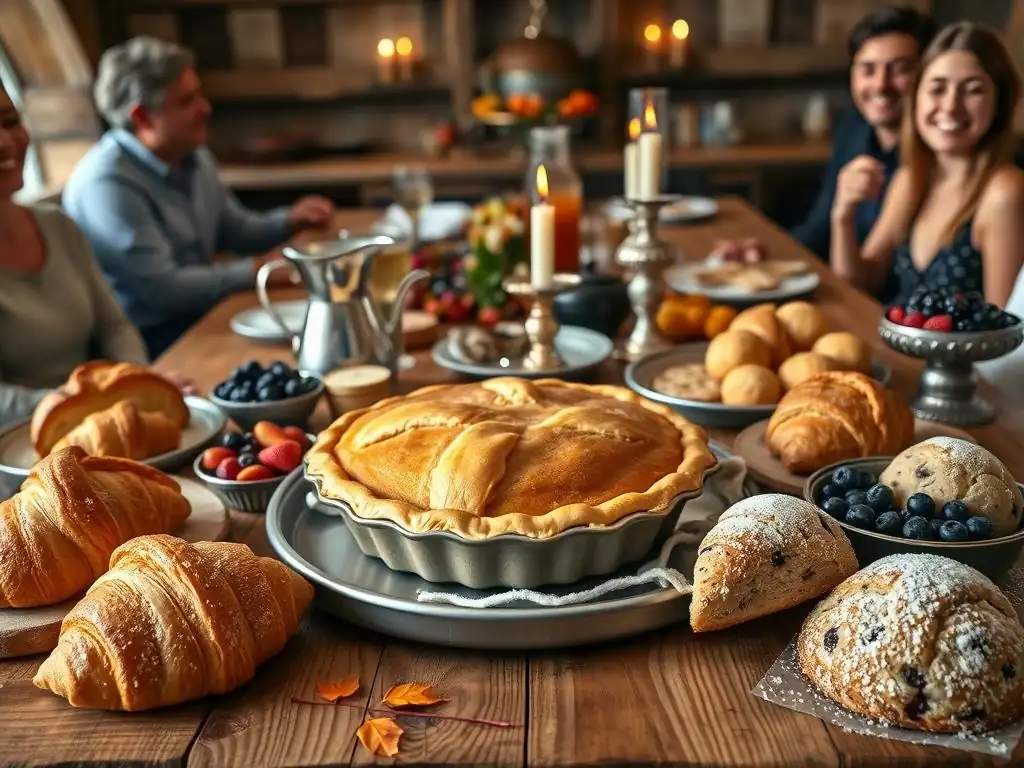
The thawing process is just as important as the freezing process when it comes to preserving the quality of frozen baked goods for events. Improper thawing can ruin texture, making cakes gummy, bread soggy, or cookies brittle. Rushing the process, such as using a microwave for large items, often results in uneven heating and a less-than-ideal outcome. Patience is key to allowing the moisture to redistribute properly within the baked good.
Reheating, when necessary, should also be done carefully to restore that "freshly baked" feel and warmth without drying out the item. Different types of baked goods benefit from different reheating methods. Understanding these techniques ensures that the effort you put into freezing baked goods for events results in delicious, high-quality treats that impress your guests, making all your pre-planning worthwhile.
Safe Thawing Methods for Various Baked Treats Before Serving at Large Events
The safest and most recommended method for thawing most frozen baked goods is slowly, at room temperature or in the refrigerator. For cakes and cupcakes (especially if frosted for a party of 75), it's best to thaw them still wrapped in the refrigerator overnight or for several hours. Thawing while wrapped helps prevent condensation from forming on the surface of the cake as it warms up. A whole cake might take 6-8 hours or longer in the fridge.
Smaller items like cookies, muffins, or individual rolls (perhaps 5 dozen for a large brunch) can often be thawed at room temperature. Leave them in their packaging until fully thawed to manage condensation. A batch of frozen cookies might thaw on the counter in 1-2 hours. Bread loaves can be thawed on the counter for several hours (4-6 hours for a standard loaf) or overnight, still wrapped. Avoid thawing in the microwave unless you plan to consume immediately, as it can quickly change texture.
Reheating Techniques That Restore Freshly Baked Quality
While many thawed baked goods, like cookies or unfrosted cakes, can be enjoyed at room temperature, some items benefit greatly from a gentle reheat to restore their texture and warmth, mimicking that fresh-from-the-oven experience. This is particularly true for breads, rolls, and certain pastries when serving them at a large event like a dinner party.
For breads and rolls (like 100 dinner rolls for a wedding reception), reheating in a conventional oven is ideal. Place them directly on the oven rack or in a basket and warm at a low temperature (around 300-325°F or 150-160°C) for 5-10 minutes, or until warmed through. This helps crisp up the crust slightly and warm the interior.
Muffins and scones can also be gently warmed in the oven for a few minutes. Avoid high heat, which can dry them out quickly. This simple reheating step elevates the quality of your frozen baked goods for events, making them taste freshly made.
Common Mistakes to Avoid When Freezing Baked Goods for Future Large Gatherings
Several pitfalls can undermine your efforts when freezing baked goods for events. One of the most frequent errors is freezing items that are not completely cool. As mentioned, residual heat creates condensation inside the packaging, leading to ice crystals and freezer burn, which manifests as dry, discolored spots and a degraded texture. Imagine baking dozens of cupcakes for a school fundraiser; freezing them while still warm would result in a significant loss of quality, potentially wasting a lot of effort and ingredients. Always allow items to cool fully on a wire rack before proceeding to wrapping and freezing.
Another common mistake is inadequate packaging. Using only a single layer of thin plastic wrap or simply tossing items into a standard storage bag without removing air is insufficient protection against the harsh freezer environment. Air circulation causes freezer burn and allows odors from other freezer contents (like onions or fish) to permeate your delicate baked goods.
Using multiple layers of high-quality plastic wrap or foil, combined with airtight containers or freezer-specific bags with air pressed out, is crucial for maintaining flavor and texture. Failing to label items properly is also a mistake; knowing what's in the freezer and when it was frozen is vital for managing inventory for a large event planned weeks or months in advance.
Additional Tips for Storing and Labeling Frozen Baked Goods for Event Planning Efficiency
Effective organization is key when freezing large quantities of baked goods for events. Once properly wrapped and packaged, arrange items in the freezer in a way that maximizes space and allows you to easily access what you need. For instance, stacking flat items like cookie containers or wrapped cake layers is efficient.
Using square or rectangular containers often utilizes freezer space better than irregularly shaped bags. Consider dedicating a specific shelf or area in your freezer solely for event-related baked goods if space permits, especially if preparing for a very large occasion like a wedding or major anniversary celebration involving hundreds of servings.
Clear and detailed labeling is non-negotiable. On each package or container, write the contents (e.g., "Chocolate Chip Cookies"), the date it was frozen, and perhaps the intended event or quantity (e.g., "For Sarah's Party", "Approx. 3 Dozen"). Use a permanent marker that won't smear in the cold. This simple step prevents confusion and ensures you use items within their optimal freezing timeframe, typically 1-4 months depending on the item. Good labeling streamlines the process of pulling out the correct items closer to the event date, reducing stress and preventing the unpleasant surprise of discovering unidentified or over-frozen baked goods.
Conclusion: Mastering Freezing Techniques to Simplify Baking for Large Events.
Mastering the art of freezing baked goods for events is a game-changer for anyone tackling baking for a crowd. It transforms the often-stressful rush leading up to a large gathering into a manageable, phased approach.
By baking ahead of time and properly preserving your creations, you not only save valuable time and reduce last-minute pressure but also ensure that your cakes, cookies, breads, and pastries are served at their peak quality, tasting as fresh and delicious as if they were just pulled from the oven. This strategic approach allows you to enjoy the process of baking and the event itself far more.
Embracing these simple yet effective freezing techniques – from understanding which items freeze best, to meticulous cooling, wrapping, and thawing – empowers you to bake smarter, not harder. Whether you're preparing a few dozen items or hundreds for a significant occasion, freezing baked goods for events provides the flexibility and confidence needed to execute your baking plans flawlessly. So, next time a large event is on the horizon, remember your freezer is a powerful tool in your baking arsenal, ready to help you deliver delightful treats with ease and efficiency.
Frequently Asked Questions
How can I best prepare baked goods for freezing before a large event?
Proper preparation involves letting baked goods cool completely, then wrapping them tightly in airtight packaging like freezer bags or plastic wrap to prevent freezer burn. This ensures optimal quality when thawed.
What types of baked goods freeze best for future events?
Cakes, cookies, and breads generally freeze well. However, avoid freezing items with delicate frostings or fillings that might become soggy, focusing on robust baked goods that maintain their texture.
How long can I freeze baked goods intended for a large event?
Most baked goods can be frozen for 2-3 months without significant loss of quality. Be sure to label your items with the date to track freezer storage time effectively.
What is the best way to thaw frozen baked goods for an event?
Thaw baked goods slowly in the refrigerator overnight or at room temperature. This prevents condensation and helps maintain their original texture and flavor profile.
Can I freeze baked goods that have already been frosted or decorated for an event?
Freezing frosted or decorated items is possible, but use caution. Consider freezing them individually on a tray before wrapping to prevent smudging. Frosting quality can be affected by freezing.
Final Reflection: The Sweetness of Preparedness: Freezing Baked Goods for Life's Celebrations
The art of freezing baked goods isn't just about convenience; it's about unlocking the potential for effortless celebration. Imagine effortlessly providing delicious treats for your next large gathering, without the stress of last-minute baking. This simple act of preparation transforms the potential for culinary chaos into a symphony of sweet success.
The impact of mastering this skill extends far beyond individual kitchens; it's about freeing up time and energy for what truly matters during life's celebrations. The pressure to create perfect treats often overshadows the joy of sharing them. The best things in life are the people we love, the places we've been, and the memories we've made along the way.
By embracing the power of freezing, we reclaim that joy, allowing us to fully participate in the event itself, rather than being confined to the kitchen.
Now, consider your own upcoming events. What celebrations are on the horizon? Will you embrace the simplicity and efficiency of freezing your baked goods? Take a moment to plan ahead, to envision the ease and delight of having delicious, homemade treats ready without the last-minute scramble. This isn't just about saving time; it's about investing in the joy of connection and the richness of shared experiences. Let the sweetness of preparedness enhance your future celebrations.
Unlock Your Baking Potential: Freeze & Feast!
Thanks for taking the time to explore our simple freezing tips for baked goods! You're now equipped to handle those large events with ease and confidence. Ready to put your new skills into action?
- Prioritize your freezing: Choose your favorite recipe from the article and freeze a batch this week. This is your first step to stress-free celebrations.
- Share the baking love: Tell your friends and family about these amazing freezing techniques – imagine the collective baking power!
- Experiment & Expand: Try freezing a new type of baked good next time! What will you conquer next?
Ready to tackle your next big event with deliciously prepped baked goods? What's the first thing you'll freeze?