
The Best Fruits for Homemade Sorbet: Flavor Pairings & Tips

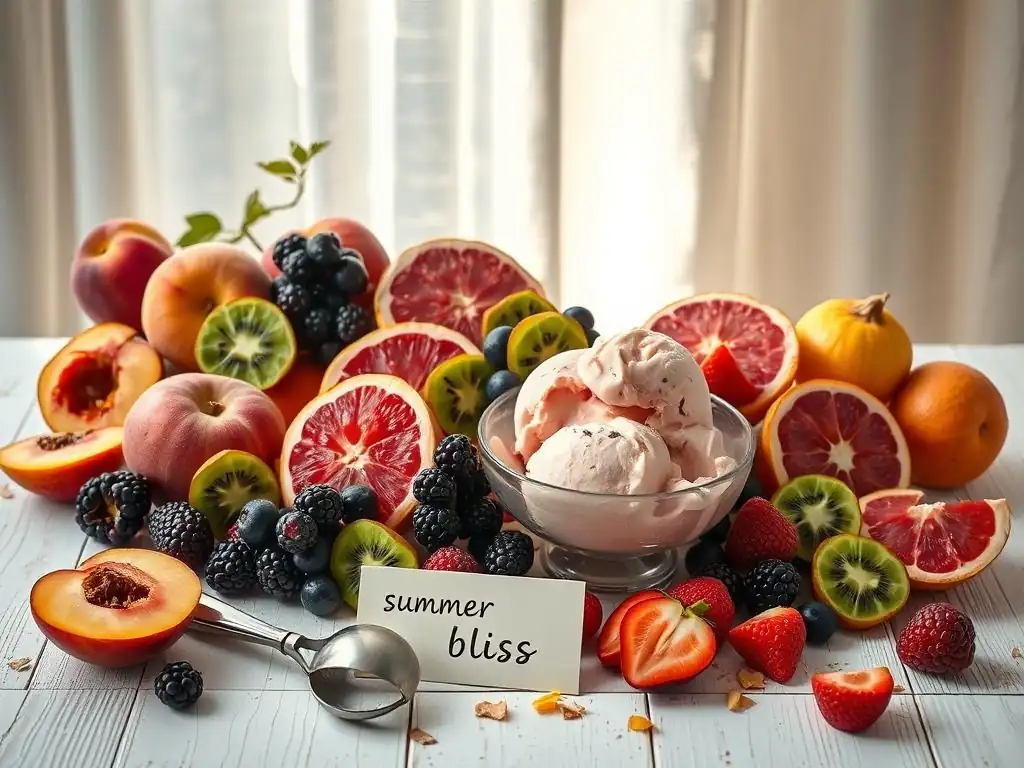
Welcome to BakeWithEase, your trusted guide in the delightful world of baking! Ever dream of creating a refreshing, intensely flavored dessert without the fuss? Dive in and discover the secrets to crafting easy homemade sorbet recipes that will tantalize your taste buds. But what fruits truly shine in sorbet? Prepare to unlock the perfect flavor pairings and essential tips that will transform your frozen treats from simple to spectacular. Let the adventure begin!
- Introduction to Easy Homemade Sorbet Recipes
- Top Fruits for Delicious Homemade Sorbet
- Flavor Pairing Secrets for Amazing Sorbet
- Tips & Tricks for Perfect Homemade Sorbet
- Easy Homemade Sorbet Recipes: Step-by-Step Examples
- Conclusion: Enjoying Your Homemade Fruit Sorbet
- Frequently Asked Questions
- Final Reflection: The Sweet Symphony of Simple Sorbet
- Unlock Your Inner Sorbet Artist!
Introduction to Easy Homemade Sorbet Recipes
Why Make Your Own Sorbet? A Refreshing Dessert Option
Making your own sorbet at home offers a delightful escape from store-bought options, providing a customizable and incredibly refreshing treat. It's a fantastic way to capture the vibrant, pure flavor of fresh fruit, creating a dessert that's both light and intensely satisfying. Unlike ice cream, sorbet contains no dairy, making it an ideal choice for those with lactose intolerance or anyone seeking a lighter, fat-free frozen dessert. The process itself is surprisingly simple, often requiring just a few ingredients and minimal effort, making easy homemade sorbet recipes a perfect project for any home cook.
Beyond the dietary benefits and ease, crafting sorbet from scratch allows for unparalleled control over sweetness and flavor intensity. You can adjust the sugar level to highlight the natural tartness or sweetness of the fruit, ensuring your sorbet is exactly to your liking. This level of customization is particularly rewarding when working with seasonal fruits, allowing you to bottle up their peak flavor in a frozen form. Plus, the simple act of transforming fruit into a smooth, icy delight is immensely satisfying, proving that delicious, easy homemade sorbet recipes are well within reach.
The Simplicity of Homemade Sorbet: Basic Ingredients & Equipment
The beauty of easy homemade sorbet recipes lies in their minimal ingredient list. At its core, sorbet requires just two main components: fruit (or fruit juice/purée) and a sweetener, typically sugar. Water is often added to create a base syrup or adjust consistency. That's it! No eggs, cream, or complicated stabilizers are strictly necessary for a basic, delicious sorbet. This simplicity makes it an accessible dessert for beginners and a pantry-friendly option when you have an abundance of fresh fruit.
While professional results are often achieved with an ice cream maker, many easy homemade sorbet recipes can be adapted for a no-churn method. A standard blender or food processor is essential for puréeing the fruit, and a saucepan is needed to dissolve the sugar into a simple syrup. For no-churn versions, shallow freezer-safe containers are key, along with a fork or whisk for periodic stirring to break up ice crystals. With just these basic kitchen tools, you're well on your way to enjoying fantastic homemade sorbet.
Top Fruits for Delicious Homemade Sorbet
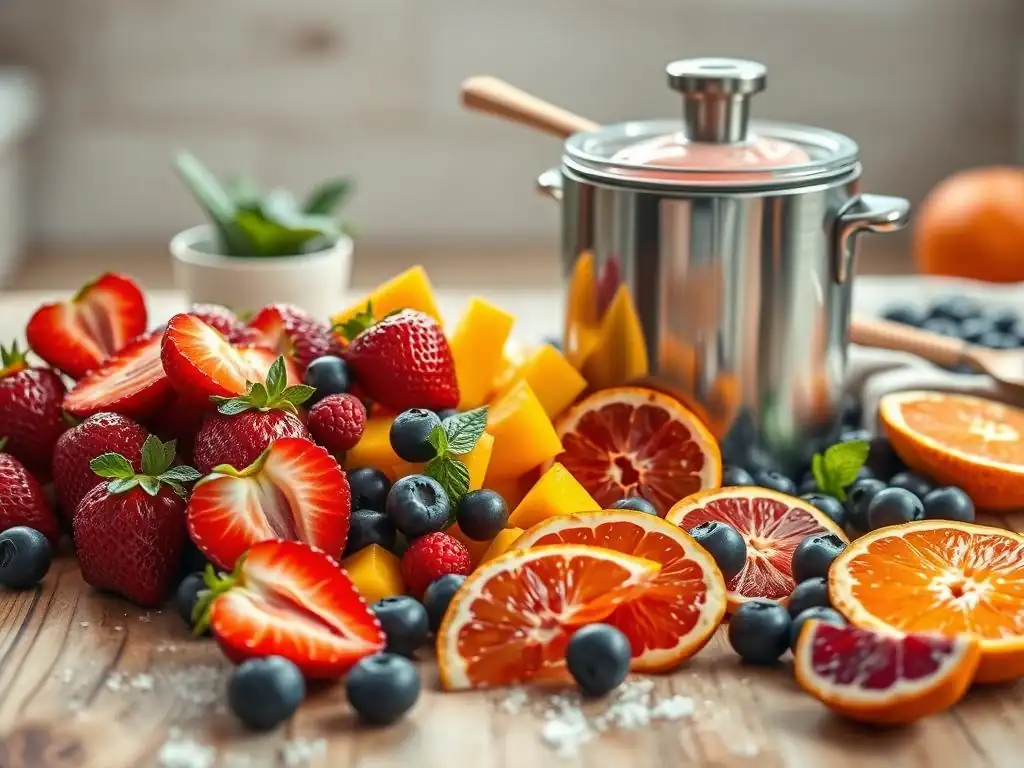
Classic Citrus Sorbet: Lemon, Lime & Grapefruit
Citrus fruits are perennial favorites for sorbet due to their naturally high acidity, which provides a wonderful counterpoint to sweetness and results in a bright, zesty flavor. Lemon sorbet, perhaps the most classic, is incredibly refreshing and palate-cleansing. Lime offers a slightly different, tangy profile, while grapefruit sorbet provides a sophisticated balance of tartness and subtle bitterness. These fruits work exceptionally well in easy homemade sorbet recipes because their strong flavors hold up beautifully when frozen.
Creating a vibrant citrus sorbet often involves using both the juice and sometimes a small amount of zest. For example, a typical lemon sorbet might use the juice of 6-8 lemons combined with a simple syrup made from 1 cup of sugar and 2 cups of water. The high water content in citrus fruits also contributes to a relatively smooth texture, though careful preparation, particularly the simple syrup method, is crucial for preventing large ice crystals. The pure, clean taste of citrus makes it a perfect base for easy homemade sorbet recipes.
Tips for Achieving Intense Citrus Flavor in Sorbet
To maximize the citrus punch in your sorbet, always use fresh fruit and extract the juice yourself. Bottled juice often lacks the vibrant acidity and subtle aromatic oils found in freshly squeezed juice. Consider adding some finely grated zest to the simple syrup while it's warm, letting it steep for about 15-20 minutes before straining it out. This process infuses the syrup with the aromatic oils from the peel, adding another layer of complexity to the final sorbet.
Another technique is to adjust the sugar concentration based on the natural sweetness of the fruit. Very tart lemons might require slightly more sugar than sweeter Meyer lemons or grapefruits. Taste the sorbet base before freezing and churning. It should taste slightly sweeter and more intensely flavored than you want the final product, as freezing dulls sweetness and flavor perception. Aiming for a Brix level (sugar concentration) around 20-25% is a common goal for citrus sorbets, though this can be adjusted based on preference and fruit acidity.
Berry Bliss: Strawberry, Raspberry & Blueberry Sorbet Recipes
Berries are fantastic candidates for easy homemade sorbet recipes because they are naturally sweet, vibrant in color, and easily puréed. Strawberry sorbet is a crowd-pleaser, offering a sweet, summery flavor. Raspberry sorbet provides a delightful tartness and intense color, while blueberry sorbet is subtly sweet and rich. Using ripe, in-season berries will yield the best flavor, but frozen berries also work exceptionally well and are available year-round, making berry sorbets incredibly convenient.
When working with berries like raspberries or blackberries, you might consider straining the purée to remove seeds for a smoother texture. Strawberries and blueberries generally don't require this step. A basic berry sorbet might involve puréeing 4 cups of berries with 1 cup of simple syrup. The high water content of berries contributes to a refreshing texture, and their natural pectin can help prevent excessive ice crystal formation to some extent, contributing to easy homemade sorbet recipes.
Flavor Pairing Ideas: Berries and Herbs for Sorbet
Berries pair beautifully with a variety of fresh herbs, adding an unexpected layer of sophistication to your sorbet. Mint is a classic pairing for strawberries and raspberries, offering a cooling, refreshing contrast. Basil, with its slightly peppery and sweet notes, also works wonderfully with strawberries, creating a surprisingly complex flavor.
For blueberry or raspberry sorbet, consider incorporating a touch of rosemary or thyme. A small sprig steeped in the simple syrup can infuse it with subtle earthy and floral notes that complement the berry flavors without overpowering them. For example, steeping a 2-inch sprig of rosemary in the sugar syrup for raspberry sorbet can add a unique aromatic depth. Remember to use herbs sparingly initially, as their flavors can become more pronounced when frozen.
Tropical Treats: Mango, Pineapple & Passion Fruit Sorbet
Tropical fruits bring sunshine and intense sweetness to easy homemade sorbet recipes. Mango sorbet is wonderfully creamy and rich, despite being dairy-free, due to the fruit's smooth texture and high solids content. Pineapple sorbet is tangy and refreshing, while passion fruit sorbet delivers an incredibly vibrant, tart, and aromatic punch. These fruits lend themselves well to sorbet because their strong, distinct flavors shine through when frozen.
Working with tropical fruits often involves careful preparation. Mangoes need to be ripe for optimal sweetness and texture. Pineapple should be cored and thoroughly blended. Passion fruit pulp, with its seeds, is typically sieved to extract the intensely flavored juice, discarding the seeds, though some recipes include the seeds for texture. A typical mango sorbet might use 3-4 ripe mangoes puréed with a simple syrup, while a passion fruit sorbet might rely more heavily on concentrated juice.
Using Frozen Fruit for Tropical Sorbet: Convenience & Flavor
Using frozen tropical fruit, particularly mangoes and pineapple, is an excellent shortcut for easy homemade sorbet recipes. Frozen fruit is often picked at peak ripeness and frozen quickly, preserving its flavor and nutrients. It also helps create a colder base before churning, which can improve the final texture by reducing the time needed in the ice cream maker and thus minimizing ice crystal formation.
When using frozen fruit, you might need slightly less ice or water in your simple syrup, as the fruit itself contains frozen water. Simply blend the frozen fruit with your cooled simple syrup until smooth. A high-powered blender is helpful for achieving a smooth consistency with frozen fruit. This method is particularly convenient for mango sorbet, yielding a texture almost like soft-serve ice cream immediately after blending, before the final freeze.
Stone Fruit Sensations: Peach, Nectarine & Plum Sorbet
Stone fruits like peaches, nectarines, and plums offer a delightful sweetness and subtle tartness that translates beautifully into sorbet. Peach sorbet is incredibly popular, capturing the essence of summer. Nectarines provide a similar flavor profile but without the fuzzy skin, making prep slightly easier. Plum sorbet, especially made with dark, ripe plums, yields a stunning color and a rich, slightly tannic flavor. These fruits require ripeness for optimal sweetness and ease of puréeing in easy homemade sorbet recipes.
Preparing stone fruits for sorbet usually involves peeling (especially peaches) and removing the pit. The fruit is then puréed, often with the simple syrup. The natural sweetness and juiciness of ripe stone fruits mean they often require less added sugar than more tart fruits like citrus or some berries. For example, a recipe might call for 4 cups of sliced, ripe peaches blended with just 1/2 to 3/4 cup of simple syrup.
Balancing Sweetness and Tartness in Stone Fruit Sorbet
Achieving the perfect balance in stone fruit sorbet is key, as their sweetness levels can vary greatly depending on ripeness and variety. If using very sweet peaches, you might need less sugar or a touch of lemon juice to add brightness. Conversely, a tarter plum might require a bit more sugar to balance its acidity. Tasting the base mixture before churning is crucial.
One technique to balance sweetness and enhance flavor is adding a small amount of acid, like lemon or lime juice, even if the fruit itself isn't particularly tart. Just a tablespoon or two of lemon juice can brighten the flavor profile of peach or nectarine sorbet significantly. This acid helps cut through the sweetness and makes the fruit's natural flavor pop. Consider using a refractometer if you want to be precise with sugar levels, aiming for a Brix around 20-28% depending on the fruit's natural sugar content.
Flavor Pairing Secrets for Amazing Sorbet
Complementary Flavors: Pairing Fruits with Herbs & Spices
Elevating easy homemade sorbet recipes goes beyond just the fruit itself; incorporating complementary flavors through herbs and spices can transform a simple sorbet into a gourmet treat. The right pairing can highlight the fruit's best qualities or introduce exciting new dimensions. This technique is particularly effective with fruits whose flavors can be enhanced by aromatic additions.
For instance, a hint of spice can add warmth and complexity. Ginger is a fantastic partner for tropical fruits like mango or pineapple, adding a subtle peppery bite that contrasts beautifully with the sweetness. Cardamom pairs well with stone fruits like peaches or plums, lending an exotic, fragrant note. Vanilla bean, while not an herb or spice in the traditional sense, adds a comforting depth to almost any fruit sorbet, especially berries or stone fruits.
Mint, Basil, and Ginger: Elevating Your Sorbet
As mentioned earlier, fresh herbs like mint and basil are superb for adding a refreshing lift to fruit sorbets. Mint is almost universally compatible with berry and citrus flavors. Imagine a strawberry-mint or a lemon-mint sorbet – incredibly cooling and invigorating. Basil, while perhaps less intuitive, adds a surprising sweetness and complexity to strawberry or even peach sorbet.
Ginger, whether fresh or ground, brings a spicy warmth that cuts through sweetness and adds a stimulating zing. Fresh ginger, grated or thinly sliced and steeped in the simple syrup, provides a brighter, more pungent flavor than ground ginger. It's particularly excellent with mango, pineapple, or even pear sorbet. Experiment with the amount; even a small piece of ginger can impart significant flavor.
Adding a Touch of Alcohol to Sorbet: Enhancing Texture and Flavor
Incorporating a small amount of alcohol into your sorbet base can serve two purposes: enhancing flavor and improving texture. Alcohol has a lower freezing point than water, which means it helps keep the sorbet softer and less icy, resulting in a smoother scoopable texture. The alcohol also acts as a flavor carrier, helping to amplify the fruit's aroma and taste. This is a common trick used in many easy homemade sorbet recipes aiming for a professional texture.
The key is moderation; too much alcohol will prevent the sorbet from freezing properly. Generally, adding 1 to 3 tablespoons of a spirit or liqueur per quart of sorbet base is sufficient to impact texture without compromising the freeze. This small amount also means the alcohol content in a serving is minimal.
Liqueur and Spirit Pairings: Complementing Fruit Flavors
Choosing the right alcohol pairing can significantly boost the sorbet's flavor profile. A citrus sorbet benefits from a splash of vodka (for texture without added flavor) or a citrus-flavored liqueur like Cointreau or Limoncello. Berry sorbets pair well with raspberry liqueur (like Chambord) or even a touch of balsamic glaze (which, while not alcohol, works similarly in enhancing berry flavor).
Tropical sorbets like mango or pineapple are excellent with rum (light or dark) or coconut rum. Stone fruit sorbets, such as peach or plum, can be enhanced with a touch of brandy, bourbon, or an almond liqueur like Amaretto. Experimenting with these pairings can lead to surprisingly delicious results in your easy homemade sorbet recipes.
Sweeteners for Sorbet: Sugar, Honey, and Agave
While granulated sugar is the most common sweetener in easy homemade sorbet recipes, other options like honey, agave nectar, maple syrup, or even artificial sweeteners can be used. Granulated sugar provides clean sweetness and contributes to the sorbet's structure and texture by interfering with ice crystal formation. It's typically dissolved in water to create a simple syrup, ensuring it's evenly distributed throughout the mix.
Liquid sweeteners like honey or agave can also work but may impart their own distinct flavors. Honey pairs well with fruits like peaches or berries where its floral notes are complementary. Agave nectar, being more neutral, is versatile. However, liquid sweeteners can sometimes result in a slightly softer texture due to their composition. Artificial sweeteners don't contribute to the sorbet's structure in the same way sugar does, often resulting in a harder, more icy texture, though they can be used for sugar-free options.
Adjusting Sweetness Levels for Different Fruits
The amount of sweetener needed for sorbet varies significantly depending on the natural sweetness and acidity of the fruit being used. Very tart fruits like lemon or passion fruit require considerably more sugar than naturally sweet fruits like ripe mango or grapes. Tasting the sorbet base before freezing is critical; it should taste noticeably sweeter than you want the final sorbet to be because freezing dulls the perception of sweetness.
A common starting point for many fruit sorbets is a simple syrup made with a 1:1 ratio of sugar to water (by weight) or 1:2 (by volume), combined with an equal volume of fruit purée. However, this needs adjustment. For very sweet fruit, you might reduce the sugar in the syrup or increase the fruit ratio. For very tart fruit, you might increase the sugar. Using a hydrometer or refractometer to measure the Brix level can help achieve consistent results, aiming for a final base mixture Brix typically between 20% and 30%.
Tips & Tricks for Perfect Homemade Sorbet
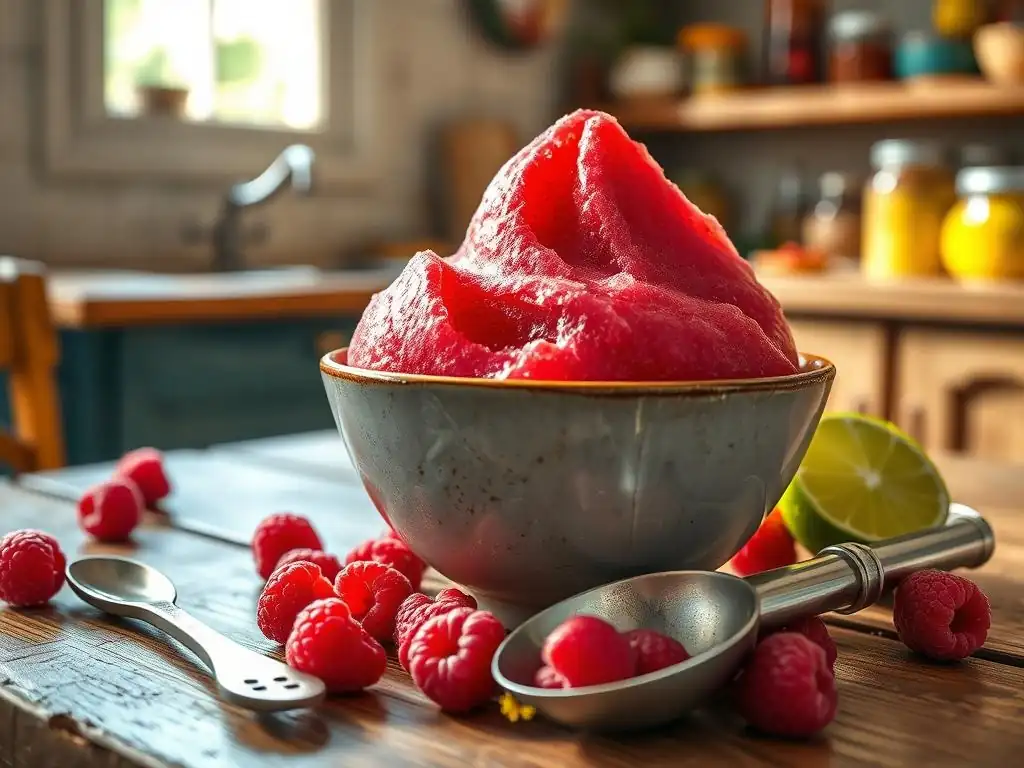
Achieving the Right Texture: Preventing Ice Crystals
One of the biggest challenges in making easy homemade sorbet recipes is preventing the formation of large, crunchy ice crystals, which can ruin the smooth texture. The goal is to create as many small ice crystals as possible during freezing. This is primarily achieved through rapid freezing and consistent agitation.
The sugar content plays a crucial role; sugar interferes with water molecules bonding together to form large crystals. A properly formulated sorbet base with adequate sugar (typically resulting in a Brix of 20-30%) will be smoother than one with too little sugar. Additionally, ensuring the base is very cold before churning is vital. Chill your sorbet base in the refrigerator for at least 4 hours, or preferably overnight, before putting it in your ice cream maker.
The Importance of Churning: Ice Cream Maker Techniques
Using an ice cream maker is the most effective way to achieve a smooth sorbet texture. The machine constantly churns the mixture while it freezes, incorporating air and preventing large ice crystals from forming. Ensure your ice cream maker bowl is properly frozen (usually 12-24 hours in a very cold freezer) before starting.
Pour the chilled sorbet base into the running ice cream maker. Churning times vary depending on the machine and the base mixture, but typically range from 15 to 30 minutes, until the sorbet reaches a soft-serve consistency. Don't over-churn, as this can sometimes deflate the mixture. Once churned, transfer the soft sorbet to an airtight container and freeze for several hours to firm up to a scoopable consistency. For no-churn easy homemade sorbet recipes, frequent stirring (every 30-60 minutes for the first few hours) is necessary to break up crystals.
Storing Homemade Sorbet: Maintaining Freshness and Flavor
Proper storage is essential to keep your homemade sorbet tasting fresh and maintaining its ideal texture. Sorbet is best enjoyed within a week or two of making, as its quality can degrade over time, potentially becoming icier or losing some of its vibrant flavor.
Use an airtight container specifically designed for freezing. Plastic containers with tight-fitting lids or glass containers with airtight seals work well. Press a piece of plastic wrap directly onto the surface of the sorbet before putting the lid on. This minimizes exposure to air, which is a major cause of ice crystal formation and freezer burn. Store the sorbet in the coldest part of your freezer, typically towards the back, away from the door.
Airtight Containers and Proper Freezing Techniques
Selecting the right container makes a difference. Avoid using containers that are too large for the amount of sorbet, as excess air space promotes ice crystal growth. Fill the container as close to the top as possible. Before serving, let the sorbet sit at room temperature for 5-10 minutes to soften slightly for easier scooping – this is called tempering.
If you make a large batch, consider dividing it into smaller containers. This allows you to take out only what you need, reducing temperature fluctuations in the rest of the batch. Label containers with the flavor and date to keep track of freshness. Following these simple storage tips helps ensure your easy homemade sorbet recipes remain delicious and scoopable.
Troubleshooting Common Sorbet Problems
Even with easy homemade sorbet recipes, you might encounter issues. One common problem is an overly icy or hard texture. This is often due to insufficient sugar, not chilling the base properly before churning, or inadequate churning/stirring during freezing. Ensure your sugar levels are appropriate for the fruit's acidity and sweetness, always chill the base thoroughly, and churn/stir diligently.
Another issue can be a grainy texture, especially with fruits that have fibrous elements or small seeds (like raspberries if not strained). Ensure your fruit is thoroughly puréed and strained if necessary. Weak flavor can occur if the fruit isn't ripe enough, if too much water was added, or if the base wasn't tasted and adjusted before freezing. Always use ripe, flavorful fruit and taste your base!
Addressing Graininess, Icy Texture, and Weak Flavor
To fix an overly icy sorbet that's already frozen, you can try re-processing it. Let it soften slightly, then blend it in a food processor or blender with a tablespoon or two of liquid (water, juice, or even a little liqueur) until smooth. Then, re-churn it in your ice cream maker if possible, or refreeze, stirring every 30 minutes until firm.
If your sorbet is grainy from seeds, you can re-blend and strain it, then refreeze. For weak flavor, if it's already frozen, you can't do much to intensify it. Prevention is key here: always taste the base and ensure the fruit flavor is concentrated. If making a new batch, use riper fruit, reduce added liquid, or consider adding a natural flavor enhancer like a little lemon juice or a complementary extract.
Easy Homemade Sorbet Recipes: Step-by-Step Examples
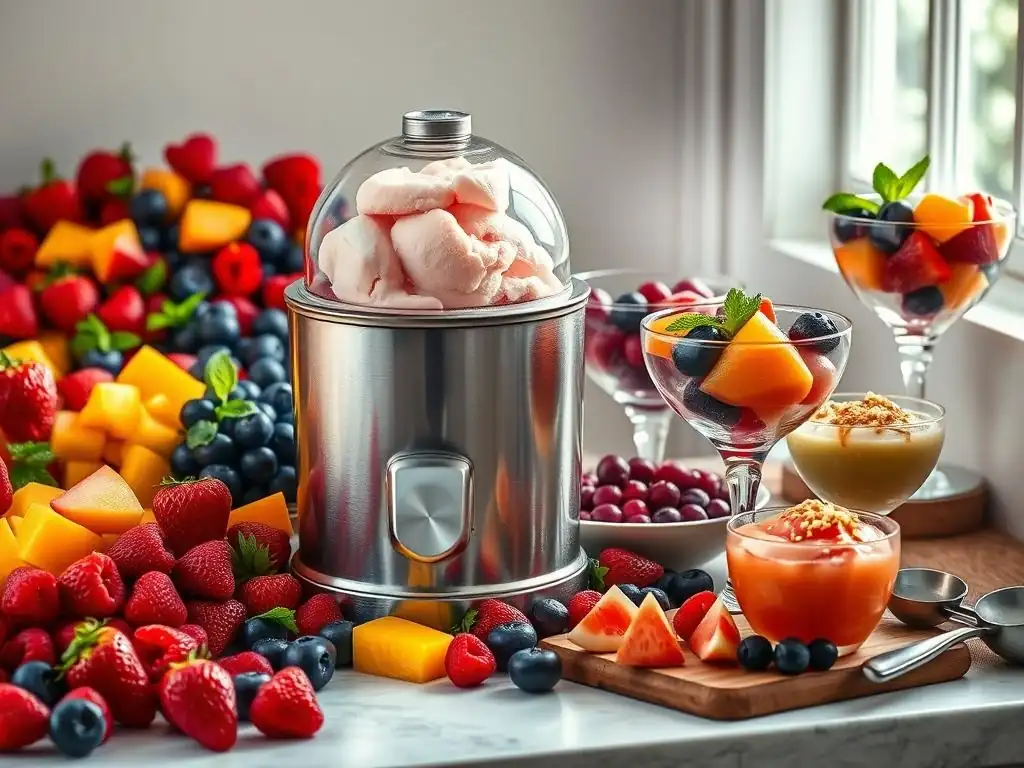
Creating delicious sorbet at home is surprisingly straightforward, making easy homemade sorbet recipes accessible to everyone. The process generally involves preparing a fruit base, combining it with a simple syrup, chilling the mixture thoroughly, and then freezing it, typically in an ice cream maker. These two examples showcase the simplicity and versatility of homemade sorbet.
Whether you prefer the classic tang of lemon or the vibrant sweetness of raspberry, these easy homemade sorbet recipes provide a perfect starting point. They demonstrate the basic techniques that can be applied to a wide variety of fruits, allowing you to experiment and create your own signature flavors.
Recipe 1: Refreshing Lemon Sorbet - A Beginner's Guide
This classic lemon sorbet is incredibly refreshing and palate-cleansing, perfect after a rich meal. It highlights the pure, bright flavor of fresh lemons and is one of the most straightforward easy homemade sorbet recipes to master.
- Yields: About 1 quart
- Prep time: 15 minutes
- Chill time: 4+ hours
- Churn time: 15-25 minutes
Ingredients:
- 1 ½ cups granulated sugar
- 1 ½ cups water
- 1 ½ cups fresh lemon juice (from about 6-8 large lemons)
- Finely grated zest of 1 lemon (optional, for extra intensity)
Instructions:
- Combine sugar and water in a medium saucepan over medium heat. Stir until the sugar is completely dissolved, creating a simple syrup. If using lemon zest, add it to the warm syrup and let steep off the heat for 15-20 minutes, then strain it out.
- Let the simple syrup cool completely.
- In a bowl, whisk together the cooled simple syrup and the fresh lemon juice.
- Taste the mixture and adjust sweetness if needed. It should taste quite sweet and tart.
- Cover and refrigerate the mixture until thoroughly chilled, at least 4 hours or preferably overnight.
- Pour the chilled mixture into your ice cream maker and churn according to the manufacturer's instructions until it reaches a soft-serve consistency.
- Transfer the sorbet to an airtight container and freeze for at least 2-3 hours to firm up before serving.
Recipe 2: Vibrant Raspberry Sorbet - A Flavorful Delight
This raspberry sorbet is bursting with intense berry flavor and boasts a beautiful vibrant color. Using fresh or frozen raspberries makes this another excellent choice for easy homemade sorbet recipes.
- Yields: About 1 quart
- Prep time: 15 minutes
- Chill time: 4+ hours
- Churn time: 15-25 minutes
Ingredients:
- 1 cup granulated sugar
- 1 cup water
- 4 cups fresh or frozen raspberries
- 1 tablespoon fresh lemon juice (optional, to brighten flavor)
Instructions:
- Combine sugar and water in a medium saucepan over medium heat. Stir until the sugar is completely dissolved, creating a simple syrup. Let the simple syrup cool completely.
- In a blender or food processor, purée the raspberries until smooth.
- For a smoother texture, press the raspberry purée through a fine-mesh sieve set over a bowl to remove seeds. Discard the seeds.
- Whisk together the cooled simple syrup, the strained raspberry purée, and the optional lemon juice.
- Taste the mixture and adjust sweetness if needed.
- Cover and refrigerate the mixture until thoroughly chilled, at least 4 hours or preferably overnight.
- Pour the chilled mixture into your ice cream maker and churn according to the manufacturer's instructions until it reaches a soft-serve consistency.
- Transfer the sorbet to an airtight container and freeze for at least 2-3 hours to firm up before serving.
Conclusion: Enjoying Your Homemade Fruit Sorbet
Embrace the Creativity: Experimenting with Flavors and Ingredients
Making easy homemade sorbet recipes is just the beginning of a delicious adventure. Once you've mastered the basic techniques, don't hesitate to unleash your creativity and experiment with different fruit combinations, flavor pairings, and sweeteners. Think about combining fruits – perhaps strawberry-lemon, mango-passion fruit, or peach-raspberry. The possibilities are nearly endless, allowing you to tailor sorbet to your personal preferences and whatever fruit is in season.
Consider adding other elements like a pinch of salt to enhance sweetness, a dash of vanilla extract, or even a swirl of complementary fruit purée after churning. Exploring unique additions like a touch of spice (like chili with mango!) or a floral note (like lavender with peach) can lead to surprisingly delightful results. Easy homemade sorbet recipes are a fantastic canvas for culinary experimentation.
Homemade sorbet is not just a refreshing treat for yourself; it's also a wonderful dessert to share with family and friends. Its light, clean profile makes it a perfect ending to any meal, from a casual summer barbecue to a more formal dinner party. Serving homemade sorbet is a simple yet impressive way to showcase your baking (and freezing!) skills.
Present your sorbet in chilled bowls or glasses, perhaps garnished with a fresh mint sprig, a berry, or a thin slice of citrus. Encourage others to guess the secret ingredients or flavor pairings you used. Sharing your easy homemade sorbet recipes and the delicious results is a sweet way to connect and celebrate the simple pleasure of homemade treats.
Frequently Asked Questions
What makes a fruit ideal for homemade sorbet recipes?
The best fruits have a high water content and natural sweetness. They also need to have a strong, distinct flavor that shines through even when frozen.
Can I use frozen fruit for easy homemade sorbet recipes?
Yes, you can! Using frozen fruit is a great option, especially when certain fruits are out of season. Just remember to adjust the sugar levels as frozen fruit can sometimes be less sweet.
What are some unexpected flavor pairings for homemade sorbet?
Don't be afraid to experiment! Try pairing herbs like basil or mint with fruits like strawberries or raspberries. Adding a touch of spice like ginger can also create a unique flavor profile.
Do I need special equipment to make easy homemade sorbet?
While an ice cream maker is ideal for achieving a smooth and creamy texture, you can also make sorbet without one. Simply freeze the mixture and then blend it periodically until smooth.
How can I prevent my homemade sorbet from becoming icy?
To prevent an icy texture, ensure the sugar-to-fruit ratio is correct. Adding a small amount of alcohol, like vodka or gin, can also help prevent large ice crystals from forming.
Final Reflection: The Sweet Symphony of Simple Sorbet
The art of crafting homemade sorbet is more accessible than ever, offering a refreshing escape from the mundane and a delightful path to culinary creativity. This exploration into the best fruits for sorbet, along with flavor pairings and simple techniques, unlocks a world of possibilities for even the most novice home cook. The ease of preparation, coupled with the vibrant flavors achievable, makes homemade sorbet a truly rewarding experience.
The journey through various fruit profiles and their ideal pairings has highlighted not just the technical aspects of sorbet-making, but also the inherent joy found in transforming simple ingredients into something exquisite. The process itself is a meditative one, a quiet dance between patience and precision. The simplest things are often the most beautiful,
a sentiment that perfectly encapsulates the magic of homemade sorbet. From the initial selection of ripe, fragrant fruits to the final spoonful of icy delight, each step contributes to a sensory experience that transcends mere refreshment.
Now, it's your turn. Don't let this knowledge remain confined to the page. Embrace the challenge, select your favorite fruits, and embark on your own sorbet adventure. Experiment with different combinations, discover your unique flavor signature, and share the sweet symphony of your creations with loved ones. The satisfaction of crafting a delicious, healthy treat from scratch is a reward in itself, a testament to the power of simple pleasures and the boundless creativity within each of us.
Unlock Your Inner Sorbet Artist!
Thanks for joining us on this fruity journey! We hope you’ve discovered some exciting new flavor combinations and techniques to elevate your homemade sorbets. Ready to take your sorbet skills to the next level?
- Craft your dream sorbet: Choose your favorite fruit pairing from the article and get experimenting in the kitchen! Don't be afraid to get creative!
- Share your sorbet success: Snap a photo of your delicious creation and share it on social media using #BakeWithEaseSorbet – let's inspire each other!
- Explore other refreshing recipes: Dive into our extensive recipe collection on BakeWithEase.com for more summery treats.
What unexpected fruit combination are you most excited to try for your next sorbet masterpiece?