
Too Much Salt in Bread? How to Adjust


Welcome to BakeWithEase, your haven for all things baking! Ever accidentally added a pinch too much salt to your bread dough? Don't despair! This article dives deep into how to fix a salty bread recipe, offering practical solutions and expert tips to rescue your loaf. Discover the secrets to balancing flavors and ensuring baking success – let's turn that salty mishap into a learning experience!
- Too Much Salt in Bread? How to Adjust Your Recipe
- Introduction: The Salty Bread Baking Problem
- Identifying and Assessing the Salt Level in Your Bread
- Solutions: How to Fix a Salty Bread Recipe
- Prevention: Avoiding Salty Bread in the First Place
- Advanced Tips for Salt Management in Bread Baking
- Conclusion: Mastering Salt Levels for Perfect Bread Every Time
-
Frequently Asked Questions
- How can I tell if I've added too much salt to my bread dough before baking?
- What are some ways to fix a salty bread recipe after I've already mixed the dough?
- Does the type of salt I use affect how salty my bread tastes?
- If I accidentally add too much salt, will the bread still rise properly?
- Can I completely fix a salty bread recipe, or is it better to start over?
- Final Reflection: The Unexpected Journey of a Salty Loaf
- Unleash Your Inner Baker: Perfecting Bread's Salt Balance
Too Much Salt in Bread? How to Adjust Your Recipe
Introduction: The Salty Bread Baking Problem
Baking bread is a rewarding experience, filled with the aromas of yeast, flour, and anticipation. However, even the most seasoned bakers can encounter a common pitfall: bread that's just too salty. A loaf with excessive salt can be disappointing, overwhelming the subtle flavors you worked hard to develop. Learning how to identify, prevent, and even fix salty bread recipe issues is a crucial skill for any bread enthusiast.
This guide will walk you through understanding why your bread might be too salty, how to assess the problem, and practical steps to either salvage a salty loaf or prevent the issue from happening in the future. We'll explore everything from immediate fixes to long-term recipe adjustments, helping you master the balance of flavors in your bread.
Why is My Bread Too Salty? Common Causes
One of the most frequent culprits behind overly salty bread is simple measurement error. Baking relies on precise ratios, and accidentally adding double the required salt, or mistaking grams for tablespoons, can dramatically alter the outcome. For example, if a recipe calls for 10 grams of salt per 500 grams of flour (a typical 2% salt ratio, common for many loaves), accidentally adding 20 grams will result in a loaf that is noticeably and unpleasantly salty. Using a scale is paramount, as volume measurements for salt, especially different types, can be highly inaccurate.
Another significant factor is the type of salt used. Different salts have varying densities. A tablespoon of fine table salt is much denser and therefore saltier by weight than a tablespoon of flakey kosher salt like Diamond Crystal.
Using a recipe developed for kosher salt but substituting an equal volume of table salt will inevitably lead to an over-salted dough. For instance, a tablespoon of table salt weighs roughly 20 grams, while a tablespoon of Diamond Crystal kosher salt weighs around 10 grams. If a recipe intends for 10 grams of salt but you use a tablespoon of table salt, you've added twice the amount needed, resulting in a salty bread recipe failure.
The Impact of Salt on Bread Texture and Flavor
Salt plays a much larger role in bread baking than just flavor. It significantly impacts gluten development, yeast activity, and crust formation. In terms of texture, salt tightens the gluten structure, which helps the dough become stronger and more elastic. Without enough salt, dough can be slack and difficult to handle, resulting in a flat loaf. However, too much salt can tighten the gluten excessively, potentially leading to a dense, tough crumb.
Flavor-wise, salt is a critical enhancer. It balances the sweetness of the flour and the tang produced by fermentation, bringing out the bread's complex characteristics. A properly salted loaf has a well-rounded, satisfying taste. Conversely, a salty bread recipe problem means the excessive sodium overwhelms all other flavors, leaving a harsh, unpleasant taste that masks the subtle notes of fermentation and grain.
Identifying and Assessing the Salt Level in Your Bread
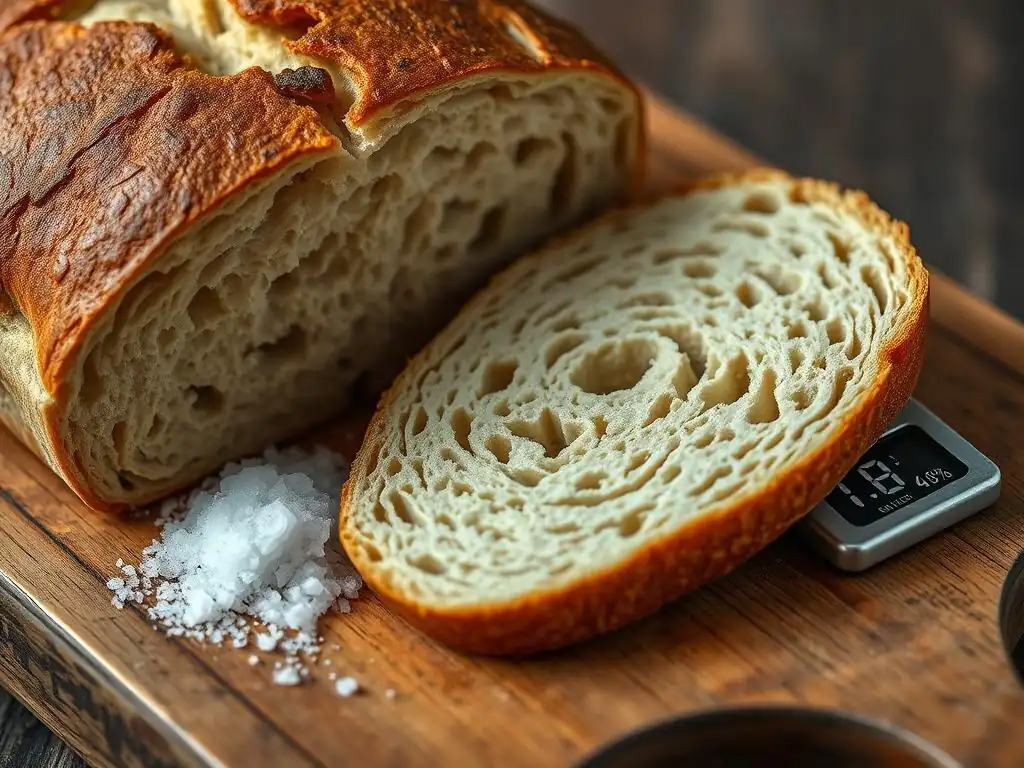
Before you can fix salty bread recipe mistakes, you need to confirm that excess salt is indeed the issue and understand its severity. This involves a bit of careful tasting and observation throughout the baking process.
Taste-Testing Techniques for Salty Bread
The best time to assess the salt level is actually during the dough stage, before baking. Once the salt has been fully incorporated into the dough, carefully pinch off a very small piece, no larger than a pea. Taste it. Raw dough doesn't taste great, but you should be able to discern the level of saltiness relative to the flour and water. It should taste pleasantly seasoned, not aggressively salty. If it tastes overwhelmingly salty at this stage, you know you have a salty bread recipe problem on your hands.
If you didn't taste the dough or are unsure, you'll discover the issue after baking. A quick taste of the cooled bread will reveal the problem. Pay attention to the initial flavor and the aftertaste. Does it leave a lingering, unpleasant saltiness on your tongue? Does the salt overpower all other flavors? Compare it mentally to other breads you've baked or enjoyed. This assessment helps you gauge how severe the issue is, which informs how you might try to salvage the loaf or adjust future recipes.
Recognizing the Signs of Over-Salting in Dough
Beyond taste, there are some visual and tactile clues that might indicate you've added too much salt to your dough. As mentioned, salt tightens gluten. An over-salted dough might feel unusually stiff and difficult to stretch during kneading or stretching and folding. It may resist relaxing during bulk fermentation and proofing.
Excessive salt can also inhibit yeast activity because salt is a preservative and can draw water out of yeast cells. While a small amount of salt is necessary to control fermentation speed, too much can slow it down significantly or even kill the yeast. If your dough is rising much slower than expected, even in optimal conditions, and you suspect you might have over-salted, this reduced activity could be a sign of a salty bread recipe gone wrong.
Solutions: How to Fix a Salty Bread Recipe
Discovering you have a salty bread recipe issue can be disheartening, but there are steps you can take depending on when you identify the problem.
Immediate Actions: What to Do After Adding Too Much Salt
If you catch the mistake immediately after adding too much salt but before significant kneading or fermentation has occurred, your options are limited but potentially helpful.
- Assess the excess: Estimate how much extra salt you added. Was it double? Triple?
- Calculate required additions: Determine the original weight of flour in the recipe. Calculate the correct amount of salt for that flour weight (e.g., 1.8% to 2%). Figure out how much extra salt you added. To dilute this, you would ideally need to add more of all other ingredients (flour, water, yeast/starter) in proportion to the excess salt. This is often impractical unless you have a very large bowl and can scale up the recipe significantly.
- Attempt dilution (use with caution): If you added only slightly too much, you might try kneading in a small amount of extra flour and a corresponding tiny bit of water. However, adding significant amounts of new ingredients to a partially mixed or developed dough can negatively impact gluten structure and homogeneity. This is generally a last resort and often less successful than adjusting future recipes.
- Divide and conquer: If you made a large batch, you could split the dough in half and attempt to mix a new batch of dough without salt, then carefully knead the two together. This requires precision and extra ingredients and isn't foolproof.
[ ] Estimate the amount of excess salt added.
[ ] Calculate the original flour weight.
[ ] Determine the ideal salt weight for the flour.
[ ] Consider if adding more ingredients is feasible for dilution.
[ ] If making a large batch, assess if splitting and combining with a salt-free batch is an option.
Adjusting the Recipe: Reducing Salt Content for Future Bakes
The most reliable way to fix salty bread recipe problems is to adjust your approach for subsequent bakes. This involves understanding ratios and making informed decisions about ingredient quantities.
Calculating the Correct Salt Ratio in Bread Dough
Most standard bread recipes use a salt percentage relative to the flour weight (known as baker's percentage) of between 1.8% and 2.2%. Some enriched doughs might be slightly higher, and some rustic loaves slightly lower, but this is a good range to aim for. To calculate the correct salt amount for your recipe, weigh your flour accurately. Then, multiply the flour weight by your desired salt percentage (e.g., 500g flour * 0.02 = 10g salt).
If your previous loaf was too salty, and you followed a recipe, calculate the actual salt percentage you used based on the weights. For example, if you used 500g flour and accidentally added 15g salt, your salt percentage was (15g / 500g) * 100% = 3%. This is significantly higher than the ideal range and explains the saltiness. For your next bake, simply reduce the salt amount to fall within the 1.8% to 2.2% range based on your flour weight. Start at 1.8% or 1.9% if you prefer less salt.
Substituting Ingredients to Balance the Saltiness
While you can't remove salt once it's in the dough, you can adjust other ingredients in future recipes to better balance the flavor profile, especially if you slightly prefer less salt than a recipe calls for. Adding a small amount of sweetener, like a teaspoon or two of sugar or honey per loaf, can help round out the flavor and slightly counteract the perception of saltiness, even if it doesn't chemically neutralize the salt.
Similarly, increasing the richness of the dough with a bit more fat (like butter or olive oil) can sometimes help mellow intense flavors. However, these are minor adjustments and won't fix a severely salty bread recipe issue caused by a major measurement error. They are more useful for fine-tuning a recipe that is just slightly too salty for your personal preference.
Salvaging Salty Bread: Rescue Techniques
If you've already baked the salty bread, you can't change its internal composition. However, you can find creative ways to use it that minimize the impact of the excessive saltiness. Don't despair; that loaf can still find a purpose!
Using the Salty Bread in Other Recipes
Overly salty bread can be transformed into ingredients for other dishes where the salt level is less problematic or even beneficial. One classic solution is making breadcrumbs or croutons. When used in moderation as a topping or coating, the saltiness is less concentrated than in a slice of bread. For example, a batch of salty croutons can be tossed into a large, unsalted salad, where the saltiness is distributed and balanced by the greens and dressing.
Another excellent option is using the bread in savory dishes that benefit from a salty component, like stuffing, strata, or bread pudding (savory versions). In these recipes, the bread is often combined with unsalted or low-salt ingredients like vegetables, eggs, milk, or cheese, which helps absorb and distribute the salt, balancing the overall flavor of the finished dish. Think Panzanella salad, where chunks of salty bread soak up tomato and vinegar juices, mellowing the salt.
Serving Suggestions to Minimize Salt Perception
How you serve the salty bread can also help. Pairing it with unsalted accompaniments is key. Instead of salty butter, use unsalted butter or a plain olive oil for dipping. Serve it alongside fresh, unsalted foods like sliced tomatoes, cucumber, or avocado.
Consider using the bread as a base for open-faced sandwiches with unsalted fillings. A slice of salty bread topped with fresh mozzarella and basil, or cream cheese and smoked salmon (use low-salt salmon if possible), can work because the toppings provide contrasting textures and flavors that distract from or balance the bread's saltiness. Avoid serving it with salty meats, cheeses, or spreads, as this will only compound the problem.
Prevention: Avoiding Salty Bread in the First Place
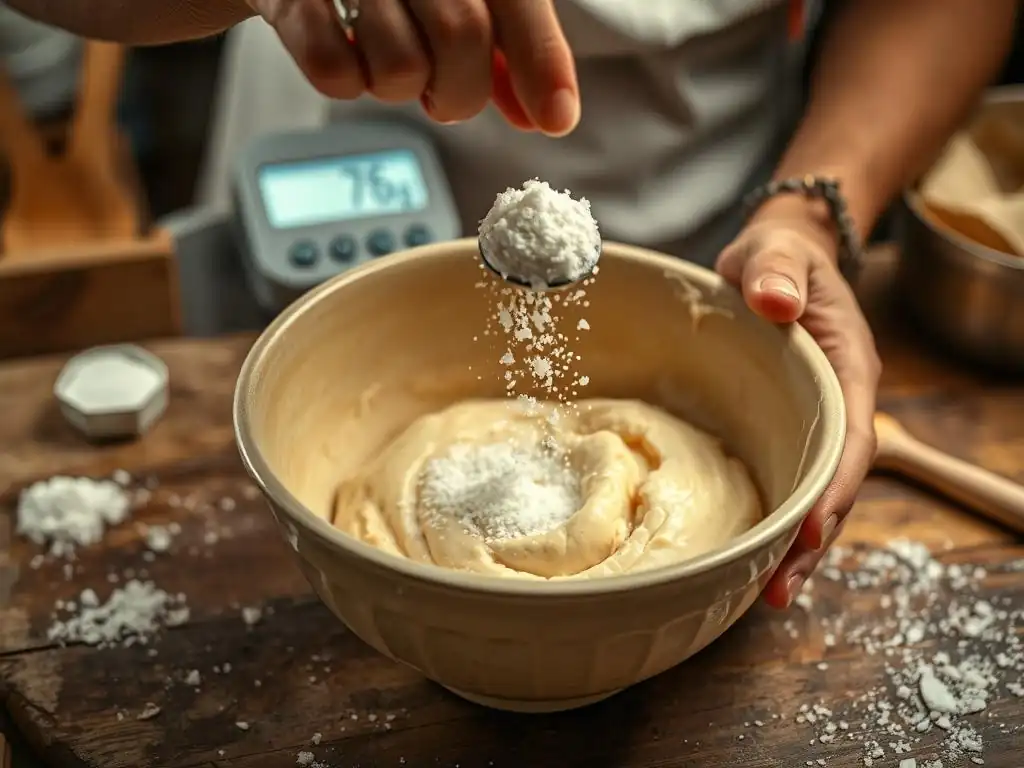
The best way to deal with a salty bread recipe is to prevent it from happening. Implementing good baking practices will drastically reduce the chances of over-salting your dough.
Accurate Measuring Techniques for Baking Ingredients
Precision is paramount in baking, especially with potent ingredients like salt. The most accurate way to measure salt (and flour, and water) is by weight using a digital kitchen scale. Using volume measurements (teaspoons, tablespoons) for salt is highly unreliable because the density varies so much depending on the type of salt and how finely it's ground.
Always zero out your scale before adding an ingredient. Add the salt directly to the bowl or a small container on the scale until the correct weight is reached. Double-check the unit of measurement specified in the recipe (grams vs. ounces) and on your scale. Getting into the habit of weighing all your ingredients is the single most effective step to avoid a salty bread recipe disaster caused by mismeasurement.
Understanding Different Types of Salt and Their Impact
As highlighted earlier, different salts have different densities and crystal structures, which affect how they dissolve and how much saltiness they impart by volume. Fine table salt is typically the saltiest by volume because its small crystals pack tightly. Kosher salt, particularly Diamond Crystal, has larger, lighter flakes, making it significantly less dense by volume. Sea salt can vary depending on its crystal size.
If a recipe specifies a type of salt, try to use that type or convert by weight. If a recipe calls for 1 tablespoon of Diamond Crystal kosher salt (approx. 10g) but you only have table salt, use 10 grams of table salt, not 1 tablespoon. Understanding these differences is vital for consistent results and avoiding an unexpectedly salty bread recipe. It's a good practice to weigh your commonly used salt types to know their typical weights per volume if you must rely on spoons occasionally, but weighing is always superior.
The Importance of Recipe Testing and Refinement
Even with accurate measurements, sometimes a recipe's salt level might not suit your personal taste or the specific type of flour you're using. Recipe testing is crucial for consistency and personalization. The first time you try a new bread recipe, especially from an unfamiliar source, consider it a test run. Pay close attention to the salt level in the final baked loaf.
If the bread is slightly too salty for your liking, make a note to reduce the salt by a small amount (e.g., 0.1% or 0.2% of the flour weight) the next time you bake it. Conversely, if it tastes bland, you might slightly increase the salt. Keep detailed notes on your adjustments. This iterative process of testing and refining helps you perfectly tailor recipes to your preferences and prevent recurring salty bread recipe issues.
Advanced Tips for Salt Management in Bread Baking

Beyond the basics, there are a few more nuanced aspects of salt and bread baking that can deepen your understanding and help you achieve consistently excellent results.
Exploring Salt-Free Bread Baking Options
While salt is standard in most bread, it is possible to bake delicious salt-free bread, often for health reasons (e.g., low-sodium diets). However, salt-free bread behaves differently. The dough will be stickier and harder to handle because there's no salt to tighten the gluten. The rise might be faster initially, as yeast activity isn't regulated by salt, but the overall structure may be weaker.
Flavor is the biggest challenge with salt-free bread. It can taste bland or have an unbalanced fermentation flavor. Bakers often compensate by using ingredients that naturally enhance flavor or provide a savory note, such as nutritional yeast, herbs, spices, toasted seeds, or incorporating fermented ingredients other than just the starter itself (though the starter provides some flavor). Baking salt-free requires specific recipes designed for this purpose and often results in a denser loaf. It's a different kind of bread, not just a standard recipe with salt omitted.
Using Flavor Enhancers to Replace Salt's Role
In salt-free or very low-salt baking, or when trying to make a slightly salty bread recipe more palatable, other ingredients can be used to boost the overall flavor profile. While they won't replicate the taste of salt, they can provide complexity and savory notes that make the bread more enjoyable.
Ingredients like toasted sesame seeds, poppy seeds, caraway seeds, dried herbs (rosemary, thyme, oregano), or spices (garlic powder, onion powder - use sparingly) can be incorporated into the dough or used as toppings. Cheese, olives, or sun-dried tomatoes can be added to the dough for savory flavor, though these often contain sodium themselves, so they might not be suitable for strict low-sodium diets. For already baked salty bread, serving it with unsalted flavorful spreads like avocado or roasted garlic can help.
Understanding the Role of Salt in Sourdough Bread
Salt is particularly important in sourdough baking due to the longer fermentation times and the complex microbial environment of the starter. In sourdough, salt not only controls yeast activity but also influences the lactic and acetic acid production by the bacteria. It helps slow down the fermentation just enough to allow for the development of deeper, more nuanced flavors and a better balance of acids, contributing to the characteristic sourdough tang.
An over-salted sourdough starter or dough can significantly inhibit fermentation, leading to a very slow rise or a dead starter. It also throws off the flavor balance, masking the pleasant sourness and highlighting only the harsh saltiness. Conversely, too little salt in sourdough can lead to overly rapid fermentation, a very sour, unbalanced flavor, and a weak gluten structure. Achieving the correct salt ratio (typically 2% of the flour weight in the final dough, including the flour in the starter) is critical for successful sourdough bread with the desired texture and flavor profile.
Conclusion: Mastering Salt Levels for Perfect Bread Every Time
Dealing with a salty bread recipe is a common challenge, but one that is entirely manageable with understanding and practice. From identifying the causes like measurement errors or using the wrong salt type to implementing preventative measures like precise weighing and recipe testing, you gain control over this crucial ingredient.
Remember that while fixing an already baked salty loaf is difficult, creative uses like breadcrumbs, croutons, or incorporating it into savory dishes can give it a new life. For future bakes, focusing on accurate measurement, understanding salt types, and calculating ratios based on flour weight are your best defenses against over-salting. By paying attention to salt's vital role in flavor, texture, and fermentation, you're well on your way to consistently baking delicious, perfectly seasoned bread.
Key Takeaways for Preventing Salty Bread Disasters
- Weigh Your Salt: Always measure salt by weight using a digital scale for accuracy.
- Understand Salt Types: Be aware that different salts have different densities; adjust quantities accordingly if substituting.
- Know Your Ratio: Aim for a salt percentage of 1.8% to 2.2% of the total flour weight in your recipe.
- Taste the Dough: A tiny pinch of raw dough can give you an early warning sign.
- Test and Refine: Don't be afraid to slightly adjust salt levels in recipes to suit your personal preference after an initial test bake.
Frequently Asked Questions
How can I tell if I've added too much salt to my bread dough before baking?
The dough will likely taste noticeably salty even in its raw state. It may also feel drier and less elastic than usual.
What are some ways to fix a salty bread recipe after I've already mixed the dough?
Adding more of the other ingredients (flour, water, yeast, etc.) in the same ratios as the original recipe can help dilute the salt concentration. Be careful not to over-knead.
Does the type of salt I use affect how salty my bread tastes?
Yes, different types of salt have varying levels of sodium chloride. Use a consistent type of salt and measure carefully for best results.
If I accidentally add too much salt, will the bread still rise properly?
Excessive salt can inhibit yeast activity, potentially leading to a poor or nonexistent rise. This results in a dense and undesirable loaf.
Can I completely fix a salty bread recipe, or is it better to start over?
While you can attempt to fix it, the results are often unpredictable. Depending on how much salt was added, starting over might be the best way to guarantee a palatable loaf.
Final Reflection: The Unexpected Journey of a Salty Loaf
The quest for perfectly seasoned bread is far more than just a culinary pursuit; it's a reflection of our relationship with food, precision, and the art of adaptation. A seemingly simple problem—too much salt in your bread—can lead to a deeper understanding of baking techniques and the delicate balance of flavors. This article explored various methods to rescue a salty loaf, from adding more ingredients to completely reworking the recipe, highlighting the importance of careful measurement and understanding the role of salt in baking.
The impact of a perfectly baked loaf extends beyond the immediate satisfaction of a delicious meal. It's a testament to patience, precision, and the rewarding process of transforming simple ingredients into something extraordinary. Baking is a science, but it's also an art. It's about understanding the ingredients and trusting your instincts.
This quote perfectly encapsulates the journey of fixing a salty bread recipe; it requires both technical knowledge and a willingness to experiment and adjust. The lessons learned extend beyond the kitchen, teaching us the value of problem-solving and the beauty of imperfection.
Now, consider your own baking experiences. Have you ever faced a similar challenge? What did you learn from it? Remember, even a "failed" loaf can be a valuable learning experience. Don't be afraid to experiment, to adjust, and to embrace the process. The next time you encounter a salty batch, remember the techniques discussed here and approach the problem with confidence and creativity. The perfectly seasoned loaf awaits—and the journey to get there is just as rewarding as the destination.
Unleash Your Inner Baker: Perfecting Bread's Salt Balance
Thanks for taking the time to explore the art of salt in baking! You now have the knowledge to create bread that's perfectly seasoned every time. Ready to put your new skills to the test?
- Bake a test loaf: Adjust the salt in your favorite bread recipe based on our guidelines and experience the difference firsthand. This is your chance to truly master salt control!
- Share your baking journey: Post a picture of your perfectly salted bread on social media using #BakeWithEaseSalt and tag us! Let's inspire other bakers.
- Dive deeper into our salt guide: Explore more detailed salt types and their impacts on bread-making on our website for more expert tips.
So, what unique flavor profile will you create with your newfound salt expertise?