
A World of Flavor: Global Spices for Your Baking Adventures

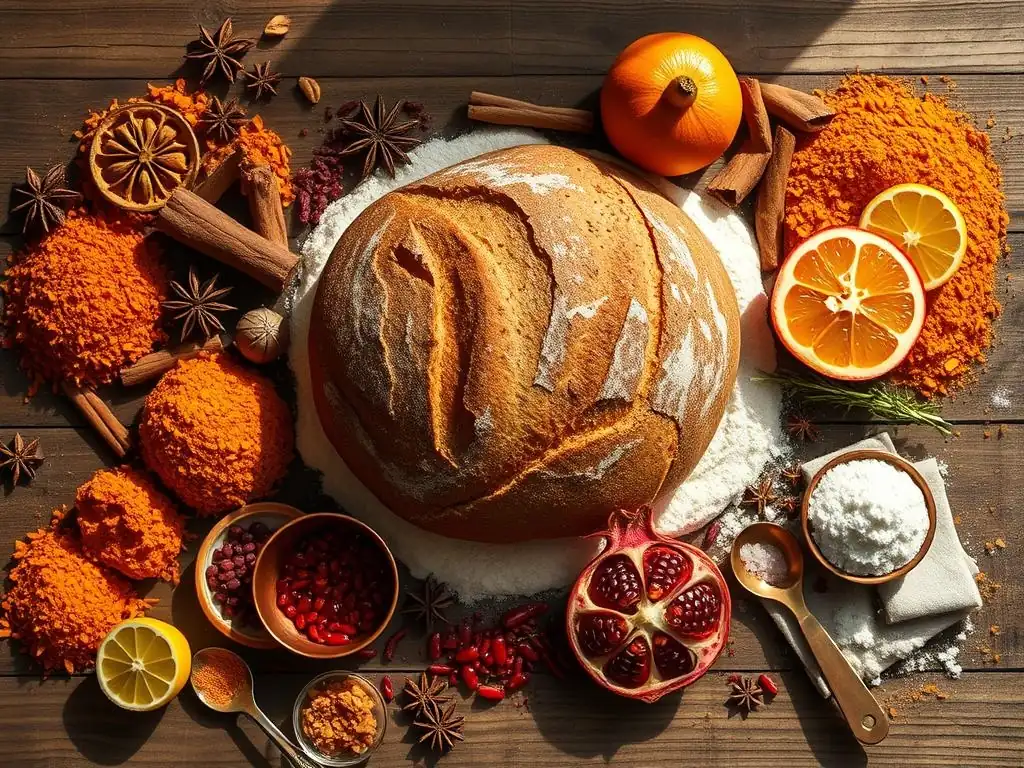
Welcome to BakeWithEase, your passport to a world of delicious possibilities! Ever wondered how a simple spice can transform your baking from ordinary to extraordinary? This month, we're diving deep into the vibrant world of global baking spice recipes. Prepare to unlock a treasure trove of aromatic secrets and discover how a dash of the exotic can elevate your favorite treats. Intrigued? Let's explore the spice route together and infuse your kitchen with unforgettable flavors!
- Introduction to Global Baking Spices
- Essential Spices for Global Baking: A Baker's Guide
- Global Baking Spice Recipes: Expanding Your Culinary Horizons
- Tips for Using Global Baking Spices
- Where to Find Quality Global Baking Spices
- Conclusion: Embrace the World of Global Baking Flavors
-
Frequently Asked Questions
- What are some common global baking spices mentioned in the article?
- Where can I find these global baking spices to use in my recipes?
- How do I properly store global baking spices to maintain their freshness?
- Can I substitute one global baking spice for another in a recipe?
- What are some beginner-friendly recipes that utilize global baking spices?
- Final Reflection: A World of Flavor, A World of Connection
- Unleash Your Inner Spice Master!
Introduction to Global Baking Spices
Elevate Your Baking with International Flavors
Baking is a beautiful blend of science and art, and spices are the pigments that add vibrant color and depth to our culinary canvas. Venturing beyond the familiar cinnamon and nutmeg opens up a world of possibilities, transforming simple baked goods into extraordinary sensory experiences. By incorporating global baking spice recipes, you invite history, culture, and complex flavor profiles into your kitchen.
Think of the warm, comforting notes of cardamom in a Swedish bun, the zesty kick of ginger in an Asian-inspired cookie, or the subtle floral hint of pandan in a Southeast Asian cake. Each spice tells a story and adds a unique signature to your creations.
Exploring international flavors isn't just about trying new ingredients; it's about understanding how different cultures have used spices for centuries to create iconic baked goods. From the intricate spice blends of North Africa used in honey cakes to the aromatic combinations found in European holiday treats, these global baking spice recipes offer a connection to culinary traditions around the world. Introducing these diverse spices into your repertoire will not only expand your palate but also impress friends and family with unexpectedly delicious results. It's a simple step that yields dramatically flavorful rewards in your baking journey.
Why Explore Baking Spices from Around the World?
The primary reason to explore global baking spices is the sheer diversity of flavor they offer. While classic Western baking relies heavily on a few key players, the rest of the world utilizes an incredible array of spices, each contributing unique notes like peppery heat, citrusy brightness, earthy richness, or delicate floral aromas.
Incorporating these spices can lift your standard recipes out of the ordinary, turning a simple sugar cookie into something exotic with a pinch of ground mahlab or adding unexpected warmth to a fruit pie with grains of paradise. It's an exciting way to keep your baking fresh and innovative.
Furthermore, understanding global baking spice recipes helps you appreciate the nuances of flavor pairing and balance. Many international cuisines have perfected the art of blending spices to create harmonious and complex profiles. By experimenting with spices like star anise, fennel, or even a touch of smoked paprika in savory-sweet baked goods, you learn how different notes interact and complement each other. This knowledge empowers you to create your own unique blends and adapt recipes, ultimately making you a more confident and creative baker capable of crafting truly memorable global baking spice recipes.
Essential Spices for Global Baking: A Baker's Guide
Cinnamon: The Universal Baking Spice
Cinnamon is arguably the most beloved baking spice globally, found in everything from apple pies in America to snickerdoodles, French toast, and countless pastries across Europe and Asia. Its warm, sweet, and slightly woody aroma is instantly recognizable and comforting. While we often refer to "cinnamon" as a single spice, there are actually several varieties, each with distinct characteristics, offering subtle differences in flavor and aroma that can impact your global baking spice recipes.
This versatile spice pairs beautifully with fruits like apples, pears, and bananas, enhances chocolate and coffee flavors, and adds warmth to doughs and batters. A standard cinnamon roll recipe might call for 1-2 tablespoons of ground cinnamon for the filling, demonstrating its prominence. Its natural sweetness also allows bakers to potentially reduce the amount of added sugar in some recipes, contributing to a healthier profile while still delivering rich flavor. Whether you're making a classic cinnamon streusel or a more adventurous spiced cake, cinnamon is an indispensable ingredient.
Cinnamon Varieties and Their Baking Applications
The most common variety found in North American supermarkets is Cassia cinnamon, primarily sourced from Indonesia, China, and Vietnam. Indonesian Cassia is generally milder, while Vietnamese (Saigon) and Chinese Cassia are known for their stronger, more intense, and sometimes spicier flavor due to higher levels of coumarin. This makes Cassia excellent for robust flavors like in gingerbread or heavily spiced cookies, where its potent profile can stand up to other strong ingredients.
True Ceylon cinnamon, often called "sweet cinnamon," comes from Sri Lanka and is lighter in color, more brittle, and has a more delicate, subtly sweet, and floral flavor with citrusy notes. It contains significantly less coumarin than Cassia. Ceylon is often preferred for lighter baked goods, custards, or dishes where a more nuanced cinnamon flavor is desired, such as delicate cakes or rice puddings. Understanding these differences allows you to choose the right cinnamon to perfect your global baking spice recipes.
Nutmeg: Warmth and Depth in Every Bite
Nutmeg brings a rich, warm, and slightly sweet flavor with subtle notes of clove and pine. It's a foundational spice in many classic baking recipes, particularly those featuring dairy, eggs, or fruit, like eggnog, custards, spice cakes, and pumpkin pie. A little goes a long way with this potent spice; a typical recipe for a batch of cookies might only require ¼ to ½ teaspoon of ground nutmeg. Its ability to add depth without overpowering other flavors makes it essential in many global baking spice recipes.
Beyond its use in sweet dishes, nutmeg also features prominently in savory baking, such as in quiches, soufflés, or spiced breads. Its unique aroma is released more fully when freshly grated, providing a more vibrant flavor compared to pre-ground varieties. This spice is paired wonderfully with other warm spices like cinnamon, cloves, and ginger, creating the comforting spice blends characteristic of autumn and winter baking around the world.
Using Freshly Grated Nutmeg for Baking
Using freshly grated nutmeg offers a significantly more intense and aromatic experience than using pre-ground nutmeg. The volatile oils that carry nutmeg's distinctive flavor begin to dissipate once the spice is ground. When you grate a whole nutmeg seed just before adding it to your batter or dough, you release these fresh oils, resulting in a brighter, more pungent flavor. This is particularly noticeable in recipes where nutmeg is a key player, like a rich custard or a delicate spiced cake.
To grate nutmeg, you simply need a whole nutmeg seed and a fine grater, such as a microplane. Hold the seed firmly and carefully grate the desired amount directly into your ingredients. While it requires a small extra step, the difference in flavor is substantial and can elevate your global baking spice recipes from good to exceptional. A single whole nutmeg can last for a long time when stored properly, making it a cost-effective way to enhance your baking.
Ginger: A Zesty Kick to Your Baked Goods
Ginger adds a pungent, warm, and spicy-sweet flavor to baked goods, providing a delightful contrast to sweetness. It's a staple in gingerbread, gingersnap cookies, fruitcakes, and many spiced breads and muffins. Ginger's intensity can range from mildly warm to quite fiery depending on the variety and form used. It pairs exceptionally well with molasses, brown sugar, citrus fruits, and other warm spices like cinnamon and cloves, making it a key component in many global baking spice recipes.
Historically, ginger was one of the first spices brought to Europe from Asia, playing a significant role in medieval confectionery. Its warming properties also make it a popular choice for holiday baking. Beyond its flavor, ginger is also known for its digestive properties, adding a potential functional benefit to spiced baked goods. Whether used alone or in a blend, ginger provides a memorable kick that brightens and enlivens sweet treats.
Ground Ginger vs. Fresh Ginger in Baking
Ground ginger and fresh ginger, while from the same plant, offer distinct flavor profiles due to processing. Ground ginger is made from dried ginger root and has a concentrated, pungent, and consistently spicy flavor. It's ideal for recipes where you want a uniform distribution of heat and flavor throughout a dough or batter, such as in cookies, cakes, and spice mixes like those found in many global baking spice recipes. A typical ratio is 1 teaspoon of ground ginger substituting for about 1 tablespoon of freshly grated ginger.
Fresh ginger, on the other hand, has a brighter, more zesty, and slightly peppery flavor with a juicy texture. It adds moisture and a more immediate, sharper heat. Fresh ginger is often used in baked goods that benefit from pockets of intense flavor, like certain muffins or quick breads, or in glazes and syrups. While less common in traditional cookie or cake doughs than ground ginger, experimenting with fresh ginger can add an exciting, vibrant dimension to specific global baking spice recipes.
Cloves: Aromatic and Intense Flavor
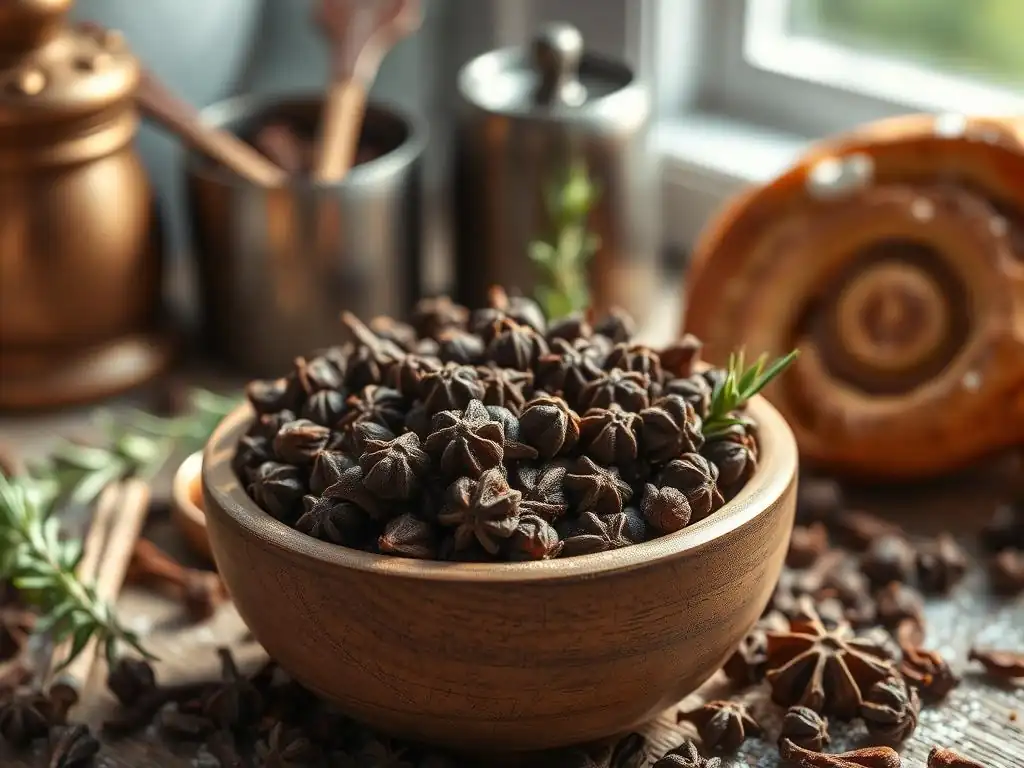
Cloves are small, dried flower buds known for their intensely pungent, sweet, and slightly bitter aroma and flavor. They are one of the most potent spices used in baking and are best used sparingly. Cloves are a cornerstone of many spice blends, including pumpkin pie spice and gingerbread spice, and feature prominently in spiced cakes, fruit pies (especially apple), and mulled beverages. Their strong flavor can easily overpower other ingredients if used in excess, so precise measurement is key.
The flavor of cloves comes from eugenol, a powerful aromatic compound. This concentration of flavor means that even a tiny amount, perhaps ¼ teaspoon of ground cloves in a large cake, can provide significant warmth and depth. Cloves pair exceptionally well with cinnamon, nutmeg, ginger, and allspice, forming the backbone of many comforting and complex global baking spice recipes, particularly those from European and North American traditions around the holidays.
Pairing Cloves with Other Baking Spices
Cloves are rarely used alone in baking due to their intensity; they shine brightest when paired with other spices. Their strong, warm, and slightly medicinal notes are beautifully balanced by the sweetness of cinnamon, the subtle warmth of nutmeg, and the peppery kick of ginger. This classic combination forms the base of many beloved spice blends, such as those used in gingerbread or apple pie.
For instance, a typical spice mix for a spiced loaf cake might use 1 part ground cloves to 4 parts ground cinnamon and 2 parts ground nutmeg. This ratio allows the cloves to provide depth and warmth without dominating the overall flavor profile. Cloves also pair well with citrus zest, dark sugars like molasses, and fruits like apples, pears, and oranges, enhancing their natural sweetness and adding complexity to global baking spice recipes.
Allspice: A Blend of Flavors in One Spice
Allspice is a unique spice derived from the dried berries of the Pimenta dioica tree, native to the Greater Antilles and parts of Central America. Its name comes from the fact that its flavor is said to resemble a combination of cinnamon, cloves, and nutmeg, though it is a single spice, not a blend. This complex flavor profile makes it incredibly versatile in baking, lending warmth and aromatic depth to cakes, cookies, pies, and fruit crumbles.
Allspice is a key ingredient in Jamaican jerk seasoning, but it's equally important in sweet applications across the Caribbean, Latin America, and Europe. It provides a harmonious blend of warm spice notes without the need to measure out multiple individual spices. Whether used in whole form to infuse liquids or ground into batters, allspice adds a distinct, comforting flavor that is essential in many traditional and global baking spice recipes.
Allspice in Traditional Baking Recipes
Allspice is a staple in many traditional baking recipes, particularly in regions where the Pimenta dioica tree grows or where the spice has been historically traded. In the Caribbean, it's used extensively in fruitcakes, spice buns, and sweet potato pudding. A classic Jamaican ginger cake might feature a generous amount of ground allspice alongside ginger and cinnamon, providing its signature warm, slightly peppery depth.
In European baking, allspice is often found in spice blends for holiday cookies and cakes. For example, in the UK, it's a common ingredient in mixed spice, used in fruitcakes, hot cross buns, and spiced biscuits. Its ability to deliver a balanced "warm spice" flavor makes it indispensable for creating the authentic taste of these traditional global baking spice recipes.
Cardamom: Aromatic and Exotic
Cardamom is a highly aromatic spice with a complex flavor profile featuring notes of citrus, floral, herbal, and slightly peppery undertones. It's a prized ingredient in Scandinavian, Middle Eastern, and Indian baking. Its unique aroma can transform simple baked goods like bread, rolls, and cakes into something truly special and exotic. Cardamom is often used in sweet doughs, pastries, and even in spiced coffees and teas that are then incorporated into baking.
While relatively expensive compared to other common baking spices, a small amount of high-quality cardamom yields significant flavor. It pairs wonderfully with fruits like apples and pears, nuts, chocolate, and other warm spices. Its distinct, slightly sweet, and fragrant notes are instantly recognizable in treats like Swedish cardamom buns (kardemummabulle) or Indian barfi, highlighting its importance in global baking spice recipes.
Green vs. Black Cardamom in Baking
There are two main types of cardamom used in cooking: green and black. Green cardamom is the variety most commonly used in baking worldwide, particularly in Scandinavian and Indian sweets. It has a delicate, aromatic, and slightly sweet flavor with citrusy notes. The seeds inside the green pod are what contain the flavor, and they are best used freshly ground or crushed just before use for maximum potency.
Black cardamom, on the other hand, has a much stronger, smokier, and camphor-like flavor due to the way it is dried over an open flame. While popular in savory dishes, black cardamom is rarely used in sweet baking as its intense, smoky profile can be overpowering. When a global baking spice recipe simply calls for "cardamom," it almost always refers to the more delicate and aromatic green cardamom.
Global Baking Spice Recipes: Expanding Your Culinary Horizons
Moroccan Baking Spice Blends: Ras el Hanout
Ras el Hanout, which translates to "head of the shop," is a complex Moroccan spice blend that can contain anywhere from a dozen to over thirty different spices. While often used in savory tagines and stews, variations of Ras el Hanout are also used in Moroccan sweet dishes and baked goods. A typical sweet version might include traditional warm spices like cinnamon, ginger, cloves, and nutmeg, but also incorporate more exotic notes from ingredients like cardamom, mace, allspice, peppercorns, turmeric, and even dried rosebuds or lavender.
The beauty of Ras el Hanout lies in its variability; each spice merchant or home cook might have their own unique recipe. This complexity allows for a multi-layered flavor experience in baking, moving beyond simple sweetness to introduce warmth, floral notes, and subtle heat. Incorporating Ras el Hanout into your global baking spice recipes is a fantastic way to explore the rich culinary landscape of North Africa.
Using Ras el Hanout in Baking
Using Ras el Hanout in baking introduces a sophisticated depth of flavor. It can be incorporated into doughs for spiced cookies or shortbread, added to fruit fillings for pies or tarts, or whisked into batters for cakes and muffins. The key is to use it judiciously due to its complexity and potential inclusion of peppery or floral notes. Start with a small amount, perhaps ½ to 1 teaspoon per cup of flour or filling, and adjust to taste.
Ras el Hanout pairs particularly well with ingredients common in Moroccan desserts, such as honey, dates, figs, almonds, and oranges. Imagine a simple almond cake elevated by the warm, aromatic notes of this blend, or date-filled pastries with a hint of rose from the spice mix. Experimenting with Ras el Hanout in your global baking spice recipes offers a unique opportunity to infuse your creations with the exotic essence of Moroccan cuisine.
Indian Baking Spice Blends: Chai Masala
Chai Masala, meaning "mixed-spice tea," is the blend of spices used to make traditional Indian chai tea. While primarily a beverage spice mix, its warm and aromatic components translate beautifully into baking. A classic Chai Masala blend typically includes green cardamom, cinnamon, cloves, ginger (often dried), and black peppercorns, and sometimes star anise, nutmeg, or fennel seeds. The proportions vary widely depending on regional and personal preference.
The popularity of chai lattes has brought these flavors into mainstream Western consciousness, making chai-spiced baked goods increasingly popular. Incorporating Chai Masala into your baking allows you to replicate the comforting, spicy warmth of the beloved beverage in solid form. These global baking spice recipes bring the vibrant flavors of India directly to your dessert plate.
Chai Masala in Sweet Treats
Chai Masala is incredibly versatile in sweet baking applications. It can be added directly to cake batters, cookie doughs, muffins, and quick breads. A common approach is to add 1 to 2 teaspoons of the ground blend per cup or two of flour. It also works wonderfully in glazes, icings, and fillings. For example, you can infuse milk or cream with Chai Masala spices before adding it to custards, puddings, or cheesecake fillings.
Think of chai-spiced sugar cookies, a moist chai-spiced apple cake, or even chai-flavored cupcakes with a cream cheese frosting dusted with a little extra spice. The combination of sweet, spicy, and aromatic notes creates a comforting and complex flavor profile that is universally appealing. Experimenting with Chai Masala is a delicious way to add an Indian twist to your global baking spice recipes.
Mexican Baking Spice Blends: Mexican Chocolate Spice Blend
Mexican baking often features a unique combination of spices, most famously paired with chocolate. A common Mexican chocolate spice blend typically includes cinnamon (often Mexican cinnamon, which is similar to Ceylon), a touch of cloves, and importantly, a pinch of chili powder or cayenne pepper. This blend creates a fascinating interplay between the sweetness of chocolate, the warmth of cinnamon and cloves, and the subtle heat of chili.
This specific blend highlights how different cultures use spices to create unique flavor experiences. The addition of chili might seem unusual in a sweet context to some, but it doesn't necessarily make the dish hot. Instead, the capsaicin in the chili enhances the perception of sweetness and deepens the chocolate flavor, adding a complex warmth that lingers on the palate. Exploring this blend in your global baking spice recipes opens up exciting new flavor dimensions.
Cinnamon and Chili in Baking
The pairing of cinnamon and chili is a hallmark of Mexican baking, particularly with chocolate. Mexican cinnamon, which is milder and more fragrant than common Cassia, provides a sweet warmth. The chili, used in small amounts, adds a subtle background heat that awakens the taste buds and amplifies the chocolate's richness. This combination creates a profile that is both comforting and intriguing.
You can create your own Mexican chocolate spice blend by combining ground cinnamon with a tiny pinch of cayenne pepper or ancho chili powder (which is milder and slightly smoky). Add this blend to chocolate cookie dough, brownies, chocolate cakes, or even hot chocolate mixes used in baking. A typical ratio might be 1 teaspoon cinnamon to a scant ¼ teaspoon chili powder per cup of flour or cocoa powder. This surprising pairing is a must-try for anyone exploring global baking spice recipes.
European Baking Spice Blends: Lebkuchen Spice Blend
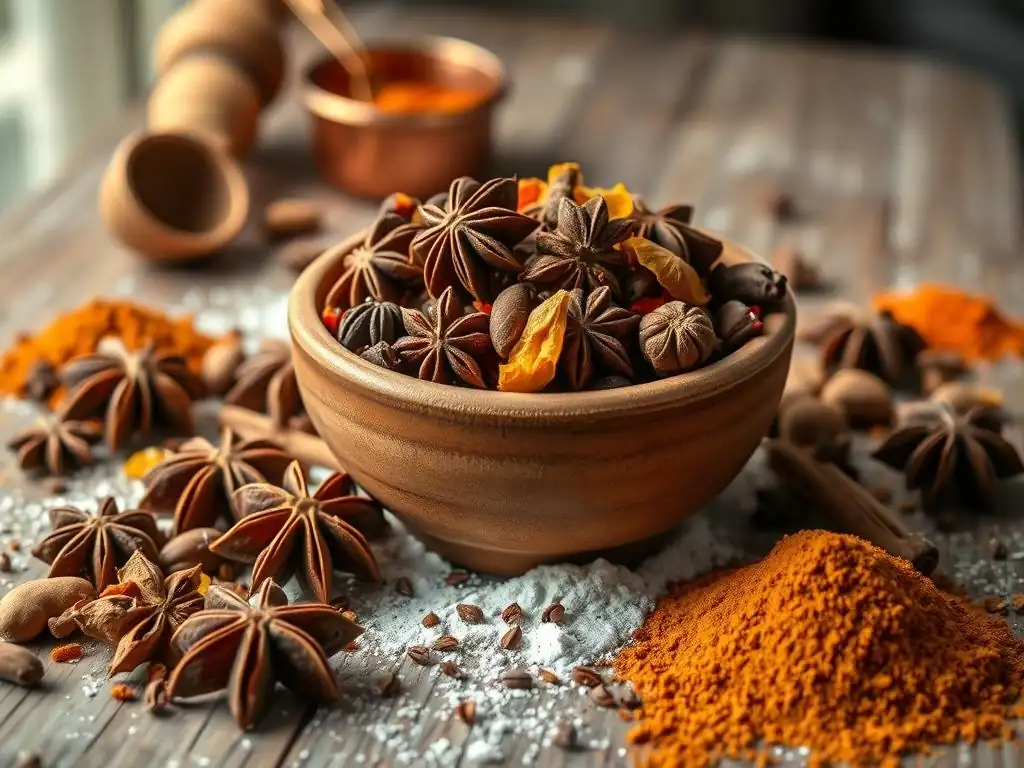
Lebkuchen spice blend, often called Lebkuchengewürz in German, is a classic mix used for making traditional German gingerbread cookies (Lebkuchen), cakes, and other festive baked goods, particularly around Christmas. While recipes vary, a typical blend includes a mix of warm spices like cinnamon, cloves, nutmeg, allspice, ginger, and often star anise, coriander, and sometimes cardamom, mace, or even a pinch of black pepper.
This blend is known for its rich, aromatic, and deeply warming flavor profile, often with prominent notes of star anise and ginger. It's less about fiery heat and more about a complex, comforting warmth. Lebkuchen spice blend is a perfect example of how specific spice combinations become synonymous with cultural traditions and holiday seasons, offering a taste of European heritage through global baking spice recipes.
Lebkuchen Spice Blend for Cookies
Lebkuchen spice blend is the heart and soul of traditional German Lebkuchen cookies. These soft, often honey-sweetened cookies rely heavily on the unique aroma and flavor of the spice mix. The blend provides the characteristic depth and warmth that distinguishes Lebkuchen from other types of gingerbread. The spices are usually incorporated directly into the dough, which often contains honey, molasses, and sometimes ground nuts.
To use Lebkuchen spice blend in your own baking, follow traditional Lebkuchen recipes or adapt other gingerbread or spice cookie recipes. A typical amount might be 1 to 2 tablespoons of the blend per batch of cookies. The blend pairs beautifully with honey, almonds, citrus zest (especially lemon), and chocolate, which is often used to coat the finished cookies. Baking with this blend is a delicious way to experience classic European global baking spice recipes.
Southeast Asian Baking Spice Blends: Pandan Extract
While technically not a spice blend in the traditional sense of ground seeds or bark, Pandan extract is a crucial flavoring agent in Southeast Asian baking and deserves mention among global baking spice recipes. Derived from the leaves of the pandan plant ( Pandanus amaryllifolius), the extract imparts a unique, slightly sweet, floral, and vanilla-like aroma and a vibrant green color. It's a ubiquitous ingredient in cakes, desserts, and sweet drinks across countries like Malaysia, Singapore, Indonesia, Thailand, and the Philippines.
Unlike the warm, pungent flavors of many other global spices, pandan offers a fresh, subtle, and highly aromatic profile. It's used to flavor chiffon cakes, sweet custards, rice dishes, and various pastries. Its distinct flavor is difficult to describe but instantly recognizable to anyone familiar with Southeast Asian sweets.
Pandan in Baking
Pandan extract is most commonly used in liquid form, either as a natural extract made from blending and straining pandan leaves or as a commercially produced liquid or paste. It's added directly to batters, doughs, custards, and syrups. The amount used depends on the desired intensity of both flavor and color, but typically ranges from a few drops to a teaspoon or more for a standard cake recipe.
Pandan pairs wonderfully with coconut milk, glutinous rice, and palm sugar, ingredients commonly found in Southeast Asian desserts. Think of light and airy pandan chiffon cake, vibrant green pandan-flavored glutinous rice balls (onde-onde), or creamy pandan kaya jam used as a spread. Incorporating pandan into your global baking spice recipes offers a foray into the unique and fragrant world of Southeast Asian sweets.
Tips for Using Global Baking Spices
Storing and Preserving Baking Spices
Proper storage is crucial to maintaining the potency and flavor of your global baking spices. Heat, light, and air are the enemies of spice freshness. Ground spices lose their flavor faster than whole spices because more surface area is exposed to the air. A general guideline is that ground spices are best used within 6-12 months, while whole spices can last for 2-4 years or even longer if stored correctly.
Store spices in airtight containers, preferably glass jars with tight-fitting lids. Keep them in a cool, dark place, away from the stove, oven, and direct sunlight. Avoid storing them in containers with clear lids if they will be exposed to light. Label your spice jars with the name of the spice and the date of purchase or grinding to help you keep track of their freshness. Using fresh, vibrant spices is key to successful global baking spice recipes.
Measuring Spices Accurately for Baking
Accurate measurement is vital when using potent global baking spices, as too much can easily ruin a recipe. Always use proper measuring spoons and level off the spice with a straight edge (like the back of a knife) to ensure you're using the exact amount specified. Avoid measuring directly over a hot pot or mixing bowl, as steam can introduce moisture into the spice jar, leading to clumping and loss of flavor over time.
For spices like ground cloves or cayenne pepper, which are particularly strong, even a slight over-measurement can be detrimental. If a recipe calls for a "pinch" or "dash," interpret this as a very small amount, typically less than ⅛ teaspoon. When adapting recipes or creating your own global baking spice recipes, it's wise to start with a smaller amount of a new or potent spice and add more to taste if needed, especially when working with strong flavors like star anise or black cardamom.
Toasting Spices for Enhanced Flavor
Toasting whole spices before grinding them can dramatically enhance their flavor and aroma. This gentle heating process releases the volatile oils within the spice, resulting in a richer, more complex taste. This technique is commonly used when preparing spice blends like Garam Masala or some versions of Ras el Hanout, but it can also benefit individual spices like cardamom, coriander, or cumin before adding them to baking.
To toast whole spices, place them in a dry skillet over medium heat. Shake the pan frequently or stir the spices with a wooden spoon to prevent burning. Toast until they are fragrant and slightly darker in color, typically just a few minutes. Remove them from the pan immediately to cool before grinding. This simple step can elevate the flavor profile of your global baking spice recipes significantly. Be cautious not to burn them, as burnt spices will taste bitter.
Pairing Spices with Different Baking Ingredients
Understanding how global baking spices pair with various ingredients is key to successful recipe creation and adaptation. Warm spices like cinnamon, nutmeg, cloves, and allspice are classic partners for fruits (apples, pears, pumpkin), dairy, eggs, and dark sugars (molasses, brown sugar). Zesty spices like ginger and cardamom pair well with citrus, nuts (almonds, pistachios), and lighter flavors.
Exotic flavors like star anise or fennel seed work well with chocolate, citrus, and certain fruits like plums or figs. Pandan, with its unique floral-vanilla notes, is perfect with coconut, glutinous rice, and palm sugar. By considering the base ingredients of your baked good – be it fruit, chocolate, nuts, or a rich batter – you can select global baking spices that will complement and enhance the overall flavor profile, leading to truly inspired global baking spice recipes.
Where to Find Quality Global Baking Spices
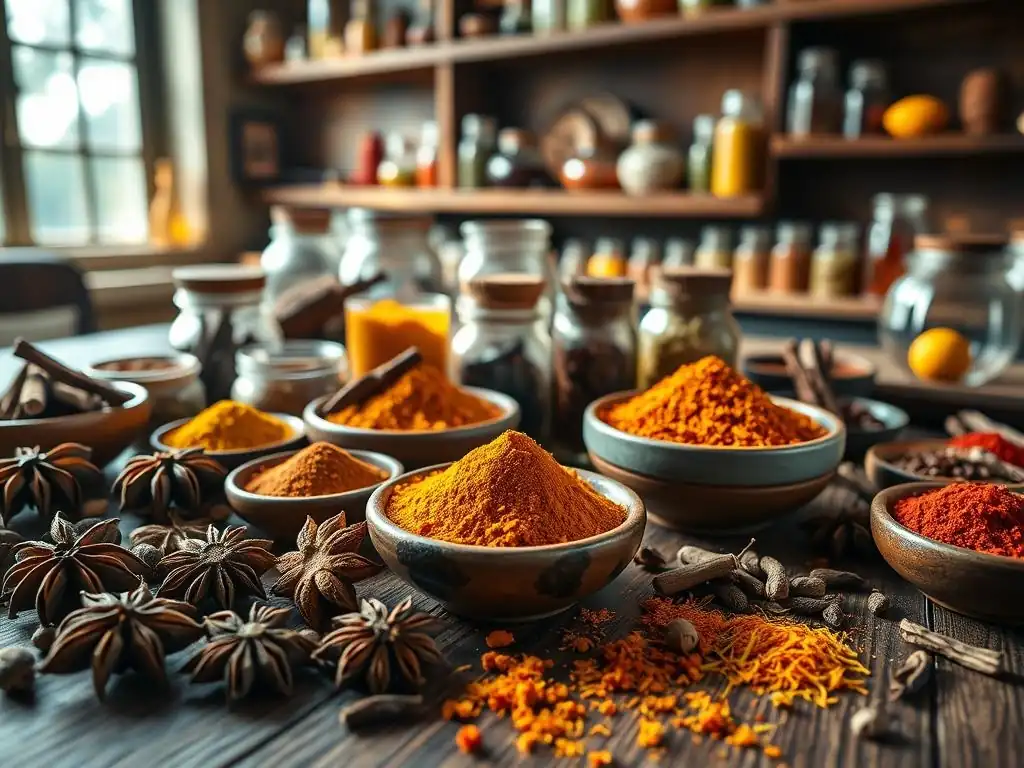
Buying Spices Online
The internet has made accessing a vast array of global baking spices easier than ever before. Numerous online retailers specialize in spices, offering everything from common varieties to rare and exotic finds like Mahlab, Grains of Paradise, or high-quality saffron. Shopping online provides convenience and access to spices that might not be available in local grocery stores, expanding the possibilities for your global baking spice recipes.
When buying spices online, look for reputable vendors who specify the origin of their spices and ideally provide information on freshness or harvest dates. Read reviews from other customers regarding the quality and potency of the spices. Consider buying whole spices and grinding them yourself for maximum freshness, especially for seeds and pods. Buying in smaller quantities if possible is also advisable unless you bake frequently with a specific spice, to ensure you use them while they are still at their peak flavor.
Local Spice Shops and Markets
Visiting local spice shops or ethnic markets can be a wonderful way to source global baking spices. These stores often have a higher turnover of spices than typical supermarkets, meaning the spices are likely to be fresher. They also provide an opportunity to see and smell the spices before purchasing, and the staff are often knowledgeable and can offer advice on usage and flavor profiles.
Ethnic markets specializing in Indian, Middle Eastern, Asian, or Latin American ingredients are particularly good places to find spices specific to those cuisines, such as fresh curry leaves, specific chili powders, or unique spice blends essential for authentic global baking spice recipes. Supporting local businesses also adds a community element to your baking adventures.
Considerations When Choosing Baking Spices
When selecting baking spices, freshness is paramount. Spices should be vibrant in color and highly aromatic. If a ground spice looks dull or smells faint, it has likely lost much of its flavor. Whole spices should be plump and unbroken where applicable. Consider purchasing organic spices if available, as this ensures they were grown without synthetic pesticides.
Think about the specific flavor profile you want to achieve in your global baking spice recipes. Do you need a potent, warm kick (like Cassia cinnamon or ginger), a delicate floral note (like Ceylon cinnamon or green cardamom), or a complex blend (like Ras el Hanout)? Choosing the right variety and form of spice (whole vs. ground) based on your recipe and desired outcome will lead to the best results. Don't be afraid to try a small amount of a new spice before committing to a larger purchase.
Conclusion: Embrace the World of Global Baking Flavors
Transform Your Baking with Spices
Exploring global baking spice recipes is an exciting journey that can dramatically transform your baking. By incorporating spices from around the world, you add layers of flavor, aroma, and cultural richness to your creations. From the warm comfort of European spice blends to the exotic fragrance of Southeast Asian pandan or the intriguing heat of Mexican chili with chocolate, the possibilities are endless.
Step out of your baking comfort zone and experiment with new spices and global baking spice recipes. You'll discover how a simple ingredient change can elevate a familiar treat into an unforgettable experience. Your kitchen will become a hub of global aromas, and your baked goods will tell stories of distant lands and ancient culinary traditions. Embrace the world of global flavors and unlock a new level of deliciousness in your baking adventures.
Frequently Asked Questions
What are some common global baking spices mentioned in the article?
The article likely discusses spices such as cinnamon, cardamom, nutmeg, ginger, and possibly even star anise as examples of global baking spices. These add unique flavor profiles to baked goods.
Where can I find these global baking spices to use in my recipes?
Most global baking spices are readily available at your local grocery store. You can also find them online at specialty spice shops or bulk retailers.
How do I properly store global baking spices to maintain their freshness?
Store your global baking spices in an airtight container in a cool, dark, and dry place. This will help to preserve their flavor and aroma for longer.
Can I substitute one global baking spice for another in a recipe?
While possible, substituting global baking spices can significantly alter the flavor of your baked goods. Research the flavor profiles before substituting to ensure a compatible taste.
What are some beginner-friendly recipes that utilize global baking spices?
Start with simple recipes like gingerbread cookies, cinnamon rolls, or cardamom bread. These recipes showcase global baking spices and are relatively easy to make.
Final Reflection: A World of Flavor, A World of Connection
The exploration of global baking spices isn't just about creating delicious treats; it's about connecting with cultures and histories through the simple act of cooking. The vibrant tapestry of flavors we've uncovered highlights the incredible diversity and ingenuity found in kitchens across the globe, a diversity that deserves to be celebrated and explored further. This isn't just a trend; it's a reflection of our increasingly interconnected world and a testament to the power of shared culinary experiences.
The journey through these recipes has been a personal one, revealing how deeply intertwined food and culture truly are. Each spice, each unique blend, tells a story – a story of tradition, innovation, and the enduring human need for connection. Food is symbolic of love when words are inadequate.
- Alan D. Wolfelt. This quote perfectly encapsulates the emotional resonance found in sharing and creating food, especially when infused with the rich history and unique character of global spices. The impact of these spices extends beyond the palate; they offer a window into different societies and their unique perspectives.
Now, it's your turn. Don't just bake; explore. Choose a spice from a culture you've always been curious about, research its history and significance, and let its unique flavor profile guide your next baking adventure. Embrace the unexpected combinations, the subtle nuances, and the joy of discovering new tastes. Let the world of global baking spices enrich not only your recipes but also your understanding of the world around you. The possibilities are as boundless as your imagination.
Unleash Your Inner Spice Master!
Thanks for joining us on this flavorful journey into the world of global spices! We hope you've discovered new ways to elevate your baking creations. Ready to take your skills to the next level?
- Experiment with a new spice blend: Try incorporating the cardamom-cinnamon combo we discussed into your next batch of cookies or muffins. Let your creativity flow!
- Share your spice-infused baking masterpieces: Post a picture on social media and tag us – we'd love to see your culinary creations! #BakeWithEase #SpiceItUp
- Explore our spice guide: Download our free guide (available on the BakeWithEase website – [replace with the actual link if allowed]) for even more inspiring spice combinations and baking tips.
What unexpected spice combination are you most excited to try in your next baking adventure?