
Advanced Techniques for Light, Airy Keto Sponge Cake

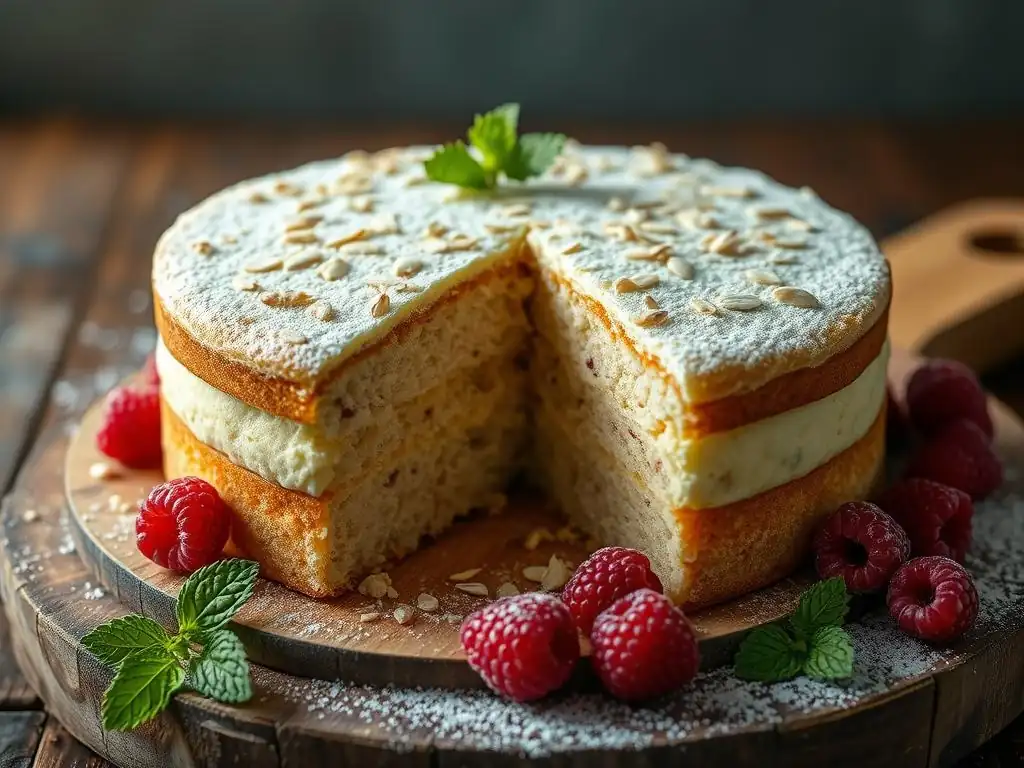
Welcome to BakeWithEase, your guide to baking bliss! Ever dreamt of a perfectly light and airy keto sponge cake that defies expectations? This article dives deep, revealing advanced techniques that unlock the secrets to a truly exceptional, guilt-free treat. Ready to elevate your keto baking game? Prepare to be amazed – the journey to mastering our easy Keto sponge cake recipe starts now!
- Advanced Techniques for Light, Airy Keto Sponge Cake: Bake With Ease
- Introduction to Keto Sponge Cake Perfection
- Understanding the Keto Sponge Cake Challenge
- Key Ingredients for a Light Keto Sponge Cake
- Advanced Techniques for an Airy Keto Sponge Cake
- Keto Sponge Cake Recipe Easy: Step-by-Step Instructions
- Troubleshooting Common Keto Sponge Cake Issues
- Variations on the Keto Sponge Cake Recipe
- Conclusion: Mastering the Art of Keto Sponge Cake
-
Frequently Asked Questions
- What makes a Keto sponge cake different from a regular sponge cake?
- What are the key ingredients needed for an easy Keto sponge cake recipe?
- What advanced techniques are used to achieve a light and airy texture in Keto sponge cake?
- Can I substitute ingredients in the Keto sponge cake recipe, and if so, what are some safe substitutions?
- How can I prevent my Keto sponge cake from being too dry?
- Final Reflection: The Unexpected Lightness of Keto Baking
- Unlock Your Inner Pastry Chef: Bake the Perfect Keto Cake!
Advanced Techniques for Light, Airy Keto Sponge Cake: Bake With Ease
Introduction to Keto Sponge Cake Perfection
Baking a sponge cake is often considered a delicate art, relying on the precise balance of ingredients and technique to achieve that signature light and airy texture. Translating this classic dessert into a low-carb, keto-friendly version presents a unique set of challenges. Without traditional wheat flour and sugar, which provide structure, moisture, and aid in aeration, bakers must employ different strategies to achieve a similar delightful result.
This article delves into advanced techniques and ingredient considerations specifically tailored for creating a perfect keto sponge cake. Whether you're aiming for a basic keto sponge cake recipe easy enough for a beginner or looking to refine your skills, understanding the science behind low-carb baking is key. We'll explore how alternative flours, sweeteners, and binding agents work, coupled with specific methods like the meringue technique and the bain-marie, to help you bake a keto sponge cake that is not only low-carb but genuinely light and airy, just like its traditional counterpart.
Understanding the Keto Sponge Cake Challenge
Traditional sponge cake derives its structure and lift primarily from the gluten in wheat flour and the air incorporated when whipping eggs and sugar. The sugar also contributes to moisture, tenderness, and browning. In a keto version, these core components are replaced, creating inherent difficulties.
Low-carb flours like almond or coconut flour lack gluten, meaning they don't provide the elastic network needed to trap air and hold the cake's structure as it bakes. Keto-friendly sweeteners often behave differently than sugar; some don't caramelize, others can crystallize upon cooling, and none contribute to volume or aeration in the same way granulated sugar does when whipped with eggs. Overcoming these hurdles requires a thoughtful approach to ingredient selection and meticulous attention to technique to ensure your keto sponge cake doesn't turn out dense, dry, or crumbly.
Key Ingredients for a Light Keto Sponge Cake
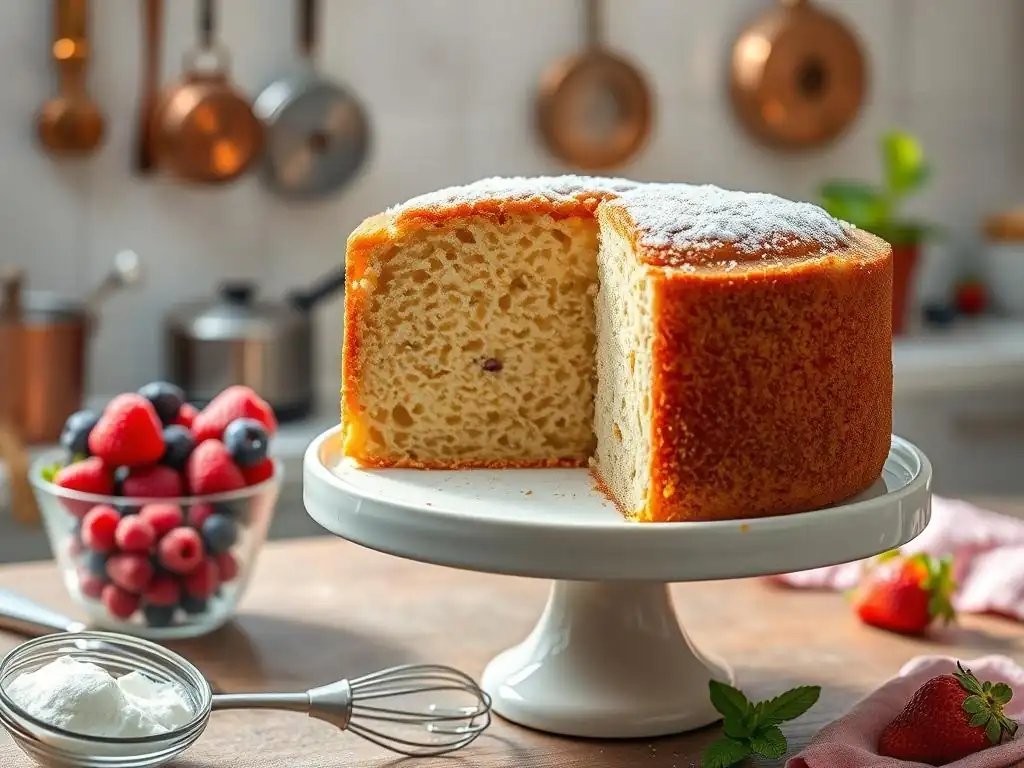
Achieving a light texture in a keto sponge cake starts with selecting the right low-carb ingredients that mimic the functions of traditional flour and sugar while keeping net carbs low. Each component plays a vital role in the final outcome, from the base flour to the sweetener and the binding agents.
Almond Flour vs. Coconut Flour: Choosing the Right Base
The choice between almond flour and coconut flour, or a blend of both, significantly impacts the texture and moisture of your keto sponge cake. Almond flour, made from ground almonds, is denser and higher in fat, offering a moist crumb. A typical finely ground blanched almond flour contains around 10-12 grams of net carbs per 100 grams. It works well for cakes but can sometimes lead to a slightly heavy result if not balanced with proper aeration techniques.
Coconut flour, made from dried and ground coconut meat, is extremely absorbent and much higher in fiber. It contains roughly 20-25 grams of net carbs per 100 grams, but because you use significantly less of it (often 1/4 to 1/3 the amount compared to almond flour), the net carb contribution per serving can be similar or lower.
Coconut flour provides structure but can result in a dry cake if not compensated with ample liquid and fat. Many successful keto sponge cake recipes utilize a combination of both flours to leverage the moisture from almond flour and the structure from coconut flour, often using a ratio like 2 parts almond flour to 1 part coconut flour by volume, though this varies greatly by recipe.
The Importance of Keto-Friendly Sweeteners
Keto-friendly sweeteners do more than just add sweetness; they can influence texture and moisture. Granulated erythritol is a popular choice, offering a clean taste with zero net carbs, but it can sometimes recrystallize upon cooling, leading to a slightly gritty texture, especially if used in large quantities. Blends containing erythritol, stevia, or monk fruit can mitigate this and provide a more balanced sweetness profile.
Allulose is gaining popularity because it behaves more like sugar, providing moisture and not crystallizing. However, it's often less sweet than sugar (about 70% sweetness) and can be more expensive. Using a powdered or confectioners' style sweetener is often recommended for cakes as it dissolves more readily and reduces the chance of grittiness compared to granulated forms.
For instance, a blend of erythritol and monk fruit extract powdered is often used in a 1:1 ratio substitute for sugar in terms of sweetness, though volume and weight may differ. Experimenting with different sweeteners or blends is key to finding the one that best suits your taste and texture preferences for your keto sponge cake recipe easy to follow.
Binding Agents: Replacing Gluten Effectively
Since low-carb flours lack gluten, binding agents are essential to provide structure, prevent crumbling, and help the cake hold its shape. Xanthan gum is a widely used binder in keto baking. It's a polysaccharide created by fermentation and provides elasticity similar to gluten when used in small amounts. Typically, only 1/4 to 1/2 teaspoon of xanthan gum is needed per cup of low-carb flour blend. Using too much can result in a gummy or unpleasant texture.
Psyllium husk powder is another effective binder, absorbing moisture and providing structure and a slightly bread-like texture. It can also help with moisture retention, preventing the cake from drying out. Ground flaxseed (flax meal) can also act as a binder, especially when combined with liquid to form a gel, but it can impart a distinct flavor and color.
The specific binding agent and amount used will depend on the flour blend and desired texture for your keto sponge cake. For example, a recipe using primarily coconut flour might benefit more from psyllium husk due to coconut flour's absorbency, while almond flour often pairs well with xanthan gum for elasticity.
Advanced Techniques for an Airy Keto Sponge Cake
Beyond selecting the right ingredients, mastering specific techniques is paramount to achieving that coveted light and airy texture in your keto sponge cake. These methods focus on incorporating and preserving as much air as possible within the batter.
The Egg White Meringue Method: Achieving Maximum Volume
One of the most effective ways to introduce significant air into a keto sponge cake is by whipping egg whites separately to stiff peaks, creating a meringue. This process traps a large volume of air bubbles within the protein structure of the egg whites. Unlike traditional sponge cakes where sugar helps stabilize the meringue, in a keto version, you might add a portion of your powdered keto sweetener or a pinch of cream of tartar (about 1/4 teaspoon per 3 egg whites) to help stabilize the foam and achieve maximum volume.
The egg whites should be at room temperature for optimal whipping. Ensure your bowl and whisk are perfectly clean and free of any grease, as fat can prevent the whites from whipping properly. Whip the egg whites on medium-high speed until stiff, glossy peaks form – when you lift the whisk, the peaks should stand straight up. This meringue is then carefully folded into the main batter, contributing significantly to the cake's rise and light texture. This technique is a cornerstone for any successful keto sponge cake recipe easy or complex.
The Hot Water Bath (Bain-Marie) Technique
Baking your keto sponge cake in a hot water bath, or bain-marie, is an advanced technique that provides gentle, even heat during baking. This is particularly beneficial for delicate cakes like sponge cakes (keto or traditional) and cheesecakes. The water bath prevents the edges of the cake from cooking and setting too quickly, which can lead to a dry texture or cracks on the surface.
To use a bain-marie, place your cake pan inside a larger baking pan. Carefully pour hot water into the larger pan until it comes about halfway up the sides of the cake pan. Ensure your cake pan is sealed tightly (you might wrap the bottom in foil if using a springform pan) to prevent water from seeping in. The steam created by the hot water also helps keep the cake moist as it bakes, contributing to a tender crumb. This consistent, moist heat environment promotes an even rise and a wonderfully tender texture in your keto sponge cake.
Incorporating Air: The Folding Technique Mastered
Once you've created your airy component, typically the whipped egg white meringue, the crucial next step is incorporating it into the main batter without deflating all that precious air. This is where the folding technique comes in. Folding is a gentle method of combining two mixtures, one light and airy (like meringue) and one heavier (the batter), using a spatula to carefully lift and turn the ingredients over on themselves.
Start by adding about a third of the meringue to the main batter and gently fold it in to lighten the batter. This makes it easier to incorporate the remaining meringue. Then, add the rest of the meringue in one or two additions. Using a large spatula, cut down through the center of the mixture, sweep across the bottom of the bowl, and lift the batter up and over the meringue.
Rotate the bowl as you fold, repeating the motion until just combined. Avoid stirring or beating, as this will collapse the air bubbles. The goal is to mix just enough to distribute the meringue evenly, leaving streaks of white is preferable to overmixing.
Keto Sponge Cake Recipe Easy: Step-by-Step Instructions
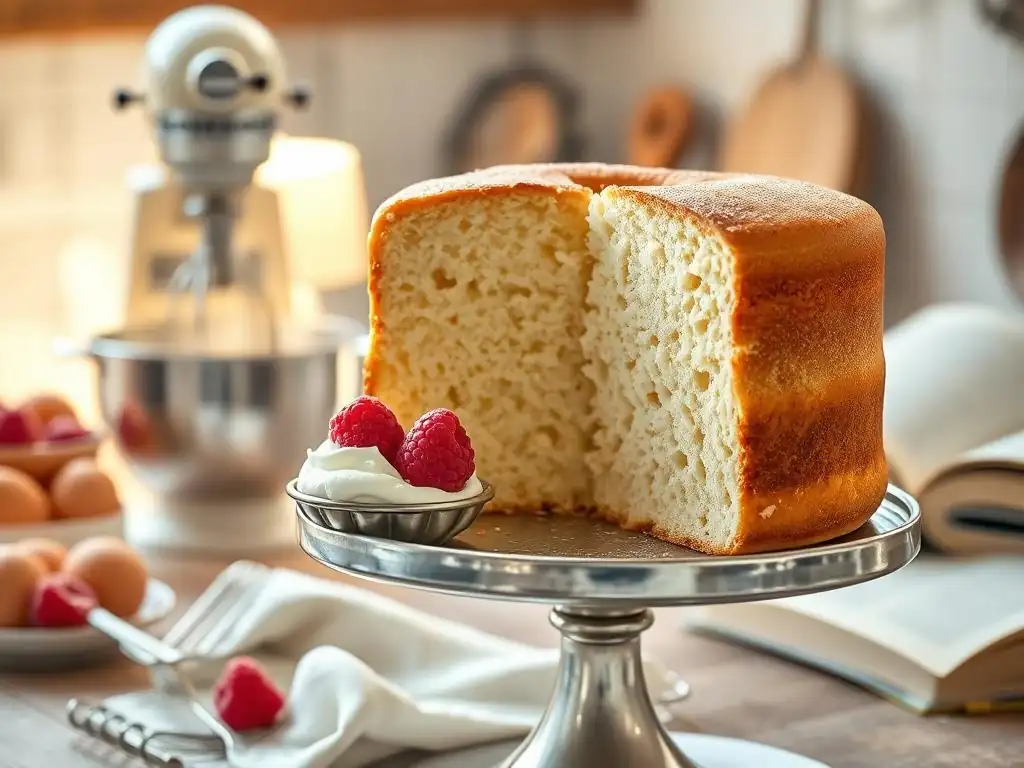
Creating a delicious and airy keto sponge cake can be straightforward when you follow a clear process. This simple keto sponge cake recipe focuses on integrating the techniques discussed to guide you from start to finish.
Preparing the Ingredients and Equipment
Preparation is key to smooth baking. Start by gathering all your ingredients and equipment. Preheat your oven to a moderate temperature, typically around 325°F (160°C). Prepare your cake pan; for a standard 8-inch round cake, grease the bottom and sides, then line the bottom with parchment paper. This prevents sticking and makes removal easier.
- [ ] Preheat oven to 325°F (160°C).
- [ ] Prepare 8-inch cake pan (grease and line with parchment).
- [ ] Separate eggs, ensuring no yolk gets into the whites.
- [ ] Measure all dry ingredients accurately (weighing is recommended for precision).
- [ ] Measure all wet ingredients.
- [ ] Ensure egg whites are at room temperature.
Having everything measured and ready before you start mixing ensures you can move through the steps efficiently, which is particularly important when working with delicate batters.
Mixing the Batter: The Secret to Success
The mixing process for a keto sponge cake focuses on creating two main components – the heavier wet/dry mix and the light, airy meringue – and then combining them gently. Begin by whisking together your low-carb flours, binding agent (like xanthan gum), baking powder (if using), and salt in a medium bowl. In a separate, larger bowl, whisk together the egg yolks, keto sweetener, liquid (like almond milk or coconut milk), melted butter or oil, and vanilla extract until well combined.
Gradually add the dry ingredients to the wet ingredients, mixing gently until just combined. Do not overmix, as this can develop the binding agents too much and lead to a tougher texture. In a clean bowl, whip the room-temperature egg whites with a pinch of cream of tartar or a tablespoon of powdered keto sweetener until stiff, glossy peaks form. Now, gently fold the whipped egg whites into the main batter in two or three additions using the technique described earlier, being careful not to deflate the mixture. Pour the batter immediately into your prepared cake pan.
Baking the Keto Sponge Cake to Perfection
Baking is where the air you've incorporated turns into structure. Place the cake pan into a larger pan and create a bain-marie by carefully pouring hot water around it, reaching about halfway up the cake pan's sides. This gentle, moist heat is ideal for baking a delicate keto sponge cake.
Bake in the preheated oven for approximately 30-40 minutes. The exact time will vary depending on your oven and the size of the pan. The cake is done when the edges start to pull slightly away from the pan, the top is golden brown, and a toothpick inserted into the center comes out clean or with just a few moist crumbs. The cake should also spring back slightly when gently pressed. Avoid opening the oven door frequently during baking, as sudden temperature changes can cause the cake to sink.
Cooling and Serving Your Keto Sponge Cake
Proper cooling is crucial to prevent your keto sponge cake from collapsing. Once baked, remove the cake from the oven and the water bath. Let it cool in the pan on a wire rack for about 10-15 minutes. This allows the structure to stabilize as it cools gradually.
After the initial cooling period in the pan, carefully invert the cake onto the wire rack to cool completely. Removing it from the pan while still warm prevents it from sticking. Ensure the cake is completely cool before slicing or frosting. A fully cooled keto sponge cake can be served simply dusted with powdered keto sweetener, or paired with keto-friendly toppings like sugar-free whipped cream, fresh low-carb berries (like raspberries or strawberries), or a sugar-free chocolate ganache. This completes your delicious keto sponge cake recipe easy to make and enjoy!
Troubleshooting Common Keto Sponge Cake Issues
Even with careful technique, sometimes things don't go perfectly. Here are a few common issues and their potential causes:
- Dense or heavy cake: Often caused by overmixing the batter after adding dry ingredients, which overdevelops binders, or deflating the whipped egg whites by folding too vigorously.
- Dry cake: Can result from using too much coconut flour without enough liquid or fat, over-baking, or not using a bain-marie.
- Sunken center: Might happen if the cake is under-baked, removed from the oven too soon, or if the air in the egg whites was significantly deflated during folding. Sudden temperature changes from opening the oven can also contribute.
- Crumbly texture: Could be due to insufficient binding agents, too little moisture, or using a low-carb flour that is too coarse.
Understanding the role of each ingredient and technique helps in diagnosing and fixing these issues for your next baking attempt.
Variations on the Keto Sponge Cake Recipe
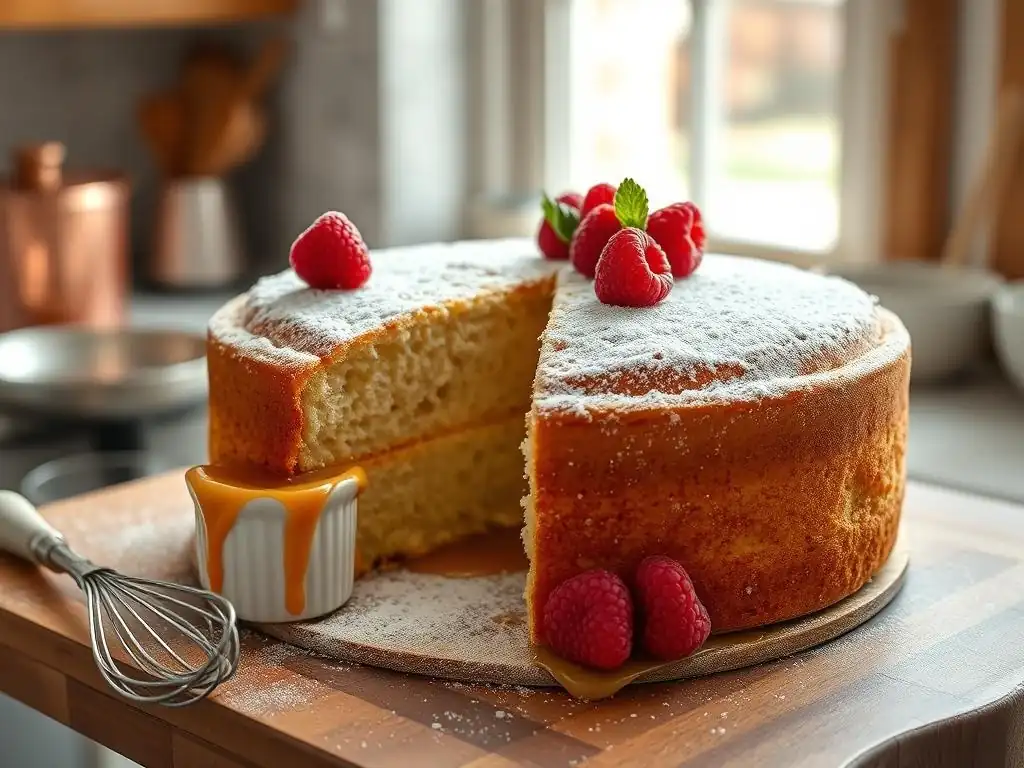
Once you've mastered the basic keto sponge cake recipe easy to follow, you can explore exciting variations to add different flavors and textures.
Chocolate Keto Sponge Cake: Adding Richness
Transforming your basic sponge into a rich chocolate version is simple. Replace a small amount of your low-carb flour blend (e.g., 1/4 cup per 1.5 cups total flour) with unsweetened cocoa powder. Since cocoa powder is dry, you might need to add a tiny bit more liquid (e.g., 1-2 tablespoons) to maintain the right batter consistency. Ensure the cocoa powder is finely sifted to avoid lumps. This variation pairs wonderfully with a sugar-free chocolate frosting or a simple dusting of cocoa and powdered sweetener.
The addition of cocoa powder adds depth of flavor and a beautiful color. Be mindful that cocoa powder itself contains some fiber and carbs, so adjust your net carb count accordingly. Using Dutch-processed cocoa can provide a darker color and smoother flavor compared to natural cocoa.
Lemon Keto Sponge Cake: A Zesty Twist
For a bright, refreshing flavor, add lemon zest and/or lemon extract to your keto sponge cake batter. The zest from one medium lemon typically adds negligible carbs but provides intense flavor. You can also add 1/2 to 1 teaspoon of pure lemon extract.
Lemon juice is acidic and can sometimes affect the texture of baked goods, so adding only zest and extract is often preferred for maintaining the delicate structure of a sponge cake. This lemon variation is perfect served with fresh raspberries and a dollop of keto whipped cream, offering a delightful contrast of tart and sweet.
Keto Sponge Cake with Berries: A Fruity Delight
Incorporating low-carb berries like raspberries, strawberries, or blueberries (in moderation) can add moisture and bursts of flavor to your keto sponge cake. You can gently fold a small amount of berries (e.g., 1/2 cup) into the batter just before pouring it into the pan, or scatter them over the top.
Be aware that berries release moisture as they bake, which can slightly alter the cake's texture. Using a small amount and ensuring they are evenly distributed helps manage this. The vibrant color and natural sweetness of berries complement the light texture of the sponge cake beautifully, making this a simple yet effective variation on the basic keto sponge cake recipe easy to adapt.
Conclusion: Mastering the Art of Keto Sponge Cake
Baking a truly light and airy keto sponge cake is a rewarding endeavor that combines careful ingredient selection with precise techniques. By understanding the unique properties of low-carb flours and sweeteners, and by employing methods like whipping egg whites to stiff peaks, using a gentle bain-marie, and mastering the folding technique, you can overcome the challenges of gluten-free, sugar-free baking.
Practice makes perfect, and don't be discouraged if your first attempt isn't exactly what you envisioned. Each bake is a learning opportunity. Experiment with the simple keto sponge cake recipe easy steps outlined here, try the variations, and pay attention to how your ingredients and techniques influence the final texture. With patience and practice, you'll be creating beautiful, delicious, and wonderfully airy keto sponge cakes that everyone can enjoy, proving that dietary restrictions don't mean sacrificing dessert perfection.
Frequently Asked Questions
What makes a Keto sponge cake different from a regular sponge cake?
A Keto sponge cake differs significantly because it replaces traditional flour and sugar with keto-friendly alternatives like almond flour and erythritol. This results in a lower carbohydrate content.
What are the key ingredients needed for an easy Keto sponge cake recipe?
The essential ingredients include almond flour, erythritol (or another keto-friendly sweetener), eggs, baking powder, and a source of fat like coconut oil or butter. Proper ingredient ratios are crucial.
What advanced techniques are used to achieve a light and airy texture in Keto sponge cake?
Advanced techniques include whipping the egg whites to stiff peaks for maximum volume, gently folding the ingredients to avoid deflating the batter, and using a water bath during baking.
Can I substitute ingredients in the Keto sponge cake recipe, and if so, what are some safe substitutions?
While some substitutions are possible, be cautious. Coconut flour can replace some almond flour, but it requires more liquid. Different sweeteners can be used, but adjust quantities.
How can I prevent my Keto sponge cake from being too dry?
Prevent dryness by ensuring you don't overbake the cake. Using a water bath during baking helps retain moisture. Also, consider adding a touch of xanthan gum to improve the texture.
Final Reflection: The Unexpected Lightness of Keto Baking
The pursuit of a truly light and airy keto sponge cake, once considered a culinary impossibility, is now a delicious reality. This article has demonstrated that with careful technique and the right ingredients, the seemingly contradictory goals of low-carb and delicate texture can be beautifully achieved. The recipes and tips shared here empower home bakers to explore a new frontier in ketogenic baking, proving that healthy eating doesn't have to mean sacrificing enjoyment.
The journey of mastering this recipe has been a personal testament to the power of experimentation and adaptation within the ketogenic diet. It's challenged the common misconception that keto baking is limited to dense, heavy textures. The lightness achieved in these recipes opens up a world of possibilities, allowing for the creation of elegant desserts that are both satisfying and health-conscious. The best things in life are the simplest,
a phrase often associated with baking, rings especially true here; with a few key ingredients and techniques, we can create something truly special.
Now, it's your turn. Don't be afraid to experiment with the techniques outlined in this article, to adjust the recipes to your own preferences, and to discover the joy of creating your own light and airy keto masterpieces. Embrace the challenge, and you'll find that the rewards – both in taste and in the satisfaction of culinary achievement – are well worth the effort. The world of keto baking awaits your creative touch!
Unlock Your Inner Pastry Chef: Bake the Perfect Keto Cake!
Thanks for joining us on this delicious journey into the world of light and airy keto cakes! We hope you've gained valuable insights and are ready to impress yourself (and others!) with your baking skills.
Ready to take your baking to the next level? Here's what you can do next:
- Bake your dream keto cake today! Use the techniques you learned to create your own masterpiece. Don't be afraid to experiment with flavors and frostings.
- Share your creation: Tag us on social media with your stunning photos – we'd love to see your baking triumphs!
- Explore our other keto recipes: Discover more delicious and healthy baking ideas on our website.
What unique flavor combination will you try in your next keto cake creation? Let us know in the comments below!