
Understanding Nut Allergy Labels: Shopping Safely for NutFree Ingredients

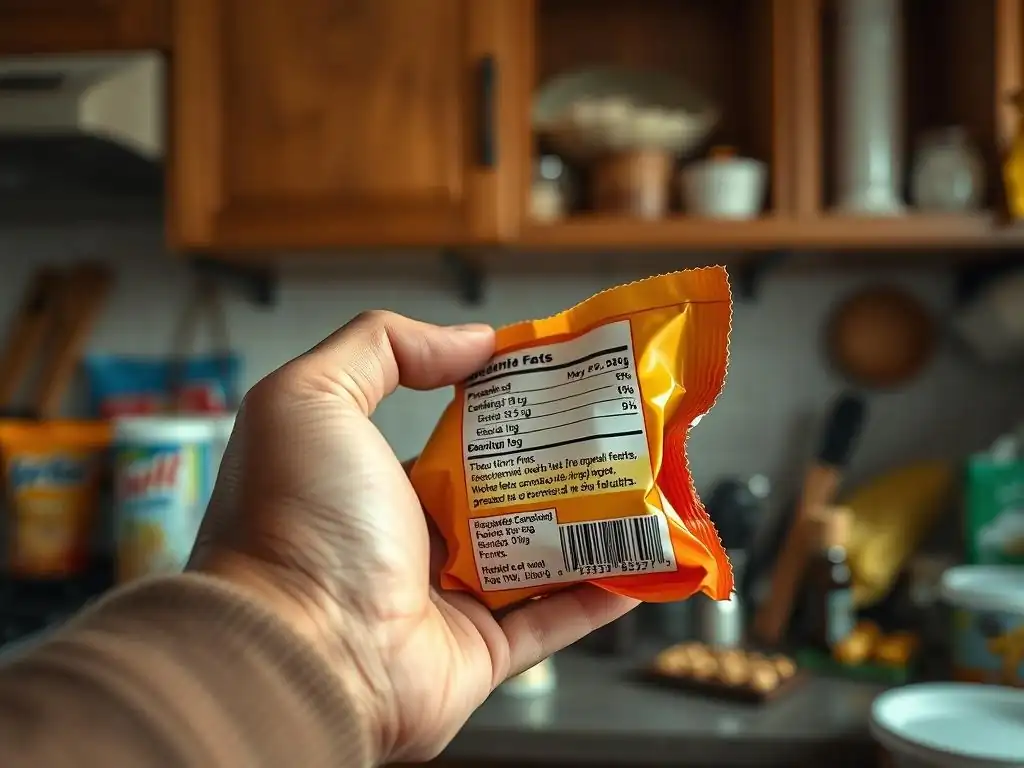
Welcome to BakeWithEase, your friendly guide to confident baking! Are you navigating the often-confusing world of nut allergy ingredient labels? Baking safely with dietary restrictions can feel overwhelming, but we're here to help. Dive into our comprehensive guide and unlock the secrets to understanding labels, ensuring delicious and worry-free creations for everyone. Get ready to bake with ease and confidence!
- Understanding Peanut & Tree Nut Allergy Labels: Shopping Safely for Nut-Free Ingredients
- Introduction to Nut-Free Baking
- Decoding Allergy Ingredient Labels: A Beginner's Guide
- Key Terms and Phrases on Allergy Labels Explained
- Successfully Navigating Allergy Labels: A Step-by-Step Approach
- Identifying Potential Nut-Containing Ingredients in Baking
- Practical Tips for Shopping for Nut-Free Baking Ingredients
- Avoiding Cross-Contamination in Your Kitchen
- Nut-Free Baking Ingredient Substitutions: A Comprehensive Guide
- Resources for Further Information on Nut Allergies and Food Labeling
- Conclusion: Baking with Confidence While Managing Nut Allergies
-
Frequently Asked Questions
- What are the key things to look for on ingredient labels when you have a nut allergy?
- Does "nut-free" always mean a product is safe for someone with a severe nut allergy?
- What are some common "hidden" ingredients that might contain nuts?
- What does "processed in a facility that also processes nuts" mean on an ingredient label?
- Where can I find reliable information about nut allergies and safe food choices?
- Final Reflection: Navigating the Nut-Free World with Confidence
- Unlock a World of Nut-Free Baking!
Understanding Peanut & Tree Nut Allergy Labels: Shopping Safely for Nut-Free Ingredients
Introduction to Nut-Free Baking
Why Understanding Allergy Labels is Crucial for Safe Baking
For individuals with peanut and tree nut allergies, baking isn't just a hobby; it's an act that requires meticulous attention to detail to ensure safety. A single exposure to nuts, even a tiny trace amount, can trigger a severe, life-threatening allergic reaction, known as anaphylaxis. Therefore, accurately reading and interpreting nut allergy ingredient labels is not merely a good practice, but an absolute necessity.
Knowing what to look for on packaging can mean the difference between a delicious, safe treat and a dangerous health emergency. This level of vigilance allows passionate bakers to create delightful goods that everyone, including those with severe allergies, can enjoy without fear.
Navigating the grocery store aisle requires a specific skillset when shopping for nut-free ingredients. Many common baking staples, from flour and sugar to chocolate chips and sprinkles, can pose a risk due to processing methods or shared equipment. Understanding the nuances of food labeling regulations, which can vary slightly by region (though major countries like the US and EU have robust allergen labeling laws), empowers bakers to make informed choices.
It's about being proactive – not just relying on a product being labeled "nut-free," but understanding why and how that claim is made, or identifying potential risks even when such claims are absent. Mastering the art of reading nut allergy ingredient labels is the foundation of safe, inclusive baking.
Your Guide to Allergen-Specific Baking
Welcome to the world of allergen-specific baking, where creativity meets caution. This guide is designed to equip you with the knowledge and confidence needed to bake delicious goods that are safe for those with peanut and tree nut allergies. We'll break down the complexities of food labels, highlight common pitfalls, and provide practical strategies for sourcing ingredients and maintaining a safe baking environment. Think of this as your essential toolkit for becoming a proficient nut-free baker.
Whether you're baking for a family member, a friend, or yourself, understanding nut allergy ingredient labels is the first step. We'll explore everything from identifying obvious nut ingredients to uncovering hidden sources and interpreting precautionary statements like "may contain." Our goal is to demystify the process, making it accessible and less intimidating, so you can focus on the joy of baking and sharing safe, delightful treats.
Decoding Allergy Ingredient Labels: A Beginner's Guide
Identifying Common Nut Allergens on Food Labels
Food labels are the primary source of information regarding allergens. In many countries, including the United States and member states of the European Union, major allergens must be clearly declared on packaging. For nuts, this typically means listing specific tree nuts (like almond, walnut, pecan, cashew, hazelnut, pistachio, macadamia nut, Brazil nut) and peanuts in or near the ingredient list. Often, they are listed in bold type, highlighted, or included in a separate "Contains" statement immediately following the ingredients.
For example, a label might list "Ingredients: Enriched Flour, Sugar, Cocoa Powder, Natural Flavor. Contains: Wheat, Soy, Almonds." The specific nut name is key, as "nut" alone isn't usually sufficient for labeling requirements.
However, vigilance is still required. While regulations mandate the declaration of major allergens, the exact format can vary. Some labels might list "Peanuts" or "Tree Nuts" in a summary statement, while others integrate the bolded nut name directly within the ingredient list. It is crucial to read the entire label every time, as ingredients and manufacturing processes can change without notice. Becoming familiar with the specific names of common nuts and peanuts is essential for quickly scanning ingredient lists and identifying potential risks when examining nut allergy ingredient labels.
Understanding "May Contain" Statements and Cross-Contamination Risks
Beyond the direct ingredient list, you will often encounter precautionary statements such as "May Contain Nuts," "Processed in a Facility That Also Processes Peanuts," or "Manufactured on Equipment Shared with Tree Nuts." These are voluntary statements provided by manufacturers to indicate a potential risk of cross-contamination during processing or packaging. While not required by law in the same way as declaring ingredients, these warnings are critical information for individuals with severe nut allergies. They signify that despite not being intentionally added, trace amounts of nuts could be present in the product due to shared lines, equipment, or facilities.
For someone with a severe allergy, even trace amounts can cause a reaction. Therefore, products bearing these "may contain" warnings are generally considered unsafe for individuals with nut allergies. While the exact level of risk isn't quantified by these statements, their presence indicates that the manufacturer cannot guarantee the product is entirely free from nut traces.
When seeking truly nut-free ingredients, it is paramount to understand that these warnings are red flags and to choose products that do not carry such disclaimers, whenever possible. Relying solely on the absence of nuts in the main ingredient list without considering these warnings is a significant risk when reading nut allergy ingredient labels.
Key Terms and Phrases on Allergy Labels Explained
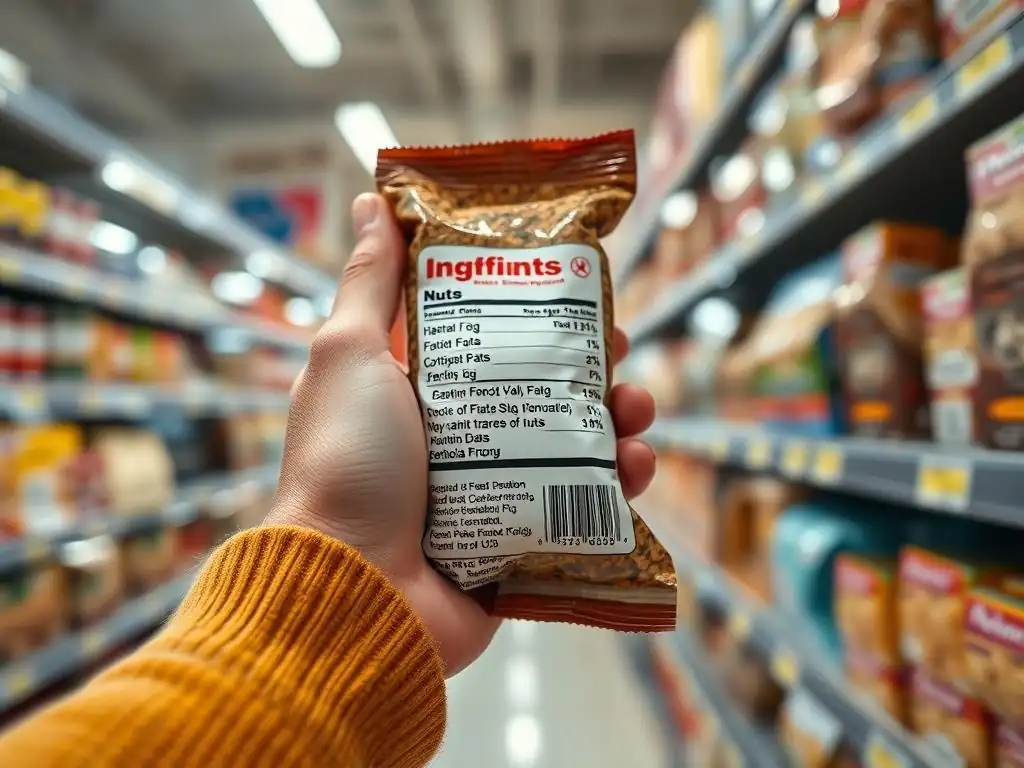
"Nut-Free": What Does It Really Mean?
The term "nut-free" on a food label can be reassuring, but its meaning can vary. Ideally, a "nut-free" claim implies that the manufacturer has taken specific steps to prevent the presence of peanuts and tree nuts in the product. This might involve sourcing ingredients from nut-free suppliers, dedicating production lines or even entire facilities to allergen-free production, and implementing rigorous cleaning and testing protocols.
However, the term "nut-free" is not universally defined or regulated in the same way as allergen ingredient declarations in all regions. Some companies use it to mean no nuts were intentionally added, while others adhere to stricter standards involving testing for trace amounts.
To truly understand what a "nut-free" label signifies for a specific product, it's often necessary to research the manufacturer's practices. Many companies dedicated to allergen-free production provide detailed information on their websites about their sourcing, manufacturing processes, and testing procedures. Look for certifications from third-party organizations that verify allergen-free claims, as these often indicate stricter adherence to protocols. Simply seeing "nut-free" on the label is a good start, but understanding the manufacturer's commitment behind that claim is crucial for confidence when deciphering nut allergy ingredient labels.
"Manufactured in a Facility That Processes Nuts": Implications for Allergy Sufferers
This precautionary statement is one of the most common and important warnings for individuals managing nut allergies. It explicitly states that while the product itself may not contain nuts as an ingredient, it is produced in the same building where nuts are handled. This introduces the potential for cross-contamination through shared air, equipment, or personnel. For someone with a highly sensitive nut allergy, this risk is significant. Even microscopic particles can trigger a reaction.
Therefore, products carrying the "Manufactured in a Facility That Processes Nuts" warning are generally considered unsafe for individuals with severe nut allergies. While some individuals might tolerate products with this warning depending on their sensitivity level and the manufacturer's specific practices, the safest approach for baking for someone with a known allergy is to avoid these products entirely. When scrutinizing nut allergy ingredient labels, treat this statement as a clear indication of potential risk.
Nuts can appear in unexpected places beyond obvious forms like whole nuts or nut flours. For example, natural extracts, especially "natural flavorings," can sometimes be derived from nuts or processed on shared equipment. Some chocolates and cocoa powders might be manufactured in facilities that also process nuts, leading to cross-contamination. Granola and trail mix are obvious culprits, but granola bars used as baking mix-ins or toppings often contain nuts or are made on shared lines.
Other potential hidden sources include certain types of oils (like walnut oil or almond oil, which might be used in blends), some pre-made pie crusts, cookie mixes, and even some decorative sprinkles or icings. Ingredients like marzipan (made from almonds) or praline (often contains nuts) are clear examples, but less obvious ones like certain types of breadcrumbs or spice blends could also pose risks. Always read the full ingredient list and look for precautionary statements, even on items you wouldn't immediately suspect of containing nuts, to effectively navigate nut allergy ingredient labels.
Step 1: Reading the Ingredient List Carefully
The very first step in safe grocery shopping for nut-free baking is to read the ingredient list on every single product, every single time. Do not assume a product is safe just because it was safe last week, or because it's a type of product that typically doesn't contain nuts. Manufacturers can change ingredients or processing methods without significant changes to packaging design. Look for the specific names of peanuts and tree nuts (almond, walnut, pecan, etc.) listed within the ingredients. In many countries, these allergens will be highlighted, often in bold text, making them easier to spot quickly.
Pay close attention to terms like "nut," "peanut," and the names of specific tree nuts. Also, be wary of generic terms that could potentially hide nuts, such as "natural flavorings" or "botanicals," although regulations increasingly require specific allergen identification. Take your time in the aisle; a thorough read of the ingredient list is the foundational step in safely interpreting nut allergy ingredient labels.
Step 2: Scrutinizing "May Contain" Warnings
After reviewing the main ingredient list, the next critical step is to check for precautionary statements, often found below or near the ingredient list. These statements, such as "May Contain Peanuts," "Processed on Shared Equipment," or "Manufactured in a Facility That Also Processes Tree Nuts," are voluntary but essential warnings about the potential for cross-contamination. As discussed earlier, for individuals with severe allergies, products with these warnings are generally considered unsafe.
Even if the ingredient list appears clear, the presence of a "may contain" statement indicates a risk that the manufacturer cannot rule out. Make it a habit to look for these warnings on every product label. If a product carries such a statement, it's best to find an alternative product that does not. This step is just as important as reading the ingredient list itself when you are diligently examining nut allergy ingredient labels.
Step 3: Contacting Manufacturers About Specific Products
Sometimes, a label might be unclear, or you might want more information about a manufacturer's specific allergen control practices, especially if you are dealing with a severe allergy or considering a product with a "nut-free" claim without third-party certification. Don't hesitate to contact the manufacturer directly. Most food companies provide a customer service phone number or email address on their packaging or website.
When contacting them, be prepared to ask specific questions: Do they have dedicated nut-free production lines? Do they test their finished products for nut traces? What are their cleaning procedures? Where do they source their ingredients? Getting clear answers directly from the source can provide invaluable peace of mind and help you make the safest possible choices for your nut-free baking needs. Direct communication is a powerful tool when navigating the complexities presented by some nut allergy ingredient labels.
Identifying Potential Nut-Containing Ingredients in Baking
Common Nut-Based Ingredients: Almonds, Walnuts, Pecans, Cashews, Hazelnuts, Pistachios, Macadamia Nuts, Brazil Nuts, Peanuts
This list represents the most common culprits in nut allergies and are frequently used in baking:
- Almonds: Used whole, sliced, slivered, ground into flour (almond flour), or made into extract or paste (marzipan).
- Walnuts: Popular in brownies, cakes, and cookies.
- Pecans: A staple in pecan pie, pralines, and sticky buns.
- Cashews: Can be found in some vegan cheesecakes (ground) or used as a topping.
- Hazelnuts: Essential for gianduja (chocolate-hazelnut paste) and often paired with chocolate.
- Pistachios: Used in ice cream, pastries, and sometimes as a decorative element.
- Macadamia Nuts: Found in cookies and other dessert bars.
- Brazil Nuts: Less common in baking but still a tree nut allergen.
- Peanuts: While botanically a legume, peanuts are grouped with tree nuts due to similar allergic proteins and cross-reactivity. Found in peanut butter, peanut flour, and used whole or chopped.
Identifying these specific names on nut allergy ingredient labels is the most straightforward way to avoid obvious nut ingredients. Always look for them listed explicitly in the ingredients list or the "Contains" statement.
Unexpected Sources of Nuts: Nut Oils, Nut Flours, Nut Butters, Nut Extracts
Beyond whole or chopped nuts, several derived nut products are common in baking and can be easily overlooked if you're not paying close attention:
- Nut Oils: Almond oil, walnut oil, peanut oil, etc., are sometimes used for flavor or texture. While highly refined oils might have allergenic protein removed, this is not guaranteed, and cold-pressed or unrefined oils pose a significant risk.
- Nut Flours: Almond flour, peanut flour, hazelnut flour, etc., are increasingly popular in gluten-free and low-carb baking. These are concentrated sources of nut protein.
- Nut Butters: Peanut butter, almond butter, cashew butter, etc., are used as fillings, toppings, or ingredients in doughs and batters.
- Nut Extracts: Almond extract is a common flavoring. While imitation extracts are usually nut-free, natural extracts can be derived from nuts or processed in facilities handling nuts. Always verify the source and manufacturing process.
These forms of nuts can blend into recipes more subtly than whole nuts, making it extra important to read the nut allergy ingredient labels of every single ingredient, including oils, flours, and flavorings.
Several processed ingredients commonly used in baking can contain hidden nuts or be at high risk for cross-contamination:
- Chocolate: Many chocolate bars, chips, and cocoa powders are manufactured on equipment shared with nuts. It's crucial to check the label for "may contain" statements or choose brands specifically certified as nut-free. A 2017 study found that approximately 25% of chocolate products tested contained detectable levels of peanut or tree nut protein, even if not listed as an ingredient.
- Granola: While some granolas are oat-based, many contain nuts or are made on shared equipment. Using granola as a topping or mix-in requires careful label reading.
- Baking Mixes: Pre-made cake mixes, brownie mixes, or cookie mixes might contain nut ingredients or be produced in facilities that handle nuts. Always check the nut allergy ingredient labels on these convenience products.
- Decorations: Sprinkles, edible glitter, and some types of icing or fondant could be produced on equipment shared with nuts.
- Ice Cream & Toppings: If making baked goods that incorporate ice cream or sauces, check their labels carefully, as they are frequent sources of nut contamination.
The key takeaway is that vigilance is needed for all packaged ingredients, not just those you expect to contain nuts.
Practical Tips for Shopping for Nut-Free Baking Ingredients
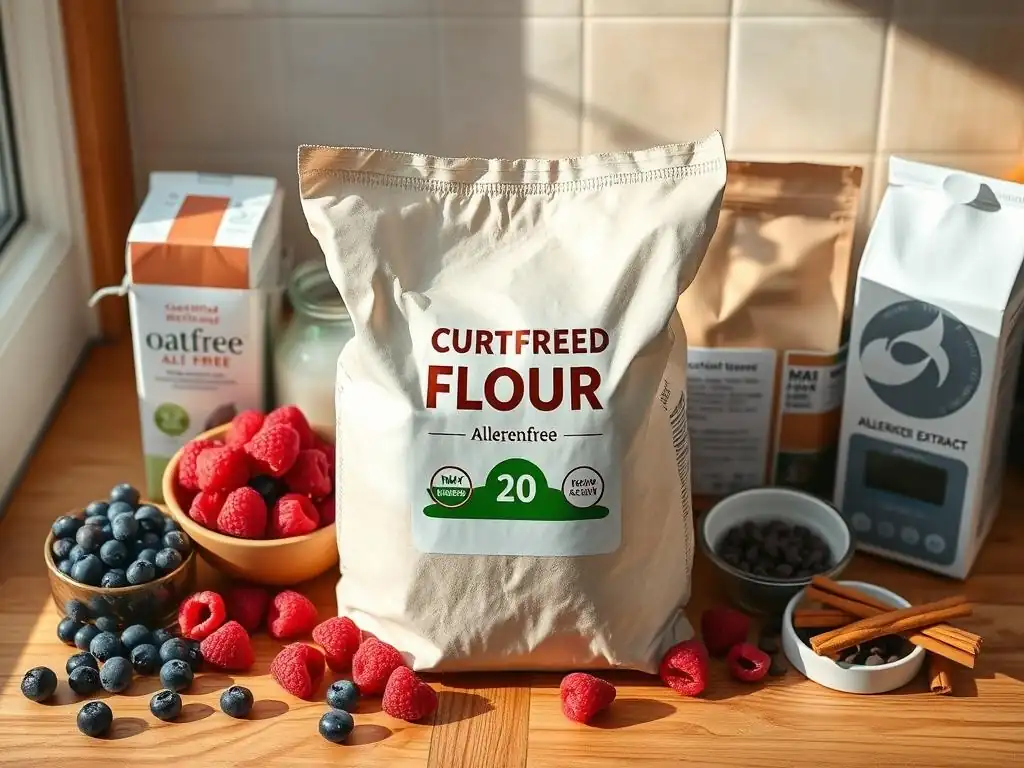
Creating a Safe Grocery Shopping List for Nut-Free Baking
Before heading to the store, create a detailed shopping list that specifies brands known to be safe. Researching safe brands online beforehand can save significant time and stress in the aisle. Many allergy organizations maintain lists of verified nut-free products and manufacturers. Stick to your list and avoid impulse buys of products you haven't vetted, especially if they are new or unfamiliar.
Consider keeping a digital or physical list of safe product UPC codes or photos of labels you trust. This can speed up shopping trips and reduce the chance of accidentally picking up an unsafe item. Regularly review and update your list as manufacturers sometimes change their formulations or processing practices. A well-researched list is your first line of defense when seeking ingredients based on nut allergy ingredient labels.
Communicating with Store Personnel About Nut-Free Options
While store personnel may not be experts on every product's allergen information, they can sometimes help locate specific brands you've researched or point you towards dedicated "free-from" sections if the store has them. Inquire if the store has a policy regarding cross-contamination in bulk bins (like flour or oats), as these are high-risk areas for nut exposure. It's generally safest to avoid bulk bins entirely if you are baking for someone with a severe nut allergy.
Don't rely solely on staff recommendations regarding allergens; always verify by reading the label yourself. However, staff can be helpful in navigating the store layout or checking stock for specific, trusted nut-free brands you are looking for, assisting your quest for ingredients with clear nut allergy ingredient labels.
Choosing Certified Nut-Free Brands and Products
Opting for products that are certified nut-free by a reputable third-party organization is one of the most reliable strategies for safe nut-free baking. These certifications usually involve strict requirements for manufacturing processes, ingredient sourcing, and sometimes even finished product testing. Look for certification seals on packaging, such as those from the Allergy Friendly Certification Program or similar regional bodies.
Examples of companies that prioritize allergen control include Enjoy Life Foods, dedicated to producing free-from products, and some smaller bakeries specializing in allergen-friendly goods. While not every safe product will have a certification seal, choosing those that do adds an extra layer of assurance, making it easier to trust the nut allergy ingredient labels you encounter.
Avoiding Cross-Contamination in Your Kitchen
Dedicated Utensils and Baking Equipment for Nut-Free Recipes
To minimize the risk of cross-contamination within your own kitchen, consider dedicating a separate set of utensils, mixing bowls, baking pans, and cutting boards specifically for nut-free baking. Wooden spoons and cutting boards are particularly porous and difficult to clean thoroughly after contact with nuts. Plastic and metal items are easier to sanitize.
Storing these dedicated items separately from your regular baking equipment (perhaps in a different cupboard or clearly marked bins) helps prevent accidental use. While acquiring a full second set of equipment might not be feasible for everyone, having dedicated essentials like mixing bowls, spatulas, and baking sheets can significantly reduce the risk of transferring nut residues when you are focused on creating recipes from ingredients chosen by carefully reading nut allergy ingredient labels.
Cleaning Procedures to Prevent Nut Cross-Contamination
Thorough cleaning is paramount when baking in a kitchen that also handles nuts. Wash all surfaces, including countertops, sinks, and stovetops, with hot, soapy water before you begin nut-free baking. A run through a dishwasher on a hot cycle is generally effective for cleaning non-porous items. Pay special attention to small appliances like mixers, food processors, and blenders, as nut residues can hide in crevices. Disassemble parts as much as possible for cleaning.
Remember that simply wiping down surfaces with a cloth is not sufficient; visible crumbs might be removed, but invisible protein residues can remain. Use fresh cleaning cloths and sponges for nut-free preparation areas, separate from those used elsewhere in the kitchen. Implementing strict cleaning protocols is a non-negotiable step after carefully selecting ingredients based on nut allergy ingredient labels.
Safe Storage of Nut-Free Ingredients
Storing your nut-free ingredients safely is the final step in preventing cross-contamination in your kitchen. Keep all nut-free flours, sugars, and other dry goods in airtight containers with clear labels. Store these containers in a separate pantry or shelf area away from any products containing nuts. This physical separation prevents accidental exposure from spills or airborne particles.
If you must store nut-containing items in the same kitchen, ensure they are also in tightly sealed containers and stored below the nut-free items to prevent crumbs or dust from falling onto safe ingredients. Designating specific shelves or areas for nut-free items reinforces safe practices and protects the integrity of ingredients you have carefully selected using nut allergy ingredient labels.
Nut-Free Baking Ingredient Substitutions: A Comprehensive Guide
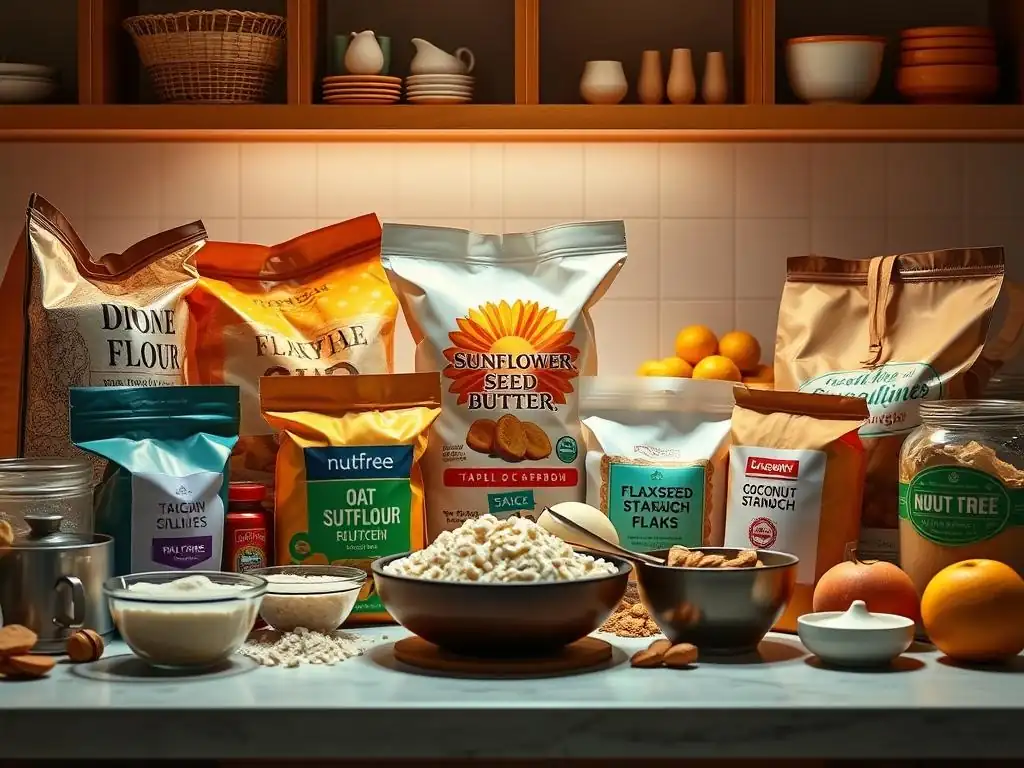
Many classic recipes call for nuts, but delicious nut-free versions are absolutely possible! Take the classic chocolate chip cookie. If a recipe calls for adding chopped walnuts or pecans, simply omit them. The cookies will still be delicious. For recipes where nuts provide structure or texture, like some biscotti or bars, you might need a substitution.
A simple substitution for chopped nuts in cookies or muffins is to use seeds, like sunflower seeds (ensure they are processed in a nut-free facility if the allergy is severe) or pumpkin seeds (pepitas). For a chewy texture, dried cranberries or raisins can be added. Chocolate chips or chunks are also excellent additions that provide texture and flavor without nuts, making your careful reading of nut allergy ingredient labels worthwhile as you gather safe alternatives.
Using Seeds, Dried Fruits, and Other Alternatives
Beyond sunflower and pumpkin seeds, other seeds like poppy seeds, sesame seeds (verify processing! ), or chia seeds can add texture and visual appeal to baked goods. Dried fruits such as chopped apricots, dates, or cherries provide sweetness and chewiness. Shredded coconut (again, verify processing) can mimic some of the texture of chopped nuts in certain recipes.
For recipes relying on nut butter for richness and binding, sunflower seed butter is a popular and effective substitute. It has a similar texture and can often be swapped 1:1 in recipes like cookies or energy bars. Experimenting with these alternatives allows you to recreate the desired textures and flavors without using nuts, expanding your repertoire of safe recipes built from ingredients verified using nut allergy ingredient labels.
Exploring Nut-Free Flours and Baking Mixes
With the rise of alternative flours, it's easier than ever to find nut-free options. While almond flour is popular, many other flours work well in baking:
- Wheat Flour: Standard all-purpose flour is naturally nut-free, but check for cross-contamination warnings if it's milled in a facility that also processes nut flours.
- Oat Flour: Made from ground oats. Ensure it's certified gluten-free and processed in a nut-free facility if cross-reactivity or cross-contamination is a concern.
- Rice Flour: Both brown and white rice flour are nut-free alternatives, often used in gluten-free blends.
- Coconut Flour: Made from dried, ground coconut meat. While coconut is botanically a fruit, it's often grouped with tree nuts due to potential cross-reactivity for some individuals, or processing in shared facilities. Check with the individual's allergist.
- Seed Flours: Pumpkin seed flour or sunflower seed flour are available and provide nut-free alternatives.
Many commercially available gluten-free or allergy-friendly baking mixes are also formulated to be nut-free, but always verify by reading the nut allergy ingredient labels on the specific product.
Resources for Further Information on Nut Allergies and Food Labeling
Reliable Websites and Organizations for Allergy Information
Staying informed is key to managing nut allergies safely. Several reputable organizations provide comprehensive information on food allergies, including detailed guides on reading food labels and managing cross-contamination risks. Examples include:
- FARE (Food Allergy Research & Education): A leading non-profit in the U.S. providing education, advocacy, and research. Their website has extensive resources on reading labels and managing allergies.
- Allergy UK: A British charity offering support and information for people with allergies.
- Anaphylaxis Campaign (UK): Provides information and support specifically for those at risk of severe allergic reactions.
- EAT (European Academy of Allergy and Clinical Immunology): Offers scientific information and resources on allergies.
These organizations often provide downloadable guides, fact sheets, and updates on labeling regulations, supplementing your understanding of nut allergy ingredient labels.
Consulting with a Registered Dietitian or Allergist
For personalized advice regarding nut allergies, dietary restrictions, and safe food choices, consulting with a healthcare professional is highly recommended. An allergist can provide a formal diagnosis, assess the severity of the allergy, and offer guidance on emergency protocols.
A registered dietitian specializing in food allergies can help you navigate grocery shopping, understand food labels in detail, identify safe brands, and develop meal plans that are both safe and nutritionally adequate. They can provide tailored advice based on the specific nut allergy and individual sensitivities, offering expert insight that complements your efforts in understanding nut allergy ingredient labels.
Conclusion: Baking with Confidence While Managing Nut Allergies
Managing peanut and tree nut allergies in the kitchen requires diligence, but it absolutely doesn't mean sacrificing the joy of baking. By becoming an expert in understanding nut allergy ingredient labels, you gain the power to confidently select safe ingredients. Remember to read every label, every time, scrutinize "may contain" statements, and research manufacturer practices.
Implement safe kitchen practices like dedicated equipment and thorough cleaning to prevent cross-contamination. Embrace the world of nut-free substitutions, discovering delicious alternatives that open up a wealth of new baking possibilities. With knowledge, caution, and practice, you can create delightful, safe baked goods that bring smiles to everyone's faces, allowing you to bake with ease and confidence, even when navigating the challenges of nut allergies.
Frequently Asked Questions
What are the key things to look for on ingredient labels when you have a nut allergy?
You should always read ingredient labels carefully and be aware of potential cross-contamination warnings. Look for statements like "May contain nuts" or "Processed in a facility that also processes nuts."
Does "nut-free" always mean a product is safe for someone with a severe nut allergy?
Not necessarily. While "nut-free" should indicate no nuts were used, always check for cross-contamination warnings and contact the manufacturer if you have any doubts about allergen safety.
Be cautious of ingredients like natural flavorings, hydrolyzed vegetable protein, and certain types of chocolate. These can sometimes contain traces of nuts, so thorough label reading is essential.
What does "processed in a facility that also processes nuts" mean on an ingredient label?
This means that while the product itself may not contain nuts, it was made in a facility where nuts are present, creating a risk of cross-contamination. Individuals with severe nut allergies should typically avoid such products.
Where can I find reliable information about nut allergies and safe food choices?
Consult with an allergist or registered dietitian for personalized advice. You can also find useful information on websites of allergy advocacy organizations like FARE (Food Allergy Research & Education).
Understanding and deciphering nut allergy ingredient labels is not just a matter of careful reading; it's a matter of life and death for millions. The stakes are incredibly high, and the responsibility falls on manufacturers, retailers, and ultimately, consumers to ensure safe food choices for those with life-threatening allergies. This article has highlighted the complexities of ingredient labeling, the importance of proactive measures, and the ongoing need for clearer, more standardized regulations.
The impact of nut allergies extends far beyond individual dietary restrictions; it shapes social gatherings, travel plans, and even the very design of food production. It's a constant vigilance, a daily negotiation with potential danger. This personal responsibility weighs heavily, and the fear is real. The fear of accidental exposure is a constant companion for those with severe allergies, and it's a fear that shouldn't be underestimated.
This quote perfectly encapsulates the emotional toll of living with a nut allergy, and the importance of our collective efforts to mitigate this risk.
Now, consider your own shopping habits. Are you actively checking labels, not just for yourself, but for others? Do you understand the nuances of "may contain" statements and the limitations of current regulations? Take a moment to reflect on your role in creating a safer food environment for everyone. By becoming more informed consumers, we can collectively empower those with nut allergies to navigate the world with greater confidence and peace of mind. Let's work together to make a difference.
Unlock a World of Nut-Free Baking!
Thanks for taking the time to learn about navigating nut allergy labels – you're now equipped to bake confidently and safely! We know understanding these labels can be tricky, so we want to make it easier for you to put your new knowledge into action.
- Prioritize your pantry: Take 15 minutes today to review your current baking supplies and identify any potential cross-contamination risks. This will empower you to create a safer baking environment.
- Share this knowledge: Spread the word! Share this article with friends, family, or other bakers who might benefit from understanding nut allergy labels better.
- Challenge yourself: Try a new nut-free recipe this week! Let’s see what delicious creations you can make with confidence.
Ready to confidently navigate the grocery store and create amazing nut-free treats? What's your favorite nut-free baking swap?